Your home should act as your greatest asset during retirement, rather than a financial drain that quietly erodes your fixed income. Investing in strategic home upgrades for seniors allows you to permanently slash utility bills and prevent catastrophic repair costs down the road. As property taxes and insurance premiums climb, reclaiming control over your monthly housing expenses becomes a vital defense for preserving your middle-income paycheck. Small, calculated improvements made today consistently compound into massive savings over the next decade. By tackling these specific money-saving home fixes now, you insulate your budget against inflation, enhance your daily comfort, and ensure your property remains an affordable sanctuary throughout your golden years.
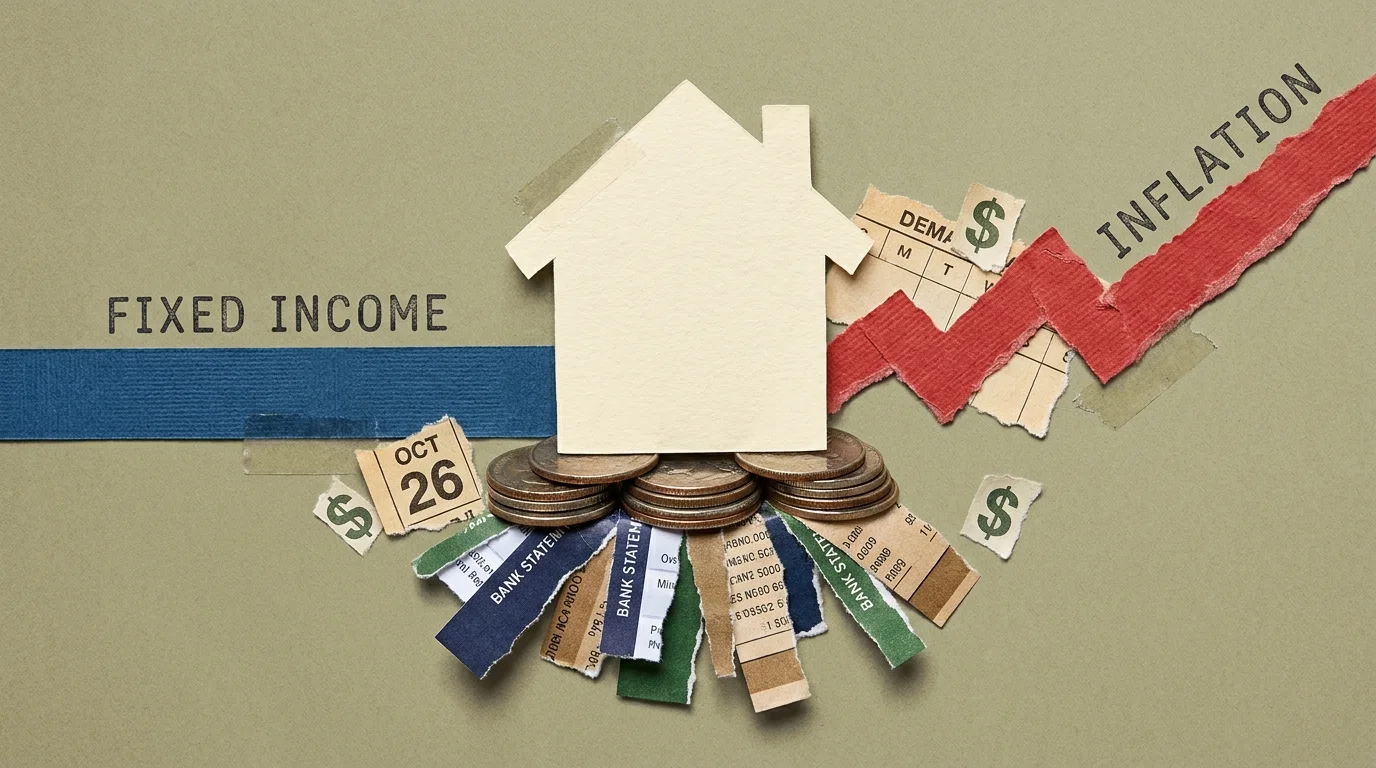
The Financial Reality of Aging in Place
Transitioning into a fixed-income lifestyle requires a fundamental shift in how you manage your household overhead. When your paycheck stops growing at the pace of inflation, every dollar leaking out through drafty windows or inefficient appliances represents a direct hit to your quality of life. The Federal Reserve frequently notes that unexpected expenses, particularly home repairs, remain one of the primary sources of financial distress for older Americans. You cannot entirely control the rising costs of municipal water or global energy markets, but you possess complete control over how your property consumes those valuable resources.
Treating home maintenance as an active financial strategy allows you to capture guaranteed, risk-free returns; a dollar saved on winter heating is entirely tax-free and immediately available for groceries, healthcare, or leisure travel. Achieving meaningful lower utility bills does not require a massive renovation budget or taking out a risky second mortgage. Instead, you secure your financial footing by addressing deferred maintenance and executing targeted, highly efficient upgrades that protect your long-term independence.
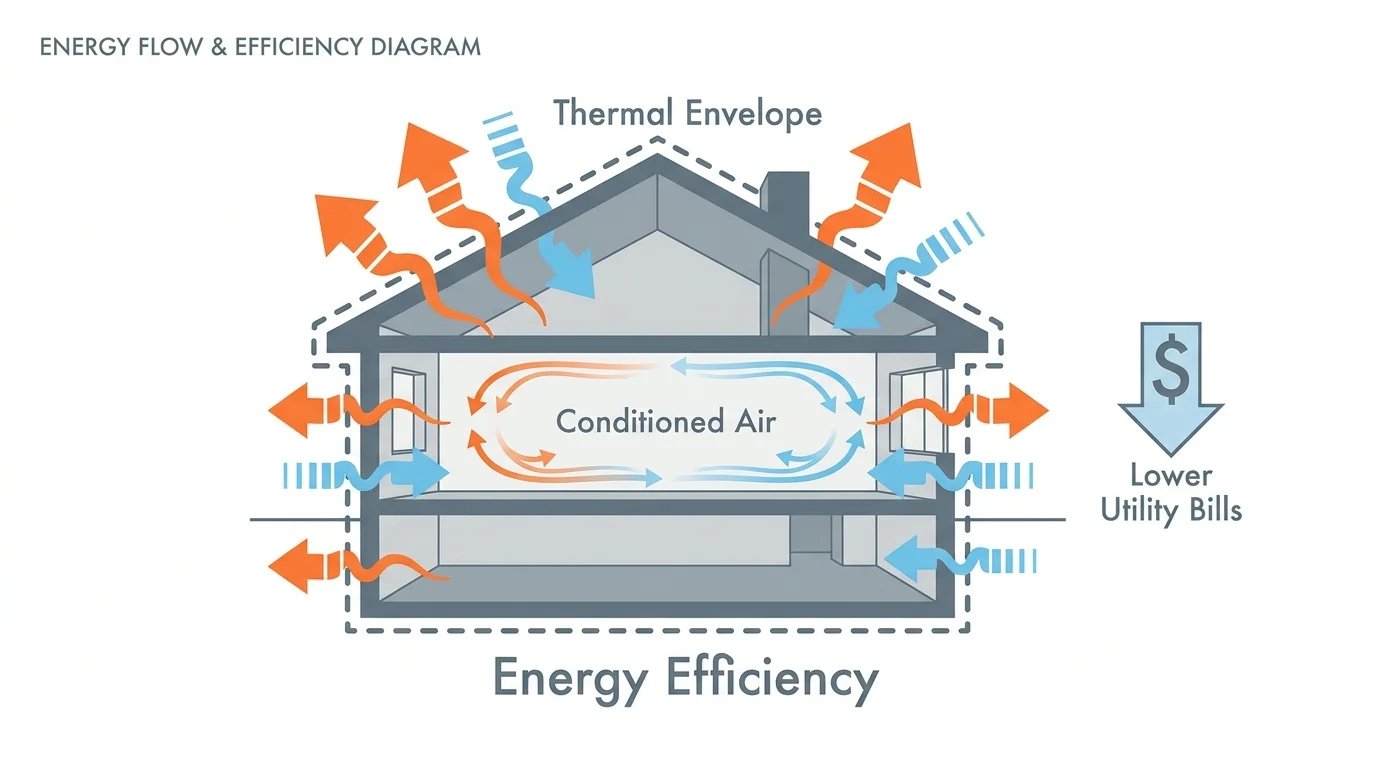
Strategy Pillar One: Slashing Utility Bills Through Energy Efficiency
Heating and cooling typically account for roughly half of a standard household energy budget. Optimizing your home to retain conditioned air delivers an immediate and highly visible reduction in your monthly utility statements.
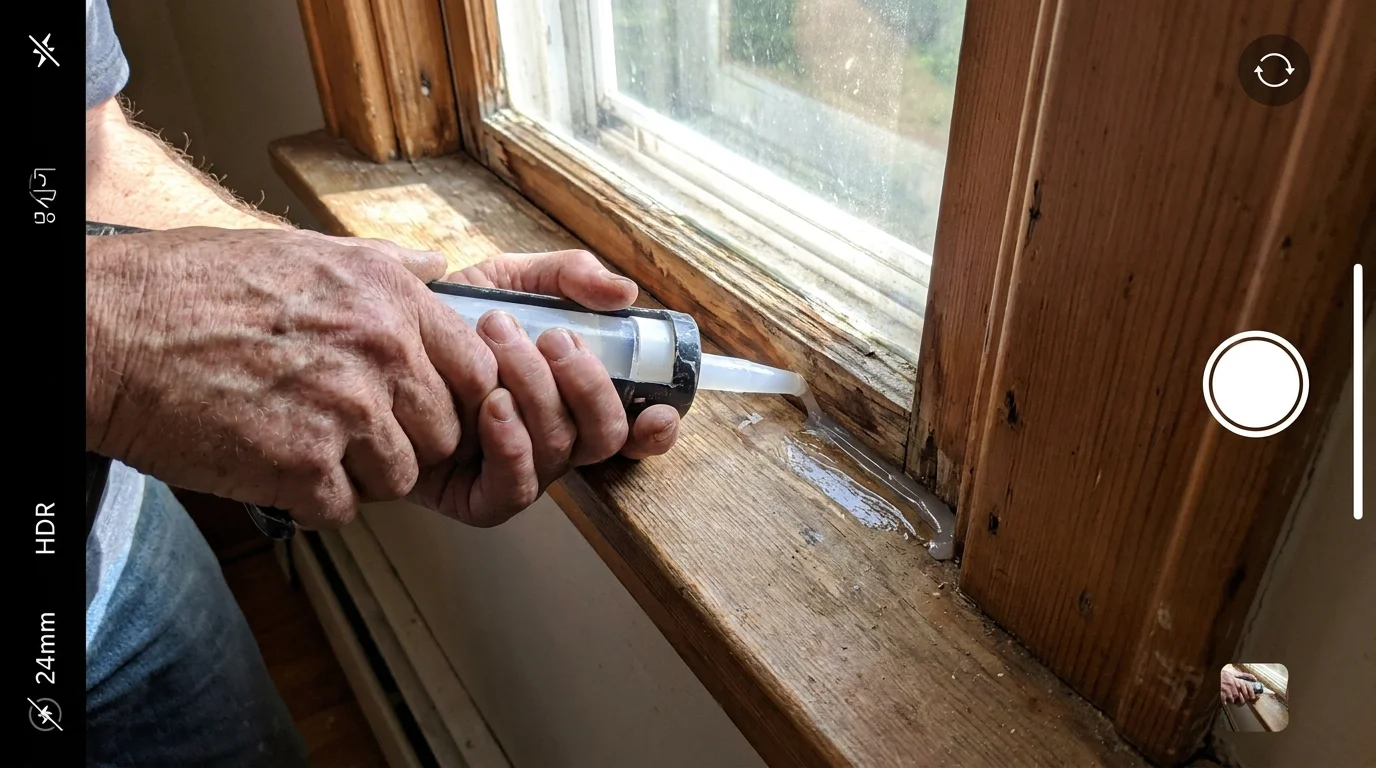
1. Fortify Your Thermal Envelope with Air Sealing
Before you even consider expensive window replacements, you must address the invisible gaps around your existing frames, baseboards, and exterior doors. Caulk and weatherstripping represent two of the highest-return investments you can make in your property. Drafts force your heating and cooling systems to run significantly longer cycles, which accelerates mechanical wear and artificially inflates your energy bills. Spend a single afternoon applying durable silicone caulk to stationary gaps and replacing worn weatherstripping on moving components like entry doors and operable windows. This highly affordable weekend project aggressively seals out extreme outside temperatures and keeps your expensive conditioned air exactly where you need it.
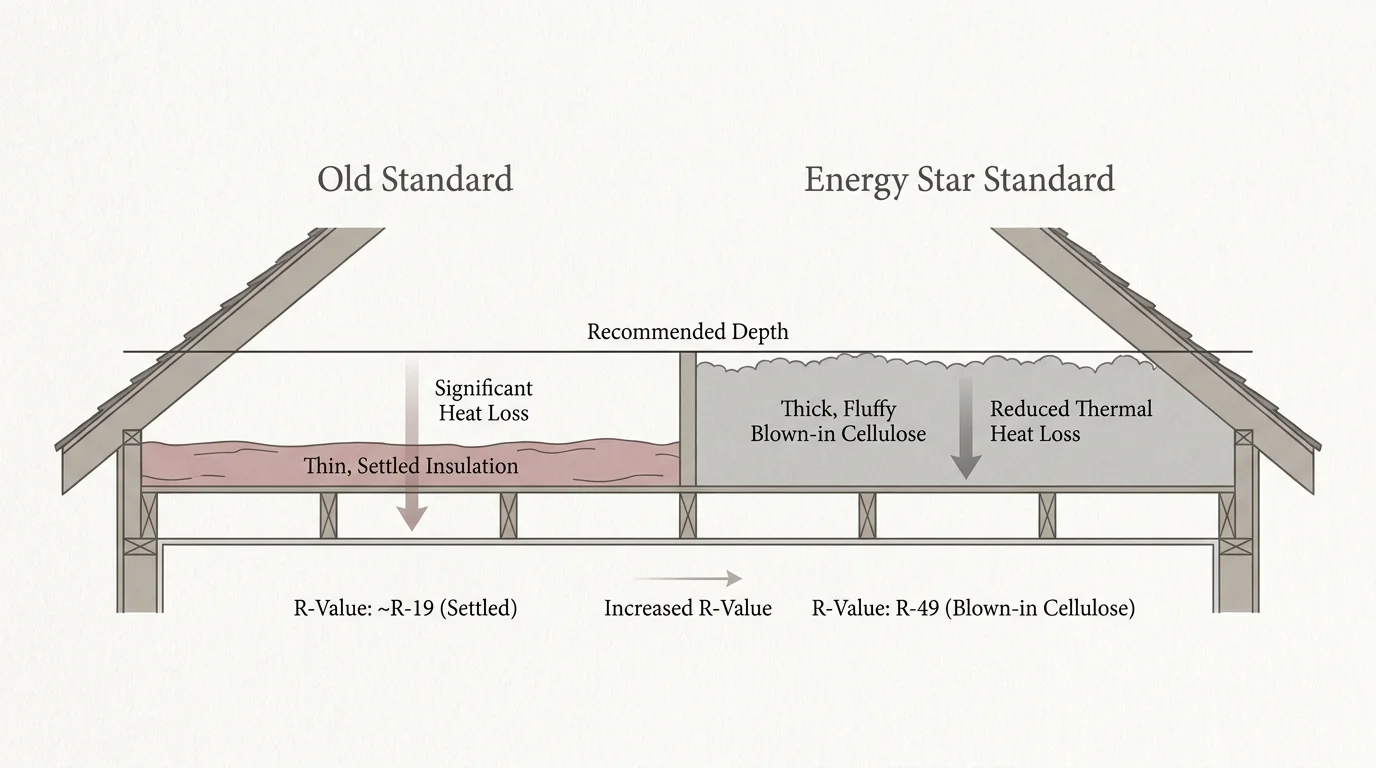
2. Upgrade Your Attic Insulation
Heat naturally rises, making an under-insulated attic a massive liability for your winter heating budget. Upgrading your attic insulation directly impacts your financial bottom line by reducing the continuous thermal heat loss that aggressively strains your furnace. According to the Energy Star program, bringing your insulation up to modern standards can save you hundreds of dollars annually depending on your specific climate zone. You can easily recoup the upfront cost of blown-in cellulose or thick fiberglass batts within just a few short years through permanently lowered utility costs.
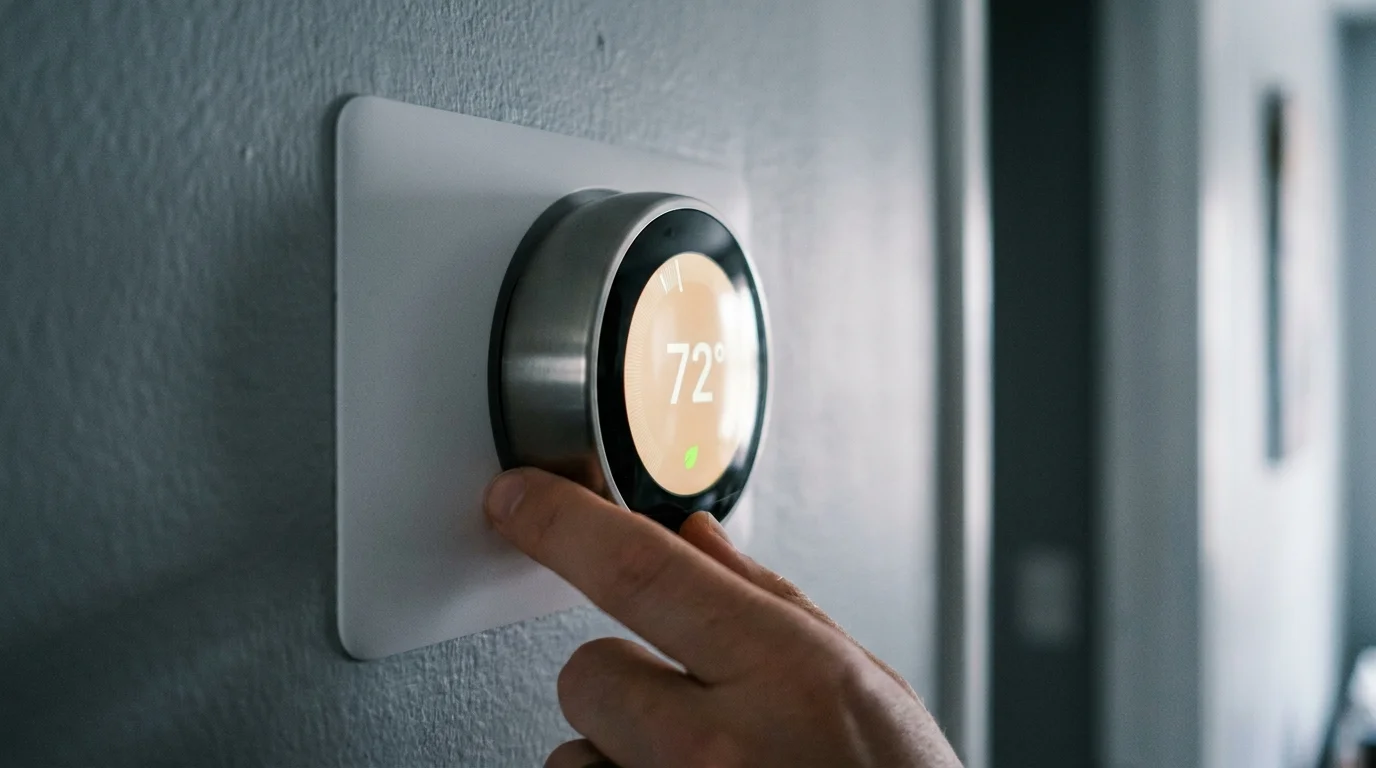
3. Install a Smart Thermostat
Heating an entirely empty house or maintaining warm daytime temperatures while you sleep wastes significant monthly capital. A modern smart thermostat automates your climate control by analyzing your daily routines and adjusting the temperature completely automatically. These intelligent units utilize advanced occupancy sensors and sophisticated algorithms to dial back the HVAC system when you leave for doctor appointments or standard grocery runs. By completely eliminating the human error associated with turning manual dials, you guarantee that your system operates at peak efficiency without requiring you to constantly monitor the hallway temperature.
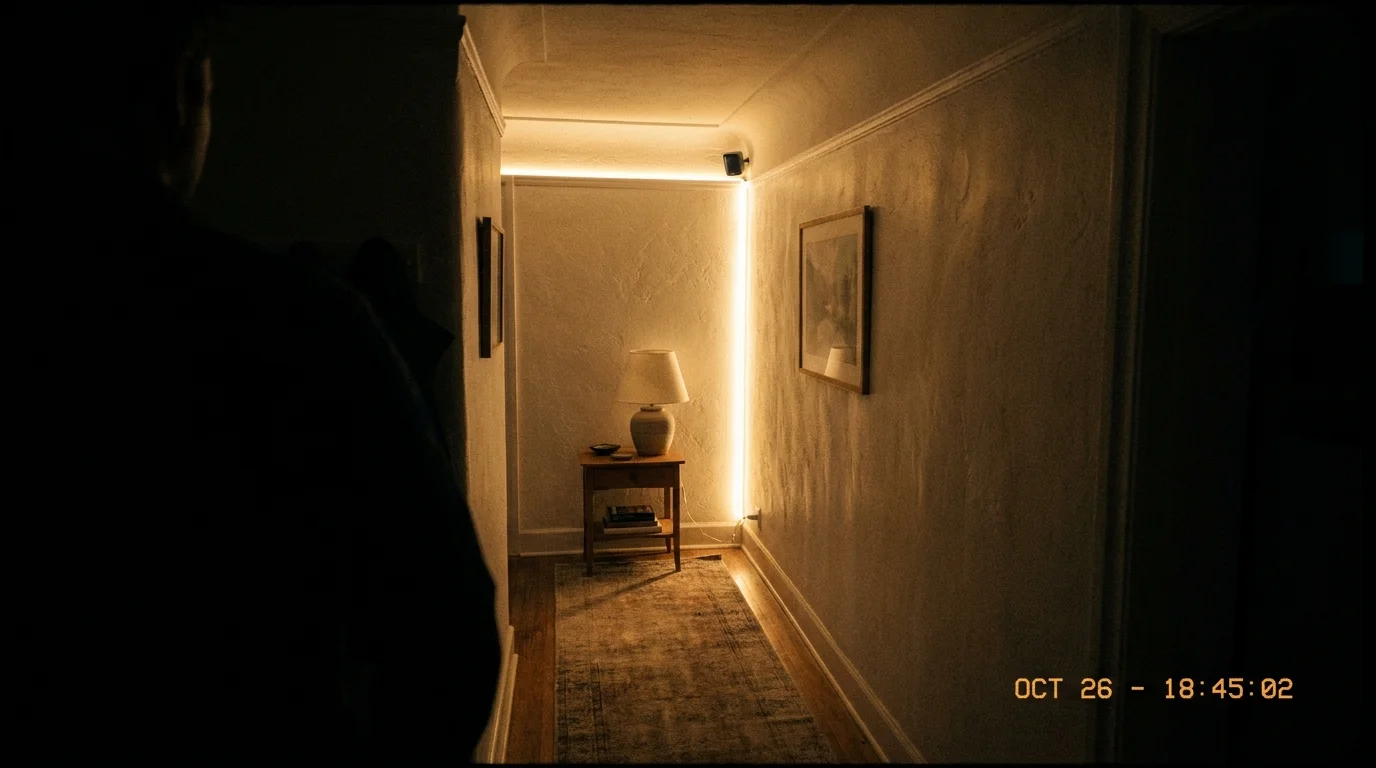
4. Implement LED Lighting and Motion Sensors
Replacing outdated incandescent bulbs with highly efficient light-emitting diodes offers a massive, immediate reduction in your daily electrical consumption. Modern LEDs use up to ninety percent less energy and last twenty-five times longer than traditional bulbs, meaning you will spend significantly less time dangerously balancing on step ladders to change out dead ceiling lights. Pairing these modern bulbs with automated motion sensors in hallways, bathrooms, and exterior entryways ensures that your home lighting only draws power when actively needed. This specific technological upgrade beautifully merges long-term financial savings with enhanced physical safety for aging safely in place.
Strategy Pillar Two: Water Conservation and Flow Management
Municipal water and municipal sewer rates consistently outpace general inflation in many regions. Restricting your indoor water flow simultaneously reduces your monthly water bill and the associated energy costs required to heat that water.
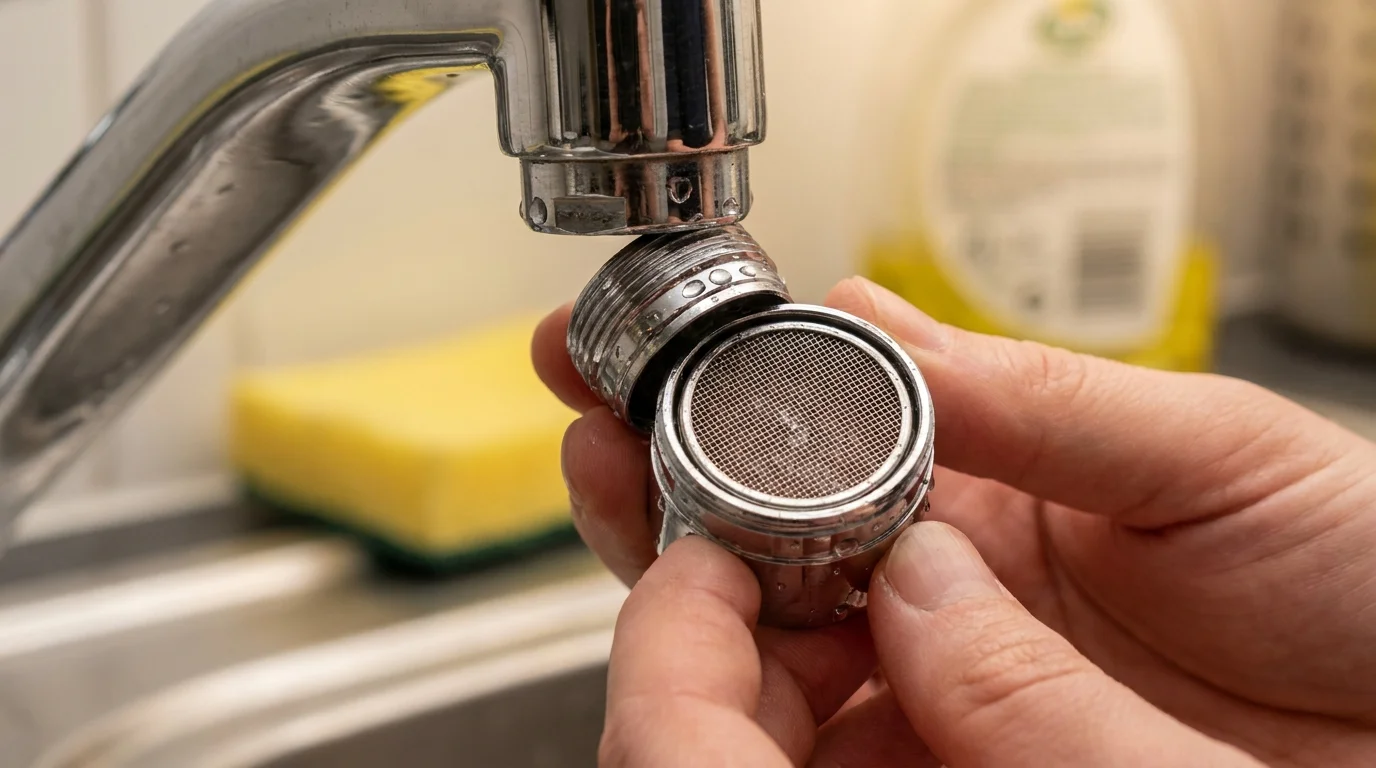
5. Deploy Low-Flow Aerators and Showerheads
Unscrewing your current faucet aerators and replacing them with modern, low-flow alternatives requires zero plumbing experience and usually costs less than ten dollars per fixture. These clever devices mix pressurized air into the water stream, maintaining excellent tactile pressure while cutting the actual water volume by more than half. Swapping out older showerheads yields incredibly similar results, drastically reducing the amount of hot water your tank must physically produce during a standard morning shower. The Environmental Protection Agency WaterSense program estimates that these minor hardware updates confidently save the average family thousands of gallons of water annually.
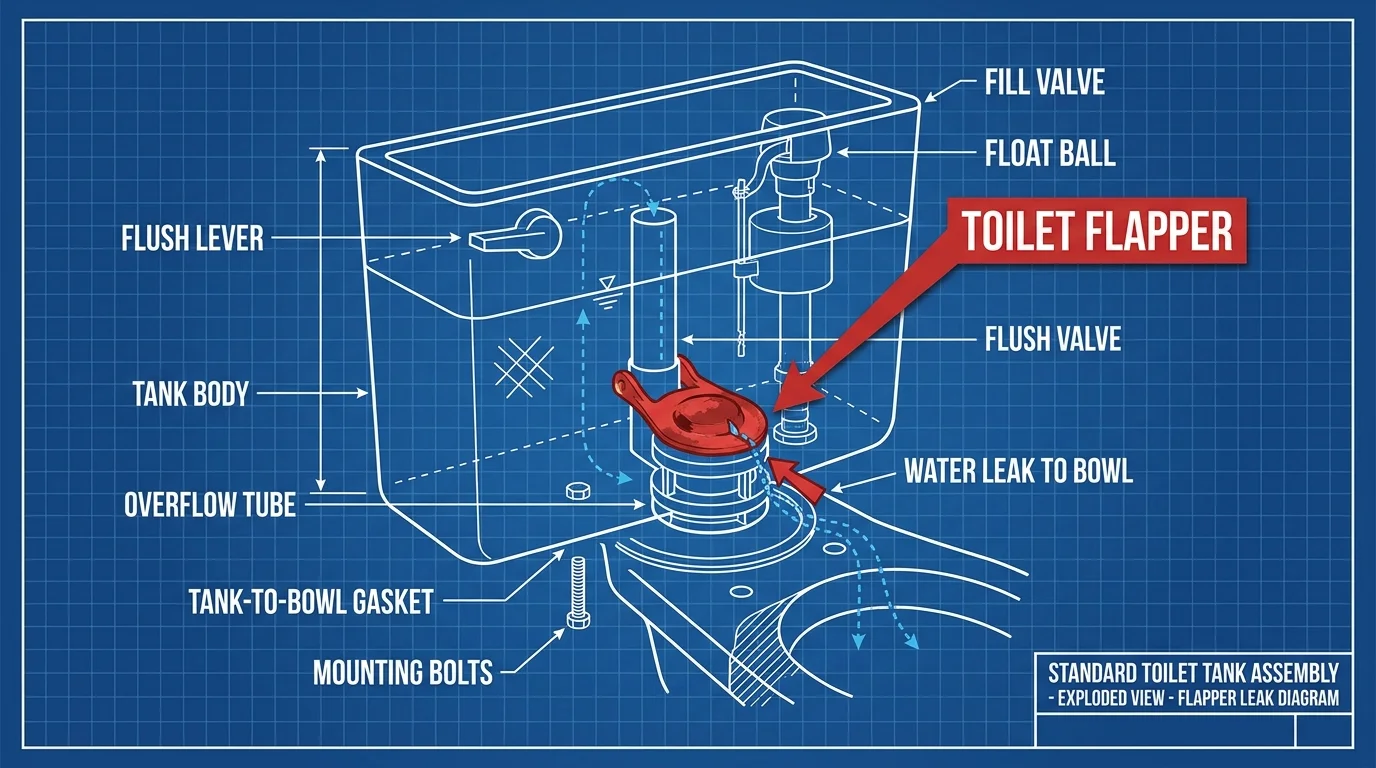
6. Replace Aging Toilet Flappers
A slowly deteriorating rubber flapper inside your toilet tank causes a silent, continuous leak that easily wastes hundreds of gallons of clean water each week. Because you rarely hear this steady internal drain, you might only notice the problem when your quarterly municipal water bill arrives with an astonishingly high balance. You can securely test your flapper by dropping a few drops of dark food coloring into the upper tank; if the color seeps into the bowl without a flush, you definitively have a leak. Replacing a degraded rubber flapper costs less than five dollars and takes roughly ten minutes to complete using no specialized tools.
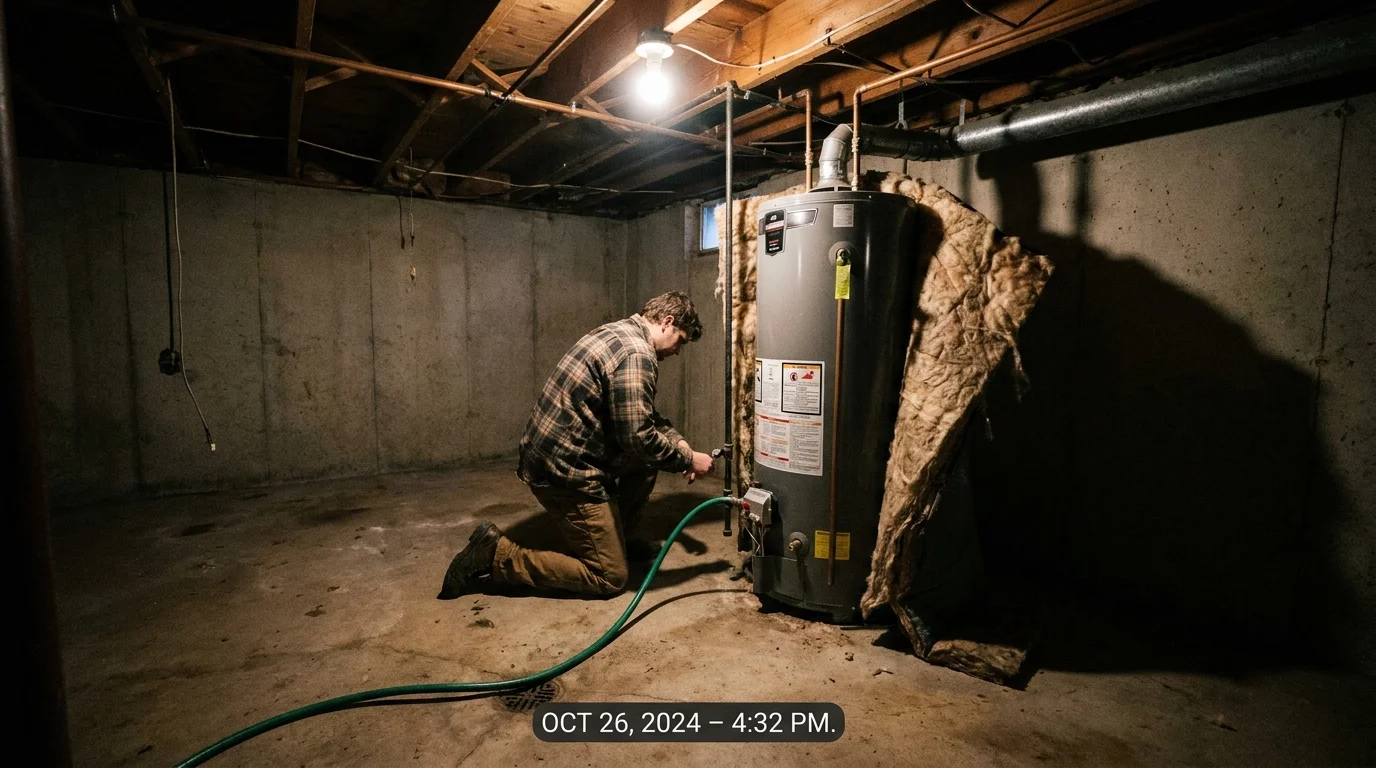
7. Flush and Insulate Your Water Heater
Over time, heavy mineral sediment naturally accumulates at the very bottom of your water heater, aggressively forcing the internal burner or heating elements to work through a thick layer of insulating sludge. Draining a few gallons of water from the bottom tank valve annually clears this debris, restoring the unit’s thermal efficiency and extending its overall operational lifespan. Furthermore, securely wrapping an older tank in a fiberglass insulation blanket and slipping foam tubes over the exposed hot water pipes prevents ongoing passive heat loss. These routine, simple maintenance steps prevent premature appliance failure and noticeably lower your daily water heating costs.
Strategy Pillar Three: Proactive Maintenance and Safety Interventions
Deferred household maintenance frequently transforms minor structural inconveniences into devastating financial emergencies. Executing proactive fixes actively protects both your property value and your physical well-being.
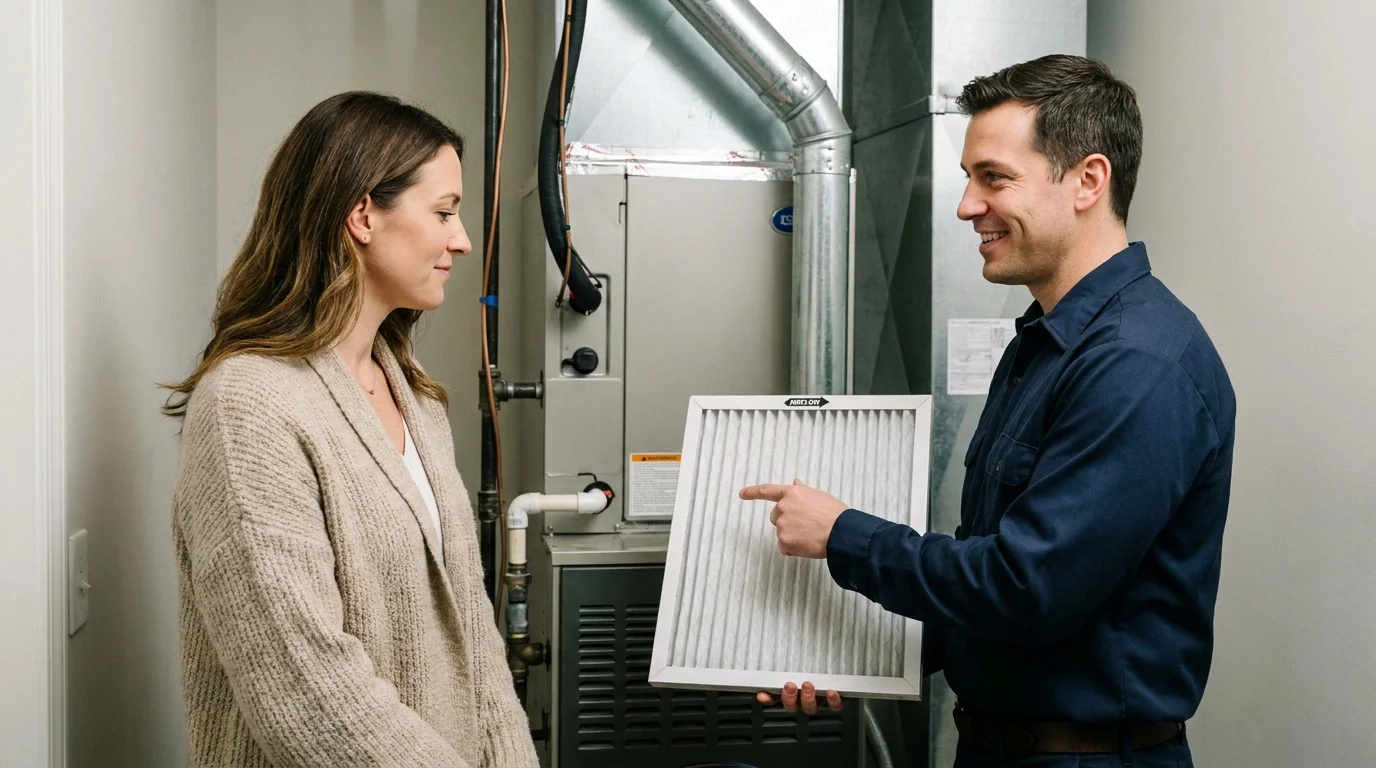
8. Schedule Annual HVAC Servicing
Skipping seasonal furnace and air conditioner tune-ups looks like a fantastic way to save money until the system suffers a catastrophic mechanical failure during a holiday weekend. Dirty evaporator coils, clogged disposable air filters, and failing electrical capacitors force your equipment to consume drastically more electricity to achieve the exact same cooling or heating output. Hiring a licensed technician to thoroughly clean the system, measure refrigerant levels, and carefully inspect electrical connections guarantees that your machinery operates flawlessly. Paying for preventive maintenance heavily reduces the massive risk of facing an emergency weekend replacement that could entirely wipe out your liquid cash reserves.
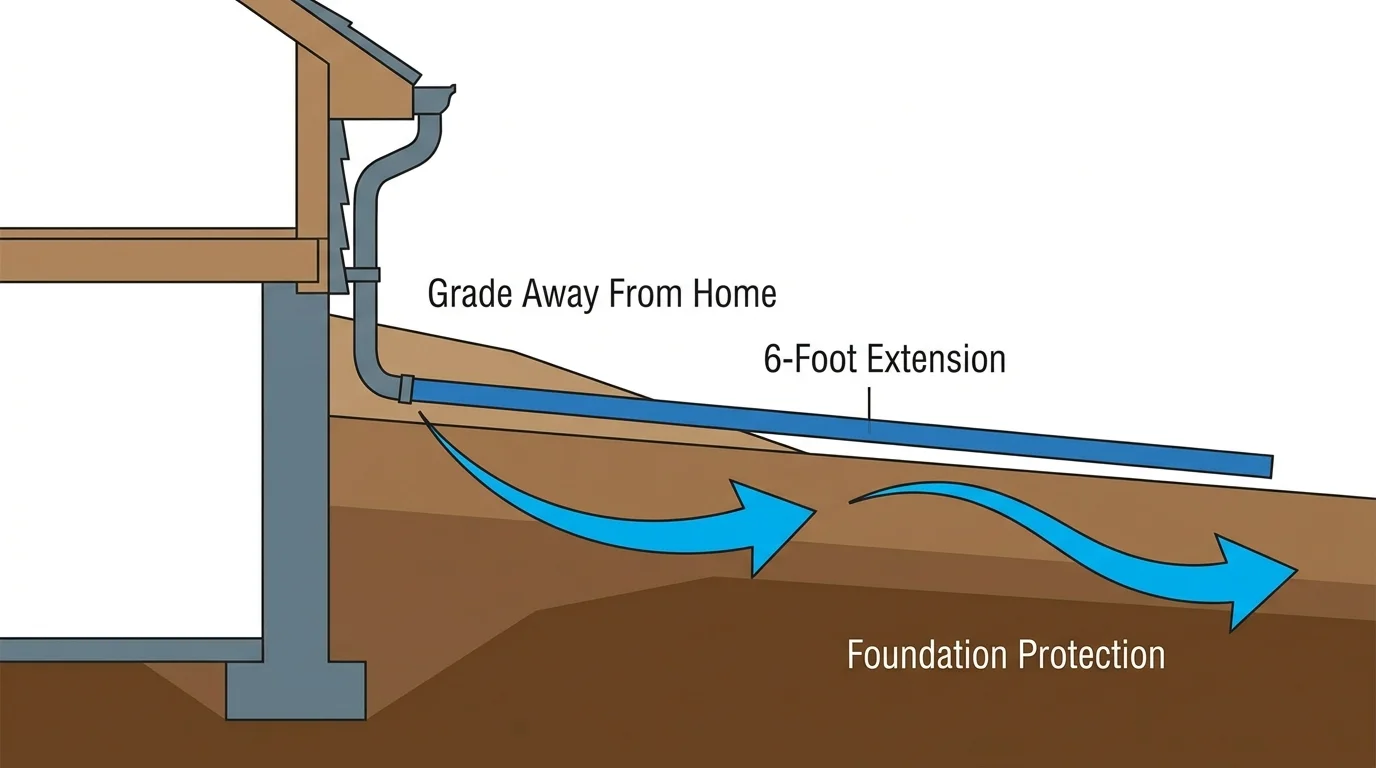
9. Extend Downspouts and Grade Your Exterior
Heavy water pooling around your concrete foundation introduces the immense risk of severe structural damage and incredibly toxic mold growth in your basement or crawlspace. Fixing poor exterior drainage ranks among the most critical retirement home improvements you can undertake to aggressively preserve your property value. Extending your exterior gutter downspouts at least five feet away from your outer walls safely directs heavy rainfall away from highly vulnerable foundation areas. You must also routinely ensure that the soil directly around your home slopes visibly downward; moving a few wheelbarrows of packed dirt today actively prevents a fifty-thousand-dollar foundation repair tomorrow.
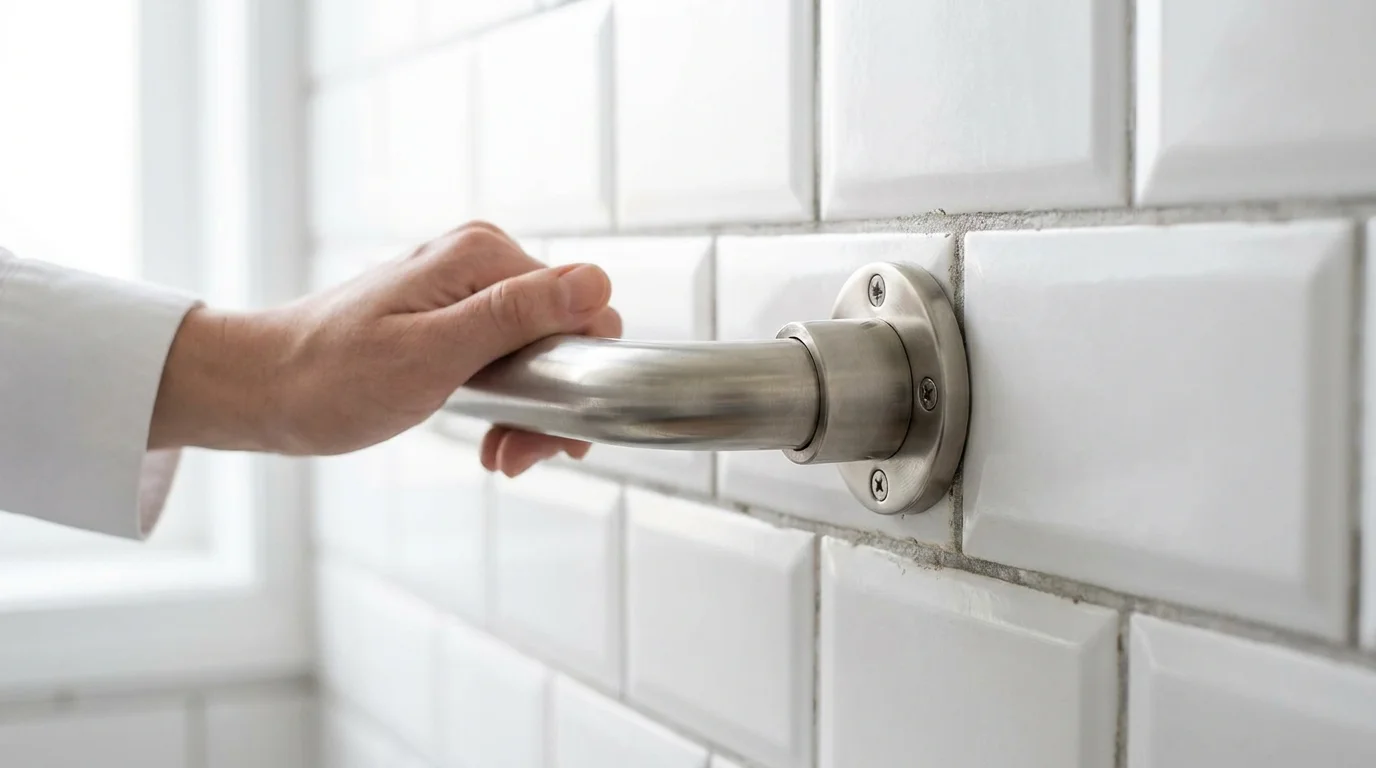
10. Install Strategic Grab Bars and Railings
While physical safety hardware might not initially seem like a direct utility saving, effectively preventing a devastating fall represents the ultimate financial protection for aging middle-income households. The subsequent medical costs, intensive rehabilitation expenses, and the potential rapid need for assisted living following a major fracture routinely bankrupt otherwise secure older Americans. Installing high-quality, securely anchored metal grab bars in your showers and significantly reinforcing the wooden handrails on every staircase radically decreases your daily risk of injury. By spending a hundred dollars on structural safety today, you heavily protect your ability to live independently and firmly shield your retirement savings from sudden medical shocks.
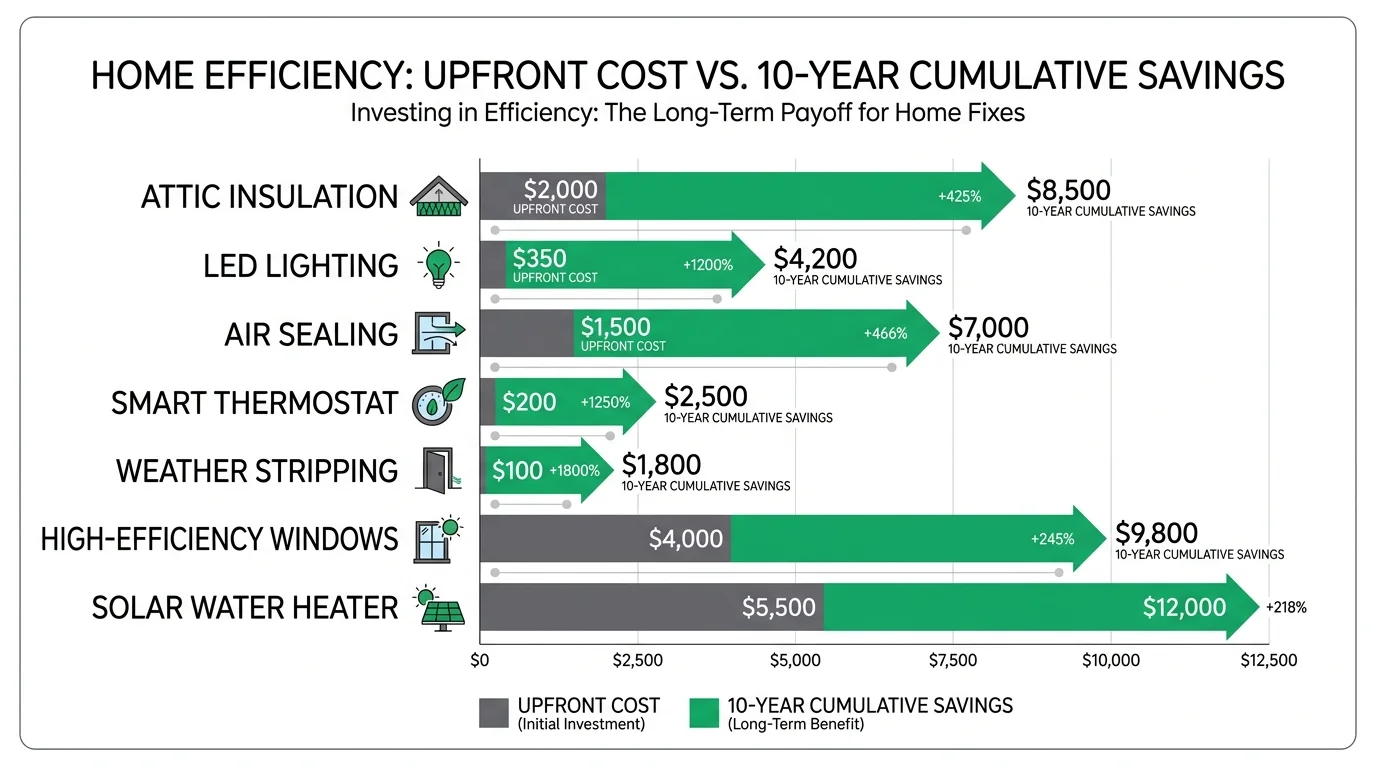
Action Lab: Calculating Your Return on Investment
Understanding the exact mathematical mechanics of these fixes successfully builds the financial confidence you need to take immediate action. Let us closely examine a highly practical scenario focused purely on basic weatherization and air sealing.
Suppose you smartly purchase twenty dollars worth of heavy-duty exterior silicone caulk and an additional thirty dollars in specialized door sweeps and insulating weatherstripping tape. You dedicate a quiet Saturday morning to methodically sealing the drafty gaps around your three exterior doors and your primary living room windows. If your average winter heating bill currently hovers around two hundred dollars, and a drafty home typically loses roughly fifteen percent of its conditioned air, your initial fifty-dollar investment quickly begins capturing thirty dollars in tangible savings every single month.
Within exactly eight weeks, your purchased materials have completely paid for themselves. For the remainder of the long winter—and every subsequent winter for the next entire decade—that unspent thirty dollars stays firmly anchored inside your personal checking account. You effectively transform a minor upfront expense into a permanent, highly predictable reduction in your living overhead, clearly proving that your personal sweat equity generates a dramatically higher financial yield than most traditional bank savings accounts.
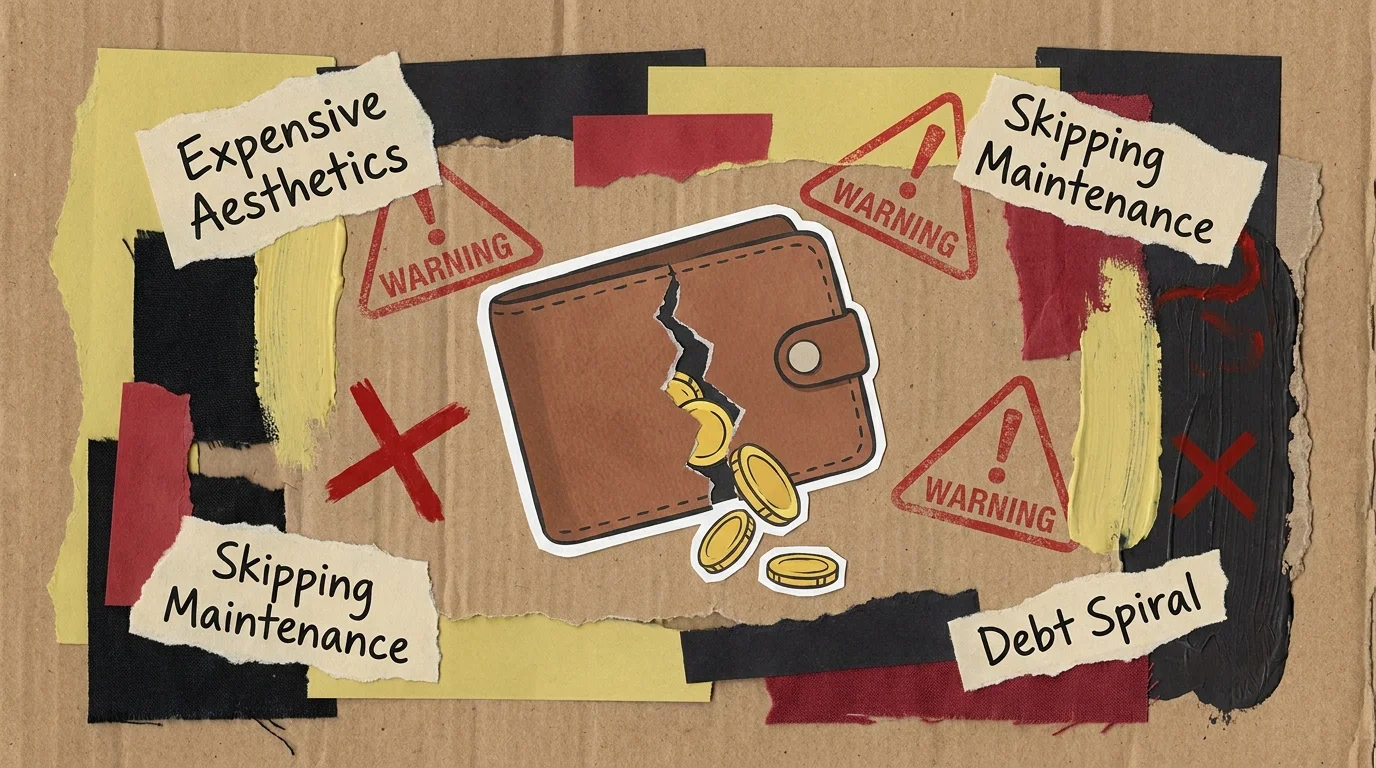
Common Renovation Missteps to Avoid
While enthusiastically pursuing home upgrades for seniors, you must remain incredibly vigilant against aggressive strategies that inadvertently damage your financial health. You should never finance minor cosmetic home repairs using high-interest retail credit cards, as the rapidly compounding interest will completely consume any modest utility savings you eventually generate. Instead, actively cash-flow your improvements by methodically tackling one inexpensive, highly targeted project per month using existing funds.
You must also exercise extreme professional caution when hiring outside help for the complex tasks you cannot safely complete yourself. The Consumer Financial Protection Bureau strongly warns that older adults frequently face aggressive targeting from predatory contractors who boldly overcharge for distinctly substandard work. Always demand three completely separate written estimates for significant structural jobs like full HVAC replacement or complex attic insulation installation, and absolutely never pay the full project balance upfront in cash. Verify all relevant licensing and insurance credentials completely independently before legally allowing anyone to dismantle your home infrastructure.
Frequently Asked Questions About Senior Home Improvements
Q: Are there government programs that specifically help seniors pay for these efficiency upgrades?
A: Yes; the federal Weatherization Assistance Program routinely provides comprehensive home energy upgrades to legally eligible low-income and middle-income households at absolutely no direct cost. You should urgently contact your state housing authority or your local community action agency to verify your income eligibility and confidently apply for these vital modernization grants.
Q: How do I exactly know which money-saving home fixes to aggressively prioritize first?
A: You should always ideally begin with a professional home energy audit to precisely identify your most severe areas of costly heat loss; many local utility providers graciously offer these audits entirely for free. If you want to start making progress immediately, swiftly tackle the absolute cheapest fixes with the highest immediate return, such as installing low-flow faucet aerators, replacing old toilet flappers, and applying fresh weatherstripping to exterior doors.
Q: Can I safely perform these routine maintenance tasks myself, or do I legally need a professional?
A: You can comfortably and safely install low-flow showerheads, swap out accessible indoor lighting, and apply window caulk using basic standard household tools and minimal physical exertion. However, you must explicitly hire licensed, bonded professionals for absolutely any major projects involving direct electrical wiring, pressurized natural gas lines, or dangerously climbing steep outdoor ladders to safely access your roof and attic.
Q: Do modern smart home devices actually generate tangible, measurable financial returns for retirees?
A: Absolutely; modern smart thermostats and automated lighting solutions entirely eliminate the frequent human error associated with manually managing your daily household energy consumption. By automatically dialing back your demanding HVAC system when you leave for the afternoon or drastically reducing heavy heating loads overnight, these intelligent devices consistently reduce your energy bills without requiring constant, stressful manual intervention.
Secure Your Financial Future Today
Transforming your aging property into a highly efficient, thoroughly affordable fortress does not fundamentally require endless capital or dangerously exhausting physical labor. By systematically addressing obvious energy waste, tightly managing your indoor water flow, and heavily investing in intelligent preventive maintenance, you successfully establish an environment that deeply respects your fixed retirement income. Every stubborn draft you seal and every old incandescent bulb you smartly replace functions as a highly secure direct deposit straight into your future financial stability. Take a careful inventory of your home this weekend, decisively choose the most accessible project from this detailed roadmap, and confidently take the first crucial step toward permanently lowering your daily living costs. You hold the ultimate power to actively optimize your home, fiercely protect your lifetime savings, and thoroughly enjoy a profoundly comfortable, completely independent retirement.