Balancing a fixed income against the rising cost of living forces many older adults to cut entertainment and socialization first. You do not have to choose between protecting your retirement savings and enjoying a vibrant social calendar. By auditing your discretionary cash flow and leveraging hidden community assets, you can access world-class museums, concerts, and theater productions without spending a single dime. Across the country, local governments, cultural institutions, and educational centers offer robust, zero-cost programming specifically accessible to retirees. Implementing these strategic access methods allows you to stretch your monthly budget while maintaining the engaging, fulfilling lifestyle you worked decades to achieve.

State of the Retiree Wallet
Every dollar matters when your primary income streams remain fixed. Data from the U.S. Bureau of Labor Statistics reveals that households led by adults aged 65 and older spend upwards of $61,000 annually, with discretionary spending becoming difficult to maintain as healthcare and utility costs climb. The Consumer Financial Protection Bureau defines true financial well-being for older adults not just by the ability to pay basic bills, but by the capacity to absorb financial shocks while still having the freedom to enjoy life. When inflation squeezes your purchasing power, entertainment often falls onto the chopping block. However, stepping back from cultural engagement exacts a hidden toll on mental health and cognitive longevity. You need practical ways to stay active and engaged without eroding your portfolio or relying on high-interest credit cards.
Strategy Pillars: Redefining Your Entertainment Budget
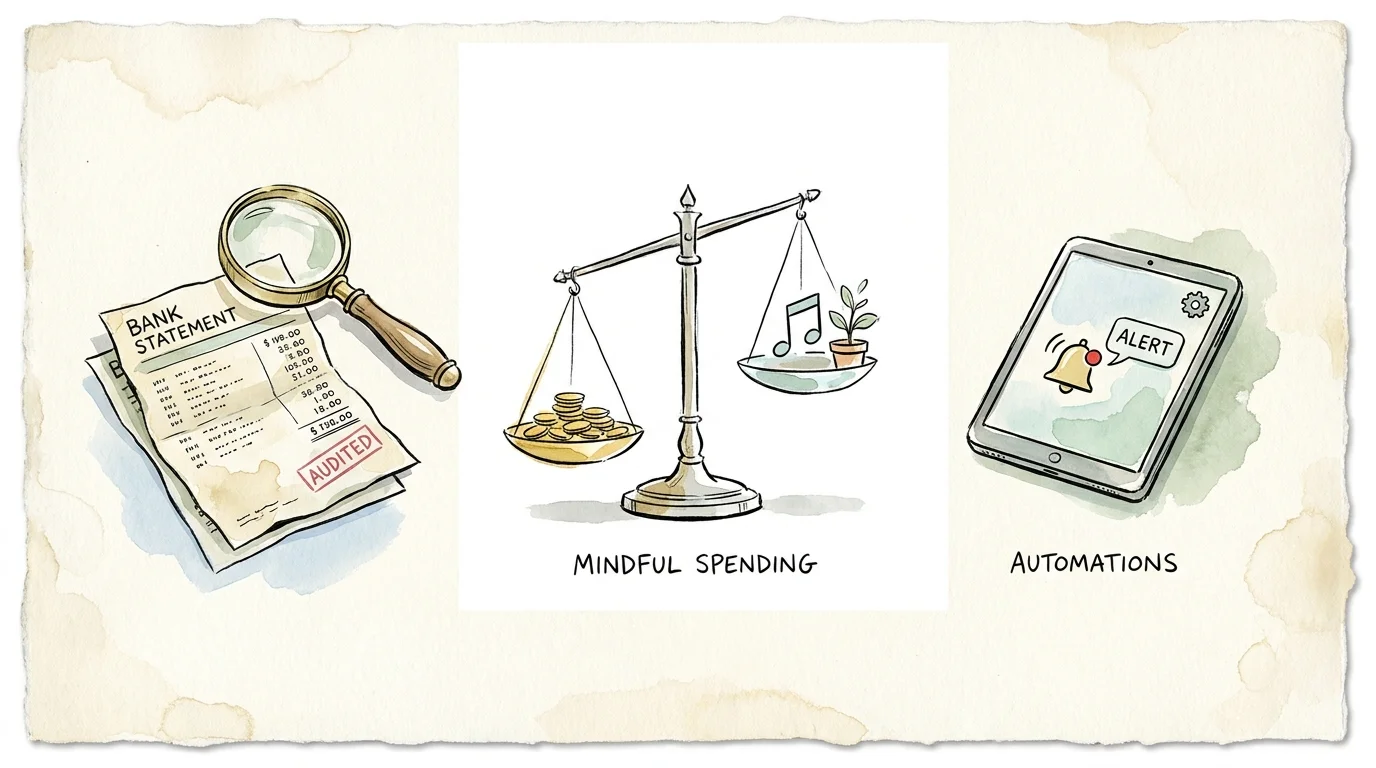
To maintain a robust social life on a fixed income, you must adopt a systematic approach to how you source and fund your activities. Implementing three foundational strategies will completely change how you view your monthly cash flow.
Cash-Flow Audits
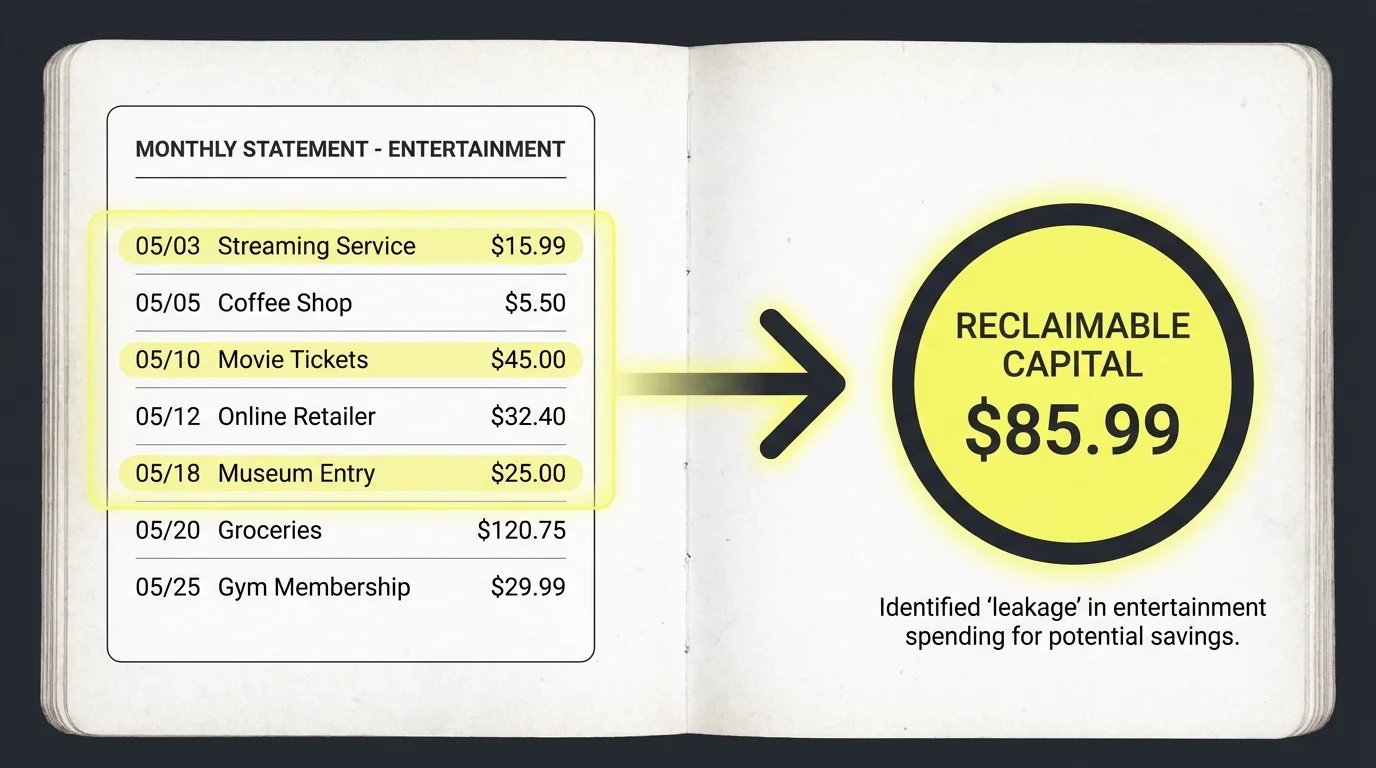
Start by rigorously reviewing your bank and credit card statements from the past three months. Identify every charge tied to entertainment, from movie tickets and streaming services to museum entry fees and concert admissions. Group these expenses together and calculate your monthly average. Many retirees discover they leak hundreds of dollars annually on convenience pricing or auto-renewing subscriptions they rarely use. By auditing your cash flow, you expose the exact dollar amount you can reclaim. You can redirect this recovered capital toward essential living expenses while substituting those costly outings with high-quality, zero-cost alternatives.

Mindful Spending
Mindful spending requires you to separate the cost of an activity from the joy it provides. You might assume that a fifty-dollar symphony ticket delivers a fundamentally better experience than a free community orchestra performance, but behavioral economics proves otherwise. Evaluate your past outings based on the socialization, intellectual stimulation, and emotional resonance they provided. You will likely find that a free afternoon lecture at a local college sparked just as much engaging conversation as an expensive touring production. Recognizing this disconnect empowers you to pursue experiences based on value rather than a premium price tag.

Smarter Saving Automations
Technology serves as your most powerful tool for securing free event access. Most cultural institutions release free tickets or announce promotional days via digital newsletters long before advertising them to the general public. Set up dedicated email alerts and bookmark the community calendars of your local arts organizations. By automating the flow of information into your inbox, you eliminate the need to constantly hunt for opportunities. You simply review your curated alerts each week, claim the free passes that interest you, and build your schedule effortlessly.

9 Free Event Access Options to Explore Today
With your cash flow optimized and your alerts set, you can begin exploring specific avenues for free entertainment. The following nine options provide reliable, high-quality experiences for older adults willing to look beyond standard box office pricing.

1. Library Culture Pass Programs
Your local library card unlocks far more than physical books and digital media. Many municipal and county library systems partner with regional museums, botanical gardens, and science centers to offer digital culture passes. You log into your online account, select a participating venue, and reserve a free day pass for yourself and a guest. Securing these passes requires punctuality, but the effort saves you steep admission fees. Check your library’s website for their specific release schedule so you can claim your tickets before they run out.
2. Volunteer Ushering at Major Theaters
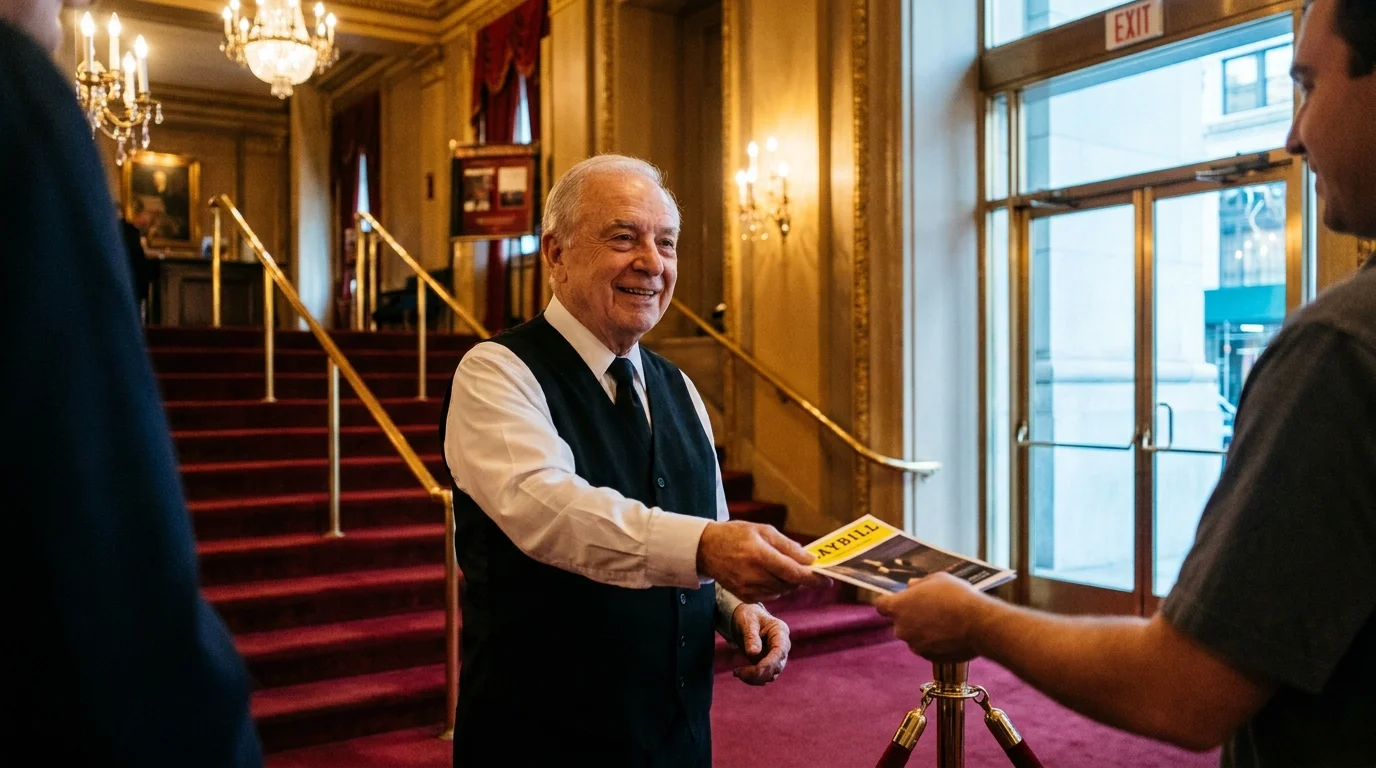
If you love live theater, symphony performances, or ballet, volunteer ushing presents an unbeatable opportunity. Performing arts centers constantly need reliable volunteers to scan tickets, hand out programs, and guide patrons to their seats. In exchange for your brief service before the show and during intermission, you receive free admission to the performance. You watch the exact same production as the patrons who paid premium prices. Contact the front-of-house manager at your favorite local venue to inquire about their orientation schedule and dress code requirements.

3. Free Admission Days at Regional Museums
Almost every major cultural institution designates specific days when they waive admission fees entirely. Some museums offer free entry on the first Tuesday of the month, while others open at no cost every Thursday evening. Furthermore, some institutions secure grants from the National Endowment for the Arts or corporate sponsorships that fully subsidize senior admission on selected dates. Map out the free days for every museum in your area. Synchronizing your visits with these promotional windows allows you to explore permanent collections and traveling exhibits entirely free of charge.

4. University and Community College Performances
Higher education institutions function as vibrant cultural hubs hidden in plain sight. University music departments regularly host free recitals featuring talented students, faculty members, and visiting artists. Similarly, campus theater programs produce high-quality plays and musicals, often opening their dress rehearsals or matinees to the public for free. Because these programs prioritize community outreach and audience building over ticket revenue, they warmly welcome local retirees. Check the public events page of your nearest college for a robust schedule of upcoming performances.
5. Municipal Park Concerts and Festivals
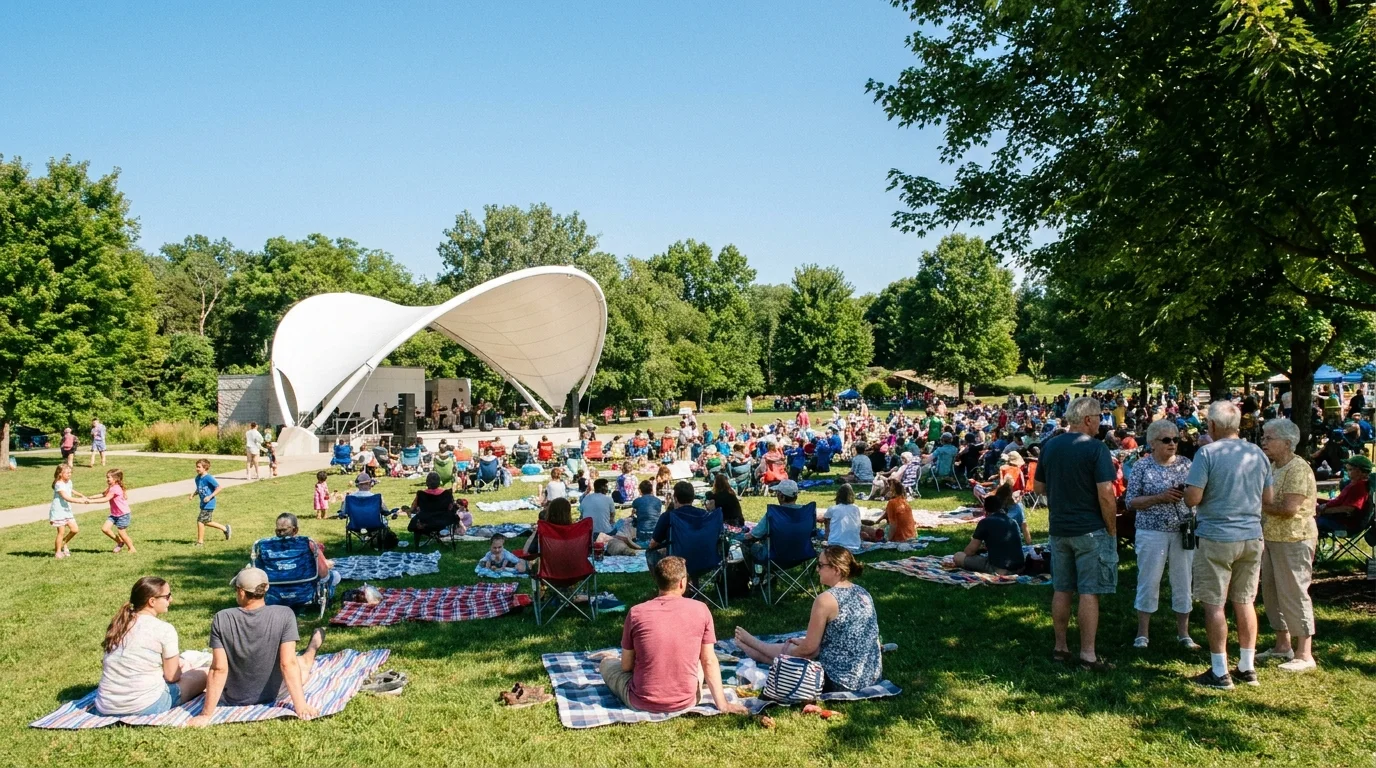
Local parks and recreation departments aggressively program free community events, especially during the spring and summer months. From jazz in the park and outdoor movie screenings to cultural heritage festivals, these events deliver exceptional entertainment subsidized by local taxes. Many municipalities also partner with regional orchestras to offer free twilight concerts. Bring a comfortable lawn chair, pack a modest picnic, and enjoy professional-grade entertainment in a relaxed, open-air environment without opening your wallet.

6. Dress Rehearsals for Community Theater
Community theater troupes often need live audiences to test pacing, lighting, and acoustic dynamics before official opening nights. To achieve this, directors frequently open their final dress rehearsals to local seniors and community groups at no cost. Attending a dress rehearsal offers a unique, behind-the-scenes perspective on the theatrical process. You get to witness the raw energy of a production coming together, and the minor imperfections only add to the charm. Reach out to local theater boards and ask to join their mailing list for rehearsal access.

7. Senior Center Sponsored Excursions
Modern senior centers operate as dynamic community connectors rather than just basic recreational facilities. Many centers receive municipal grants or private funding to sponsor group excursions to local attractions, sporting events, and seasonal festivals. By registering with your local center, you gain access to these fully funded trips, which often include free bus transportation. These excursions eliminate the cost of entry and remove the logistical stress of driving in heavy traffic or paying for expensive downtown parking.

8. Heritage and Historical Society Events
Local historical societies and preservation groups frequently host free lectures, walking tours, and exhibit openings designed to educate the public about regional heritage. These events attract passionate historians and offer deep intellectual stimulation. Whether you attend a guided architectural tour of a historic downtown or listen to a panel discussion on local industry, you gain valuable knowledge without spending money. Check with your state or county historical society to locate upcoming free programming in your area.

9. Corporate and Bank-Sponsored Client Access
National banks, credit unions, and large regional employers frequently sponsor major community events, ranging from art fairs to holiday light shows. As part of these corporate sponsorships, they receive large blocks of complimentary tickets. If you maintain an account with a credit union, ask your branch manager if they offer any client perks or complimentary community event access. Additionally, resources provided by organizations like the National Council on Aging can point you toward broader community initiatives and corporate partnerships designed to support vibrant aging.

Real-World Voices: Navigating Fixed-Income Fun
Financial planners who specialize in retirement transitions consistently emphasize the importance of building robust social infrastructure. According to experts studying wealth trends via the Federal Reserve Survey of Consumer Finances, retirees who proactively manage their discretionary spending report significantly lower financial anxiety. Planners note that the most secure retirees do not simply stop spending; instead, they substitute passive consumption with active, community-driven resourcefulness. For example, a household that previously spent two hundred dollars a month on movie theaters and dining out can redirect that capital toward healthcare or emergency savings simply by pivoting to library-sourced streaming and university lectures. You control your calendar by learning how to navigate the hidden economy of community access.
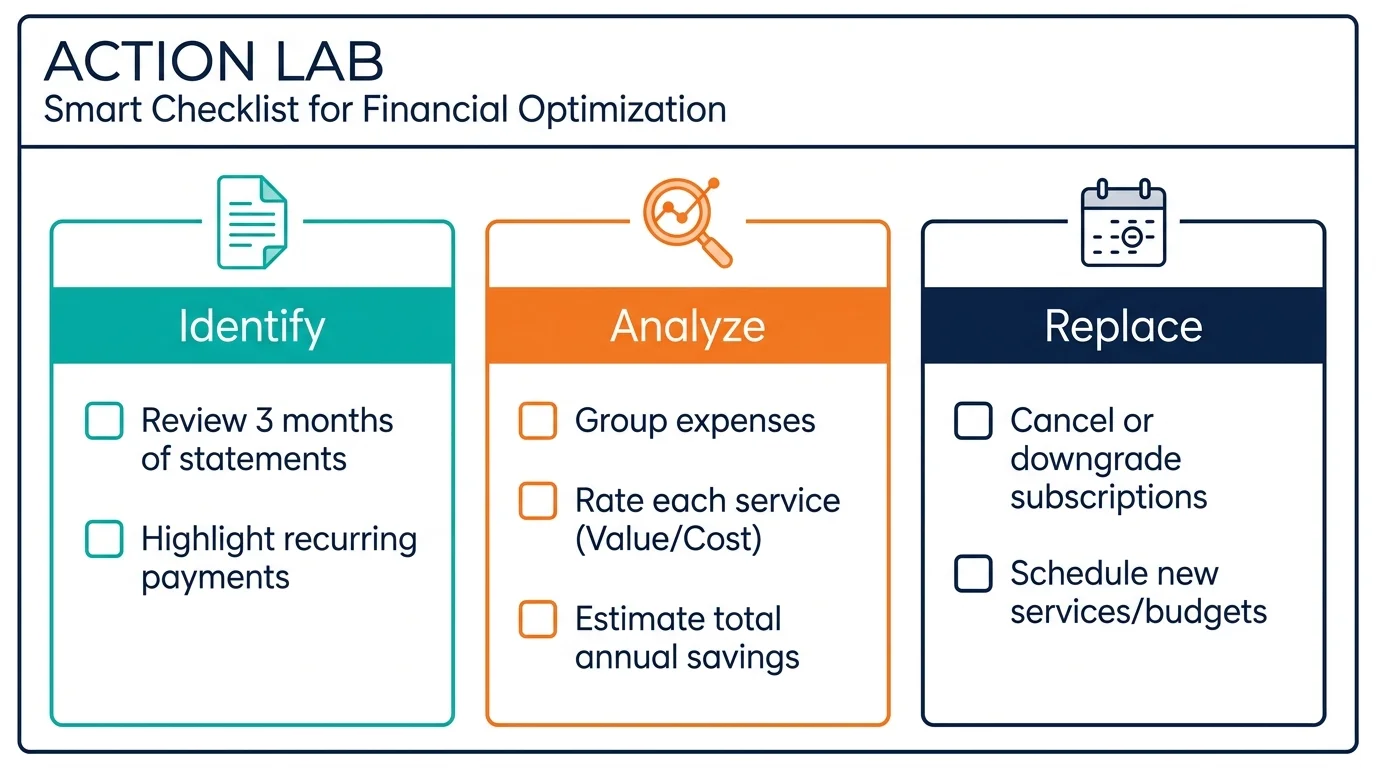
Action Lab: Your Step-by-Step Entertainment Audit
To put these concepts into practice, set aside thirty minutes this weekend to execute a mini-audit. First, write down the exact amount you spent on entertainment over the last thirty days. Let us assume you spent sixty dollars on museum tickets and forty dollars on a community concert, totaling one hundred dollars. Next, select two free alternatives from the list above. Identify the exact day your library releases museum passes and bookmark the page. Then, look up the recital schedule at your nearest community college. Commit to replacing next month’s paid outings with these two free options. By completing this simple substitution, you immediately retain one hundred dollars in your checking account, effectively creating an instant, risk-free return on your time.
Guardrails and Pitfalls to Avoid
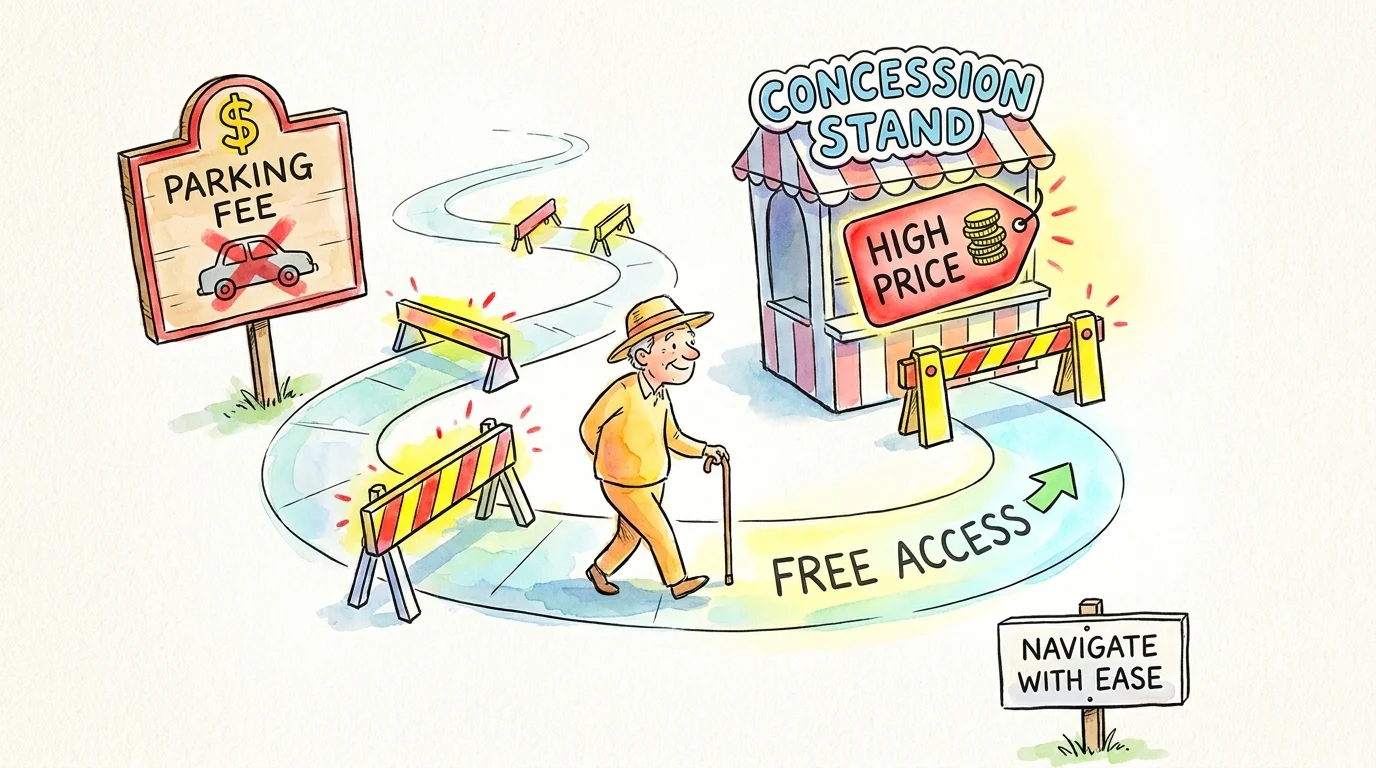
While pursuing free event access provides immense value, you must navigate a few common traps to ensure your outings remain truly free. First, beware of hidden auxiliary costs. A free outdoor concert loses its financial appeal if you must pay forty dollars for mandatory valet parking or if outside food is prohibited, forcing you to buy expensive venue concessions. Always research the venue’s parking situation, public transit options, and food policies before attending.
Second, avoid the trap of overwhelming your schedule simply because events cost nothing. Scarcity often drives people to claim every available ticket, leading to exhaustion and last-minute cancellations. This behavior not only wears you out but also deprives others of the opportunity to attend. Curate your calendar thoughtfully, selecting only the events that genuinely pique your interest.
Finally, remain vigilant against phishing scams masquerading as free ticket offers. Legitimate cultural organizations will never ask for your Social Security number or direct banking details to process a free community pass. Always verify the source of an offer by visiting the official website of the venue directly, rather than clicking unverified email links or social media advertisements.
Frequently Asked Questions
Are library culture passes limited to specific income brackets?
No, library culture pass programs generally remain available to any resident with a valid library card in good standing. Income does not factor into eligibility. However, because inventory is limited, you must act quickly to secure passes when the library releases them each month.
Do I need formal experience to volunteer as an usher?
Theaters do not require prior experience for volunteer ushers. Venues provide comprehensive, brief training on safety protocols, ticket scanning, and customer service. You simply need a positive attitude, the ability to stand for short periods, and a willingness to help fellow patrons.
How can I find out about free university events if I am not an alumnus?
Universities and community colleges maintain public-facing event calendars on their main websites. You do not need any affiliation with the school to attend public recitals or lectures. Navigate to the music, theater, or public affairs department pages to find a schedule of community-accessible events.
Is it acceptable to attend a dress rehearsal if I do not know anyone in the cast?
Absolutely. Community theaters open dress rehearsals precisely to gauge how a general audience reacts to the performance. Your presence helps the actors prepare for opening night, and directors welcome attendees from the broader community regardless of personal connections.
Your Next Step Toward a Richer Calendar
Protecting your financial health in retirement should never force you into isolation. The infrastructure for a vibrant, engaged, and culturally rich life already exists within your community, completely free of charge. You possess the tools to audit your spending, align your social calendar with your values, and access remarkable experiences without draining your savings. Pick just one strategy from the list above—whether it involves securing a library pass or volunteering at a local theater—and implement it this week. Take charge of your discretionary budget today, and step out into your community with confidence, knowing you are maximizing both your wealth and your well-being.