Stretching your household grocery budget without compromising on quality requires looking closely at unit prices rather than total checkout receipts. While regular supermarket runs quietly drain your bank account through retail markups, strategic bulk purchases at warehouse clubs yield average price savings of 20% to 25% on everyday staples. By focusing your buying power on specific high-margin categories, you easily recoup annual membership fees and insulate your family against persistent inflation. Understanding which specific items offer legitimate wholesale discounts—and which ones trap you into costly household waste—helps you optimize cash flow, streamline meal preparation, and keep your kitchen stock abundant for significantly less money every month.
The Grocery Pressure Gauge and the Warehouse Advantage
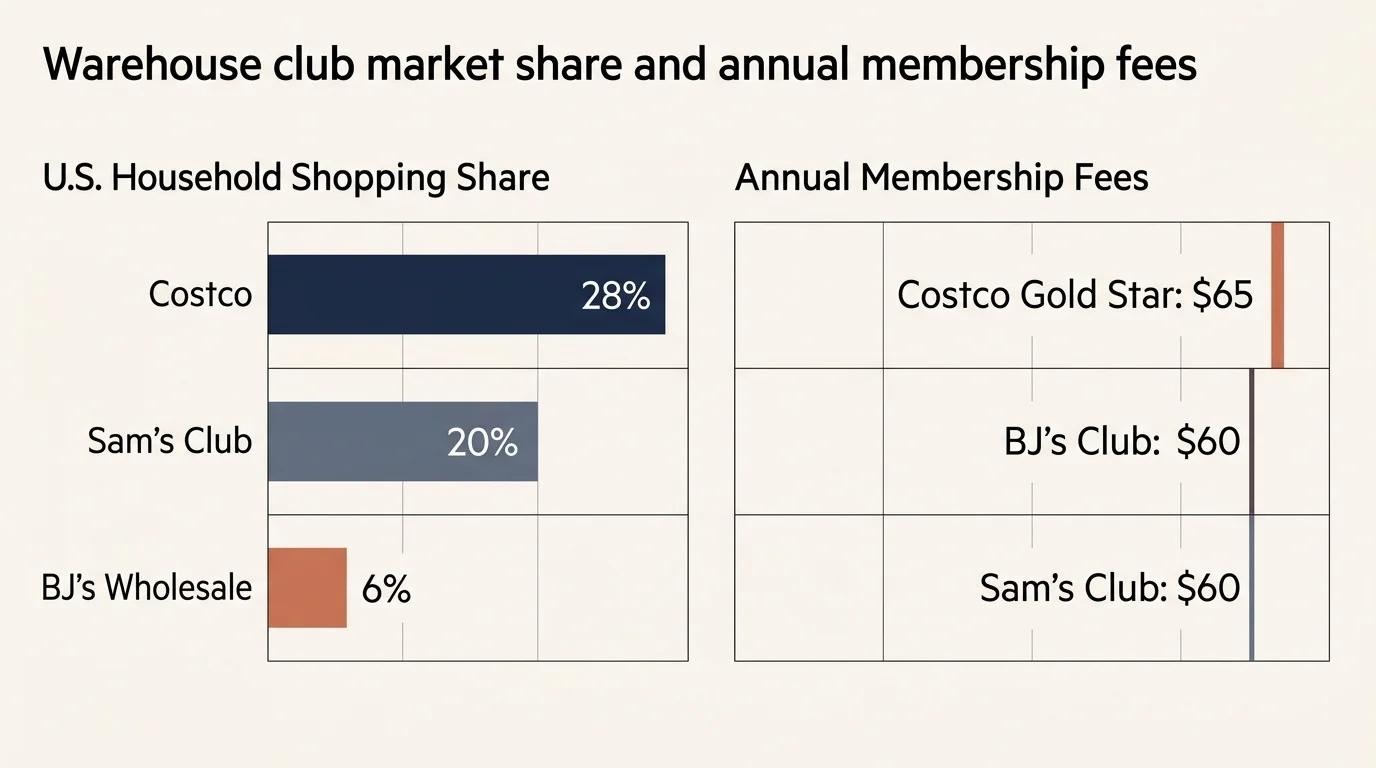
Navigating today’s financial landscape leaves many middle-income families searching for practical ways to preserve purchasing power. Grocery prices remain elevated across the country, forcing households to reexamine everyday spending routines. According to SSRS consumer research panel findings, 44% of U.S. households routinely buy groceries at warehouse clubs. Costco leads the wholesale retail market with 28% of shoppers, followed by Sam’s Club at 20% and BJ’s Wholesale at 6%. These families recognize that big-box shopping provides a structural buffer against retail price increases, delivering direct access to wholesale pricing structures that standard supermarkets simply cannot match.
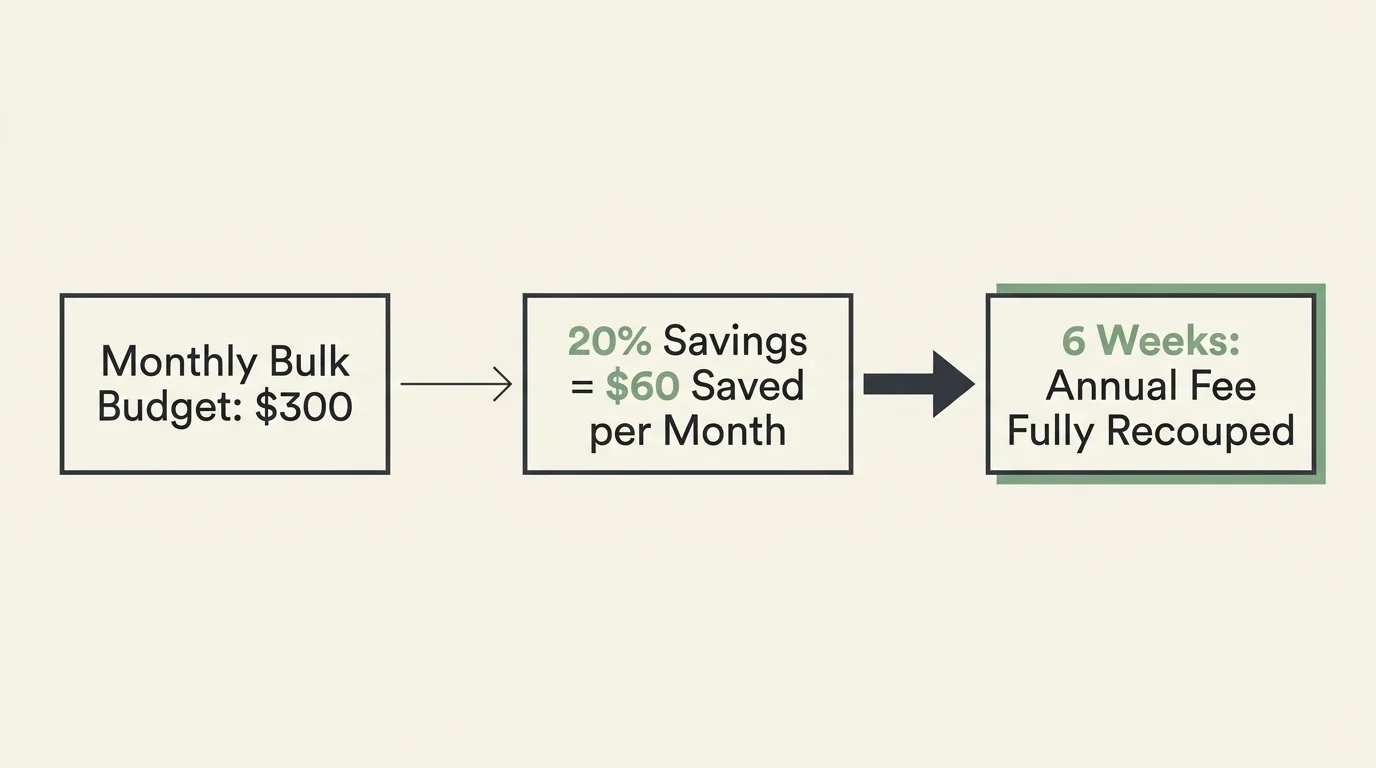
Understanding the financial math behind membership pricing helps you evaluate the true return on your investment. Membership costs have adjusted across the industry to keep pace with operational expenses. Costco updated its annual fee structure on September 1, 2024, setting standard Gold Star memberships to $65 per year and Executive tiers to $130 per year. BJ’s Wholesale adjusted its pricing structure on January 1, 2025, moving standard Club tiers to $60 per year and Club+ to $120 per year. Meanwhile, Sam’s Club set its standard Club membership fee to $60 per year and its Plus tier to $120 per year effective May 1, 2026. Despite these fee adjustments, retail analytics confirm that purchasing everyday groceries in bulk yields an average unit price savings of 20% to 25% compared to conventional supermarkets. If your family spends $300 monthly on bulk-friendly grocery staples, a 20% savings margin returns $60 every month—wiping out the baseline annual membership fee in just six weeks.
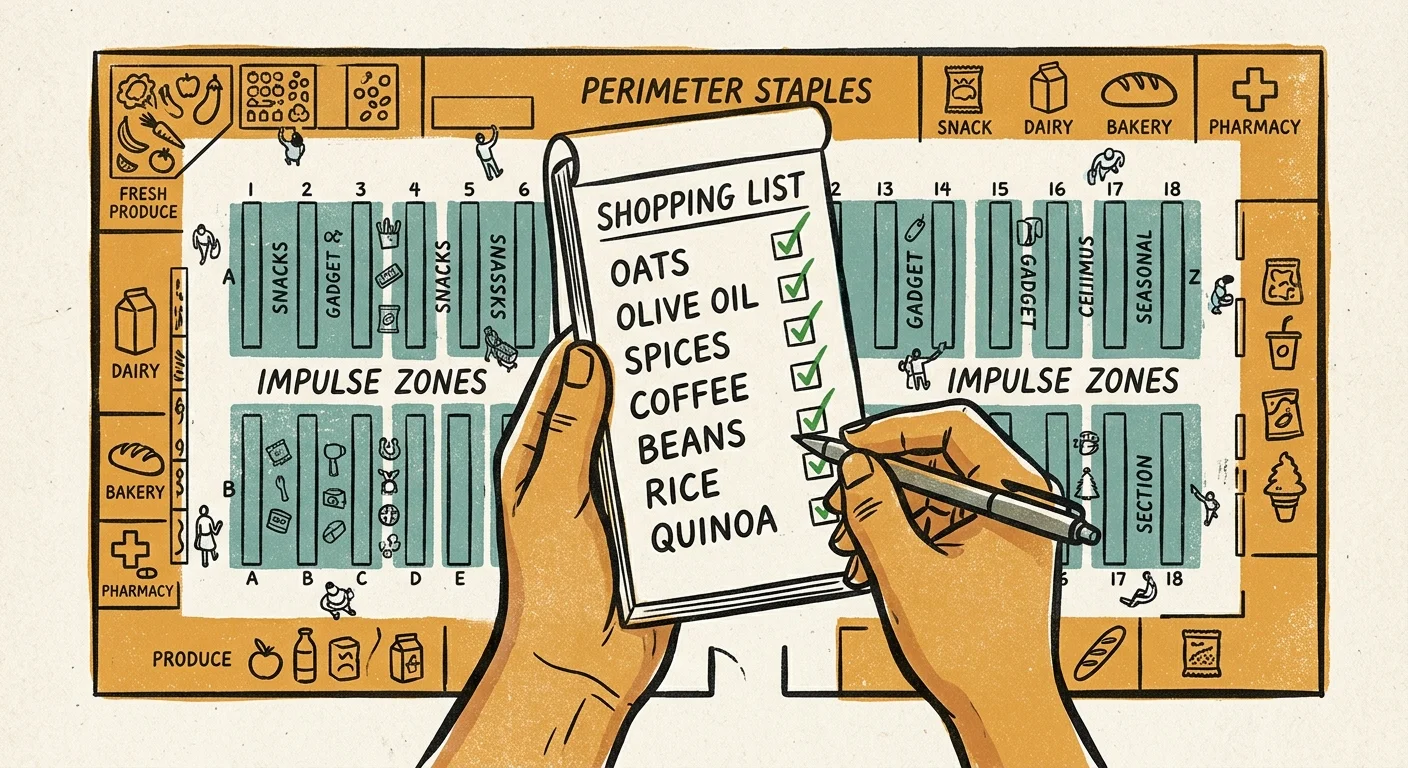
To make these savings work in your favor, you must differentiate genuine bulk steals from subtle marketing traps. Retailers intentionally position high-margin impulse items near warehouse entrances and center aisles. Meanwhile, genuine price leaders sit along the perimeter or inside unglamorous storage racks. Analyzing household spending trends from Federal Reserve economic research on consumer budgets shows that disciplined consumers who stick strictly to targeted shopping lists gain the highest net financial benefit from club memberships. Combining clear shopping lists with unit-price calculations ensures that every wholesale trip yields tangible financial relief.
10 Top Warehouse Club Deals That Beat Regular Grocery Store Prices
1. Fresh Rotisserie Chickens
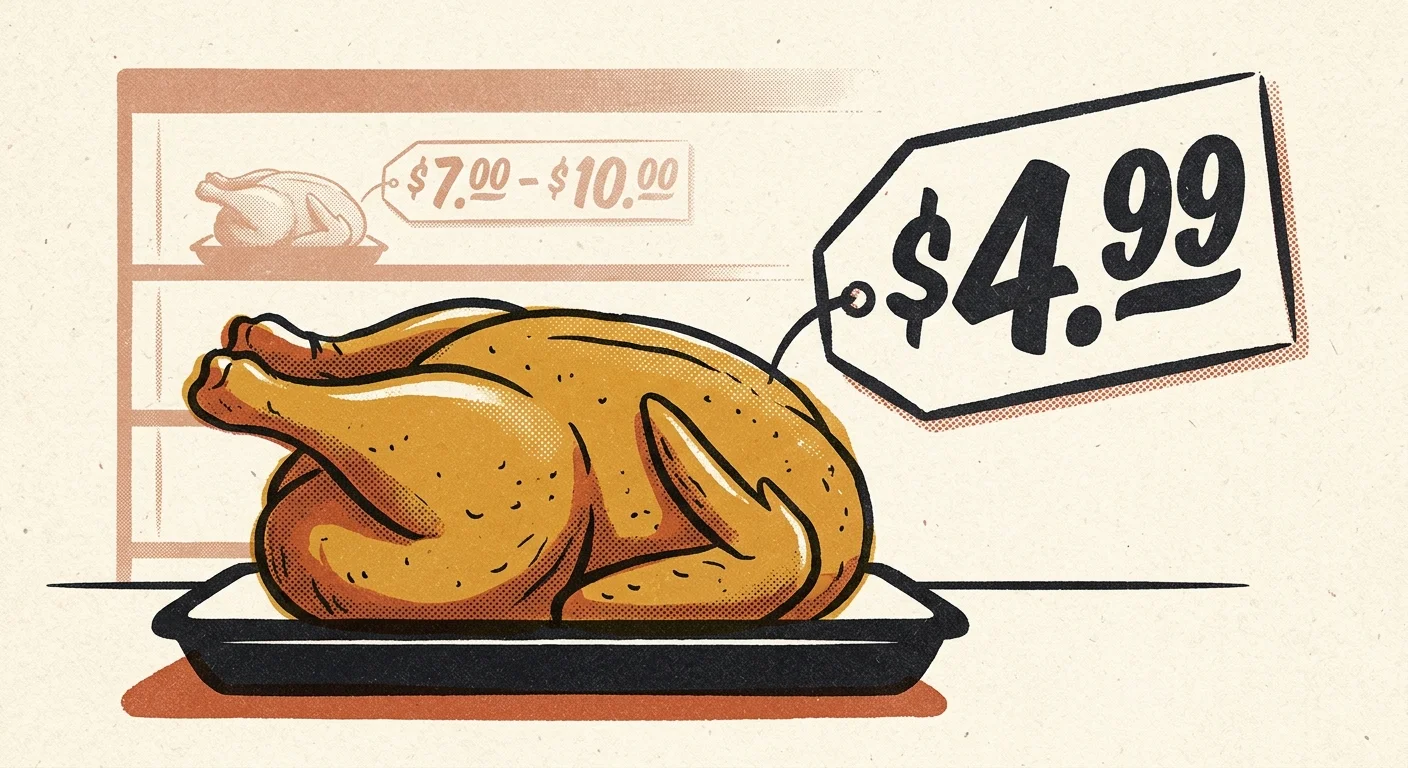
The warehouse rotisserie chicken remains one of the ultimate loss leaders in modern retail history. Costco maintains its iconic three-pound cooked rotisserie chicken at a constant price of $4.99; Sam’s Club and BJ’s Wholesale offer nearly identical pricing on their pre-cooked birds. Standard grocery stores charge between $7.00 and $10.00 for cooked chickens that often weigh only two pounds. Buying two cooked chickens at a warehouse club yields six pounds of versatile protein for under ten dollars. You can serve carved breast meat for dinner tonight, shred thigh meat for weeknight tacos tomorrow, and simmer the remaining bones into rich bone broth over the weekend.
2. Extra Virgin Olive Oil and Specialty Cooking Oils
Supermarkets place massive markups on specialty cooking fats, charging premium prices for small 16-ounce glass bottles. Warehouse clubs sell two-liter and three-liter jugs of cold-pressed extra virgin olive oil, avocado oil, and organic coconut oil for nearly half the price per fluid ounce. For example, a high-grade two-liter bottle of Kirkland Signature EVOO averages around $0.28 per ounce, whereas traditional supermarkets routinely charge $0.55 to $0.70 per ounce for equivalent quality. Stored in a cool, dark pantry, a large jug of olive oil retains fresh flavor for up to six months without degrading.
3. Pure Maple Syrup and Raw Honey
Pure Grade A maple syrup and unpasteurized raw honey are nutrient-dense kitchen staples that carry steep price tags at standard grocery stores, where 12-ounce bottles often cost eight dollars or more. Warehouse clubs sell 33.8-fluid-ounce jugs of 100% pure organic maple syrup for roughly fourteen dollars, driving the per-ounce cost down from $0.67 to $0.41. Similarly, multi-pound containers of raw wildflower honey offer savings exceeding 30%. Because honey never spoils and pure maple syrup lasts indefinitely when refrigerated after opening, buying these natural sweeteners in bulk represents zero spoilage risk.
4. Over-the-Counter Medications and Supplements
Over-the-counter health items represent perhaps the largest percentage price gap between warehouse clubs and conventional drugstores. Brand-name and generic pain relievers, allergy medications, cold remedies, and daily multivitamins carry massive retail markups at standard grocery chains. A 24-count box of generic allergy medicine at a local drugstore can easily cost fifteen dollars—over $0.62 per pill. Warehouse clubs sell 365-count bottles of the exact same active ingredient for around sixteen dollars, slashing the price per pill to less than five cents. Replenishing your medicine cabinet at a warehouse club saves typical households well over a hundred dollars annually on health supplies alone.
5. Raw Nuts, Seeds, and Dried Fruits
Nuts and seeds serve as heart-healthy snacks and versatile baking ingredients, yet standard supermarkets charge exorbitant prices for tiny six-ounce snack bags. Bulk aisles at warehouse clubs provide two-pound to three-pound bags of raw almonds, pecan halves, shelled walnuts, chia seeds, and organic dried cranberries at steep discounts. Unit price comparisons reveal that warehouse nuts average 35% to 45% less per pound than supermarket alternatives. To prevent the natural oils in nuts from turning rancid over long periods, store excess portions in airtight bags inside your freezer, where they remain perfectly fresh for up to a year.
6. Specialty Cheeses and Dairy Staples
Gourmet cheese counters at traditional grocery stores price artisan cheeses by the fraction of a pound, making items like aged cheddar, Parmigiano-Reggiano, and fresh goat cheese feel like luxury splurges. Warehouse clubs source these exact imported and domestic cheeses in whole blocks or multi-packs, cutting per-pound costs by nearly half. Furthermore, butter blocks and organic milk multi-packs deliver steady savings. You can easily divide large blocks of hard cheese into smaller portions, vacuum seal them, and store them in the refrigerator for months, or freeze block butter for up to nine months without affecting texture or taste.
7. Whole-Bean Coffee and Single-Serve Pods
Morning routines can quietly erode your discretionary cash flow when purchasing high-priced 12-ounce coffee bags from local markets. Standard grocers price quality whole-bean coffee at twelve to fifteen dollars per bag, equivalent to $1.00 or more per ounce. Warehouse clubs feature two-pound and three-pound bags of whole-bean specialty roasts for sixteen to twenty dollars, dropping the unit cost to $0.40 to $0.50 per ounce. If you prefer single-serve brewing systems, warehouse multi-packs of K-Cup pods reduce your cost per cup from $0.75 down to roughly $0.38, effectively cutting your morning coffee expense in half.
8. Pure Vanilla Extract and Baking Essentials
Bakers know that small bottles of pure vanilla extract have surged in price at traditional grocery stores, where two-ounce jars often retail for twelve to fourteen dollars—exceeding six dollars per ounce. Warehouse clubs stock 16-ounce bottles of pure double-strength vanilla extract for around thirty dollars, which brings the unit price down to under two dollars per ounce. Pairing bulk vanilla with 10-pound bags of unbleached flour, 12-pound bags of granulated sugar, and bulk active dry yeast produces tremendous savings for anyone who bakes regularly at home.
9. Paper Goods and Heavy-Duty Trash Bags
Household paper products and trash bags represent recurring operational costs for every home. Purchasing paper towels, bath tissue, and drawstring trash bags at standard grocery stores forces you to pay for expensive packaging and frequent retail restocking fees. A 200-count box of heavy-duty 13-gallon trash bags at a warehouse club costs around twenty-two dollars, equaling roughly eleven cents per bag. Supermarket 40-count boxes average twenty-two cents per bag. Combining paper towel bundles with bulk trash bag packs delivers dependable, non-perishable savings that accumulate silently over the entire calendar year.
10. On-Site Station Fuel and Gasoline
Gasoline savings provide an immediate cash return on your membership investment before you even walk through the warehouse doors. On-site warehouse fueling stations consistently price unleaded fuel 10 to 30 cents per gallon lower than neighboring gas stations. According to statistics published in U.S. Bureau of Labor Statistics consumer price reports, transportation costs account for a substantial portion of average monthly household outlays. Filling a 15-gallon tank once per week at a 20-cent per gallon discount saves $3.00 per tank, amounting to $156 in annual direct savings on fuel alone.
Three Strategic Pillars for Smart Bulk Shopping
Pillar 1: The Cash-Flow Audit and Unit-Price Calculation
Successful bulk shopping requires shifting your focus from total shelf price to strict unit-cost evaluation. Supermarkets frequently use promotional shelf tags to make smaller package sizes look attractive, but calculating the price per ounce, pound, or individual sheet reveals the true financial story. Before making major bulk commitments, review recent grocery store receipts and record the unit costs of your ten most frequently purchased non-perishable items. Contrast these figures with warehouse club prices to verify clear savings. Following financial guidelines published by the Consumer Financial Protection Bureau guidance on household spending, tracking unit-price variations allows you to allocate discretionary income toward debt reduction or automated savings reserves.
Pillar 2: Food Preservation Science and Storage Systems
Buying in bulk only builds wealth if you consume everything you buy. Throwing away spoiled bulk produce or freezer-burned meat quickly erases any initial price discount, creating what economists call a spoilage tax. To protect your investment, establish an organized preservation routine immediately after each shopping trip. Invest in a modest vacuum sealer, reusable silicone freezer bags, and stackable glass storage containers. Portion large trays of chicken breasts, ground beef, or pork loins into single-meal portions before freezing. Label each package with the date and contents, keeping older stock toward the front of your pantry and freezer.
Pillar 3: Behavioral Boundaries Against Impulse Traps
Warehouse clubs spend millions designing floor layouts that entice shoppers to purchase items outside their planned budget. Wide center aisles packed with seasonal patio furniture, oversized electronics, branded apparel, and gourmet snack samples trigger emotional impulse buys that easily destroy your weekly savings goals. To maintain financial discipline, establish a firm rule: never place an unbudgeted center-aisle item into your cart on the day you spot it. Give yourself a 48-hour cooling-off period to consider whether the item fits your monthly cash-flow priorities. Sticking rigidly to a prepared shopping list keeps your checkout total predictable.
The Action Lab: Real-World Monthly Savings Breakdown
Let us examine how a family of four restructures its monthly grocery budget by shifting ten target items from a standard regional supermarket to a warehouse club. At the traditional grocery store, buying two rotisserie chickens ($18), two liters of olive oil ($38), a jug of pure maple syrup ($22), a box of allergy medicine ($18), three pounds of raw almonds ($24), two blocks of specialty cheese ($20), two bags of coffee ($26), a bottle of pure vanilla ($14), a box of trash bags ($18), and two tanks of fuel ($120) totals $318 per month.
When purchasing these exact same ten staple items in wholesale quantities at a warehouse club, the total cost drops significantly. The two rotisserie chickens cost $10, the olive oil costs $20, the maple syrup costs $14, the allergy medicine costs $1, the almonds cost $14, the specialty cheese costs $12, the coffee costs $16, the vanilla extract costs $4, the trash bags cost $9, and the two tanks of fuel cost $112. The wholesale total for these ten items equals $112 per month.
This targeted strategy saves the family $206 per month on just ten recurring category purchases. Over twelve months, these disciplined choices deliver $2,472 in direct savings back into the family checking account. Subtracting a standard $65 annual membership fee leaves a net positive return of $2,407—proving that strategic warehouse shopping serves as a powerful wealth-building tool for proactive households.
Warehouse Shopping Guardrails: Avoiding Costly Pitfalls
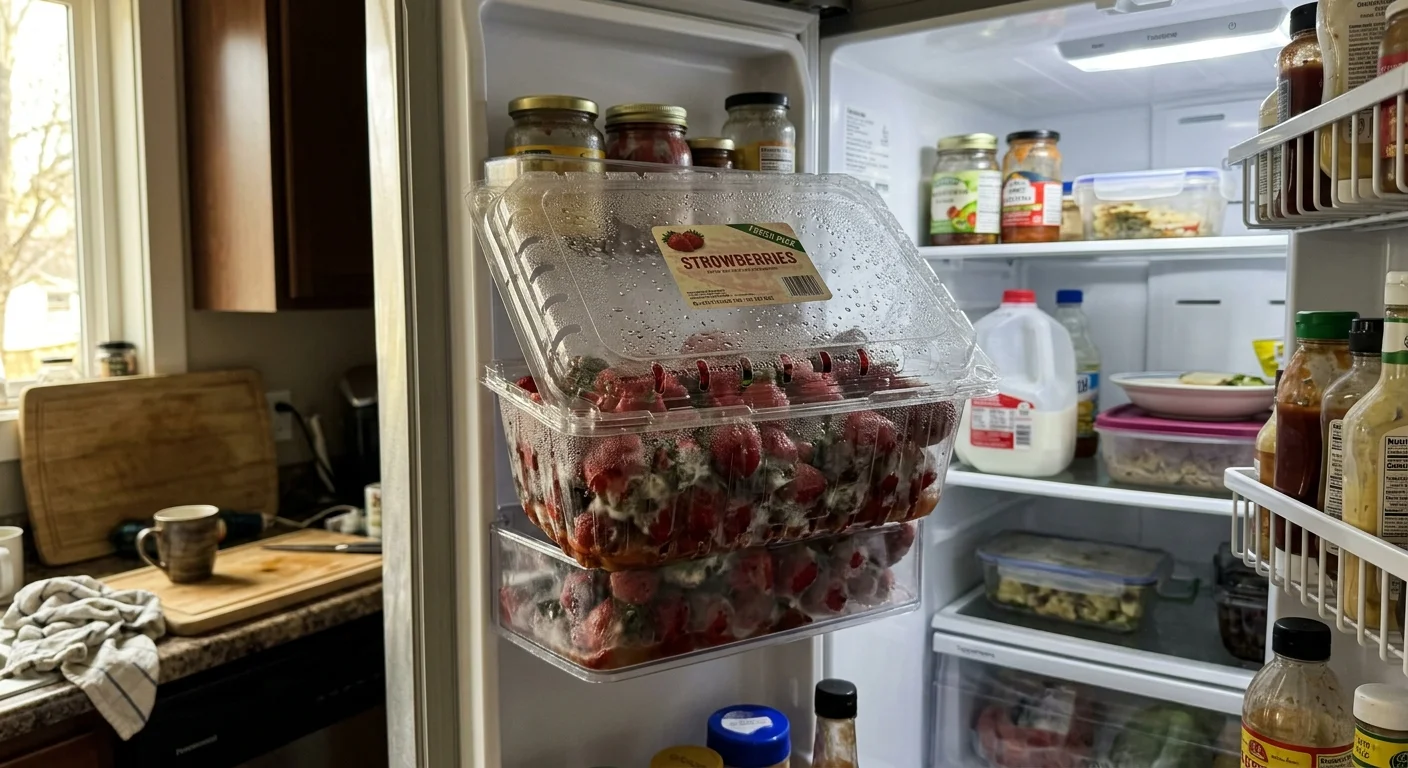
While warehouse clubs offer unmatched value on high-yield staples, bad buying habits can erode your financial progress. Avoid purchasing giant containers of highly perishable produce—such as five-pound clamshells of spinach or ten-pound bags of fresh berries—unless you have a concrete meal plan or preservation plan to use them within four days. Furthermore, guard against buying brand-new food products in bulk simply because they look interesting; if your family dislikes the taste, you remain stuck with vast quantities of unconsumed food. Finally, double-check expiration dates on over-the-counter medications and bulk spices, as buying a ten-year supply of something that expires in twelve months results in unnecessary waste.
Frequently Asked Questions
Is an upgraded Executive or Plus membership worth the higher annual fee?
Upgraded memberships cost $120 to $130 annually and usually offer a 2% annual cash-back reward on qualifying purchases. If your household spends more than $3,250 annually at the club—roughly $270 per month—the 2% cash back completely pays for the upgraded fee difference, making the upgraded tier a net financial gain.
Which grocery items should you avoid buying in bulk at warehouse clubs?
Avoid buying whole spices, whole wheat flour, large bakery items, and fresh produce in ultra-large quantities unless you cook for a very large family. Spices and whole wheat flour lose potency and natural oils go stale over time, while bakery goods and fresh produce rot quickly before typical small households can consume them.
Can you shop at warehouse clubs without paying for an annual membership?
Yes, you can shop without a paid membership by using warehouse gift cards purchased for you by a member, buying prescription medications at the club pharmacy, or purchasing items through third-party delivery services, though delivery services often add retail markups that offset bulk savings.
How do you manage bulk storage if you live in a small apartment or condo?
Maximize limited space by utilizing under-bed storage totes for non-perishable paper goods, installing door-mounted pantry racks, and dividing large dry-good packages into stackable, airtight modular containers that utilize vertical shelf space efficiently.
Take the 30-Day Warehouse Challenge
Transforming your monthly cash flow does not require an overhaul of every single life habit. Take the 30-day warehouse challenge: audit your last three grocery store receipts, identify five high-markup staples from our top-ten list, and buy them exclusively in bulk during your next shopping run. Track every single dollar you save, watch your unit costs drop, and enjoy the tangible financial breathing room you create for your family budget. Start your strategic shopping plan today, and put your hard-earned money back where it belongs—in your family savings account.