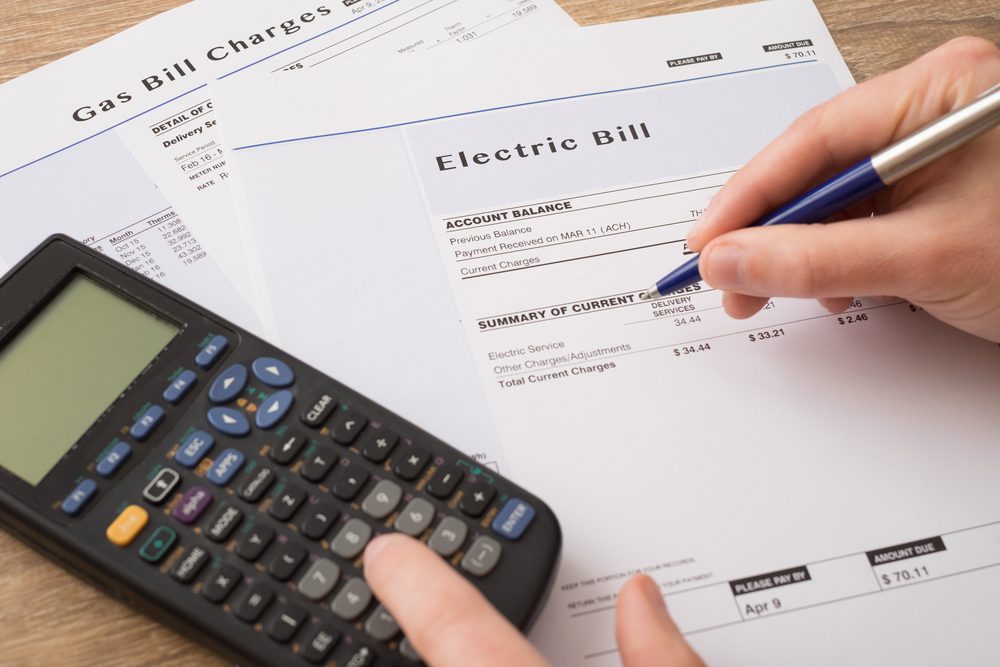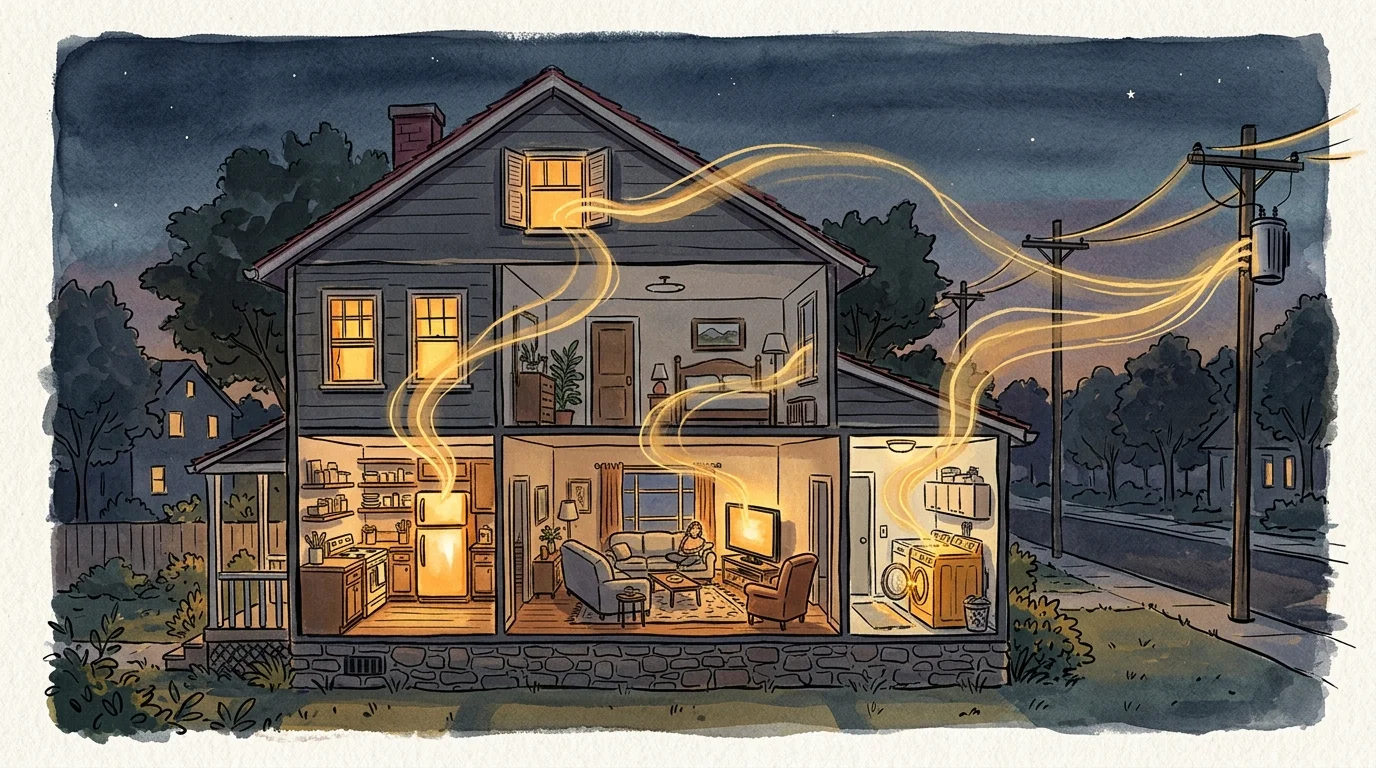
You work hard to stick to a budget, yet your monthly utility bills keep climbing, often draining the cash you earmarked for savings or family outings. The culprit might be humming quietly right in your kitchen, laundry room, or living space. Uncovering which home appliances consume excess electricity allows you to reclaim your money and lower utility bills immediately. Older, inefficient devices drain your wallet far faster than you realize. By targeting the top energy offenders in your house, you can strategically upgrade or adjust your usage habits to secure hundreds of dollars in annual household savings. Taking control of your power consumption transforms a frustrating monthly expense into a predictable, manageable line item.
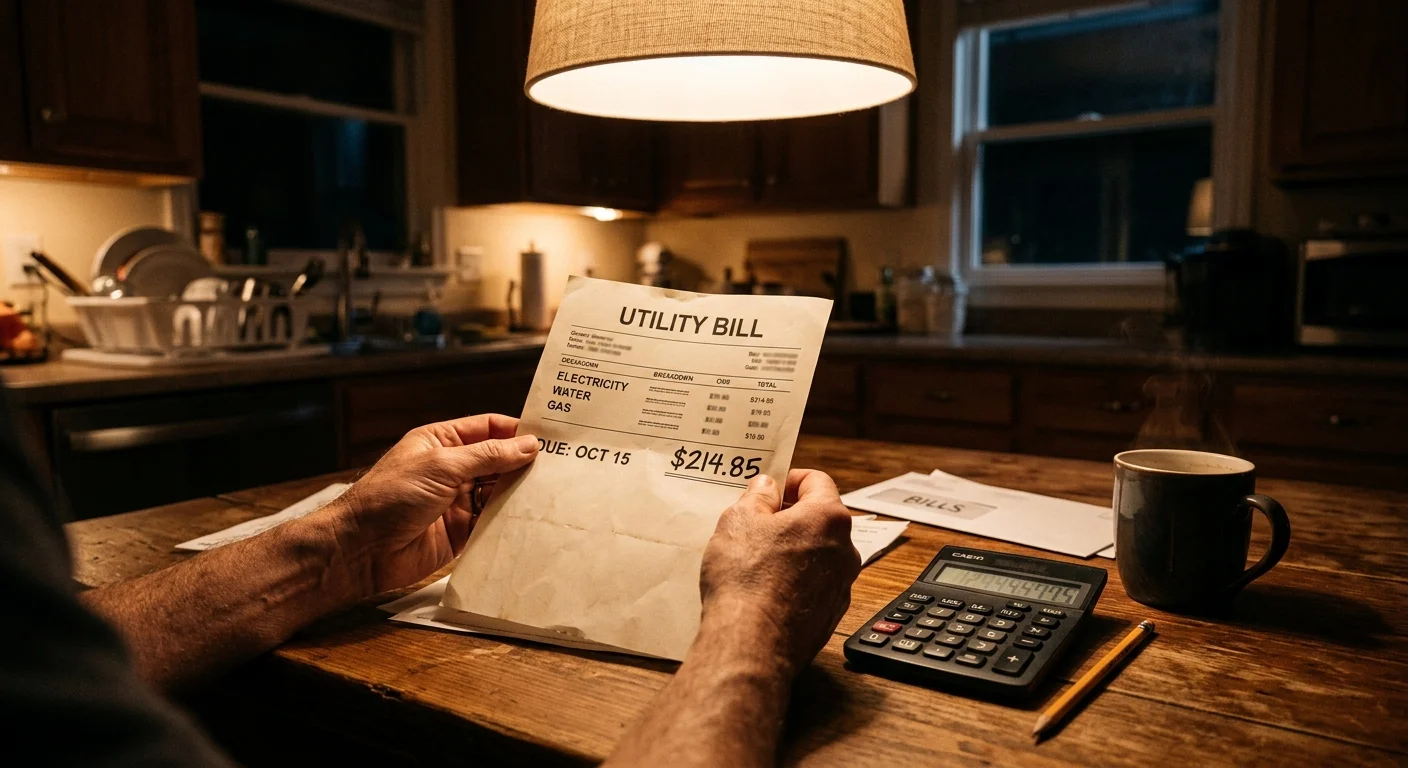
The State of Your Wallet: Why Energy Costs Are Pinching Middle-Income Households
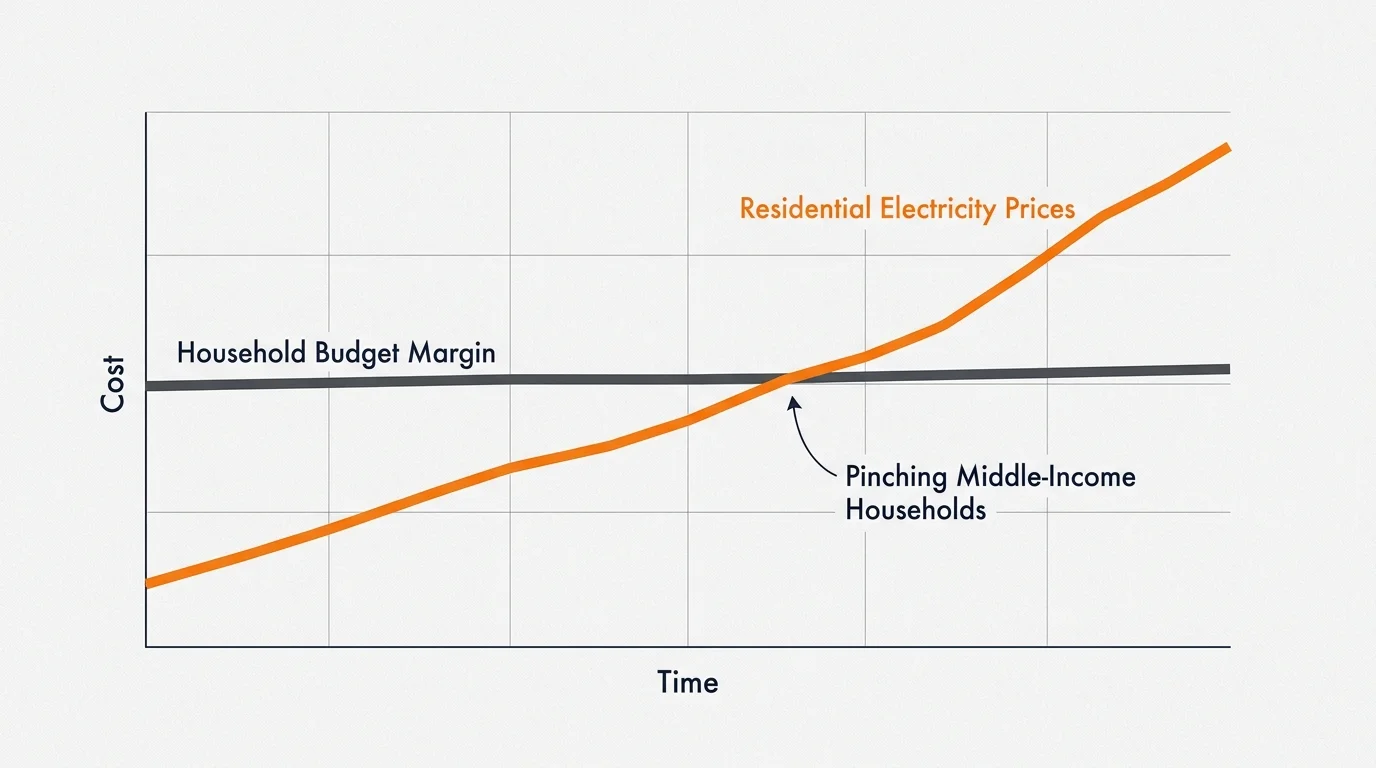
The cost of keeping the lights on continues to take a larger bite out of the middle-income household budget. According to the U.S. Energy Information Administration, residential electricity prices have steadily marched upward, applying sustained pressure to families attempting to build emergency funds. When utility rates increase, your margin for financial error shrinks considerably. Every kilowatt-hour wasted by a struggling appliance translates directly to missing cash flow at the end of the month. By understanding exactly where your power goes, you shift from passively paying bills to actively managing your household financial outputs.

Strategy Pillar One: Taming the Constant Drainers
Certain appliances must run around the clock to keep your home functioning smoothly, making them the most critical targets for a cash-flow audit. Because they rarely turn off, even a slight drop in their operational efficiency results in massive utility waste over a twelve-month period.
1. The Outdated Kitchen Refrigerator
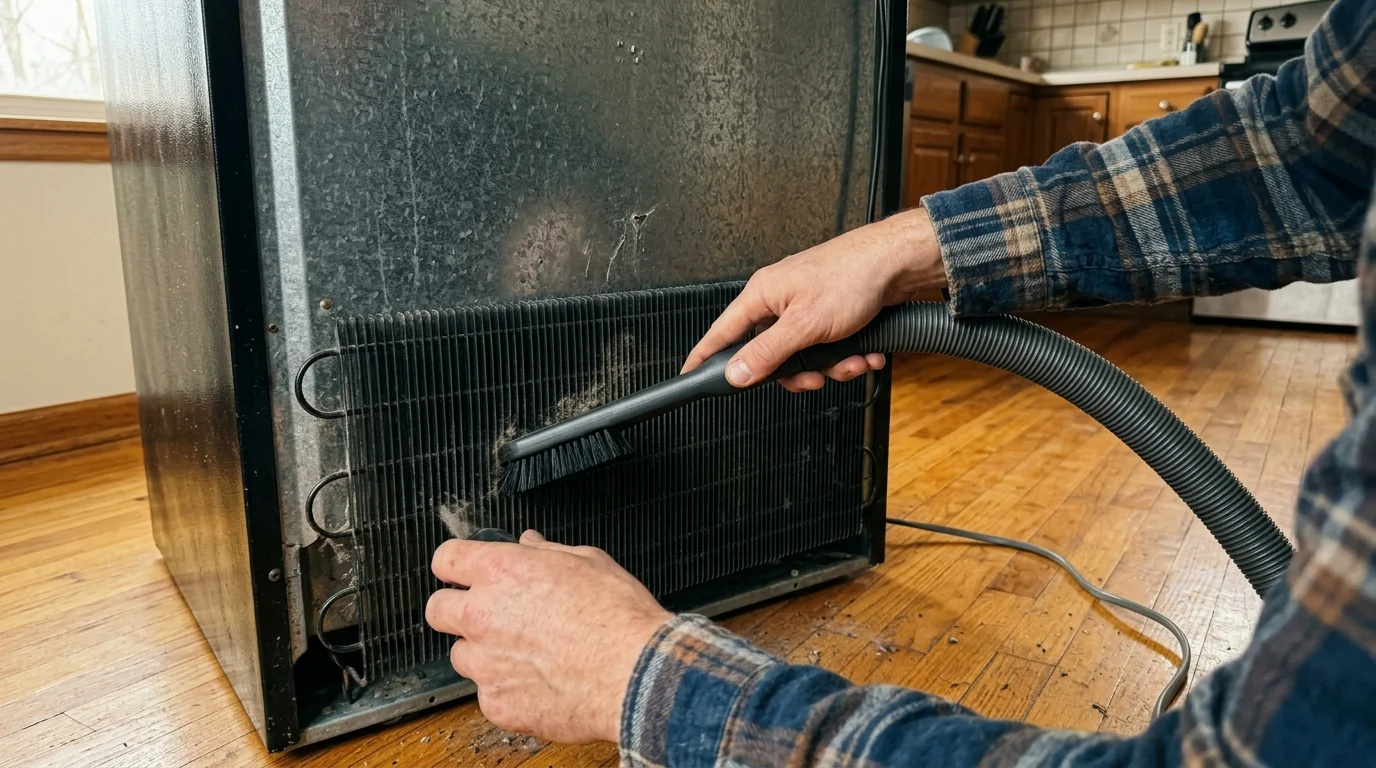
The kitchen refrigerator hums away twenty-four hours a day, making it a prime candidate for energy waste. Models manufactured before tighter efficiency standards took effect rely on outdated compressors and inadequate internal insulation. You might assume your fifteen-year-old fridge runs fine because it keeps your milk cold, but it operates much longer and harder than a modern equivalent to maintain that temperature. Upgrading to a certified model slashes your cooling costs significantly; you recover the purchase price through lower electricity bills over the appliance’s lifespan. If a replacement falls outside your current budget, improve efficiency immediately by vacuuming the condenser coils located on the back or bottom of the unit.
2. The Garage Secondary Freezer
The secondary freezer stationed in your garage represents a common, yet entirely avoidable, financial leak. Garages in most homes lack climate control, meaning temperatures skyrocket during summer months. Your older chest or upright freezer must run its compressor continuously to maintain zero degrees Fahrenheit while fighting an ambient temperature of ninety degrees. This relentless workload draws massive amounts of electricity and dramatically shortens the machine’s functional lifespan. You eliminate this unnecessary expense by taking an inventory of what you actually store in that secondary unit. Consolidating your frozen goods into your primary kitchen freezer and unplugging the garage unit delivers immediate household savings.
3. The Inefficient Water Heater
Your traditional tank water heater quietly accounts for roughly twenty percent of your home energy expenditure. Standard models heat water continuously, keeping fifty gallons piping hot so it is ready whenever you turn on a tap. This constant heating and reheating—known as standby heat loss—wastes tremendous amounts of electricity. You can curb this expense tonight by lowering the thermostat on the unit to one hundred twenty degrees Fahrenheit, providing plenty of heat for daily showers while preventing scalding. For long-term savings, follow Department of Energy recommendations by insulating the tank with a specialized thermal blanket or upgrading to a highly efficient heat pump water heater.
4. The Aging Central Air Conditioner
The central air conditioning unit dictates your utility bill throughout the entire summer, often doubling your average monthly costs. Aging systems suffer from degraded components, leaking ductwork, and lower baseline efficiency ratings compared to modern equipment. When an air conditioner struggles to push air through clogged filters, it draws maximum amperage for extended periods without adequately cooling your living space. Establish a routine of replacing the intake filters every thirty to sixty days during peak season to reduce the strain on the blower motor. If your system exceeds fifteen years of age, schedule a professional inspection to explore high-efficiency replacement options.
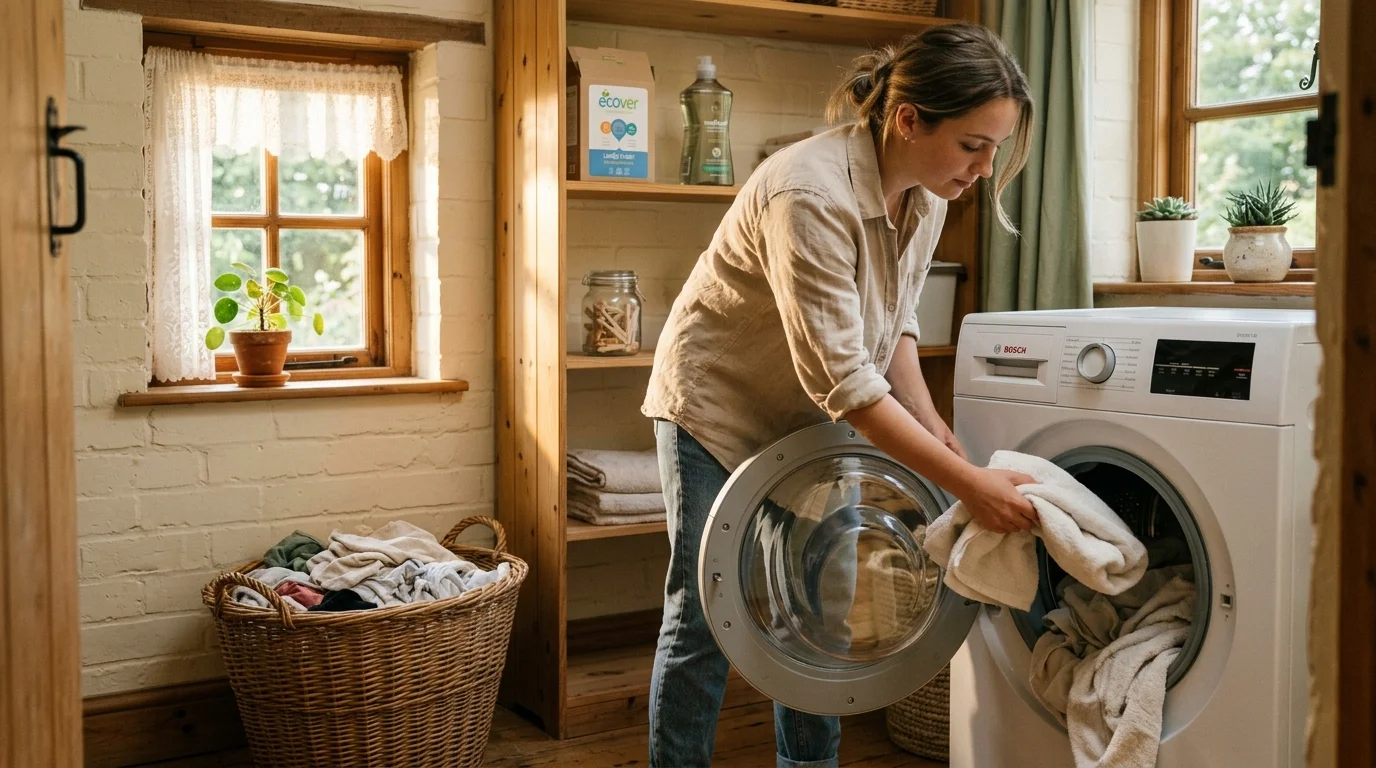
Strategy Pillar Two: Optimizing Daily Chore Machines
The machines that handle your laundry and dishwashing consume intense bursts of power and water. Optimizing these appliances requires a blend of mindful usage habits and eventual technological upgrades to keep your utility costs manageable.
5. The Conventional Electric Clothes Dryer
The conventional electric clothes dryer utilizes resistance heating elements that consume thousands of watts the moment you press start. Many households run the dryer four to five times a week, accumulating a steep operational cost over a year. You inadvertently increase this expense when you allow lint to build up in the internal trap or the external exhaust vent, forcing the machine to run twice as long. Mitigate this financial drain by vigorously cleaning the lint screen before every cycle and utilizing the automatic moisture sensor setting. The sensor detects when clothes are dry and shuts the machine off promptly, saving both electricity and fabric wear.
6. The Top-Loading Washing Machine
Older, top-loading washing machines demand vast amounts of water and energy to process a single load of laundry. These machines fill the entire tub with water; because most of the energy used during the laundry process goes toward heating that water, your utility bills climb with every warm or hot cycle. Furthermore, traditional top-loaders feature slower spin speeds, leaving clothes heavier and wetter, which shifts a massive energy burden over to your dryer. Switching your detergent to a cold-water formula and washing your garments exclusively on cold settings stops the water heater from intervening, instantly lowering your utility bills.
7. The Pre-2010 Dishwasher
The dishwasher from a decade ago relies on inefficient pumps and extended drying cycles that quietly inflate your electric bill. Many households cling to the misconception that washing dishes by hand saves money, but running a hot tap for ten minutes uses significantly more heated water than a modern dishwasher utilizes for an entire cycle. However, if you consistently use the heated dry function on your older machine, you pay a premium for clean plates. Slash the operational cost of your current dishwasher by turning off the heated dry option; simply open the door a few inches to let the dishes air dry overnight.
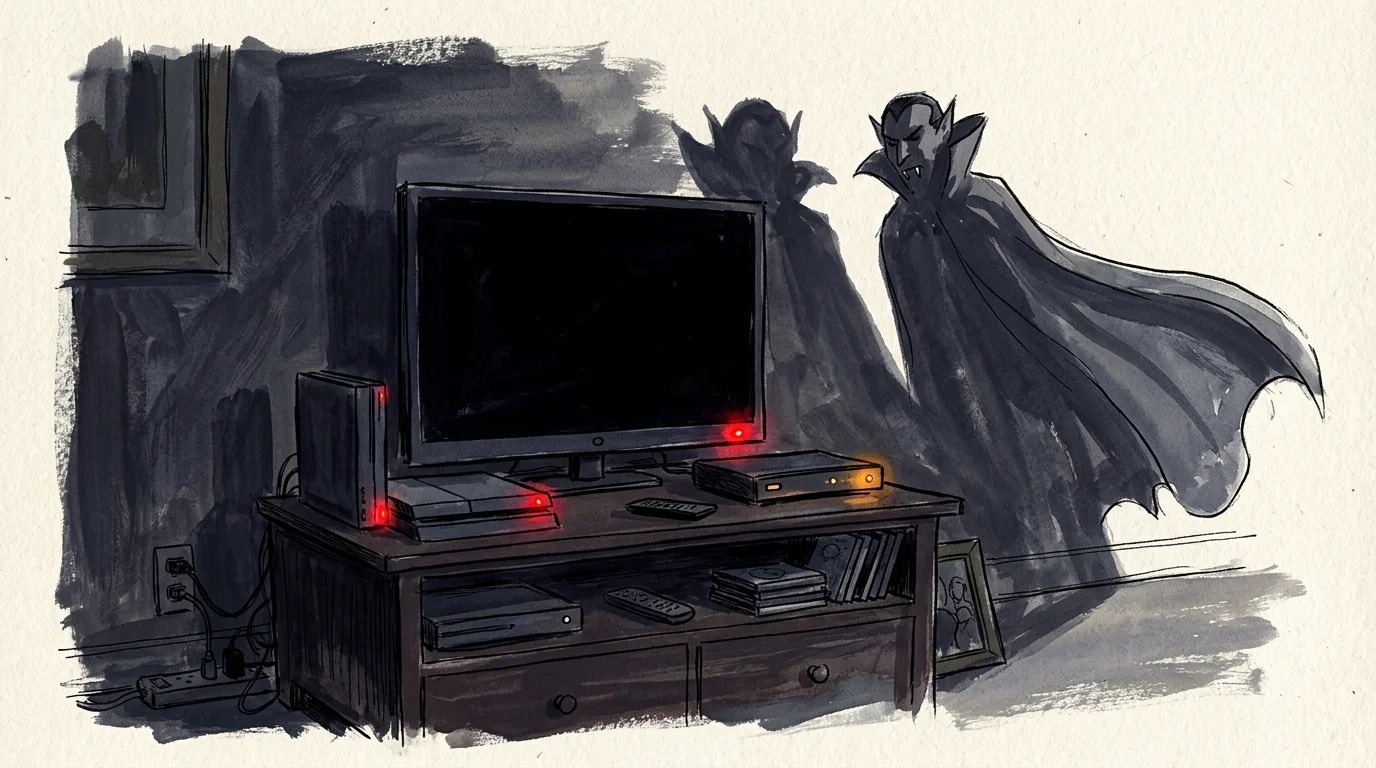
Strategy Pillar Three: Silencing the Energy Vampires
Smaller electronics and localized heaters often fly under the radar during a household financial audit. These silent vampires draw continuous standby power or utilize highly inefficient heating methods that wreck your monthly budget.
8. The Always-On Desktop Computer Setup
The always-on desktop computer setup acts as a persistent energy vampire in your home office or living room. High-performance desktop towers draw significant wattage even when idling. Many people leave their computers running overnight to avoid boot-up times or to allow background updates to process, inadvertently burning electricity for hours while no one interacts with the machine. Capture easy household savings by configuring your operating system’s power management settings to enter a deep sleep mode after twenty minutes of inactivity. For the best financial outcome, completely power down your computer at the end of your workday.
9. The Standby Entertainment System
The modern entertainment system features televisions, soundbars, and gaming consoles that never truly turn off. Instead, they drop into a standby mode, constantly scanning for network updates and voice commands. This passive consumption, often called vampire draw, accounts for a noticeable percentage of your baseline electricity usage. When you multiply a few dollars a year by multiple devices, the cumulative cost becomes frustrating. Halt this unnecessary drain by plugging your entire entertainment center into an advanced smart power strip. These strips detect when the primary television turns off and automatically sever power to the auxiliary devices plugged into the surrounding outlets.
10. The Electric Space Heater
The electric space heater presents a dangerous illusion of efficiency, tricking you into thinking you are saving money by avoiding the central heating system. In reality, a standard space heater operates at fifteen hundred watts, making it one of the most power-hungry devices you can plug into a standard wall outlet. Running a space heater in your bedroom for eight hours every night causes your monthly utility bill to skyrocket, erasing any savings achieved by turning down the primary thermostat. You save far more money by weatherstripping your windows and sealing drafts than you do by running localized electrical heaters.
Real-World Voices: Insights from Energy Economists
Financial planners consistently note that utility creep quietly undermines otherwise solid household budgets. Experts at the Consumer Financial Protection Bureau highlight that taking control of utility costs provides critical breathing room for families facing economic volatility. Behavioral economists echo this sentiment, pointing out that we habituate to our environments; we stop noticing the humming freezer or the glowing standby lights on our televisions. When you audit your living space with a critical eye, you disrupt these expensive habits. By addressing energy inefficiencies head-on, you secure a risk-free return on your investment that compounds month after month.
Action Lab: A Weekend Energy Audit You Can Do Yourself
You can conduct a highly effective energy audit this weekend using nothing more than a notepad and your smartphone calculator. Choose one appliance and locate the manufacturer sticker that lists its wattage. Multiply that wattage by the estimated number of hours you use the device daily, then divide by one thousand to determine the daily kilowatt-hours. Check your recent utility bill for your exact electricity rate—often around fifteen cents per kilowatt-hour—and multiply that rate by your daily usage. This simple arithmetic transforms vague energy usage into a precise daily cost. Seeing the actual dollar amount attached to your daily habits provides the necessary psychological motivation to unplug unused devices or finally upgrade that failing kitchen refrigerator.
Guardrails and Pitfalls to Avoid During Appliance Upgrades
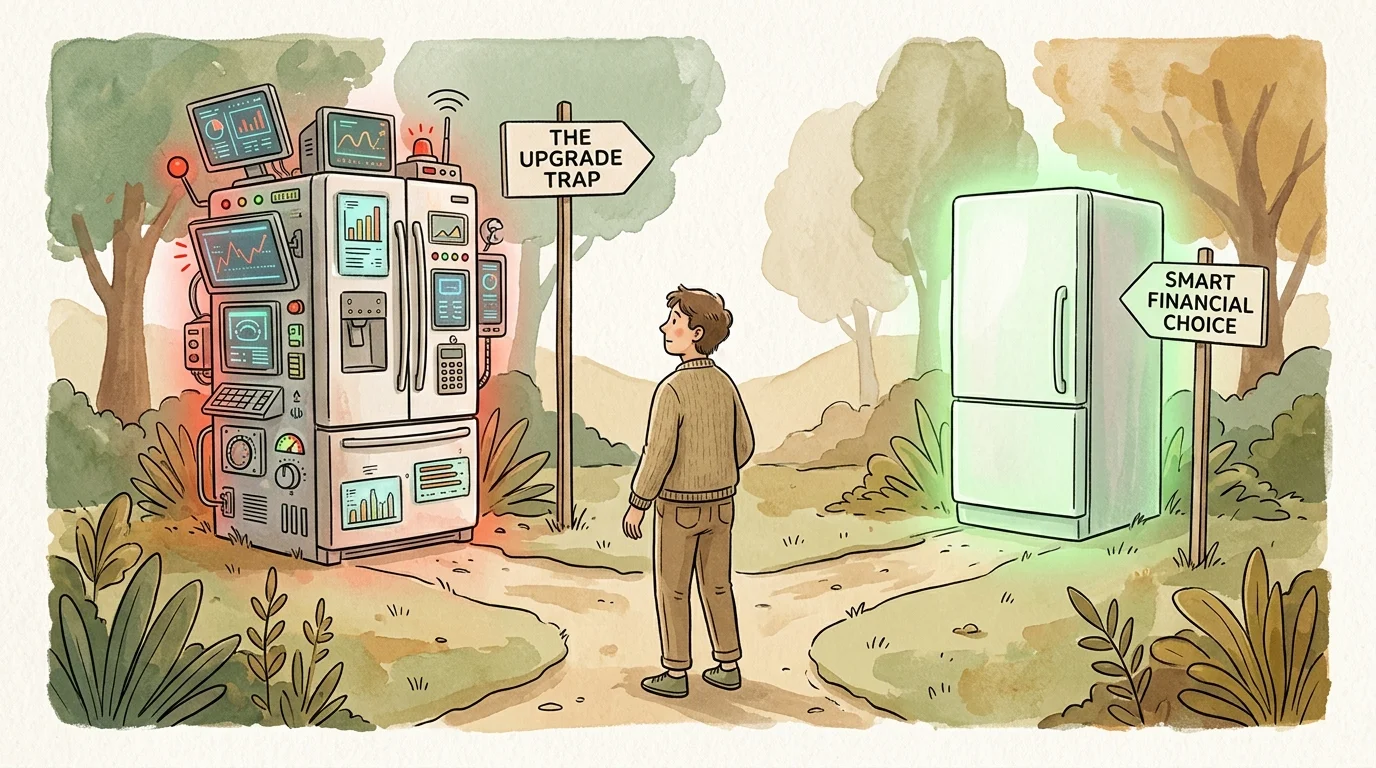
As you hunt for household savings, you must avoid the trap of premature replacement. Throwing away a perfectly functional, three-year-old appliance simply to buy an energy-efficient model rarely makes financial sense; the high upfront purchase price easily eclipses the incremental electricity savings. Wait until a machine reaches the end of its natural lifespan before upgrading. Furthermore, remain deeply skeptical of inexpensive gadgets that plug directly into your wall outlets claiming to condition your home’s electrical lines. The Federal Trade Commission consumer alerts frequently warn that these devices are modern snake oil, providing zero verifiable savings while draining cash from well-meaning homeowners.
Frequently Asked Questions About Household Energy Savings
How do I know if a specific appliance is drawing too much power?
You can purchase an inexpensive plug-in electricity usage monitor. You connect the monitor to your wall outlet and plug the appliance directly into it. The screen displays the exact wattage and total energy consumption over time, removing all guesswork from your home efficiency audit.
Are energy-efficient appliances actually worth the higher upfront cost?
Yes, provided you are replacing an appliance that is already failing or extremely outdated. Products meeting the Energy Star product guidelines use significantly less electricity and water, meaning the reduction in your monthly utility bills eventually covers the price difference of the premium model.
Do smart plugs truly help lower utility bills?
Smart plugs excel at cutting off phantom power to entertainment centers and office equipment. By programming a smart plug to completely sever power during the hours you sleep or work at the office, you stop background energy drain without having to physically unplug cords hidden behind heavy furniture.
Should I unplug every home appliance when I leave the house?
No, unplugging everything is impractical and sometimes harmful to complex electronics that require regular software updates. Focus exclusively on the major culprits like space heaters, coffee makers, and secondary televisions. Leave your primary network routers and large kitchen appliances properly connected to avoid operational disruptions.
Reclaiming Your Monthly Cash Flow
You possess the power to stop overpaying for the electricity you consume. By systematically addressing the constant drainers, optimizing your daily chore machines, and silencing the invisible energy vampires, you lock in permanent household savings. Walk through your home tonight, identify your biggest power offender, and take one concrete step toward reclaiming your hard-earned cash.