
Autopay saves you time, but it quietly drains your checking account when companies raise rates without a clear warning. You can easily plug these hidden budget leaks by auditing recurring charges every few months.
Most households grossly underestimate their recurring expenses because digital billing makes price creep completely invisible. Catching these silent increases will immediately put hundreds of dollars back in your pocket.
Setting your bills on cruise control gives corporations permission to take more of your hard-earned money. Here are ten autopay bills rising rapidly and how you can fight back.
Tip #1: On-Demand Video Streaming Platforms
Streaming services originally promised an affordable alternative to bloated cable packages. Over the last few years, frequent subscription price increases have turned digital entertainment into a serious monthly expense.
Entertainment executives know that small, incremental rate hikes slip right past consumers. When you automate monthly billing, streaming charges blend into the background.
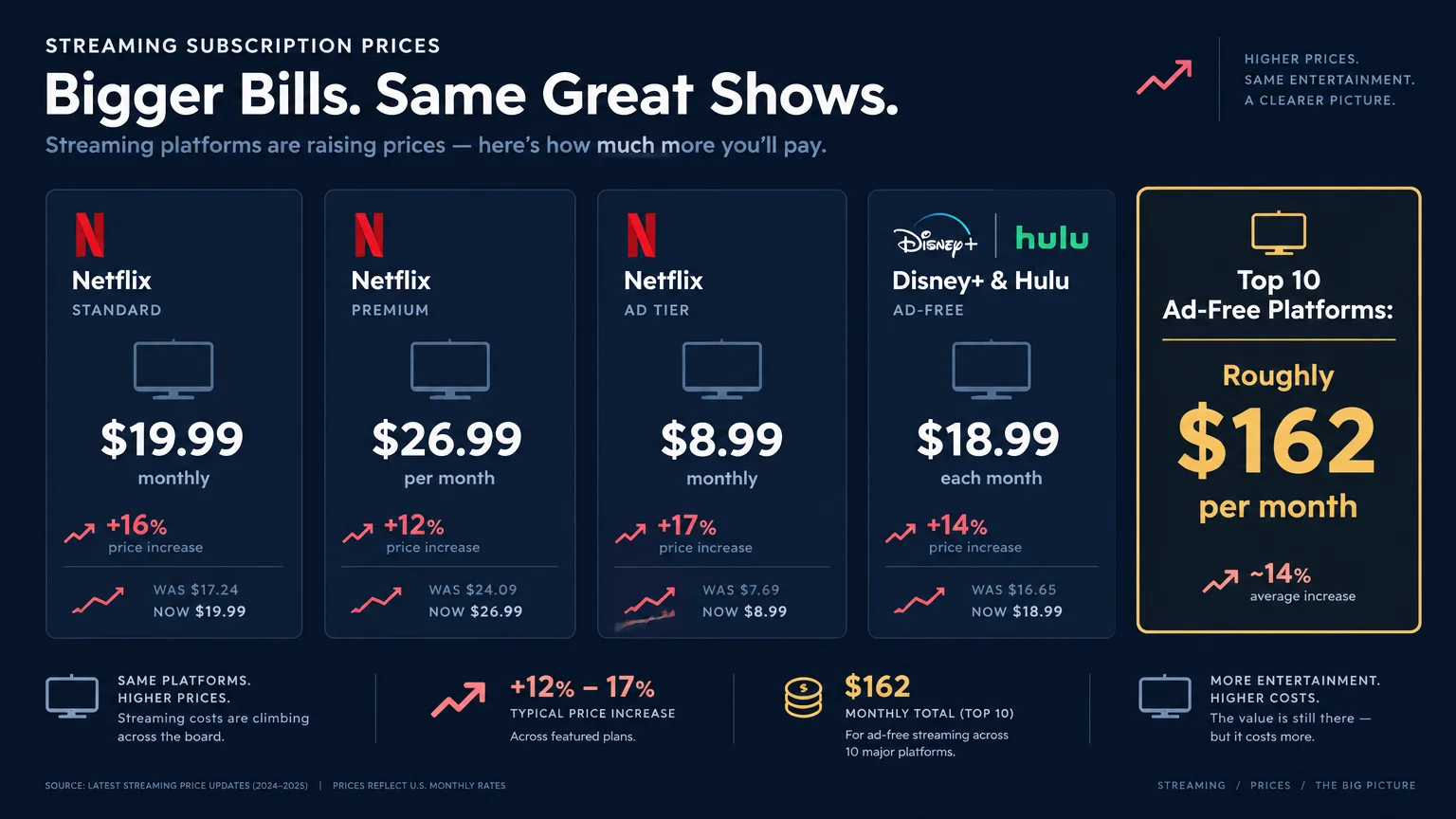
Netflix raised rates across all tiers in March 2026. Its Standard ad-free plan rose to $19.99 monthly, while the Premium tier climbed to $26.99 per month.
Even budget viewers felt the pinch. The entry-level Netflix plan with advertisements jumped from $7.99 to $8.99 monthly.
Disney+ and Hulu enacted their fourth consecutive annual price hike in September 2026. Standalone ad-free tiers for both platforms climbed to $18.99 each month.
Subscribing to the top ten streaming platforms ad-free now totals roughly $162 per month. That monthly expenditure easily rivals legacy cable bills from a decade ago.
These companies rely on billing inertia. They know subscribers rarely cancel services even when household viewing hours drop to zero for months at a time.
Combat this steady price climb by adopting a rotational subscription schedule. Keep only one active streaming service at a time, binge your chosen series, and cancel before the billing cycle renews.
You can also opt for ad-supported tiers to slash streaming overhead. Most viewers quickly adapt to brief commercial interruptions when it saves them substantial cash each month.
Annual prepay options also trim costs if you intend to keep a single platform all year. Paying upfront locks in your rate and shields you from mid-year price adjustments.
Tip #2: Mobile Phone and Wireless Carrier Plans
Wireless carriers regularly promote stable monthly baseline pricing in nationwide commercials. Behind the scenes, subtle administrative fees and grandfathered rate increases quietly inflate your final bill.
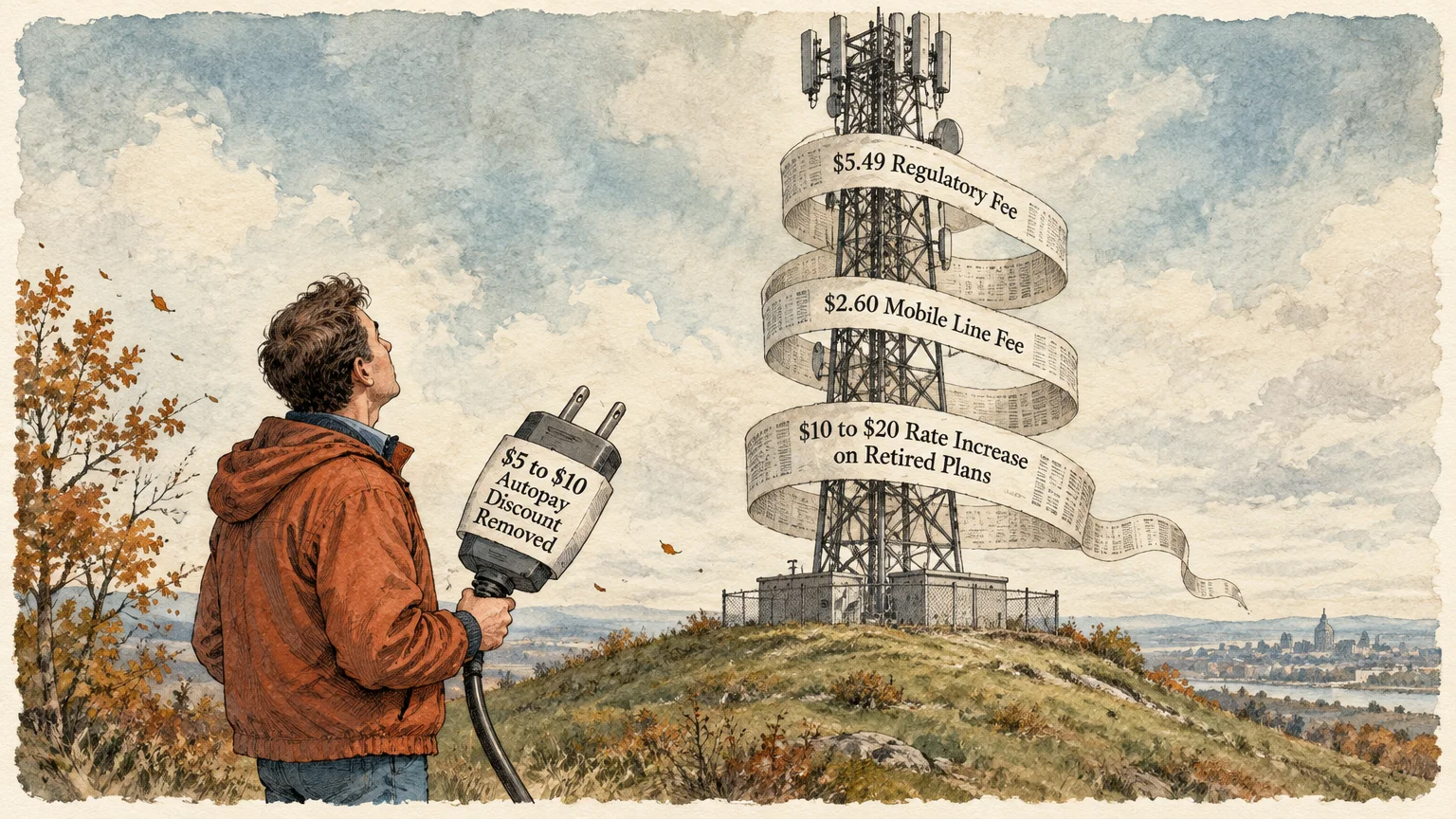
For instance, T-Mobile increased its Regulatory Programs and Telco Recovery Fee to $5.49 per voice line in October 2026. Mobile internet lines simultaneously climbed to $2.60 per line.
AT&T enacted steep rate increases on retired unlimited plans in April and August 2026. Monthly charges jumped by $10 for single lines and $20 for multi-line family accounts.
Meanwhile, major carriers dismantled traditional autopay perks. Verizon, AT&T, and T-Mobile now require a direct debit card or linked bank account to receive their $5 to $10 autopay discount.
Carriers recently closed popular loopholes that let customers pay early with rewards credit cards. If you attempt to make manual early card payments today, carriers forfeit your monthly discount.
You must actively check autopay bills to catch these stealth line fee adjustments. Letting carriers withdraw funds straight from your bank account leaves you vulnerable to unannounced billing updates.
Call your carrier annually to demand current promotional plans. If your carrier refuses to negotiate, switch to an independent mobile virtual network operator that rents the exact same cellular towers.
Smaller discount carriers offer identical nationwide 5G coverage without expensive overhead and junk administrative charges.
Bringing your own unlocked phone also saves hundreds compared to carrier equipment installment plans. Avoiding handset financing keeps your cellular statement lean and fully transparent.
Review your family line usage to eliminate unnecessary mobile hotspot add-ons or insurance plans. Pruning unneeded features immediately offsets carrier fee increases.
Tip #3: Auto Insurance Policies
Auto insurance has become one of the fastest-growing monthly expenses for American households. Premium hikes hit renewal statements automatically, penalizing safe drivers alongside high-risk motorists.
Industry data from The Zebra shows the average six-month auto policy climbed to $1,162 in July 2026. That equals roughly $194 per month, representing an 18% annual increase.
Additional industry research places the average cost of annual full-coverage car insurance between $2,242 and $2,524. Insurers blame rising vehicle repair technology, severe weather claims, and replacement part inflation.
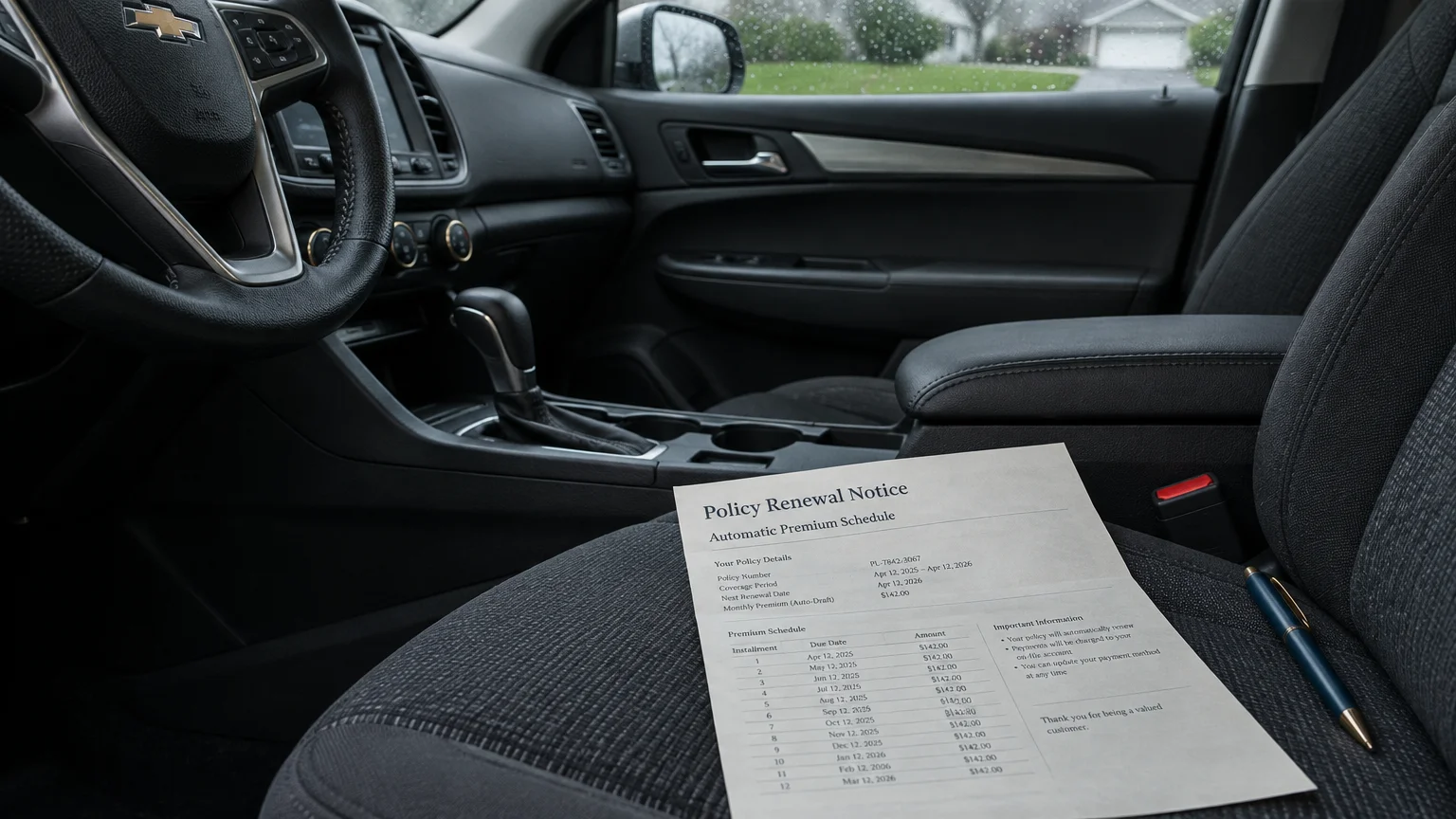
When you automate your premium withdrawals, rate revisions escape your attention. Your insurer simply renews your policy at a higher rate and collects the larger payment automatically.
Insurers depend on customer complacency to lock in these rising monthly bills. Brand loyalty offers zero economic benefit in the insurance marketplace.
Shop your policy every twelve months by gathering quotes from competing insurance providers. Independent insurance agents can quickly compare policies across multiple regional underwriters to uncover lower rates.
You can also adjust your comprehensive and collision deductibles to lower your recurring premium immediately. Setting aside an emergency fund allows you to shoulder a higher deductible safely.
Ask your insurer about discounts for completing safe driving courses or installing anti-theft tracking systems. Small policy adjustments add up to significant annual savings.
Dropping collision coverage on older vehicles whose book value has plummeted can also yield big savings. Paying high collision premiums on an aging car rarely makes mathematical sense.
Consider pay-per-mile insurance programs if you work remotely or commute infrequently. Low-mileage drivers can cut monthly insurance costs substantially by reporting actual mileage.
Tip #4: Residential Electricity and Energy Bills
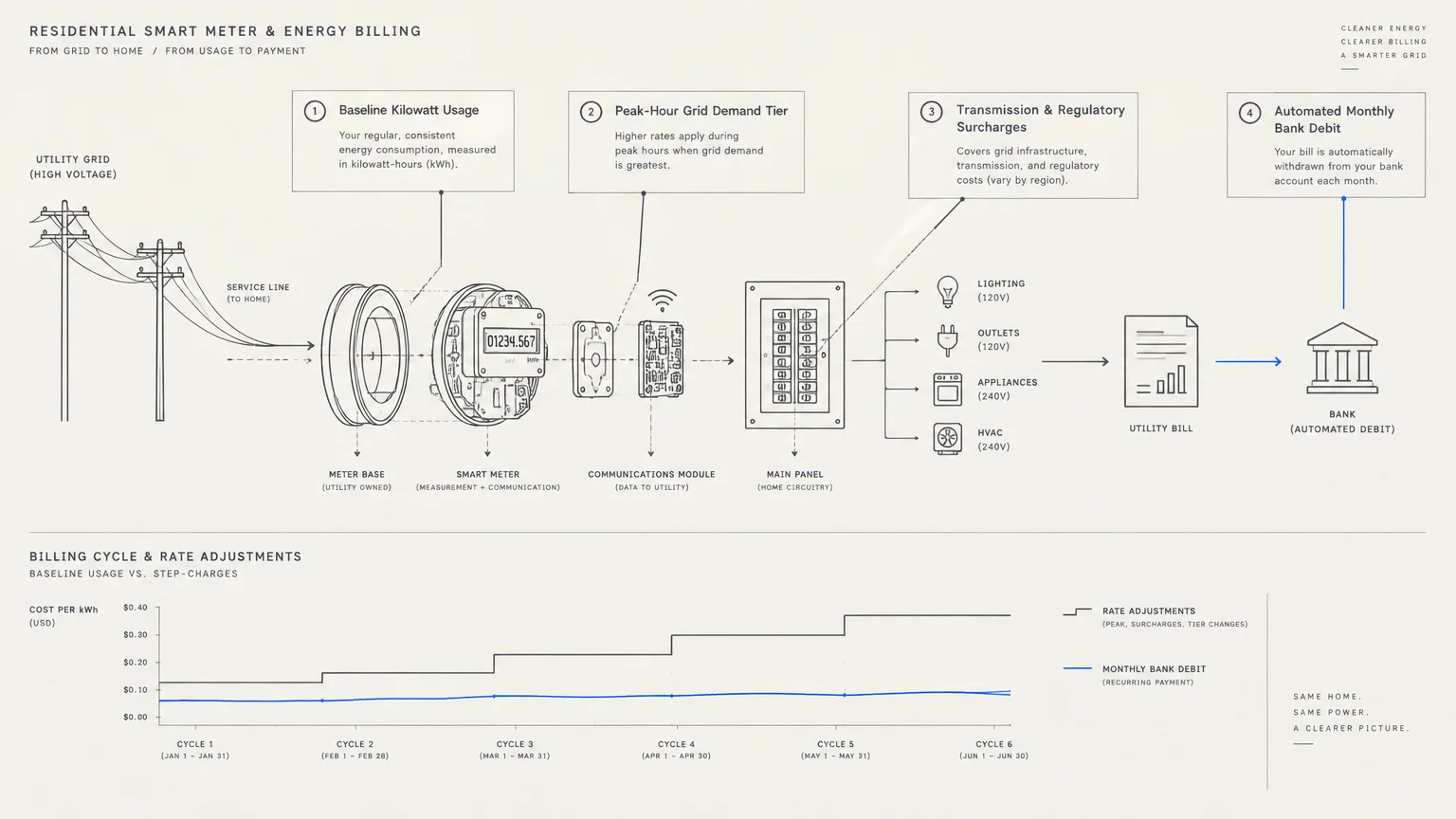
Utility autopay is undeniably convenient, but it hides relentless rate creep. Power companies across the country steadily increase baseline kilowatt-hour charges and distribution tariffs.
U.S. Energy Information Administration figures indicate residential electricity rates reached 18.31 cents per kilowatt-hour in July 2026. That reflects a 4.9% increase compared to the previous year.
Forty-four states and the District of Columbia witnessed rate increases between 2025 and 2026. Massive grid modernization investments and surging power demand from commercial data centers continue driving costs upward.
With autopay bills rising, seasonal weather swings mask underlying rate hikes. You might blame summer air conditioning for high statements while missing the permanent structural rate increases underneath.
Examine your power statements monthly to track your effective cost per kilowatt-hour. Focusing on unit pricing reveals whether higher bills stem from personal consumption or utility rate revisions.
Many utilities offer budget billing programs that average your annual energy costs into predictable monthly payments. However, you must monitor your balance to avoid huge year-end true-up charges.
Installing a smart thermostat can reduce wasted heating and cooling during peak billing hours. Programmable adjustments deliver immediate relief against escalating energy rates.
In deregulated energy states, shop third-party electricity suppliers to lock in fixed rates. Compare supply rates carefully to ensure you avoid sudden variable rate spikes.
Replace aging incandescent bulbs with energy-efficient LED lighting throughout your home. Simple lighting upgrades lower overall electricity consumption with minimal upfront investment.
Unplug idle electronics and entertainment centers that draw phantom vampire power around the clock. Power strips make cutting standby power effortless.
Tip #5: Homeowners and Property Insurance
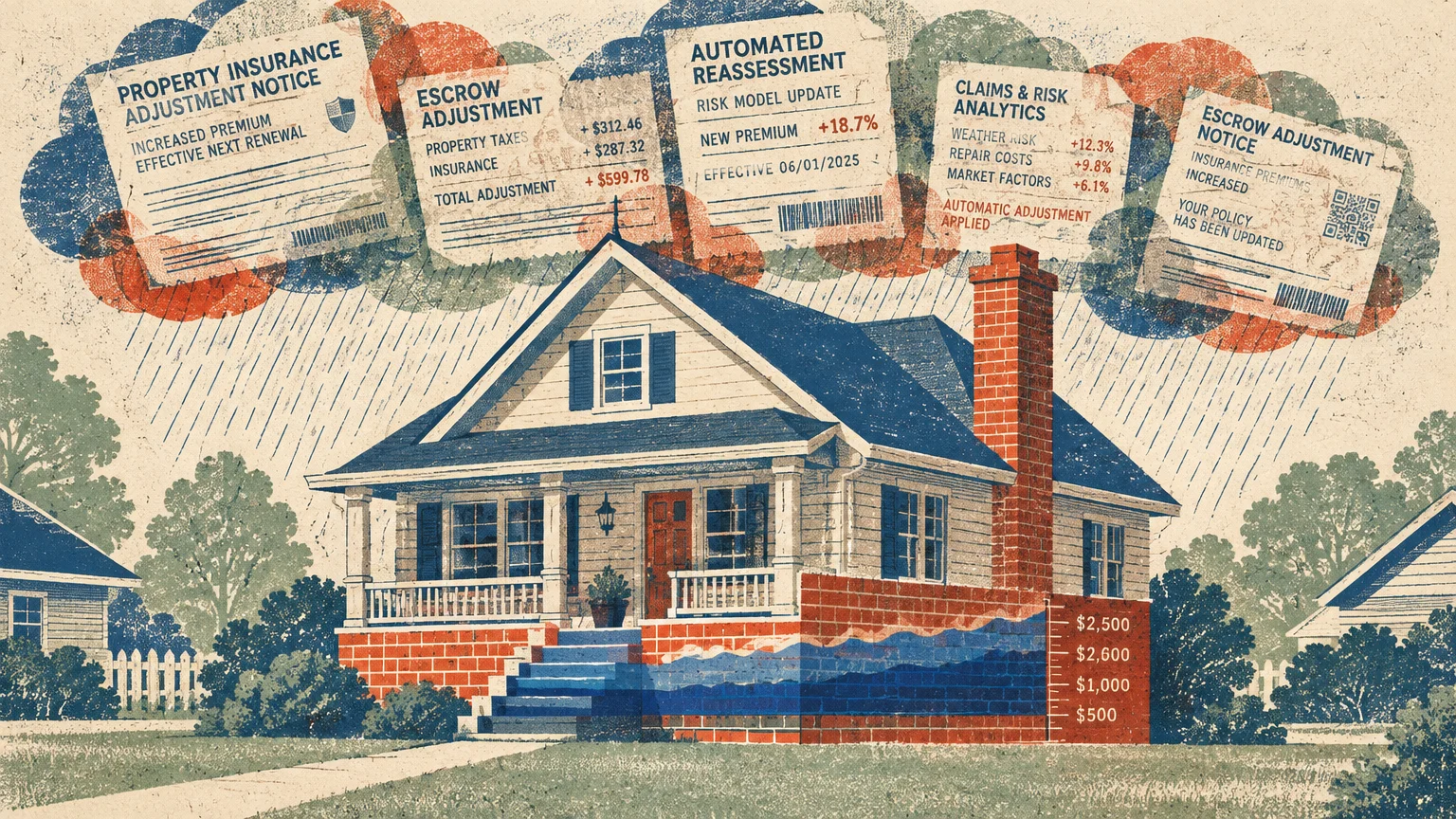
Homeowners insurance premiums have escalated dramatically, delivering severe shocks to household budgets. Because mortgage servicers handle insurance payments through escrow accounts, homeowners rarely notice rising premiums right away.
Industry data from Matic shows average annual homeowners insurance premiums climbed to $1,966 heading into 2026. That amounts to just over $163 each month for baseline coverage.
High-risk geographic regions face far steeper premiums. Monthly homeowners insurance costs reached an average of $270 in Louisiana and $276 in Colorado.
When your property insurer bumps your premium, your mortgage company adjusts your monthly escrow deduction. Your overall mortgage autopay bill jumps to cover the projected insurance shortfall.
Do not let your mortgage escrow renew your insurance policy on autopilot. Underwriters frequently inflate estimated replacement costs beyond actual regional rebuilding expenses.
Request a detailed policy breakdown and verify your home’s square footage, building materials, and detached structures. Correcting outdated home specs can lower your annual assessment instantly.
Bundle your homeowners coverage with your auto policy under a single insurance provider. Multi-policy bundling frequently earns discounts between 15% and 20% on both premiums.
Installing monitored security systems and water leak sensors can qualify your home for extra insurance discounts. These minor safety investments deliver recurring annual savings.
Increasing your property deductible from $1,000 to $2,500 can significantly reduce your base premium. Just ensure your emergency fund can absorb that higher out-of-pocket threshold if disaster strikes.
Contact an independent insurance agent to compare competing property carriers every single year. Exploring alternate underwriters prevents your escrow payment from quietly spiraling out of control.
Tip #6: Home Internet and Broadband Services
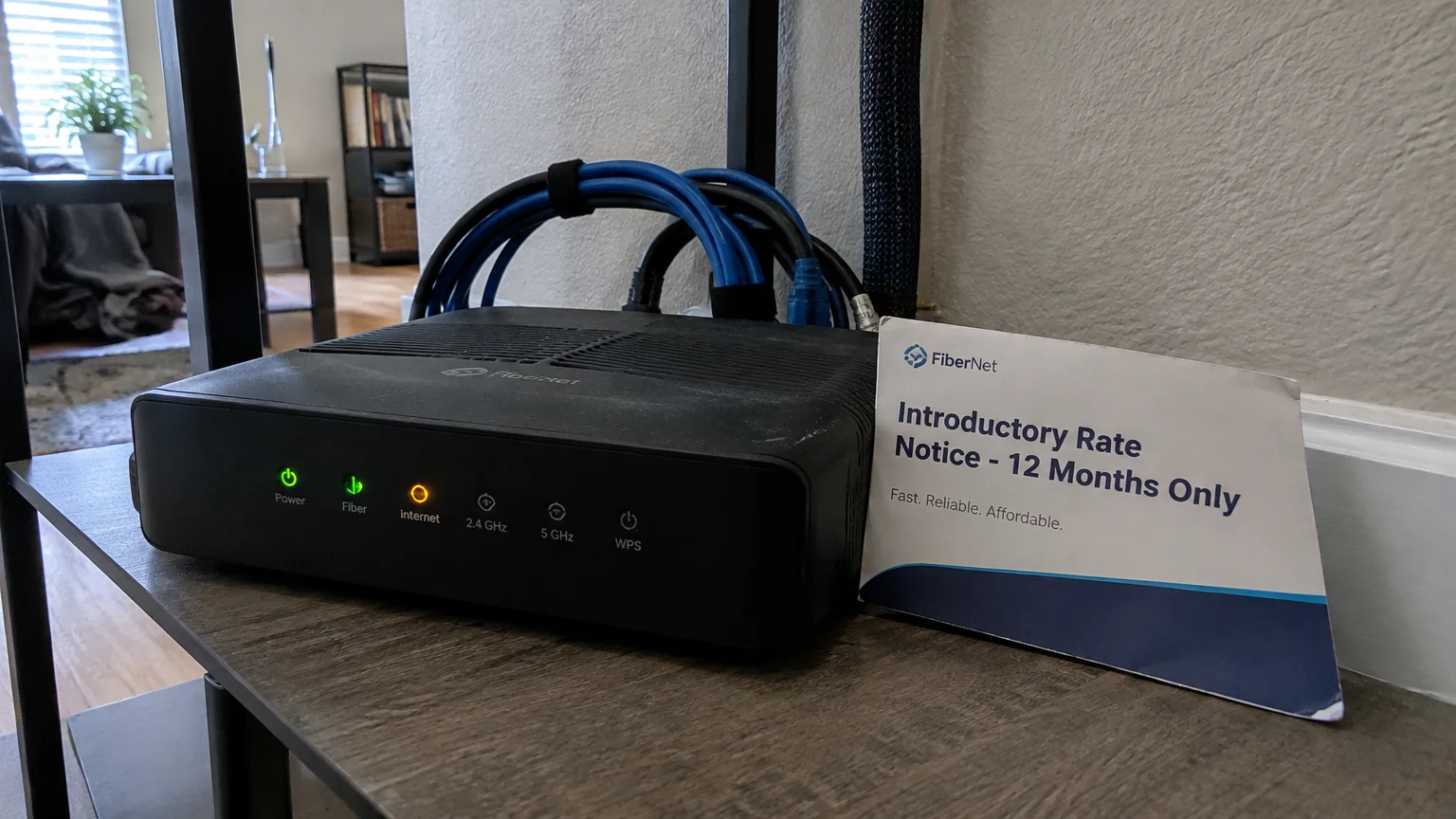
Broadband providers master the art of introductory teaser rates. Once initial twelve-month contracts expire, your recurring charges surge without requiring your explicit consent.
BroadbandNow reports that standard monthly base rates for home internet average $75. Entry-level packages run around $40, while premium gigabit tiers reach $100 per month.
Expired promotional discounts and obscure equipment fees often add $30 monthly to unmonitored bills. Modem and router rental charges alone cost between $5 and $15 each month.
Bundled services also suffer from steady price hikes. For instance, Xfinity raised its StreamSaver bundle price from $15 to $18 per month in late 2025.
Stop renting standard networking hardware from your broadband provider. Purchasing a certified standalone modem and Wi-Fi router pays for itself within a few months of service.
Contact your internet provider’s cancellation department whenever your promotional rate expires. Inform the representative that local fiber or 5G home internet competitors offer better promotional pricing.
Retention agents almost always extend new discounts or bill credits to prevent customer churn. A ten-minute phone call can save you hundreds of dollars annually.
Check your actual home bandwidth usage before paying for ultra-fast gigabit connections. Most households operate smoothly on modest speeds, allowing you to downgrade without noticing performance changes.
Explore emerging 5G home internet options from cellular carriers in your neighborhood. Wireless home internet often provides flat, transparent pricing without hidden equipment rental surcharges.
Look closely at your monthly statement for unrequested add-ons like premium tech support or cybersecurity bundles. Removing these digital extras trims your bill instantly.
Tip #7: Live TV Streaming Replacements
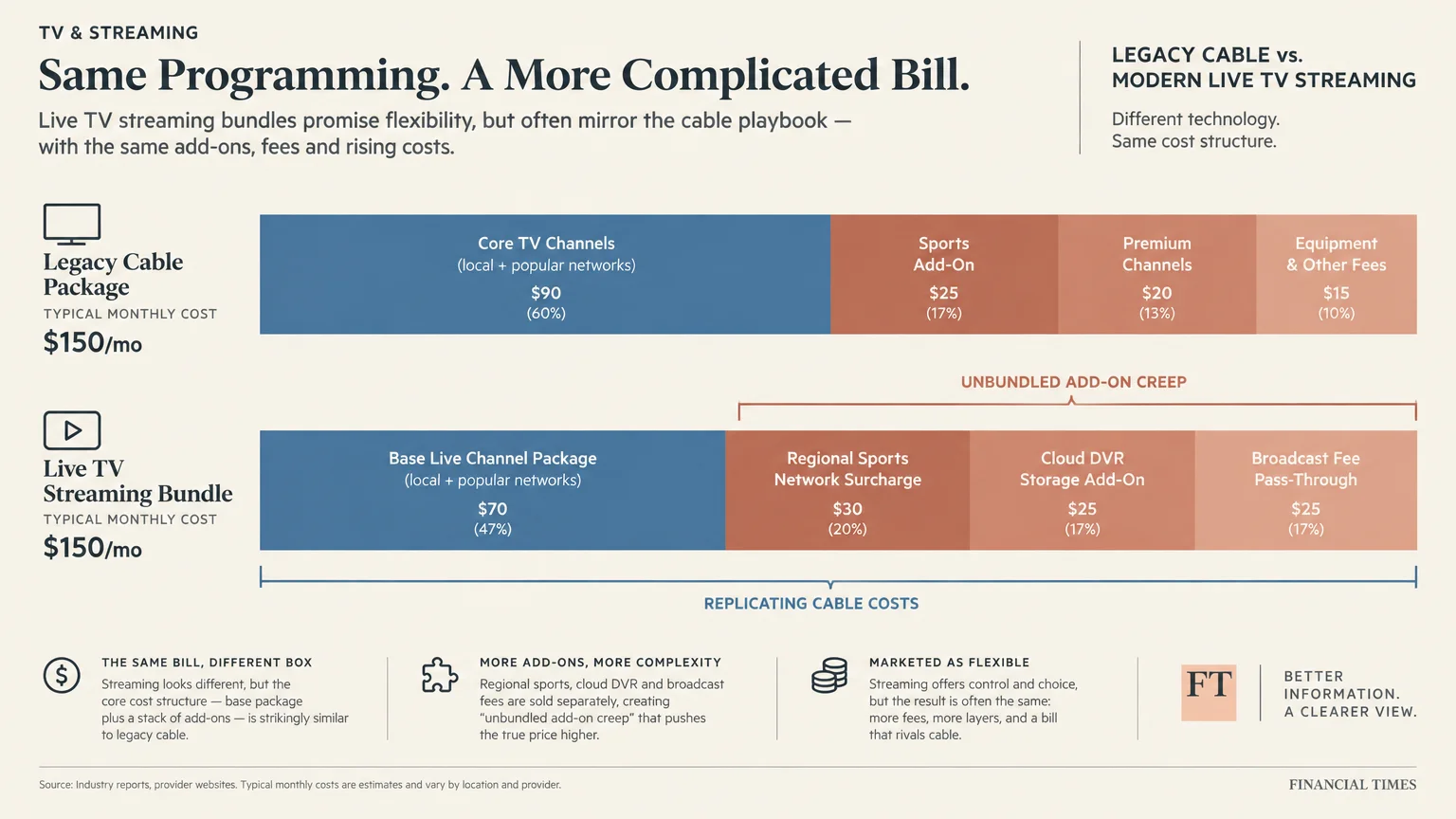
Millions of households abandoned cable television to escape expensive contracts and hidden equipment fees. Unfortunately, live TV streaming platforms have rapidly replicated the excessive pricing models of traditional cable.
The base plan for YouTube TV now costs $82.99 per month once initial discounts conclude. Other live multichannel services have enacted similar aggressive subscription price increases.
Adding standalone home broadband to a live TV package pushes your monthly entertainment costs past $150. You end up paying legacy cable rates for digital delivery.
When these large subscriptions sit on autopay, you pay for hundreds of channels you never watch. Broadcasters force platforms to package unwanted channels together, driving up baseline consumer bills.
You must evaluate whether your household genuinely requires live television all year. Many viewers keep live TV services active solely for live sports or special seasonal events.
Pause your subscription during sports off-seasons instead of leaving autopay running continuously. Pausing your service for four inactive months saves over $330.
Pair an inexpensive digital antenna with free ad-supported streaming apps for basic news and network viewing. Modern digital antennas receive high-definition local broadcast networks at zero monthly cost.
Rotating single-network apps when specific shows air is vastly cheaper than paying for perpetual multichannel live streaming.
Revisit free ad-supported streaming television platforms that offer hundreds of live linear channels. These platforms provide endless news, movies, and syndicated shows without requiring credit card information.
Split live television plans with family members who share your residential address. Taking full advantage of allowed simultaneous streams helps offset expensive base package pricing.
Tip #8: Cloud Storage and Digital Backups
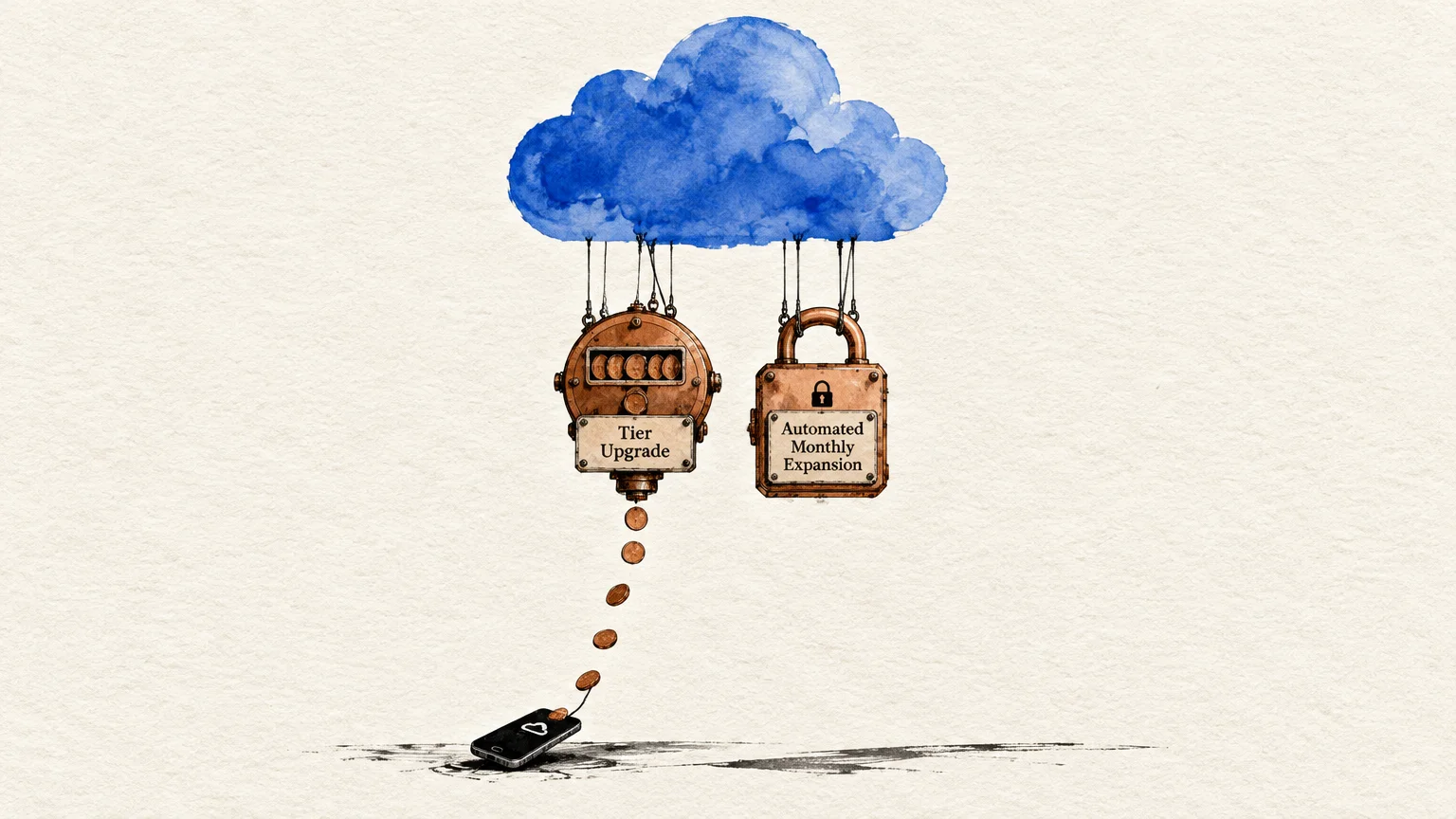
Cloud storage services enter your budget quietly with cheap introductory tiers priced at just a few dollars. As photo archives and automated device backups grow, monthly storage fees expand steadily.
Digital storage companies capitalize on consumer reluctance to delete old files. Once you surpass initial data limits, providers push you into more expensive monthly tiers.
Industry surveys reveal a massive 2.5x perception gap in subscription spending. Consumers estimate spending $86 to $87 monthly on subscriptions, but actual bank statements reveal an average of $219.
Cloud storage represents the ultimate stealth charge because users fear losing precious personal memories. That emotional attachment keeps autopay running indefinitely without question.
Dedicate an hour every few months to prune bloated 4K video clips, duplicate photos, and junk email attachments. Trimming unnecessary data can drop you to a cheaper billing bracket.
Purchase an external hard drive or a private network-attached storage drive for your home. A one-time hardware investment secures your archives without continuous recurring charges.
Audit your cloud subscriptions to eliminate redundant backup platforms. Many households accidentally pay for Apple iCloud, Google One, and Microsoft OneDrive at the exact same time.
Consolidating your family under one unified storage plan cuts wasted monthly expenses instantly. Shared family storage pools allow everyone to back up devices while paying a single fee.
Download offline backups of older documents and photo albums to free local cloud space. Archiving older files locally frees up cloud capacity for active projects.
Disable automatic cloud backups for non-essential applications like mobile games or temporary messaging caches. Preventing unnecessary apps from consuming cloud quota protects your storage tier.

Tip #9: Music and Audio Subscription Bundles
Digital audio services spent years keeping plans locked at standard ten-dollar monthly rates. Recently, streaming audio companies have enacted steady subscription price increases to satisfy corporate profit targets.
YouTube Premium raised rates across all plans in April 2026. Individual plans climbed to $16 monthly, while the Family tier jumped to $27 per month.
Even YouTube Premium Lite saw an increase, climbing to $9 per month. Ad-free audio and background playback privileges are steadily commanding premium pricing.
Other tech leaders followed suit with their media services. Apple TV+ reached $12.99 to $14.99 per month following consecutive rate hikes in late 2025 and 2026.
Because music apps are embedded in daily commuting routines, subscribers rarely challenge price adjustments. Companies rely on this routine daily usage to push through higher autopay withdrawals.
Maximize value by grouping family members into a single shared subscription tier. Splitting a $27 family plan among multiple users slashes your individual out-of-pocket monthly expense.
Review your mobile phone plan and premium credit card benefits for complimentary audio subscriptions. Wireless carriers and card issuers regularly bundle free music services into their packages.
Consider switching to free ad-supported listening if you only play background music occasionally. Tolerating occasional commercial breaks eliminates another automated monthly drain on your checking balance.
Buy annual gift cards or discounted annual memberships during holiday sales. Retailers frequently discount subscription gift cards by 15% to 20%, reducing your annualized streaming budget.
Students can secure steep educational discounts on major music streaming platforms. Verifying student status cuts monthly rates in half for up to four consecutive years.

Tip #10: Gym Memberships and Fitness Apps
Fitness facilities and digital workout apps thrive on automated monthly deductions. Gyms understand that many consumers stop attending workouts while letting monthly dues deduct automatically.
CNET’s 2026 State of Subscriptions survey revealed that U.S. adults spend an average of $111 monthly on subscriptions. Crucially, consumers waste an average of $21 monthly on unused services.
Gyms compound these costs by billing surprise annual maintenance fees once a year. These stealth fees hit your account quietly, adding dozens of unexpected dollars to your balance.
Canceling fitness subscriptions often feels like navigating an obstacle course. Although a federal click-to-cancel rule was vacated in July 2025, approximately thirty states enforce strict automatic-renewal laws.
Federal agencies continue pursuing deceptive billing tactics, including major legal settlements against tech giants in 2025 and 2026. Do not let gym managers intimidate you with illegal cancellation barriers.
If you have not visited your workout facility in thirty days, cancel the membership immediately. You can rejoin later if your fitness schedule changes.
Transition to free bodyweight routines, running trails, and community recreation centers. Working out outdoors keeps you fit without draining your checking account through recurring charges.
If an app refuses to cancel your recurring dues online, notify your bank and block future merchant withdrawals. You can also report predatory subscription practices to state consumer protection offices.
Inquire about employer wellness stipends or health insurance reimbursements for fitness expenses. Many health insurers provide substantial subsidies for gym attendance.
Negotiate waived initiation fees and month-to-month contracts if you decide to join a gym. Never sign long-term multi-year fitness agreements that charge exorbitant early termination fees.

The Bottom Line: What This Means for Your Wallet
Autopay was designed to simplify personal finances, but corporations turned it into an automated wealth-extraction machine. Leaving recurring charges unmonitored guarantees that rate increases erode your disposable income.
Digital Content Next reported that average monthly household subscription spending hit $176.44 in late 2026. That 14.5% year-over-year jump was driven almost entirely by price hikes rather than consumers purchasing new services.
Regaining control over your finances requires changing how you manage automated withdrawals. You must actively defend your bank account against creeping fees and automatic renewals.
Conduct a thorough monthly subscription audit by reviewing thirty days of checking account and credit card statements. Highlight every recurring charge and question whether the service still delivers genuine value.
Use virtual credit card numbers with strict spending caps for digital subscriptions. When a provider raises rates above your cap, the transaction automatically declines, alerting you immediately.
Shift non-discounted bills back to manual payments so you see every dollar leaving your hands. Forcing yourself to approve payments manually restores mindful spending habits.
Negotiate aggressively with service providers and be prepared to cancel accounts that refuse to offer competitive pricing. Taking an active role in your billing cycles preserves hundreds of dollars each month.
For consumer protection information, visit the Federal Trade Commission (FTC) and the Consumer Financial Protection Bureau (CFPB). For product safety and reviews, consult Consumer Reports.
Disclaimer: This article is for informational purposes only and does not constitute financial advice. Content reflects the author’s opinion and research at publication, so always perform independent research before making financial decisions.
Frequently Asked Questions
Why do companies push autopay so aggressively?
Companies heavily promote autopay because it drastically lowers customer churn and conceals price hikes. When payments occur automatically, customers pay less attention to small rate increases.
Automated withdrawals also reduce administrative payment processing costs for service providers. That predictable cash flow directly boosts corporate profit margins.
Is it safe to link a primary checking account directly to autopay?
Linking your primary checking account carries financial risks because billing errors pull directly from real cash reserves. Overdraft fees can trigger if a merchant unexpectedly withdraws a higher rate.
Whenever possible, use a dedicated secondary bank account with limited funds or a credit card for recurring expenses. That protects your primary funds from aggressive automated billing errors.
How often should you audit recurring monthly charges?
You should audit your recurring charges at least once every three months. Reviewing quarterly statements helps you catch expiring promotional discounts and sneaky administrative fee adjustments.
Setting a recurring calendar reminder ensures you review statements consistently. Regular audits prevent unused services from draining hundreds of dollars each year.
What should you do if an unauthorized price increase hits your account?
Contact customer support immediately to contest the billing increase and request a statement credit. Companies often waive unexpected charges when customers actively push back.
If the merchant refuses to resolve the dispute, contact your bank to dispute the charge or block future payments. You can also file complaints with consumer protection bureaus.