Squeezing every dollar out of your monthly grocery budget without sacrificing household quality requires a strategic pivot toward bulk purchasing power. Buying everyday essentials at warehouse clubs lowers unit costs significantly, helping you beat standard supermarket markups and build a resilient cash-flow buffer. You can reclaim hundreds of dollars annually simply by targeting shelf-stable staples, kitchen workhorses, and household goods that traditional stores heavily mark up. Understanding exactly which items yield the highest savings allows you to shop with precision, avoid impulse purchases, and optimize your family finances effortlessly. Here is how you can transform your regular shopping trips into measurable long-term savings.
The Economics of Warehouse Savings
Household budgets face persistent pressure as everyday living expenses remain elevated across the country. Recent Consumer Price Index data published by the Bureau of Labor Statistics highlights how food-at-home costs absorb a substantial portion of average take-home pay. Standard supermarkets rely on high retail markups across small-packaged goods to protect their profit margins, leaving consumers paying premium prices for daily convenience; however, transitioning your strategy to warehouse clubs systematically dismantles these markups by securing bulk wholesale prices.
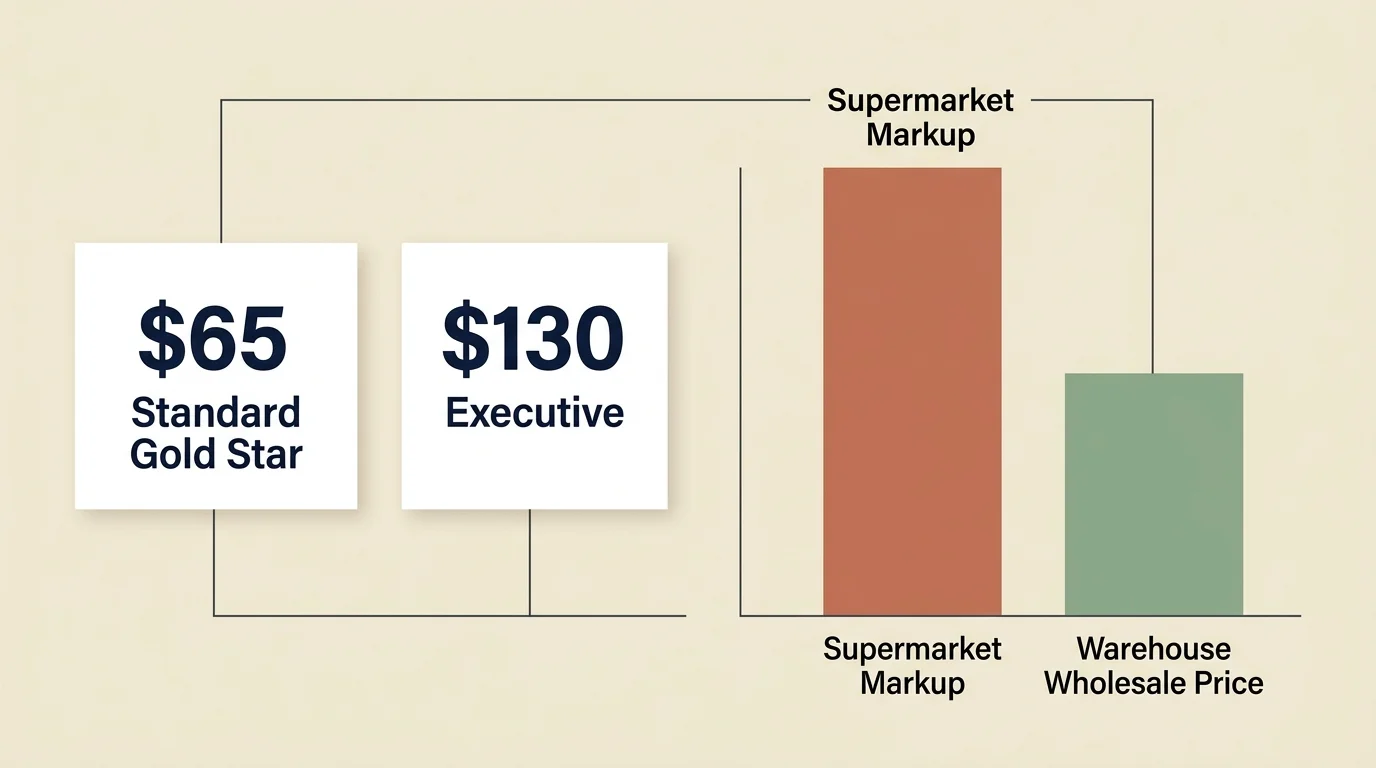
Understanding the entry barrier is essential before calculating your net annual savings. Effective September 1, 2024, Costco updated its annual membership fees to $65 for standard Gold Star and Business tiers, while Executive memberships increased to $130 per year. While paying an upfront fee seems counterintuitive when trimming expenses, unit-price analysis reveals that dedicated shoppers easily recover this annual cost within a few planned store visits by targeting high-margin supermarket staples sold near cost.
10 Items Always Cheaper in Bulk at Costco
1. Over-the-Counter Allergy Medication
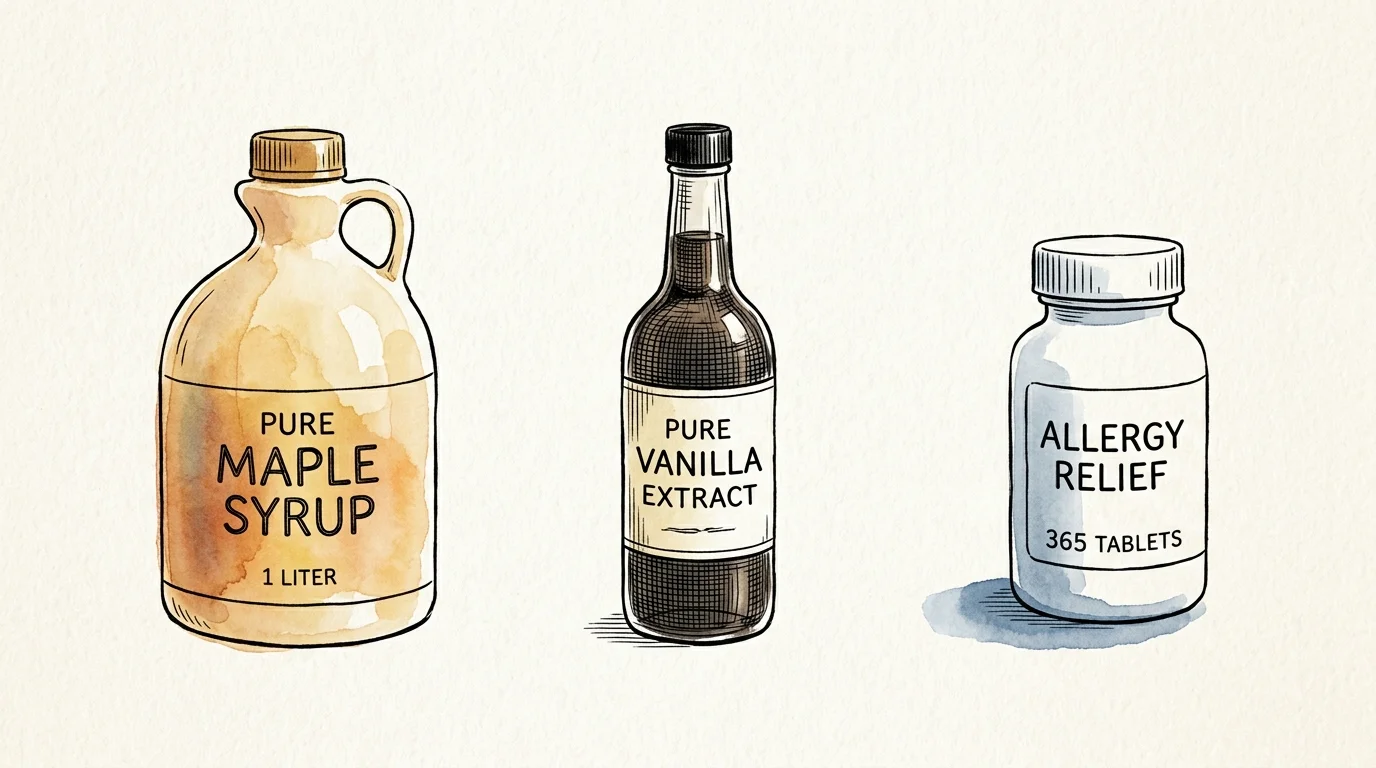
Seasonal allergy treatments carry steep retail markups at traditional pharmacies and grocery stores. A 365-tablet bottle of Kirkland Signature Aller-Tec, which contains Cetirizine, costs approximately $14.99, bringing your cost to roughly $0.04 per daily dose. In contrast, brand-name Zyrtec at standard retail pharmacies averages $35 to $40 for a modest 70 to 90 tablet bottle, driving the per-dose cost up to $0.40 or $0.50. A single allergy sufferer in your household saves over $130 per year on this item alone, paying for a standard annual membership twice over while securing a full year of daily relief.
2. 100% Pure Organic Maple Syrup
Real maple syrup carries high unit prices at conventional supermarkets. Costco offers a 33.8 fluid ounce, or 1-liter, jug of Kirkland Signature Organic Maple Syrup for $13.00 to $15.00, resulting in a unit cost of $0.40 to $0.44 per fluid ounce. Supermarkets charge $8.00 to $10.00 for small 8 to 12 fluid ounce bottles, spiking unit costs to $0.75 or well over $1.00 per ounce. Because pure maple syrup refrigerates exceptionally well after opening and features an extensive shelf life, buying this item in bulk provides immediate cash savings without food spoilage risks.
3. Pure Vanilla Extract
Baking ingredients feature hidden markups, and pure vanilla extract stands as a prime example in the baking aisle. A 16 fluid ounce bottle of Kirkland Signature Pure Vanilla Extract retails at Costco for $12.00 to $15.00, costing roughly $0.75 to $0.94 per fluid ounce. Standard grocery stores sell tiny 2 to 4 fluid ounce bottles of pure extract for anywhere between $3.00 and $5.00 per ounce. Securing real vanilla extract in bulk delivers unit-cost reductions that far outperform conventional supermarket sales, making it an essential purchase for enthusiastic home bakers.
4. Organic Extra Virgin Olive Oil
Cooking oils serve as daily kitchen workhorses, making unit price differences remarkably impactful over a full calendar year. The Kirkland Signature 2-Liter Organic Extra Virgin Olive Oil consistently delivers a unit cost savings of 30% to 50% per fluid ounce compared to name-brand olive oils at conventional grocery chains. Independent testing repeatedly verifies the high purity and strict quality standards of this Kirkland staple. Storing the dark container in a cool pantry keeps the large volume fresh throughout its usable lifespan without degrading flavor.
5. Kerrygold Pure Irish Butter
Purchasing premium butter at regular grocery stores quickly strains weekly food budgets. Costco carries a 32-ounce 4-pack of Kerrygold Pure Irish Butter for approximately $18.15, which averages out to roughly $4.54 per 8-ounce stick. Competitors like Target and Walmart sell individual 8-ounce sticks for $4.85 to $5.25 each. Because butter freezes remarkably well for up to a year without losing rich flavor or texture, stocking up on this grass-fed staple yields direct cash savings for budget-conscious home cooks.
6. Kirkland Signature Rotisserie Chicken
Costco’s 3-pound Kirkland Signature Rotisserie Chicken remains an unbeatable prepared food value at just $4.99, a price point the retailer has maintained unchanged as a loss-leader since 2009. Uncooked whole chickens at conventional supermarkets frequently cost significantly more per pound than this hot, prepared option. Smart shoppers utilize this item as a versatile meal-prep foundation, using the tender meat for sandwiches, salads, and dinner entrees while simmering the remaining carcass to generate rich homemade bone broth.
7. Kirkland Signature Food Court Hot Dog Combo
The iconic food court quarter-pound all-beef hot dog and 20-ounce refillable soda combo costs just $1.50, a rate held fixed since 1985. Feeding a family of four for six dollars while running weekend errands eliminates the urge to visit expensive fast-food drive-thrus. Integrating this quick dining option into your routine preserves your entertainment budget while preventing costly impulse food purchases elsewhere during busy weekend outings.
8. Heavy-Duty Trash Bags and Paper Products
Non-perishable janitorial supplies offer guaranteed utility without any risk of expiration or food waste. A 200-count box of Kirkland Signature Flex-Tech 13-gallon kitchen trash bags costs significantly less per bag than brand-name alternatives in 40-count boxes at traditional grocery stores. Non-perishable paper towels and bath tissue offer similar structural savings, locking in low unit pricing, insulating your household against inflation, and reducing emergency shopping runs.
9. Raw and Roasted Tree Nuts
Tree nuts serve as healthy daily snacks and key cooking ingredients, but conventional stores charge high prices for small pouches. Costco sells massive 3-pound bags of raw or roasted almonds, pecans, and walnuts at unit costs roughly 40% lower than standard supermarket pricing per ounce. Because tree nuts contain natural oils that degrade over time at room temperature, storing extra bulk packages in your freezer preserves crisp freshness and nutrients for up to twelve months without flavor loss.
10. Whole Bean and Ground Coffee
Daily morning coffee represents a recurring household expense where minor per-ounce savings compound into major annual dividends. Large 2.5 to 3-pound bags of Kirkland Signature whole bean or ground coffee offer price points between $0.30 and $0.45 per ounce. Equivalent national brands sold in standard 12-ounce bags at conventional supermarkets range from $0.70 to $1.10 per ounce. Transitioning to warehouse coffee yields instant monthly savings without forcing you to adjust your morning routine or compromise on rich roast quality.
Strategic Pillars for Household Cash Flow
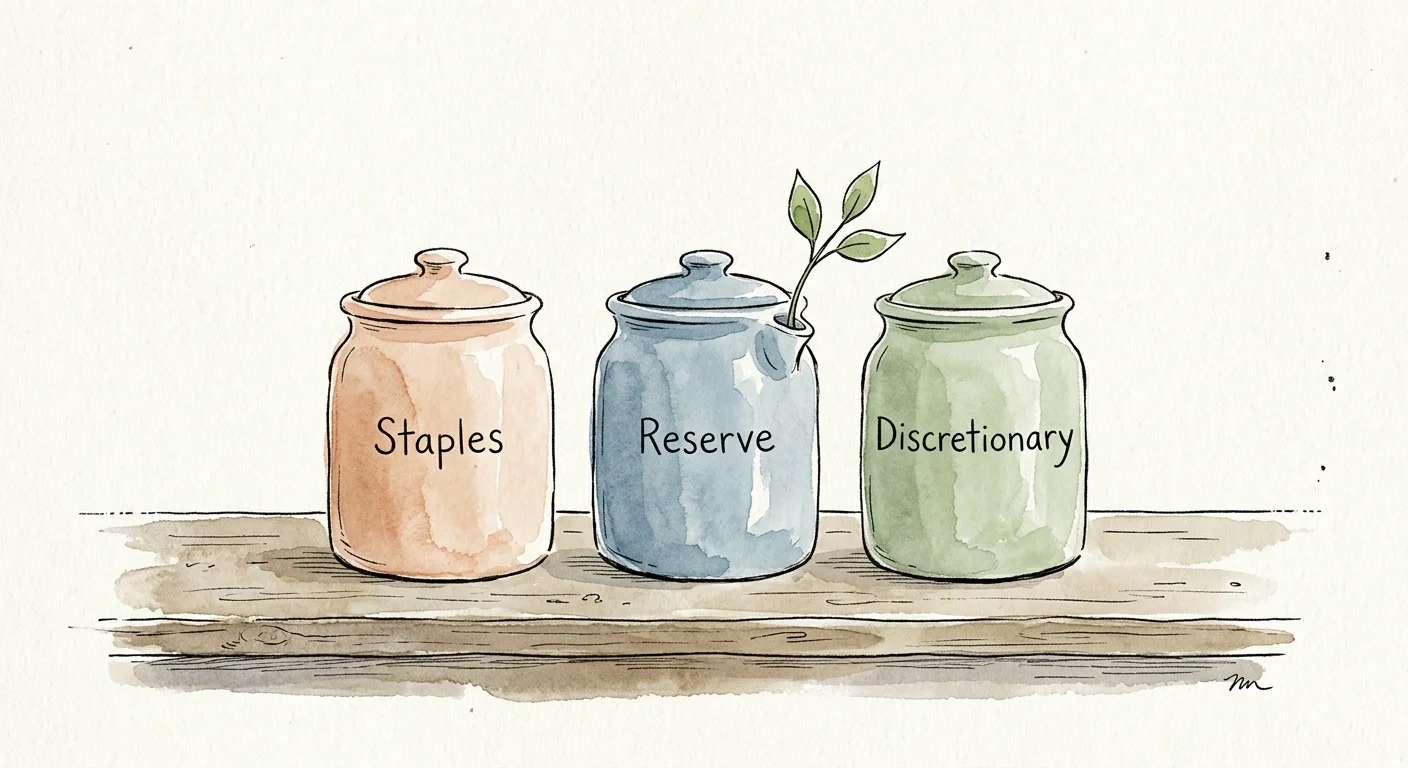
Maximizing warehouse savings requires more than just filling your cart with discounted goods; it demands a structured approach to cash-flow management. First, conduct a precise micro-audit of your pantry and refrigerator to identify items you consume predictably month after month. Distinguish between non-perishable consumables and high-turnover perishables so you only purchase items in bulk that your family will consume completely before expiration dates arrive.
Second, establish automated cash transfers to capture your bulk savings directly. Reviewing financial guidance from the Consumer Financial Protection Bureau underscores the importance of building automated emergency buffers to absorb unexpected living expenses. When you save twenty or thirty dollars on staples during a warehouse trip, immediately transfer that sum from your checking account into a dedicated high-yield savings account to turn smart shopping into wealth.
Third, apply behavioral principles to manage consumption speeds. Behavioral economists note that when households store massive quantities of snacks or treats, their consumption rate accelerates naturally due to visible abundance. Keep bulk snack backstock stored out of immediate sight in a secondary pantry, bringing out only normal weekly portions to ensure your bulk purchases last as long as calculated.
Action Lab: Calculating Your True Costco Break-Even Point
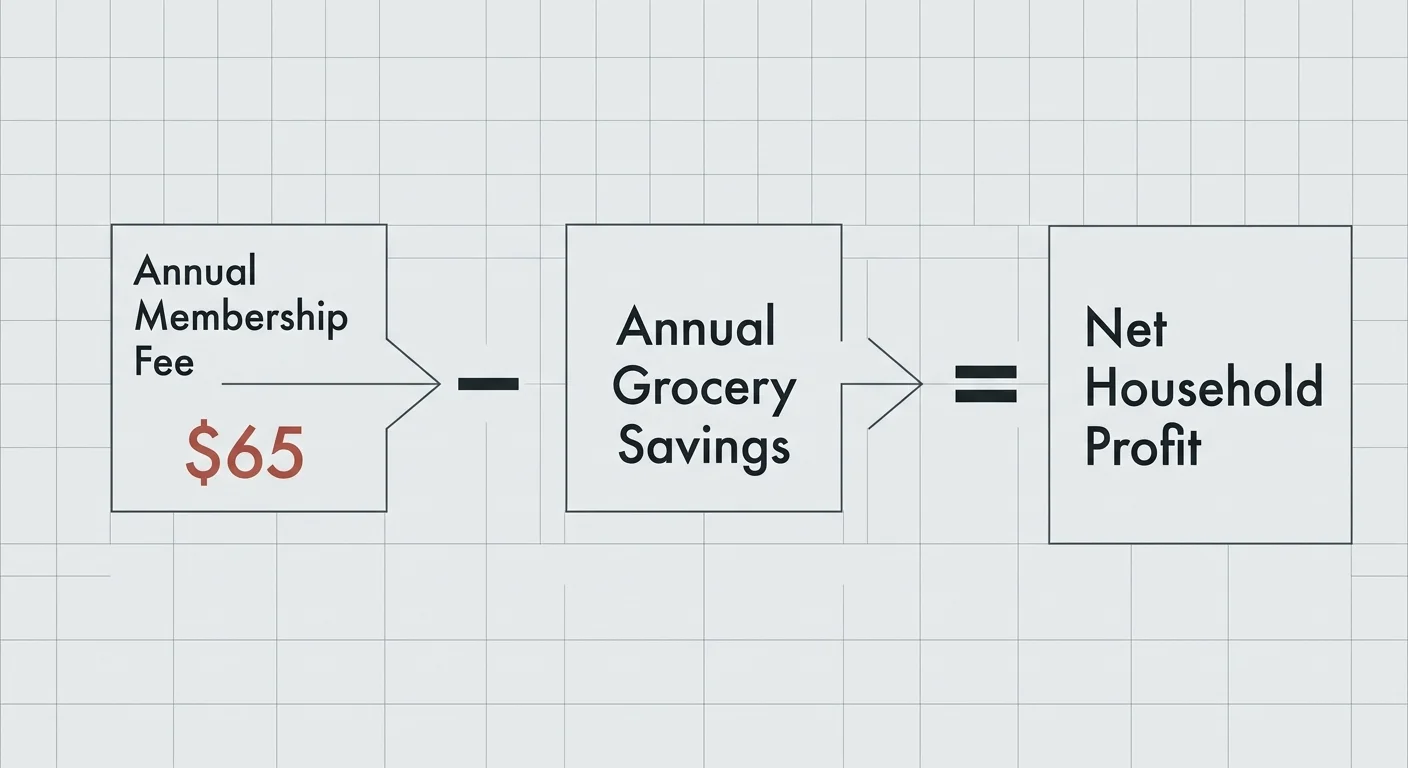
To evaluate your return on investment, calculate your annual net savings against the standard $65 Gold Star membership fee. Examining economic research from the Federal Reserve highlights how systematic tracking of recurring household expenses protects liquid reserves and improves overall financial resilience.
Consider purchasing four annual staples: two 365-tablet Aller-Tec bottles, four 1-liter organic maple syrups, four 4-packs of Kerrygold butter, and two 2-liter organic extra virgin olive oils. At grocery stores, buying these exact quantities costs approximately $270 annually. At Costco, purchasing these same items costs roughly $135. Subtracting the $65 annual membership fee from your $135 raw savings leaves $70 in net profit on just four core items, proving how quickly the membership pays for itself.
Bulk Buying Guardrails and Common Pitfalls
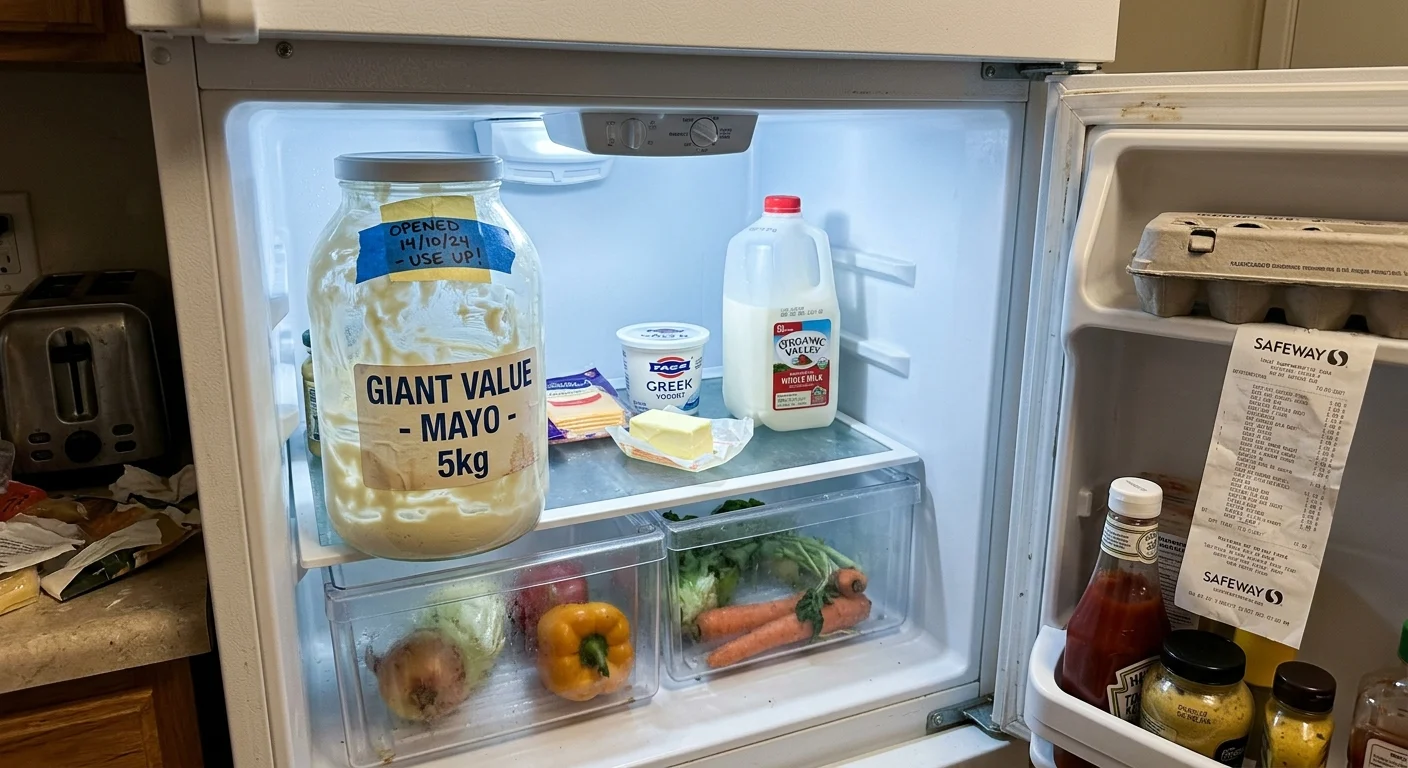
Bulk purchasing presents financial upside, but inventory missteps can erase your gains. Food waste represents the single largest hazard when shopping at warehouse clubs. Purchasing massive tubs of fresh produce or perishable dairy might look economical on paper, but discarding unused portions destroys initial unit-cost advantages. Reviewing consumer protection insights from the Federal Trade Commission helps shoppers spot subtle retail lures and make rational purchasing decisions based on actual consumption habits.
Watch out for unit-price illusions on brand-name items featuring limited supermarket sales. Standard grocers occasionally run clearance promotions that beat bulk prices temporarily, so calculate per-ounce costs on your smartphone calculator before making large commitments. Finally, guard against impulse buys in center aisles, where seasonal goods, apparel, and electronics can quickly add unexpected hundreds to your final register total.
Frequently Asked Questions
Is the Executive Membership worth the extra cost?
The Executive Membership costs $130 annually, which is $65 more than the Gold Star tier, but it awards a 2% cash-back reward on qualifying purchases. Spending over $3,250 annually at Costco ($270 per month) generates $65 in cash back, completely offsetting the extra fee and yielding net profit on higher household spending.
How can small households make bulk buying work without waste?
Small households should focus on shelf-stable goods, paper products, personal care items, and freeze-able foods. Portioning large meat packs and butter into smaller freezer bags prevents spoilage, while splitting multipacks with family or neighbors secures wholesale unit pricing without cluttering home storage space.
Are Kirkland Signature generic brands really high quality?
Yes, Kirkland Signature products meet strict quality standards that match or surpass national brands. Costco contracts top-tier manufacturers to produce store-brand staples, delivering double savings through bulk volume pricing and private-label discounts across items like olive oil, coffee, and paper towels.
What items should you avoid buying in bulk at Costco?
Avoid buying large quantities of ground spices, whole wheat flour, fresh produce, and skincare creams unless consumed rapidly. Spices lose potency after six months, whole wheat flour turns rancid due to natural oil degradation, and skincare products lose active efficacy before you finish massive jars.
Your Weekend Bulk Shopping Challenge
Take control of your household budget this weekend by executing a targeted warehouse run. Audit your pantry, select three high-turnover staples from this guide, and measure your exact savings at checkout. Transferring those savings straight into an emergency fund or debt payoff builds powerful momentum, proving that strategic bulk shopping transforms daily expenses into long-term financial freedom.