Driving past three traditional supermarkets to shop at Aldi pays off the second you review your register tape. You routinely slash your recurring grocery and domestic supply expenses without sacrificing quality.
Savvy shoppers skip overpriced national brands and head straight for high-value private labels. These staple items deliver identical culinary performance and domestic utility for a fraction of typical supermarket shelf prices.
When you want to rein in everyday living costs, certain household items justify every mile of the drive. Here are the twelve loyal-shopper staples that make smart Aldi shopping worthwhile every week.
Tip #1: Kirkwood Red Bag Breaded Chicken Breast Fillets
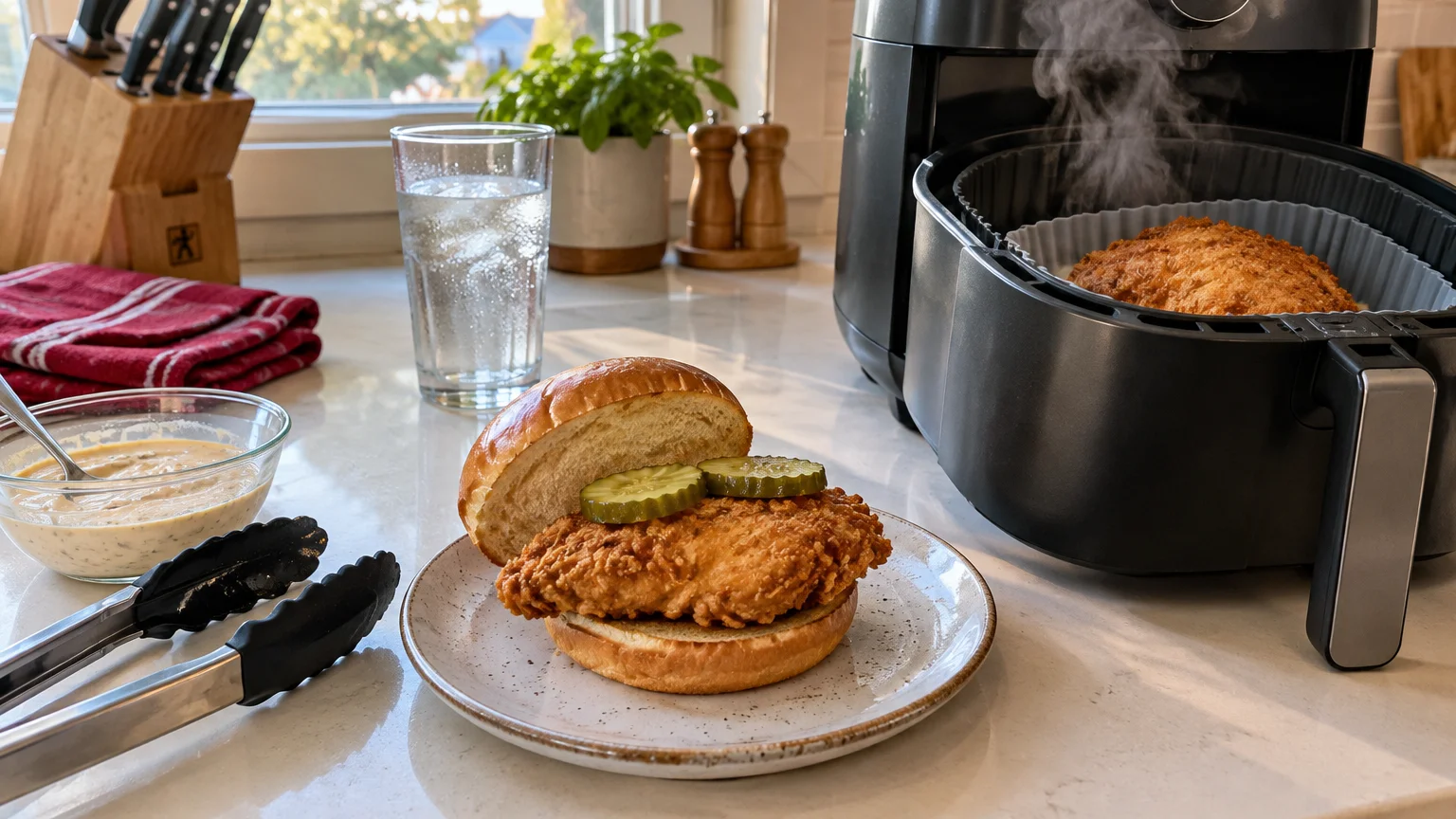
Kirkwood “Red Bag” breaded chicken breast fillets have developed an enthusiastic following among budget-conscious families. A 22-ounce bag retails for roughly $7.45, providing an affordable alternative to costly restaurant takeout.
You can duplicate famous drive-thru chicken sandwiches at home for less than two dollars per serving. That single swap saves an average family of four over $20 per meal.
For raw protein meal preparation, Kirkwood boneless skinless chicken breast family packs dropped to $1.99 per pound in Fall 2026. That price cut established the lowest everyday price level the chain has offered since 2022.
Loyal shoppers maximize these savings by preparing their fillets in a standard countertop air fryer. Cooking with an air fryer draws significantly less electrical wattage than preheating a full-sized electric kitchen oven.
Federal energy efficiency data indicates that countertop convection appliances reduce cooking utility consumption by up to 50%. Over a year of weekly dinners, those small domestic electrical savings accumulate into real money.
Protect your air fryer basket by avoiding aerosol nonstick cooking sprays containing chemical propellants or soy lecithin. Lecithin degrades nonstick coatings over time, forcing premature appliance replacement and unnecessary domestic expense.
Use a reusable silicone liner or apply a light brush of standard vegetable oil instead. This simple domestic habit extends appliance lifespan and keeps your equipment replacement costs at zero.
If a batch fails to meet your quality standards, return it under the retailer guarantee. Aldi stands behind its exclusive food lines with complete purchase protection for your budget.
Tip #2: Huntington Home Swedish Dish Cloths
Huntington Home Swedish Dish Cloths won the shopper-voted Aldi Encore award after overwhelming customer demand brought them back. Loyal shoppers routinely stock up whenever these reusable household cleaning tools appear in the seasonal aisle.
A single dish cloth absorbs up to twenty times its weight in liquid kitchen spills. One durable cloth directly replaces up to 15 disposable paper towel rolls over its working lifespan.
That substitution delivers significant recurring domestic savings for budget-minded homeowners. The average American household spends over $180 annually on disposable single-use paper rolls alone.
With Swedish dish cloths, your cleaning consumable expense drops to mere pennies per use. You eliminate continuous paper trash while keeping countertops, appliances, and sink basins spotless.
These natural cellulose and cotton cloths maintain structural strength through six to twelve months of daily domestic duty. Sanitize them easily on the top rack of your dishwasher or inside your clothes washer.
University cooperative extension research cautions against using harsh chlorine bleach on cellulose cleaning cloths. Bleach breaks down natural plant fibers prematurely, cutting fabric absorption capacity and shortening material lifespan.
The pliable texture protects delicate quartz, marble, and sealed granite counters from micro-abrasions. Standard plastic scouring pads often scratch protective sealant layers, leading to expensive professional stone countertop repairs.
Grab several packs during regular Wednesday restocking cycles to keep your cleaning cabinets fully prepared. This simple household essential pays for your driving fuel across several grocery runs.
Tip #3: Specially Selected Aged Yellow Cheddar Cheese
Specially Selected Aged Yellow Cheddar Cheese secured top honors as Charcuterie Favorite in the national customer survey. A standard block retails for $3.99, rivaling specialty creamery blocks priced above $9 at gourmet grocers.
Independent consumer tasting panels routinely rank this aged block on par with imported European cheddars. The firm texture and rich sharpness elevate everyday home cooking and snack platters instantly.
Choosing Aldi private labels saves you up to 22% compared to conventional supermarket store brands. Because exclusive labels make up over 90% of inventory, those fractional margins generate substantial monthly savings.
Hard aged cheddar carries minimal moisture, granting it an exceptionally long refrigerator storage life. Unlike pre-shredded cheese, a solid aged block resists mold formation for several months when wrapped properly.
Wrap your cheese in unbleached parchment paper before placing it inside a loosely sealed container. This storage method balances air exchange and prevents moisture pooling, slashing recurring food spoilage.
Commercial pre-shredded cheeses contain potato starch and powdered cellulose to keep shreds from clumping. Shredding your own cheddar ensures clean, smooth melting without gumming up your nonstick cookware.
These artisan dairy blocks represent undeniable aldi must haves for any disciplined household budget. You gain gourmet kitchen flavor without absorbing premium specialty food store price tags.
Tip #4: Mama Cozzi’s Pizza Kitchen Take and Bake Deli Pizza
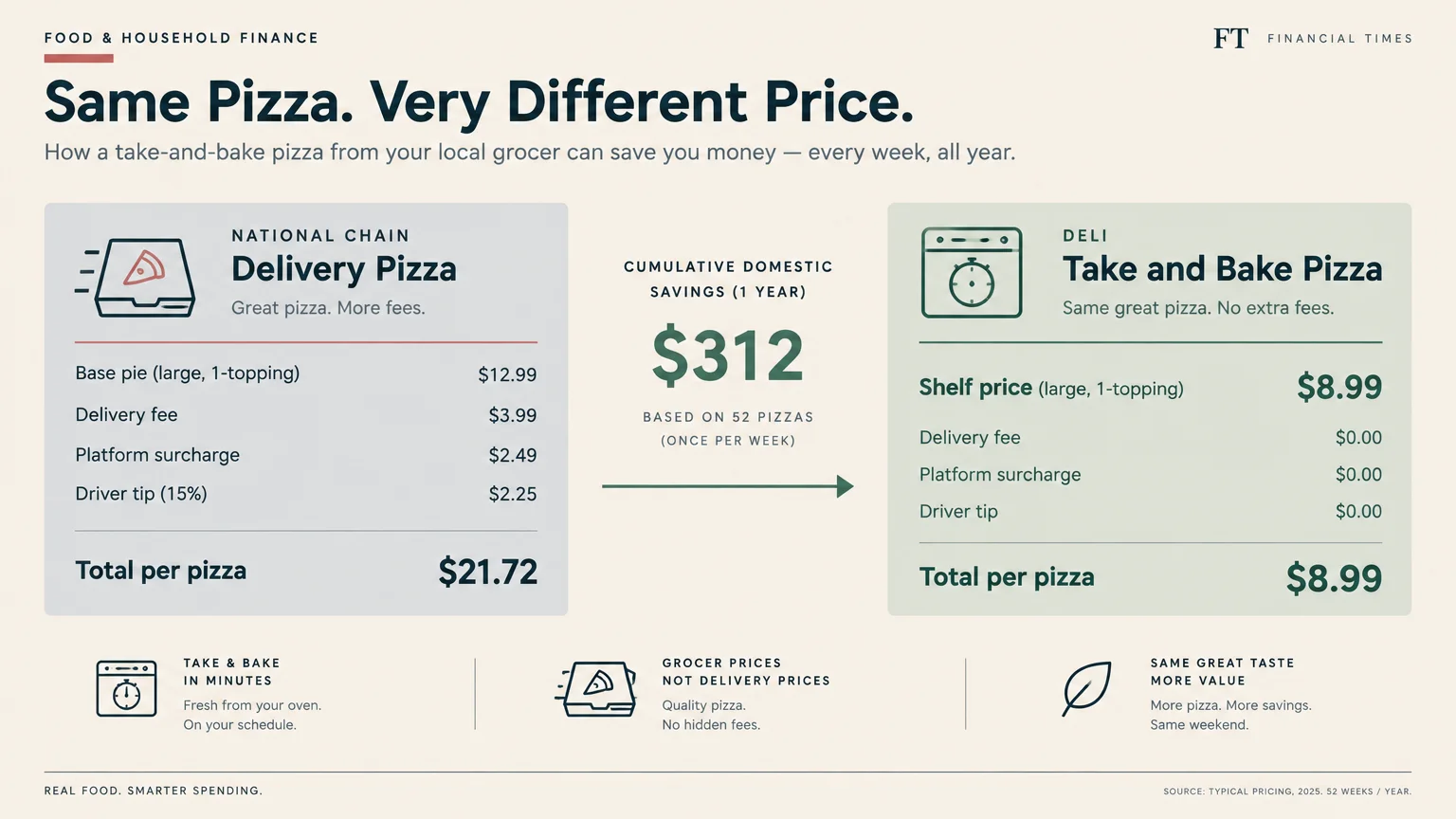
Mama Cozzi’s Pizza Kitchen Take and Bake Deli Pizza tied for top honors in customer polling. These massive 16-inch deli pizzas easily feed a hungry family for a fraction of restaurant charges.
Ordering commercial delivery for family pizza night typically runs between $30 and $45 after delivery surcharges. Grabbing a fresh take-and-bake pie at Aldi trims that recurring family expense to under eight dollars.
Over a full year of weekly pizza dinners, that single switch saves more than $1,100 in cash. Shifting that discretionary expense directly bolsters your home maintenance and emergency reserve funds.
Bake your deli pizza directly on an unglazed ceramic pizza stone to produce a crisp bottom crust. Stones distribute oven heat evenly, eliminating soggy dough centers without over-browning perimeter toppings.
Running your oven in convection mode circulates dry air and cuts baking time by roughly 20%. That operational efficiency reduces household electrical consumption during costly peak utility billing hours.
Never slice hot pizza while it rests on a nonstick metal baking sheet. Knife blades puncture delicate nonstick coatings, shedding chemical particles into food and permanently destroying your pans.
Transfer the baked crust to a dedicated wood cutting board before using a rolling pizza wheel. Protecting your kitchen cookware preserves household equipment and keeps replacement expenses off your ledger.
Tip #5: Fresh Atlantic Salmon Portions
Sea Queen Fresh Atlantic Salmon Portions captured the “Top Catch” award from over 37,000 surveyed shoppers. Fresh fillet portions retail for approximately $8.99 per pound under the grocer private label.
Mainstream supermarket seafood departments regularly charge $13 to $16 per pound for comparable farm-raised fish. Buying your salmon at Aldi locks in immediate savings of at least $4 per pound.
Each salmon portion comes vacuum-sealed in individual heavy-gauge barrier plastic packaging. Vacuum packaging prevents surface air exposure, eliminating freezer burn if you freeze extra fillets for upcoming weeks.
University cooperative extension food safety studies confirm oxygen-barrier seals prevent lipid oxidation in oily fish. This preservation barrier maintains fresh culinary taste and prevents expensive dinner waste in your home.
Store fresh raw fish in the coldest zone of your home refrigerator, strictly between 35 and 38 degrees. Maintaining consistent domestic refrigeration slows microbial activity and preserves delicate seafood texture before cooking.
Sear your salmon fillets in a well-seasoned cast iron skillet rather than lightweight nonstick pans. Cast iron delivers superior heat retention for crisp skin without releasing harmful fumes at high searing temperatures.
Wash cast iron with hot water and a stiff natural-bristle brush, avoiding harsh degreasing detergents. Proper skillet care protects the durable seasoning layer, ensuring your cookware lasts for generations.
Tip #6: Park Street Deli Hummus and Specialty Dips
Park Street Deli Hummus took top honors as the “Feel Good Pick” in the national customer survey. A standard ten-ounce container costs only $1.99, undercutting major national brands by almost 50%.
The brand’s signature specialty dips, like Street Corn and Fried Pickle Ranch, retail for $3.29. Seasonal inventory markdowns occasionally drop those same ten-ounce tubs down to $1.35 each.
Independent testing through Kantar recognized Park Street Deli products as official Product of the Year winners. You enjoy premium laboratory-vetted flavor without paying the marketing surcharges demanded by name-brand manufacturers.
Purchasing two tubs of specialty dip weekly saves an estimated $180 annually compared to branded alternatives. These dips function as low-cost appetizer staples or convenient workday protein snacks.
Wipe the container rim before snapping the lid shut to maintain a secure, airtight seal. Trapped air pockets dry out refrigerated dips and accelerate premature surface mold growth.
Pair these dips with Clancy’s restaurant-style tortilla chips or kettle chips, which sell for roughly $1.89. You build satisfying weekend party appetizer platters for less than the price of one restaurant appetizer.
If any specialty dip flavor fails your taste test, take advantage of customer service policies. Aldi will refund your money and replace the item under its signature customer satisfaction program.
Tip #7: Honeycrisp Apples and Fresh Produce
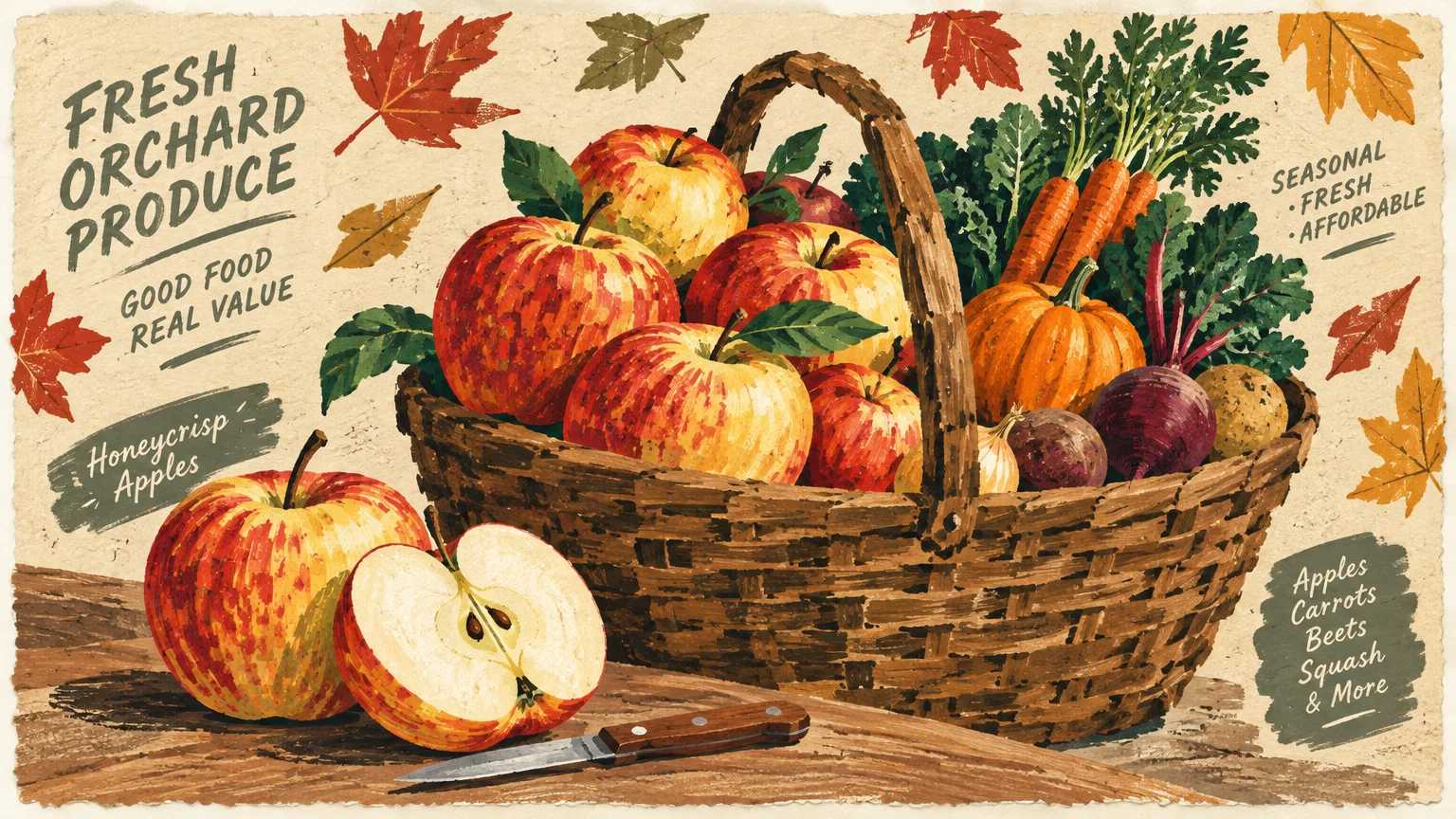
Honeycrisp apples dropped to $1.99 for a two-pound bag during Fall 2026 pricing updates. That 35% price cut brought this premium fruit down to a five-year retail low.
Traditional grocery chains routinely charge over $2.50 for a single pound of loose Honeycrisps. Buying the packaged two-pound bag at Aldi slashes your recurring household fruit budget by half.
This produce markdown was part of a seasonal initiative reducing prices on nearly one-third of inventory. Those broad reductions delivered an estimated $86 million in collective consumer savings across the country.
Keep fresh apples inside your refrigerator’s high-humidity crisper drawer to maintain firm texture. University extension research demonstrates that cold, humid refrigeration doubles the edible lifespan of harvested apples.
Isolate apples from ethylene-sensitive vegetables, including tender salad greens, broccoli crowns, and carrots. Apples naturally emit ethylene gas, which accelerates rapid decay and premature yellowing in nearby produce.
Examine bagged produce carefully through the clear plastic packaging before placing items into your cart. Checking fruit stems and undersides prevents bringing damaged fruit home to rot in your crisper.
All produce purchases remain covered by the retailer comprehensive fresh food guarantee. You secure healthy, low-cost domestic nutrition without taking on unnecessary financial risk.
Tip #8: Simply Nature Organic Shells and Cheddar Macaroni
Simply Nature Organic Shells and Cheddar sells for $1.65, reduced from $1.99 in late 2026. Comparable certified organic macaroni boxes at major grocery chains frequently exceed $3.29 per box.
A family cooking two boxes weekly saves roughly $170 each year by switching to this private label. You get USDA-certified organic ingredients without absorbing excessive organic grocery brand premiums.
Shelf-stable pasta boxes provide a dependable foundation for low-cost household emergency pantries. Stored in a cool, dark domestic pantry cabinet, unopened pasta retains prime culinary quality for two full years.
Boil your macaroni using only enough water to submerge the noodles, and cover with a fitted lid. Trapping steam boils cooking water 30% faster while reducing kitchen range electricity consumption.
On natural gas stoves, adjust the burner flame so it never extends beyond the pot base. Spreading flames waste expensive utility fuel and cause irreversible scorch marks on stainless cookware exteriors.
Clean stainless cooking pans using warm water and a splash of distilled white vinegar. Mild acetic acid dissolves chalky mineral deposits cleanly without scratching polished metal cookware surfaces.
Practicing basic kitchen efficiency keeps both your grocery ledger and your domestic utility bills under tight control. These organic pantry boxes represent unmatched value for family meal planning.
Tip #9: Specially Selected Sourdough Loaf
Specially Selected Garlic and Herb Sourdough Loaves retail for $2.99 on everyday bakery tables. Independent artisan bakeries and upscale supermarkets routinely charge $6 to $8 for similar specialty boules.
The traditional slow fermentation creates a chewy crumb and durable crust that toasts beautifully. You secure bakery-grade table bread while keeping your weekly household grocery spending completely balanced.
Real sourdough keeps longer than standard sandwich bread because natural lactic acids retard mold growth. Storing your loaf inside a wooden breadbox balances humidity and prevents crusts from turning soggy.
Never store fresh artisan bread inside thin plastic grocery bags on warm kitchen counters. Condensation rapidly builds inside non-breathable bags, encouraging rapid mold spore germination within three days.
If you cannot finish a loaf within four days, slice it and freeze immediately. Place squares of wax paper between slices so you can extract individual pieces without defrosting the entire loaf.
Place frozen sourdough slices directly into a wide-slot toaster on a medium-high setting. Toasting directly from the freezer skips energy-wasting microwave defrost cycles and maintains optimal crumb texture.
Eliminating bread waste saves the typical household over $120 each year in avoided grocery losses. These artisan loaves prove that economical shopping does not require sacrificing culinary standards.

Tip #10: Elevation Chocolate Ultra-Filtered Protein Shakes
Elevation Chocolate Ultra-Filtered Milkshakes retail at $8.79 for a four-pack, delivering 30 grams of protein. Leading national brands offering identical nutritional macros charge between $12 and $14 per pack.
That pricing delivers direct savings of more than one dollar per individual bottle. Drinking one shake daily saves you over $365 every year compared to branded supermarket alternatives.
These ready-to-drink shakes undergo specialized ultra-filtration to concentrate natural dairy proteins while eliminating unnecessary sugars. You obtain premium fitness nutrition without paying inflated markups at boutique health food stores.
Because these bottles are commercially shelf-stable, you can store unopened reserve cases in your pantry. Keeping bulk drink cases out of the refrigerator frees up valuable internal shelving space.
Stuffed refrigerators block internal air vents, forcing the compressor motor to run extended cooling cycles. Maintaining unrestricted internal airflow reduces electric utility costs and prevents premature refrigerator compressor failures.
Chill only the bottles you plan to consume over the next forty-eight hours. This simple rotation routine optimizes domestic appliance efficiency while giving you chilled, ready-to-drink protein on demand.
For fitness-focused households, these convenient shakes stand among the aldi best products on the shelves. They protect your personal nutrition goals and your household budget simultaneously.
Tip #11: Barissimo Barista Cold Foam and Coffee Essentials
Barissimo Barista Cold Foam won the coveted “The Internet Made Me Buy It” customer award. This convenient aerosol cold foam lets you build luxurious iced cafe drinks right in your kitchen.
Commercial coffee shops frequently charge $6 to $8 for handcrafted specialty iced beverages. Preparing identical drinks at home with Barissimo products drops your beverage cost to roughly 50 cents.
That simple morning routine adjustment saves daily coffee drinkers more than $1,500 every single year. You divert that freed cash flow straight into family savings or home improvement projects.
Protect your home coffee brewer by conducting quarterly preventive maintenance cycles with distilled white vinegar. Run a solution of equal parts warm water and vinegar through the brew basket.
Acetic acid breaks down mineral scale that clogs internal heating elements and slows water flow. Avoid costly commercial chemical descaling solutions that leave stubborn residues or degrade delicate internal silicone gaskets.
Complete two plain water brew cycles afterward to rinse the internal water lines thoroughly. Routine descaling extends coffee machine lifespan from two years to five, saving recurring appliance replacement costs.
Combine smart machine upkeep with Barissimo whole beans and cold foams for substantial domestic savings. You enjoy barista-level morning coffee while bypassing overpriced commercial drive-thru lanes every single day.
Tip #12: Specially Selected Premium Cookie Dough
Specially Selected Premium Cookie Dough captured top honors as Product of the Year in Kantar testing. A 16-ounce tub of Sea Salt Caramel and Chocolate Chunk dough retails for $3.95.
That price reflects a welcome price reduction from its previous $4.39 retail benchmark. High-end metropolitan bakeries routinely charge $4 or more for a single freshly baked gourmet cookie.
The resealable tub format allows you to portion and bake only what your family needs. Baking two cookies in a countertop toaster oven uses 80% less electrical power than full-sized ranges.
Federal energy data confirms that preheating a standard 3,000-watt electric oven wastes substantial domestic electricity. A compact countertop toaster oven handles small baking chores using barely 1,200 watts.
Roll extra dough into individual balls and store them inside an airtight freezer container. Freezing extends dough freshness for six months, giving you fresh-baked desserts without kitchen prep mess.
Watch shelf tags closely when hunting for limited-run aldi finds in the center aisle. A printed letter “D” signifies a discontinued product, while a “U” marks a temporarily out-of-stock item.
Recognizing these shelf codes helps you purchase beloved seasonal staples before inventory runs out completely. You secure high-end domestic treats while maintaining total control over your monthly grocery spending.
The Bottom Line: What This Means for Your Wallet
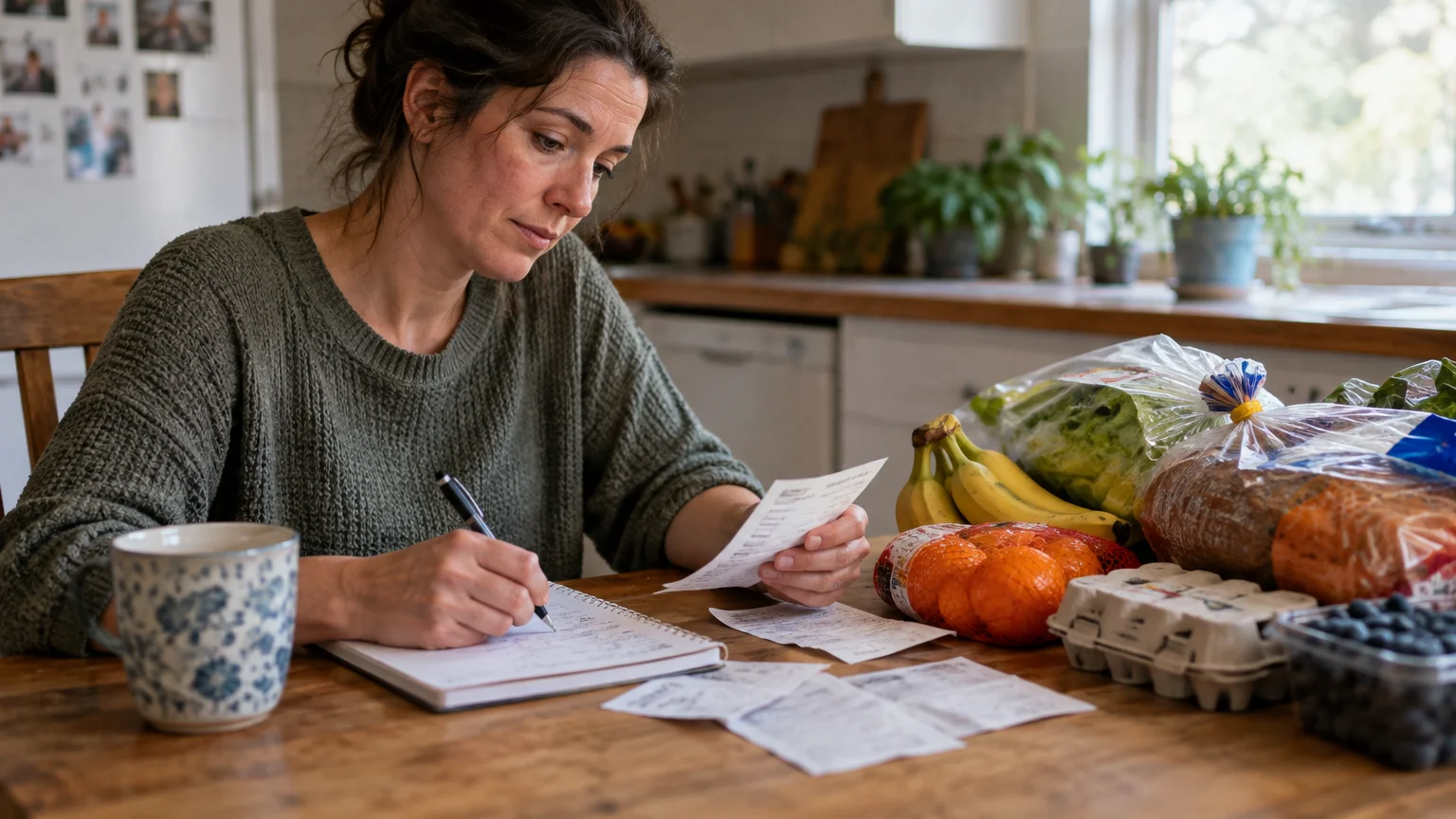
Driving to Aldi is far more than an ordinary grocery run for budget-conscious homeowners. It represents an intentional domestic strategy that protects your monthly cash flow from stubborn retail inflation.
According to the 2026 ALDI Price Leadership Report, Aldi saves American shoppers an estimated $10.2 billion annually. In fact, 91% of regular customers state the grocer directly helps them stay on budget.
An overwhelming 92% of patrons recommend the chain for exceptional everyday retail value. More than one in three U.S. households shopped at Aldi over the past year alone.
The retailer welcomed 17 million new customers in 2025 as families rejected inflated traditional supermarket markups. Celebrating 50 years of domestic operations in 2026, Aldi now runs over 2,600 stores.
A massive $9 billion investment will expand that retail footprint to 3,200 stores nationwide by 2028. After opening stores in Maine in March 2026, the chain now operates across 40 states.
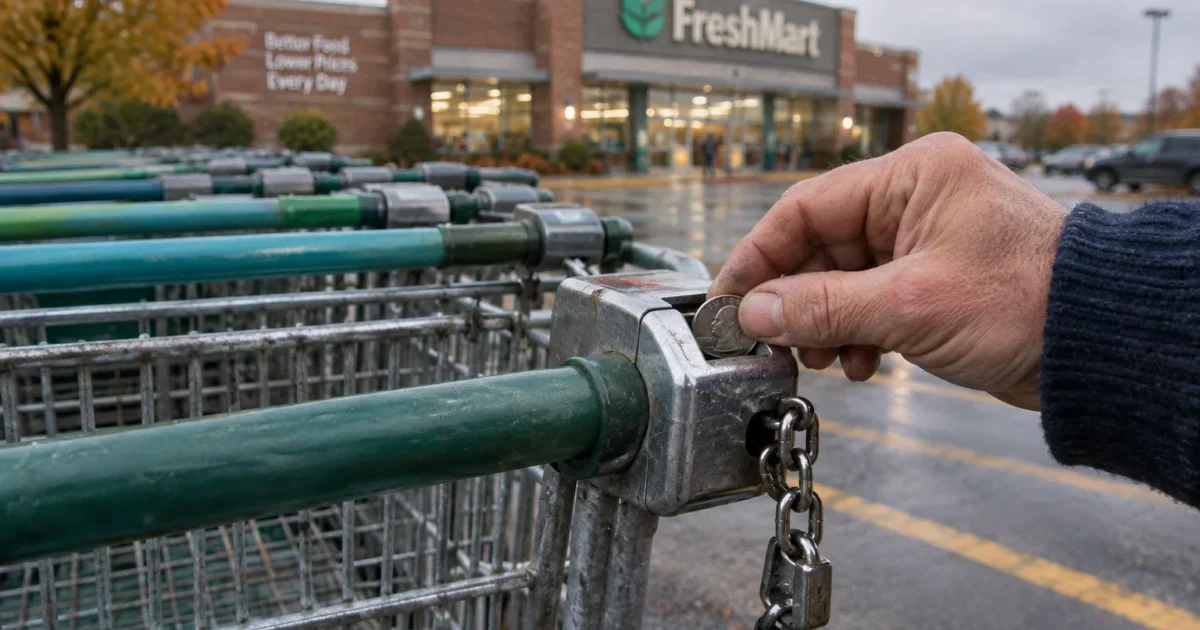
Always keep a quarter handy in your vehicle console to unlock a shopping cart. The self-service cart rental system eliminates parking lot vehicle damage and reduces store operating overhead.
Aldi passes those operational savings directly to your register receipt on every single shopping trip. Plan your weekly errands around Wednesday restocking schedules to capture maximum value for your household.
Frequently Asked Questions
How does the Aldi Twice as Nice Guarantee actually work?
The Twice as Nice Guarantee covers in-store purchases of Aldi-exclusive food products across all departments. If you are unsatisfied, return the packaging and any unused food portion to the checkout counter.
The store provides both a 100% money-back refund and a replacement item for that product. You must present the original paper receipt to receive cash or card reimbursement.
Without an original receipt, customer service issues store credit matching the item’s current retail price. The guarantee excludes non-food merchandise, alcohol, national brand products, and third-party delivery orders.
What is the store return policy for household appliances and electronics?
Electronic products and household appliances carry a strict 90-day return window from the purchase date. You must present the original store receipt along with all original packaging and accessories.
Non-food items do not qualify for the Twice as Nice food replacement policy. However, standard return rules still ensure a full financial refund within that ninety-day period.
Why does Aldi charge a 25-cent deposit for shopping carts?
The quarter deposit system encourages customers to return carts directly to the designated front corral. This eliminates the operational need for employees to spend paid hours retrieving scattered carts.
It also prevents loose carts from rolling across asphalt and denting customer vehicle doors. You receive your twenty-five-cent deposit back immediately upon returning the cart to the line.
What do the letter codes on Aldi shelf tags indicate?
Price tags feature specific letter codes that provide valuable inventory intelligence to savvy shoppers. A printed letter “D” indicates that the product has been permanently discontinued from inventory.
If you spot a “D” on a household favorite, buy extra before supplies vanish. A printed “U” signals that the item is only temporarily unavailable from the regional warehouse.
For consumer protection information, visit the Federal Trade Commission (FTC) and the Consumer Financial Protection Bureau (CFPB). For product safety and reviews, consult Consumer Reports.
Disclaimer: This article is for informational purposes only and does not constitute financial advice. The content reflects the author’s opinion and research at the time of writing; always do your own research before making financial decisions.