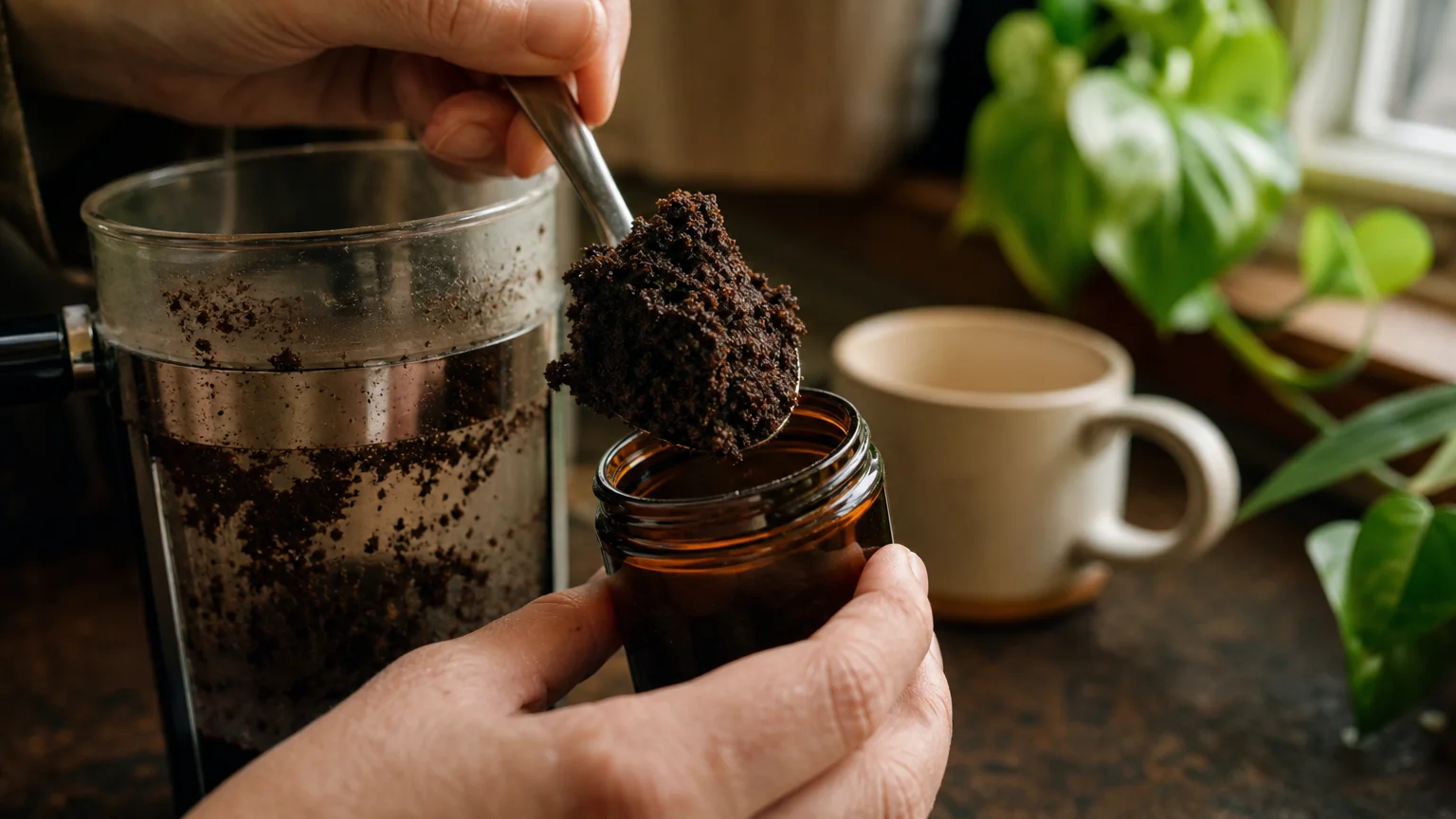
Transforming your daily coffee waste into free fertilizers, natural cleaning scrubs, and effective pest repellents keeps more cash in your checking account while lowering your environmental footprint. Every time you dump a filter full of wet grounds into the trash, you throw away a versatile asset that can actively reduce your monthly grocery and hardware bills. Middle-income households feel the pinch of rising maintenance costs, making it essential to stretch every dollar. Repurposing what you already buy is a proven strategy to offset inflation. Instead of purchasing expensive specialty products, you can leverage the chemical properties of your morning brew to tackle everyday challenges around your home, unlocking practical savings without sacrificing your quality of life.
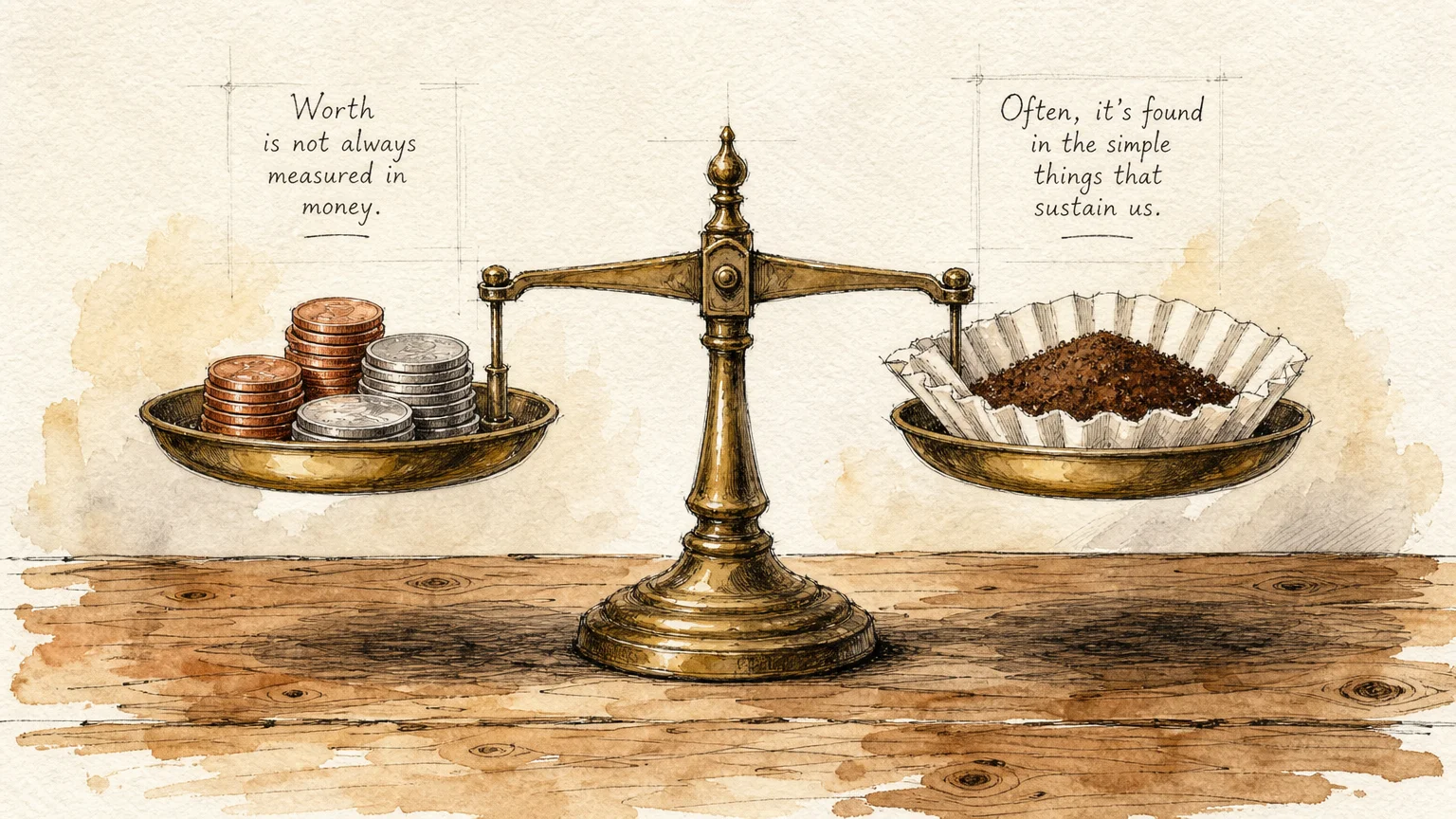
State of the Wallet: Why Micro-Frugality Matters Now
You work hard for your paycheck, but everyday household expenses silently drain your discretionary income. Buying a five-dollar specialized cleaning spray here and a fifteen-dollar bag of garden fertilizer there quickly turns into a significant monthly leak in your budget. Recent Federal Reserve data on household economics demonstrates that Americans are dedicating an increasingly larger percentage of their take-home pay to basic household maintenance and non-durable goods. When inflation drives up the cost of nearly every retail item, maintaining your standard of living requires strategic resourcefulness.
This is where the concept of micro-frugality steps in. Micro-frugality does not require you to adopt a strict, deprivation-based lifestyle; rather, it encourages you to extract multiple layers of value from the items you already purchase. You already buy coffee beans to jumpstart your morning. Maximizing the lifespan of those beans by repurposing the grounds shifts your mindset from passive consumer to active resource manager. By replacing commercial household chemicals with organic alternatives sitting right in your kitchen, you effectively give yourself a micro-raise every single month.
Strategy Pillar One: Gardening Hacks That Replace Pricey Chemicals
Walking down the gardening aisle of any home improvement store reveals shelves of expensive synthetic fertilizers, pest repellents, and soil amendments. You can bypass this aisle completely by leveraging the rich nitrogen content and coarse texture of your leftover coffee.
1. Fertilize Acid-Loving Plants Free of Charge
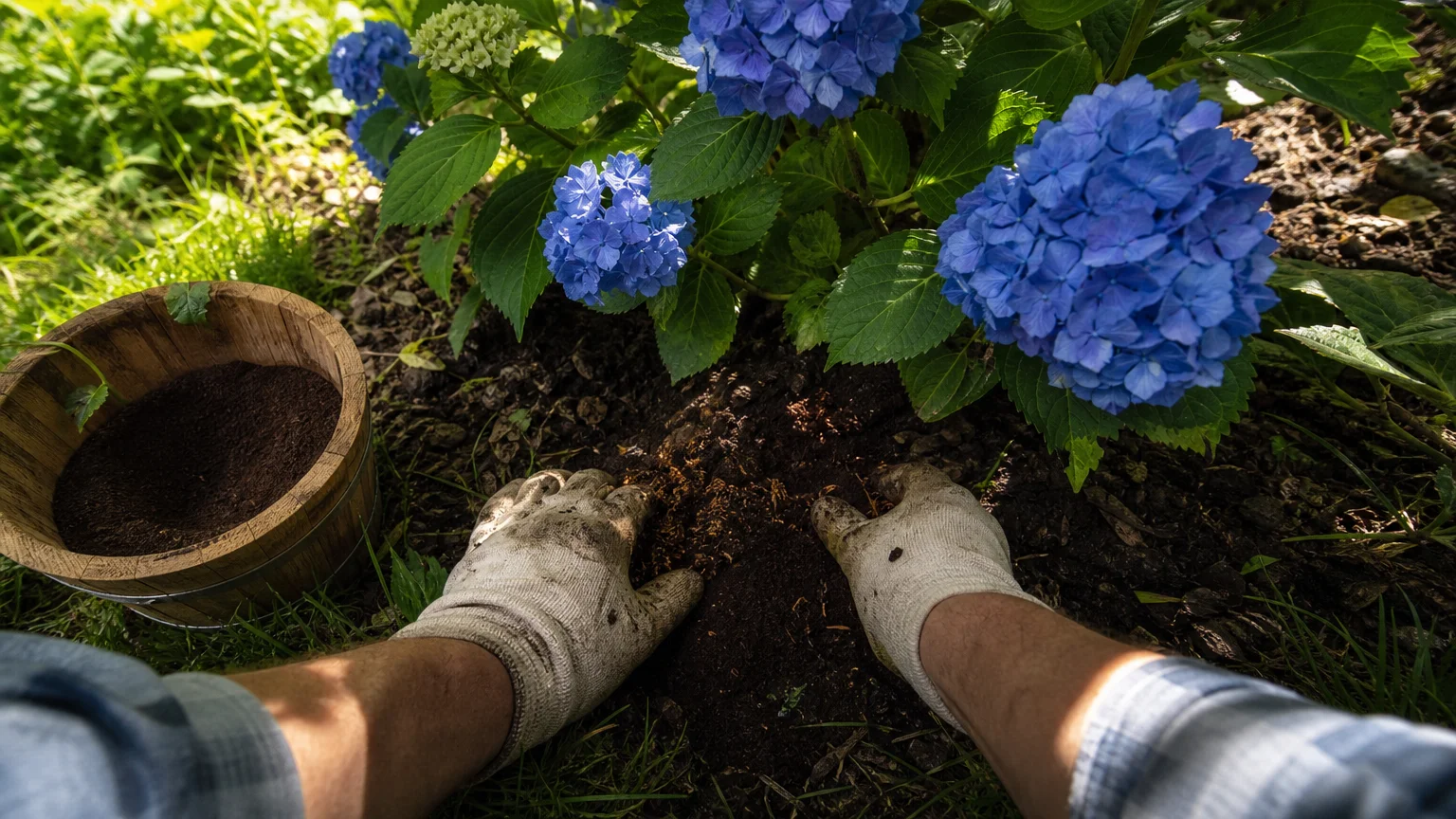
Commercial fertilizers specifically formulated for acid-loving plants command premium prices. Instead of buying these specialized botanical mixes, you can work used, unwashed coffee grounds directly into the soil around your azaleas, rhododendrons, hydrangeas, and blueberry bushes. While brewing extracts most of the coffee’s natural acidity, the grounds still add essential nitrogen, potassium, and magnesium back into the earth over time. Sprinkling a thin layer around the base of these plants provides a slow-release nutrient boost that keeps foliage vibrant without the synthetic chemical shock.
2. Accelerate Your Compost Pile
Active compost piles require a careful balance of carbon-rich brown materials and nitrogen-rich green materials to break down efficiently. Gardeners frequently spend unnecessary money on compost starters or commercial manure just to introduce enough nitrogen into their bins. Coffee grounds serve as an incredibly potent green material. Adding them to your compost bin generates heat and rapidly feeds the beneficial microorganisms that break down your organic waste. You create dark, rich topsoil much faster, completely eliminating the need to buy bagged compost for your spring planting.
3. Repel Slugs and Snails Naturally
Chemical pest control products drain your wallet and introduce harsh toxins into your local ecosystem. If you struggle with slugs and snails decimating your hostas or vegetable seedlings, you already possess a potent defense mechanism. The abrasive texture of dried coffee grounds creates a microscopic barrier that soft-bodied pests instinctively refuse to cross. Furthermore, the residual caffeine acts as a natural neurotoxin to these specific insects. Scatter a thick, continuous perimeter around your vulnerable plants to protect your harvest organically.
4. Suppress Fungal Diseases in the Soil
Fungal infections can devastate a backyard vegetable patch, often prompting frustrated gardeners to purchase expensive, broad-spectrum fungicides. Interestingly, the decomposition process of coffee grounds fosters the growth of beneficial fungal species that actively outcompete and suppress disease-causing pathogens like Pythium and Fusarium. Gently tilling your grounds into the top few inches of your garden beds creates an inhospitable environment for destructive root rots, safeguarding the money and time you invested in your seeds.
Strategy Pillar Two: Household Tips to Cut Cleaning Costs
Maintaining a clean home usually involves an arsenal of specialized cleaners designed for specific surfaces. Simplifying your cleaning caddy with abrasive, deodorizing coffee grounds streamlines your chores and cuts your grocery bill.
5. Scour Stubborn Pots and Pans
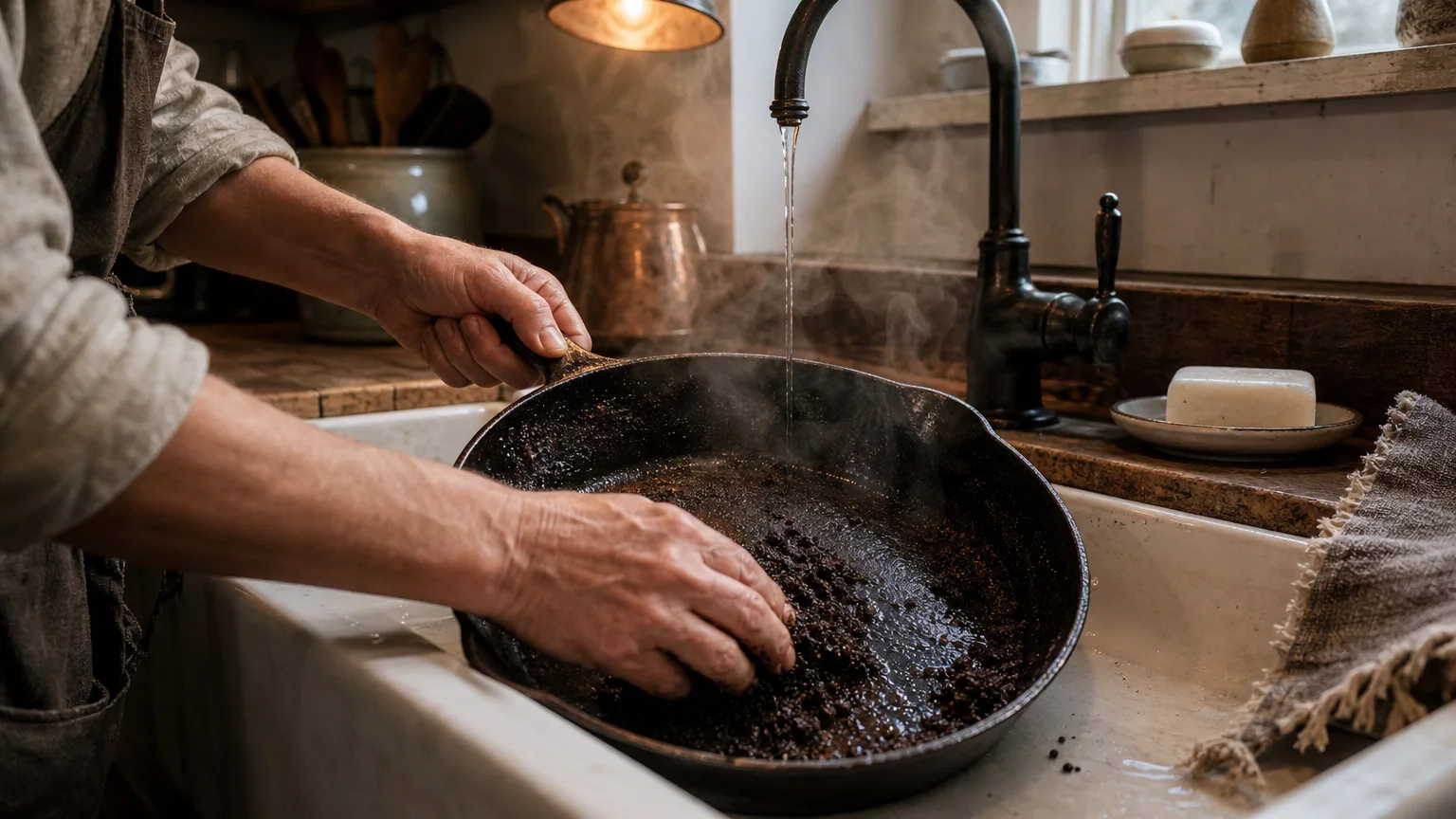
The coarse, granular texture of dried coffee grounds makes them a perfect, non-scratch abrasive for stuck-on food and grease. Instead of rapidly burning through expensive, heavy-duty scouring pads, sprinkle a small handful of grounds directly onto your greasy cookware. Use a standard sponge and a few drops of dish soap to work the grounds over the stubborn spots. The natural friction lifts baked-on residues without damaging the underlying metal, extending the life of your sponges and keeping your cookware pristine.
6. Neutralize Refrigerator and Shoe Odors
Baking soda remains the traditional choice for absorbing ambient odors, but coffee grounds work just as effectively for a fraction of the cost—especially since you generate them daily for free. Coffee contains nitrogen, which helps eliminate foul-smelling sulfur gas from the air. Place a small, open container of dried grounds in the back of your refrigerator to capture food odors. Similarly, you can pour dried grounds into old socks, tie them off, and drop them into your running shoes overnight to pull out lingering moisture and eliminate unpleasant smells.
7. Control Dust When Cleaning the Fireplace
Cleaning a wood-burning fireplace often results in a massive, floating dust cloud that forces you to subsequently clean the entire living room. You can prevent this frustrating double-work by scattering damp coffee grounds over the ashes before you sweep. The moisture physically weighs down the fine ash particles, preventing them from becoming airborne. You sweep up the mess efficiently in one pass, saving your time and sparing your air filters from unnecessary strain.
Strategy Pillar Three: Personal Care and Culinary Alternatives
The beauty and culinary industries excel at repackaging simple ingredients into high-margin luxury items. Reclaiming these processes at home proves both satisfying and financially prudent.
8. Craft a Luxury Exfoliating Body Scrub
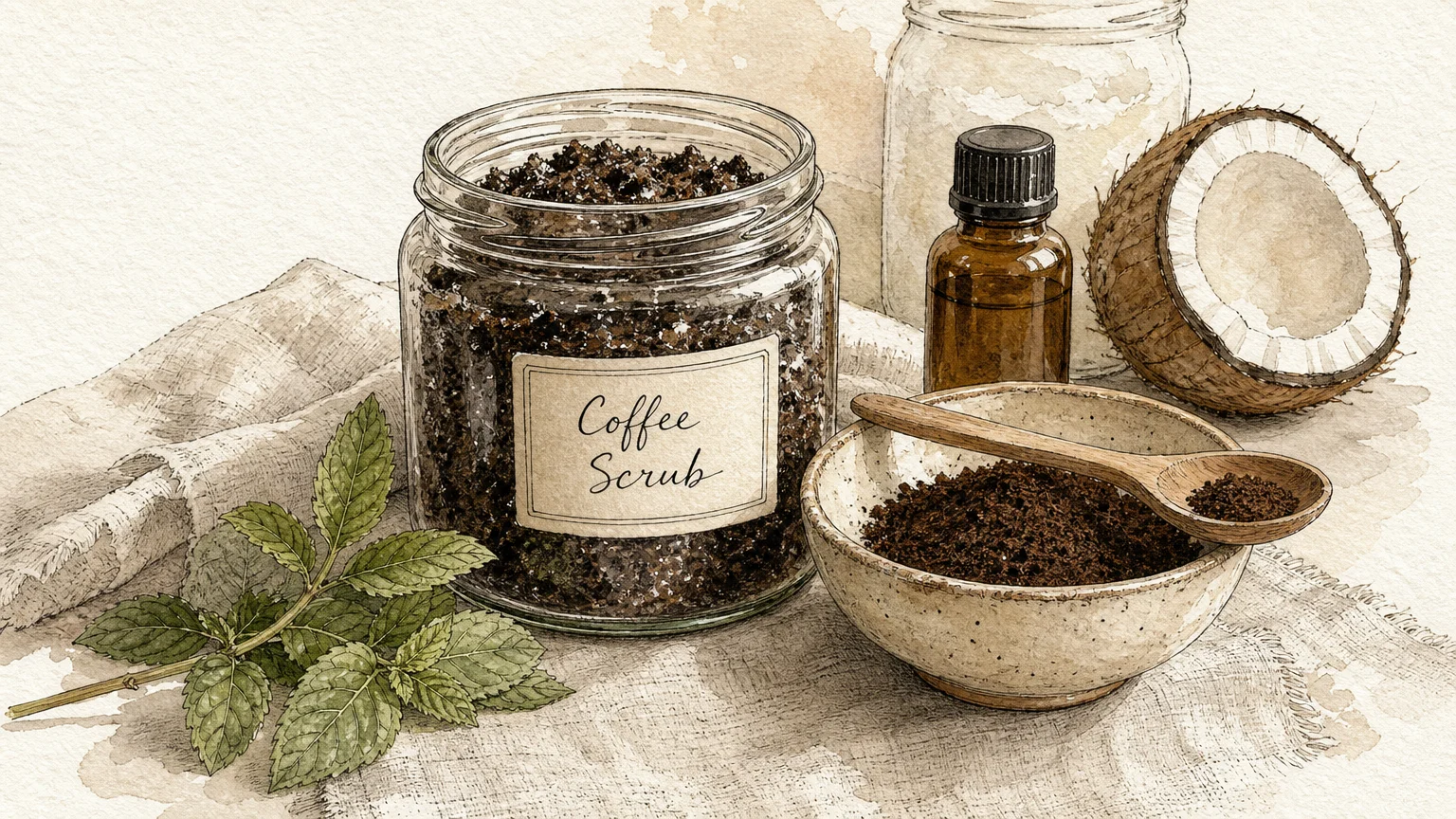
Boutique skincare brands charge exorbitant prices for exfoliating body scrubs that feature coffee as their primary active ingredient. You can completely replicate these high-end formulations at home. Mix equal parts dried coffee grounds and granulated sugar, then bind them together with a generous pour of olive oil or melted coconut oil. The caffeine temporarily tightens the skin by stimulating blood flow, while the coarse grounds gently remove dead skin cells. This homemade scrub delivers spa-quality results without the thirty-dollar price tag.
9. Tenderize Tough Cuts of Meat
Stretching your grocery budget often means purchasing less expensive, tougher cuts of beef like chuck or round steak. You can elevate these budget cuts using the natural acids and enzymes found in coffee, which effectively break down tough meat fibers. Rubbing a mixture of dried coffee grounds, coarse salt, and black pepper onto your steak two hours before grilling creates a savory, deeply flavorful crust. The coffee amplifies the rich, roasted flavors of the meat while saving you from buying commercial meat tenderizing powders.
10. Conceal Scratches on Dark Wood Furniture
Furniture repair markers and specialty wood stains represent another hyper-specific expense you rarely use completely before they dry out. If you discover a fresh scratch on your dark mahogany, walnut, or espresso-finished tables, brew a highly concentrated paste from a tablespoon of used grounds and a few drops of hot water. Use a cotton swab to work the paste deeply into the scratch, letting it sit for ten minutes before buffing it away with a soft rag. The natural dyes safely stain the exposed wood, rendering the scratch nearly invisible.
Real-World Voices: Behavioral Economics of the Coffee Bean
Financial planners constantly emphasize the psychological power of small, repeated actions. The Consumer Financial Protection Bureau guidance on consistent saving illustrates that developing a habit of capturing small efficiencies radically changes how you view your overall financial landscape. When you stop looking at coffee grounds as trash and start seeing them as a multi-purpose asset, you disrupt the automatic consumer impulse that drives you to the store every time you face a minor household problem.
Behavioral economists note that households successful at long-term wealth building rarely achieve it through massive, sweeping lifestyle overhauls. Instead, they excel at resource optimization. Choosing to DIY a body scrub or a garden fertilizer creates a mental friction point against unnecessary spending. You begin to ask yourself what else in your home serves a dual purpose. This mindset shift—sparked by something as simple as your morning coffee—builds financial resilience that extends far beyond the kitchen counter.

Action Lab: Calculating Your Repurposing Returns
Let us translate these ten uses into hard mathematical reality. Assume your household implements just three of these strategies: replacing a premium garden fertilizer, swapping out an expensive specialty body scrub, and substituting specialized scouring pads and deodorizers. You conservatively save eighteen dollars a month on gardening supplies, twenty dollars a month on personal care items, and twelve dollars a month on household cleaners.
That localized effort saves you fifty dollars a month, which feels modest on a daily basis. However, that translates to six hundred dollars a year remaining in your checking account. If you redirect that fifty dollars a month into an automated investment account earning a historical seven percent return, the math changes dramatically. According to U.S. Securities and Exchange Commission details on compound growth, that repurposed coffee-ground money grows to over eight thousand, six hundred dollars across a ten-year horizon. You are literally turning your kitchen trash into a formidable emergency fund.
Guardrails and Pitfalls to Avoid
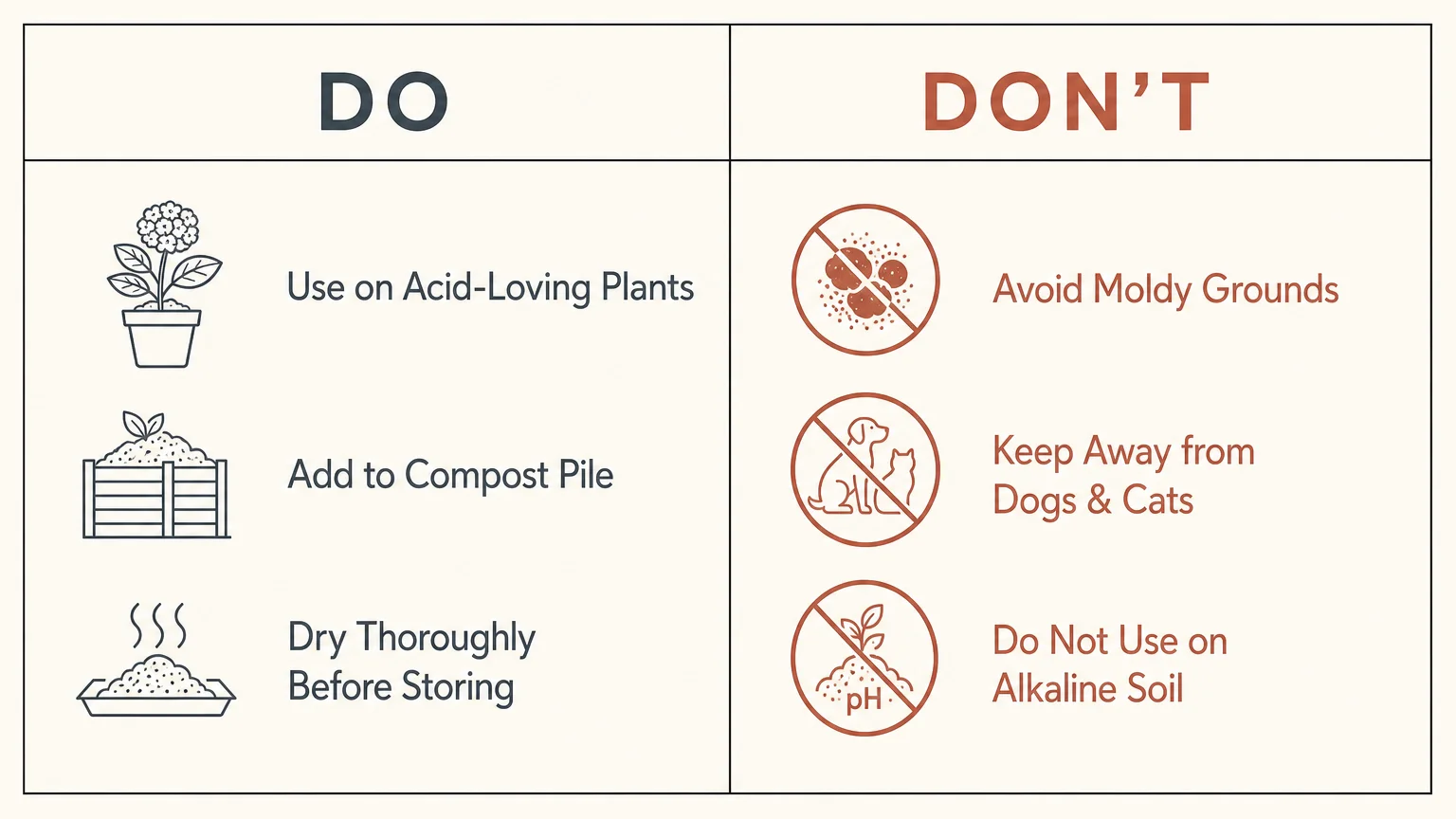
While the benefits of repurposing coffee grounds run deep, misusing them can create costly headaches that erase your savings entirely. Your kitchen sink is not a garbage disposal for coffee grounds. Wet grounds are dense, heavy, and highly prone to clumping. When they mix with ordinary kitchen grease inside your pipes, they form a concrete-like sludge that will rapidly clog your plumbing system. A single weekend call to an emergency plumber can cost upwards of three hundred dollars, instantly wiping out years of micro-frugality gains. Always dispose of grounds in the trash, the compost bin, or directly in the garden.
Furthermore, you must manage moisture carefully if you plan to store grounds for later use. Wet coffee grounds placed in a sealed container will grow mold within forty-eight hours, rendering them useless for cleaning or personal care. If you want to build up a stash for a body scrub or odor neutralizer, you must spread the wet grounds onto a baking sheet and let them dry completely in the sun or bake them at a low temperature in your oven.
Finally, keep highly concentrated piles of coffee grounds away from your pets. While the caffeine levels in used grounds drop significantly after brewing, dogs that ingest large quantities of coffee grounds straight from the garden or an unsecured compost bin can suffer from severe caffeine toxicity. Always mix your grounds deeply into the soil or keep your compost securely lidded to protect your furry family members.
Frequently Asked Questions
Do I need to dry the grounds before storing them?
Yes, moisture is the enemy of stored coffee grounds. If you plan to use them for anything other than immediate composting or gardening, you must dry them thoroughly. Spread them out on a baking sheet at room temperature for a few days, or speed up the process by placing them in an oven at two hundred degrees Fahrenheit for twenty minutes. Store them in an airtight mason jar only after they are bone dry.
Are decaf grounds just as effective for these household uses?
Decaffeinated grounds work perfectly for the vast majority of these applications. They still possess the exact same abrasive texture for cleaning and exfoliating, and they provide the identical nitrogen-rich organic matter required for composting and soil building. The only exception lies in pest control; because decaf lacks the high caffeine content that acts as a neurotoxin to certain bugs, it may prove slightly less effective at repelling slugs and snails.
Can I use grounds from flavored coffees?
You should generally avoid using heavily artificially flavored coffee grounds for personal skincare or direct vegetable gardening. The synthetic oils and chemical flavorings added to hazelnut or vanilla beans can irritate sensitive skin when used as an exfoliating scrub, and they introduce unnecessary synthetic compounds into your organic soil. Save flavored grounds strictly for odor neutralization or fireplace dust control.
How long do dried coffee grounds retain their usefulness?
Properly dried and stored coffee grounds can last for up to six months in an airtight container without losing their abrasive or odor-absorbing qualities. However, if you are using them to tenderize meat or craft a body scrub, you should aim to use freshly dried grounds within a month to ensure the natural oils and remaining antioxidants remain at their peak effectiveness.
Turn Your Morning Brew Into a Budget Builder
Financial momentum builds through small, deliberate choices. Repurposing your coffee grounds serves as a perfect daily reminder that you possess the creativity and resourcefulness to manage your money effectively. Choose just one strategy from this list to test out this weekend. Whether you mix up a restorative body scrub or heavily fortify your garden beds, you take a tangible step toward protecting your hard-earned income. Keep looking for hidden value in the items you buy, and watch those small monthly savings accumulate into meaningful financial security.