You can stop feeling guilty every time a digital payment terminal turns around to request a 20% tip for basic counter service. Taking charge of your personal finances requires knowing when to select “No Tip” without a second thought.
Aggressive payment software now pushes automated gratuity prompts into convenience stores, self-checkout kiosks, and drive-thrus. This widespread tip creep pressures you to subsidize regular payroll costs that business owners should pay directly.
Drawing clear boundaries protects your wallet and restores common sense to your daily spending. Here is your actionable tipping etiquette guide to the 15 places you don’t need to tip.
Tip #1: Self-Checkout Kiosks and Automated Terminals
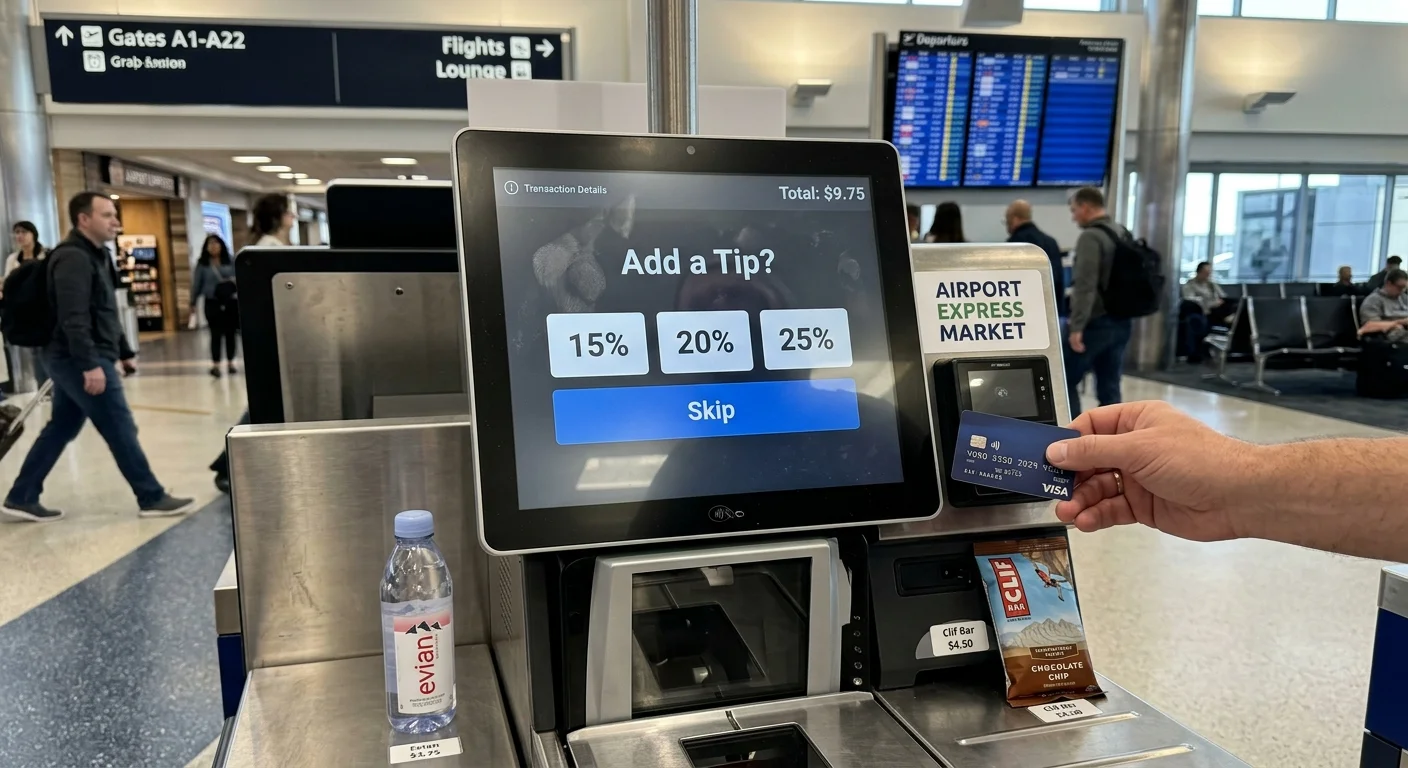
Airport grab-and-go marts, sports stadiums, and grocery stores increasingly configure their self-checkout kiosks to prompt you for a 15% to 25% tip. This practice represents the peak of automated tip creep; you scanned your own items, bagged your own merchandise, and processed your own credit card payment. No frontline worker provided personal service during the transaction.
A recent nationwide study by the Pew Research Center revealed that 40% of U.S. adults actively oppose automated tip prompts at payment terminals. These automated software requests do not reward dedicated service staff; instead, they often flow directly back to corporate revenue or software licensing fees. When an automated machine prompts you for a gratuity, press the skip button without hesitation.
Tip #2: Takeout and Food Pick-Up Counters
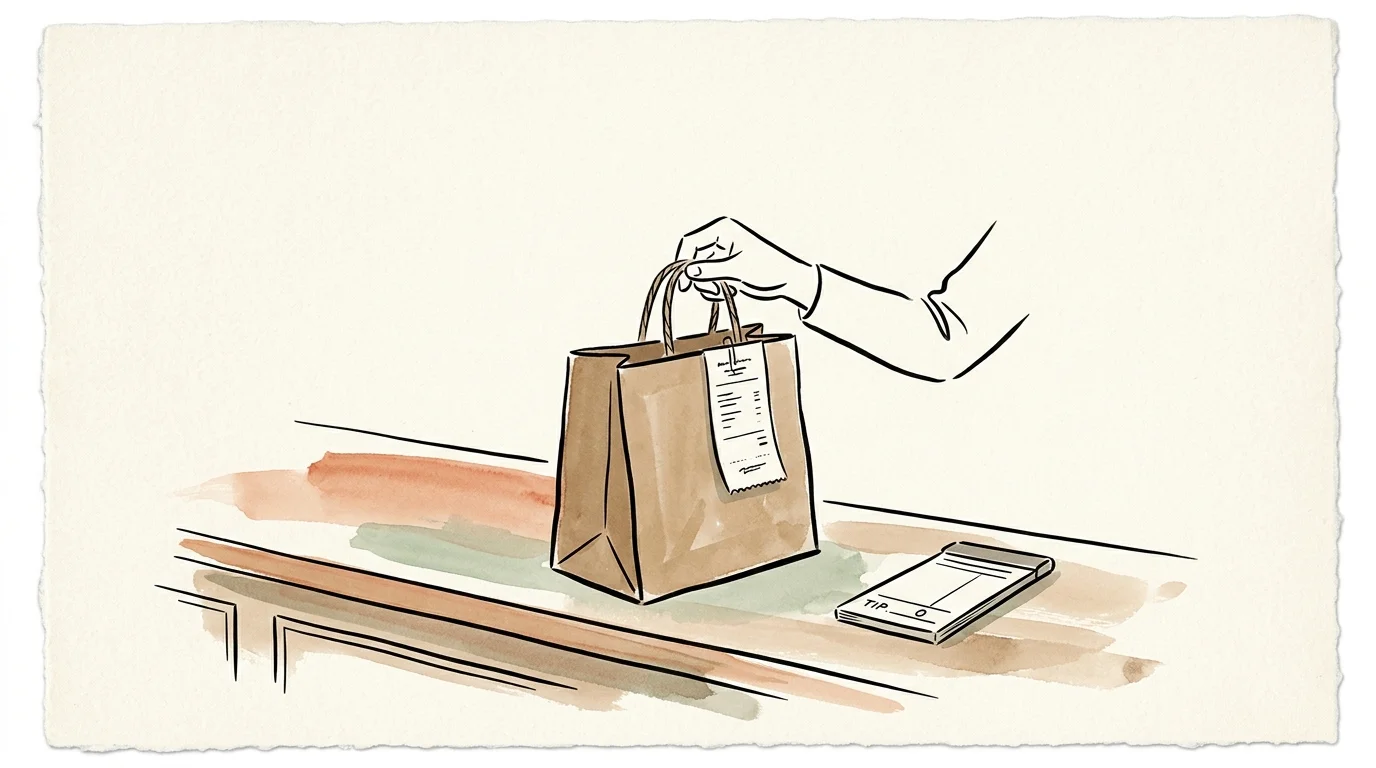
When you call in a food order or place a takeout request online, you are paying for the preparation and packaging of your meal. The business already factors the operational labor of the kitchen staff directly into regular menu prices. Unlike sit-down dining, counter pickup involves zero table maintenance, drink refills, or dedicated meal pacing.
National survey data from Bankrate indicates that only 11% to 12% of Americans regularly tip when picking up takeout food. Traditional etiquette reserves standard 15% to 20% tips for full-service dining environments where servers rely on customer gratuities. Unless you placed an exceptionally complex order for thirty people or requested custom off-menu packaging, you do not need to add a gratuity when picking up a bag from a front counter.
Tip #3: Coffee Shops and Standard Counter Orders
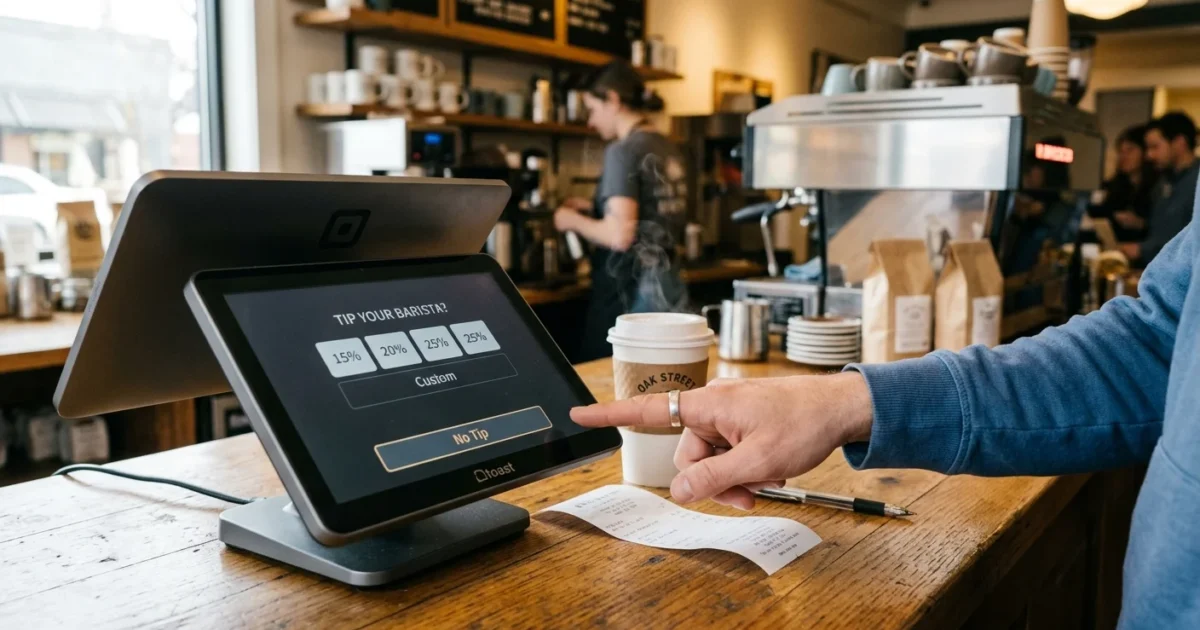
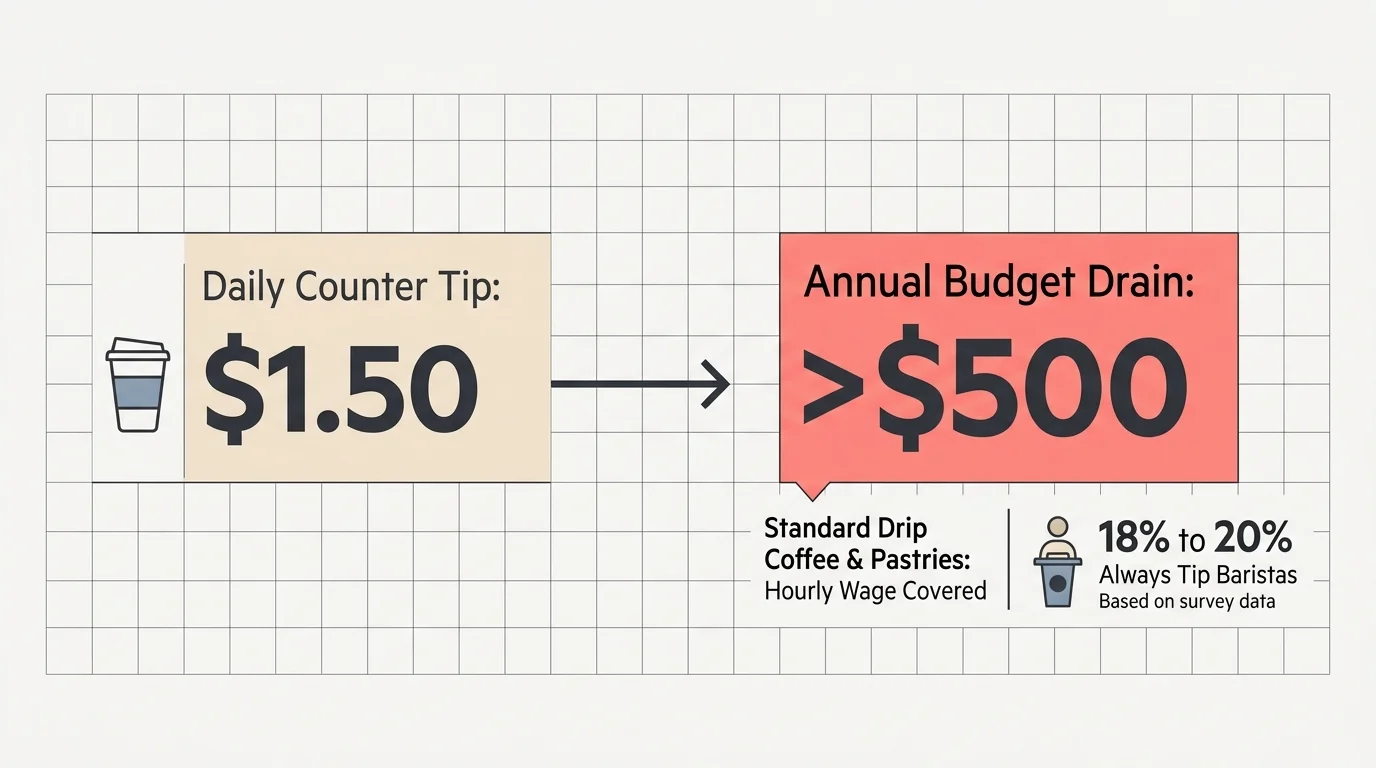
Digital point-of-sale terminals make tipping feel mandatory for a simple cup of black coffee or an unpackaged pastry. Bankrate data shows that only 18% to 20% of Americans always tip coffee shop baristas. Grabbing a pre-made drip coffee, an iced tea, or a bakery item off a shelf requires minimal labor that standard hourly wages already cover.
Leaving loose change or an extra dollar makes sense when a barista crafts a complex, multi-step customized beverage. However, routine transactions do not warrant an automatic 20% surcharge; spending an extra $1.50 per day on standard coffee counter runs quietly drains more than $500 from your budget annually. Treat counter tips as occasional recognition for exceptional craftsmanship rather than an obligation.
Tip #4: Licensed Trades and Home Contractors
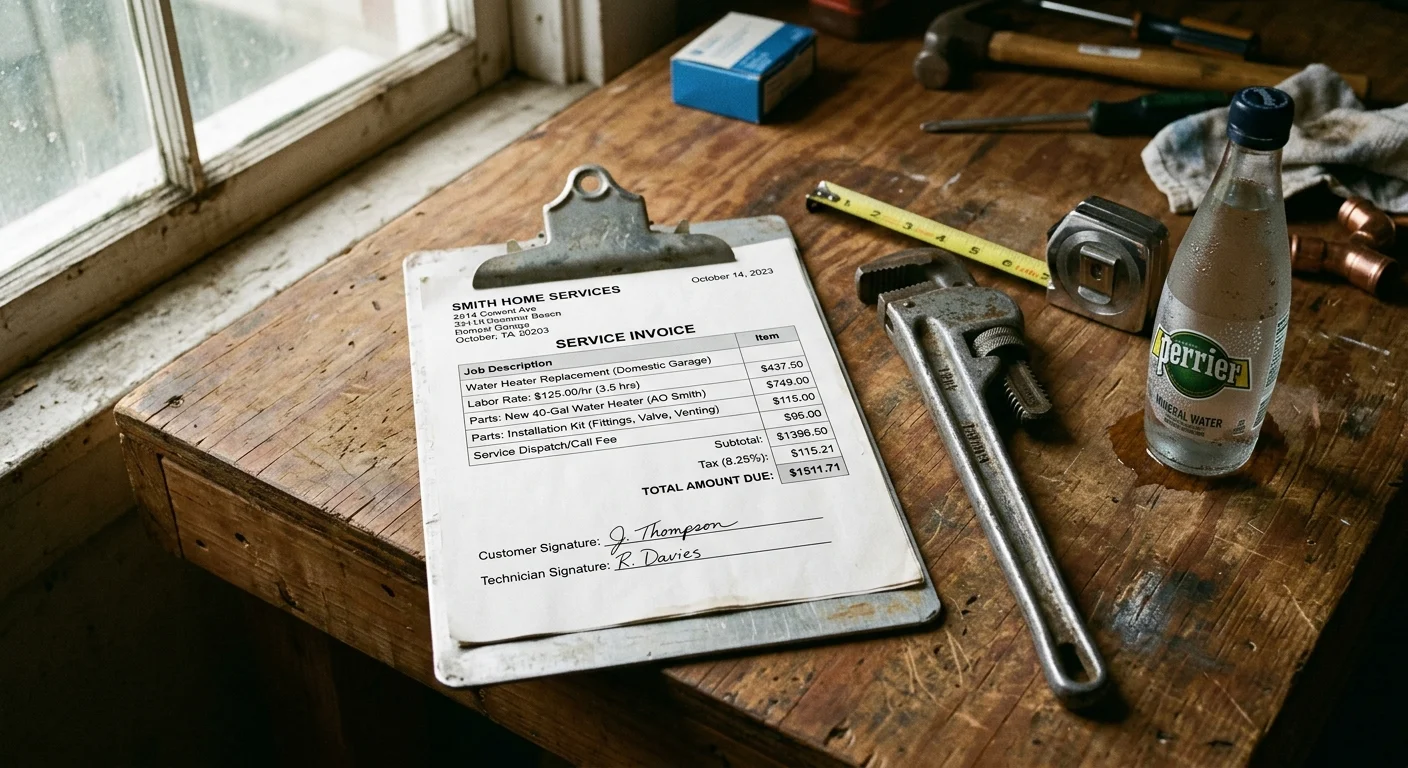
Plumbers, certified electricians, HVAC technicians, and roofing specialists operate professional trade businesses with transparent pricing models. These licensed professionals bill standardized hourly labor rates ranging from $75 to $150 or more per hour, alongside service call dispatch fees and parts markups. Their trade compensation reflects skilled technical expertise rather than customer gratuities.
Tipping is not expected on billed home repairs or major installations. Handing a cash tip to a contractor after paying a $1,500 invoice for a water heater replacement defies standard trade etiquette. Offering a cold bottle of water, a cup of coffee, or a glowing five-star online review provides meaningful professional appreciation without inflating your project costs.
Tip #5: Business Owners and Independent Solopreneurs
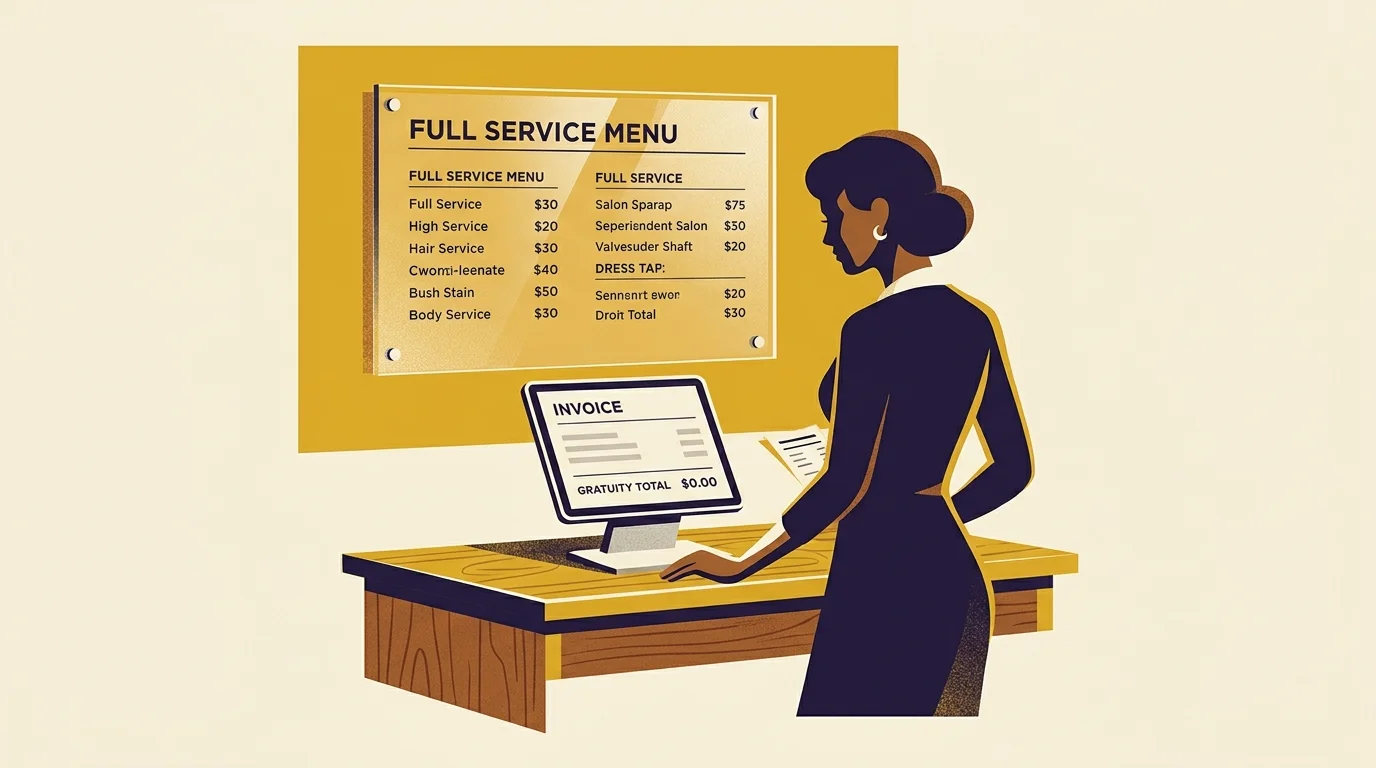
When you hire a sole proprietor—such as a salon owner, freelance photographer, independent graphic designer, or private handyman—you are dealing directly with the person who establishes the pricing. Business owners set their service rates to cover their desired income, business taxes, equipment overhead, and profit margins. Unlike hourly or commission-based staff, owners retain the entire net revenue from every transaction.
Established etiquette standards dictate that you never need to tip the owner of an establishment. If a boutique salon owner charges you $100 for a haircut, they keep that full payment rather than handing a percentage over to an employer. Reserve tipping for hourly employees and junior apprentices who work under the shop owner.
Tip #6: Healthcare Professionals and Medical Staff
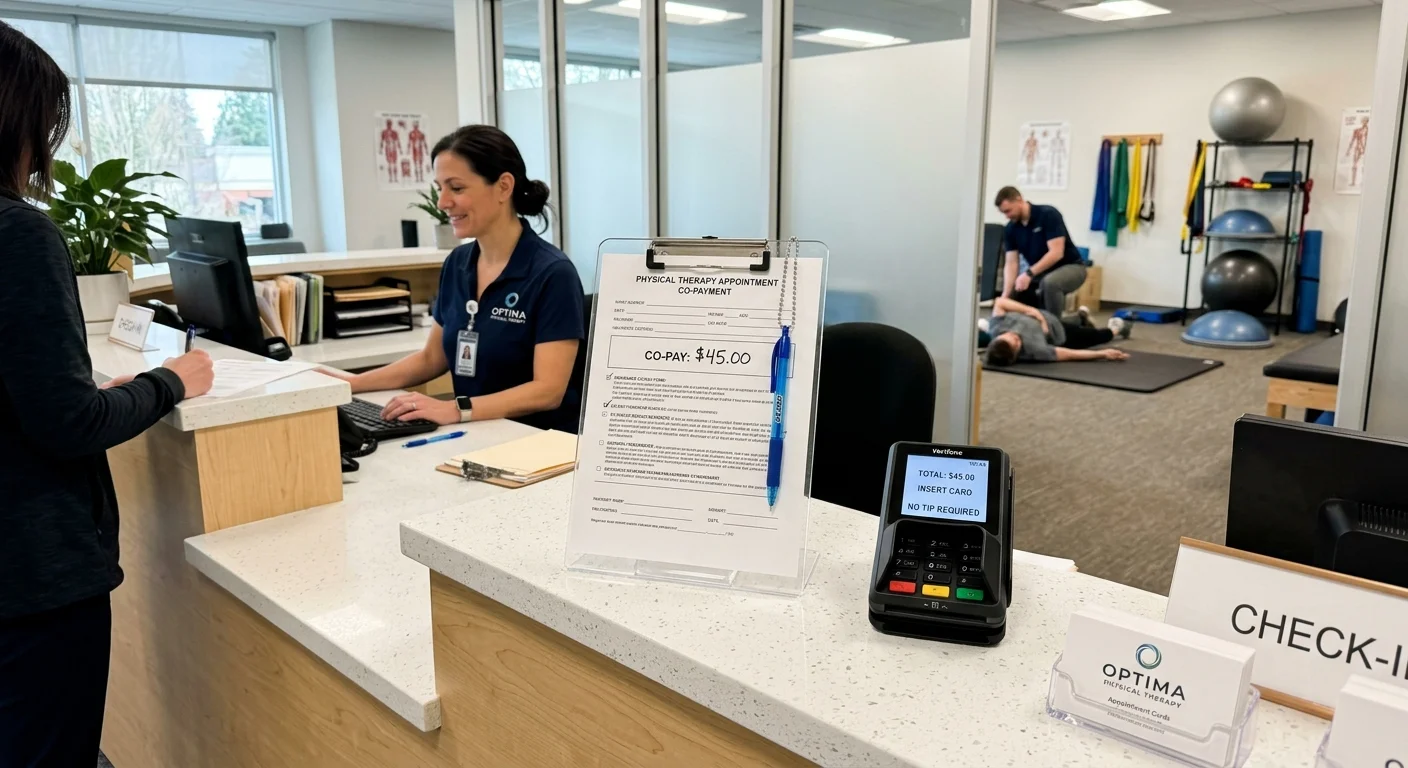
Medical clinics, dental offices, and physical therapy practices increasingly adopt modern tablet point-of-sale systems that feature pre-programmed tipping screens. Tipping in medical environments is entirely inappropriate. Physicians, registered nurses, medical assistants, and therapists are governed by professional standards that strictly separate clinical care from discretionary payments.
American Medical Association (AMA) ethical guidelines and hospital employment compliance policies strictly prohibit healthcare personnel from accepting cash tips or monetary gifts. Accepting monetary gratuities creates serious conflicts of interest and can violate federal anti-kickback statutes. If a medical provider delivers extraordinary care, express your gratitude with a handwritten thank-you note or a formal letter to their department director.
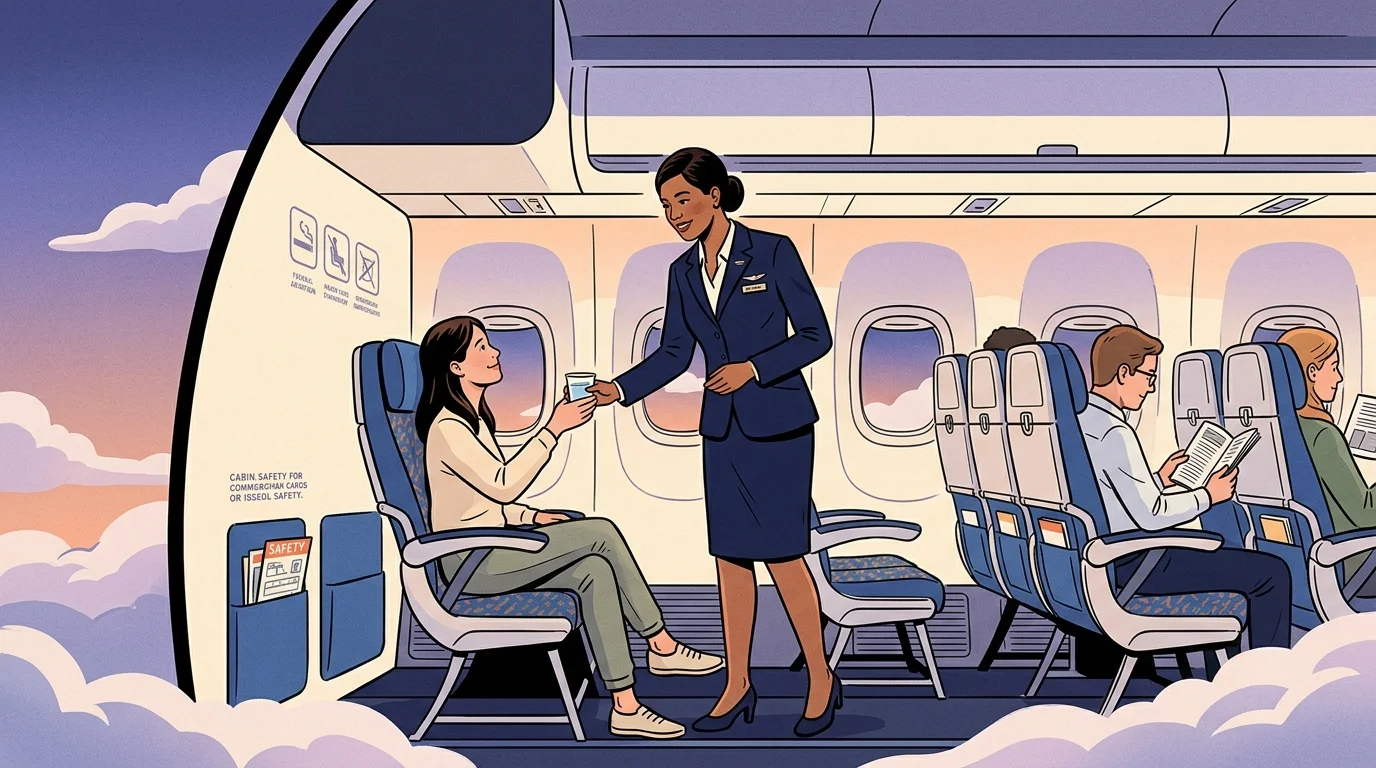
Tip #7: Commercial Airline Flight Attendants
Flight attendants serve a critical legal function on commercial aircraft under Federal Aviation Administration (FAA) regulations. Their primary responsibility involves managing emergency evacuations, handling in-flight medical crises, enforcing federal aviation security rules, and maintaining cabin safety. They are certified safety professionals rather than hospitality servers.
Major commercial carriers—including Delta, United, and American Airlines—maintain company policies that prohibit flight attendants from accepting cash tips from passengers. Offering cash creates awkward interactions and compromises their regulatory authority over the cabin. If an attendant provides exceptional service during your flight, note their name and submit a positive customer commendation through the airline’s official feedback portal.
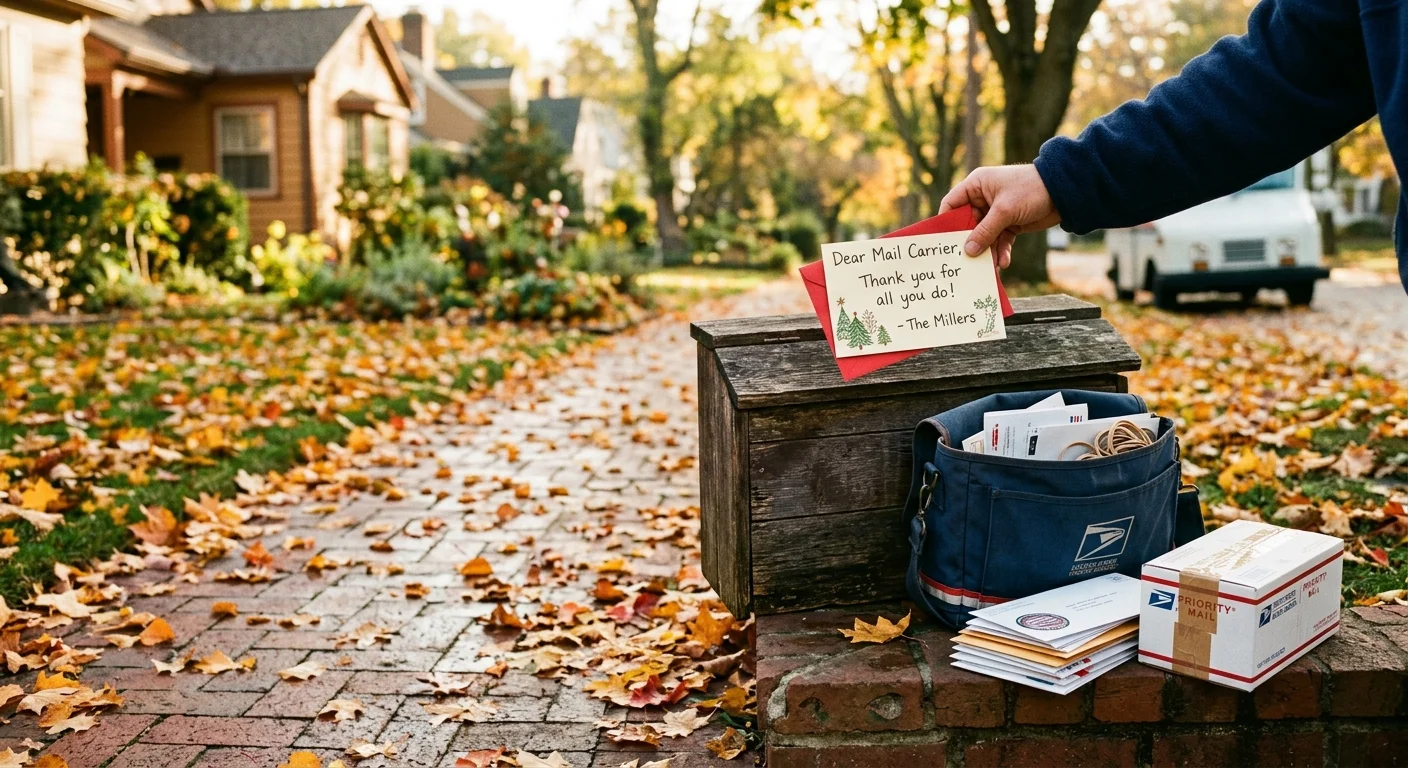
Tip #8: Postal Workers and Government Mail Carriers
You might feel inclined to hand cash or a gift card to your United States Postal Service (USPS) letter carrier during severe weather or the holiday season. However, federal ethics statutes strictly regulate what public employees can accept. Under 5 CFR § 2635.204, federal law prohibits postal workers from accepting cash, checks, VISA gift cards, or any cash equivalents of any dollar value.
The law only permits mail carriers to receive modest, non-cash gifts—such as baked goods, coffee mugs, or small tokens—valued at $20 or less per occasion, up to a strict cap of $50 per calendar year from a single customer. Handing your carrier an envelope of cash puts them in an uncomfortable legal position; stick to compliant non-cash tokens of appreciation instead.
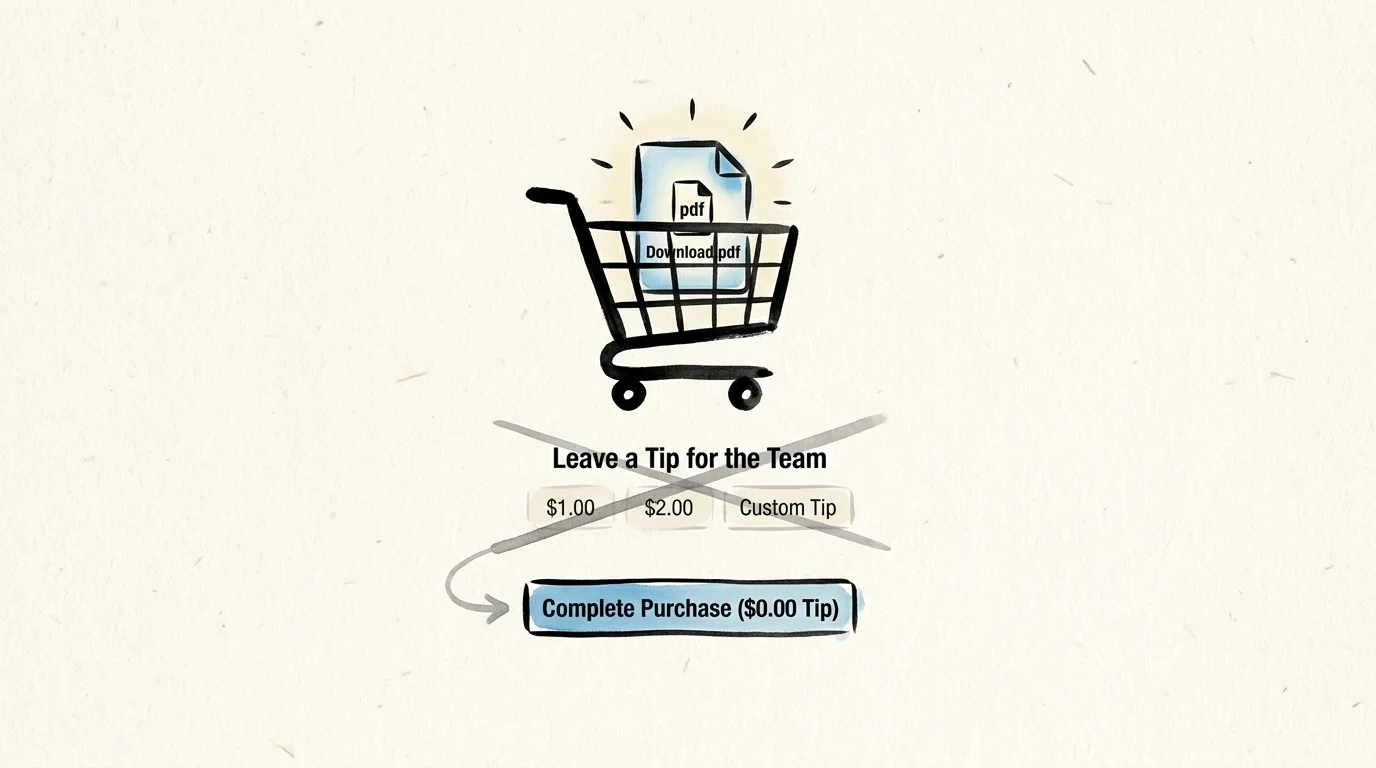
Tip #9: Online Shopping Carts and Digital Downloads
One of the most unnecessary tipping situations occurs on e-commerce websites and digital checkout pages. Certain direct-to-consumer retailers, software platforms, and merchandise sites now include an optional tip field at the payment screen, claiming it supports their warehouse crews or digital development teams. This tactic attempts to turn direct operating overhead into a voluntary customer donation.
Standard shipping and handling fees already compensate e-commerce logistics, fulfillment facilities, and digital infrastructure. Adding an extra 10% or 15% gratuity to an online shopping cart provides zero tangible benefit to you and subsidizes the company’s internal software or packing budgets. Always leave digital e-commerce tip boxes set to zero.
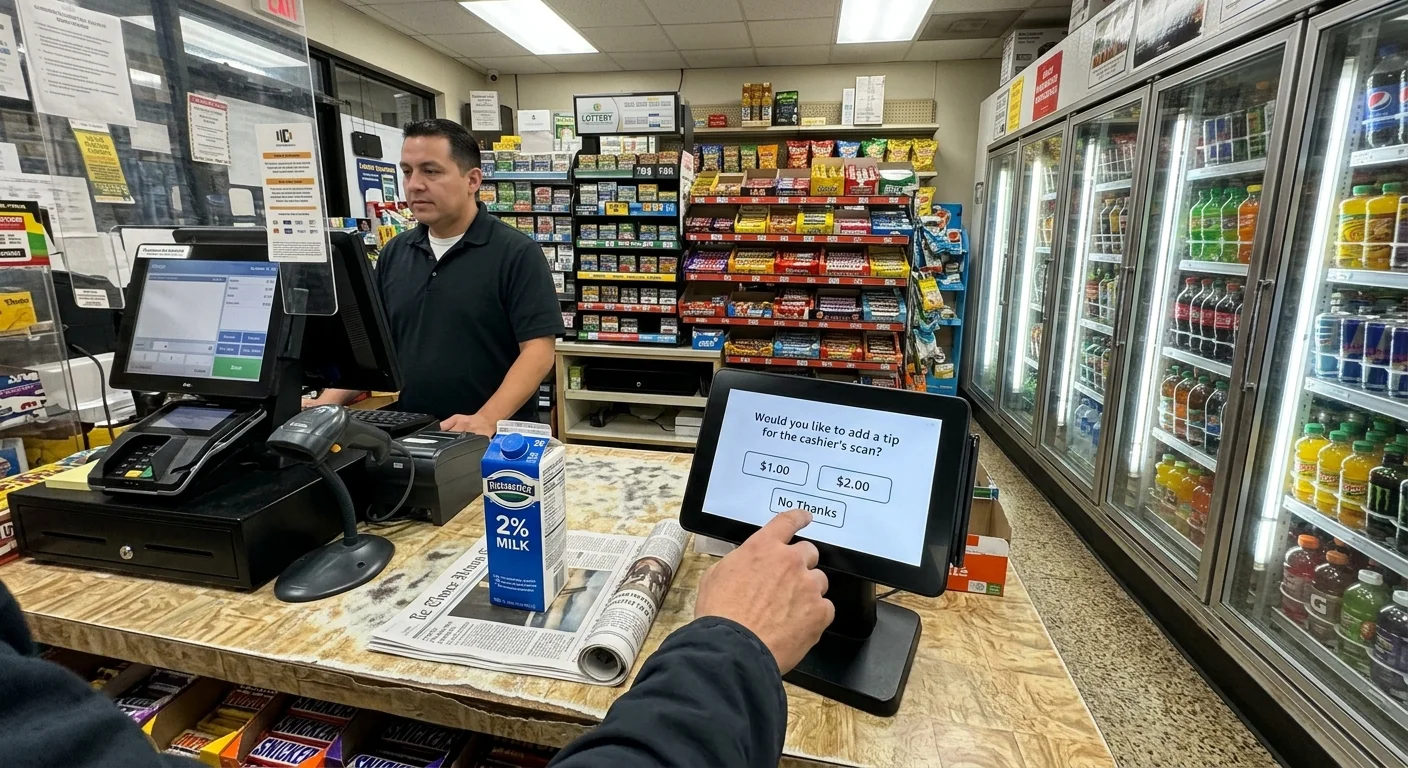
Tip #10: Gas Station Attendants and Convenience Store Registers
Grabbing a bottle of water, a snack, or motor oil at a convenience store register should never involve a gratuity prompt. Modern payment terminals at gas stations and convenience marts often leave default tipping software activated. Scanning a barcode and operating a cash register represents a basic retail transaction, not an individualized service experience.
Convenience store cashiers receive standard hourly wages that do not rely on tipped-wage credits. Adding a $1 tip to a $3 beverage represents a 33% markup on a packaged retail item. Bypass the prompt immediately; convenience retail is firmly an environment where tipping isn’t expected.
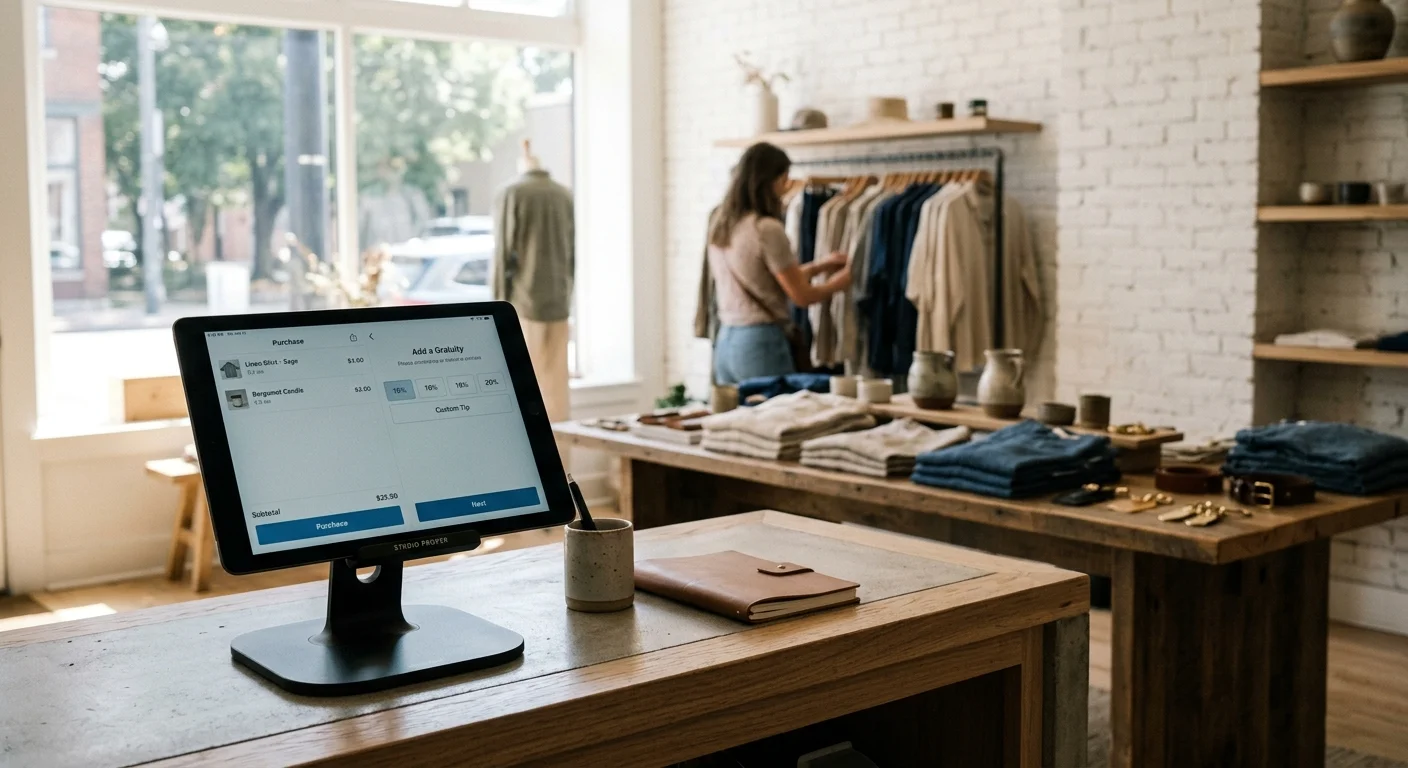
Tip #11: Retail Boutiques and Merchandise Tables
When you purchase clothing at a local boutique, buy souvenirs at a gift shop, or grab a band t-shirt at a concert merchandise table, the salesperson will often spin an iPad terminal toward you with suggested tip amounts of 18%, 20%, or 25%. Processing a standard retail purchase requires no tip.
Retail goods already carry profit markups ranging between 50% and 300% to fund retail floor wages, store leases, and overhead expenses. Swiping a payment card or handing over a piece of merchandise is the standard duty of a retail cashier. Save your money and hit “No Tip” on every merchandise and retail clothing transaction.
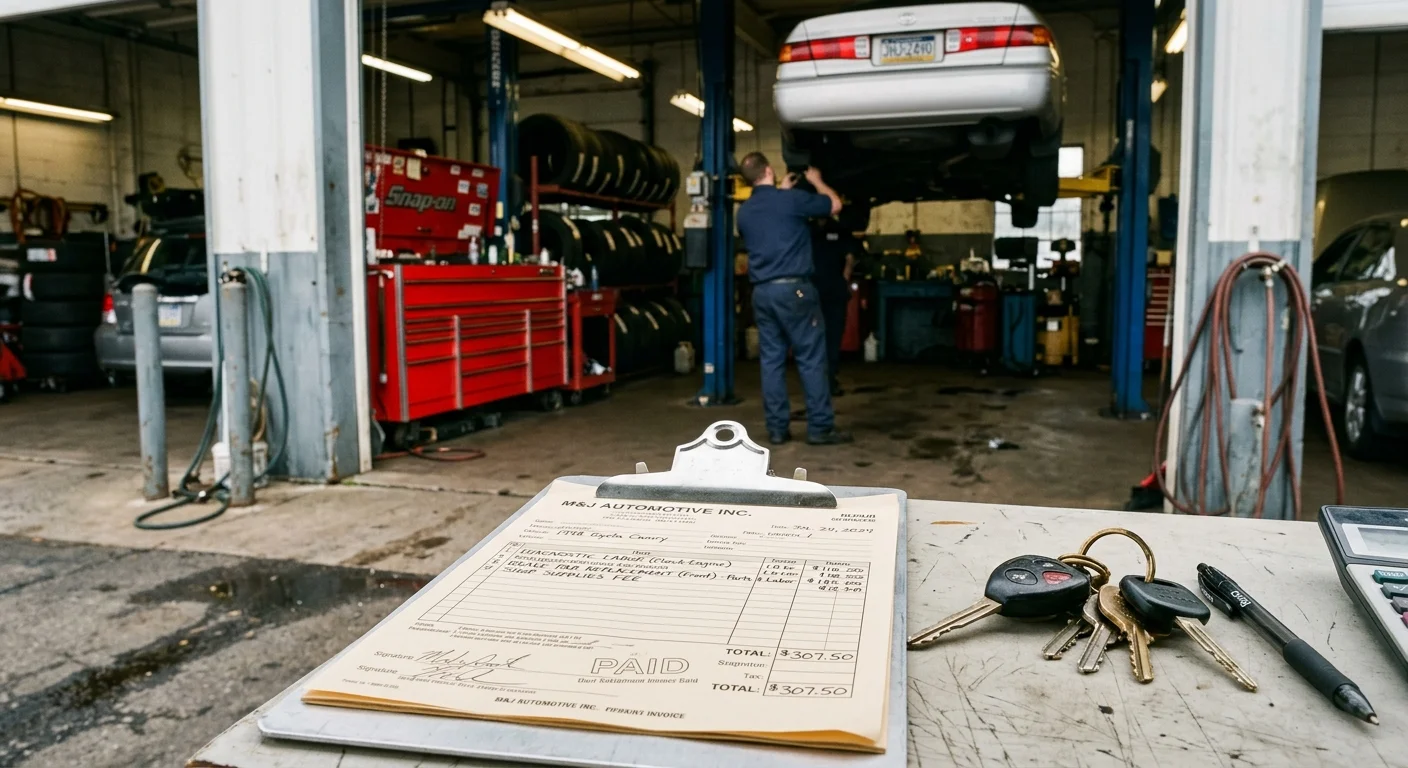
Tip #12: Auto Mechanics and Repair Garages
Automotive repair shops bill customers using industry-standard labor guides that charge flat-rate hourly labor—often between $100 and $200 per hour. Your final invoice clearly separates diagnostic fees, parts costs, shop supply fees, and dedicated labor charges. Mechanics work under skilled industrial compensation structures, not hospitality tip models.
Tipping an auto mechanic on top of an expensive brake replacement, engine repair, or standard oil change is completely unnecessary. Mechanics do not expect gratuities for standard repair orders. You build a strong professional relationship with your garage through repeat business, prompt bill payment, and direct word-of-mouth referrals.
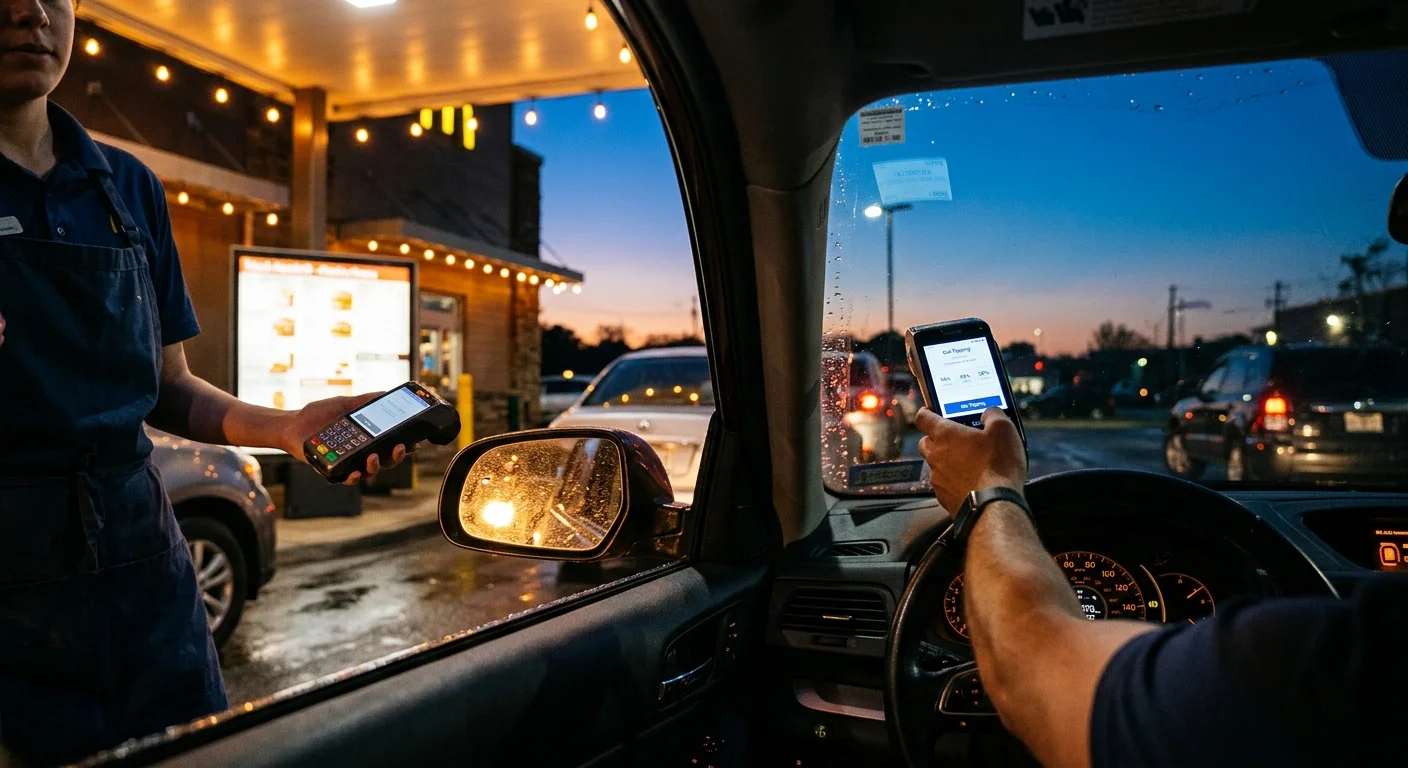
Tip #13: Fast-Food Chains and Drive-Thru Windows
Drive-thru lanes and fast-food counters focus on standardized food preparation, high transaction speed, and budget-conscious dining. Fast-food workers are hired under standard minimum wage laws or corporate hourly pay scales; they do not operate under the sub-minimum tipped wage system used in full-service dining.
Encountering a tip prompt at a drive-thru window where your interaction lasted twenty seconds is a byproduct of payment software upgrades rather than shifting etiquette norms. Adding a 20% gratuity to a fast-food meal defeats the financial purpose of choosing a quick, budget-friendly meal. Always bypass the digital prompt at drive-thru registers.
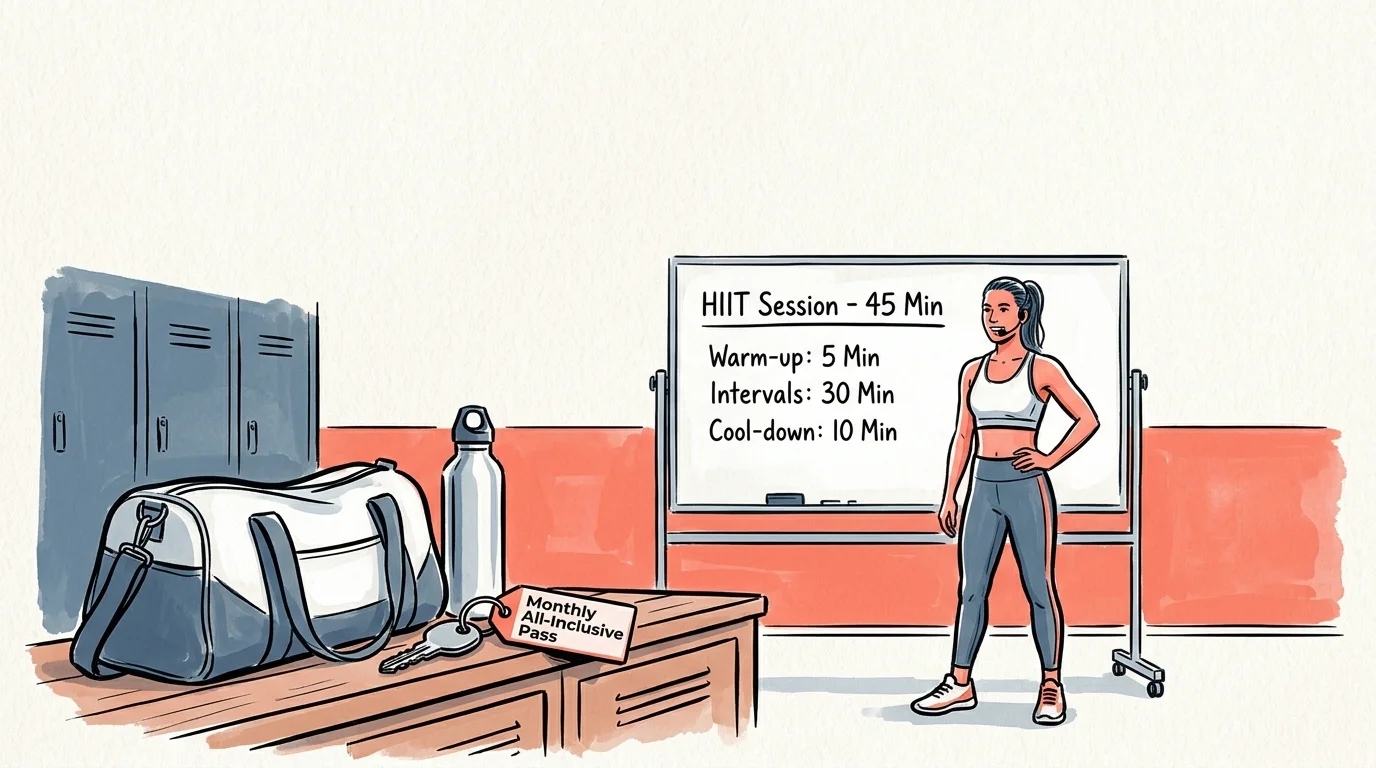
Tip #14: Gym Trainers and Fitness Class Coaches
Fitness centers, boutique cycling studios, and yoga gyms charge premium membership dues, class pack fees, or steep personal training rates that run from $60 to $120 or more per hour. Instructors and trainers receive set hourly compensation, per-head class fees, or direct client billing rates agreed upon in your training contract.
You do not need to tip an instructor or personal trainer after completing a routine class or weekly workout session. Standard industry etiquette reserves financial gifts exclusively for the December holiday season, during which giving a modest cash gift or gift card to a personal trainer you have worked with consistently all year is customary.

Tip #15: Establishments Charging Automatic Service Fees
Many modern dining establishments, catering companies, and event venues now include mandatory service charges, administrative fees, or operational surcharges directly on the itemized bill. These fees typically range from 18% to 22%. Always inspect your final bill before signing the payment slip.
If an invoice or dining receipt already includes an automatic gratuity or mandatory service charge, you have fulfilled your tipping obligation. Adding an additional 20% tip on the bottom signature line results in double-tipping on top of food costs and state sales tax. If the venue applies an automatic service fee, check that the line item satisfies the gratuity, adjust your additional tip to zero, and finalize your payment.
The Bottom Line: What This Means for Your Wallet
Widespread tipping culture changes have created confusion for consumers across the country. Bankrate’s annual tipping studies confirm that 63% of Americans now hold a negative view of modern tipping culture, with 41% emphasizing that tipping has spun out of control. Much of this frustration stems from payment terminals pushing tipping prompts into non-service transactions.
To protect your household budget, you must distinguish between traditionally tipped service workers and hourly employees. Under the Fair Labor Standards Act (FLSA), the federal tipped sub-minimum wage remains at $2.13 per hour for traditional sit-down waitstaff and bartenders. However, seven states—Alaska, California, Minnesota, Montana, Nevada, Oregon, and Washington—have eliminated the sub-minimum wage entirely, requiring businesses to pay full state minimum wages before any tips are calculated.
You do not owe a tip on automated self-checkout screens, standard retail purchases, takeout food bags, or billed professional trade repairs. Selecting “No Tip” in these scenarios violates no social norms; instead, it enforces sensible spending boundaries. Tip generously for dedicated table service, personal care, and home delivery, but leave the digital prompt at zero everywhere else.
Frequently Asked Questions
Is it rude to press “No Tip” while looking at the cashier?
No, pressing “No Tip” is not rude when paying for counter service, takeout, or retail goods. Payment software manufacturers build default tip screens into their systems to maximize transaction values, but cashiers understand that counter tipping is strictly optional. Select your preferred option calmly, complete your payment, and maintain a polite demeanor.
Which service workers legally rely on tips for their base income?
Sit-down restaurant servers, bartenders, traditional food delivery drivers, valet attendants, and luggage porters are the primary workers who rely on customer tips to make a living wage. In states that still utilize the federal $2.13 per hour tipped sub-minimum wage, tips represent the vast majority of their take-home pay.
What should you do if a restaurant adds an automatic gratuity without prior notice?
Restaurants must clearly disclose mandatory service fees and automatic gratuities on their menus, websites, or signage before you order. If an unexpected service charge appears on your final receipt, ask your server or the manager to explain the fee. If the automatic fee covers staff compensation, you do not need to add an additional tip on the payment slip.
Do tipping rules change in states that eliminated the tipped minimum wage?
In states like California, Washington, and Oregon, employers must pay the full state minimum wage—often $16 or more per hour—to all workers before tips. While customary tipping of 15% to 20% remains standard for full-service dining across all states, you should feel zero pressure to tip for counter pickups, coffee shops, or fast-casual transactions in high-wage states.
For consumer protection information, visit the Federal Trade Commission (FTC) and the Consumer Financial Protection Bureau (CFPB). For product safety and reviews, consult Consumer Reports.
Disclaimer: This article is for informational purposes only and does not constitute financial advice. The content reflects the author’s opinion and research at the time of writing. Always do your own research before making financial decisions.