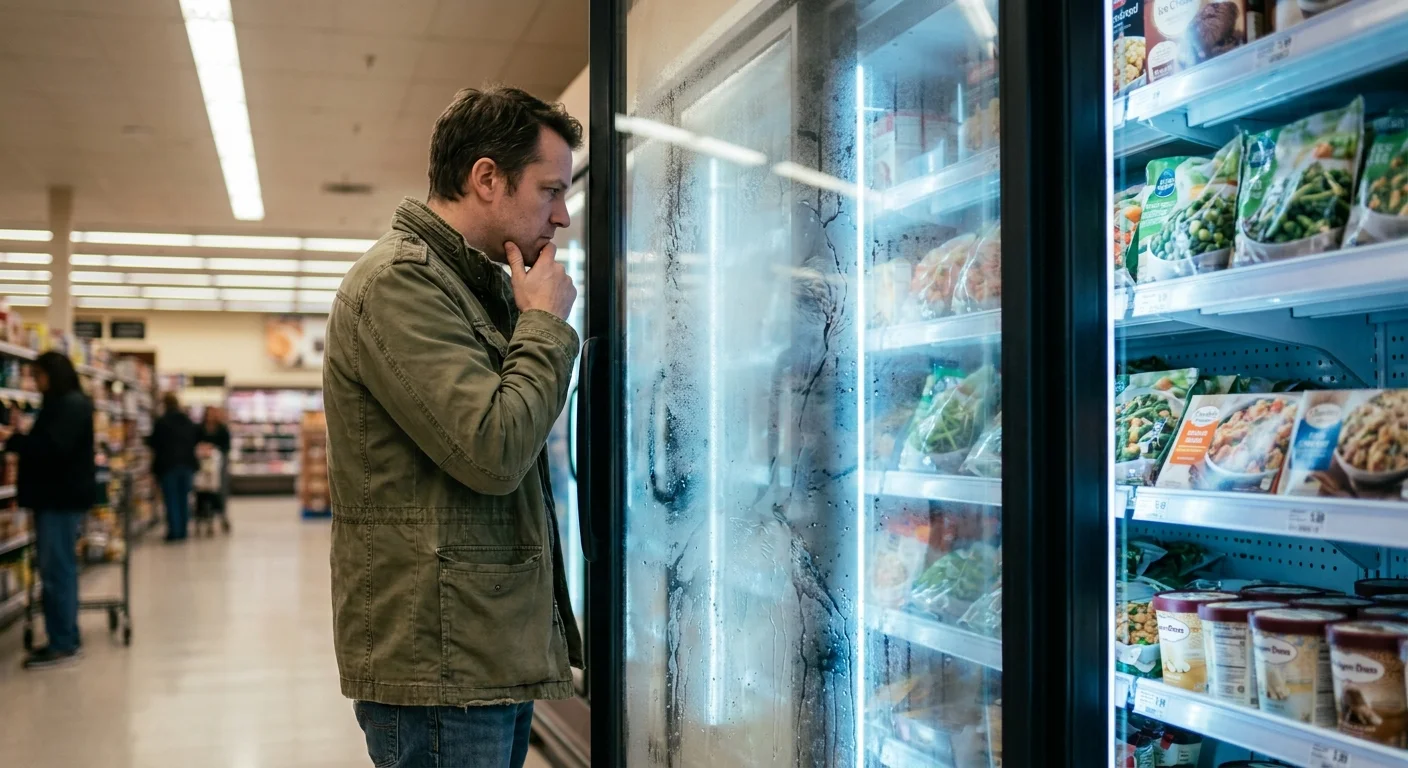
Big-box retailers design their floor plans like modern casinos to manipulate your gaze. They intentionally push expensive, high-margin merchandise right into your immediate line of sight.
Deep discounts exist on everyday items, but retail planners deliberately tuck them away into unadvertised dead zones. Locating these hidden store deals requires you to actively ignore glossy corporate marketing traps.
Knowing where to find deals in stores gives you an immediate financial edge. You can systematically outsmart store merchandising strategies by checking nine overlooked zones on your next shopping trip.
Tip #1: The True Back Wall and Perimeter Corners
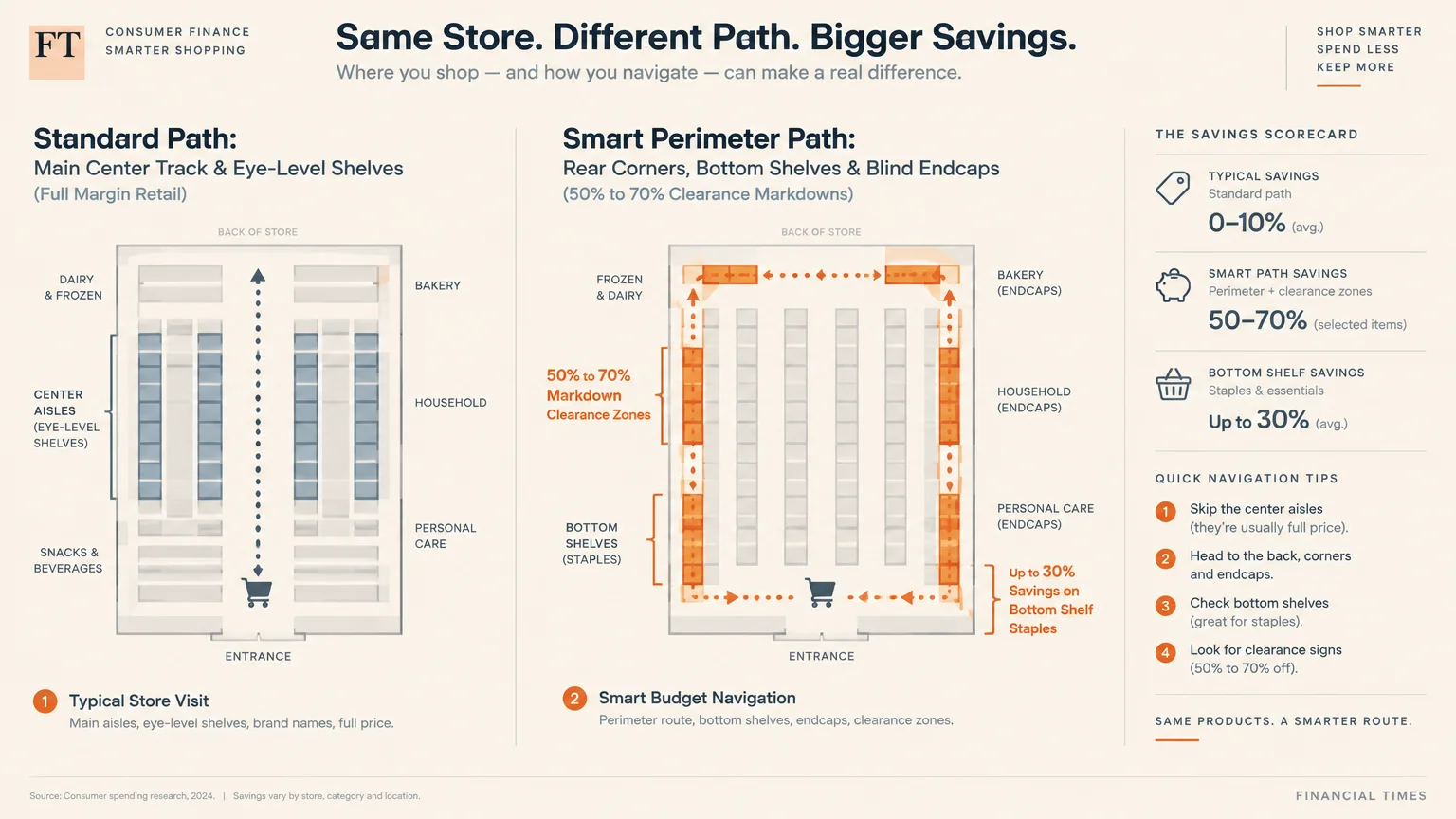
Retailers refer to the main pathway as the golden walkway or primary race track. They reserve this valuable floor space for high-margin goods and heavily promoted full-price inventory.
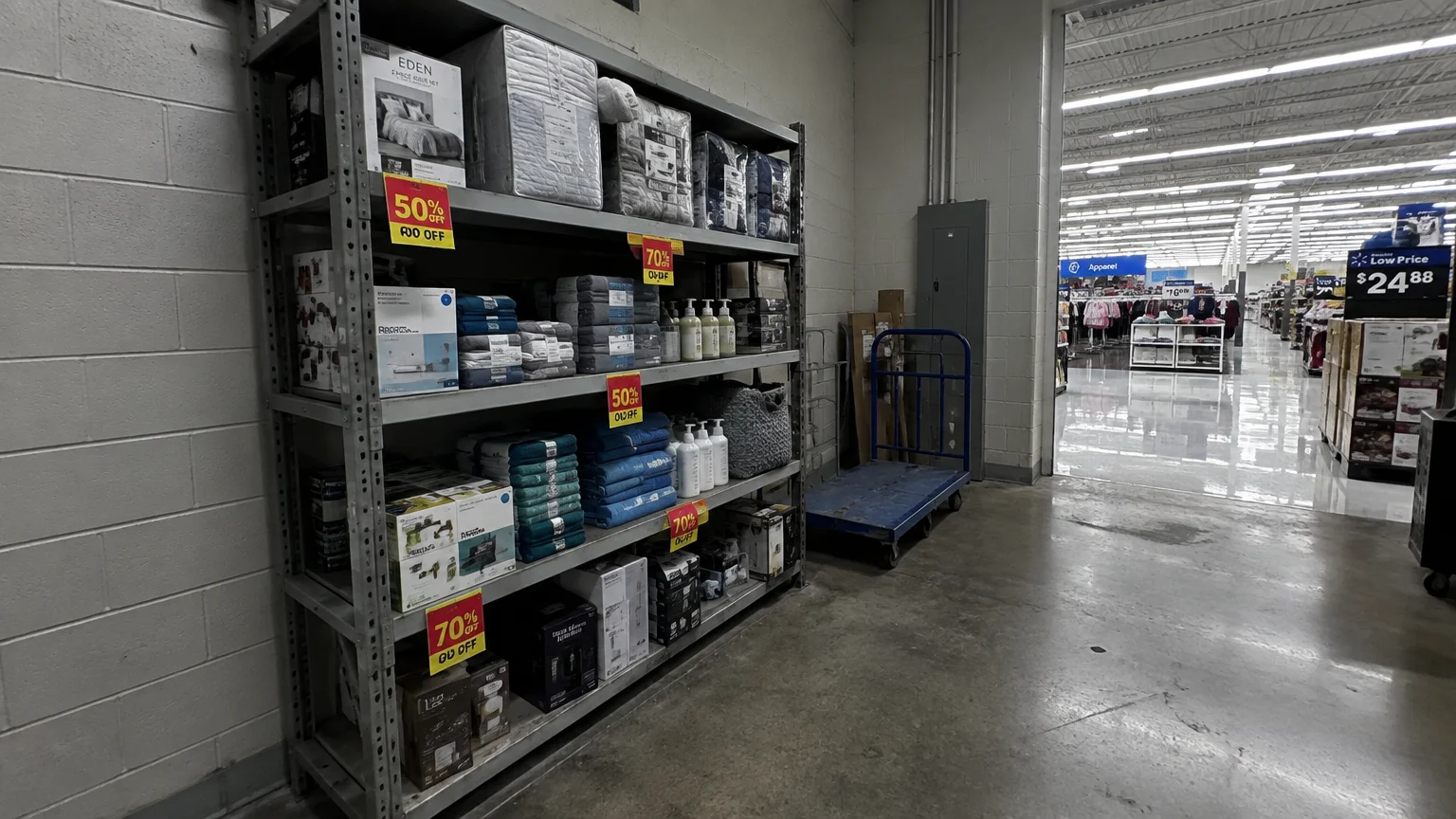
The deepest markdowns sit in the far rear corners of the building. Store managers push clearance inventory away from foot traffic so you pay full price first.
Walk directly past the flashy center displays to the back perimeter wall. You will often encounter unadvertised clearance shelves filled with seasonal merchandise and overstocked items.
These back perimeter shelves frequently host items discounted by 50% to 70%. Big retailers want to clear old inventory without cannibalizing new, full-price stock.
Check behind oversized bulk displays along the rear wall as well. Associates often stash consolidated clearance racks in these narrow, low-visibility gaps.
Retail managers know most shoppers give up before reaching the extreme corners. Pushing through to the building’s edge gives you access to unsold inventory priced for rapid clearance.
Next time you enter a store, skip the front displays and head directly to the rear perimeter. Your wallet will thank you before you even fill your cart.
Tip #2: The Ankle-Level Bottom Shelves
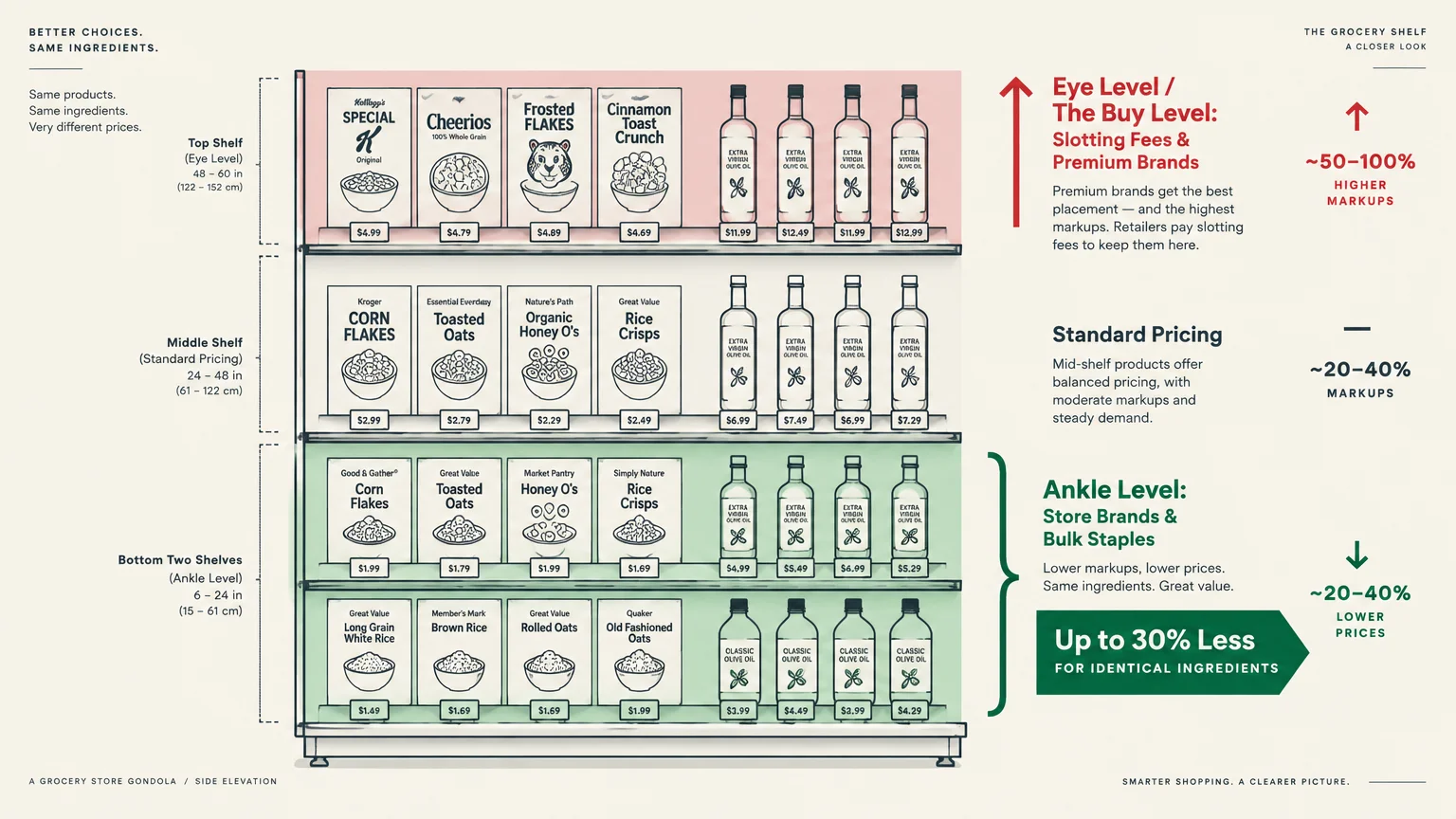
Consumer psychologists know that eye-level shelving produces the fastest sales conversions. Manufacturers pay expensive slotting fees to guarantee their name-brand products sit at your natural line of vision.
Eye level is the buy level, but ankle level is where your savings thrive. Retailers place store brands, generic goods, and bulk packages on the lowest two shelves.
Bottom-shelf items cost up to 30% less than eye-level alternatives. You receive identical ingredients and materials without paying for a massive national advertising campaign.
Squat down in grocery, beauty, and hardware aisles to inspect the lowest shelf space. You will find house brands and value sizes hiding right beneath premium labels.
Retail algorithms count on physical friction to protect profit margins. Merchandisers know that casual shoppers rarely bend down to examine unit prices on bottom-row items.
Make ankle-level scanning an automatic reflex across every supermarket and department store aisle. The quick physical movement delivers an immediate financial return on everyday staples.
Compare unit prices on bottom shelves against the flashy items placed at chest height. You will see firsthand how product placement artificially inflates grocery bills.
Tip #3: Back-Facing and Side Endcaps
Endcaps facing the main center aisles rarely feature genuine discounts. Brands pay promotional allowances to showcase full-price merchandise in these prominent, high-traffic positions.
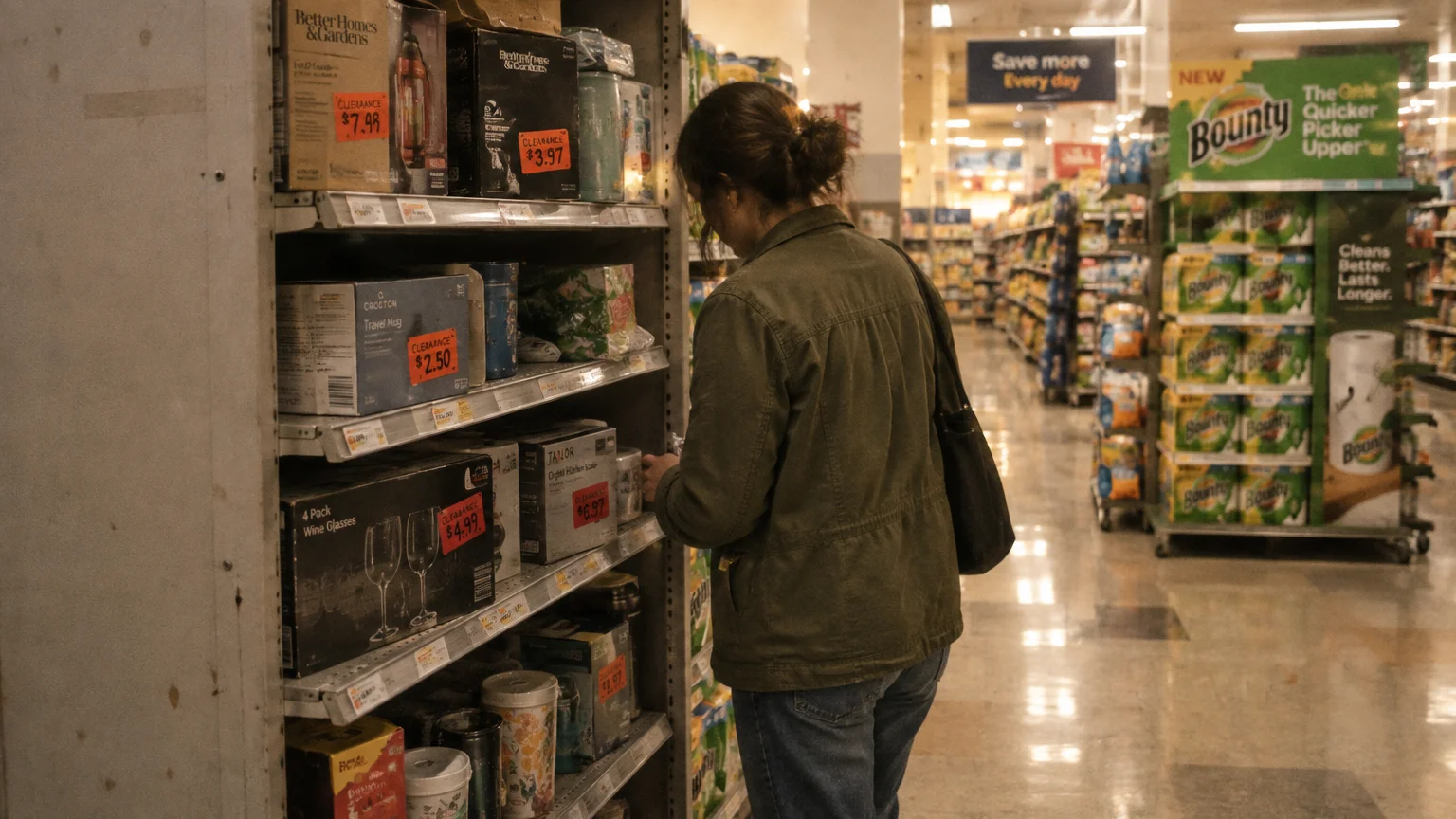
Turn the corner and inspect the reverse side of those identical display racks. The endcaps facing away from primary walkways hold authentic clearance inventory.
Store associates refer to these fixtures as blind endcaps because casual shoppers bypass them completely. Managers use them to dump discontinued SKUs and damaged packaging without cluttering major walkways.
Look for tiny yellow, red, or orange clearance stickers on these hidden shelves. The price tags here often reflect progressive markdowns ending in store clearance digits.
Inspect narrow side-wing displays attached to the metal frames of endcaps as well. Retailers frequently hang clearance accessories and overstocked items on these secondary clip strips.
Bypassing the front display to check rear-facing shelves is essential shopping etiquette. It separates casual spenders from disciplined bargain hunters who understand retail floor plans.
Scan both sides of every aisle cap before moving down the row. That simple pivot frequently reveals items discounted by half or more.
Tip #4: The Top Overstock Shelves
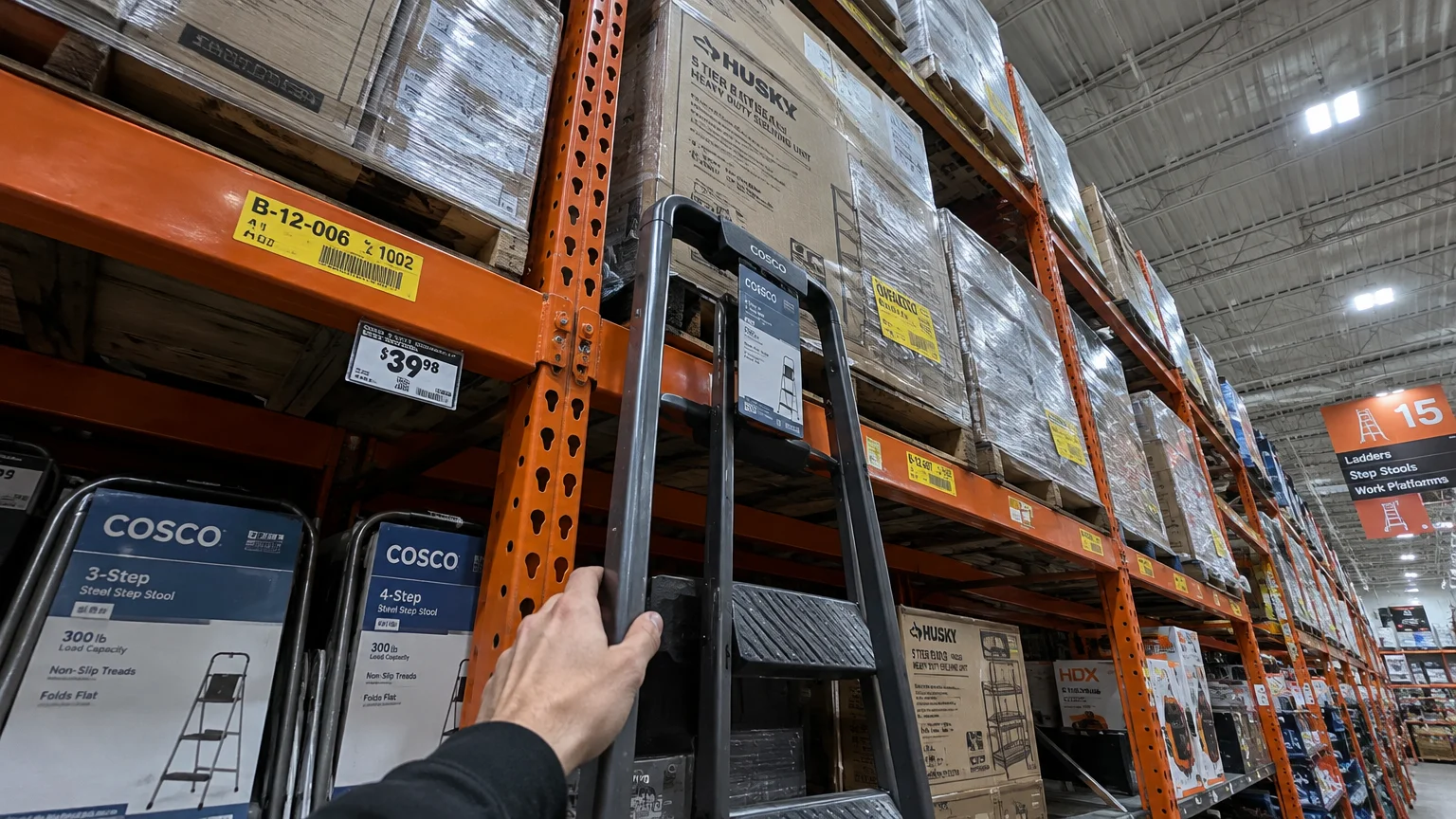
Most shoppers focus exclusively on the horizontal span directly in front of their faces. Looking up at the highest shelving tiers reveals inventory that workers never properly stickered.
Top shelves hold surplus stock awaiting floor space or eventual liquidation. In major warehouse clubs and big-box retailers, top shelves frequently store discontinued older models.
Look closely at the product packaging and barcodes on those upper risers. If an item matches a clearance tag below, you can claim that discount.
Store employees often forget to bring down older inventory before stocking newly arrived shipments. Ask an associate with a handheld scanner to verify top-shelf inventory pricing.
Scan upper shelves in home improvement, toy, and small appliance aisles especially. You will regularly discover previous-generation models priced far below current retail versions.
Dusty boxes sitting on high risers frequently represent discontinued merchandise. Store managers gladly sell these older units at deep discounts to clear up vertical warehouse capacity.
A quick glance upward can uncover premium items that escaped routine clearance sweeps. Keep your chin up and spot the bargains other shoppers overlook.
Tip #5: Department Crossover and Boundary Aisles
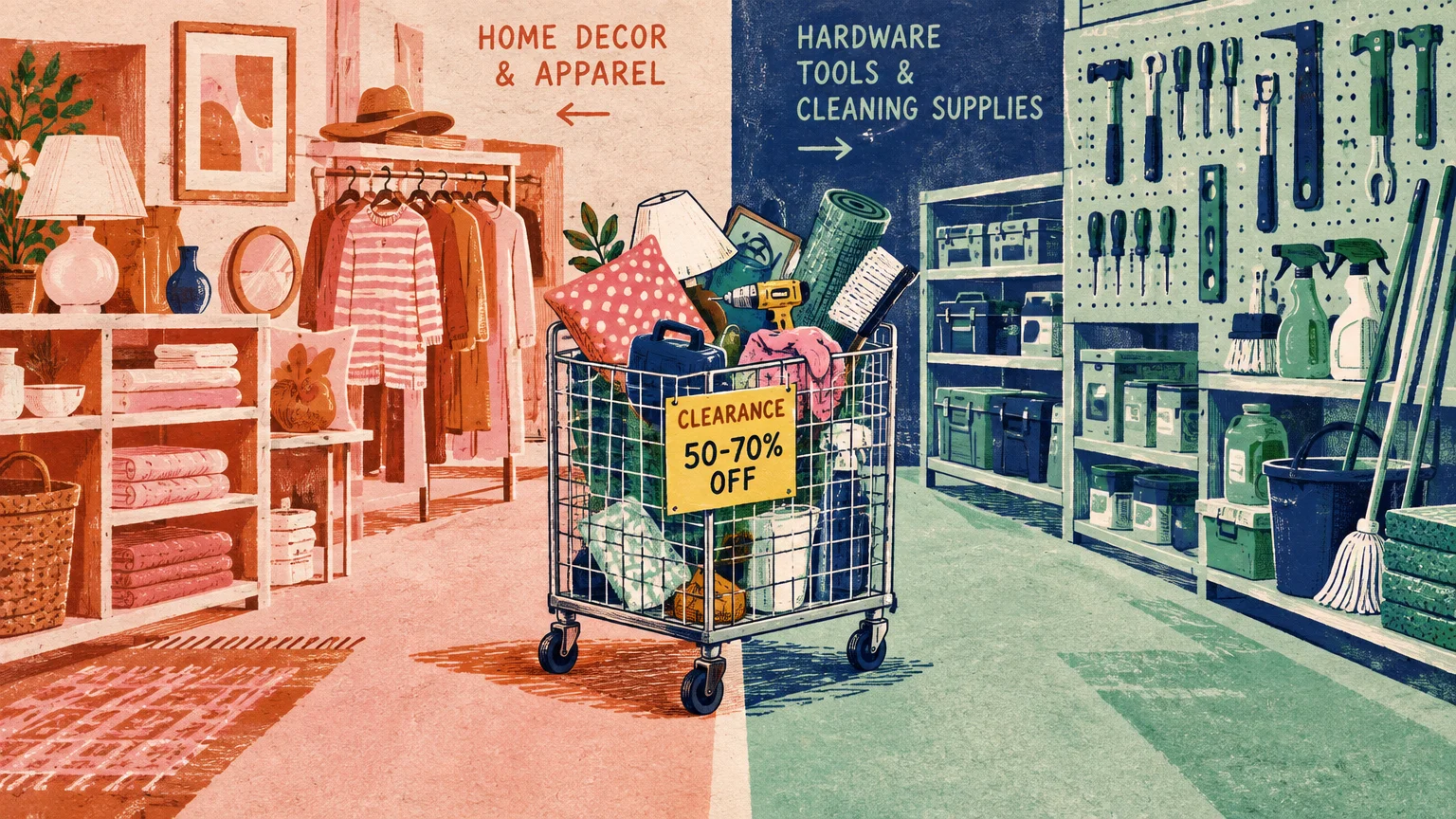
Stores organize floor plans around rigid departmental boundaries like apparel, electronics, and housewares. The dead zones sitting directly between two distinct departments hold powerful retail savings secrets.
Clearance items from one department often get pushed into the transitional buffer zone. For example, kitchen clearance racks frequently migrate into adjoining patio or sporting goods aisles.
These buffer zones suffer from ambiguous employee oversight and infrequent stocking sweeps. As a result, discontinued products linger there and endure multiple rounds of automated price cuts.
You can locate deeply discounted cookware, fitness accessories, and bed linens in these no-man’s-land walkways. Retail pricing algorithms mark items down automatically every few weeks if they remain unsold.
Walk the physical border where clothing gives way to home storage or luggage. These forgotten transitional corridors routinely yield the best pricing in the entire building.
Notice whenever flooring materials or ceiling heights change between retail sections. Those structural transition lines mark prime hunting grounds for misplaced clearance goods.
Inspect isolated display racks parked near restroom corridors or fitting room entrances. Floor associates routinely push consolidated clearance items into these obscure intermediate zones.
Tip #6: Seasonal Transition Dead Zones
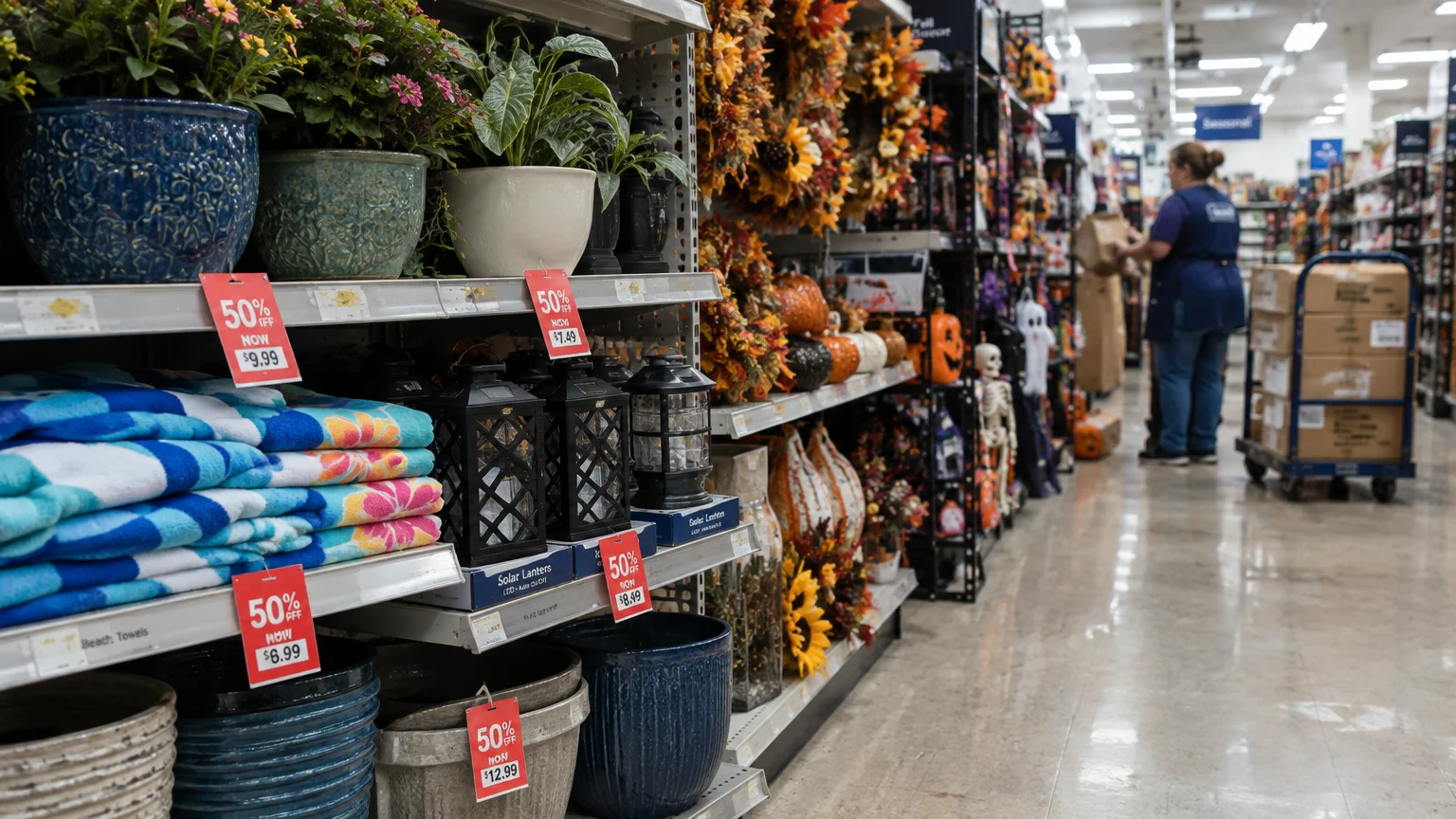
Retailers operate on aggressive seasonal calendars that run months ahead of the weather. They must clear lawn furniture to make room for school supplies before summer even peaks.
When a season concludes, managers consolidate remaining inventory into a single condensed row. They usually push this row directly behind the incoming holiday display.
Shoppers rush to examine new seasonal arrivals and completely ignore the consolidated clearance row. You can scoop up grilling tools, outdoor lights, or holiday decor for up to 80% off.
Track the timing of seasonal markdowns to catch the steepest clearance drops. Most retailers start markdowns at 30%, increasing to 50% within days and 75% soon after.
Look in garden center fringes or seasonal pop-up sections for these condensed clearance racks. Buying out-of-season goods provides some of the highest returns on your shopping dollar.
Retailers view lingering seasonal inventory as wasted square footage. They slash prices aggressively because incoming inventory is already waiting on delivery trucks outside.
Stock your storage closets with deeply discounted seasonal goods months ahead of schedule. Your future budget will reap massive dividends from this simple habit.
Tip #7: Meat and Dairy Perimeter Markdown Nooks
Supermarket profit margins remain notoriously thin, pushing department managers to minimize perishable waste. They mark down short-dated proteins, prepared foods, and artisan dairy products every single morning.
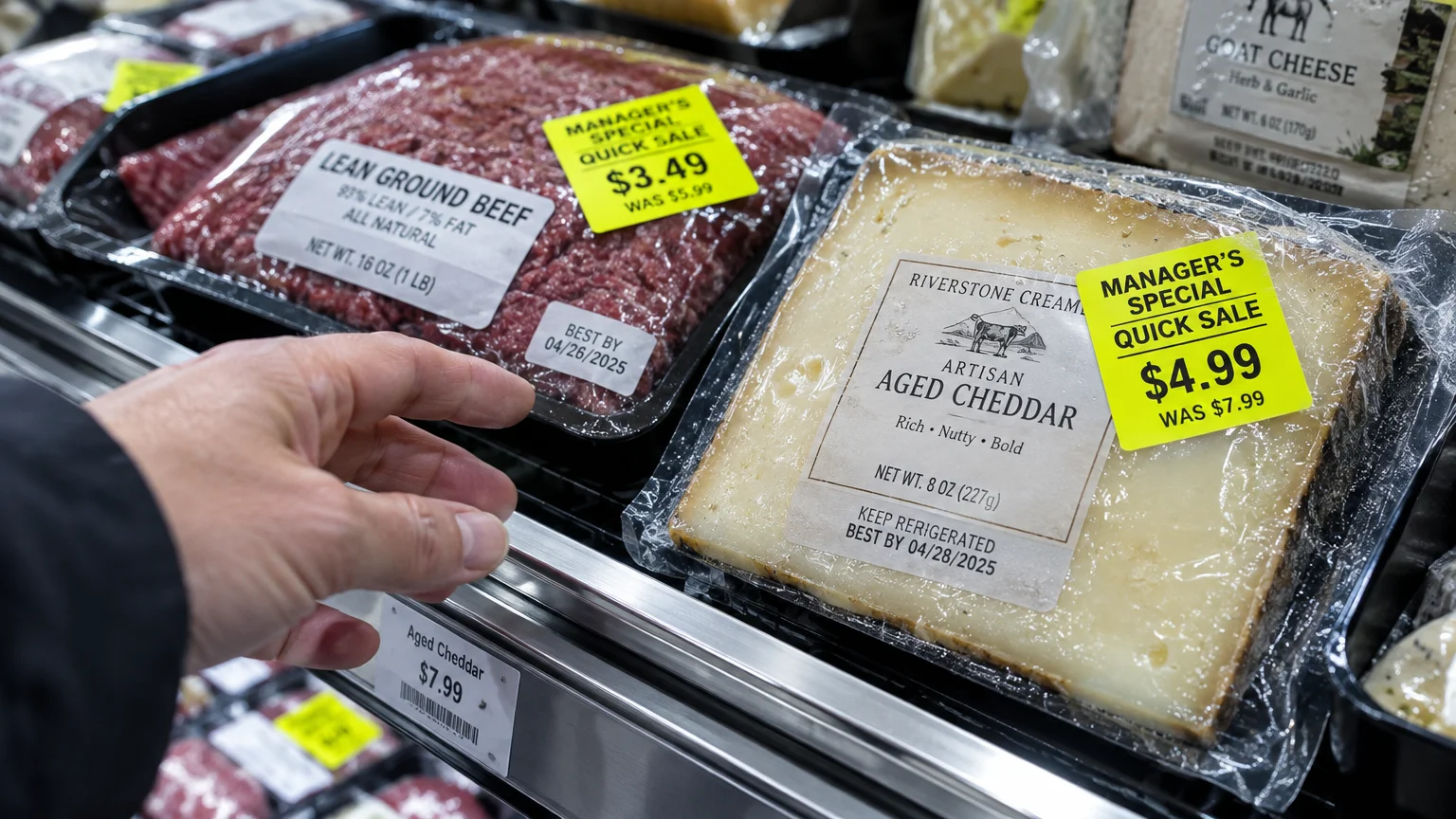
These marked-down foods do not sit in central meat or dairy displays. Managers concentrate them in dedicated wire baskets or dedicated lower shelves at the edge of refrigerated cases.
Look for distinct yellow, orange, or neon tags indicating immediate manager markdowns. You will routinely find high-grade steaks, poultry, and specialty cheeses marked down by 30% to 50%.
The quality remains exceptional if you cook the food that day or freeze it immediately. Freezing meat purchased at half price slashes your monthly grocery bill significantly.
Visit the grocery store early in the morning, between 7:30 a.m. and 9:00 a.m. That is when department managers finalize overnight inventory reductions and affix fresh markdown stickers.
Check the outer edges of the seafood counter and deli case as well. Delis routinely discount gourmet cheeses and prepared meals right before restocking fresh batches.
Pairing grocery clearance finds with freezer meal prep is one of our favorite shopping tips. You eat premium proteins while spending a fraction of standard grocery totals.
Tip #8: Customer Service Desks and Open-Box Nooks
Consumer return rates continue to climb, leaving retailers with massive piles of opened merchandise. Processing and reshipping these items back to corporate distribution centers costs companies substantial money.
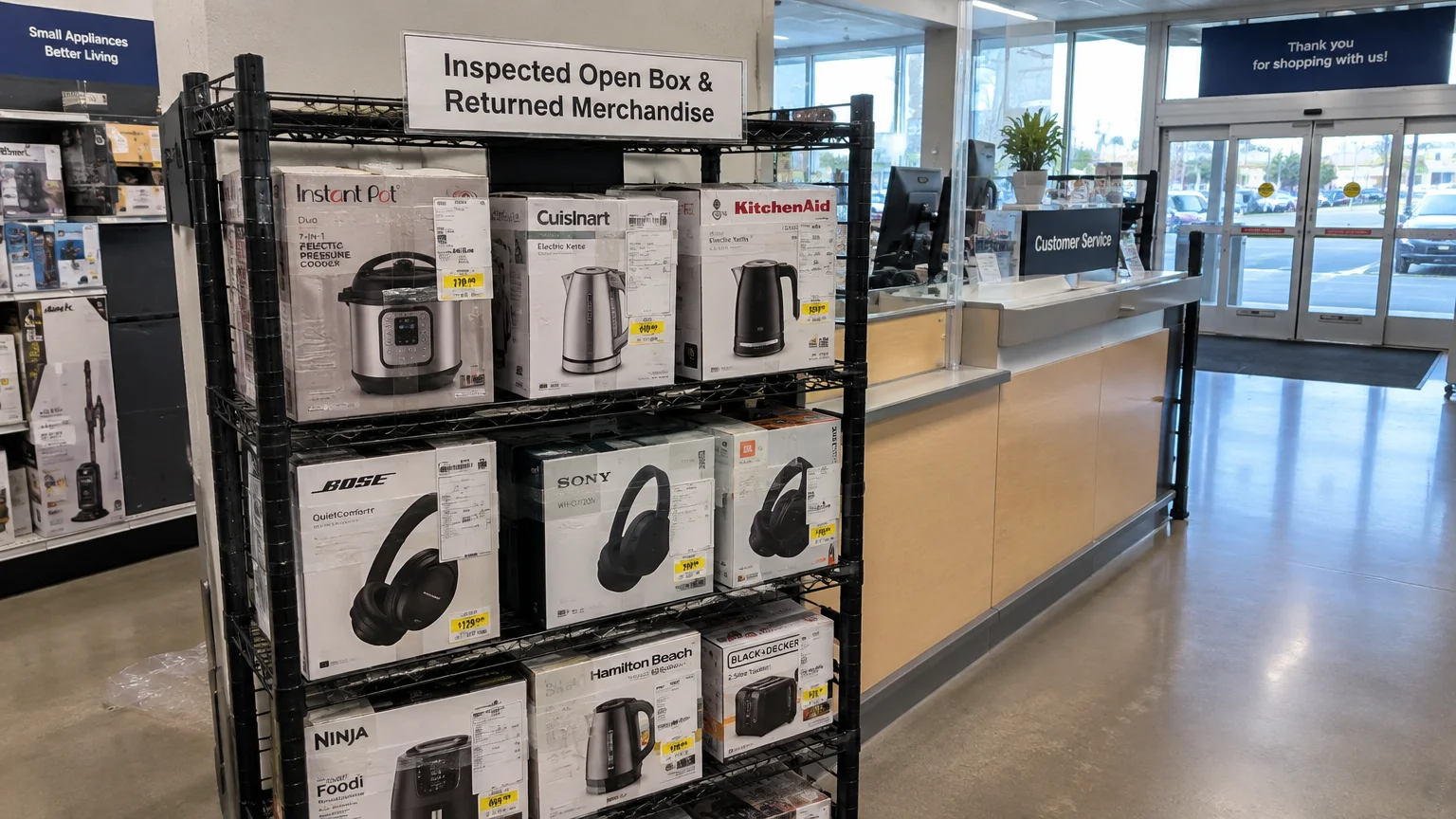
Retailers prefer selling returned goods in-store rather than paying reverse logistics fees. They frequently group open-box items near customer service or inside electronics clearance cages.
Look for small tables, wire cages, or lower shelves designated for verified customer returns. You can snag small appliances, power tools, and smart devices for 20% to 50% below sticker price.
Inspect the packaging carefully and ask associates if manufacturer warranties still apply. Major retailers generally guarantee that open-box goods meet original operational standards.
Do not hesitate to ask a store supervisor for an additional discount on open-box goods. If packaging shows minor cosmetic blemishes, managers often shave off another 10% on the spot.
Floor managers possess discretionary pricing power on returned inventory because corporate systems incentivize rapid turnover. A polite conversation with a manager frequently unlocks instant extra savings.
Checking the open-box section first should always precede purchasing any high-ticket household good. That single stop can shave fifty to two hundred dollars off your receipt.
Tip #9: Bottom Dump Bins Near Checkout Lanes
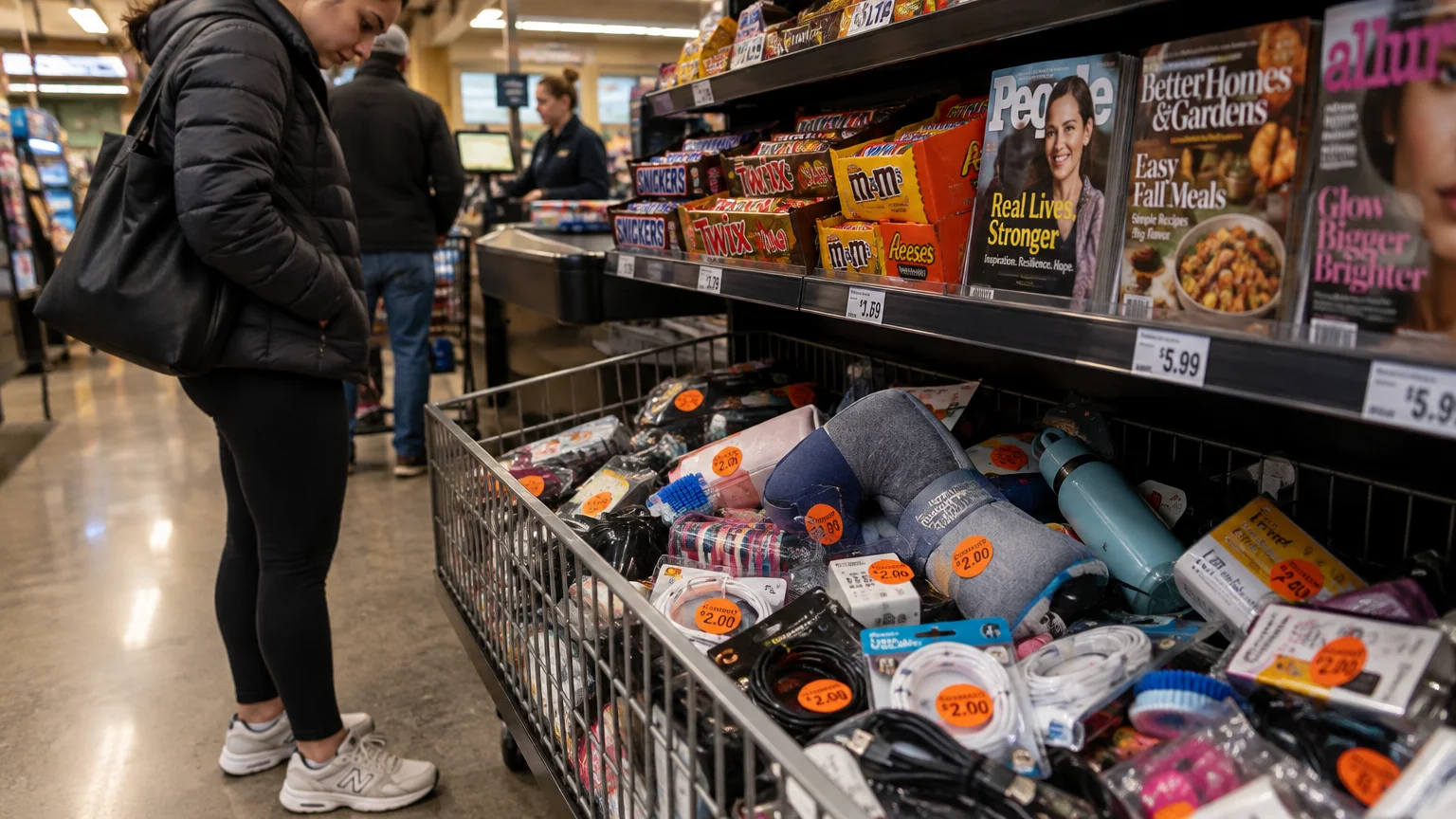
Checkout lanes are notorious for impulse marketing designed to extract your loose cash. Retailers line eye-level shelves with candy, chilled beverages, and overpriced novelty goods.
Look down toward the floor in front of the registers instead. You will find small plastic or metal dump bins filled with discontinued clearance items.
These bins contain discontinued cosmetics, phone accessories, and leftover seasonal goods. Managers place them there to purge stubborn single-unit inventory during busy checkout queues.
Because these items are priced to move immediately, discounts often reach 70% or more. The store simply wants to recover floor space without shipping items to salvage liquidators.
Check register bins in apparel stores, office supply depots, and big-box pharmacies. You can find durable accessories, stationery, and travel supplies for under two dollars.
Impulse dump bins often contain overstocked health and beauty items with months of shelf life left. Scanning the bottom containers can yield travel toiletries for pennies on the dollar.
Ignore the candy and soda at your eye line and scan the floor bins instead. You will walk away with genuine utility rather than overpriced sugar.
The Bottom Line: What This Means for Your Wallet
Retailers invest billions into store architecture designed to steer your spending toward full-price items. They count on you walking predictable paths, glancing at eye-level displays, and paying premium retail prices.
Reclaiming your purchasing power starts by defying standard retail choreography. When you actively hunt for hidden store deals, you dictate your own prices.
Checking perimeter walls, bottom shelves, and reverse endcaps takes only five extra minutes per trip. Over the course of twelve months, those five minutes yield thousands in cumulative savings.
Track your clearance savings on your store receipts to see the actual math add up. You will quickly realize that retail sticker prices are merely opening suggestions for unprepared shoppers.
Retailers rely on passive habits to maximize corporate profit margins. Adopting an active scanning strategy puts you firmly in control of your household budget.
Arm yourself with patience, keep your eyes moving, and never settle for eye-level merchandise. Smart spending is a disciplined habit that consistently pays real cash dividends.
Frequently Asked Questions
How can you tell if a clearance tag indicates a final markdown?
Retail price tags contain encoded clearance patterns that reveal markdown stages. Many major retailers end their markdown sequences in distinct digits like .97, .88, or .00 to signify rock-bottom pricing.
Scan the tag using the retailer’s official mobile app to verify current inventory status. The digital app scanner frequently displays true bottom-dollar prices before physical tags are replaced.
What day of the week is best for finding hidden store deals?
Midweek mornings—especially Tuesday through Thursday—offer the best markdown opportunities. Store teams execute corporate price changes during these slower business days rather than on crowded weekends.
Shop before noon to catch fresh clearance stickers before weekend crowds clear out the shelves. You will encounter fully stocked markdown sections and shorter checkout lines.
Can you negotiate prices on damaged packaging or open-box goods?
Floor managers retain discretionary markdown authority to move compromised goods quickly. If you spot torn packaging or superficial scratches on an item, politely ask for an additional manager discount.
Requesting an extra 10% to 15% markdown rarely gets rejected on open-box inventory. Stores want damaged merchandise gone immediately to free up valuable shelf capacity.
Are items found on clearance shelves eligible for store returns?
Most standard clearance items follow the retailer’s regular return policy unless marked as final sale. Always check the printed receipt or posted store signage before completing your purchase.
If an item is marked final sale, examine the physical product thoroughly before paying. Make sure all essential cables, accessories, and components remain intact inside the package.
For consumer protection information, visit the Federal Trade Commission (FTC) and the Consumer Financial Protection Bureau (CFPB). For product safety and reviews, consult Consumer Reports.
Disclaimer: This article is for informational purposes only and does not constitute financial advice; the content reflects the author’s opinion and research at the time of writing. Always do your own research before making financial decisions.