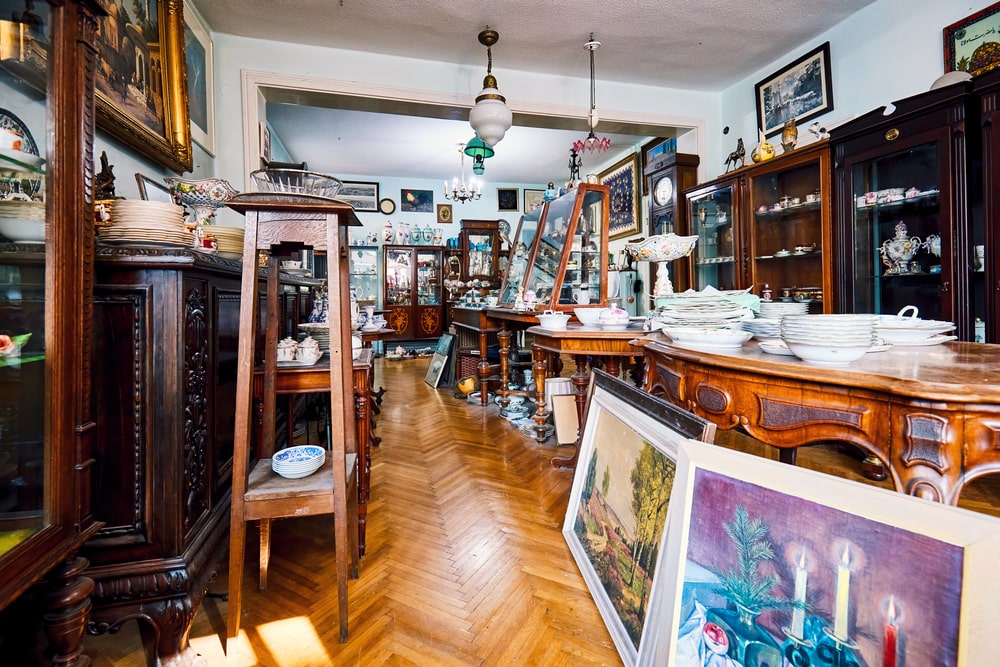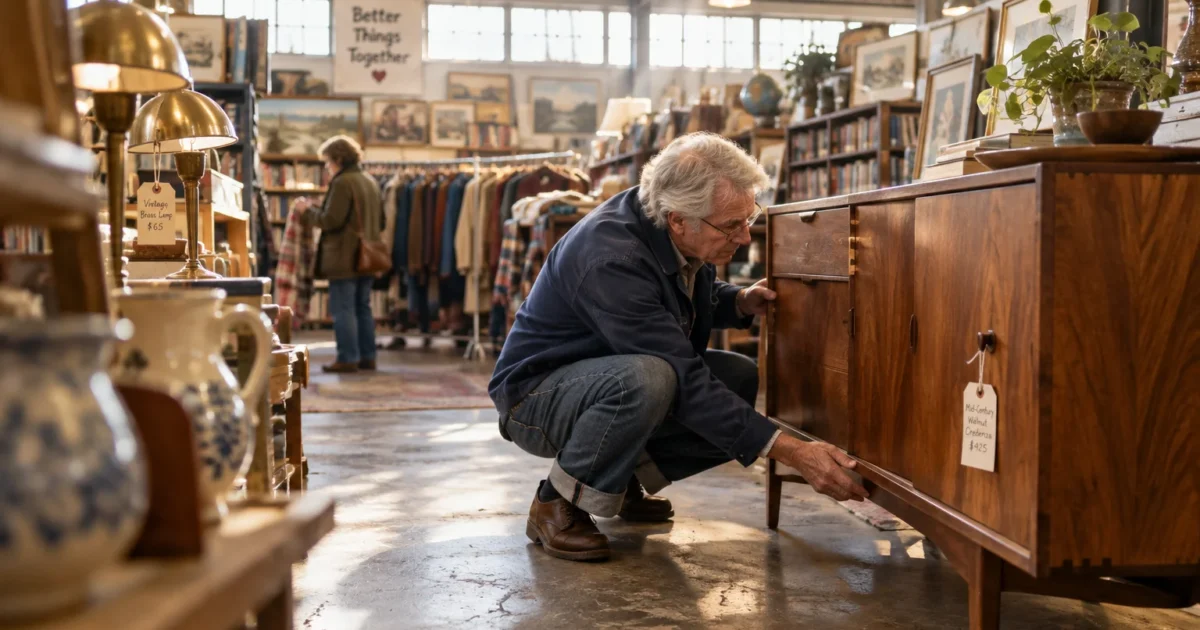
Retirees on a fixed income stretch their dollars by ditching big-box retail markups and hitting local thrift store aisles. You can cut household spending in half while acquiring goods built to last decades longer than modern throwaway products.
Smart shoppers bypass cheap clutter to hunt for underpriced gems hiding in plain sight. They know exactly which materials hold enduring value and which secondhand bargains yield immediate utility.
Knowing what to buy at thrift stores transforms casual secondhand browsing into a reliable wealth-preservation strategy. Mastering these valuable thrift items protects your nest egg without sacrificing your everyday quality of life.
Tip #1: Solid Wood Furniture
Modern big-box stores charge steep prices for flat-pack dressers made of compressed sawdust and chemical glue. These veneer items bow under weight, peel in humid climates, and end up in landfills within years.
Frugal retirees head directly to the furniture floor for authentic solid oak, maple, walnut, and cherry pieces. These vintage builds feature master carpentry that will easily survive another two generations of daily use.
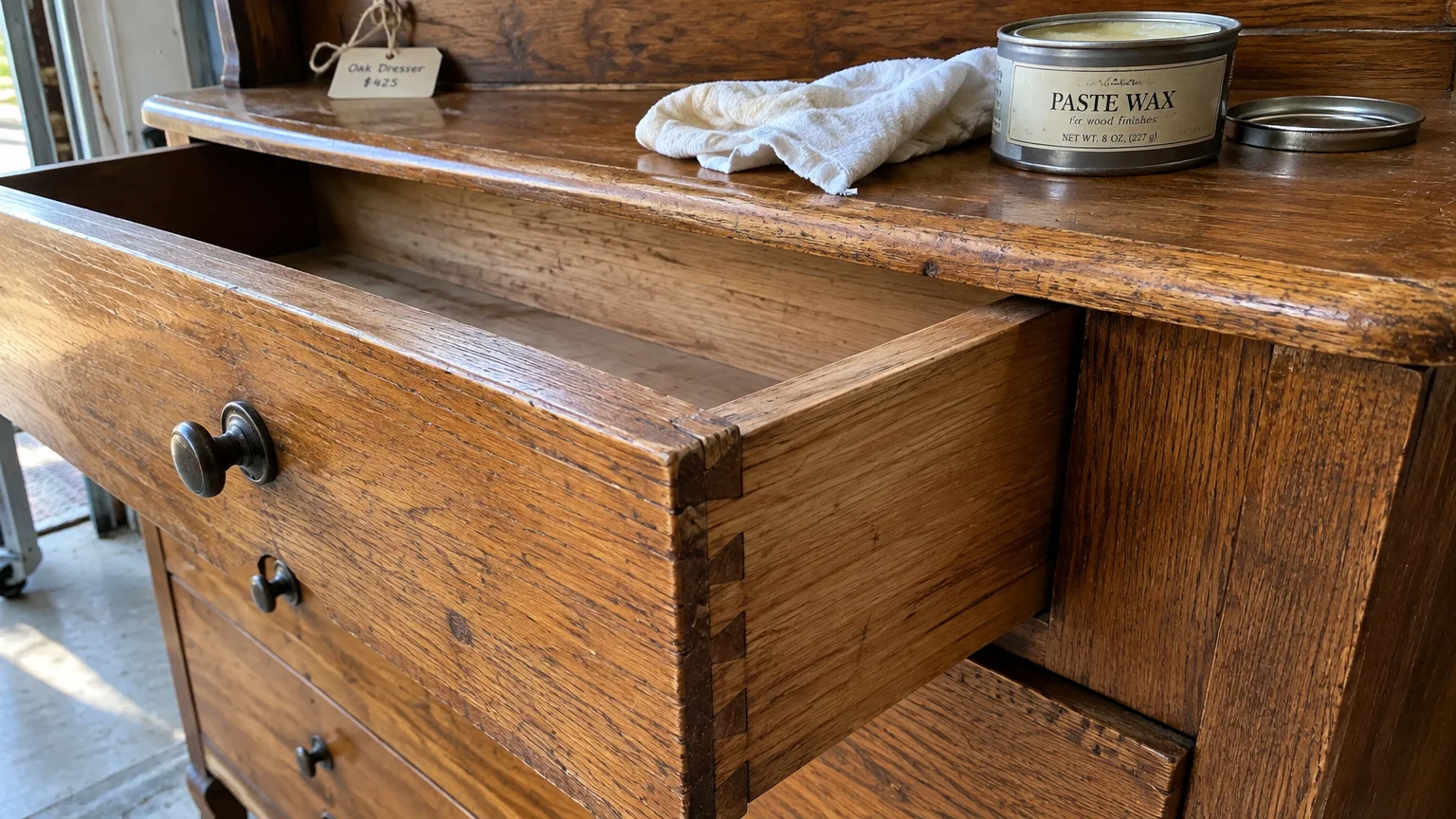
Always pull out the drawers before you evaluate the price tag. Look for interlocking dovetail joints along the drawer corners rather than weak metal staples or glued butt joints.
Inspect the rear panels and the base underneath the piece. Real wooden backboards prove high structural integrity, while thin cardboard backing or flimsy composite boards indicate budget manufacturing.
Do not let minor surface scuffs or dull finishes scare you away from heavy timber. A quick rub with mineral spirits followed by paste wax erases decades of grime and restores deep wood luster.
You can furnish an entire guest room for the price of a single mass-market composite nightstand. That preserves your hard-earned retirement savings while elevating your home with timeless character.
Avoid pieces with warped tops, deep water rings, or structural splits along the legs. Simple refinishing projects pay off immediately, but extensive structural reconstruction rarely justifies your valuable retirement time.
Solid wood side tables, desks, and bookcases hold their value indefinitely. If you decide to downsize later, you can easily resell these sturdy pieces for what you paid.
Tip #2: Vintage Cast-Iron Cookware
Department stores sell nonstick frying pans coated with synthetic chemical films that scratch and peel within three years. Replacing short-lived cookware repeatedly drains your monthly kitchen budget and creates unnecessary household waste.
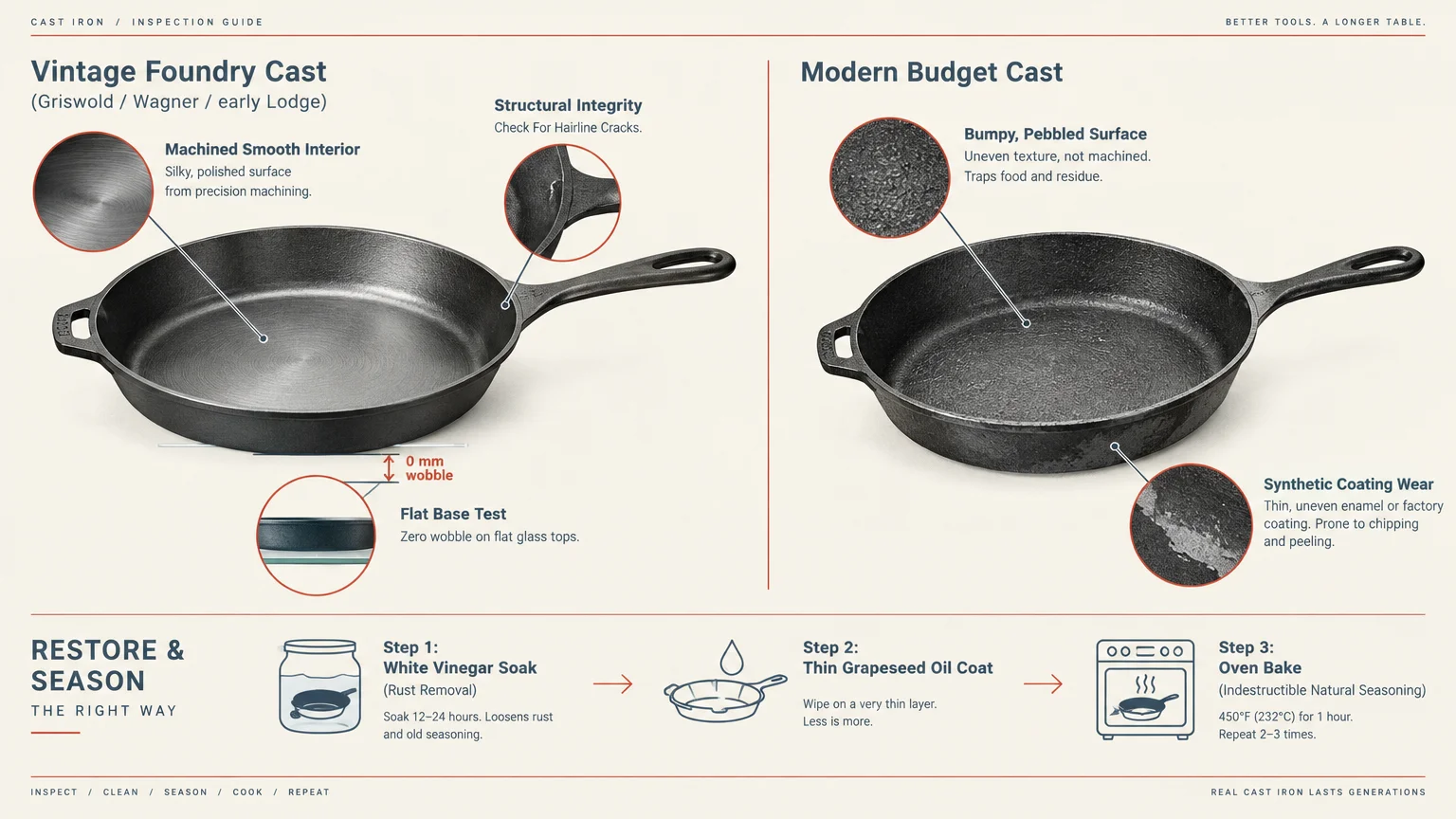
Savvy retirees head straight for the cookware racks to hunt down vintage cast-iron skillets and Dutch ovens. Vintage pans from American foundries like Griswold, Wagner, and early Lodge outperform modern budget cookware by miles.
Feel the interior cooking surface with your bare fingertips before buying. Early twentieth-century foundries machine-polished their iron smooth, unlike the bumpy, pebbled texture found on modern budget pans.
Thick black carbon buildup and orange surface rust should never discourage you from purchasing an old skillet. A simple soak in a white vinegar solution strips away rust and restores bare metal effortlessly.
Set the skillet on a flat store shelf and press the edges to check for rocking. A warped base will not cook evenly on modern glass-top ranges, making a flat pan essential.
Look closely along the sidewalls and handle junction for hairline cracks. Thermal shock can crack cast iron, and damaged cookware cannot safely hold hot cooking oil.
Apply a thin coat of grapeseed oil and bake the cleaned pan to create an indestructible natural seasoning. You gain an heirloom-quality nonstick skillet that will last longer than any modern alternative.
Vintage cast iron retains heat exceptionally well, which reduces the burner flame required to cook dinner. That minor thermal efficiency lowers your gas or electric utility costs over time.

Tip #3: Real Hardcover Books and First Editions
Brand-new bestsellers and specialized reference hardcovers easily retail for thirty dollars or more in major bookstore chains. Buying new books every month quickly consumes a significant portion of an older adult’s entertainment allowance.
Thrift store book sections provide an endless supply of premium reading material at a ninety percent discount. You can stock your personal library with definitive gardening encyclopedias, military histories, and literary masterworks for loose change.
Open the book to the copyright page to examine the publisher print line. Publishers denote true first editions with a complete descending number string that includes the numeral one.
Inspect the condition of the dust jacket and the binding integrity before paying. Clean dust jackets, tight spine stitching, and sharp cover corners preserve both your reading pleasure and potential resale value.
Steer clear of ex-library copies covered in sticky plastic tape and internal barcode stamps. Heavy pen markings, broken spines, and loose pages destroy collector interest and ruin your reading experience.
High-quality hardcovers make wonderful, thoughtful gifts for grandchildren, lifelong friends, and fellow club members. You curate a sophisticated personal library while keeping your recreation spending capped at just a few dollars.
Keep your smartphone open to check auction values for out-of-print technical manuals and signed memoirs. Valuable thrift items hide among ordinary paperback fiction, waiting for someone who knows what to look for.
Passing down beautifully bound classic literature gives younger generations tangible treasures they can cherish forever. That turns an inexpensive afternoon hobby into a meaningful family legacy.
Tip #4: High-End Wooden Picture Frames
Custom framing studios charge staggering prices that frequently exceed two hundred dollars for a single medium frame. Modern discount stores offer cheap plastic moldings that scratch easily, look gaudy, and bend under basic handling.
Thrift store art sections overflow with sturdy, decorative frames donated by downsizing households and estate liquidators. Savvy retirees disregard the dated or generic print inside and focus entirely on the quality of the frame.
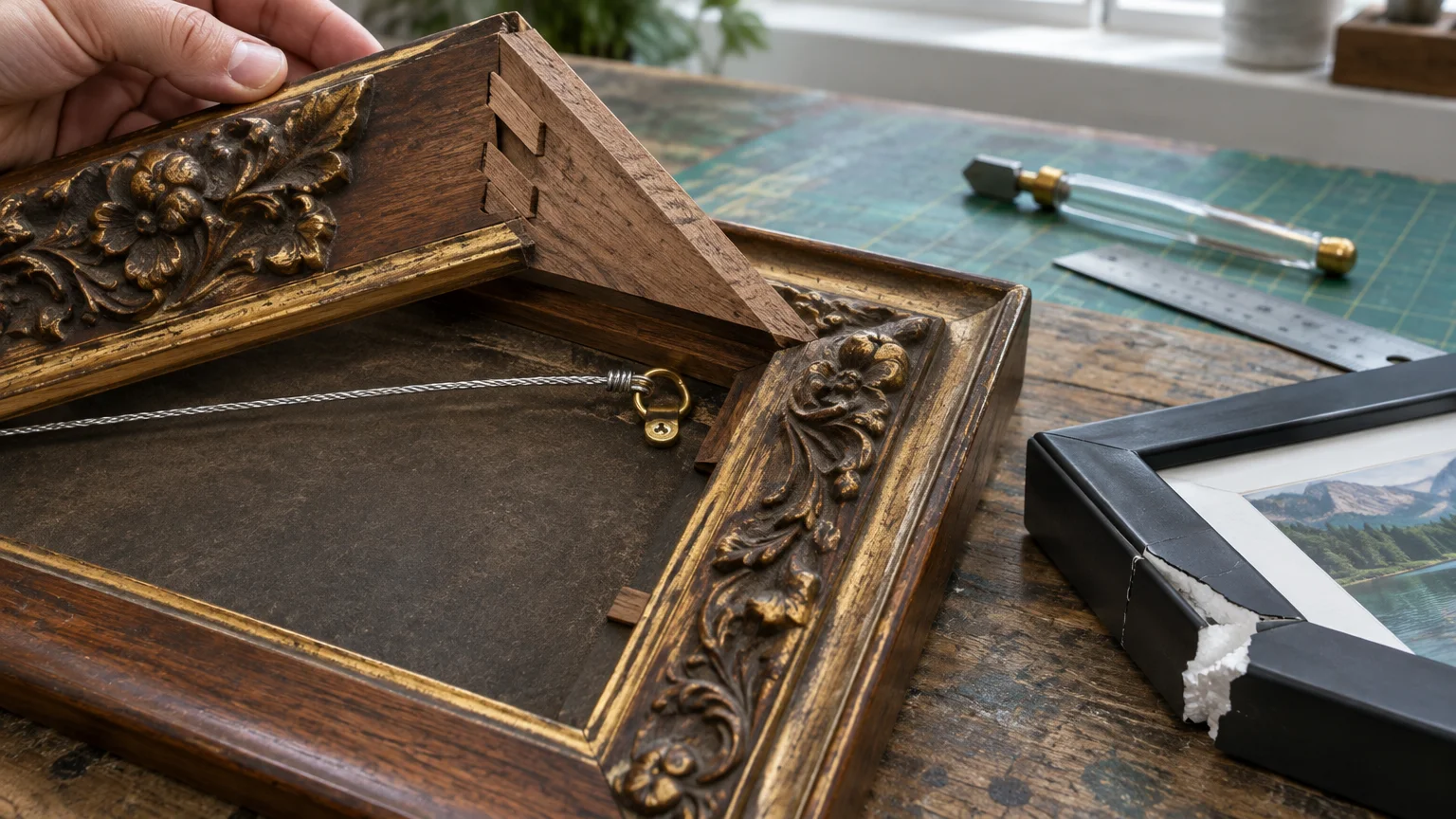
Touch the molding and check the back edges to confirm you are holding genuine carved timber. Solid wood construction provides lasting structural rigidity and accepts stains, oils, or fresh coats of gilding wax.
Turn the frame over to inspect all four mitered corner joints for tightness and alignment. Avoid frames with loose corners or separated seams, because re-clamping molded woodwork requires specialized corner clamps.
Ensure the frame contains real glass rather than flimsy, cloudy acrylic sheets. Authentic glass resists scratch marks, cleans spotless with ordinary vinegar spray, and showcases delicate art with optimal optical clarity.
Remove the backing board at home and insert family portraits, original watercolor paintings, or vintage transit maps. A ten-minute cleaning routine converts a four-dollar thrift store find into custom gallery-worthy home decor.
Common dimensions like eight-by-ten and eleven-by-fourteen appear constantly in thrift bins. Building an inventory of these standard frames ensures you never have to pay full price for home decorating.
You can assemble an entire gallery wall along your hallway for less than twenty dollars. That leaves your decorating budget intact while transforming your living spaces with elegant custom woodwork.
Tip #5: Quality Glassware and Crystal Stemware
Modern supermarket glassware features thick, unsightly mold lines, cloudy glass mixtures, and brittle rims that chip easily. Spending hard-earned money on fragile modern tableware is an avoidable financial drain for retirees.
Thrift store aisles regularly hold high-end lead crystal and heavy cut glass donated during whole-house cleanouts. You can assemble an exquisite entertaining collection for less than the cost of basic department store glasses.
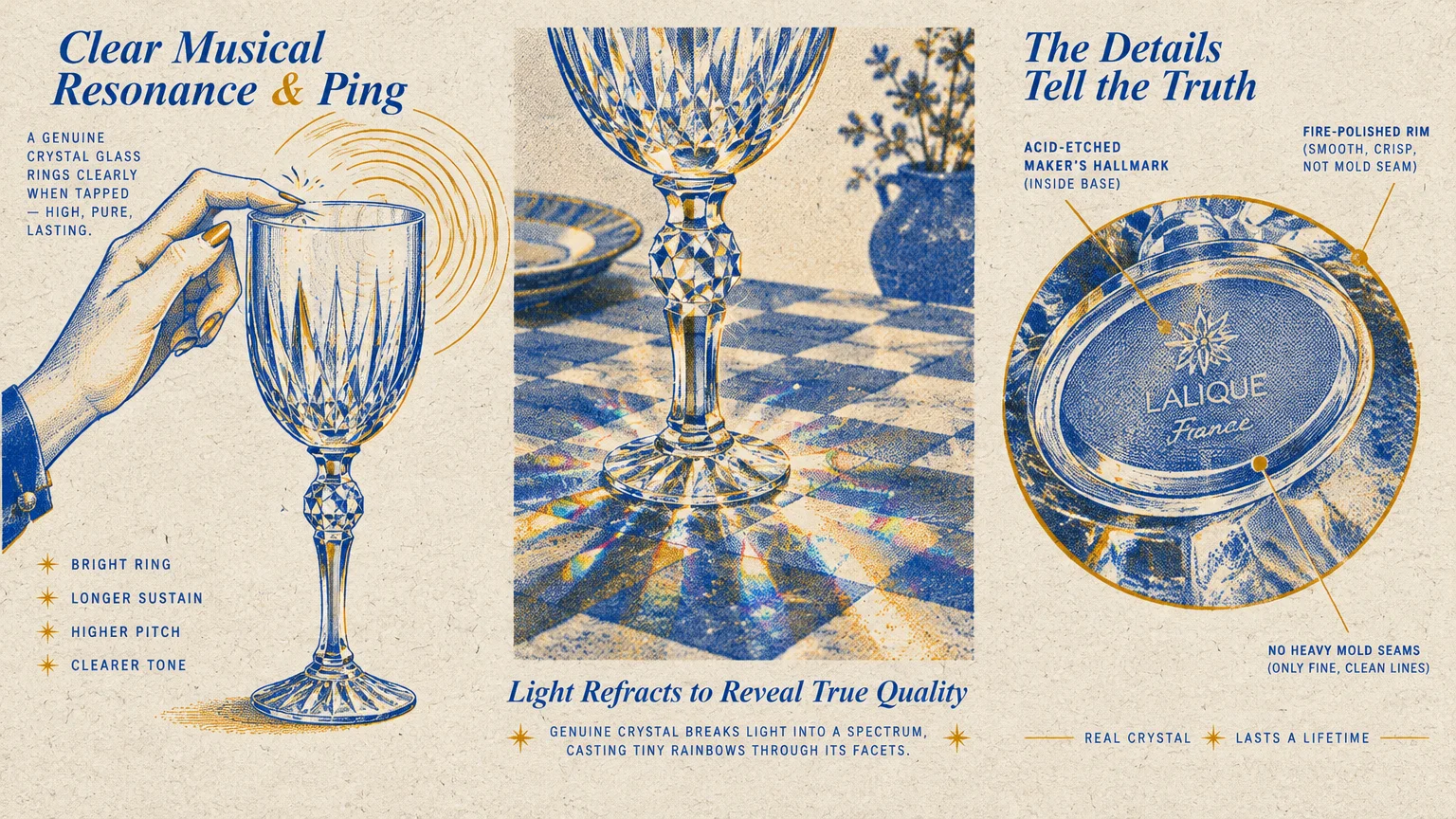
Flick the rim of a clear goblet gently with your index fingernail. Real lead crystal produces a clear, sustained musical chime, whereas cheap modern soda-lime glass emits a flat, dull clunk.
Hold the base up toward overhead lights to search for fine etched maker marks. Heritage brands like Waterford, Baccarat, and Fostoria etch subtle signatures that verify top-tier craftsmanship and strong secondary collector value.
Glide your finger along the rim to detect hidden glass chips or abrasive fractures. Never purchase glassware with damaged edges, as chipped rims present an immediate safety hazard and cannot be repaired.
Look for colorful mid-century glassware, including depression-era amber, forest green, and cobalt blue pieces. These vintage pieces infuse your dining table with distinctive character while retaining their value among passionate collectors.
Clean your vintage glassware using warm water, gentle soap, and a soft microfiber towel. Hand-washing preserves the brilliant fire and clarity of authentic crystal without risking harsh dishwasher etching.
Entertaining family with sparkling vintage stemware turns every casual meal into an occasion. You achieve timeless elegance on your dining table without touching your retirement principal.
Tip #6: Durable Hand Tools and Gardening Implements
Modern home improvement retailers fill their shelves with hand tools cast from brittle pot metal and weak plastics. Budget garden trowels and slip-joint pliers frequently bend or strip when subjected to real mechanical torque.
Older utility tools found in thrift bins were forged from heat-treated high-carbon steel designed for heavy trades. Retirees who enjoy maintaining flowerbeds or tinkering in workshops can secure dependable equipment for pocket change.
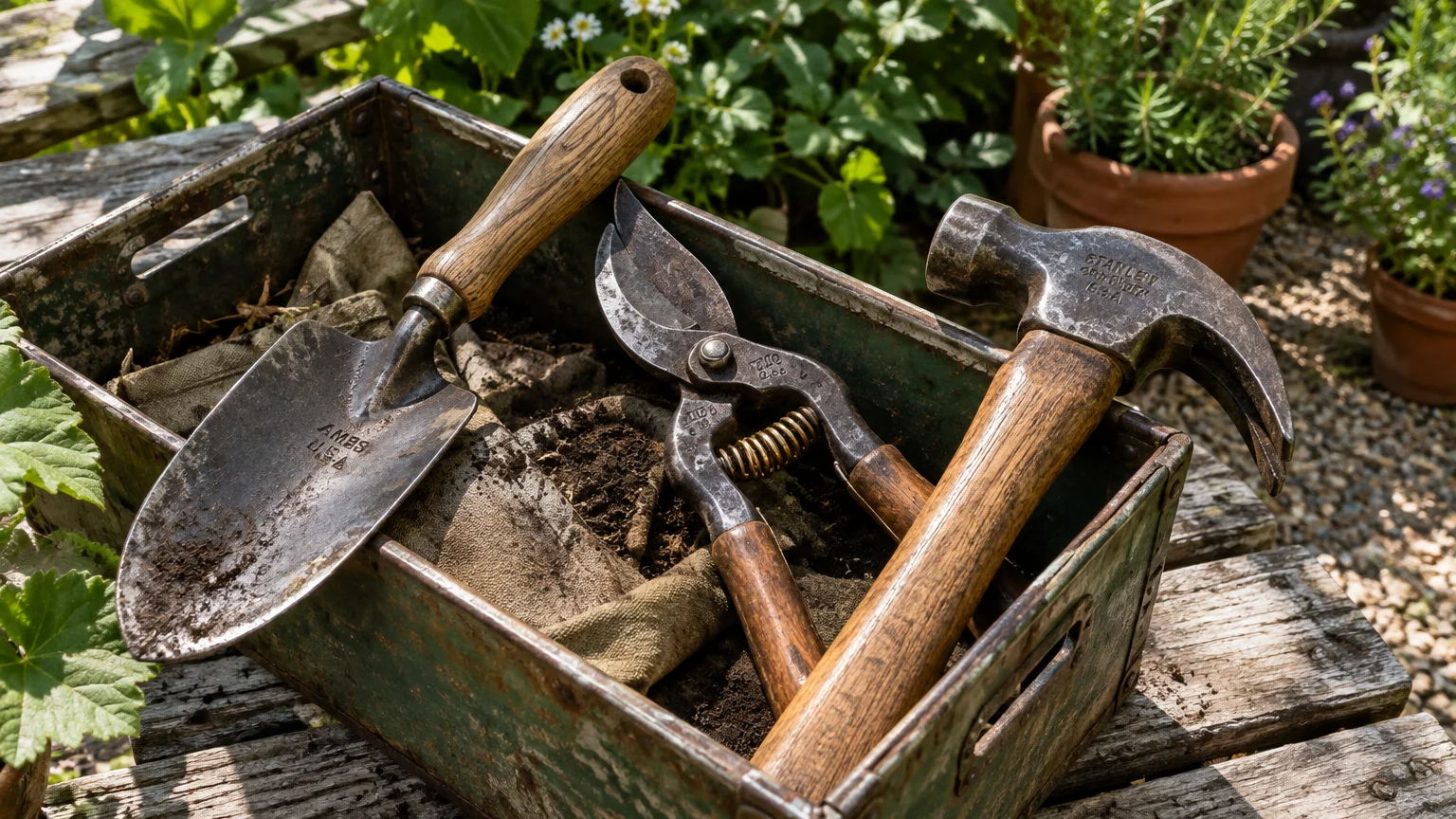
Look for stamped brand names from iconic American tool manufacturers like Craftsman, Stanley, Plumb, and True Temper. These legacy stampings indicate forged metalwork that far exceeds the durability of cheap modern imports.
Check the wood grain on hammer and pruner handles to ensure the ash or hickory remains solid. Skip tools with deep structural splits, but embrace handles that merely need light sanding and boiled linseed oil.
Check the cutting blades of hedge shears, pruning loppers, and utility chisels. Dull or nicked steel edges sharpen back to razor precision in minutes using a simple abrasive sharpening stone.
Steer clear of power tools with cracked plastic casings, missing safety shields, or frayed power cords. Manual hand implements provide safer operation, zero fire risks, and dependable mechanical function for decades to come.
Scrub off surface grime with a wire brush and wipe the bare metal with light machine oil. You walk out with industrial-strength garden and shop tools at ninety percent below retail pricing.
High-grade vintage hand tools will last through your retirement years and remain fully functional for your children. You invest pennies in lifetime utility rather than repurchasing throwaway modern plastic gadgets.
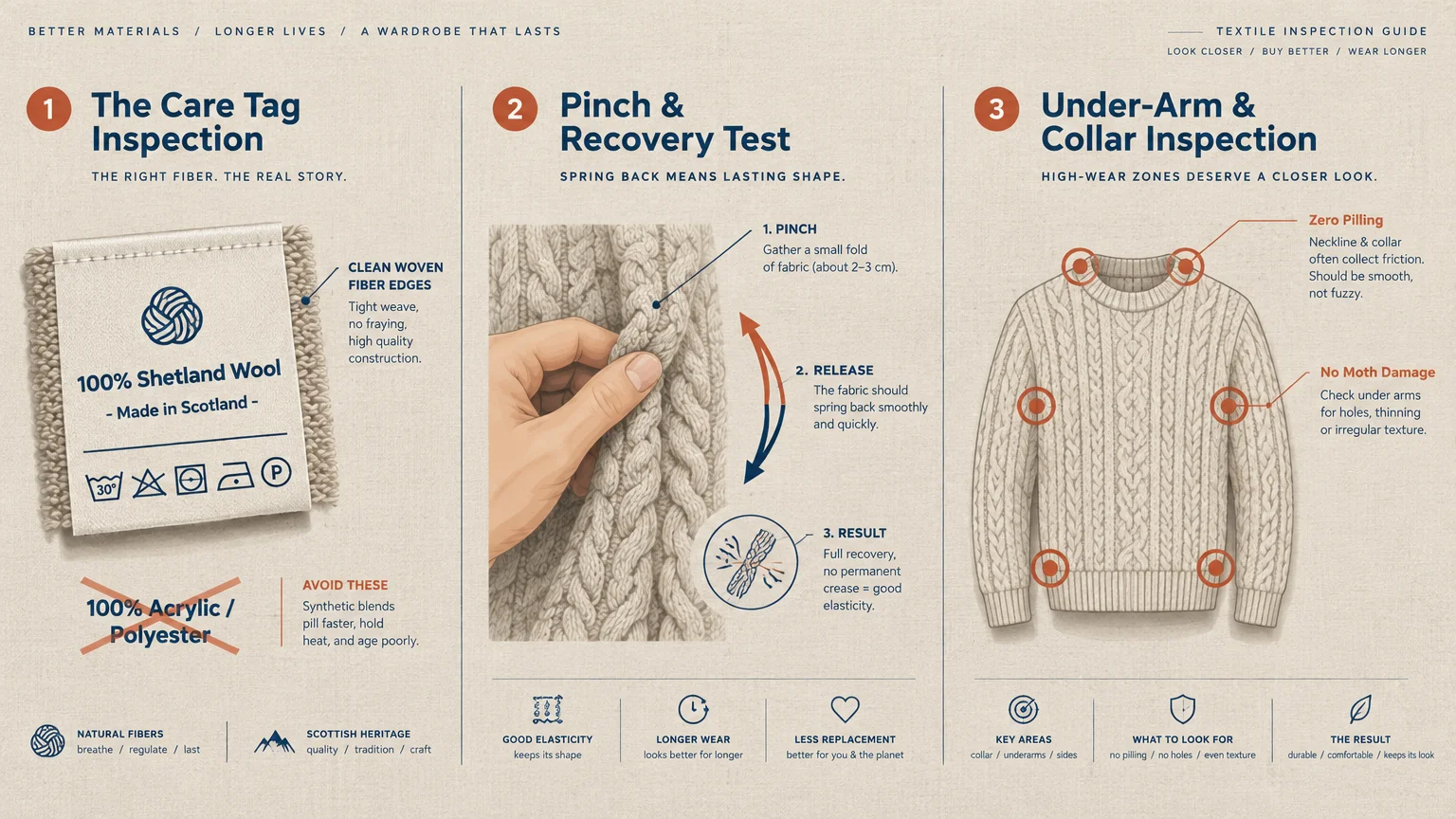
Tip #7: Natural Fiber Clothing and Wool Sweaters
Mainstream clothing stores charge absurd markups for garments made primarily of polyester, acrylic, and rayon. These synthetic materials pill after a few washes, retain stubborn body odors, and fail to insulate properly in cold weather.
Frugal retirees head straight toward the secondhand apparel racks to find luxurious natural fibers. You can discover incredible secondhand bargains in merino wool, pure cashmere, breathable linen, and heavyweight cotton for five dollars each.
Locate the small fabric content label stitched into the inner side seam before admiring the garment design. Always prioritize garments made of one hundred percent natural fibers over synthetic fabric blends.
Hold wool knitwear up to the store lighting to inspect for microscopic moth pinholes. Check the collar, cuffs, and underarms for heavy yellow staining, fabric fraying, or stubborn deodorant buildup.
Test the elasticity of the hem and wrist cuffs by stretching them gently. Superior knitwear snaps back into shape immediately, whereas worn-out garments stay stretched and limp.
Watch for heritage garment labels hailing from Ireland, Scotland, England, and Italy. These international textile mills maintain exacting spinning standards that guarantee exceptional thermal insulation and long-term durability.
Wash secondhand wool and cashmere at home in cold water with gentle detergent before laying flat to dry. Proper care protects your natural fiber wardrobe, keeping you warm while lowering your winter thermostat settings.
Building a capsule wardrobe of high-grade natural fibers elevates your daily comfort and personal style. You bypass retail apparel markups completely while acquiring luxury garments built to endure.
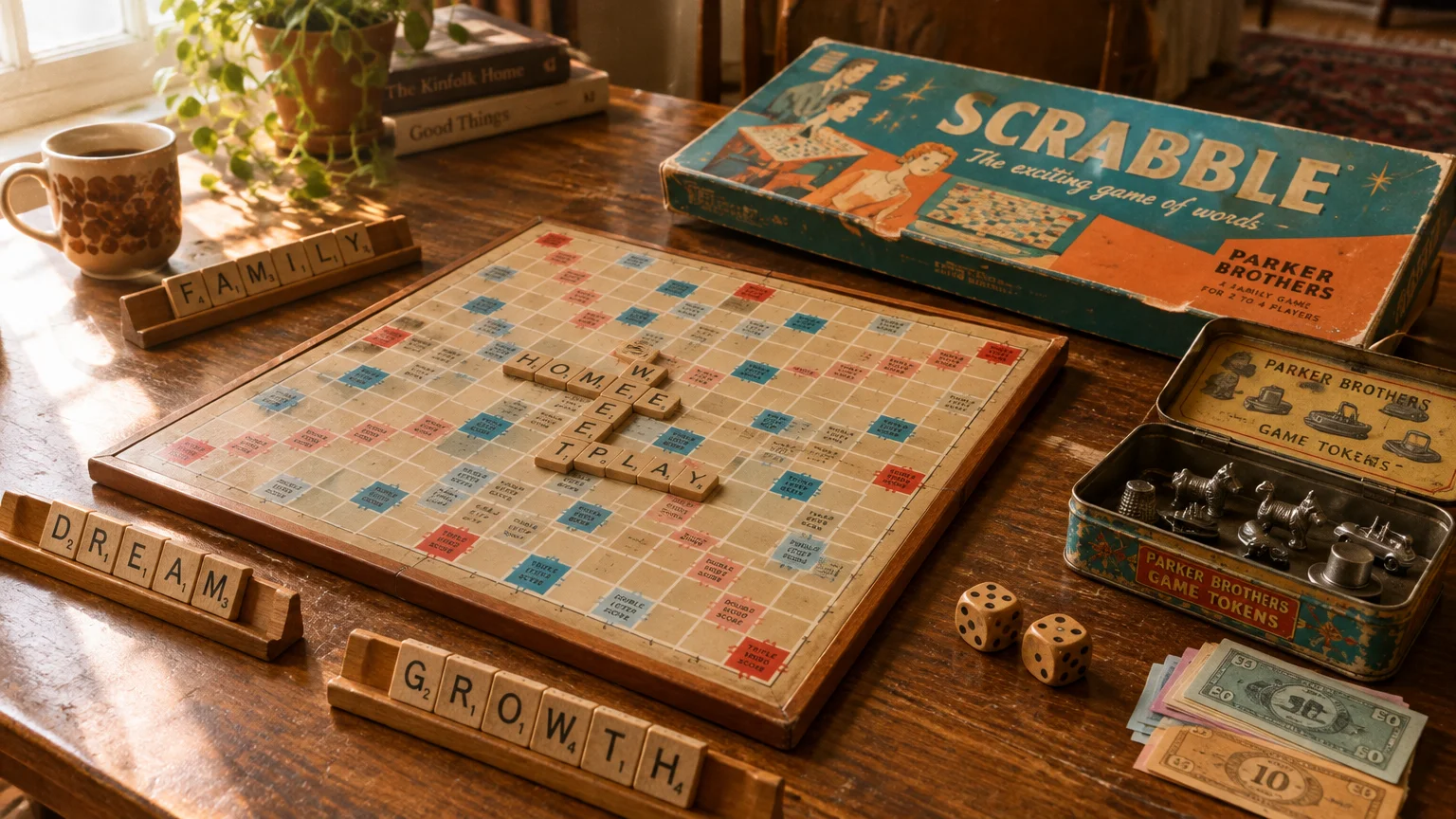
Tip #8: Board Games, Puzzles, and Classic Entertainment
Entertaining visiting grandchildren and friends can quietly drain your discretionary budget if you purchase new commercial games. Modern boxed games easily cost forty dollars each, yet they feature thin paper boards and hollow plastic parts.
Secondhand store entertainment shelves hold hundreds of classic board games, jigsaw puzzles, and wooden domino sets. Smart retirees pick up timeless family activities for the price of a cup of coffee.
Open the game box right in the store aisle to inspect the playing board and token compartments. Verify that key movement tokens, specialized dice, spinners, and printed rulebooks are intact before purchasing.
Seek out jigsaw puzzles that are factory-sealed in their original cellophane or taped shut with internal plastic bags. A puzzle missing its final border piece creates intense frustration, so factory-sealed copies ensure complete sets.
Look for vintage wooden editions of classic family favorites like Scrabble, chess, backgammon, and cribbage. Vintage editions feature weighted wooden playing tiles and solid wood cabinets that outshine modern disposable cardboard.
Avoid electronic tabletop games with dead battery compartments that show crusty green battery acid corrosion. Mechanical tabletop classics never suffer from depleted batteries, broken sound chips, or software failures.
Store a collection of tabletop games in your guest closet to entertain guests on rainy afternoons. You create memorable, screen-free family moments while keeping entertainment spending near zero.
Classic games also promote strategic thinking and keep cognitive faculties sharp as you age. That makes secondhand board games an outstanding, low-cost investment in your mental agility and social life.
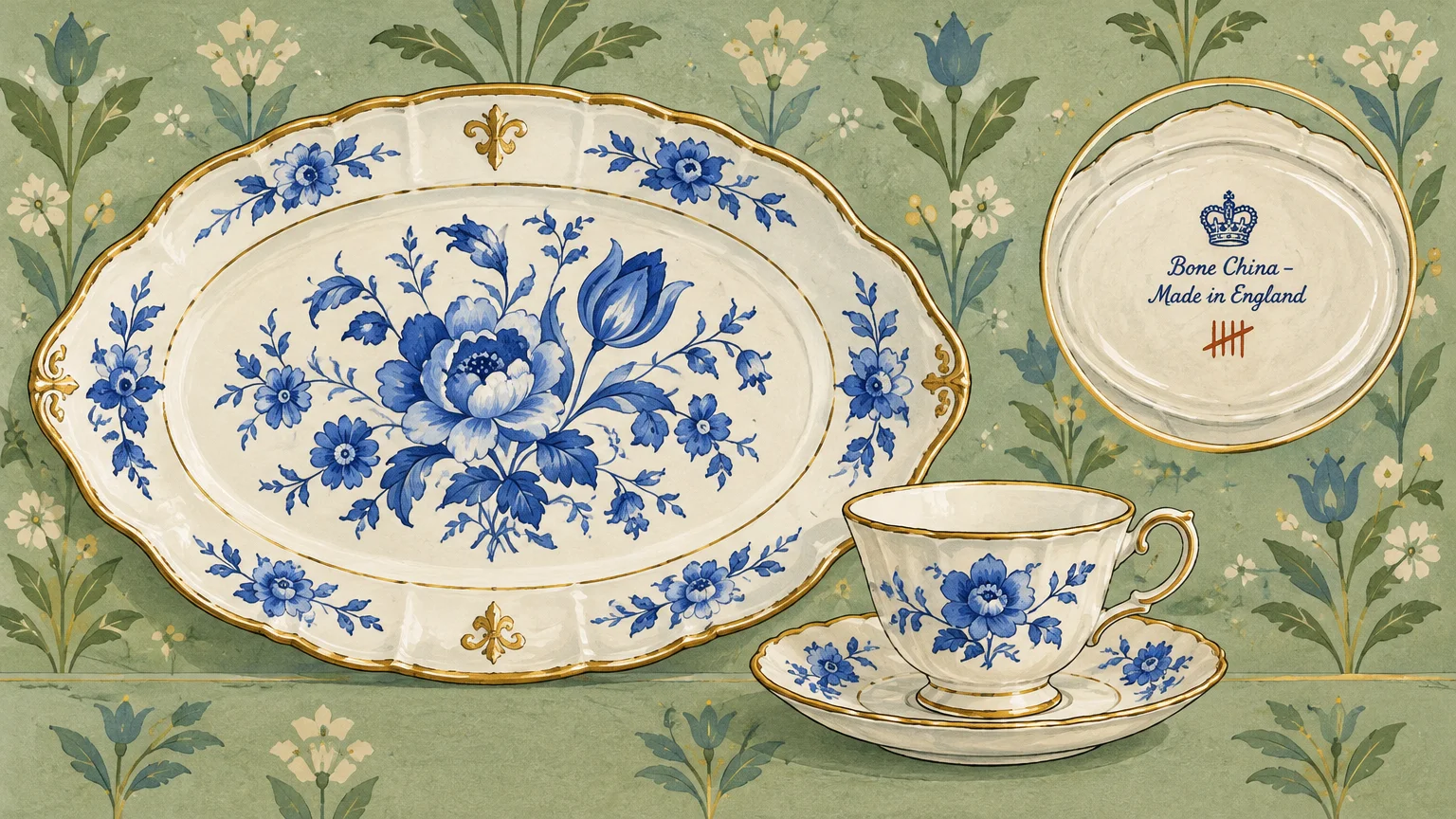
Tip #9: High-End China and Ceramic Serving Dishes
Contemporary interior trends have led many younger households to donate traditional wedding china and formal ceramic platters. This generational clear-out floods thrift stores with exquisite fine bone china, porcelain, and durable ironstone serving dishes.
Frugal retirees leverage this market surplus to acquire high-end dinnerware for pennies on the dollar. You can serve holiday dinners on museum-quality tableware without paying hundreds of dollars at luxury department stores.
Turn over every platter and soup bowl to examine the manufacturer backstamp on the base. Look for prestigious heritage brands like Wedgwood, Lenox, Noritake, Royal Doulton, and English ironstone makers.
Glide your thumb along the entire perimeter to check for hidden edge chips or microscopic stress cracks. A quick tap against the side should produce a clean tone rather than a dull, hollow thud.
Inspect the gold or platinum gilt trim along the edge for excessive utensil wear or fading. Well-preserved metallic borders indicate the china sat protected in a display cabinet rather than enduring harsh dishwashers.
Avoid ceramic pieces with heavy surface crazing across the protective clear glaze. Crazed glaze lines allow grease and wash water to soak into the porous clay, posing sanitary issues during meal service.
Incorporate these heavy ceramic platters into your weekly family dinners and holiday buffets. Authentic porcelain holds heat much longer than cheap plastic trays, keeping your hot food warm throughout your gathering.
Replacing cheap plastic dinnerware with durable vintage china brings timeless elegance to your dining table. You upgrade your dining lifestyle while leaving your retirement capital undisturbed.
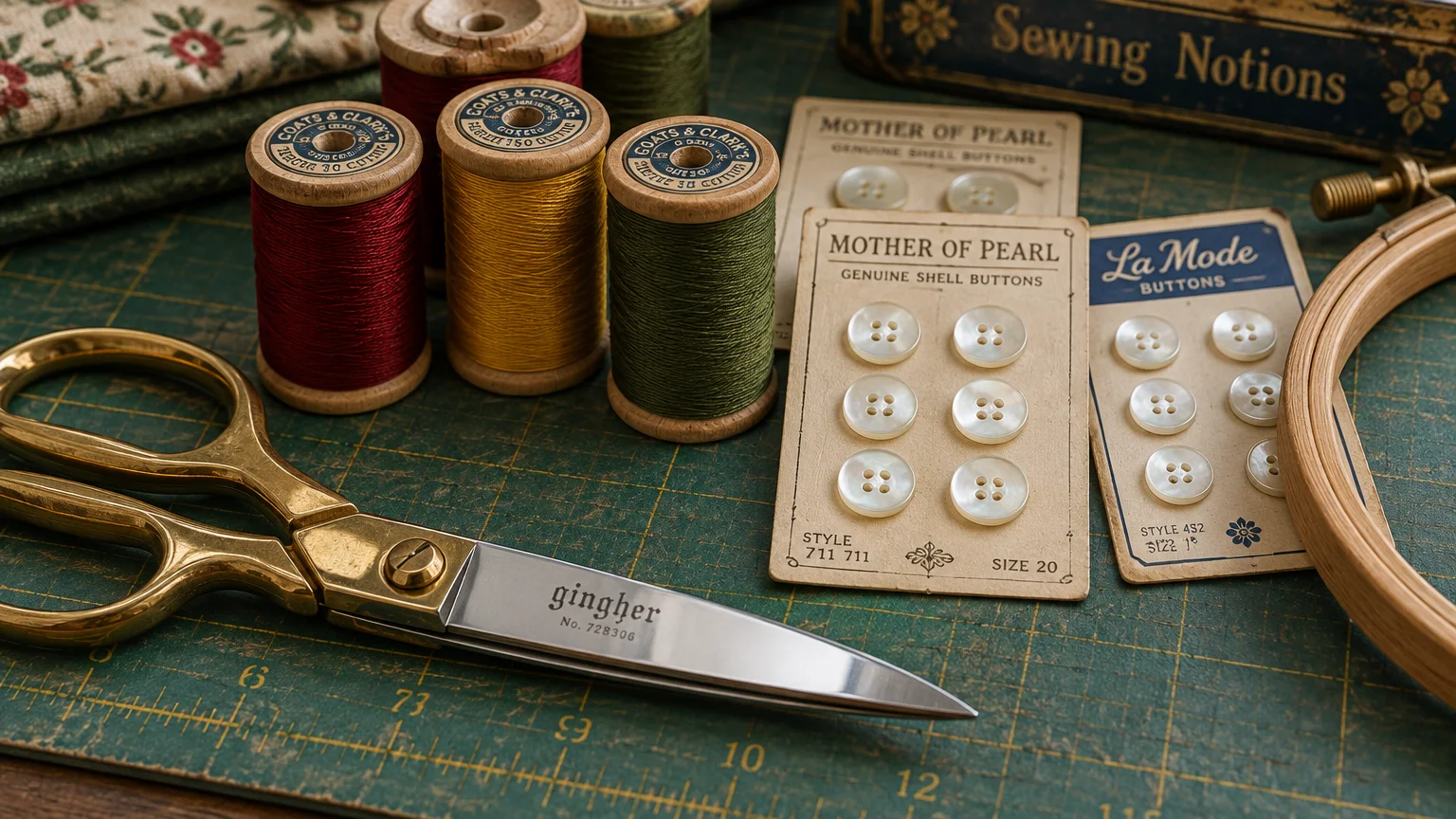
Tip #10: Unopened Craft Supplies and Sewing Notions
Creative hobbies keep your mind engaged and provide deep personal satisfaction throughout your retirement years. However, specialty fabric and craft retailers mark up notions, yarn, and sewing supplies to shocking price points.
Thrift stores regularly receive bags of unused craft supplies donated from abandoned projects and estate liquidations. Frugal retirees dig through these craft bins to source premium materials for sewing, quilting, and knitting projects.
Look for unopened yarn skeins made from natural fibers like merino wool, baby alpaca, or spun silk. Check that multiple skeins display identical dye lot numbers so your finished knitted project maintains uniform color.
Sift through notion containers for vintage metal zippers, brass snap fasteners, and genuine mother-of-pearl buttons. Vintage metal notions provide far superior mechanical strength compared to modern flimsy nylon fasteners sold at retail stores.
Unroll fabric cuts to verify that the yardage is clean, odorless, and free from dry rot. Premium quilting cotton remnants and pure linen cuts are perfect for sewing handmade aprons, napkins, and quilt squares.
Leave dried-out acrylic paint bottles, degraded tubes of craft glue, and stiff paintbrushes on the store shelf. Focus on dry notions, hardwood embroidery hoops, stainless steel sewing shears, and aluminum knitting needles instead.
Sourcing materials secondhand lowers the overhead cost of your favorite creative hobbies by eighty percent. You can create handcrafted gifts for loved ones while protecting your monthly discretionary spending.
Stockpiling quality sewing notions also allows you to repair your own clothing easily at home. Mending garments rather than discarding them saves you hundreds of dollars over the course of retirement.
Tip #11: Brass and Metal Home Decor Accents
Contemporary retail home decor sections are dominated by lightweight resin figurines painted with cheap metallic spray coatings. These synthetic items chip easily, fade under sunlight, and feel completely hollow when lifted.
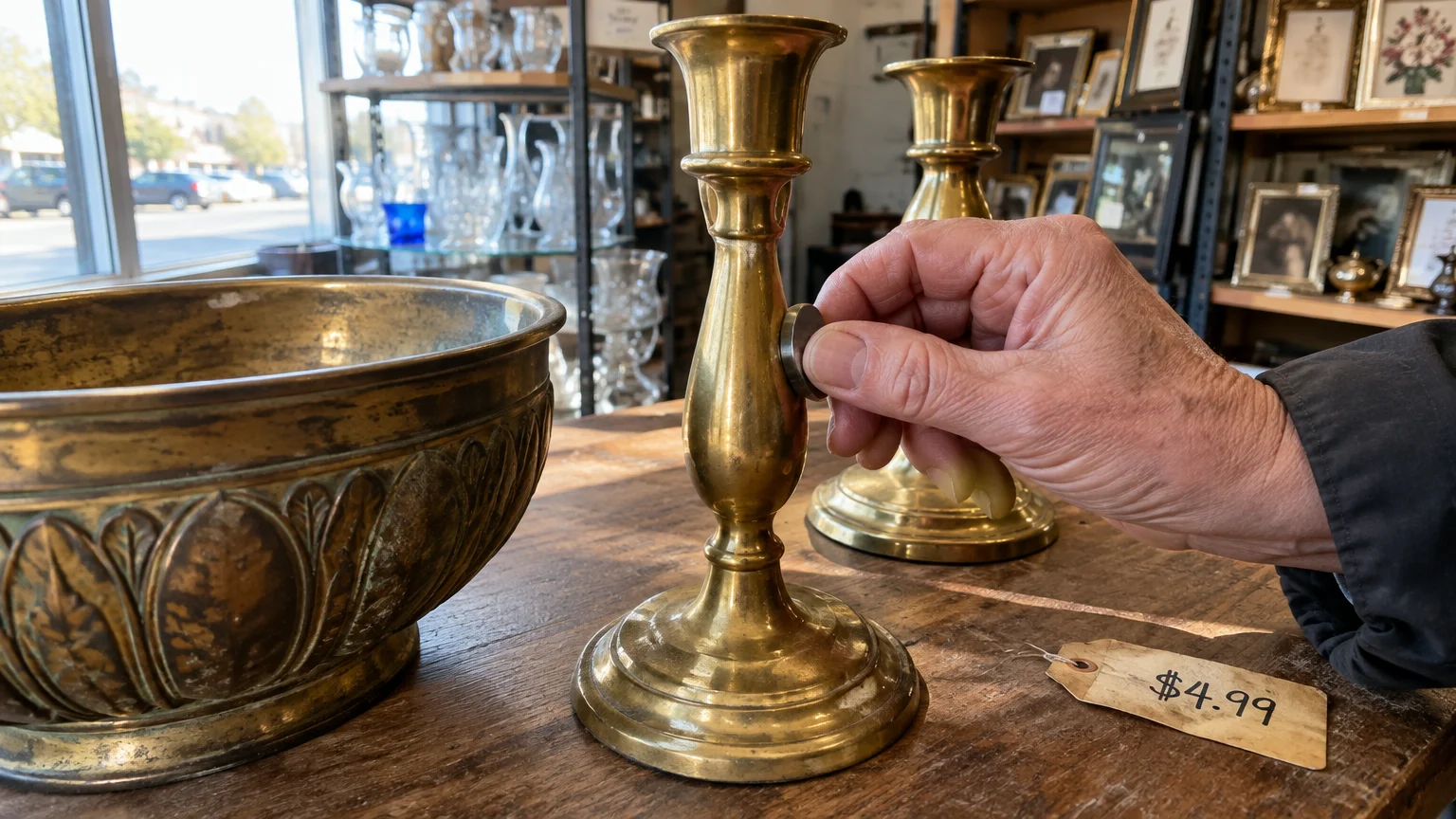
Older homes embraced authentic heavy brass, forged bronze, and spun copper for bookends, candlesticks, and decorative bowls. Thrift stores place these genuine metal heirlooms on miscellaneous knick-knack shelves for five dollars or less.
Keep a small neodymium pocket magnet in your wallet when you visit your local secondhand shops. Authentic brass, bronze, and copper are non-ferrous and will never attract your magnet, whereas brass-plated iron will stick firmly.
Feel the physical heft of the decorative object before you inspect its surface condition. Real cast metal possesses substantial weight and density that cheap plastic or plaster reproductions simply cannot replicate.
Inspect the bottom base for foundry marks, maker stamps, or artist signatures. Finding an authentic foundry stamp transforms an overlooked metal bowl into a valuable collectible worth significant secondary market value.
Choose whether to preserve the natural antique patina or polish the metal to a bright shine. Applying a small dab of metal polish easily restores a gleaming golden finish without damaging the solid metal underneath.
Grouping solid brass candlesticks and heavy bookends across your mantle or bookshelves creates sophisticated visual appeal. You achieve an authentic interior designer look while spending a tiny fraction of boutique retail prices.
Solid metal home decor never goes out of style and will not break if knocked over. That makes these enduring metallic pieces a permanent, budget-friendly addition to your retirement home.
The Bottom Line: What This Means for Your Wallet
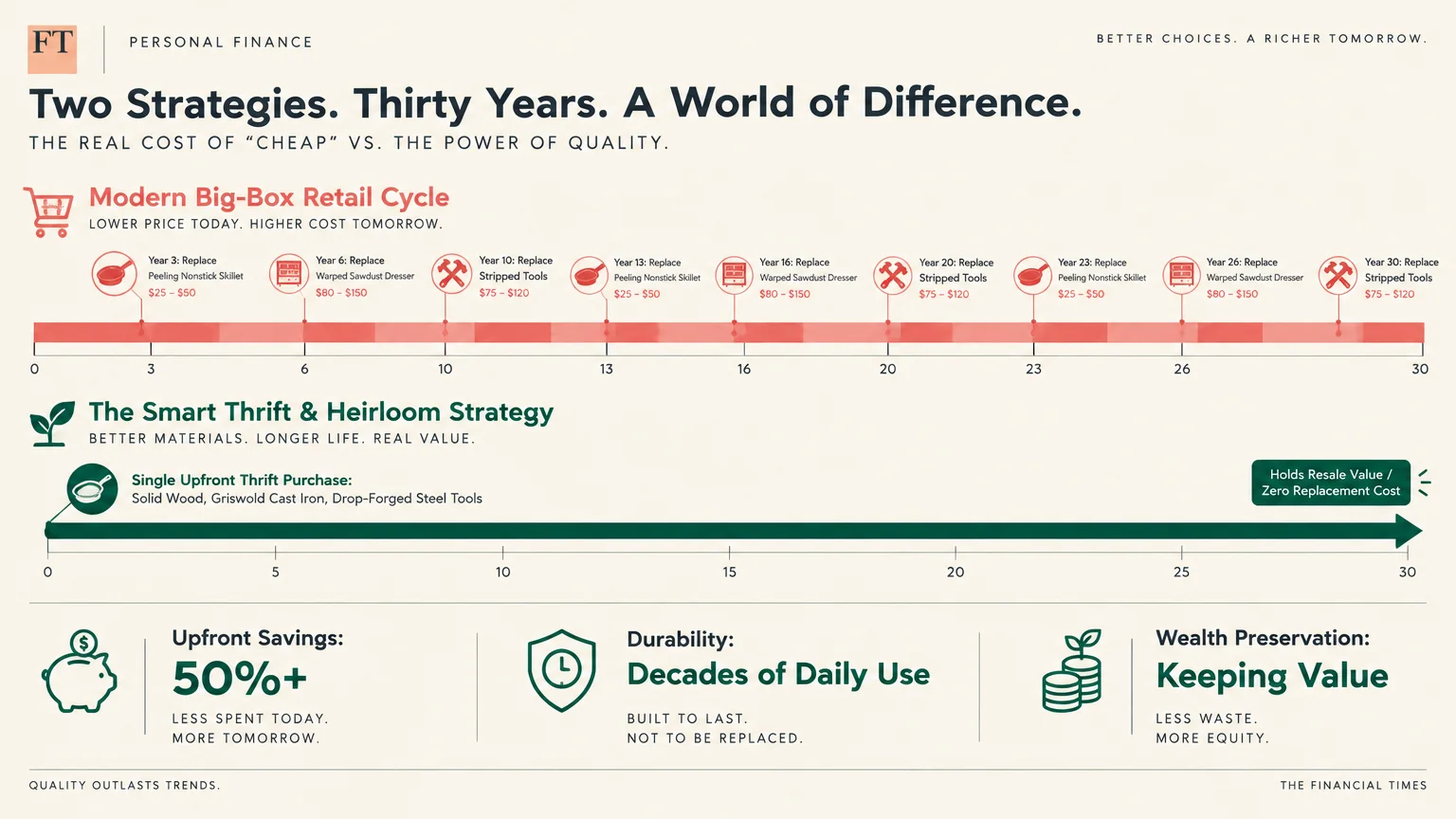
Thriving in retirement requires smart financial management that eliminates wasteful spending while preserving everyday luxury. Treating these thrift shopping tips as an intentional strategy rather than a casual whim gives your retirement nest egg powerful protection.
Prioritizing durable materials like solid wood, seasoned cast iron, natural fibers, and forged steel shields you from planned obsolescence. These vintage goods will outlive modern throwaway items while costing ninety percent less than retail alternatives.
Every dollar saved by avoiding retail markup remains safely inside your investment accounts to generate passive dividend income. Smart retirees know that building financial resilience is not about deprivation; it is about buying true enduring quality.
Carry your shopping tools, inspect every item thoroughly, and walk away from disposable modern junk. Your home will showcase timeless craftsmanship while your retirement savings remain secure for decades to come.
Frequently Asked Questions
How do you sanitize secondhand cookware and clothing safely?
Wash thrifted garments and table linens in hot water using regular laundry detergent to eliminate surface bacteria and dust mites. For delicate wool garments, use a specialized wool wash followed by gentle steam pressing.
Sanitize cast-iron pans by stripping old seasoning in a safe vinegar-and-water bath before re-seasoning in your oven. Run glassware and ceramic platters through a sanitizing dishwasher cycle with white vinegar to dissolve mineral spots.
What items should smart retirees avoid buying at thrift stores?
Never buy used mattresses, upholstered armchairs, or pillows due to severe risks of bedbug infestation and hidden allergen accumulation. Professional pest extermination or deep upholstery cleaning costs far exceed any initial thrift store savings.
Pass on used bicycle helmets, child car seats, and electronics with cracked or brittle electrical cords. Safety equipment degrades over time, and compromised electrical wiring creates an unnecessary fire risk inside your home.
When is the best time of week to shop for valuable thrift items?
Visit secondhand stores on Tuesday and Wednesday mornings right when the doors open. Most donation drop-offs happen over the weekend, and employees spend Mondays sorting and pricing fresh merchandise for the retail floor.
Ask store managers about scheduled senior discount days or specific colored-tag clearance promotions. Shopping on designated promotional discount days allows you to stack markdown percentages on top of already low thrift prices.
Can smart retirees turn thrift store shopping into extra income?
Many proactive retirees supplement their fixed incomes by reselling rare books, vintage cast iron, and designer wool garments online. Marketplaces like eBay make it straightforward to turn overlooked thrift treasures into dependable side cash.
Check completed sales listings on your phone before spending money on potential inventory items. Flipping secondhand finds keeps your mind active, sharpens your appraisal instincts, and adds steady cash to your retirement budget.
For consumer protection information, visit the Federal Trade Commission (FTC) and the Consumer Financial Protection Bureau (CFPB). For product safety and reviews, consult Consumer Reports.
Disclaimer: This article is for informational purposes only and does not constitute financial advice. The content reflects the author’s opinion and research at the time of writing; always do your own research before making financial decisions.