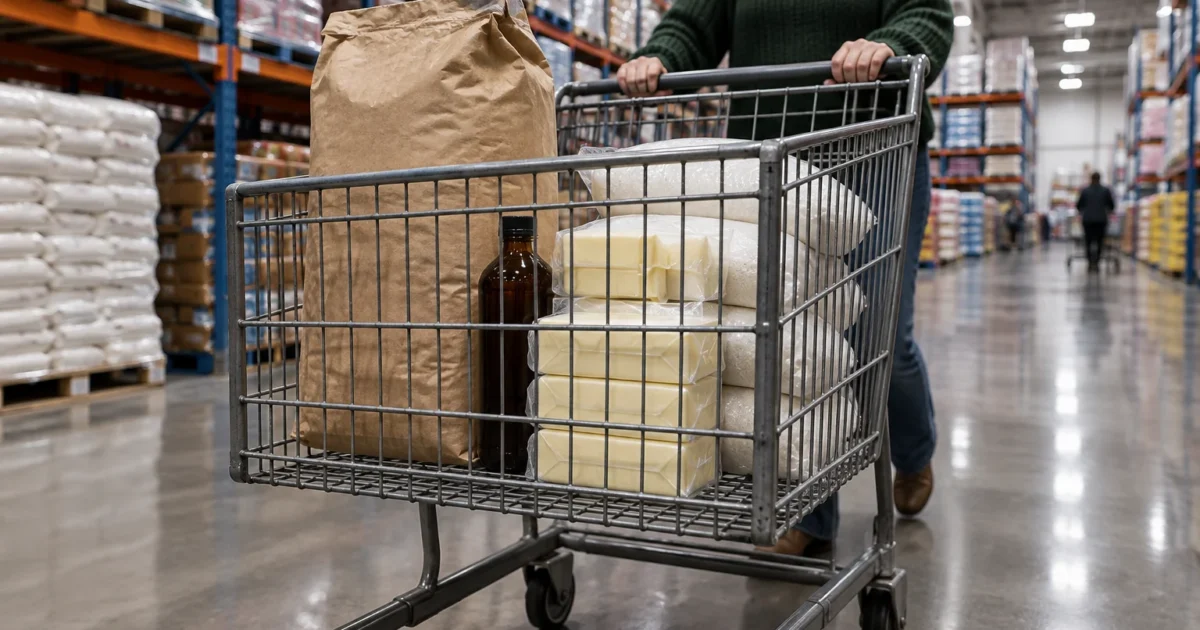
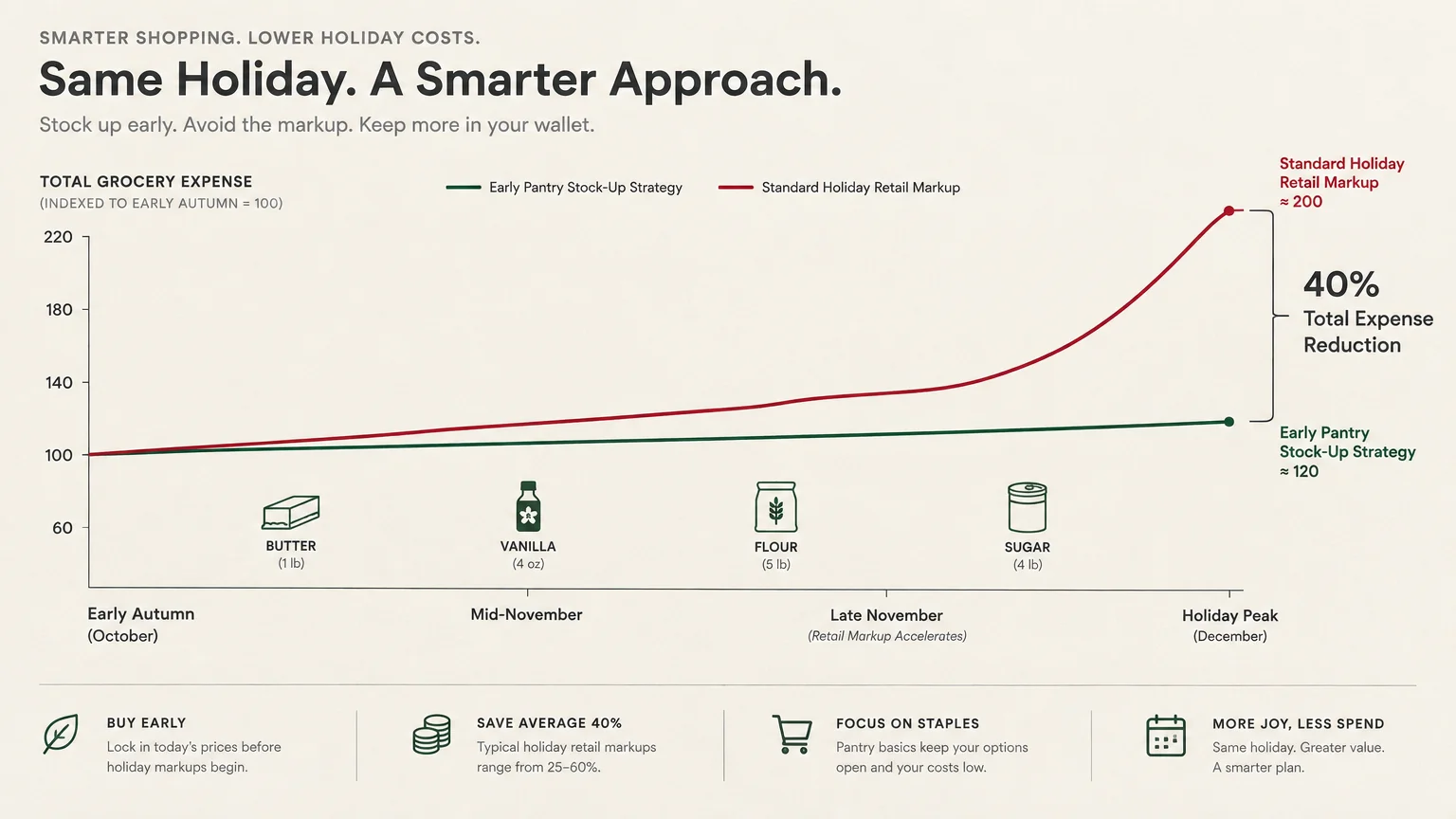
You can slash your holiday baking expenses by forty percent simply by purchasing your staples before peak autumn demand hits. Supermarkets quietly hike prices on essential ingredients every November because they know desperate shoppers will pay whatever is on the price tag.
Beating seasonal holiday grocery prices requires strategic timing rather than clipping coupons. Stocking up early shields your household budget from artificial retail markups and sudden inventory shortages.
Grab your cart now and secure these critical baking pantry essentials before retailers raise their shelf prices. A smart shopping strategy pays immediate dividends for your Christmas baking list.

Tip #1: Pure Vanilla Extract
Pure vanilla extract represents one of the most expensive baking pantry essentials in your kitchen cabinet. Standard grocery stores charge staggering premiums during winter months for tiny two-ounce bottles.
High-proof alcohol gives pure vanilla extract an indefinite shelf life. You can safely purchase large bottles months in advance without sacrificing aroma or chemical potency.
Wholesale warehouse clubs sell sixteen-ounce bottles of pure vanilla for the same price supermarkets charge for four ounces in December. Buying in bulk now locks in immediate cash savings.
Avoid imitation vanilla products made with synthetic vanillin derived from petrochemicals or wood pulp. Real vanilla contains hundreds of complex organic compounds that elevate your holiday cookies.
Store your vanilla extract in a cool, dark cupboard away from direct stove heat. Never refrigerate vanilla extract, because shifting temperatures trigger condensation that ruins its delicate flavor profile.
Purchasing vanilla today eliminates one of the single biggest cash drains from your upcoming christmas baking list.
You can even brew homemade vanilla extract by steeping split vanilla beans in eighty-proof vodka for two months. This DIY method delivers premium gourmet flavor at a steep discount.
Tip #2: Unsalted Butter
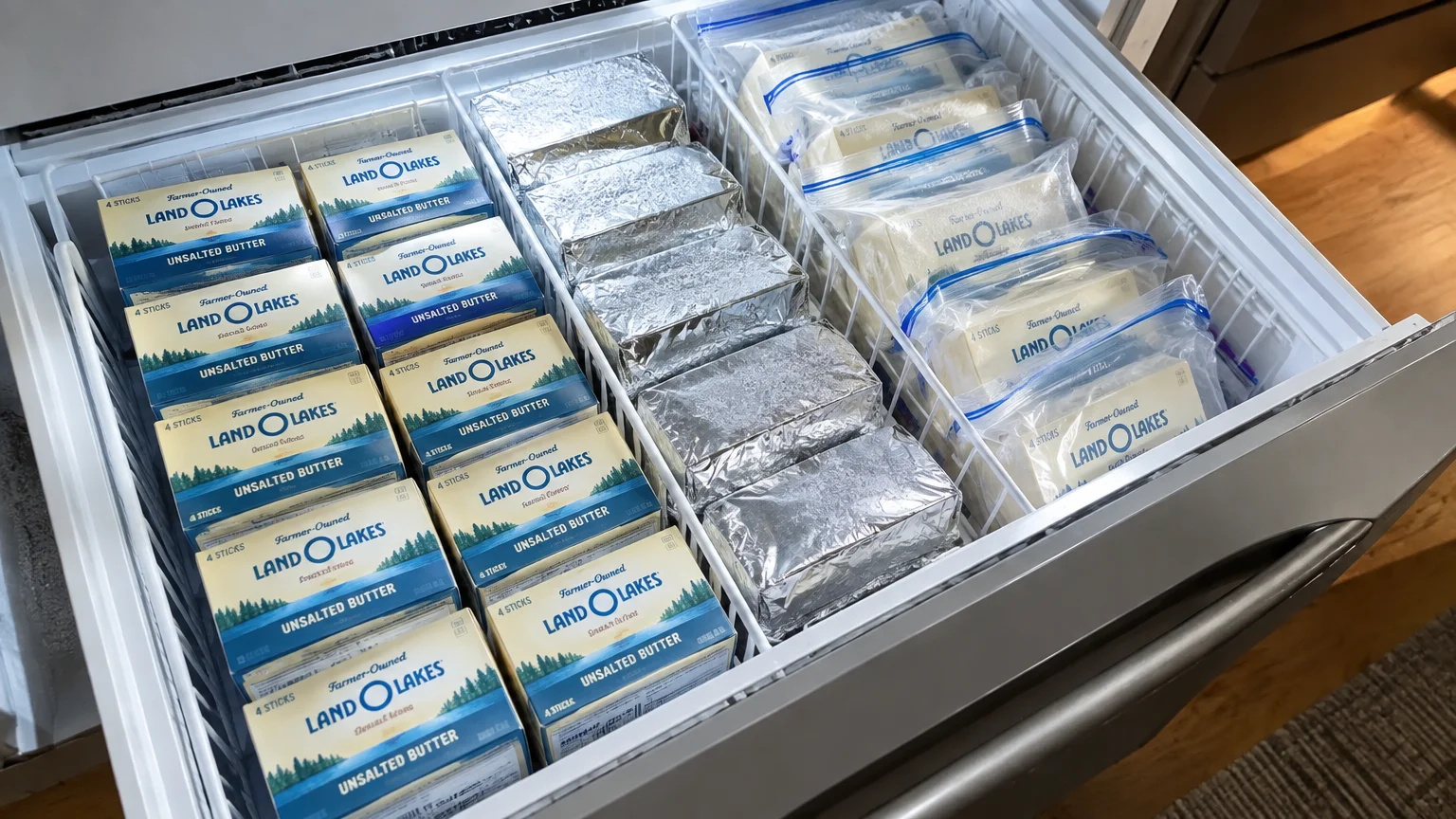
High-fat butter forms the foundation of tender pastries, flaky pie crusts, and decadent holiday cookies. Dairy prices fluctuate sharply as commercial demand accelerates throughout the autumn season.
Supermarket chains routinely increase baseline dairy costs right before peak holiday baking weeks arrive. Buying multiple four-packs today protects your wallet against these artificial price spikes.
Butter freezes exceptionally well for up to twelve months without losing flavor or structural moisture. Wrap cartons in heavy-duty aluminum foil or sealed freezer bags to prevent freezer burn.
Always choose unsalted butter for your holiday baking recipes. Different dairy brands incorporate wildly inconsistent salt ratios that easily ruin precise pastry dough chemistry.
Track your freezer butter inventory carefully so you know your exact baking supply. This simple habit keeps you from paying exorbitant last-minute grocery store prices.
European-style butter yields flakier pastry layers because it contains less water than domestic butter. Stock up whenever you find premium European butter discounted during early sales.
Thaw frozen butter sticks overnight in your refrigerator rather than using a microwave. Gradual defrosting preserves the delicate fat emulsion necessary for light, melt-in-your-mouth shortbread.
Tip #3: Granulated and Brown Sugar
Granulated white sugar, dark brown sugar, and confectioners’ sugar form the bedrock of holiday confections. Demand drives up holiday grocery prices on every variety as November approaches.
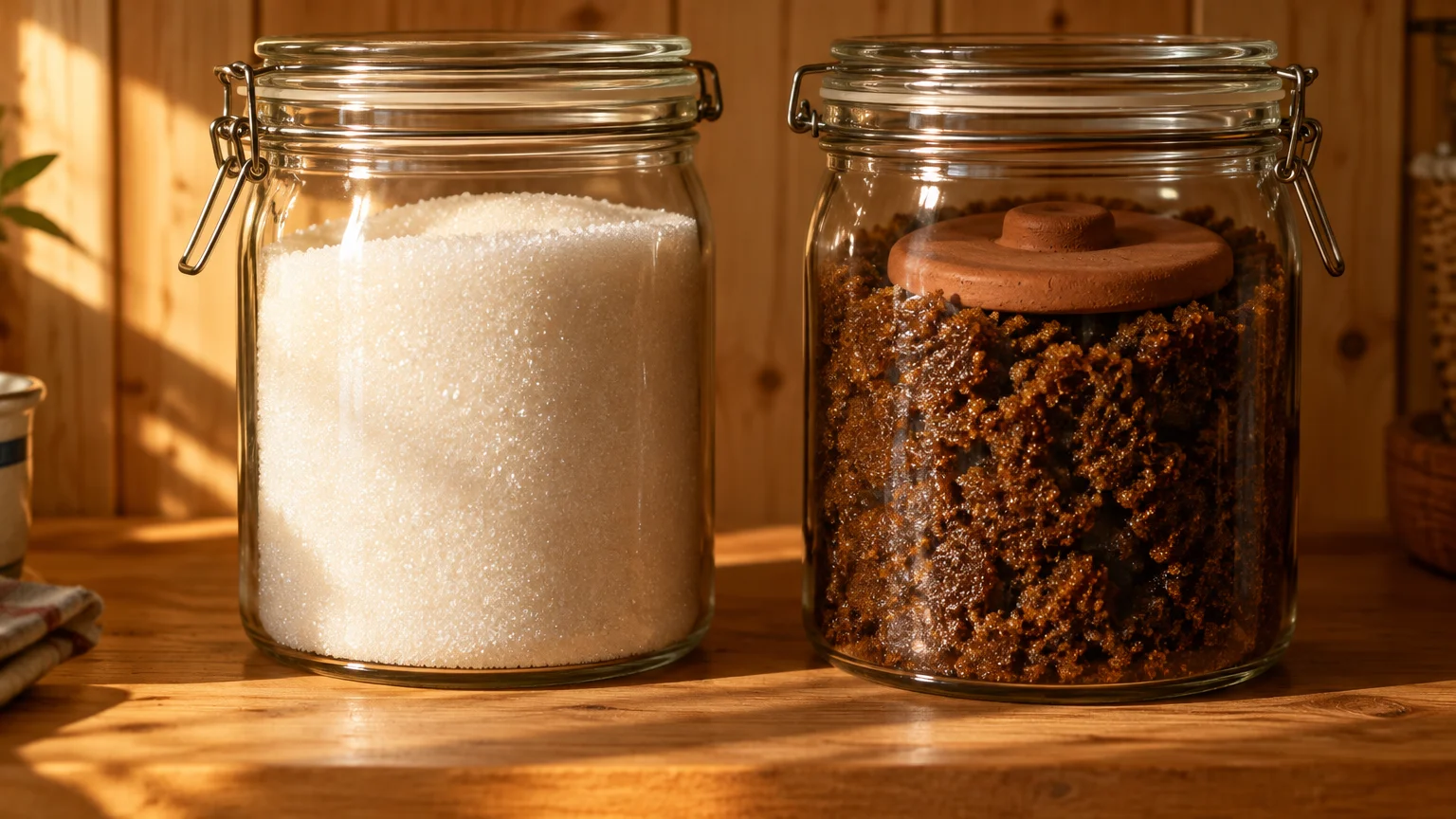
Pure sucrose does not support microbial growth, granting granulated sugar an indefinite shelf life. You can purchase twenty-pound quantities months ahead without worrying about spoilage.
Brown sugar contains added molasses, which causes it to harden if exposed to dry ambient air. Store brown sugar inside an airtight container with a food-safe terracotta sugar saver.
Confectioners’ sugar absorbs airborne humidity quickly and forms tough lumps. Store powdered sugar bags inside heavy plastic storage bins to keep the cornstarch blend completely dry.
Generic store-brand sugar matches name-brand purity at nearly half the retail cost. Smart shoppers check unit pricing and select private-label bags for maximum household savings.
Buying every sugar variety right now ensures you never encounter ransacked supermarket shelves in December.
If your brown sugar hardens prematurely, microwave it alongside a damp paper towel for twenty seconds. The gentle steam instantly restores softness and pliability.
Tip #4: Unbleached All-Purpose and Bread Flour
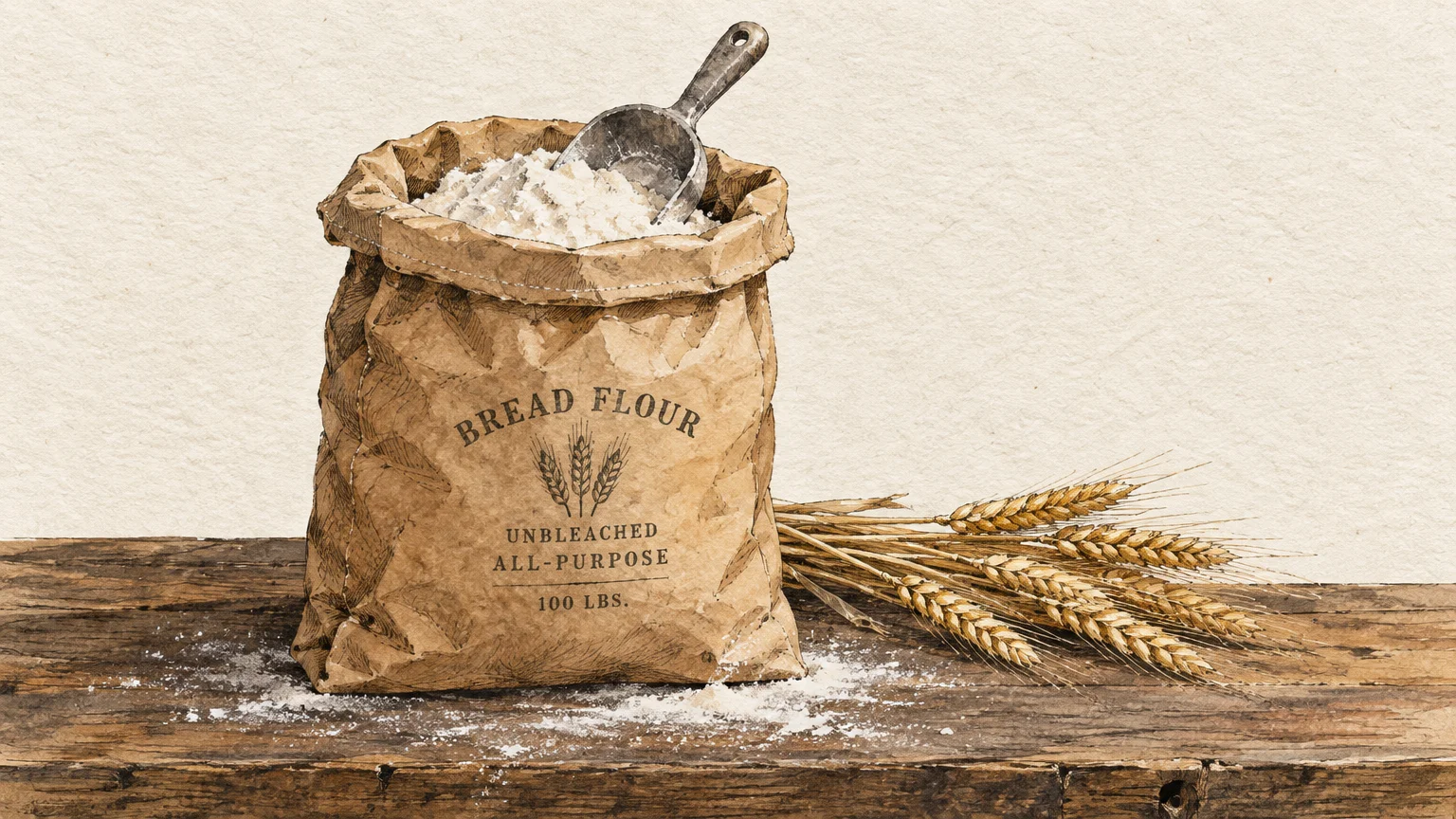
Flour is the foundational building block of nearly every holiday treat you bake. Supermarkets frequently experience supply pinches on specialty flours once holiday baking reaches its peak.
Unbleached all-purpose flour delivers superior structural elasticity compared to chemically bleached alternatives. Premium unbleached varieties cost noticeably more when purchased during December rushes.
Pantry pests like flour weevils represent the primary threat to stored baking flour. Place newly purchased bags in your freezer for forty-eight hours to neutralize potential insect larvae.
Transfer your treated flour into heavy-duty airtight food containers made from BPA-free plastic. Proper sealing prevents ambient moisture absorption and locks out kitchen pests.
Bread flour contains elevated protein levels that create chewy gingerbread and sturdy yeast breads. Pick up a bag or two early because specialty flours sell out first.
Label your storage containers with the purchase date to maintain seamless pantry rotation throughout the winter.
Always weigh your flour with a digital kitchen scale instead of scooping directly with measuring cups. Accurate measurements prevent dry, heavy baked goods and stretch your flour supply further.
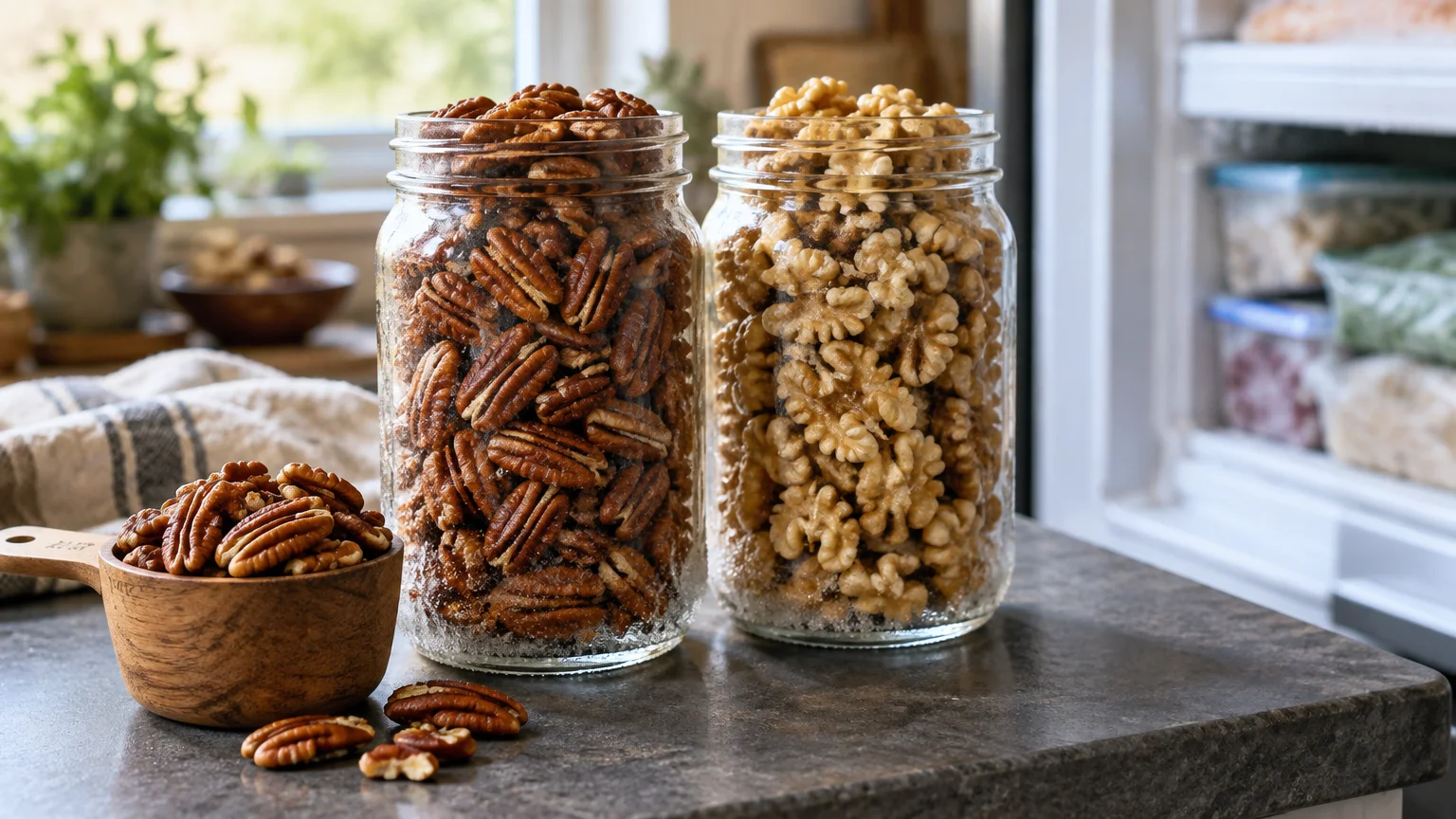
Tip #5: Baking Nuts (Pecans and Walnuts)
Pecan halves and walnut pieces carry some of the highest per-pound costs in the grocery aisle. Retailers inflate these luxury holiday baking supplies aggressively as Thanksgiving draws near.
Tree nuts contain delicate unsaturated oils that turn bitter and rancid at warm room temperatures. Heat and oxygen rapidly degrade their sweet, buttery flavor profile.
Freeze your nuts immediately after purchase to preserve their natural fats and crisp texture. Shelled pecans and walnuts retain peak flavor in the freezer for up to two full years.
Buy raw, unseasoned halves instead of pre-chopped pieces whenever possible. Intact nut halves remain fresh significantly longer because less surface area is exposed to oxidization.
Check wholesale warehouse clubs for three-pound bags instead of buying tiny grocery store pouches. The per-ounce price at big-box stores is often half of retail supermarket pricing.
Toast your thawed nuts in a dry skillet just before baking to intensify their aromatic crunch.
Buying whole nuts also allows you to control chop size for pies, breads, and cookie garnishes. You get maximum culinary versatility while avoiding pre-chopped markup fees.

Tip #6: Semi-Sweet and Dark Baking Chocolate
Quality chocolate makes or breaks holiday cookies, fudge, and holiday brownies. Global cocoa crop shortages continue pushing retail chocolate prices to historic highs.
Snagging high-percentage baking bars and chips now helps you avoid the steep seasonal price jumps. Look for bars listing real cocoa butter rather than cheap vegetable oil substitutes.
Cheap chocolate chips contain chemical stabilizers that prevent proper melting, leaving a waxy mouthfeel. Premium couverture chocolate melts smoothly and provides profound, rich cocoa flavor.
Store your chocolate bars in a cool, dry pantry between 60°F and 70°F. Never store fine baking chocolate in the refrigerator, because excess humidity causes sugar bloom.
Cocoa powder is another shelf-stable staple to buy now before holidays tighten consumer supplies. Dutch-processed cocoa powder provides deep color and mellow acidity for dark holiday cookies.
Stocking up today guarantees you have luxury chocolate ready for every holiday recipe without overspending.
Chop solid baking chocolate blocks with a serrated bread knife for effortless melting. Irregular chocolate shards create stunning melted puddles inside artisan holiday cookies.

Tip #7: Ground Holiday Spices
Aromatic spices like cinnamon, nutmeg, ground ginger, and allspice define classic seasonal baking. Supermarkets price tiny glass spice jars at astronomical markups that punish unprepared shoppers.
Ground spices lose volatile aromatic oils within six to twelve months of processing. Purchasing fresh jars in early autumn guarantees your holiday baked goods burst with vibrant flavor.
Skip the main supermarket spice aisle and head straight to international food markets. You can buy whole cinnamon sticks and ginger powder for a fraction of standard retail costs.
Buy whole nutmeg seeds instead of pre-ground jars for dramatically superior flavor. Whole nutmegs last several years and grate effortlessly over eggnog or into pumpkin pie filling.
Test older spices by rubbing a small pinch between your fingers and inhaling deeply. If the aroma smells faint or dusty, replace the bottle immediately to protect recipe quality.
Store your spice jars in a dark cabinet far away from heat generated by your stovetop.
Buying whole spices like cloves and cardamom pods allows you to grind small portions on demand. Freshly ground spices deliver five times more aromatic intensity than stale commercial powders.
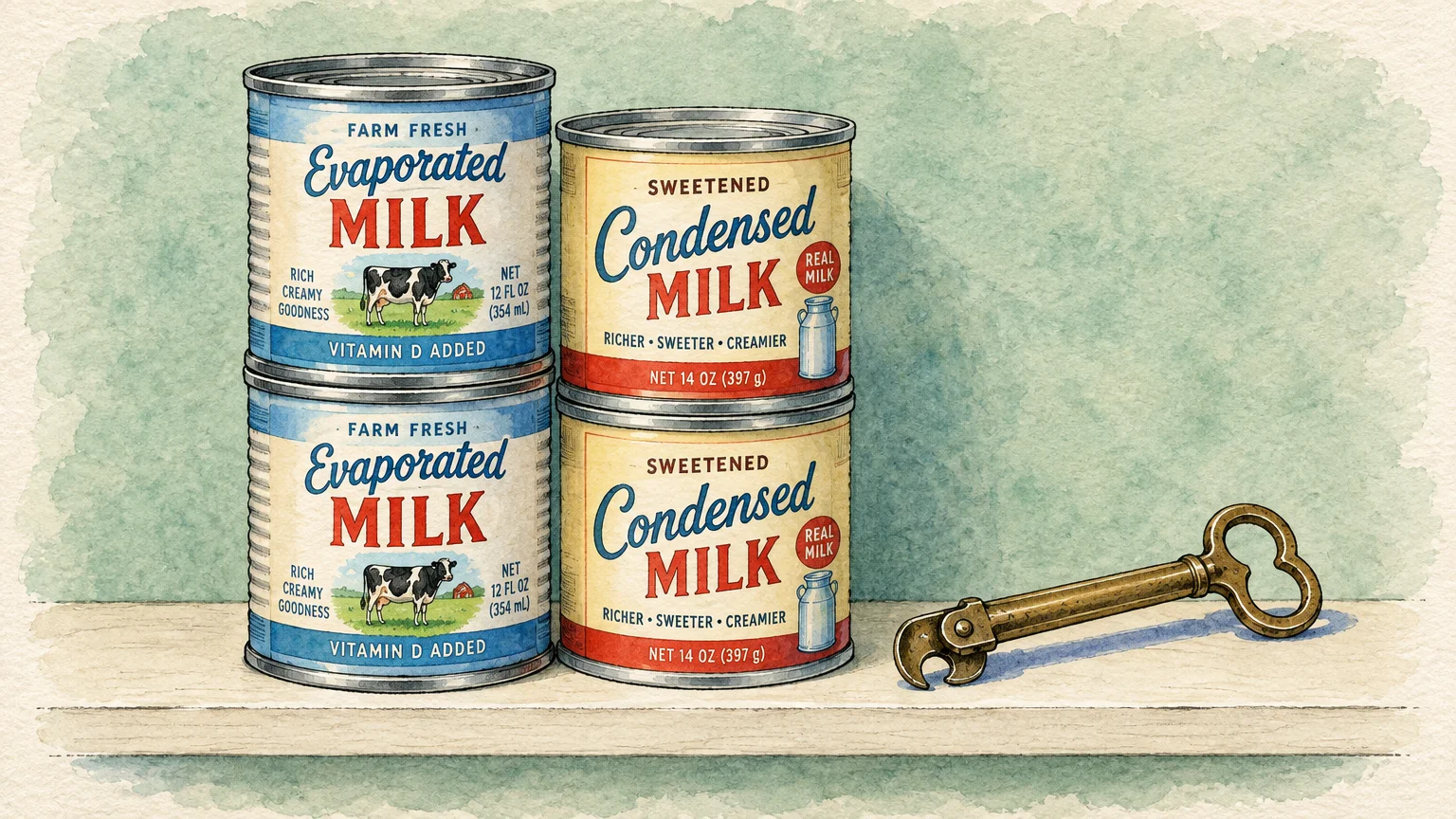
Tip #8: Evaporated and Sweetened Condensed Milk
Canned milk products are irreplaceable workhorses for holiday fudge, pumpkin pies, and creamy frostings. Retailers frequently run out of sweetened condensed milk right before Thanksgiving and Christmas.
Commercial canned milk undergoes intense heat sterilization, yielding an impressive shelf life of two years or more. Stocking up early represents zero waste risk for your household pantry.
Sweetened condensed milk contains approximately forty-five percent sugar, which creates rich caramelization when heated. Evaporated milk provides concentrated dairy richness without extra sweetness.
Never confuse evaporated milk with sweetened condensed milk in your holiday baking recipes. Swapping them accidentally will destroy the chemical balance and texture of your pies and custards.
Watch for supermarket case sales during early autumn to purchase cans by the dozen. Buying canned dairy in bulk ensures you never scramble for missing ingredients on baking day.
Check can expiration dates and reject any dented or rusted cans at the checkout counter.
You can gently simmer an unopened can of sweetened condensed milk in water to create authentic dulce de leche. This easy hack yields luscious homemade caramel filling for tarts and thumbprint cookies.
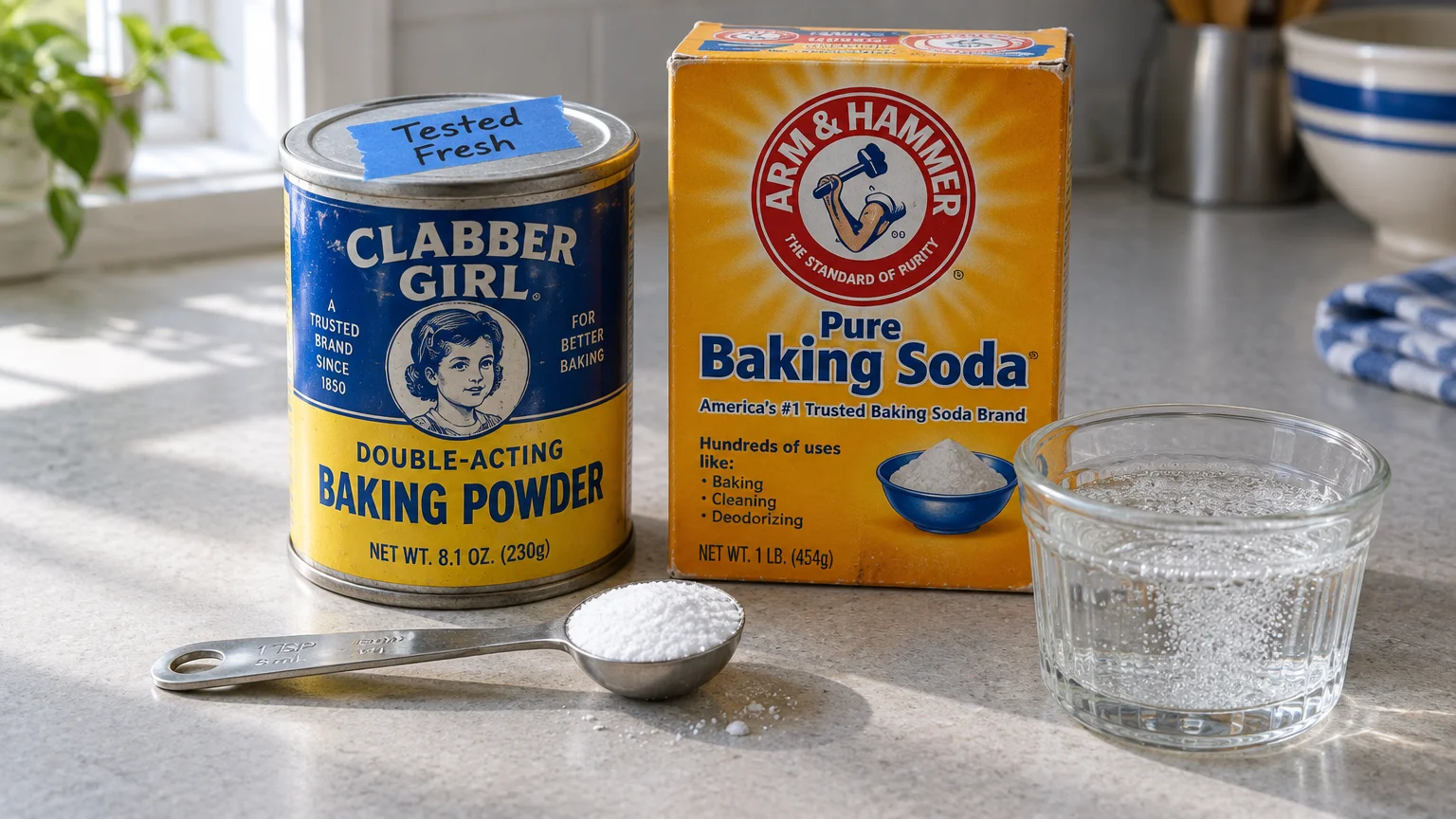
Tip #9: Leavening Agents (Baking Powder and Baking Soda)
Flat, dense holiday cookies often trace back to stale leavening agents sitting in your pantry. Baking powder and baking soda cost very little, yet they hold enormous chemical importance in your recipes.
Baking powder loses carbon-dioxide potency after six months of exposure to humid air. Buying a fresh canister now ensures your cakes and quick breads rise with optimal volume.
Test your existing baking powder by stirring a teaspoon into warm tap water. If it fizzes vigorously, the leavener remains active; if it sits dormant, discard it immediately.
Test baking soda freshness by dropping half a teaspoon into a small bowl of distilled vinegar. Instant, violent foaming confirms that the sodium bicarbonate is ready for holiday doughs.
Choose aluminum-free double-acting baking powder to prevent bitter metallic aftertastes in delicate sugar cookies. Aluminum-free brands ensure clean, buttery flavors in every holiday batch.
Keep your leavening canisters sealed tight in a dry pantry drawer away from steam.
Never scoop leaveners with a damp measuring spoon. Introducing even a microscopic droplet of moisture into the canister triggers premature chemical reactions that exhaust leavening power.
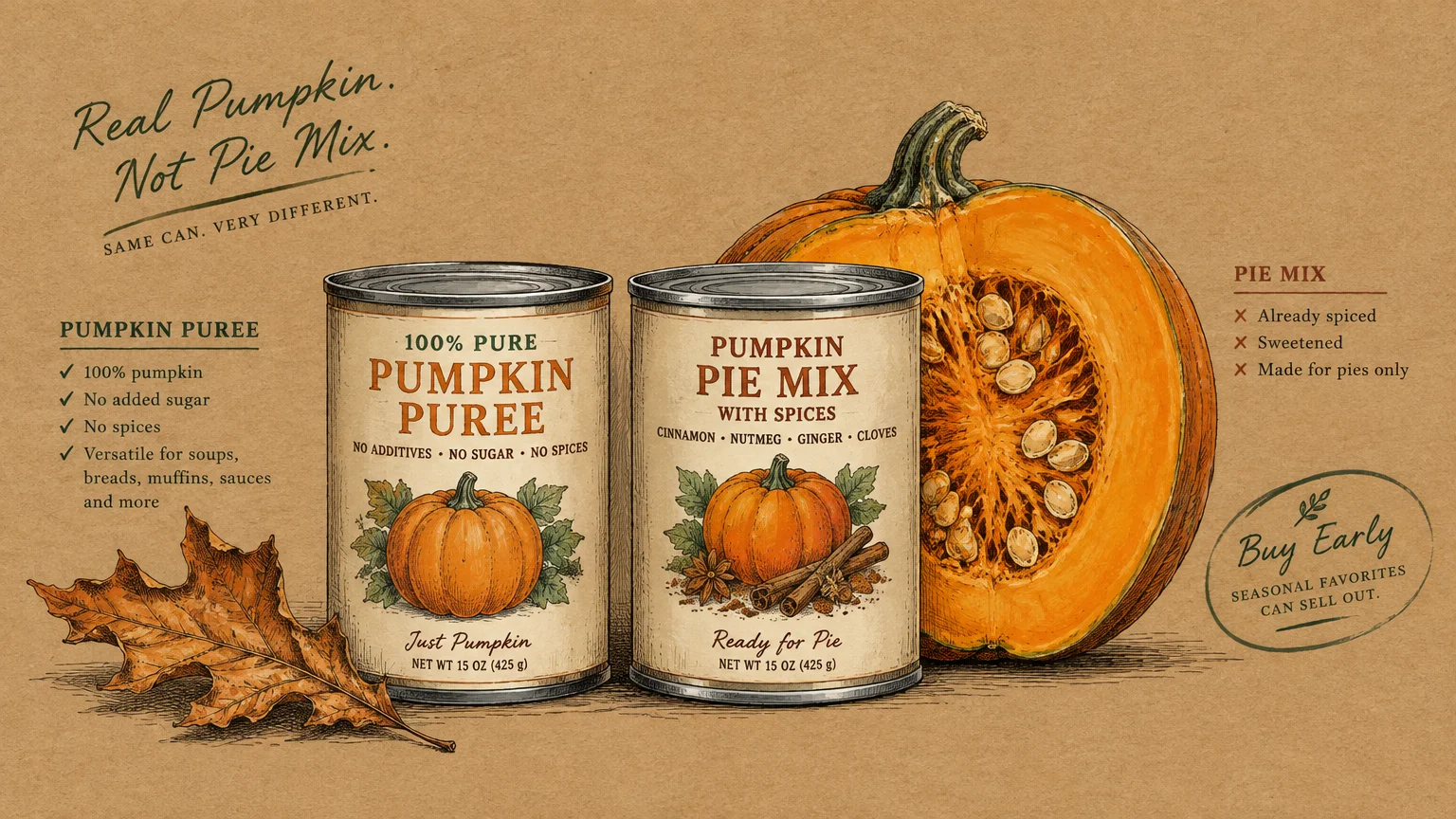
Tip #10: Pure Canned Pumpkin Puree
Canned pumpkin puree is legendary for sudden autumn supply shortages caused by agricultural delays and consumer hoarding. Waiting until November to hunt down pumpkin puree often leaves bakers empty-handed.
Pure canned pumpkin consists entirely of cooked, pureed Dickinson squash without added spices or sugar. It stays completely fresh in sealed steel cans for up to three years.
Read ingredient labels carefully to avoid purchasing pre-sweetened pumpkin pie mix by mistake. Pie mix contains added sugars and artificial spices that throw off custom holiday recipes.
Canned pumpkin serves as an exceptional natural moisture booster in cakes, muffins, and cookies. You can even use small portions as an egg substitute in specialized seasonal bakes.
Stock up on three or four cans right now while supermarket shelves remain fully stocked. Early preparation prevents last-minute panics when you prepare your Thanksgiving and Christmas pies.
Storing pumpkin puree ensures you are completely prepared for the opening bell of holiday baking.
Drain excess liquid from canned pumpkin by spreading it over paper towels before mixing it into cookie dough. Removing excess water prevents your pumpkin cookies from developing a spongy, cakey texture.
The Bottom Line: What This Means for Your Wallet
Supermarkets design holiday promotional cycles to maximize retailer profits when consumer urgency peaks. Shoppers who wait until the week before the holidays consistently pay peak retail prices.
Taking proactive control of your pantry today locks in current pricing and protects against holiday markups. Early purchasing spreads your seasonal expenses across multiple paychecks instead of one devastating grocery run.
Proper storage techniques ensure your frozen butter, vacuum-sealed nuts, and canned staples retain peak quality. You preserve freshness while capturing the lowest prices of the entire calendar year.
Smart budgeters treat holiday baking as a planned investment rather than an emergency impulse expense. Your wallet will thank you when the holiday rush sweeps through crowded grocery aisles.
Organize your baking pantry essentials today and enjoy stress-free, cost-effective holiday celebrations all season long.
Frequently Asked Questions
How far in advance can I buy holiday baking supplies?
You can purchase canned goods, sugars, pure vanilla extract, and spices up to four months before baking. These non-perishable staples retain full potency when stored in cool, dry conditions.
Perishables like butter and nuts should go directly into the freezer upon purchase. Freezing preserves their high fat content and prevents rancidity for up to a full year.
Is generic store-brand baking flour as good as name-brand flour?
Most private-label store-brand all-purpose flours match the quality and protein content of national name brands. They perform identically in standard cookies, brownies, and quick breads at substantially lower prices.
For artisan breads or delicate pastry lamination, premium unbleached brands offer more consistent protein ratios. Choose store brands for general cookie baking to maximize your holiday budget.
How do I prevent weevils from invading my holiday baking supplies?
Freeze newly purchased flour, oats, and grains for forty-eight hours to eliminate invisible insect larvae. Low freezer temperatures neutralize pests before they ever hatch inside your home pantry.
Transfer all dry grains into airtight plastic or heavy glass canisters with silicone rubber gaskets. Tight seals prevent wandering pests from invading your holiday baking supplies.
Will frozen butter ruin the texture of delicate holiday cookies?
Freezing butter does not alter its fat-to-water ratio or compromise its structural performance in doughs. Defrost the butter slowly inside your refrigerator overnight before creaming it with sugar.
Cold, slightly softened butter produces superior cookie structure and prevents dough from spreading excessively on baking sheets. Frozen butter remains indistinguishable from freshly bought dairy once thawed.
For consumer protection information, visit the Federal Trade Commission (FTC) and the Consumer Financial Protection Bureau (CFPB). For product safety and reviews, consult Consumer Reports.
Disclaimer: This article is for informational purposes only and does not constitute financial advice.
The content reflects the author’s opinion and research at the time of writing. Always do your own research before making financial decisions.