Your kitchen counters hold hidden cash and wasted square footage. Trimming single-use gadgets immediately reduces meal prep frustration, lowers electric bills, and recovers valuable space in your home.
Every redundant machine on your counter drains household energy while complicating your daily routine. Transitioning to versatile, high-utility alternatives lets you pocket noticeable savings without sacrificing the quality of your home-cooked meals.
Reclaiming your monthly budget starts with auditing the tools that clutter your workspace. Here is why you should permanently retire twelve obsolete appliances this year.
The Hidden Financial Drain on Your Countertop
Data from Consumer Reports reveals that American households discard approximately two million small kitchen appliances annually. Most of these discarded items were impulse purchases designed for one narrow culinary task. When you buy single-purpose machines, you pay upfront for manufacturing, packaging, and shipping; subsequently, you surrender cabinet storage and pay ongoing utility costs each time you power them on.
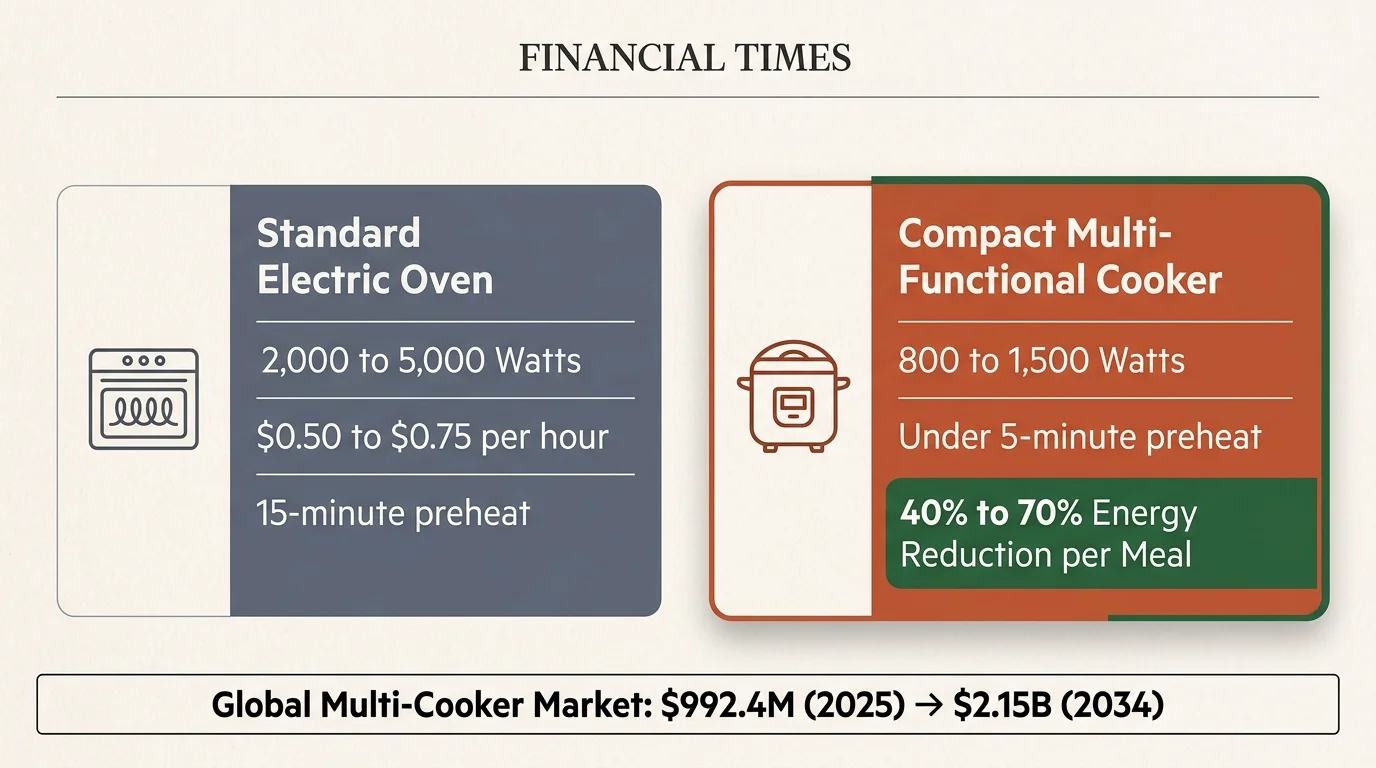
Energy efficiency forms another critical reason to rethink your appliance lineup. According to data from the U.S. Department of Energy, standard electric ovens draw between 2,000 and 5,000 watts of power, costing roughly $0.50 to $0.75 per cooking hour alongside a fifteen-minute preheating period. By contrast, compact multi-functional cookers consume only 800 to 1,500 watts and reach operating temperature in under five minutes. Shifting your meal preparation from bulky, traditional hardware to versatile countertop alternatives cuts cooking energy consumption by 40% to 70% per meal.
Market trends underscore this transformation. The global multi-cooker market reached $992.4 million in 2025 and is projected to expand to $2.15 billion by 2034. Modern multi-functional devices now consolidate five to seven standalone appliances into a single compact housing. Furthermore, avoiding the premium for internet-connected smart novelties protects your savings. While basic kitchen equipment ranges between $400 and $600, smart Wi-Fi appliances frequently cost between $1,100 and $2,500 while offering negligible financial returns. Streamlining your kitchen is an immediate way to build breathing room in your monthly cash flow.
12 Outdated Kitchen Appliances to Ditch in 2026
1. Standalone Slow Cookers
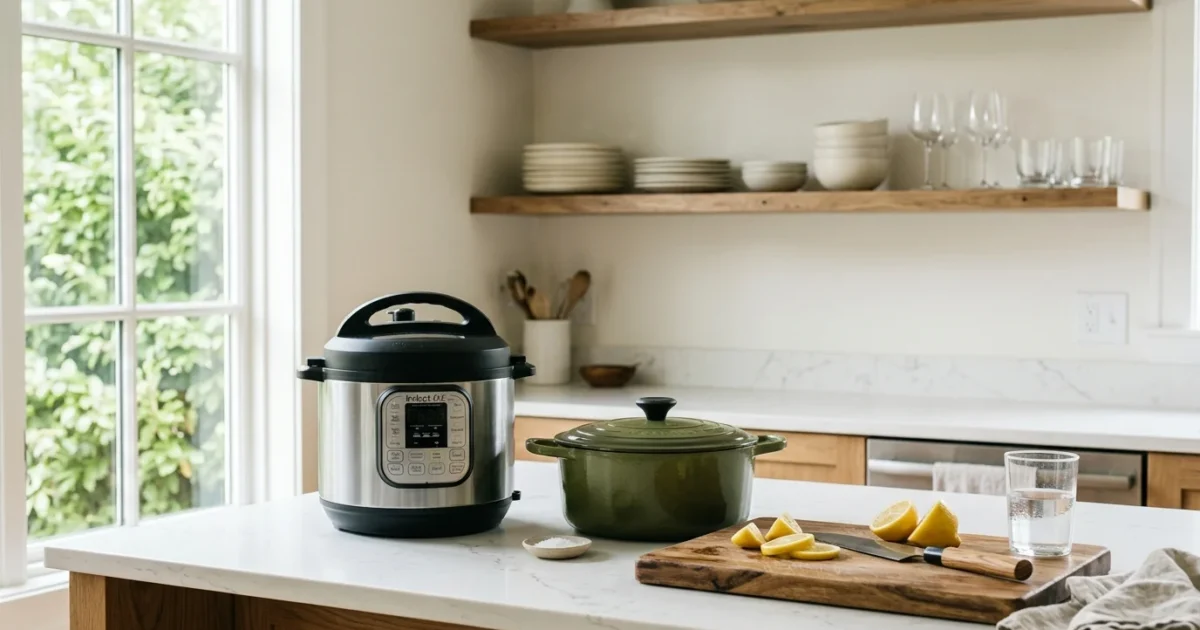
The traditional standalone slow cooker has occupied valuable shelf space for decades, but modern multi-cookers have rendered it obsolete. A standard multi-cooker matches every slow-cooking program while offering precise electronic temperature controls that prevent overcooking. If you prefer stovetop methods, an enameled cast-iron Dutch oven provides superior heat distribution and braising capabilities. Selling or donating your bulky slow cooker frees up cabinet volume without compromising your ability to make hearty stews and pot roasts.
2. Dedicated Single-Purpose Rice Cookers
Unless you operate a commercial sushi kitchen, a dedicated electric rice cooker serves no unique purpose. Today’s multi-functional pressure cookers feature dedicated grain algorithms that produce fluffy jasmine, basmati, and brown rice in half the time. Alternatively, a basic three-quart stainless steel saucepan with a tight-fitting lid delivers restaurant-quality rice on your stovetop. Eliminating this single-use appliance removes yet another power cord from your counter.
3. Countertop Deep Fryers
Deep fryers require multiple quarts of cooking oil, emit lingering odors, create grease splatter hazards, and demand tedious cleanup. Modern air fryers and convection toaster ovens replicate crispy textures using rapid air circulation and a single tablespoon of oil. By removing the deep fryer, you save twenty to thirty dollars monthly on cooking oils alone while lowering your household fat intake and eliminating hazardous hot-oil storage.
4. Electric Yogurt Makers
Dedicated yogurt machines consist of little more than an insulated heating base and plastic cups. Modern multi-cookers include built-in low-temperature fermentation settings that maintain the exact 110-degree environment required for culturing milk. You can culture a full gallon of organic Greek yogurt inside your existing multi-cooker pot for a fraction of the supermarket price, completely eliminating the need for a separate yogurt machine.
5. Standalone Food Steamers
Tiered plastic food steamers are notoriously awkward to store and difficult to scrub clean. A seven-dollar collapsible stainless steel steamer basket placed inside any standard stockpot accomplishes identical steaming results for broccoli, dumplings, and fish. Stovetop steaming requires zero electrical components, takes up minimal drawer space, and eliminates the risk of cracked plastic reservoirs.
6. Bulky Automatic Bread Makers
Bread machines surged in popularity decades ago, but their restrictive paddle designs produce dense loaves with thick crusts. The culinary shift toward no-knead artisan baking allows you to mix flour, water, salt, and yeast in a single bowl, let it rest, and bake it inside a preheated Dutch oven. You achieve bakery-caliber sourdough without storing an enormous appliance that performs only one task.
7. Single-Serve Pod Coffee Machines
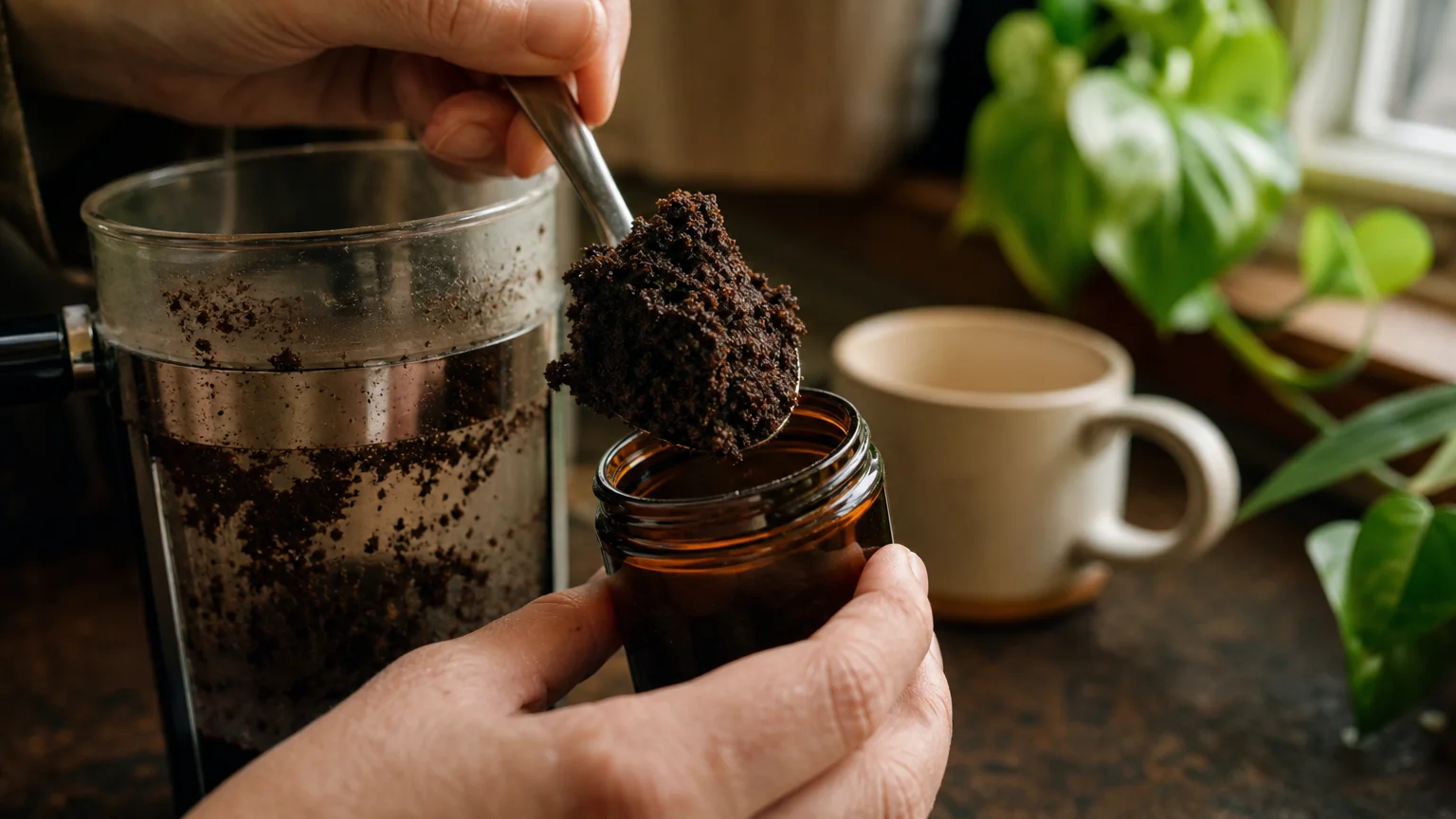
Single-serve pod coffee makers represent one of the most expensive ongoing habits in modern kitchens. Pods cost between $0.60 and $1.10 per cup, whereas buying quality whole-bean coffee translates to approximately $0.15 per cup. Switching to an indestructible stainless steel French press or a glass pour-over dripper lowers your morning coffee expense by hundreds of dollars annually while producing richer flavor and reducing plastic waste.
8. Electric Panini Presses and Quesadilla Makers
Specialty sandwich presses consume significant counter real estate and feature non-stick coatings that degrade over time. A seasoned cast-iron skillet paired with a heavy lid or another clean skillet placed on top delivers superior contact, creating a crispier crust on paninis and quesadillas. The cast-iron skillet moves seamlessly from stovetop to oven to grill, providing lifetime durability that single-use sandwich makers cannot match.
9. Electric Countertop Can Openers
Motorized can openers remain permanent fixtures on many countertops despite their narrow functionality and hard-to-clean blade assemblies. A sturdy, ergonomic manual turn-style can opener costs under twelve dollars, lasts for decades, and rests neatly inside your utensil drawer. Replacing the motorized unit instantly clears valuable food preparation space next to your cutting board.
10. Dedicated Electric Egg Cookers
Plastic egg cookers pierce eggshells and steam eggs under a plastic dome, yet offer zero additional utility. You can achieve consistent soft, medium, or hard-boiled eggs by placing them in a saucepan of boiling water for precisely timed intervals or by batch-steaming them in a multi-cooker. Relying on basic kitchen timing eliminates another fragile plastic appliance from your household.
11. Single-Purpose Popcorn Poppers
Hot air popcorn machines monopolize cabinet space while generating noisy operation and requiring specialized cleaning. Making fresh popcorn on your stovetop in an ordinary lidded pot with two tablespoons of high-heat oil takes less than four minutes and produces richer flavor. Alternatively, a reusable collapsible silicone microwave bowl gives you oil-free popcorn without requiring dedicated electrical equipment.
12. Smart Touchscreen Toasters and Wi-Fi Gadgets
The recent trend of connecting every heating element to a home Wi-Fi network has produced three-hundred-dollar touch-screen toasters and smart kettles. These devices introduce software glitches, firmware requirements, and premature component failure into basic kitchen tasks. A standard mechanical two-slice toaster priced at twenty-five dollars browns bread just as effectively without tracking your personal data or demanding an operating system update.
Three Strategy Pillars for a Leaner, Wealthier Kitchen
Pillar 1: Conduct a High-Yield Appliance Audit
Begin your kitchen decluttering by taking every small appliance out of your cabinets and placing them on your dining table. Categorize each machine based on how frequently you used it over the past ninety days. If an item has not been powered on within three months, clean it thoroughly, photograph it in natural light, and list it on local resale platforms like Facebook Marketplace or OfferUp. Research from the Consumer Financial Protection Bureau highlights how liquidating unused household goods provides an immediate cushion against unexpected emergency expenses.
Pillar 2: Adopt the Three-Function Rule
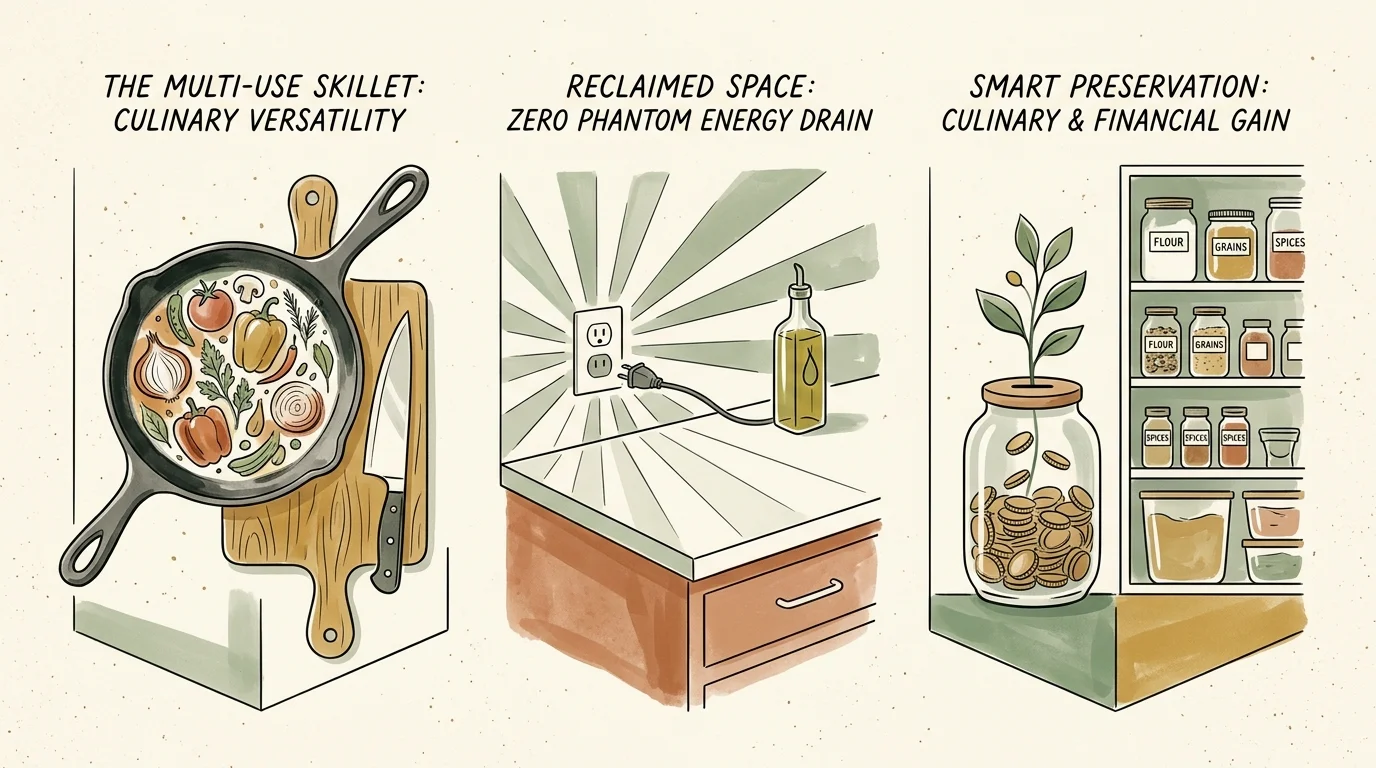
Before purchasing any new kitchen gadget or keeping a borderline tool, enforce the Three-Function Rule. An appliance must successfully perform at least three distinct culinary tasks before earning permanent counter space. High-utility tools such as multi-cookers, chef’s knives, Dutch ovens, and heavy-gauge sheet pans easily satisfy this threshold; single-purpose gadgets like quesadilla makers and egg boilers fail immediately. This filter keeps your living area organized and curbs impulse spending before it dents your paycheck.
Pillar 3: Automate Your Micro-Savings
The financial benefit of kitchen decluttering extends beyond initial resale profits. When you stop purchasing single-serve coffee pods, specialty parchment liners, and replacement non-stick inserts, you generate ongoing monthly savings. Track these eliminated expenses and establish an automated weekly transfer from your checking account into a high-yield savings account. Channeling twenty dollars a week in recovered kitchen cash compounds into substantial financial security over the course of a year.

Action Lab: The Real Math of Kitchen Downsizing
Let us evaluate the tangible financial impact of removing redundant appliances from an average household budget. Suppose you sell four common standalone gadgets—an electric bread maker, a slow cooker, a single-serve pod machine, and an electric panini press. On secondary resale marketplaces, these four items realistically yield approximately $135 in liquid cash.
Next, examine the recurring monthly operational savings. Replacing daily single-serve coffee pods with bulk whole-bean coffee prepared in a French press saves approximately $48 each month for a two-coffee-per-day household. Furthermore, transitioning five weekly meals from a five-thousand-watt conventional electric oven to an energy-efficient multi-cooker cuts cooking electricity costs by $14 per month.
Combining these adjustments produces an upfront cash infusion of $135 and ongoing savings of $62 per month. Over the course of twelve months, your streamlined kitchen returns $879 directly to your family balance sheet. Redirecting that capital into an emergency fund or paying down high-interest debt strengthens your household financial resilience.

Behavioral Guardrails: Avoiding the Gadget Trap
Marketing campaigns frequently target your desire for self-improvement by suggesting that buying a specialized appliance will instantly make you healthier or more organized. Behavioral economists refer to this as purchasing for your fantasy self. You might buy a dedicated juicer imagining daily green smoothies, only to discover that the twenty-minute cleaning process leads to immediate abandonment.
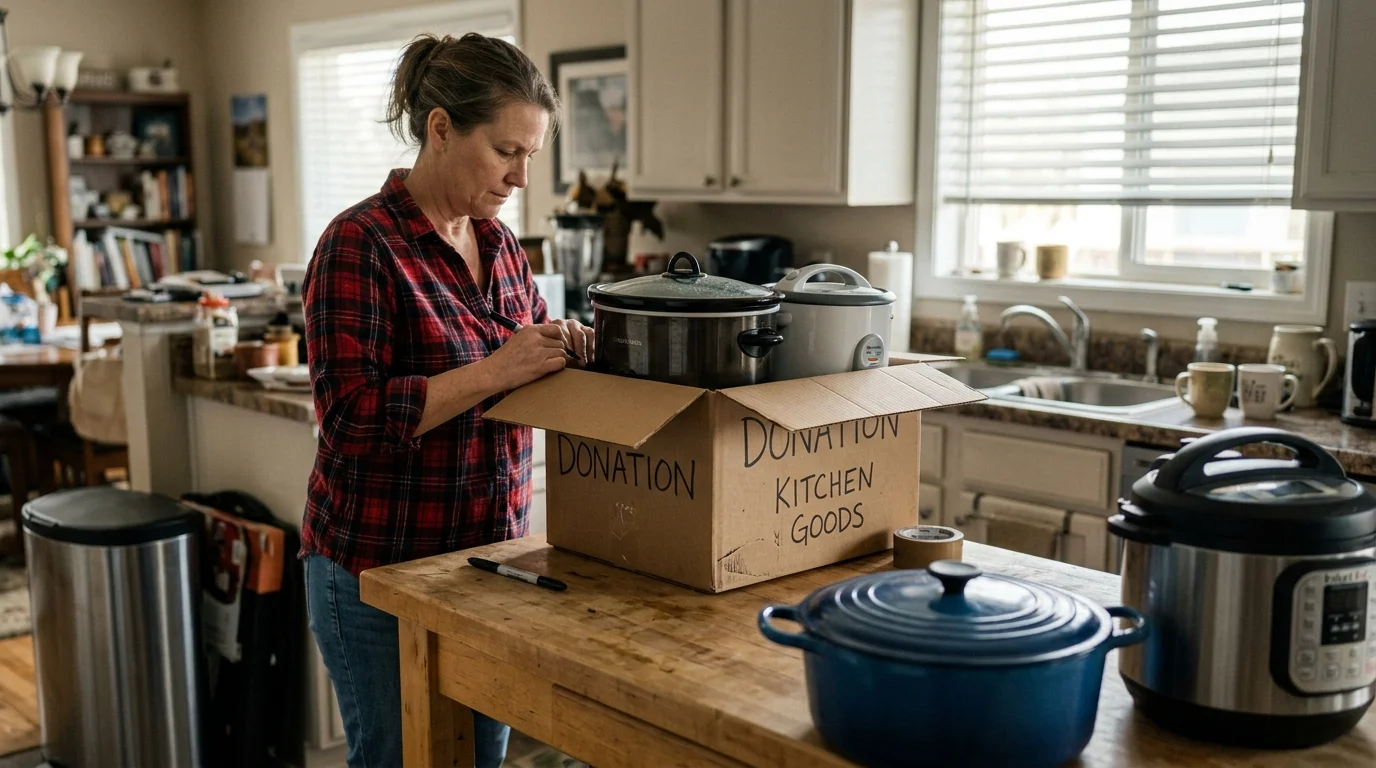
To protect your wallet, implement a mandatory thirty-day cooling-off period before acquiring any trending culinary tool. If you still believe the item will genuinely enhance your daily routine after a month, explore whether your existing cookware can already accomplish the task. Furthermore, never send working appliances to the landfill; donating functional tools to local community shelters supports neighbors in need while promoting responsible reuse.
Expert Perspectives on Kitchen Economics
Consumer finance planners frequently emphasize that kitchen efficiency directly correlates with household budget stability. According to economic analyses published by the Federal Reserve, food and home utility costs represent a major share of non-discretionary consumer spending. When you streamline your cooking workspace, meal preparation becomes faster and less overwhelming, which drastically reduces your reliance on expensive takeout meals.
Professional chefs have long practiced the principle of mise en place and minimalist equipment, relying on a few exceptional tools rather than dozens of gimmicky gadgets. Adopting this commercial kitchen mindset in your home simplifies cleanup, lowers utility usage, and ensures every square foot of your living space serves an active, practical purpose.
Frequently Asked Questions
Should I get rid of an appliance that still works perfectly well?
If an appliance functions properly but you rarely use it, keeping it incurs an opportunity cost in lost counter space and mental clutter. Selling the item allows you to recoup capital immediately, while donating it provides a helpful resource to someone who will use it regularly. However, if you genuinely use a dedicated appliance every week, feel free to keep it until it reaches the end of its useful lifecycle.
Will using a multi-cooker for everything cause it to wear out quickly?
Quality multi-cookers are engineered with solid-state electronics and stainless steel inner cooking pots built for daily use. Because they lack exposed mechanical heating coils and use digital pressure regulators, they typically outlast mechanical standalone appliances. Most manufacturers offer inexpensive replacement silicone gaskets and inner pots, extending the machine’s lifespan for years.
How much money do I realistically save on electric bills by downsizing?
Operating a compact 1,000-watt multi-cooker or convection countertop appliance instead of a 3,500-watt conventional oven for forty-five minutes daily saves between ten and twenty dollars per month on electricity, depending on local utility rates. Over a full year, those minor daily reductions translate to $120 to $240 in utility savings.
How can I resist impulse purchases when new kitchen trends emerge online?
Unsubscribe from kitchen gadget marketing emails and avoid browsing promotional lifestyle videos when you feel tired or stressed. Before buying any trending tool, challenge yourself to prepare the same recipe three times using your standard cookware. In almost every situation, traditional pots, pans, and chef’s knives deliver equal or superior results without costing an extra dime.
Reclaim Your Kitchen and Your Paycheck
Streamlining your kitchen does not require culinary sacrifice; rather, it represents a deliberate choice to prioritize versatile, high-quality tools over single-use clutter. By clearing away redundant appliances, you immediately create a cleaner cooking environment, lower your utility expenses, and unlock practical cash savings.
Take one hour this weekend to audit your countertops and cabinets. Identify three single-purpose machines you have not touched in months, wipe them clean, and set them aside for resale or donation. That simple action will declutter your home, sharpen your meal prep efficiency, and keep your hard-earned money where it belongs.