
Turning 60 opens up some of the most budget-friendly driving years of your life, but maintaining those low auto insurance rates requires proactive planning before age-related price hikes kick in. You can offset creeping premiums by leveraging special discounts, adjusting your coverage limits, and taking advantage of state regulations designed specifically for mature drivers. Industry data shows that drivers in their early sixties pay roughly eleven percent less than forty-year-olds; however, insurance companies steadily increase rates as you cross sixty-five. By reviewing your coverage today, you can lock in substantial savings, protect your household retirement budget, and avoid paying hundreds of dollars in unnecessary annual auto premiums.
Understanding Your Rate Landscape After 60
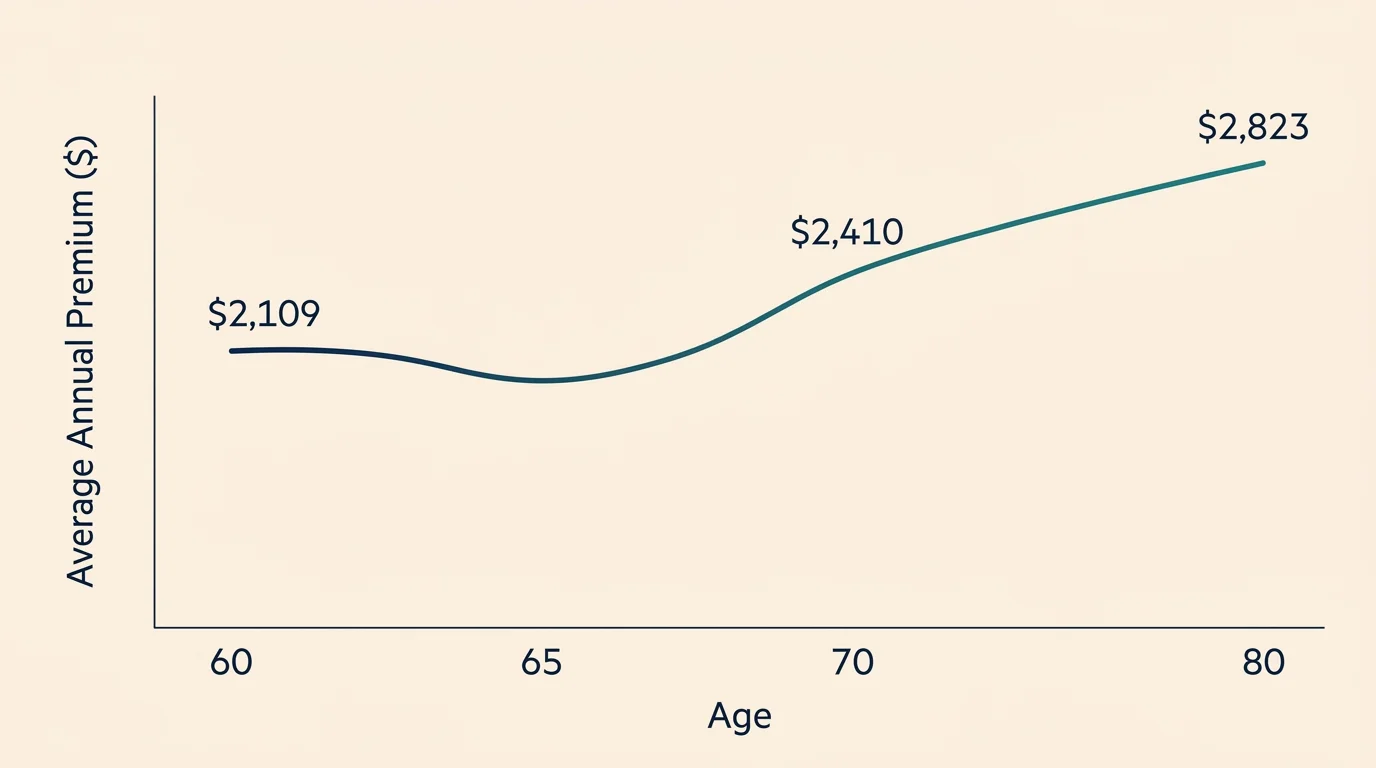
Navigating auto insurance in your sixties offers a unique financial advantage, provided you understand how insurance underwriters view your age bracket. Full coverage car insurance for a sixty-year-old driver averages $2,109 per year, which translates to roughly $176 each month across the United States. Drivers entering their early sixties enjoy some of the lowest average rates of any age group—about eleven percent cheaper than forty-year-old drivers—benefiting from decades of driving experience. In fact, drivers aged 65 to 69 post the lowest property damage liability claim rates per insured vehicle year across the entire automotive sector. Insurance underwriters recognize that experienced drivers take fewer unnecessary risks on the road, resulting in fewer catastrophic collisions during this decade of life.
However, rate creep begins accelerating as drivers age past 65. Between ages 65 and 75, average annual rates increase by about 15 percent, adding roughly $346 per year to standard household expenses. Rates reach $2,410 annually at age 70 and climb to $2,823 by age 80, representing a 32 percent overall surge from age 60. Financial data from the Consumer Financial Protection Bureau guidance on senior finances highlights the necessity of managing fixed expenses to protect retirement income. Recognizing these pricing trends allows you to implement proactive cost-cutting measures early before rate increases hit your monthly billing statements.
7 Actionable Strategies to Lower Your Car Insurance Premiums
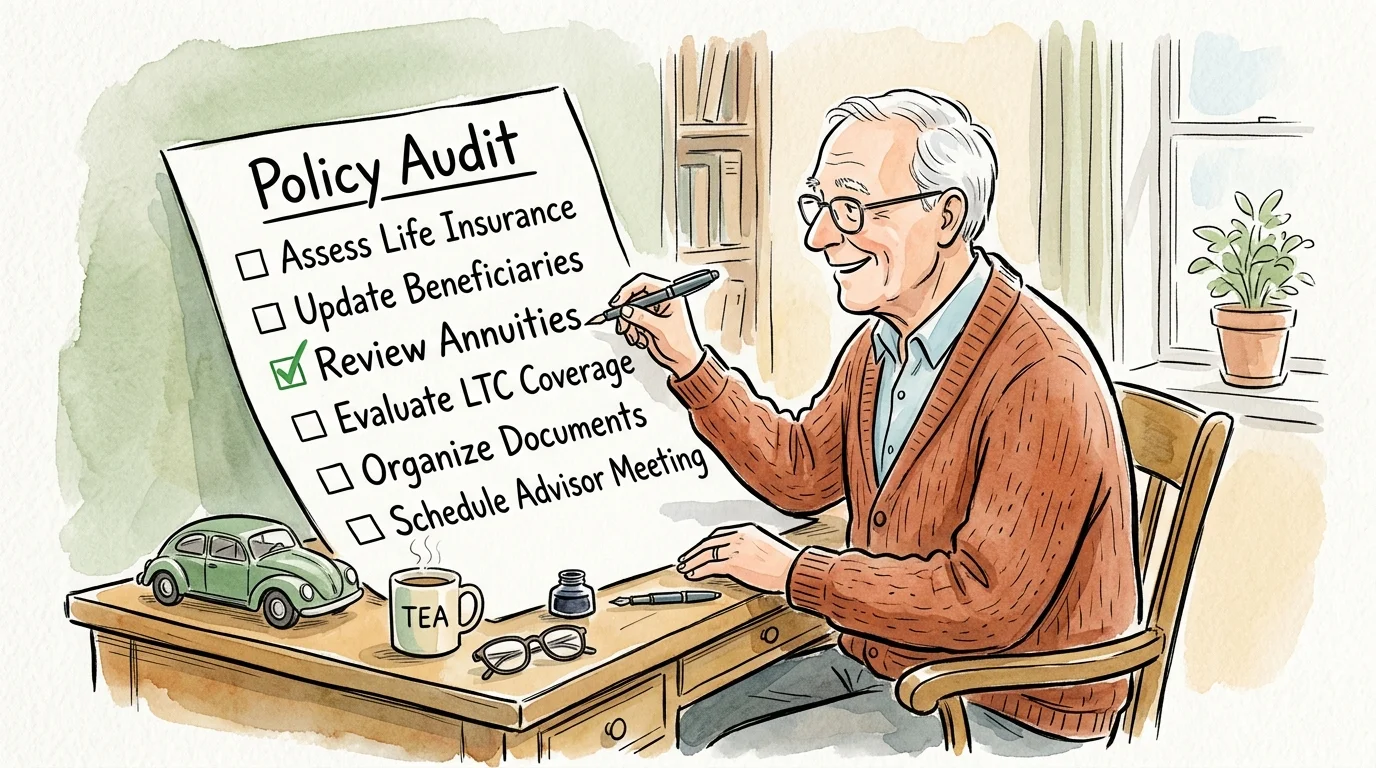
Lowering your vehicle insurance costs after age 60 does not require sacrificing important liability protection or settling for inferior customer service. By systematically auditing your policy and leveraging discounts tailored specifically for mature drivers, you can trim hundreds of dollars from your annual expenditure. The following seven strategies provide a clear roadmap to maximizing savings while keeping your assets fully protected.
1. Complete a State-Approved Defensive Driving Course
Over 34 states plus Washington, D.C., legally require auto insurers to offer a policy discount to drivers aged 50 or 55 and older who complete an approved mature driver safety course. Refresher programs available through organizations like AARP driver safety programs and AAA review updated traffic laws, vehicle technologies, and defensive driving techniques tailored for older adults. Completing a course unlocks a 5 to 15 percent premium discount that remains active on your insurance policy for three full years before requiring a brief refresher course to renew the savings.
2. Transition to Pay-Per-Mile or Telematics-Based Coverage
Retirement or transitioning to part-time work often dramatically reduces your weekly mileage. If your vehicle spends more time parked in the driveway than commuting on crowded highways, switching to usage-based insurance or pay-per-mile plans yields massive savings. Telematics programs, such as Progressive Snapshot or Allstate Drivewise, track driving habits using a mobile app or plug-in device. Seniors who switch to telematics save between 10 and 20 percent on average by proving reduced road exposure.
3. Shop Around Across Major Carriers to Exploit Price Gaps
Insurance companies evaluate risk differently, creating massive pricing gaps for older drivers. Recent industry benchmarks reveal that annual full coverage premiums for a 70-year-old range from $2,046 with Travelers to over $3,000 with Allstate for identical coverage limits. Remaining loyal to one insurer often results in price optimization hikes over time. Getting quotes every two years allows you to switch to carriers actively competing for mature drivers without altering your coverage limits.
4. Adjust Deductibles and Prune Legacy Coverage Options
Raising comprehensive and collision deductibles from $250 or $500 to $1,000 can lower physical damage premiums by 10 to 15 percent immediately. Furthermore, if you drive an older vehicle whose market value has dropped, maintaining comprehensive and collision coverage may no longer make sense. Research from the Insurance Information Institute policy research portal suggests dropping physical coverages if their annual premium exceeds 10 percent of your vehicle’s total resale value.
5. Capitalize on Retired Status and Reduced Annual Mileage
When you stop commuting daily, your accident risk drops substantially, but insurers will not adjust your rates automatically. Contact your insurance agent to update your primary vehicle status from commuter use to pleasure use. Be sure to report an accurate estimate of your reduced annual mileage; dropping registered mileage from 12,000 to 5,000 miles per year alters underwriting risk models, directly lowering your liability and physical damage rates.
6. Bundle Policies and Leverage Affinity Group Discounts
Combining auto insurance with homeowners, condo, or renters coverage under a single carrier grants multi-policy discounts between 10 and 25 percent. Beyond bundling, ask your agent about specific affinity group discounts that apply to mature drivers. Memberships in professional organizations, university alumni associations, military groups, or senior organizations often grant access to exclusive group rates that compound with multi-vehicle savings on your bill.
7. Audit Garaging Details and Eliminate Administrative Fees
Administrative charges and outdated garaging details quietly erode your household budget over time. Ensure your policy lists your primary residential address, as garaging location heavily influences rate calculations. Additionally, paying premiums via monthly paper checks incurs $3 to $5 installment processing fees per transaction. Switching to automated paperless billing waives these fees while unlocking an extra paperless discount from your insurer.

Real-World Application: The Action Lab Scenario
To understand how these savings strategies work in everyday life, consider Arthur and Elena, a retired couple aged 62 and 64 living on a fixed budget. Their annual two-vehicle auto insurance bill stood at $3,800, creating an unnecessary monthly cash drain. Instead of accepting rate hikes, they spent an afternoon auditing their policy and taking structured, actionable steps to lower their overhead costs.
First, both completed an online state-approved defensive driving course over the weekend, saving 10 percent or $380 per year. Second, they called their agent to reclassify Elena’s vehicle usage from commuting to pleasure, saving $320 annually due to lower mileage. Third, they increased physical damage deductibles from $500 to $1,000 across both vehicles, cutting coverage costs by $240 annually. Finally, enrolling in automatic paperless payments eliminated $60 in processing fees. Combined, these four adjustments lowered their annual bill from $3,800 down to $2,800, keeping $1,000 in their savings account every year without sacrificing core liability protections.

Guardrails: Common Auto Insurance Pitfalls to Avoid After 60
While searching for premium savings is a prudent financial goal, cutting vital protections can expose your household to severe financial harm. The most common pitfall mature drivers make is reducing bodily injury and property damage liability limits to state minimum levels just to lower monthly bills. Data from Federal Reserve consumer finance reports highlights that accumulated home equity and retirement savings require robust protection against potential legal claims. State minimum liability limits leave your nest egg vulnerable if an fault accident occurs that exceeds basic policy thresholds.
Another critical mistake is letting defensive driving course discounts expire after three years without submitting a renewal certificate. Furthermore, failing to remove adult children who have moved out of your home keeps your household risk profile artificially inflated. Regularly reviewing your declarations page annually ensures driver rosters, vehicle mileage figures, and active discounts remain completely accurate over time.
Frequently Asked Questions
Will taking a defensive driving course remove points from my driving record?
Taking a defensive driving course for an auto insurance discount is generally separate from taking a court-ordered driver improvement course for point reduction. While some state licensing agencies allow safety courses to satisfy both goals, most insurers require a specific state-approved mature driver certificate to grant policy discounts. Check with your motor vehicle bureau and insurer before enrolling to confirm eligibility.
How do telematics tracking programs handle trips when I am a passenger?
Most mobile telematics apps use smartphone sensors to detect vehicle motion and automatically classify your trip mode. If the app logs a trip while you ride as a passenger in another person’s car or take public transit, you can manually reclassify the trip within the app within a specified window, preventing non-driving travel from affecting your personalized discount score.
When should I consider dropping comprehensive and collision coverage?
You should consider dropping comprehensive and collision coverage when annual premium costs plus your deductible approach your vehicle’s actual cash value. A standard financial benchmark is to drop physical damage coverage when annual premiums exceed 10 percent of your car’s resale value, banking the monthly savings into an emergency reserve fund instead.
Do auto insurance companies automatically lower my rate when I turn 60?
No, auto insurance companies do not lower rates automatically when you turn 60. While statistical risk models favor drivers between ages 60 and 65, locking in lower rates requires proactive policy updates such as reporting reduced mileage, submitting course certificates, or shopping across competing carriers directly.
Taking Control of Your Auto Policy Today
Managing your auto insurance expenses after age 60 puts you in direct control of your monthly household cash flow. Drivers in their early sixties enjoy a unique demographic window characterized by low claim frequencies and competitive pricing, but protecting those advantages requires action. Completing an approved safety course, updating vehicle usage details, and shopping across competing carriers easily neutralizes the rate creep that typically occurs in later retirement years.
Take charge of your vehicle policy tonight by grabbing your current insurance coverage declaration page and reviewing your total costs. Identify two immediate adjustments you can make this week, whether that means signing up for a mature driver safety course online or calling your agent to adjust your annual mileage. Every dollar you trim from unnecessary auto insurance premiums is a dollar that stays safely inside your retirement savings account, securing your financial independence for years to come.