The rising cost of household utilities forces many seniors to make agonizing choices between keeping the lights on, buying groceries, and maintaining the internet access required to manage healthcare. You can relieve this financial pressure by tapping into modernized assistance programs that now categorize broadband as an essential utility. While older programs focused strictly on heating, states and federal initiatives like Lifeline now provide direct monthly discounts on your internet bill. This guide shows you how to audit your fixed income for eligibility, apply for these underutilized internet subsidies, and automate your recertification so you never lose your discounts. You have earned these benefits; it is time to claim them.
The New Reality of Household Utility Bills
Living on a fixed income has always required careful financial planning, but the current economic landscape demands a more aggressive approach to household expenses. You have likely noticed that cost-of-living adjustments rarely keep pace with the real-world inflation of utility bills. Broadband internet, once considered an optional entertainment expense, is now a mandatory utility. You need a reliable connection to attend telehealth appointments, manage your retirement accounts, renew your prescriptions, and stay in touch with family. Treating broadband as an optional luxury is no longer a viable strategy for maintaining your quality of life.
The Board of Governors of the Federal Reserve System routinely tracks the economic well-being of households, and recent data underscores the intense pressure fixed-income seniors face. When essential expenses consume a disproportionate share of your monthly budget, you lose financial flexibility. This loss of flexibility forces you into debt or causes you to delay necessary medical care. Modern utility assistance programs have evolved to address this exact crisis. Rather than forcing you to abandon your digital connection to the world, government agencies and telecommunications providers have structured discounts specifically designed to keep older Americans online.
While the highly publicized Affordable Connectivity Program ran out of funding in early 2024, the broader safety net did not disappear. In 2026, the federal Lifeline program remains fully active, and multiple state governments have launched their own broadband affordability initiatives to fill the gaps. The problem is not a lack of available assistance; the problem is an information gap. Millions of eligible households simply do not realize they qualify for monthly financial relief. By shifting your perspective and aggressively seeking out these utility discounts, you can reclaim control over your monthly cash flow.
Strategy Pillar One: The Cash-Flow Eligibility Audit
Your first step toward securing broadband and utility discounts requires a comprehensive cash-flow eligibility audit. Many seniors mistakenly believe that because they own their homes or have a modest retirement account, they make too much money to qualify for utility assistance. This assumption costs older Americans thousands of dollars every year. Federal and state assistance programs evaluate eligibility based on specific income thresholds or your participation in other government safety net programs, regardless of your total net worth. You must look at your monthly taxable income through the exact lens used by the program administrators.
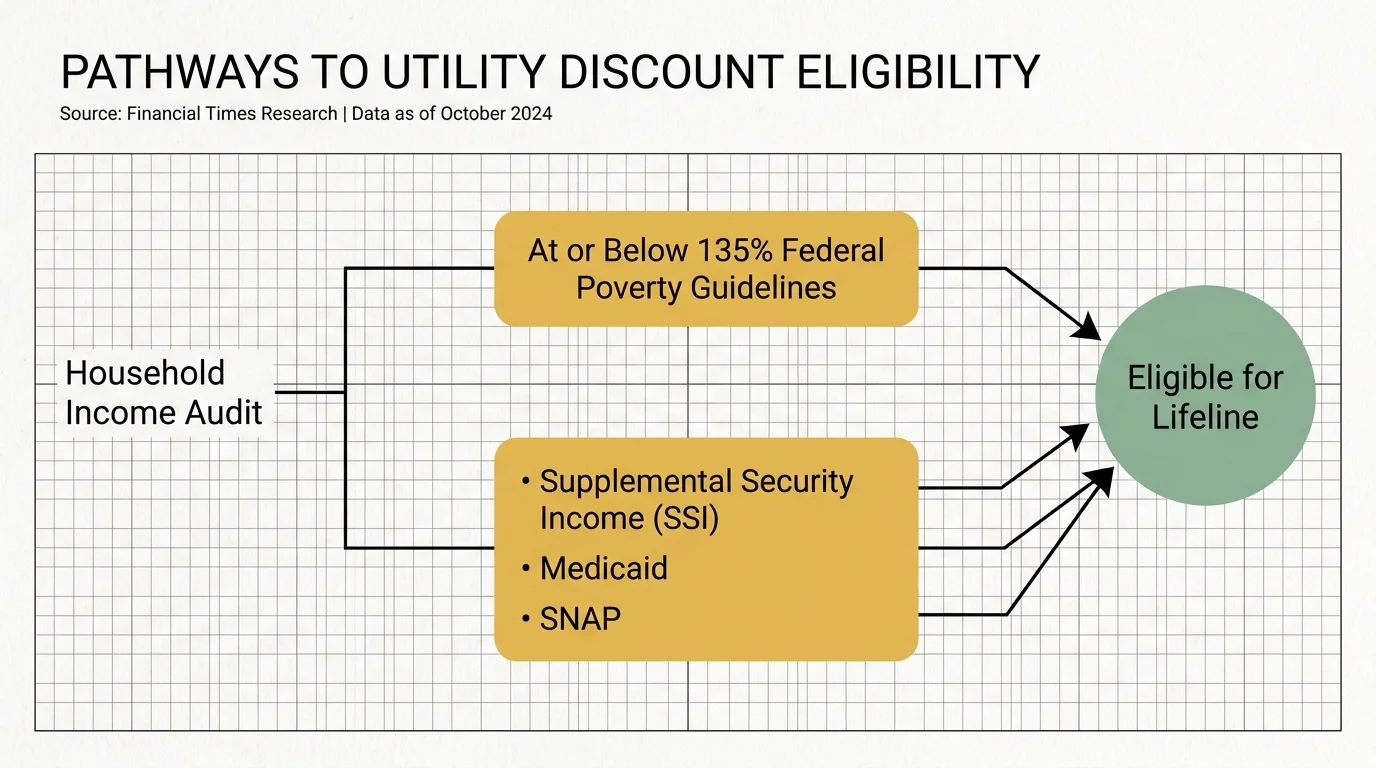
To begin your audit, calculate your total household income from all sources. The primary federal gateway for internet assistance requires your household income to sit at or below 135 percent of the Federal Poverty Guidelines. However, you can completely bypass the income calculation if you already participate in certain federal programs. If you receive Supplemental Security Income, Medicaid, or Supplemental Nutrition Assistance Program benefits, you automatically qualify for federal broadband discounts. Securing eligibility for one program often creates a domino effect that unlocks discounts across all your utilities.
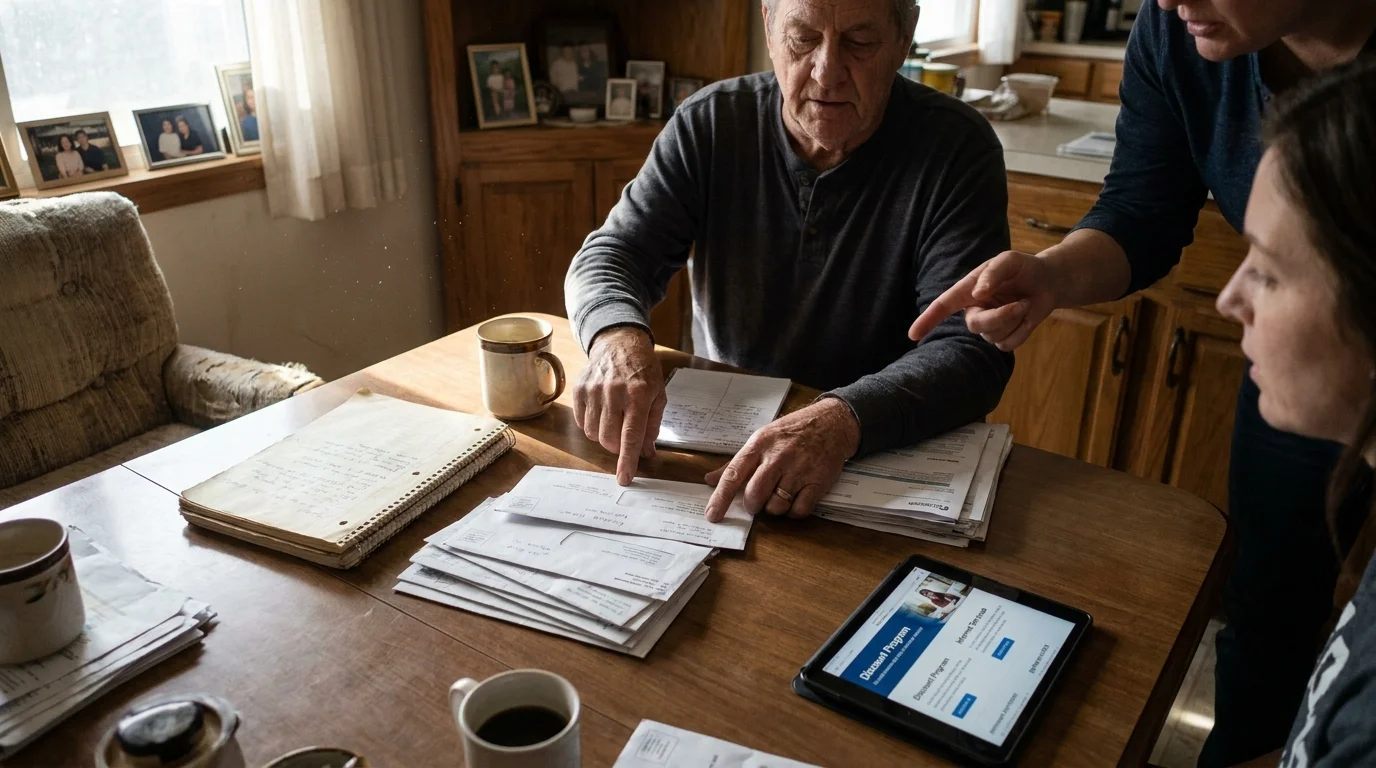
The Consumer Financial Protection Bureau encourages older adults to regularly review their budgets to identify overlapping benefit opportunities. If you sit slightly above the income threshold for direct utility assistance, you should investigate whether deducting eligible out-of-pocket medical expenses could lower your calculated net income. Take thirty minutes this weekend to gather your recent Social Security statements, pension documents, and any current benefit award letters. Having this paperwork organized on your kitchen table transforms a stressful application process into a straightforward administrative task.
Strategy Pillar Two: Navigating Federal and State Discounts
Once you verify your financial eligibility, you must actively navigate the application portals to secure your discounts. The cornerstone of broadband assistance is the federal Lifeline program. Overseen by the Federal Communications Commission, Lifeline provides a direct monthly discount of up to $9.25 on phone or internet service for eligible low-income subscribers, and up to $34.25 per month for those living on qualifying Tribal lands. You can apply this discount to either a wireline broadband connection or a wireless data plan, depending on which service best fits your daily needs.
To claim the federal benefit, you must use the National Verifier system. This centralized database confirms your identity and checks your eligibility using automated connections to programs like Medicaid and SNAP. If the automated system cannot instantly verify your status, it will prompt you to upload physical proof, such as a recent benefit statement or tax return. You should take clear, well-lit photographs of these documents with your smartphone so you are prepared to upload them immediately. Once the National Verifier approves your application, you simply contact your current internet service provider and ask them to apply the Lifeline discount to your account.
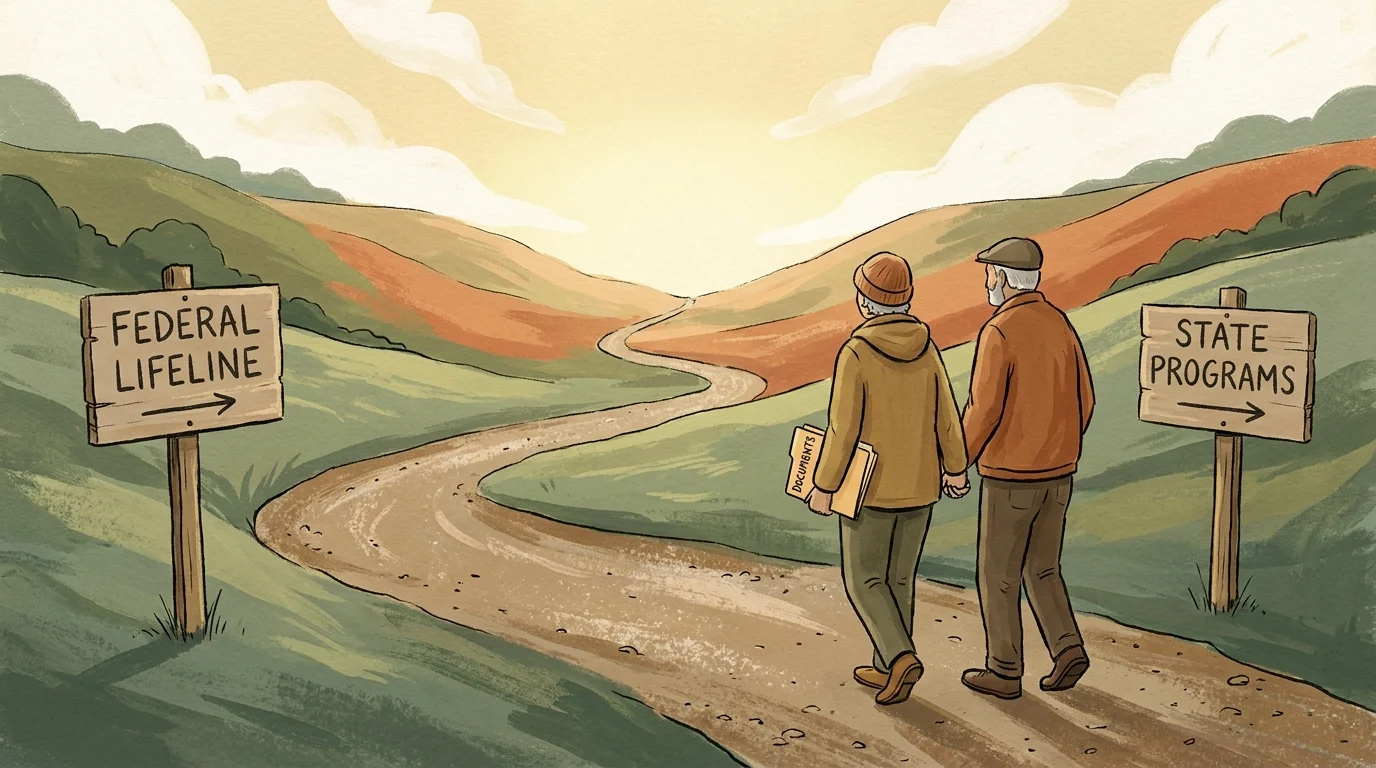
Do not stop at the federal level; you must also investigate state-specific programs. Following the lapse of federal pandemic-era broadband funds, states including California, New York, and Maryland aggressively expanded their own utility discount frameworks. Some states mandate that telecommunications companies offer heavily discounted basic internet tiers—often priced around $15 per month—exclusively for seniors on fixed incomes. You should visit your state’s public utility commission website and search for low-income broadband initiatives. Layering a state-mandated low-income pricing tier with your federal Lifeline discount can reduce your monthly internet bill to just a few dollars.
Strategy Pillar Three: Automating Savings and Recertification
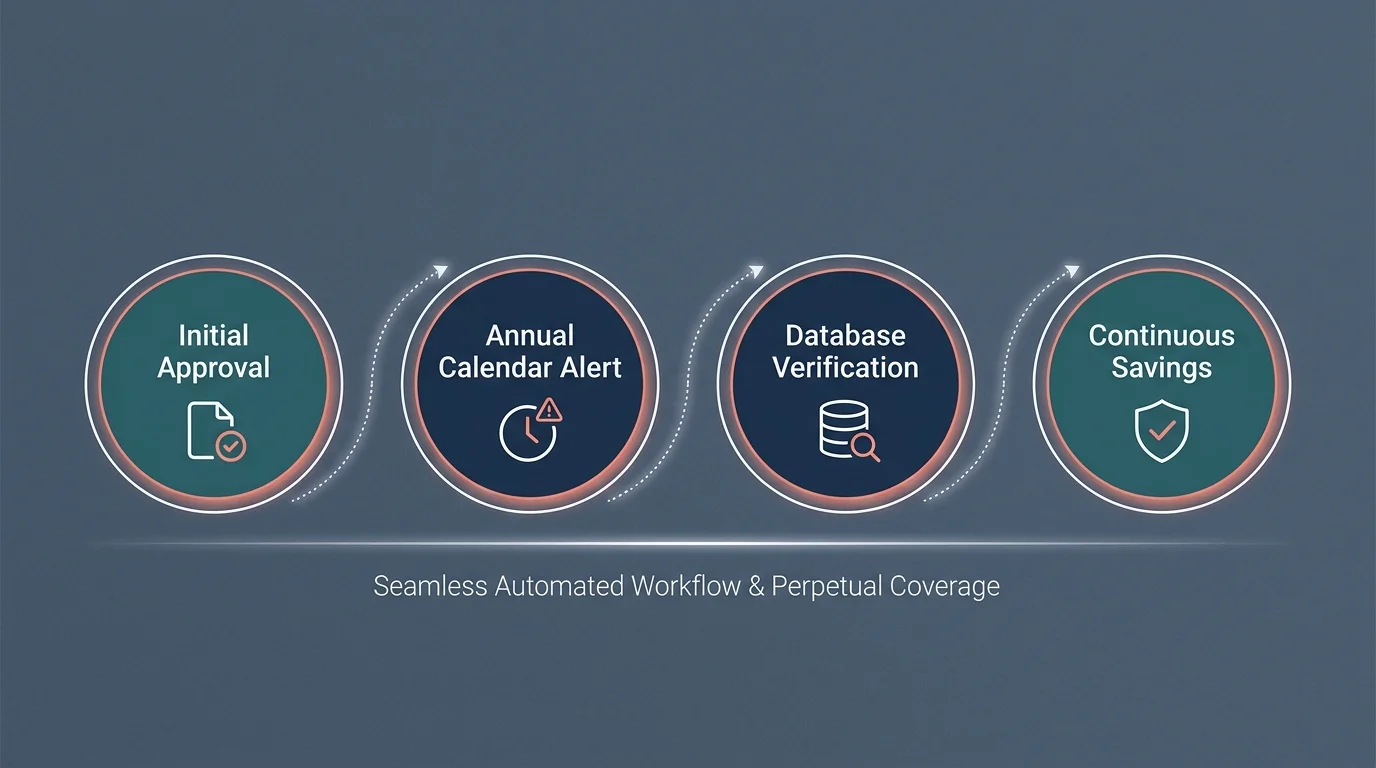
Securing your utility discount represents only half the battle; keeping it active requires ongoing administrative vigilance. Federal and state programs mandate annual recertification to prove you still meet the eligibility requirements. If you ignore the recertification notices, the government will drop you from the program, and your internet provider will immediately bump you back to their most expensive retail pricing tier. You can prevent this costly mistake by treating your benefit maintenance as a vital, automated part of your financial routine.
As soon as your initial application receives approval, you should immediately open your digital calendar or physical planner and mark a date exactly ten months in the future. Label this date as your recertification window. The Universal Service Administrative Company, which manages Lifeline, will attempt to automatically recertify you using database checks. If those automated checks fail, they will send you a letter or email requiring manual confirmation. By setting an early reminder, you ensure that you actively look for this correspondence rather than accidentally throwing it away as junk mail.
You should also automate the payment of your remaining balance. Once your discount is applied, set up automatic payments through your bank account or a dedicated credit card. This ensures you never miss a payment on your newly reduced bill, protecting your credit score and ensuring uninterrupted service. Managing the administrative friction of recertification requires discipline, but the financial return on your time is extraordinary. Spending one hour a year to maintain a $15-a-month internet bill yields hundreds of dollars in guaranteed, tax-free savings.

Real-World Voices on Overcoming Benefit Hesitation
Many seniors hesitate to apply for utility and broadband discounts because of a deeply ingrained sense of pride. You might feel that government assistance should be reserved for families in more dire circumstances, or you might fear the stigma associated with low-income programs. Financial planners and behavioral economists urge older adults to completely discard this mindset. You spent decades paying into the tax system that funds these exact initiatives; claiming your benefits is not a handout, but a rightful return on your lifelong investment.
The National Council on Aging frequently highlights a tragic statistic: billions of dollars in public and private benefits go unclaimed by older adults every single year. This money sits idle in government accounts while seniors needlessly ration their groceries to pay for internet access. Consumer advocates emphasize that every dollar you save on utilities is a dollar you can redirect toward your health, your home maintenance, or your savings cushion. When you reframe these discounts as a strategic financial tool rather than a charitable rescue, you empower yourself to act.
Savvy households treat benefit optimization as a part-time job with a fantastic hourly wage. Think about the math behind the effort. If it takes you two hours to gather your paperwork, navigate the National Verifier, and call your internet provider, and that effort results in a $40 monthly reduction on your bill, you save $480 a year. You have just earned $240 an hour for your administrative labor. Very few investments will yield that kind of guaranteed return for a fixed-income household.
Action Lab: Restructuring a Fixed-Income Budget
To understand exactly how these discounts transform a household budget, we will look at the real-world mechanics of a cash-flow adjustment. Imagine a retired individual named Robert who relies entirely on a modest Social Security check of $1,600 a month. Robert currently pays $75 a month for a standard cable internet connection. He needs the internet to monitor his heart condition through a patient portal and to video chat with his grandchildren. Paying $75 a month consumes nearly five percent of his entire income, leaving him incredibly vulnerable to grocery price spikes.
Robert begins his budget overhaul by verifying his eligibility. Because his annual income falls below 135 percent of the Federal Poverty Guidelines, he knows he qualifies for the federal Lifeline program. However, Robert takes an extra step. He applies for the Supplemental Nutrition Assistance Program first. He receives a small monthly food stipend, but more importantly, his new SNAP enrollment provides automatic, undeniable proof of eligibility for almost every other low-income program in his state.
Armed with his SNAP award letter, Robert visits the National Verifier website and instantly secures his Lifeline approval. He then calls his internet service provider. Instead of just applying the $9.25 federal discount to his expensive $75 plan, he asks the representative to switch him to the company’s unadvertised low-income senior tier, which costs $20 a month. By applying his $9.25 Lifeline benefit to the $20 plan, Robert’s new monthly internet bill drops to $10.75. He has permanently freed up over $64 a month in cash flow without sacrificing his connection speed or his digital independence. You can replicate Robert’s exact strategy by combining program enrollments with a firm negotiation of your underlying service plan.
Guardrails and Common Pitfalls to Avoid
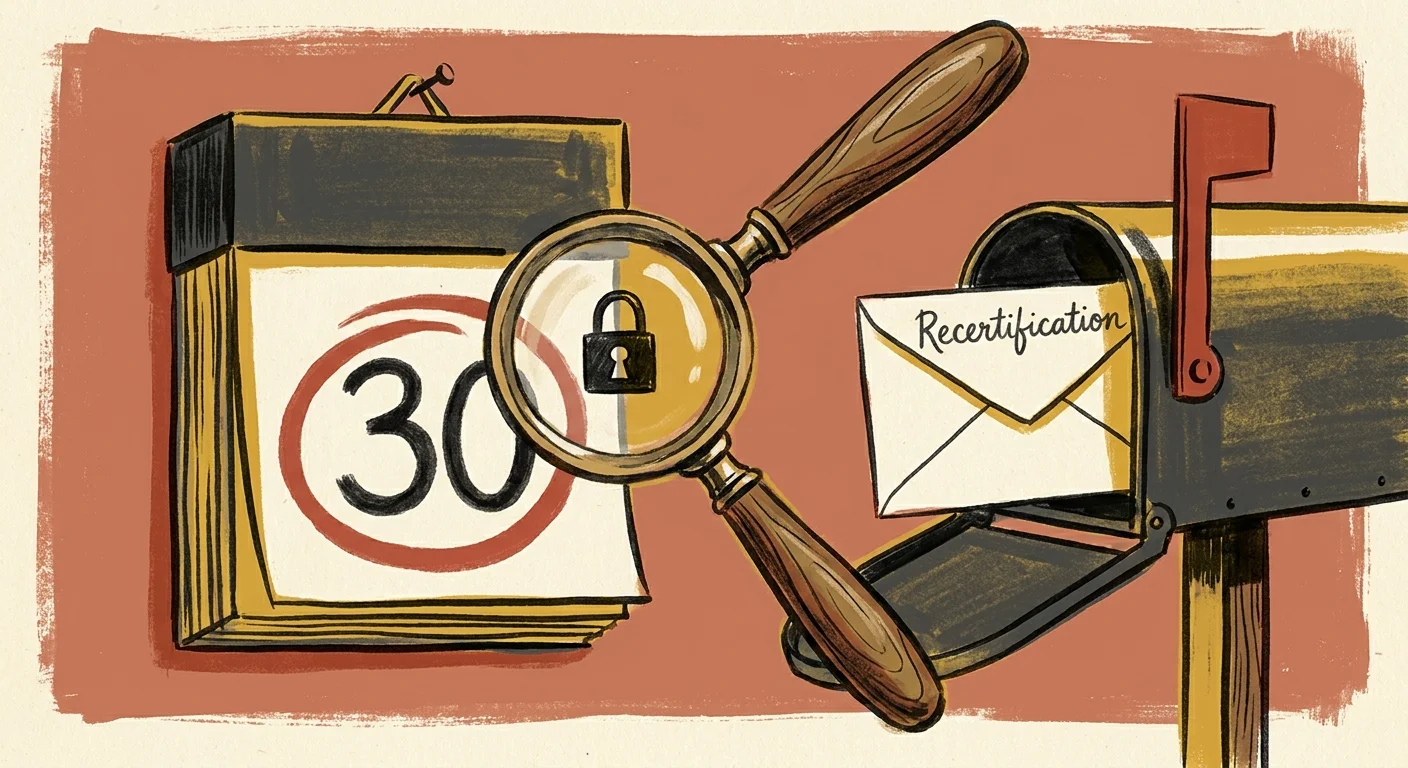
While securing broadband assistance offers immense financial relief, you must navigate the process carefully to avoid common traps. The most prevalent pitfall is falling for aggressive telemarketing scams. Criminals frequently target older adults with phone calls claiming to represent the federal government or the Lifeline program. They will offer to secure your internet discount in exchange for a processing fee or your full Social Security number. You must remember that the government never charges an application fee for utility assistance, and you should only ever input your personal data directly into the official Federal Communications Commission portals or the National Verifier website.
Another costly mistake involves accepting a generic senior discount instead of pursuing a low-income assistance tier. Many internet providers will eagerly offer you a ten percent discount just for being over the age of 65. While this sounds generous, it is often a distraction. A standard senior discount on a $100 premium plan still leaves you paying $90 a month. You must explicitly ask the customer retention department about income-based assistance programs, which often offer flat-rate basic tiers that cost a fraction of the standard retail price.
Finally, you must avoid the pitfall of provider complacency. Telecommunications companies frequently change their low-income offerings, and state legislatures introduce new utility subsidies every year. If you simply set your bill on auto-pay and ignore the market for five years, you will miss out on deeper discounts. You should commit to making one phone call to your provider every January to ask if any new state broadband funds or lower-priced essential tiers have become available for your address.
Frequently Asked Questions
Does applying for internet and utility assistance impact my Social Security benefits?
No, enrolling in federal or state broadband assistance programs has absolutely zero impact on your monthly Social Security payments. These telecommunications discounts are entirely separate from the Social Security Administration’s funding pools. Earning a discount on your internet bill does not count as taxable income, nor does it reduce your standard retirement payouts. You can safely claim these utility benefits without worrying about triggering a reduction in your primary income stream.
Can I apply the federal broadband discount to both my cell phone data and my home internet?
Federal rules strictly limit the Lifeline discount to one per household, not one per person. You must choose whether to apply your benefit to your mobile smartphone data plan or to your home wireline broadband connection. If you rarely use the internet outside of your house, applying it to your home router is generally the smartest move. However, if you rely entirely on your smartphone for browsing and telehealth, you should direct the discount to your wireless carrier to lower your mobile bill.
What happens if I move to an assisted living facility that provides internet?
If you relocate to a care facility or an apartment building where the management provides community-wide internet access within your rent, you must actively de-enroll from your personal broadband discount program. Continuing to claim a subsidy for a service you no longer personally pay for violates program rules and can result in a demand for repayment. You simply need to contact your internet provider and the National Verifier to close your account when you transition to your new living arrangement.
Do I need to reapply for these programs every single year?
Yes, maintaining your discount requires annual recertification to prove you still meet the financial criteria. The system will attempt to verify your continued eligibility automatically by checking state and federal databases. If the automated system cannot confirm your income status, you will receive a mandatory request for documentation. You must respond to this request promptly with your updated tax returns or benefit statements; ignoring it guarantees that your discounts will be swiftly terminated.
Sustaining Your Financial Independence
Taking control of your utility costs is one of the most effective ways to insulate your fixed income against economic uncertainty. Securing a discount on your broadband internet is not a one-time trick; it is a fundamental shift in how you manage your monthly household overhead. By treating your internet connection as an essential utility and aggressively claiming the benefits designed for you, you immediately improve your financial resilience.
You have the knowledge required to audit your cash flow, navigate the application portals, and automate your savings. Do not let bureaucratic friction stop you from keeping money in your pocket. Pick up your financial documents this week, verify your eligibility, and claim the discounts you have rightfully earned. Your digital independence and your financial peace of mind are absolutely worth the effort.