Shifting your daily caffeine routine from the local drive-through to the grocery aisle unlocks hundreds of dollars in monthly savings without forcing you to endure bitter, watery sludge. You can reclaim your household budget right now by discovering which affordable coffee brands genuinely rival premium roasters in both flavor and depth. Rising grocery bills make every discretionary purchase feel heavy; however, your morning brew should remain a non-negotiable comfort. By learning how to identify quality beans hiding in plain sight on supermarket shelves, you protect your cash flow and elevate your daily ritual. This practical approach reveals the exact bags worth your money and helps you stretch your paycheck with absolute confidence.
The State Of Your Wallet: Why The Premium Cafe Habit Needs A Rewrite
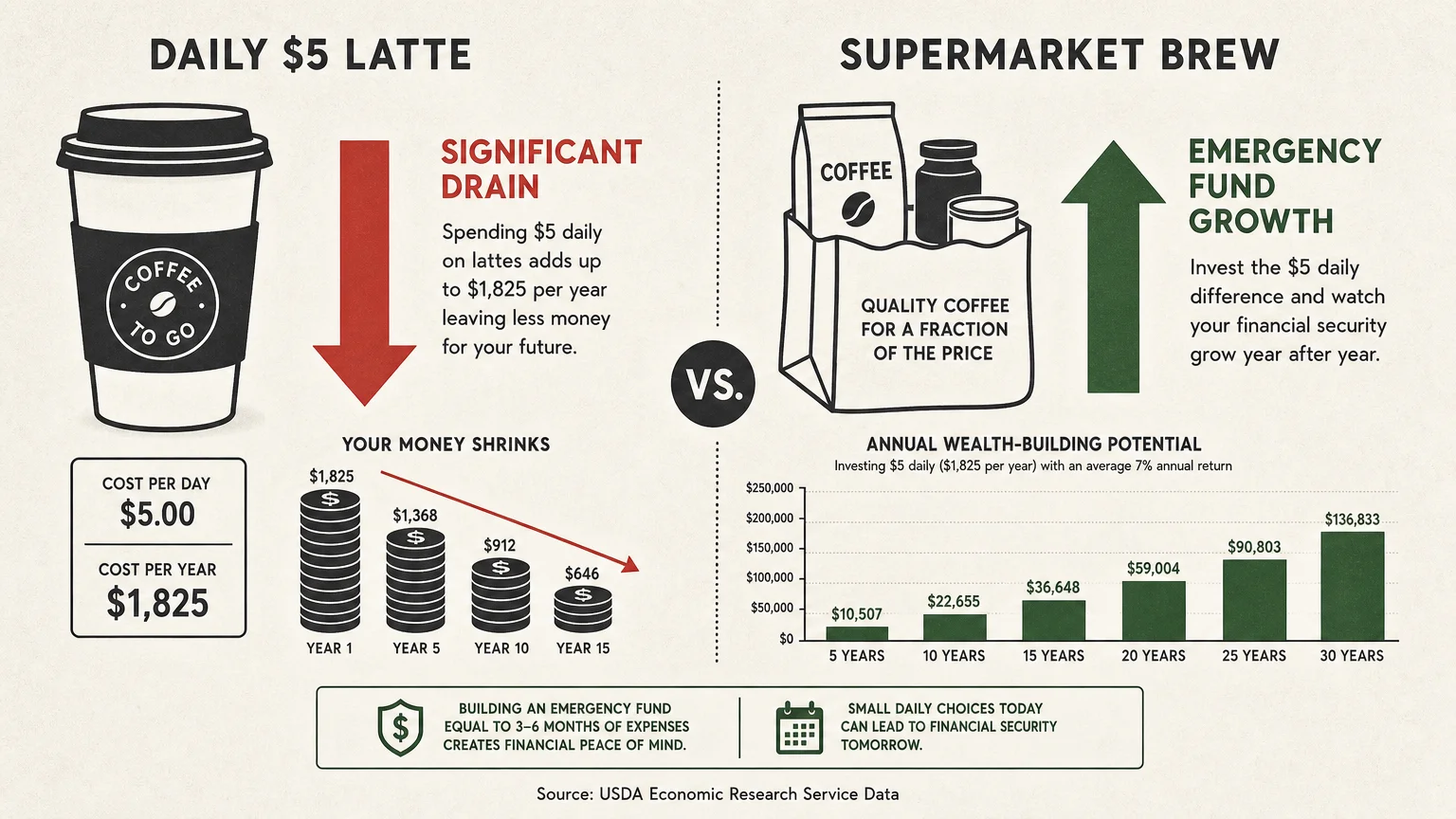
Middle-income households face unparalleled pressure as essential expenses consume larger portions of their monthly take-home pay. You feel this squeeze every time you review your credit card statement and notice how those small, frequent transactions completely drain your disposable income. The reality of modern inflation means that your five-dollar morning latte now represents a significant drain on your annual wealth-building potential. Recent data from the USDA Economic Research Service demonstrates that the cost of food away from home consistently outpaces the inflation of groceries, meaning you pay a massive premium simply for the convenience of having someone else pour your drink.
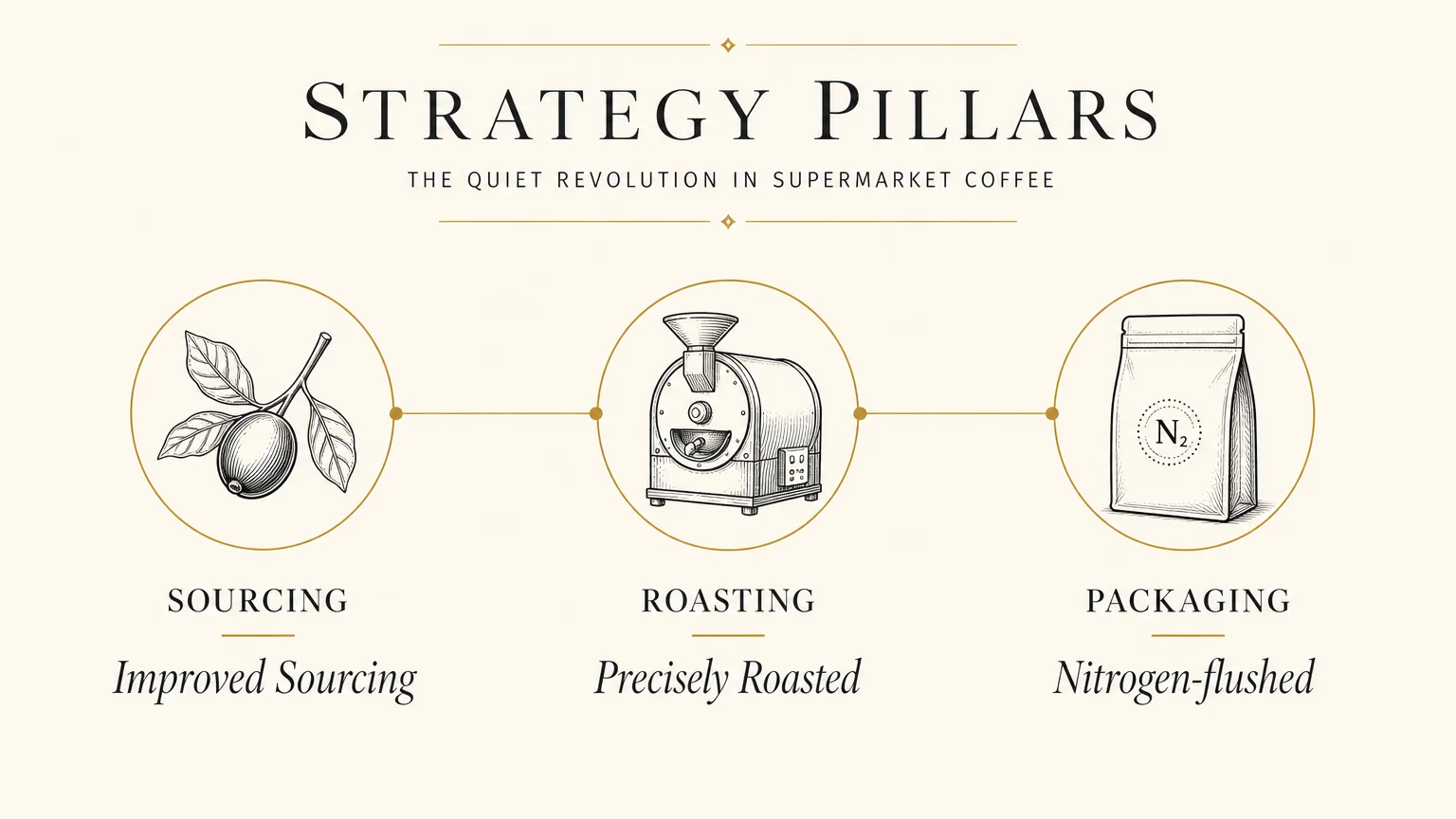
You do not need to abandon the joy of a perfectly roasted, deeply aromatic cup of coffee to balance your budget. Supermarket coffee has undergone a quiet revolution over the past decade, with grocery chains and legacy brands vastly improving their sourcing, roasting, and packaging techniques. Instead of stale, lifeless grounds sitting in tin cans, you can now find nitrogen-flushed, precisely roasted beans that hold their own against boutique specialty roasters. Recognizing this shift empowers you to redirect hundreds of dollars back into your emergency fund or investment accounts while maintaining the standard of living you deserve.
The Six Supermarket Coffees That Rival Specialty Roasters
Walking down the coffee aisle often feels overwhelming due to the sheer volume of brightly colored bags making bold claims. You need reliable, rigorously tested recommendations that deliver exceptional value per ounce. The following six selections consistently produce a complex, highly enjoyable cup that drinks like a much more expensive product.
1. Peet’s Coffee Major Dickason’s Blend
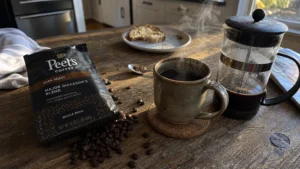
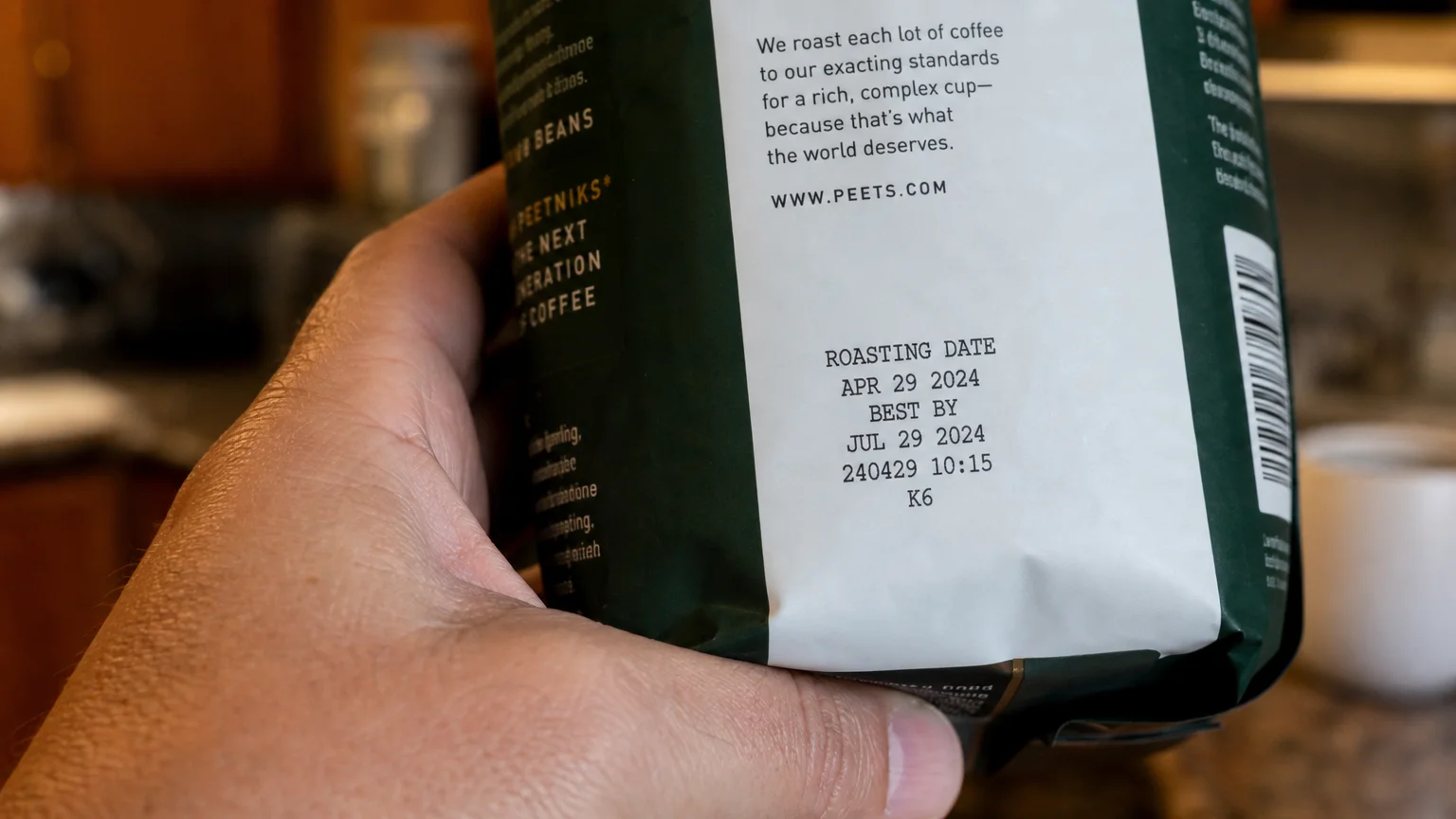
You will struggle to find a better deeply roasted, intensely flavorful supermarket option than Peet’s Major Dickason’s Blend. Born in the original specialty coffee movement, Peet’s maintains a remarkable level of quality control for a nationally distributed brand. They clearly print roasting dates on their bags—a rarity in the grocery store environment that guarantees you know exactly how fresh your purchase is. Major Dickason’s offers profound notes of dark chocolate, toasted nuts, and a heavy, satisfying body that completely replicates the bold profile of a high-end cafe americano. When you brew this at home using a French press or a standard drip machine, the thick crema and robust aroma will make you forget about the drive-through completely.
2. Cafe Bustelo Espresso Dark Roast
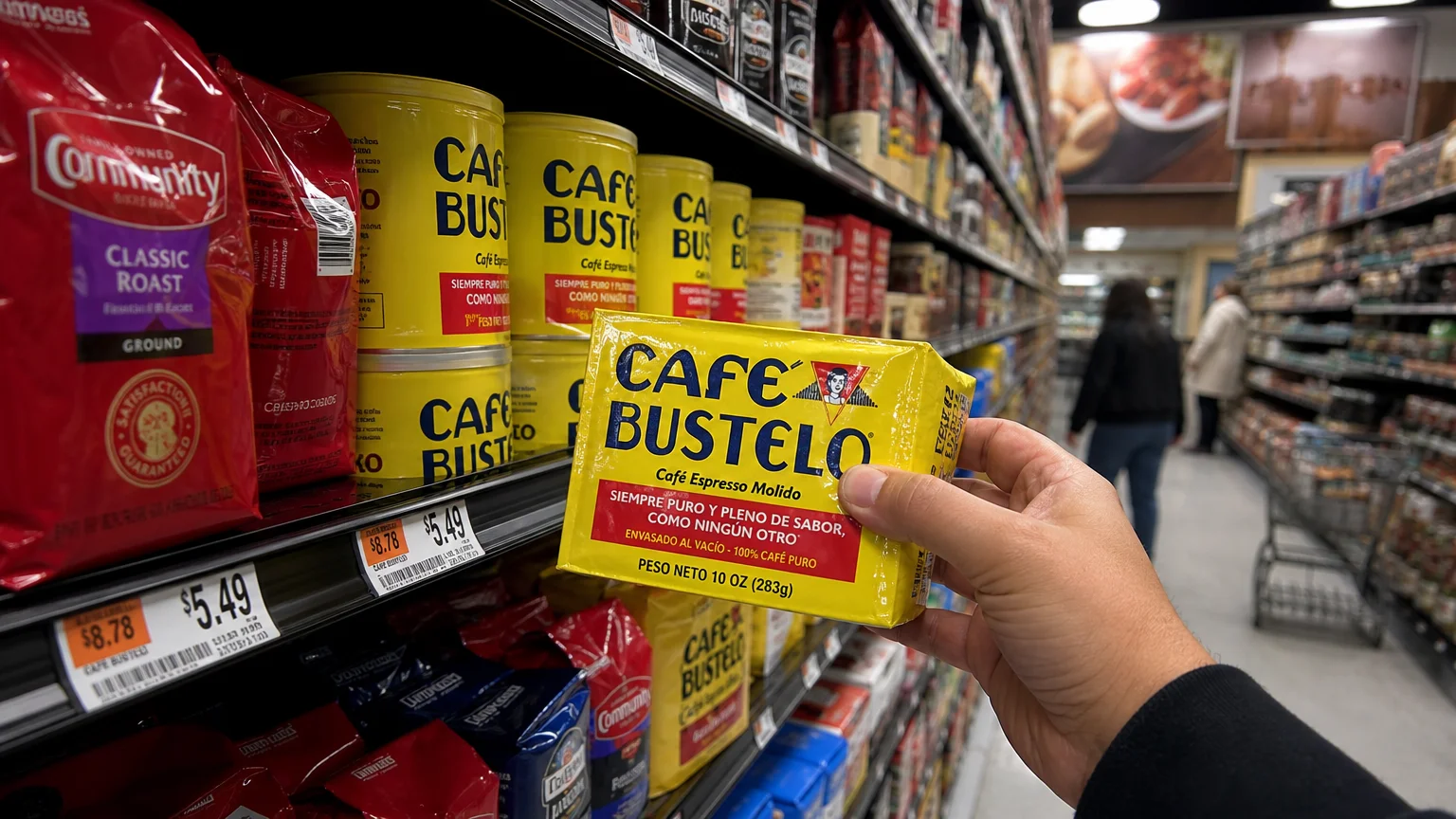
When you want to recreate rich milk-based espresso drinks like lattes and cappuccinos in your own kitchen without buying a thousand-dollar espresso machine, Cafe Bustelo stands entirely unchallenged. Packaged in its iconic yellow brick, this Cuban-style dark roast delivers an incredibly punchy, vibrant flavor that cuts right through dairy and oat milk alike. Despite costing a fraction of what whole-bean specialty bags charge, Bustelo produces a genuinely potent, syrupy extraction perfectly suited for a stovetop Moka pot. Families looking to stretch their grocery budgets rely on this brand because a single brick produces dozens of high-intensity drinks that taste exactly like the expensive concoctions served at trendy neighborhood cafes.
3. Eight O’Clock Coffee The Original
Do not let the legacy branding fool you; Eight O’Clock Coffee remains one of the greatest hidden gems in the American supermarket. The Original medium roast utilizes one hundred percent Arabica beans and delivers a remarkably sweet, balanced, and slightly fruity cup that rivals bags costing three times as much. You benefit immensely from their high-volume production, which keeps the price low while maintaining a shockingly consistent flavor profile. If you drink your coffee black and prefer a smooth, mellow acidity rather than a heavily charred flavor, grabbing a whole-bean bag of Eight O’Clock provides the perfect daily drinker. It shines beautifully when prepared as a pour-over, revealing subtle complexities you would never expect from such a budget-friendly option.
4. Lavazza Qualita Oro
You can bring the distinct, refined taste of a European cafe into your dining room by picking up Lavazza Qualita Oro. This Italian powerhouse brand mastered the art of large-scale blending decades ago, creating a sweet, aromatic profile with distinct floral and honey notes. Lavazza packages their coffee in tightly sealed, vacuum-flushed bags that protect the delicate flavor compounds from oxidizing on the shelf. When you calculate the cost per cup, this premium-tasting import barely dents your weekly grocery budget. It performs exceptionally well in standard drip makers, yielding a smooth, entirely grit-free cup that makes your morning routine feel distinctly luxurious without requiring you to spend more than ten dollars.
5. Gevalia Traditional Roast
If your household prioritizes a remarkably smooth, never-bitter cup of coffee that pleases a wide variety of palates, Gevalia Traditional Roast serves as the ultimate crowd-pleaser. Originally a premium mail-order brand from Sweden, Gevalia is now widely available on grocery shelves and brings a distinctly Scandinavian approach to roasting. They cool their beans quickly after roasting, a technique that locks in a mild, bright, and exceptionally clean flavor. You can serve this confidently to guests who usually demand premium diner coffee. It stretches your dollars further because the inherently rich flavor means you never feel the need to use excessive scoops to achieve a satisfying extraction.
6. Cameron’s Coffee Specialty Roasted
Cameron’s Coffee deliberately targets the budget-conscious consumer who refuses to compromise on ethical sourcing and clean flavor. They specialize in roasting only the top ten percent of Arabica beans and utilize specialized equipment to prevent the scorching that ruins many affordable brands. Their Velvet Moon espresso blend and their standard Breakfast Blend both drink incredibly smoothly, completely lacking the harsh, acidic bite that plagues lower-tier supermarket options. Furthermore, Cameron’s actively avoids using plastic in their single-serve pods, aligning your financial savings with environmental mindfulness. You gain absolute peace of mind knowing you are brewing a highly ethical, incredibly delicious cup for mere pennies a day.
Strategy Pillars: Building A Better Brew Budget
Identifying the right beans marks only the first step in your financial optimization journey. To truly capture the monetary benefits of brewing at home, you must integrate these savings into your broader personal finance system. Following these three pillars ensures your new routine directly improves your financial health.
Pillar One: The Cash Flow Audit For Caffeinated Households
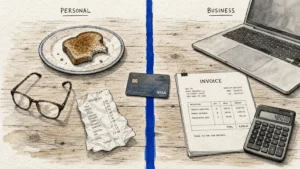
You cannot manage money that you do not actively track. Begin by reviewing your previous month of credit and debit card transactions to isolate exactly how much capital you directed toward coffee shops, bakeries, and drive-throughs. The Consumer Financial Protection Bureau strongly advocates for this type of behavioral auditing to regain control over your discretionary spending. Once you see the raw number—often landing between one hundred and three hundred dollars for a middle-income earner—you instantly recognize the stakes. Write this number down. This figure represents the exact amount of money you are about to reclaim and repurpose for your debt payoff or wealth accumulation goals.
Pillar Two: Smart Supermarket Sourcing Automations
Your grocery strategy dictates your actual savings margin. Supermarkets routinely cycle their coffee inventory through aggressive sales promotions, typically offering buy-one-get-one-free deals on major brands like Peet’s and Eight O’Clock every four to six weeks. You maximize your budget by tracking these sale cycles and purchasing a two-month supply when the price drops to its absolute lowest point. Furthermore, you should utilize automated savings transfers to capture the money you no longer spend at the cafe. Follow guidance from Investor.gov by setting up an automatic weekly transfer from your checking account to your high-yield savings account. If you normally spend twenty-five dollars a week at the cafe, automate a twenty-dollar transfer every Friday. You will barely notice the money leaving, but the balance will grow remarkably fast.
Pillar Three: Mindful Spending On Essential Equipment
Cheap beans taste phenomenal when ground properly, while expensive beans taste awful when butchered by a cheap blade grinder. You must direct a tiny fraction of your anticipated savings toward purchasing a decent entry-level burr grinder and an airtight storage container. A burr grinder crushes the beans uniformly, allowing the hot water to extract the flavor evenly without pulling out bitter, astringent compounds. Think of this hardware upgrade as a highly efficient capital investment. Spending forty dollars on a grinder today protects the flavor of every single budget-friendly bag of coffee you purchase for the next five years, directly supporting your long-term commitment to saving money.
Real-World Voices: What The Experts Say About Your Daily Cup
Financial professionals consistently point to daily behavioral shifts as the true driver of long-term wealth. Certified financial planners often emphasize that while cutting out lattes will not miraculously buy you a house, the psychological momentum of successfully optimizing a daily habit absolutely transforms your relationship with money. When you actively choose a delicious, six-dollar bag of Eight O’Clock coffee over a five-dollar daily cafe trip, you prove to yourself that you can reduce expenses without experiencing deprivation.
Industry research reinforces the scale of this opportunity. The National Coffee Association tracks massive shifts in consumer behavior, noting that at-home preparation accounts for the overwhelming majority of coffee consumed in the United States, yet out-of-home consumption drains a wildly disproportionate share of consumer wallets. Behavioral economists note that the friction of making coffee at home often drives people back to the cafe. By investing in tools you enjoy using and beans that genuinely taste fantastic, you remove that friction entirely. You build an environment where the financially responsible choice is also the most satisfying and convenient choice available to you every morning.
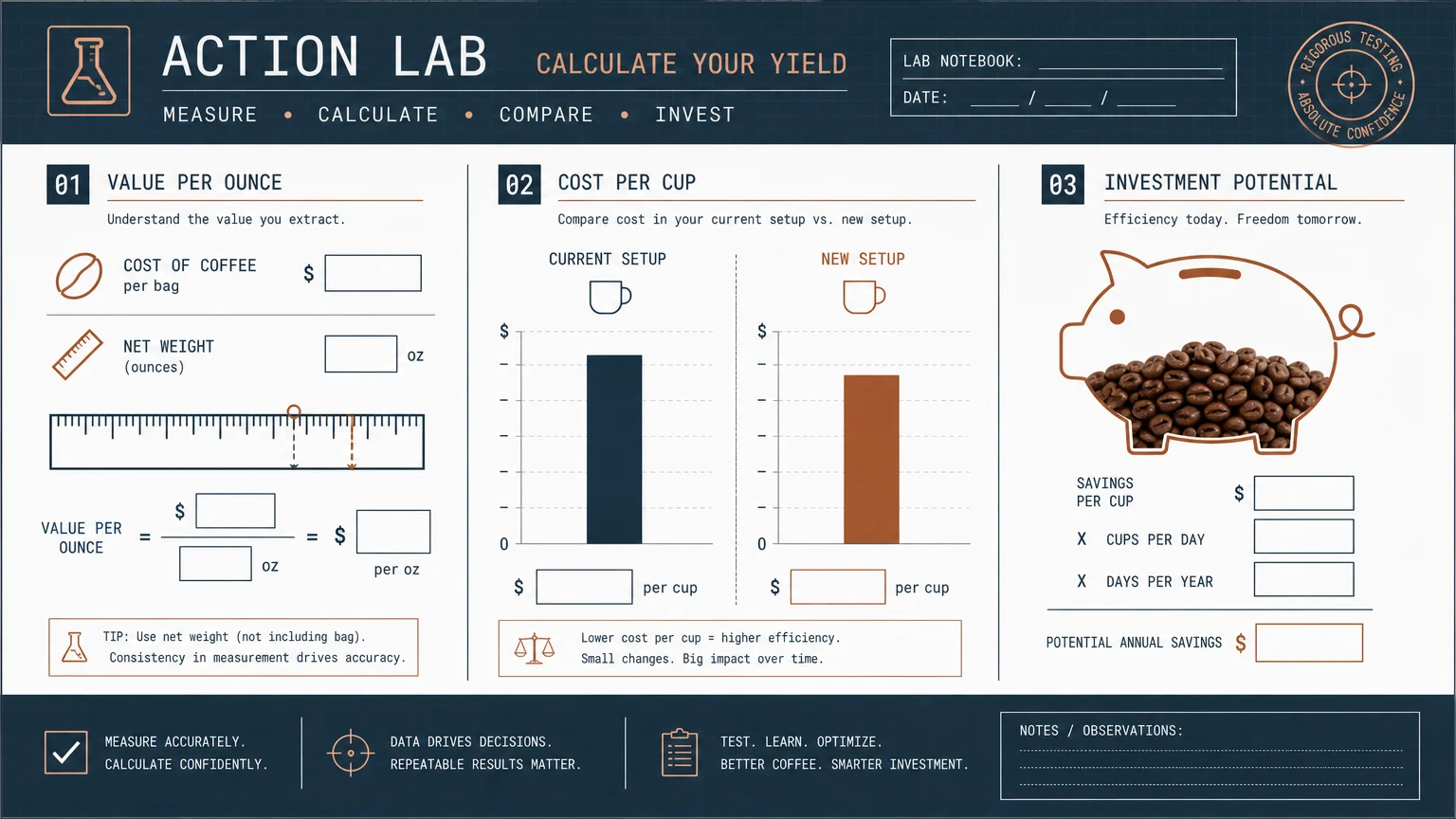
Action Lab: Calculating Your Grocery Store Coffee Yield
You need to see the exact mathematics behind this lifestyle adjustment to fully appreciate the financial leverage it provides. Let us break down the unit economics of a standard bag of supermarket coffee compared to a typical cafe habit. A standard twelve-ounce bag of whole bean coffee contains approximately three hundred and forty grams of coffee.
A strong, highly satisfying home brew requires about fifteen grams of coffee per cup. Therefore, a single twelve-ounce bag yields roughly twenty-two large cups of premium coffee. If you purchase a bag of Peet’s Major Dickason’s Blend for nine dollars during a typical supermarket promotion, you divide that nine dollars by twenty-two cups. Your total raw material cost equals just forty cents per cup. Even when you factor in the cost of water, electricity, and a splash of milk, your total production cost rarely exceeds fifty cents.
Compare this directly to your local cafe, where a standard drip coffee costs three dollars and a milk-based espresso drink easily pushes past five dollars. By brewing one cup at home every single workday, you save an average of four dollars and fifty cents per day. Over a twenty-workday month, you generate ninety dollars in pure, unallocated cash flow. Over a year, this single, painless substitution injects over one thousand dollars back into your household budget. When you apply that thousand dollars to high-interest credit card debt, the true value of the savings compounds even further.
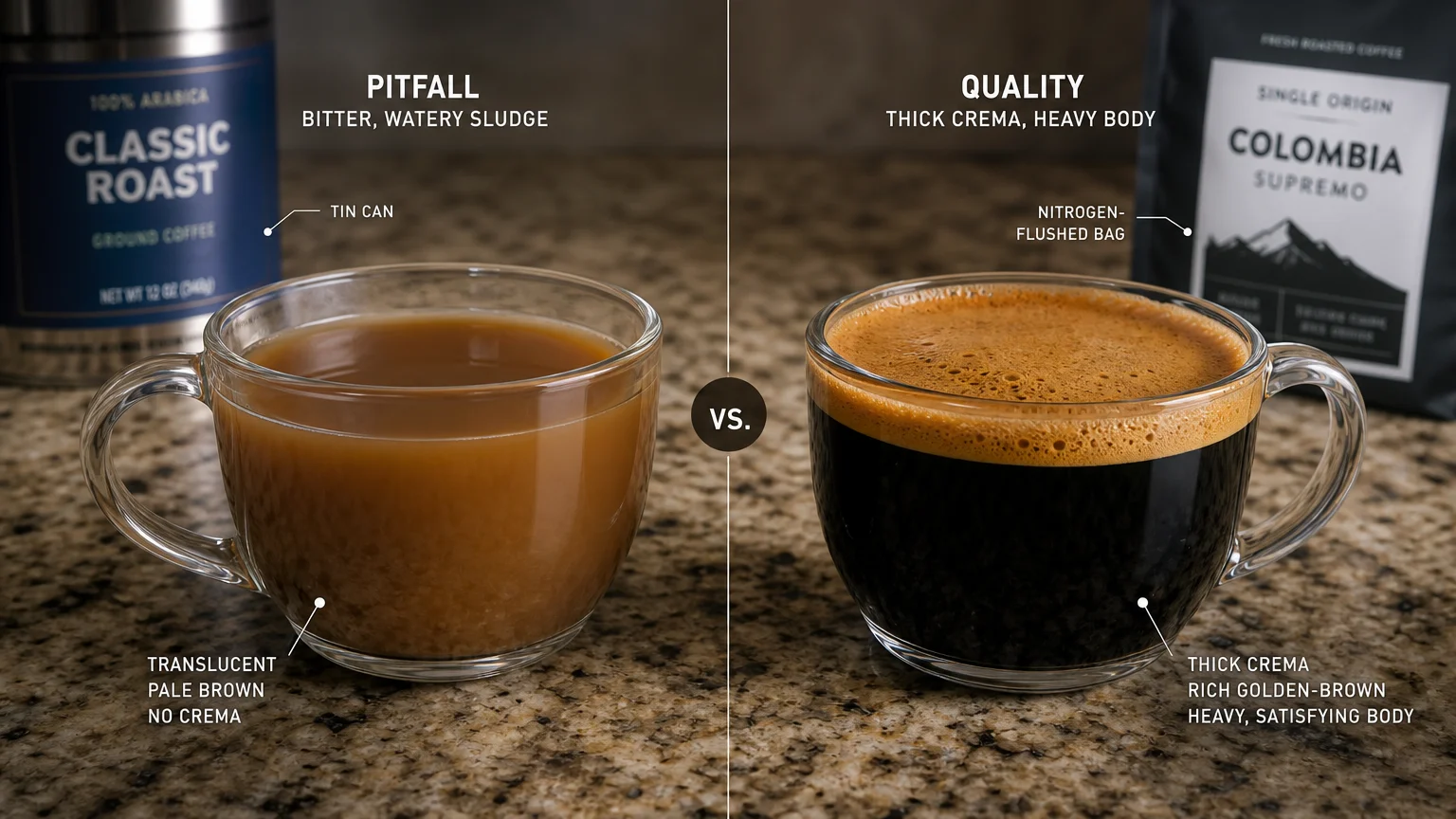
Guardrails And Pitfalls: Where Budget Coffee Goes Wrong
You can easily ruin the financial and culinary benefits of supermarket coffee by falling into a few common traps. The most severe mistake involves buying pre-ground coffee in massive, industrial-sized plastic tubs and leaving them sitting open in your pantry for months. Ground coffee oxidizes and loses its delicate flavor compounds within hours of exposure to the air. By the time you reach the bottom of that bulk tub, you are brewing flavorless, stale wood dust, which immediately tempts you to abandon your budget and run back to the expensive cafe.
Another major pitfall involves using the wrong water temperature. Standard drip machines often fail to heat water to the necessary two hundred degrees Fahrenheit required to properly extract the sweet oils from the beans. If your budget coffee tastes sour or intensely bitter, your water temperature or your grind size is likely the culprit, not the beans themselves. Protect your investment by storing your whole beans in an opaque, airtight container at room temperature—never in the refrigerator or freezer, where condensation introduces moisture and destroys the structural integrity of the roast.
Frequently Asked Questions About Affordable Coffee Brands
Is whole bean always better than pre-ground for budget brands?
You should always purchase whole bean coffee when aiming to maximize flavor on a budget. Supermarket coffee naturally spends more time in transit and on store shelves than beans purchased directly from a local roaster. The intact bean acts as a natural protective vault, locking the essential oils and flavor compounds inside until the exact moment you are ready to brew. Grinding the beans yourself in your kitchen directly offsets the extra time the bag spent in the grocery store supply chain.
How long does supermarket coffee actually stay fresh once opened?
Once you break the factory seal on a bag of whole bean coffee, you have roughly three to four weeks to consume it before the flavor degrades noticeably. If you purchase pre-ground coffee, that window shrinks dramatically to just one week. You maximize freshness by pushing as much air out of the bag as possible before sealing it tightly, or transferring the contents into a dedicated vacuum-sealed canister. Never stockpile open bags; buy only what you can reasonably consume within a month.
Does the brewing method matter when using cheaper coffee?
Your brewing method absolutely dictates the final taste profile, especially with affordable beans. French presses and Moka pots work exceptionally well with darker, robust supermarket roasts like Cafe Bustelo because these methods highlight heavy body and rich chocolate notes. Conversely, pour-over methods utilizing paper filters do an excellent job of cleaning up medium roasts like Eight O’Clock Coffee by trapping the bitter oils and allowing the sweeter, brighter notes to shine through clearly.
Are generic store-brand coffees ever worth trying?
You can find incredible value in premium store brands, often referred to as private label coffees. Major retailers frequently contract highly reputable, large-scale roasting facilities to produce their in-house organics and single-origin offerings. If you shop at stores with strong private label reputations, investigating their specific reserve or organic coffee lines often yields a product identical in quality to name brands but priced twenty to thirty percent lower due to reduced marketing overhead.
A Motivating Challenge For Your Next Grocery Run
You now possess the exact knowledge required to dramatically reduce your monthly beverage expenses while actually improving the quality of your morning routine. Your financial health relies heavily on your ability to find sustainable, enjoyable alternatives to expensive daily habits. Make a commitment today to bypass the drive-through line tomorrow morning. During your next trip to the supermarket, confidently place one of these highly-rated bags into your cart. Brew your first cup at home, calculate the physical dollars you just saved, and actively transfer that exact amount into your savings account. You have the power to protect your paycheck, and it starts with a better, smarter cup of coffee.