Turning a simple jar of pocket change into a significant financial windfall offers a thrilling and realistic way to ease your household budget pressures. You likely walk past rare coins sitting on your dresser every single day without realizing their immense potential value. While inflation shrinks the purchasing power of modern currency, specific vintage pennies from the twentieth century command massive premiums in the collector market. By learning exactly what to look for, you transform mundane spare change into a legitimate alternative asset. This guide will show you precisely how to identify valuable pennies, spot rare minting errors, and confidently navigate the appraisal process to extract maximum cash value from the coins you already own.
The State of Your Wallet and the Hidden Value in Spare Change
When daily expenses surge and traditional savings accounts struggle to keep pace with inflation, discovering hidden assets within your own home becomes a vital financial strategy. The intense pressure on middle-income households forces families to rethink traditional wealth generation, moving beyond mere budgeting to uncover untapped value that already exists in their possession. You might view the pennies jingling in your cup holder as a trivial nuisance, but the professional collector market views them as deeply historical artifacts worth serious capital. According to economic data compiled by the Federal Reserve, the velocity of physical money reveals that billions of coins currently sit completely dormant in American households. Every time you empty your pockets after a trip to the grocery store or sort through the cushions of your living room sofa, you are interacting with physical assets that might hold dramatic value. The longer you wait to inspect these coins, the longer you leave potential money completely stranded and unproductive. Meanwhile, the numismatic market has experienced robust and steady growth, with rare United States coins frequently serving as an alternative inflation hedge for savvy investors. While pennies minted after 1982 contain primarily cheap zinc, older pennies struck in solid copper carry intrinsic metal value alongside their immense historical premiums. Understanding the realities of this market transforms your mindset entirely; you shift from passively accumulating loose change to actively managing a micro-portfolio of tangible assets. When you recognize that a single 1909-S VDB Lincoln penny can sell for thousands of dollars at public auction, checking your pocket change immediately transitions from a tedious household chore into a highly profitable financial habit.
Identify the Most Valuable Pennies Hiding in Plain Sight
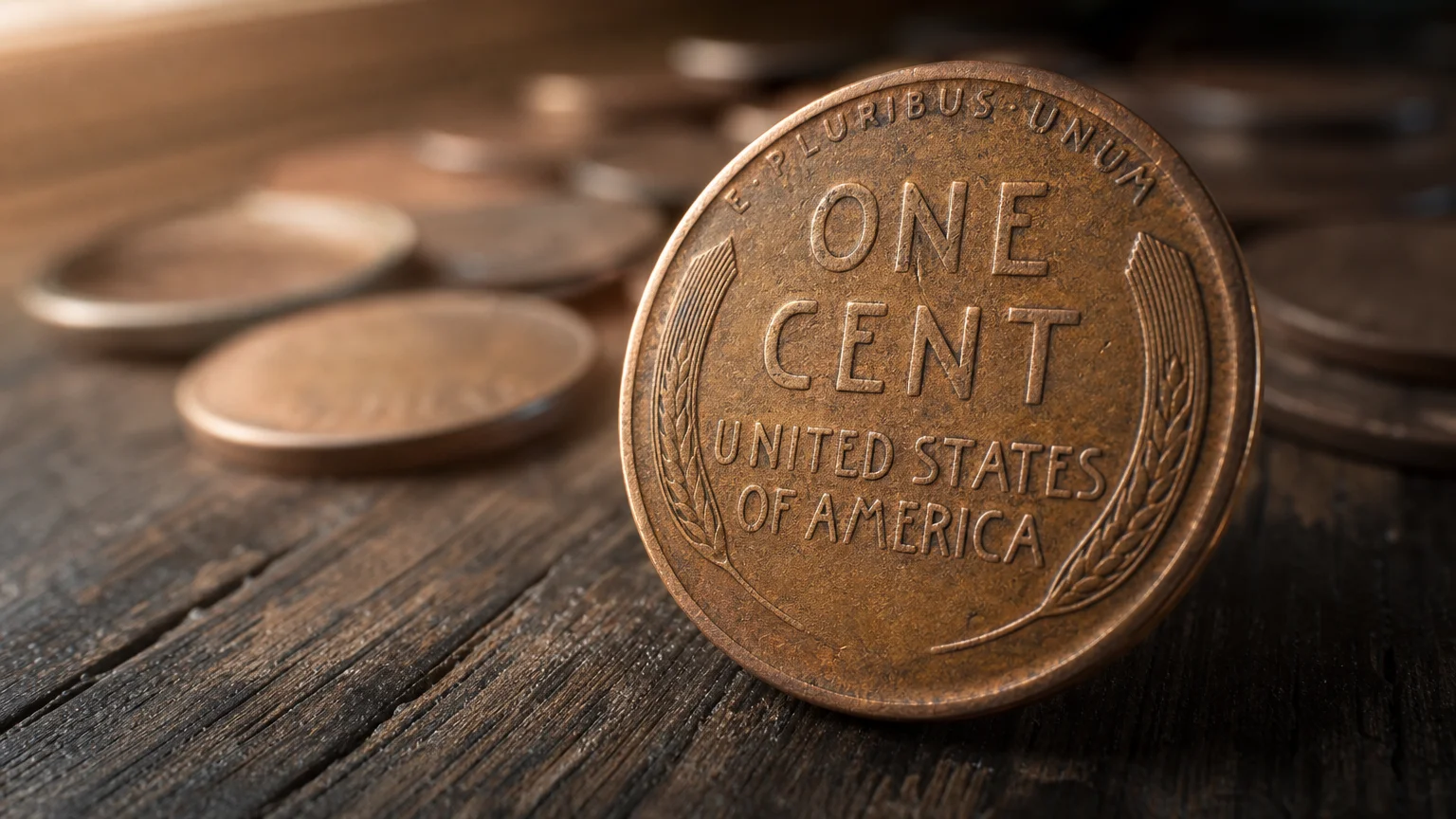
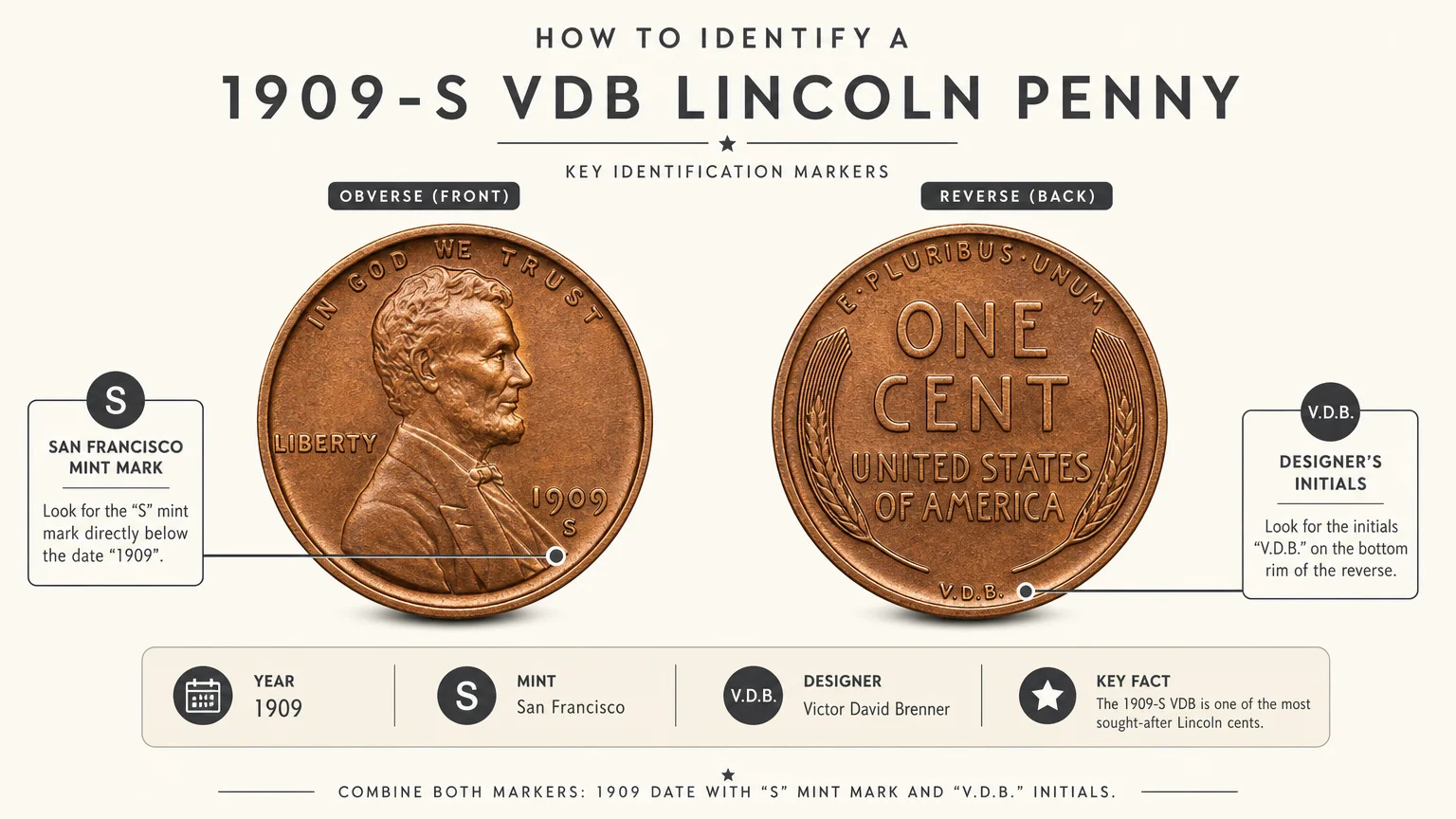
To effectively monetize your spare change, you must know precisely which 1900s pennies possess the highest secondary market value. The most famous and historically significant variety is the Lincoln wheat penny, minted from 1909 to 1958, which features two distinct stalks of wheat on the reverse side rather than the modern memorial or shield designs. When you sort through inherited or older collections, your absolute primary target should be the legendary 1909-S VDB penny. During the inaugural year of the Lincoln cent, designer Victor David Brenner placed his initials prominently on the reverse of the coin. The San Francisco mint produced a highly limited quantity of these specific pennies before the Treasury Department demanded the removal of the initials, instantly creating a massive, legendary rarity that commands exceptional prices today. You should also deeply scrutinize your collection for the 1943 copper penny, widely considered the holy grail of American numismatics. During World War II, the United States Mint switched to zinc-coated steel planchets for pennies to conserve precious copper for military ammunition. However, a tiny handful of bronze blanks were accidentally left in the presses, resulting in exceedingly rare pennies that now fetch six-figure sums from elite buyers. Another major target to watch for is the 1955 double die obverse penny, a dramatic error coin where the struck date and the national motto appear heavily duplicated due to a misaligned striking die. Understanding the subtle differences in these specific minting conditions enables you to spot the distinct characteristics that separate a common penny from an extraordinary treasure. Even a slightly worn coin from a key historical date heavily outpaces the average yield of a standard savings account. By memorizing these key dates and errors, you dramatically increase your overall chances of pulling a high-value asset out of ordinary circulation.
Conduct a Cash-Flow Audit on Your Physical Currency
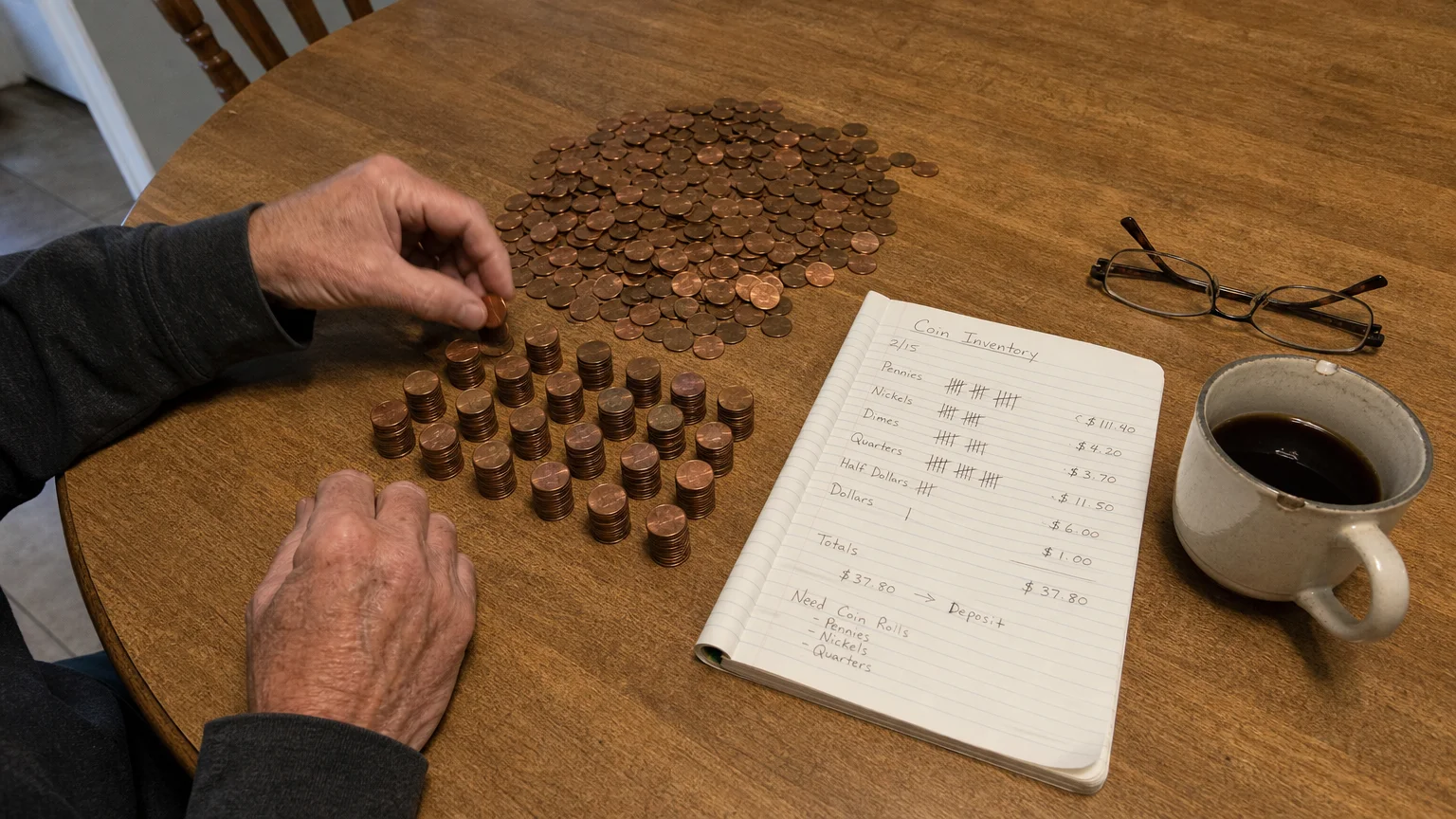
Treating your old coin jar like a true financial portfolio requires adopting a highly systematic approach to auditing your physical currency. Just as you routinely review your monthly bank statements to eliminate hidden subscriptions or unwanted fees, you must dedicate focused, intentional time to inspect your accumulated coins. Begin by establishing a clean, well-lit sorting station equipped with a basic jeweler’s loupe or a digital magnifier, which allows you to examine tiny mint marks and microscopic errors that ultimately dictate a coin’s true retail worth. The mint mark, typically located just below the struck date on Lincoln cents, specifically identifies where the coin was produced. Pennies from the San Francisco mint, marked with an “S,” or the Denver mint, marked with a “D,” almost always feature lower mintage numbers and generate higher collector demand than their Philadelphia counterparts, which usually bear no mint mark at all. As you pour out your heavy jars, separate the coins by decade, purposely isolating the pre-1959 wheat pennies from the modern, low-value memorial cents. This physical organizational strategy perfectly mirrors smarter digital saving automations, allowing you to quickly process and deposit the low-value currency while quarantining older coins for intense, deliberate scrutiny. You must also check the elemental composition of your older coins during this audit. Since global copper values fluctuate significantly, even common, heavily circulated wheat pennies from the 1910s and 1920s hold a baseline metal melt value that heavily exceeds one mere cent, providing a very real bump to your overall net worth. Establishing this regular, monthly auditing routine effectively ensures that no valuable physical asset ever slips through your fingers.
Navigate the Appraisal Process to Maximize Your Return
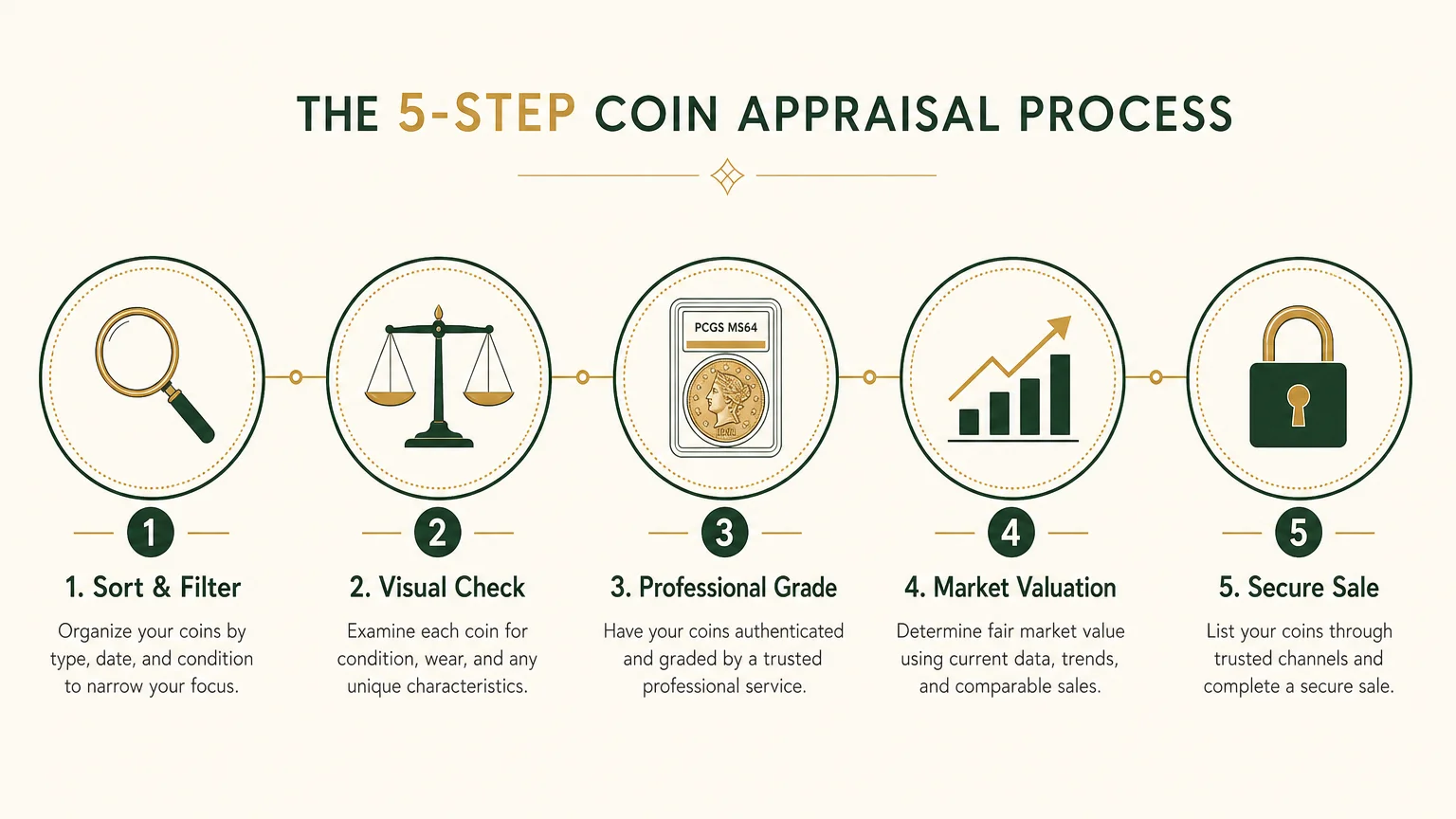
Once you isolate potentially valuable pennies from your stash, the next crucial step involves officially authenticating and appraising your finds without falling victim to lowball predatory offers. Financial prudence absolutely dictates that you never accept the first cash price offered by a local pawn shop or an informal neighborhood dealer, as these businesses inevitably bake a massive profit margin into their purchase offers at your direct expense. Instead, you must heavily leverage professional coin grading services to establish a completely objective, market-recognized value for your rare pieces. Expert organizations such as the Professional Coin Grading Service provide rigorous, independent scientific assessments of a coin’s physical condition, ultimately assigning a definitive numerical grade that dictates its precise retail market value. By permanently encapsulating your coin in a tamper-evident plastic holder, these professional services guarantee authenticity and heavily protect the asset from destructive environmental damage, which immediately increases consumer trust among high-end potential buyers. If you uncover a penny that you strongly suspect is worth several hundred dollars, paying the standard professional grading fee represents a highly intelligent upfront investment that dramatically boosts your final auction sale price. You should also aggressively consult published price guides provided by reputable numismatic organizations to track historical auction results for your specific coin variety. For broader context on managing unexpected financial windfalls, the Consumer Financial Protection Bureau offers excellent, reliable frameworks for deciding whether to use sudden cash infusions to pay down high-interest debt or aggressively bolster your family emergency savings. Treating the eventual sale of rare pennies as a strategic financial transaction ensures that every single dollar extracted from your collection goes directly toward stabilizing your family’s long-term financial picture.
Insights from Wealth Managers and Behavioral Economists
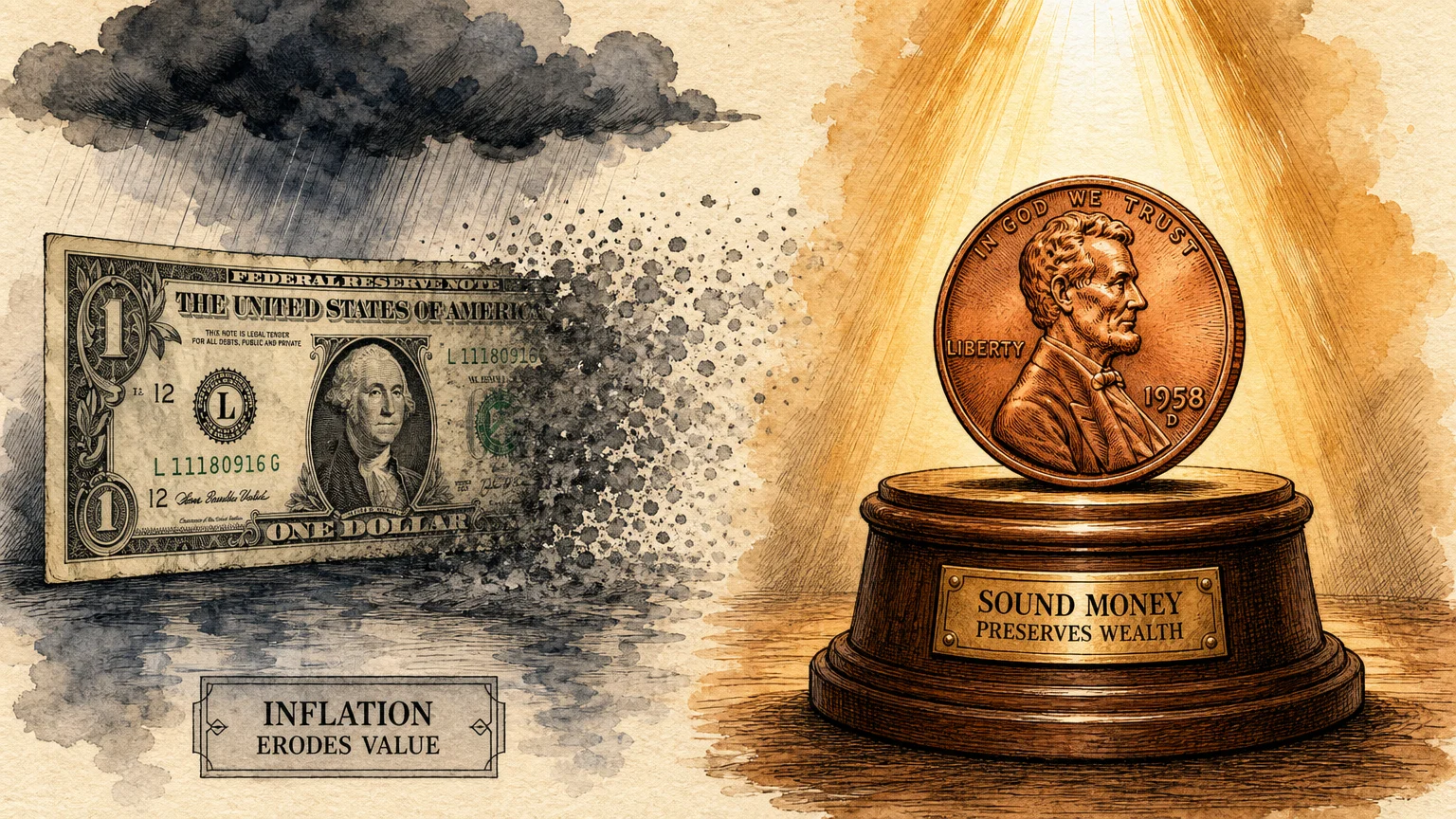
Professional financial planners increasingly view tangible collectibles not merely as weekend hobbies, but as perfectly valid components of a thoroughly diversified household asset base. Behavioral economists frequently note that the physical act of hunting for rare coins provides a substantial psychological boost to middle-income families, elegantly combining the natural human thrill of discovery with the practical reality of genuine financial gain. When families face incredibly restrictive monthly budgets, the suffocating feeling of financial immobility causes immense psychological stress. However, prominent wealth experts emphasize that actively engaging in a low-cost, exceptionally high-reward activity like intentional coin sorting actively restores a vital sense of agency and control over your financial destiny. By transforming idle, dusty household clutter into actionable cash flow, you neatly bypass the deep psychological barriers often associated with aggressively cutting necessary expenses or working exhausting additional shifts. Many savvy, forward-thinking households completely integrate this practice into their weekly routines, purposely turning quiet weekend afternoons into an educational and potentially lucrative financial exercise. Certified financial planners universally advise that when a household successfully cashes in on a genuinely valuable penny, the proceeds should immediately flow into a high-yield vehicle or be applied directly against a punishing principal credit card balance. Integrating core financial insights from major consumer banking institutions heavily helps families understand exactly where to safely park their newly acquired funds once their rare pennies are successfully liquidated. This strict, disciplined approach ensures that the temporary, fleeting excitement of finding a valuable piece of copper permanently translates into enduring debt reduction and enhanced household stability.
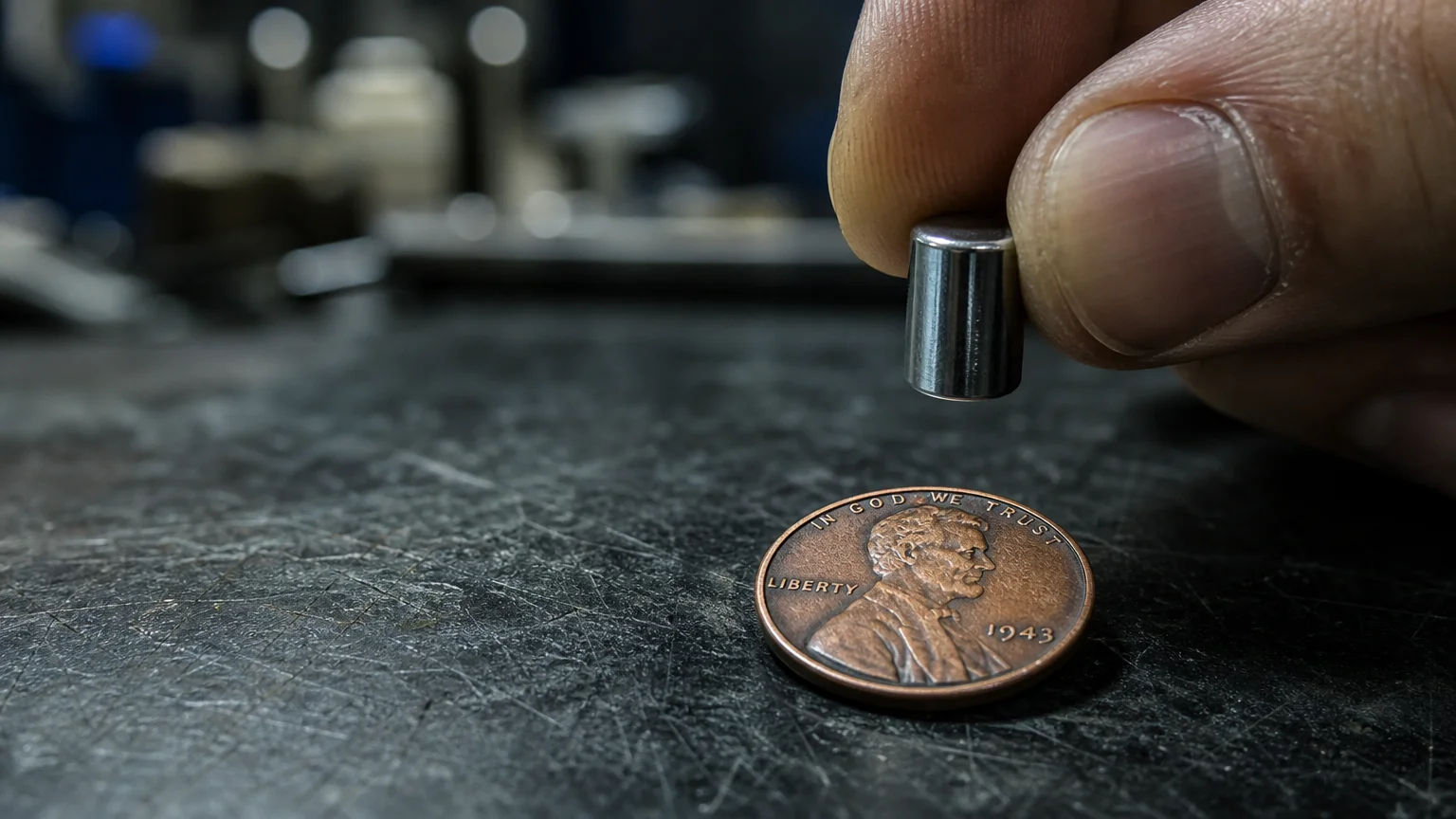
Action Lab: Testing the Legendary 1943 Penny
To immediately turn theoretical financial knowledge into practical, actionable gain, you can perform a stunningly simple, hands-on test right now to check your collection for the highly coveted 1943 copper penny. First, gather any pennies bearing the distinct 1943 struck date. Because the government produced over a billion zinc-coated steel pennies that specific year, the vast majority of 1943 cents you encounter will possess a highly silvery appearance, though many have undoubtedly rusted or oxidized to a dull, chalky gray over the intervening decades. The true historical treasure is the accidental 1943 bronze or copper penny, which looks completely identical to a standard older cent but holds staggering auction value for the lucky finder. Take a standard, heavy-duty refrigerator magnet and gently hold it directly over your 1943 penny. Since industrial steel is highly magnetic, a common zinc-coated steel penny will instantly leap up off the table and stick firmly to the magnet. If your 1943 penny jumps to the magnet, it is an admittedly fascinating piece of World War II history, but it is unfortunately worth only a few shiny cents. However, solid copper and bronze are completely non-magnetic metals. If your 1943 penny sits perfectly still on the table and completely ignores the magnetic pull, you must immediately stop handling it with your bare, oily hands, place it carefully in a protective plastic sleeve, and contact a certified master coin appraiser. This simple, two-second magnetic test perfectly serves as a prime example of a high-leverage household financial action; it costs absolutely nothing to perform but quietly carries the remote potential for a truly life-altering monetary payout.
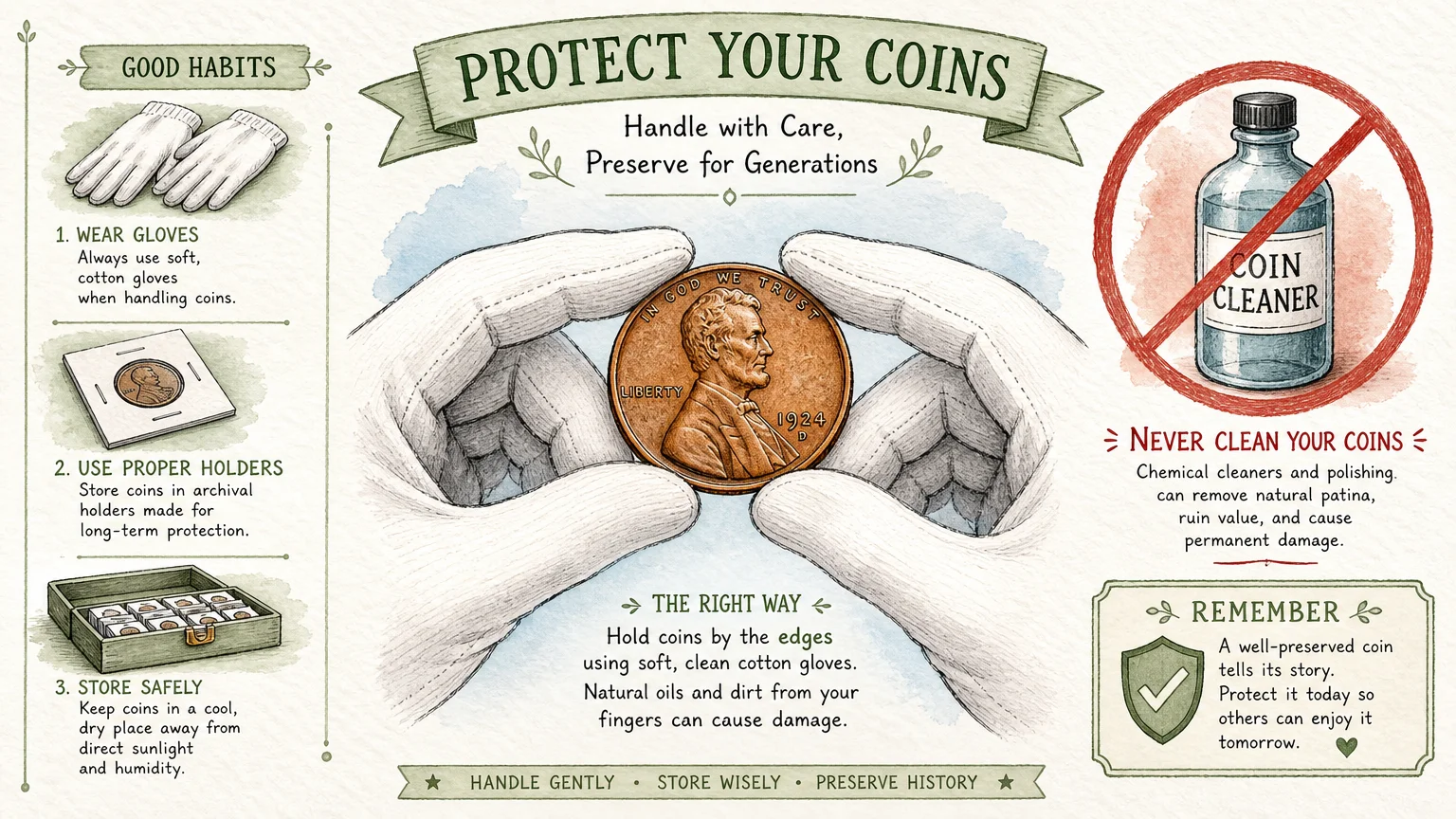
Crucial Guardrails for Preserving Coin Value
The single most devastating financial mistake you can possibly make when discovering a rare 1900s penny involves actively attempting to improve its visual appearance. You must absolutely resist the overwhelming, deeply ingrained urge to clean, polish, or scrub your vintage coins under the kitchen sink. Novice collectors frequently destroy thousands of dollars in potential market value by foolishly applying harsh chemical solvents, baking soda pastes, or abrasive microfiber cloths to old pennies in a misguided attempt to make them shine like new. Professional numismatists and serious wealthy collectors place an immense, non-negotiable premium on a coin’s original, unaltered surface condition, formally known as its natural patina. The exact moment you wipe a rare coin, you inevitably inflict thousands of microscopic scratches onto the soft metal, permanently stripping away its historical integrity and instantly slashing its retail market value by half or more. A dark, dirty, entirely uncleaned 1909-S VDB penny is always worth significantly more cash than one that has been artificially shined by an amateur. Furthermore, you must remain incredibly vigilant against counterfeit coins and manually altered dates that flood the open market. Unscrupulous scammers frequently take incredibly common 1944 pennies and use precision grinding tools to shave the final digit, seamlessly altering it to roughly resemble the ultra-rare 1943 copper cent. Similarly, criminals very often glue a fake “S” mint mark onto a standard, low-value 1909 VDB penny to trick eager buyers. Educating yourself thoroughly on these common pitfalls prevents you from making disastrous financial decisions and heavily protects your newfound physical assets from catastrophic mishandling. If you ever feel uncertain about a coin’s true authenticity, always defer to an accredited professional rather than taking unnecessary amateur risks; perfect preservation always yields higher financial dividends than aggressive restoration.
Frequently Asked Questions About Selling Rare Pennies
Where is the safest place to sell a valuable penny?
The absolute safest venues for selling authenticated, high-value pennies are major national auction houses that deal exclusively in rare coins and historical currency. These premium platforms naturally attract serious, exceptionally well-funded collectors who bid fiercely for top-tier items, effectively ensuring you receive the true retail market value rather than a heavily discounted wholesale dealer price.
How much does it cost to have a penny professionally graded?
Having a single vintage coin properly evaluated by a recognized top-tier grading service generally costs somewhere between thirty and fifty dollars, plus mandatory return shipping and insurance fees. You should absolutely only invest your money in professional grading if your preliminary market research strongly suggests your specific penny is worth significantly more than the grading cost itself.
Are pennies minted in the 1970s and 1980s worth keeping?
While the overwhelming majority of modern pennies hold absolutely nothing beyond their basic face value, certain highly specific minting errors from these later decades, such as the famous 1970-S small date variety, carry surprisingly significant market premiums. You should firmly focus your primary efforts on older wheat pennies, but casually keeping an eye out for known modern errors provides an excellent extra layer of potential profit.
Do local banks buy rare coins?
Local neighborhood banks strictly exchange currency at its exact stated face value and entirely do not operate as numismatic dealers or rare coin appraisers. If you mistakenly bring a highly valuable rare penny to a standard bank teller window, they will simply deposit exactly one single cent into your checking account, ultimately resulting in a massive, totally irreversible financial loss on your part.
Transform Your Spare Change Into Real Savings Today
Taking genuine control of your household personal finances very often requires actively looking at your everyday physical environment through a deeply fresh, strategic lens. The rare 1900s pennies quietly waiting in your messy dresser drawers, sticky car cup holders, and old childhood piggy banks represent a highly tangible opportunity to instantly inject unexpected cash right into your strained household budget. By deliberately dedicating just one single hour this upcoming weekend to meticulously sorting through your loose change, boldly applying the simple magnetic tests, and carefully checking for those essential historical mint marks, you actively participate in growing your overall net worth. You now possess the specific knowledge necessary to spot these hidden treasures, successfully avoid value-destroying amateur mistakes, and confidently navigate the sometimes-intimidating appraisal process. Empty out those dusty glass jars, grab a basic magnifying glass, and enthusiastically start hunting for the rare copper and wheat pennies that could directly help fund your emergency savings or completely erase a lingering, high-interest debt. Your distinct path to experiencing far greater financial breathing room might quite literally be hiding right in plain sight.