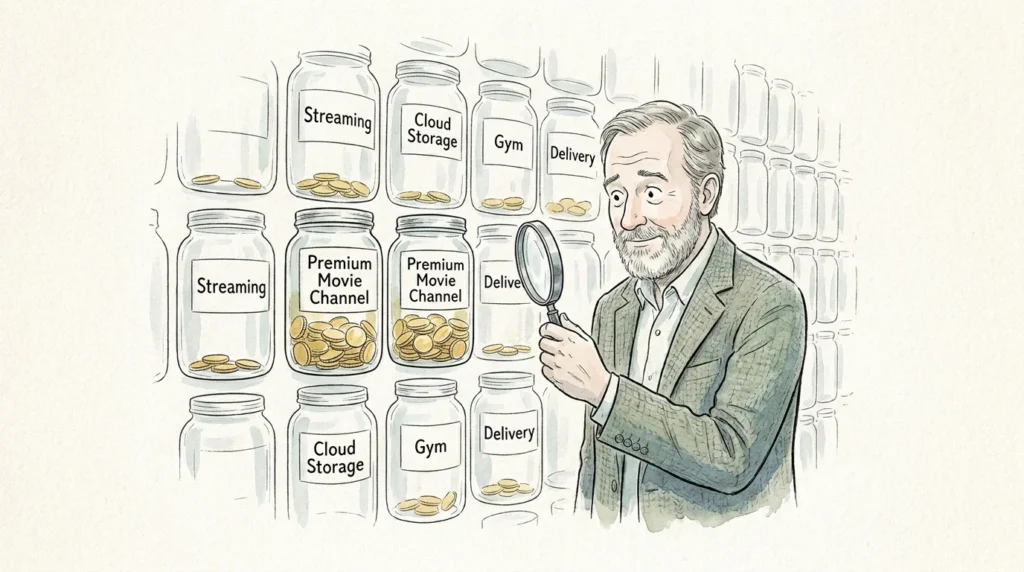
You can slash your grocery bills significantly tonight by changing how you buy and prepare protein without ever sacrificing the flavor or quality your family enjoys. Rising supermarket prices have squeezed household budgets, forcing many shoppers to choose between their financial goals and a nutritious, satisfying dinner. Buying premium steak or fresh chicken week after week drains your wallet faster than almost any other grocery category. By applying strategic purchasing methods, optimizing your freezer space, and learning the rhythms of your local meat counter, you take control of your food costs. These proven strategies help you source high-quality protein affordably, easing financial stress and keeping more cash in your bank account.
The State of Your Grocery Wallet
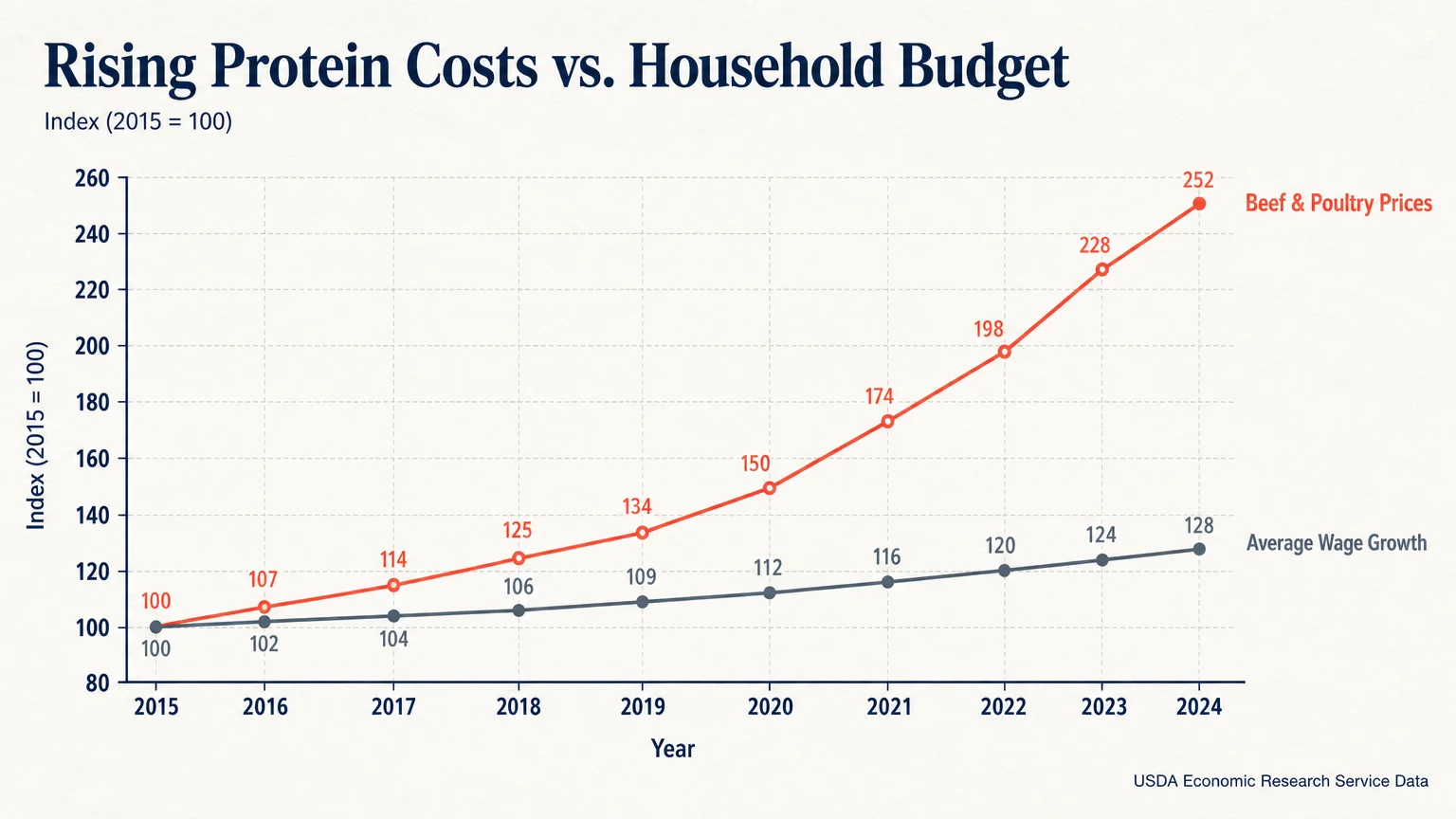
You already feel the friction every time you swipe your card at the supermarket checkout lane. Over the past few years, the cost of feeding a family has accelerated at an uncomfortable pace, turning standard weekly grocery runs into stressful financial hurdles. Middle-income households feel this squeeze acutely because wages rarely keep up with the volatile spikes in grocery store pricing. Meat, poultry, and fish consistently rank as the most expensive items in your cart, absorbing a disproportionate percentage of your monthly food budget.
When you look closely at data published by the USDA Economic Research Service, the trends become clear; beef and poultry prices have historically faced upward pressure from supply chain disruptions, elevated feed costs, and shifts in consumer demand. You cannot control the macroeconomic factors driving these price hikes, but you maintain absolute control over how you navigate the grocery aisles. By treating your protein purchases with the same strategic scrutiny you apply to buying a car or negotiating a household bill, you transform a major financial liability into a reliable source of savings. Smart grocery shopping does not require you to adopt a strict vegetarian diet or settle for heavily processed, low-quality meats. Instead, it requires a mindset shift. You simply need to abandon the expensive convenience traps built into modern grocery stores and reclaim the traditional skills of mindful purchasing.
Strategy 1: Shift Your Focus to Underrated, Flavorful Cuts
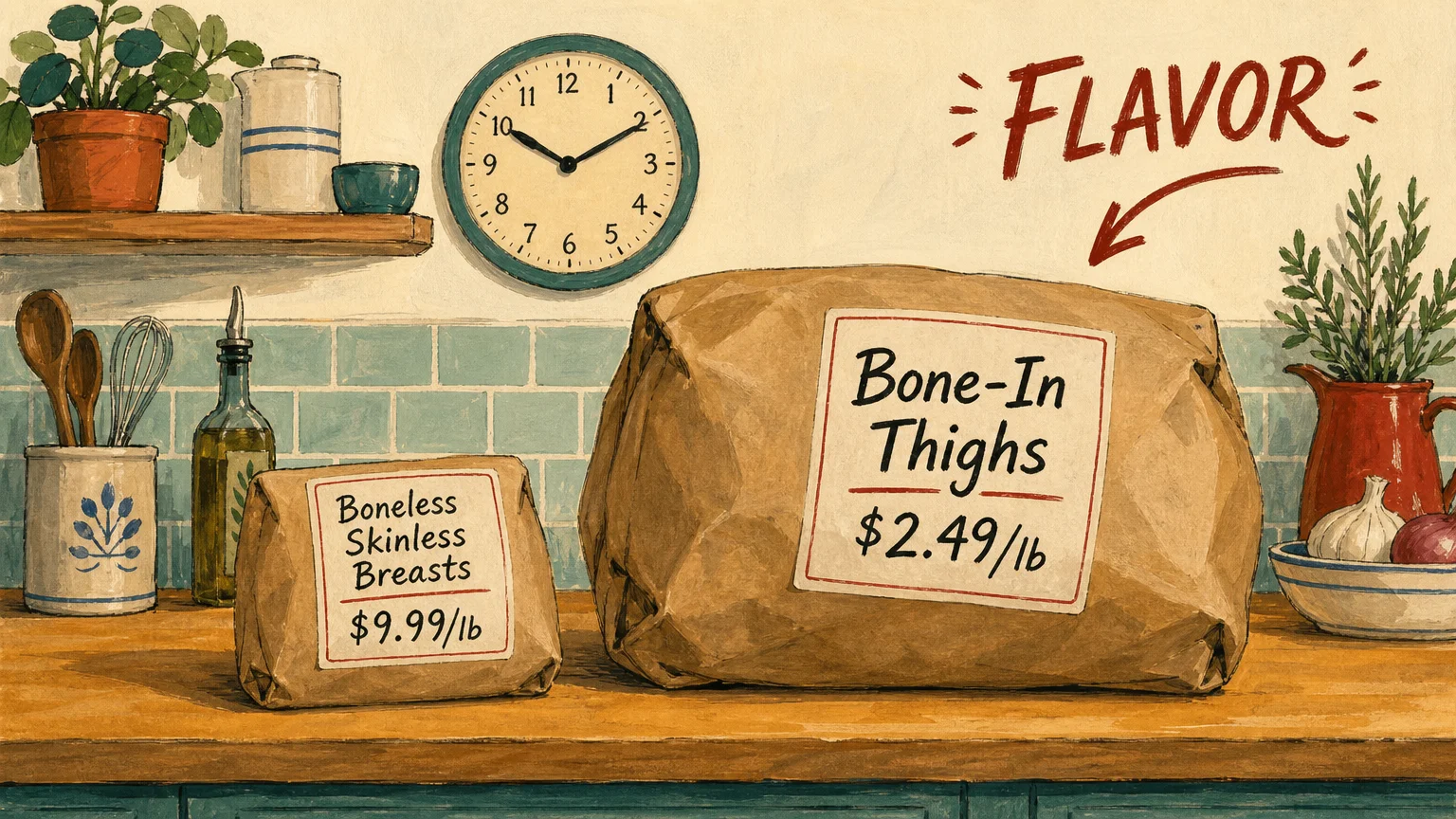
Supermarkets charge a massive premium for convenience and immediate tenderness. When you purchase boneless, skinless chicken breasts or center-cut ribeye steaks, you pay top dollar for the butchers time and effort. You can save money on meat effortlessly by shifting your attention to cuts that require a little more cooking time but deliver vastly superior flavor.
Consider the humble chuck roast or the bone-in pork shoulder. These cuts come from the heavily exercised muscles of the animal, meaning they contain more connective tissue. While they may seem tough in their raw state, applying low and slow cooking methods—like braising, smoking, or using a slow cooker—melts that connective tissue into rich gelatin. This transformation results in a tender, deeply flavorful meal that rivals any premium restaurant dish, all at a fraction of the cost per pound. Similarly, choosing bone-in, skin-on chicken thighs over boneless breasts not only cuts your poultry bill in half but also provides a more forgiving cooking experience, as the higher fat content prevents the meat from drying out. Budget meat shopping thrives on this simple principle: let your oven or slow cooker do the hard work instead of paying the supermarket butcher to do it for you.
Strategy 2: Master the Art of Bulk Buying and Deep Freezing
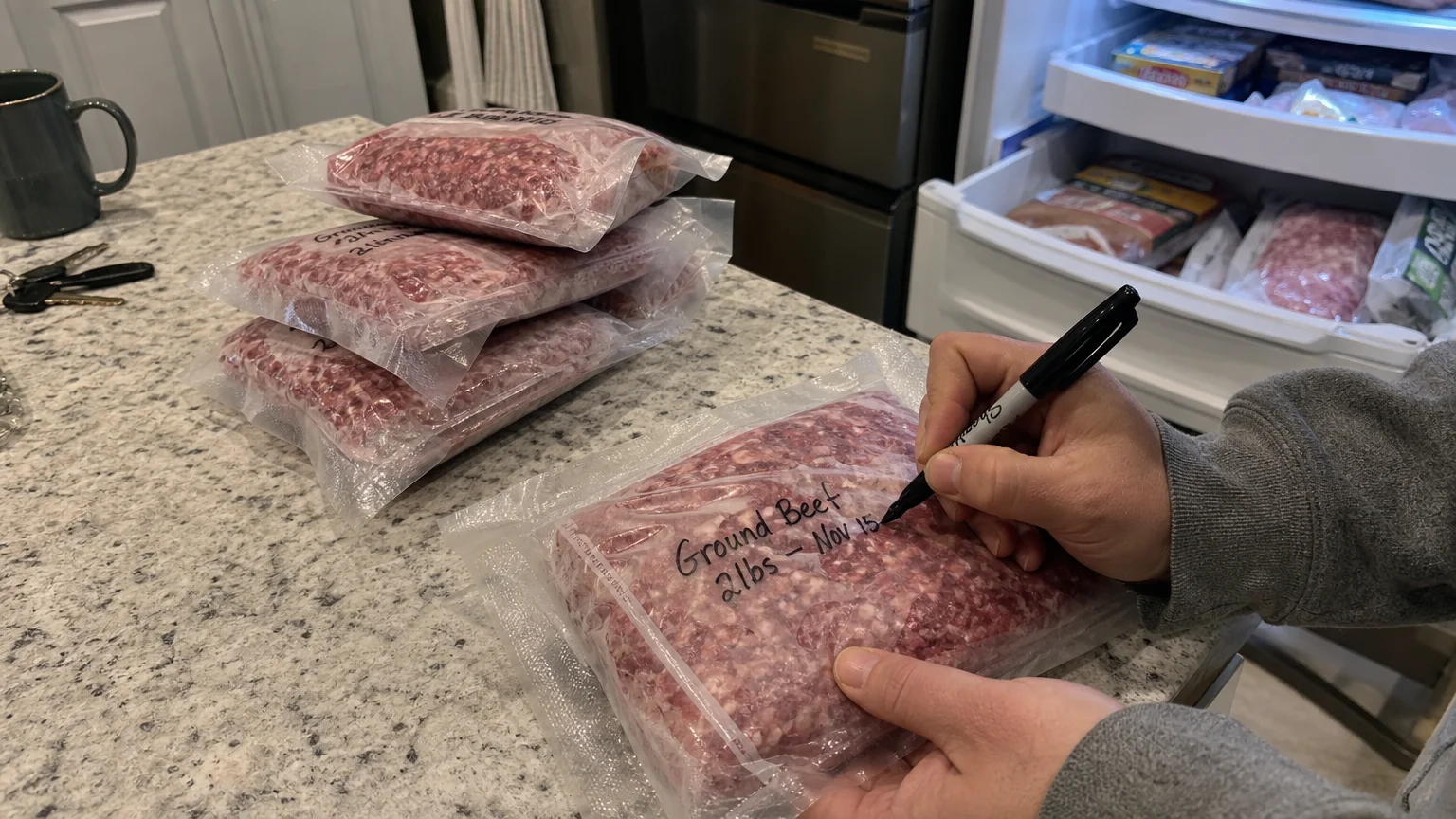
Your freezer stands as the single most powerful tool in your kitchen for generating long-term grocery savings. Retailers heavily discount protein when you buy it in larger volumes. Family packs of ground beef, massive pork loins, or bulk bags of chicken legs feature a significantly lower price per ounce than their single-meal counterparts. However, many shoppers avoid these deals because they fear food waste.
To capitalize on bulk pricing without throwing spoiled food into the trash, you must establish a reliable processing routine as soon as you get home. Invest in a quality vacuum sealer or high-grade freezer paper. When you arrive home with a ten-pound family pack of chicken, divide it immediately into meal-sized portions, seal them airtight, and label them with the date. Vacuum sealing removes oxygen, preventing freezer burn and extending the lifespan of your affordable quality meat for months or even years. This strategy allows you to lock in today’s low promotional prices and build a reliable inventory of protein. When you shop from your own well-stocked freezer rather than the volatile meat counter, you insulate your household budget from sudden market spikes.
Strategy 3: Learn the Rhythm of Manager Specials
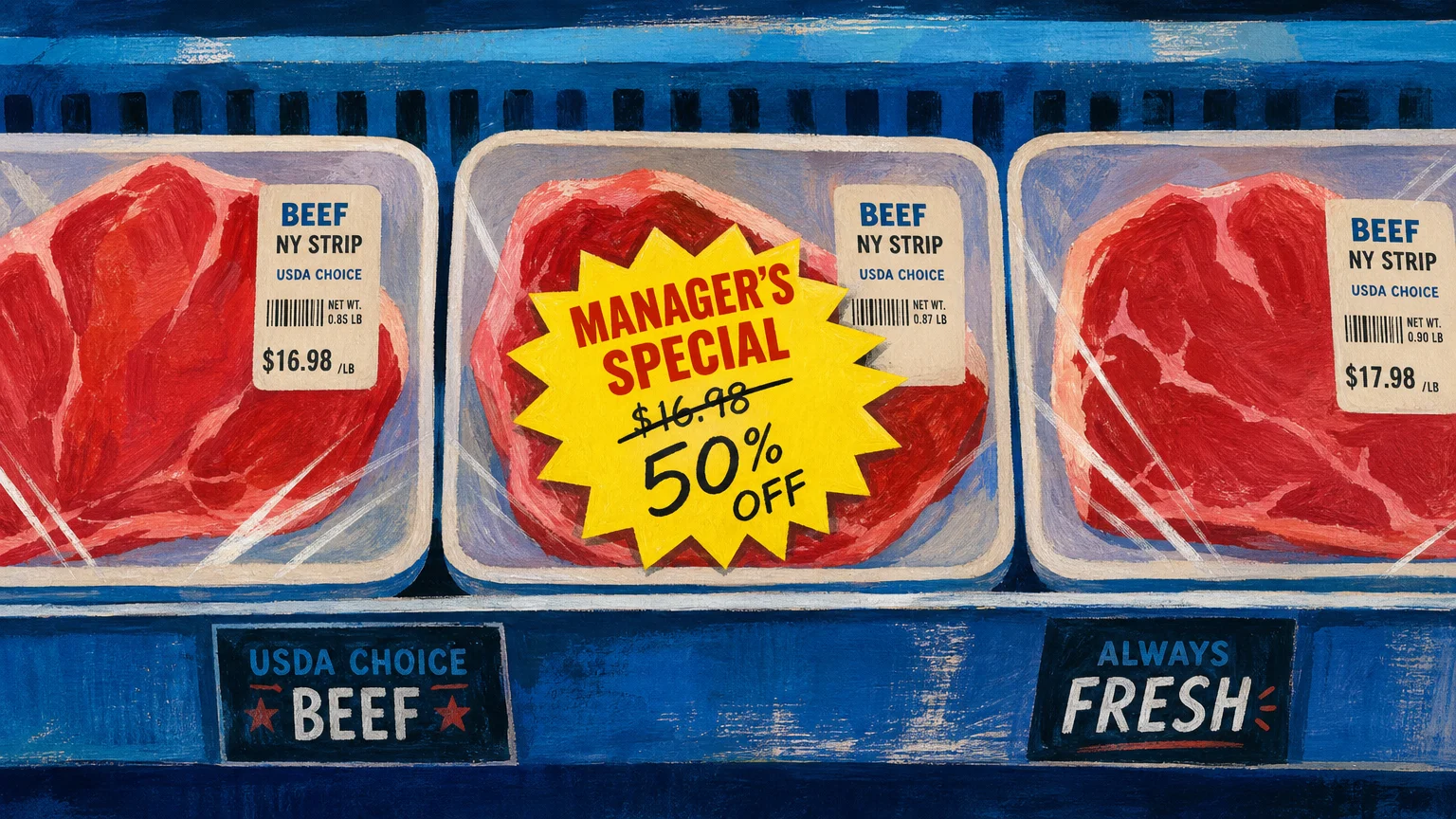
Grocery stores operate on strict inventory schedules, and meat departments must turn over highly perishable products quickly. When fresh meat approaches its sell-by date, department managers apply steep discount stickers to move the inventory before it becomes a total loss. These manager specials often reduce the sticker price by thirty to fifty percent, presenting an incredible opportunity for savvy shoppers.
You can unlock these massive discounts by simply asking the staff behind the meat counter about their markdown schedule. Many supermarkets conduct their inventory audits and apply markdown stickers early in the morning or late in the evening. By timing your grocery runs to coincide with these markdown windows, you can secure premium cuts—like expensive steaks or organic chicken—for the price of standard budget options. As long as you cook the meat that evening or transfer it immediately to your deep freezer, you incur absolutely zero loss in quality. This tactic requires flexibility in your weekly meal planning, but the financial payoff dramatically lowers your average monthly food expenditure.
Strategy 4: Stretch Portions with Mindful Blending
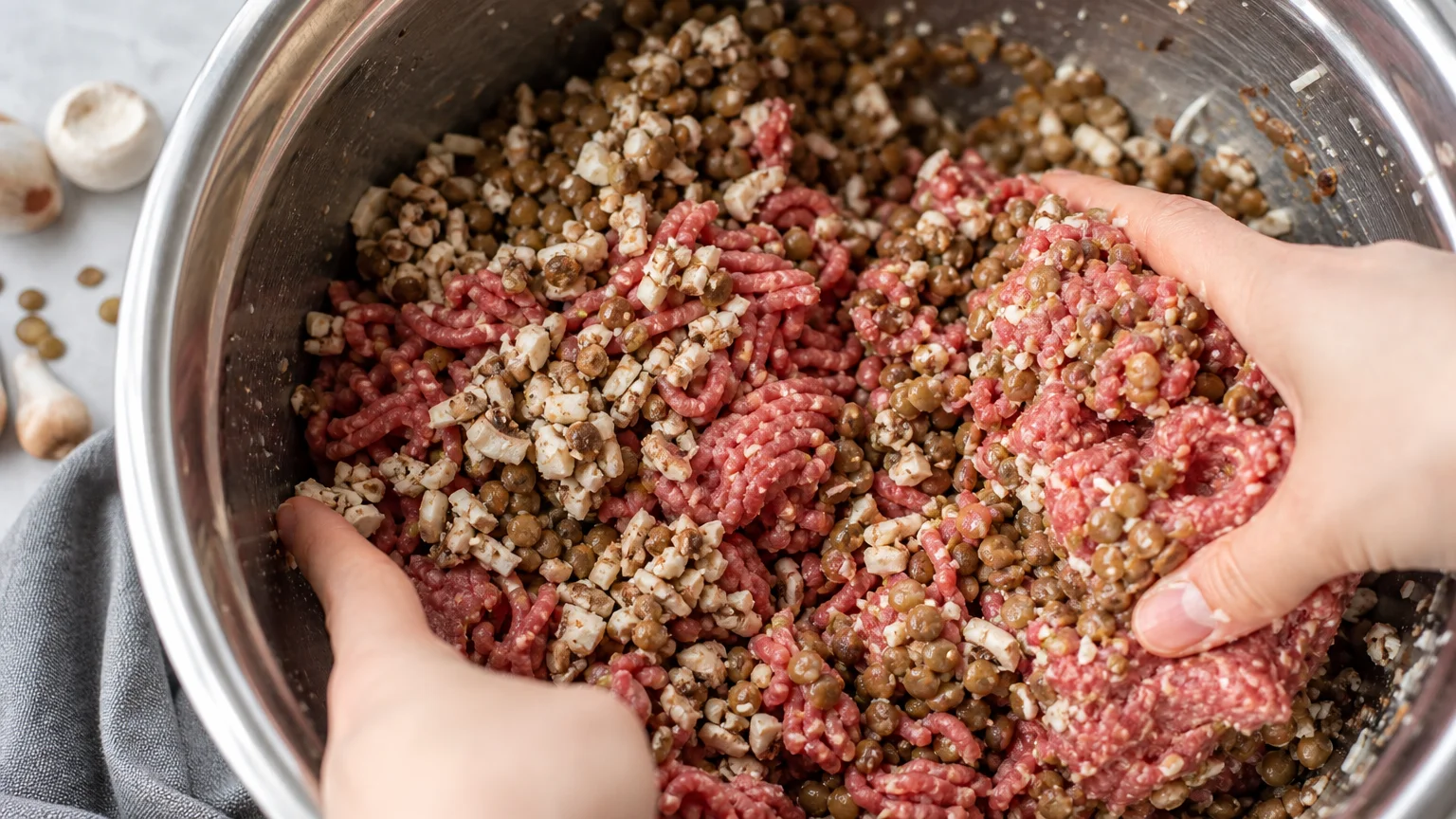
You do not need to serve massive, half-pound portions of meat to create a satisfying and nutritious dinner. One of the most effective grocery savings tips involves treating meat as a flavor enhancer rather than the sole focal point of the plate. You can drastically reduce your consumption of expensive proteins by blending them with cheaper, highly nutritious plant-based ingredients.
Finely chopped mushrooms serve as the perfect partner for ground beef. Because mushrooms contain naturally occurring glutamates, they mimic the savory, umami flavor profile of beef. By blending seventy percent ground meat with thirty percent minced mushrooms, you instantly reduce the cost of your burgers, meatloaf, or taco filling while simultaneously boosting the moisture content and nutritional value of the meal. Lentils, black beans, and textured vegetable protein offer similar stretching capabilities for heavily seasoned dishes like chili and pasta sauces. Your family will likely not notice the difference in texture, but your monthly budget will undoubtedly reflect the reduced demand for high-priced ground meats.
Strategy 5: Bypass the Supermarket Supply Chain
If you possess the freezer space, entirely removing the grocery store from your meat purchasing equation unlocks unmatched value. Buying directly from local farmers or ranchers provides you with the highest quality protein available while bypassing the massive retail markups that fund supermarket overhead. When you purchase a quarter cow or a half hog directly from the producer, you pay a single, flat rate per pound—called a hanging weight price—for every cut of the animal.
This means you pay the same low price per pound for premium T-bone steaks as you do for standard ground beef. Connecting with local agriculture requires an upfront financial commitment and adequate chest freezer storage, but the per-meal savings stretch throughout the entire year. You also gain total transparency regarding how the animals were raised, satisfying the demand for both ethical sourcing and affordable quality meat. You can search online directories or visit regional farmers markets to build relationships with producers who frequently offer bulk purchasing programs for middle-income households seeking serious savings.

Real-World Voices on Household Spending
Financial planners frequently point to the grocery budget as the most elastic variable expense in a households financial profile. While you cannot easily negotiate a lower mortgage payment or reduce your fixed auto loan, you retain total daily control over your food expenditures. Behavioral economists note that grocery stores deliberately design their layouts to separate consumers from their money, using bright lighting and strategic placement to encourage impulsive, high-margin meat purchases.
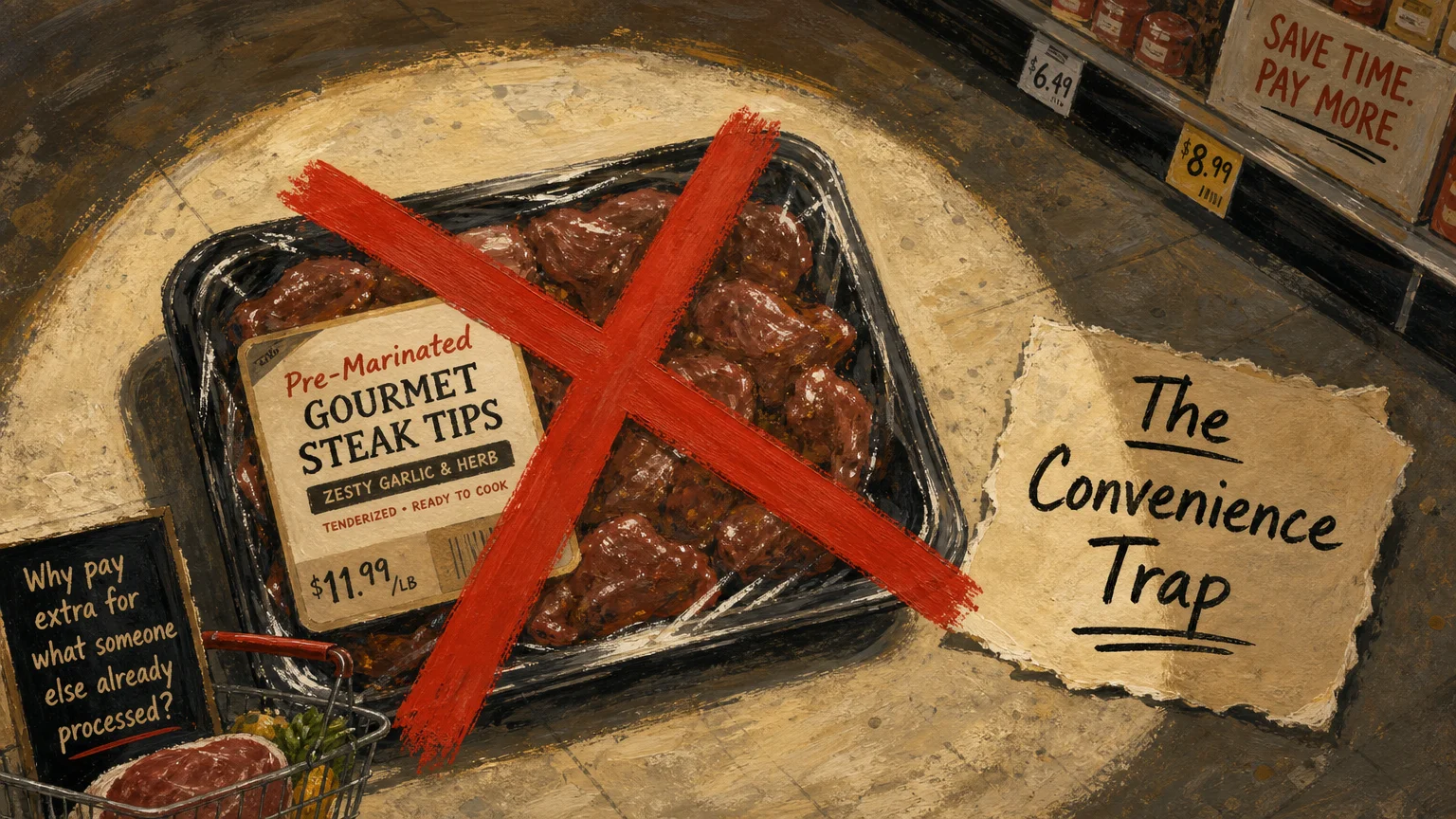
By bringing an intentional, defensive mindset to the butcher counter, you actively protect your wealth. Experts advise treating grocery savings not merely as pennies pinched, but as capital generated. When you intentionally lower your food costs, you free up liquid cash that can be immediately redirected toward debt reduction, emergency funds, or retirement investments. Reclaiming your purchasing power requires you to stop paying the convenience tax associated with pre-cut, perfectly trimmed, brightly packaged supermarket meats. You must adopt the habits of an active manager of your household economy rather than behaving as a passive consumer.
Action Lab: Restructuring Your Meat Budget
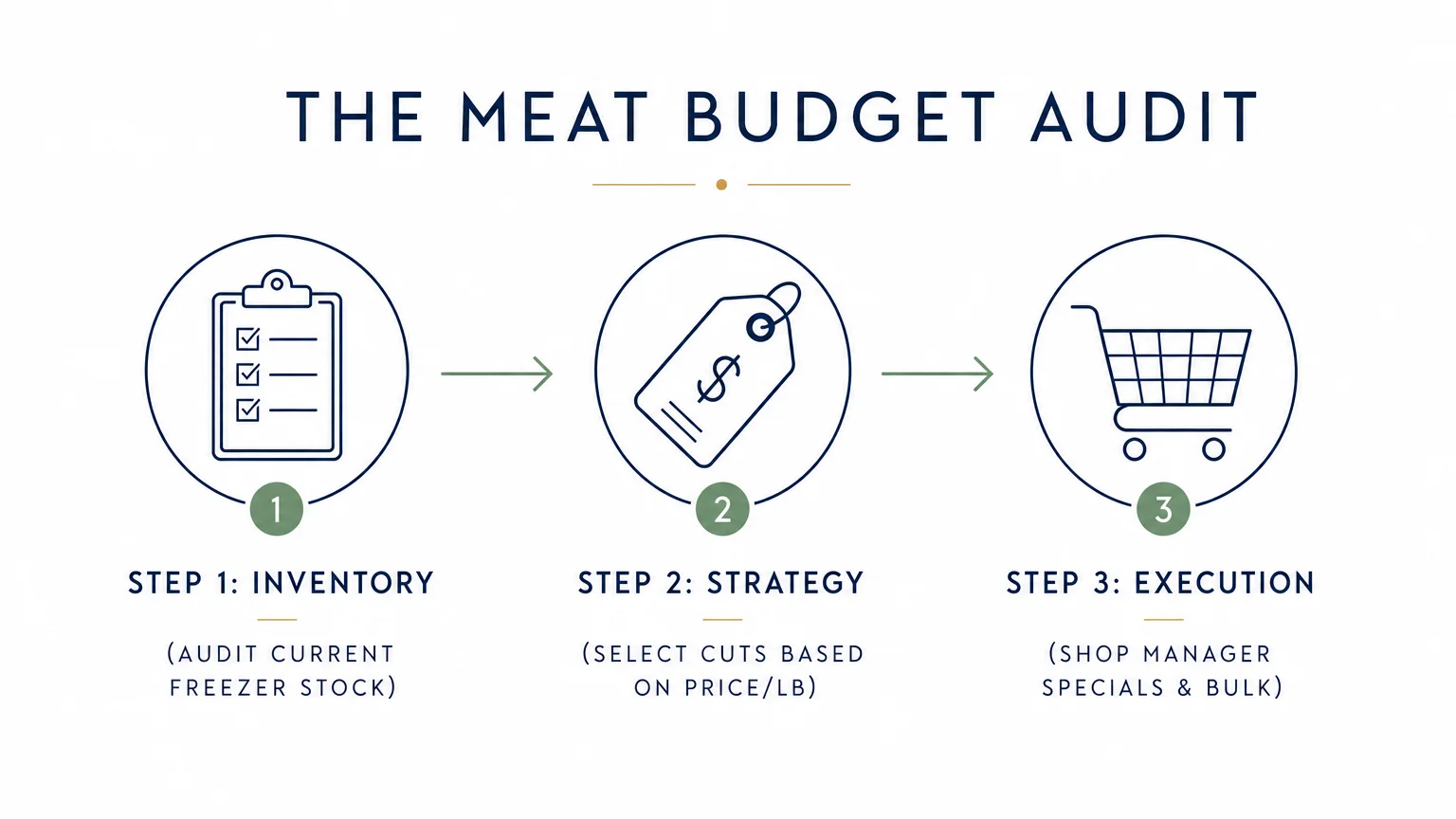
Understanding the theory of savings means nothing until you apply the mathematics to your own life. Let us walk through a practical budget tweak you can execute this week to see immediate results. Start by auditing your most recent grocery receipts to determine your baseline protein costs. Suppose your family consumes four pounds of boneless, skinless chicken breasts each week, and your local supermarket charges six dollars per pound for this convenience item. That specific purchase costs you twenty-four dollars weekly, or roughly one hundred dollars every month.
Now, apply the strategic shift. You decide to switch to buying whole chickens, which generally retail around two dollars per pound. A standard four-pound whole bird costs eight dollars. Even after accounting for the weight of the bones, which you will later boil to make a nutrient-dense, free chicken stock, your actual meat cost drops dramatically. By spending fifteen minutes learning how to break down a whole chicken using kitchen shears, you reduce your weekly poultry expense from twenty-four dollars to approximately twelve dollars.
This single, localized change generates twelve dollars of surplus cash every week. Over the course of a year, this minor adjustment yields over six hundred dollars in pure savings. If you apply structuring your household budget principles, you can automatically transfer that weekly twelve dollars into a high-yield savings account or use it to aggressively attack a high-interest credit card balance. When you multiply this exact process across your beef, pork, and seafood purchases, you easily uncover thousands of dollars hidden within your existing income.
Guardrails and Pitfalls to Avoid
As you aggressively pursue budget meat shopping, you must guard against false economies that ultimately cost you more in the long run. The most common trap involves confusing cheap, highly processed meats with actual value. Heavily preserved sausages, sodium-pumped deli meats, and pre-formed frozen patties often feature low price tags but deliver terrible nutritional profiles and high water content. You pay for added water and fillers rather than actual dietary protein, damaging both your health and your true cost per ounce.
Furthermore, you must rigorously protect your bulk investments from freezer burn. Buying forty pounds of discounted chicken only saves you money if your family actually consumes it. If you throw raw meat into the freezer in its flimsy, original supermarket packaging, the dry, cold air will quickly ruin the texture and flavor, forcing you to throw the spoiled food away. Always view food waste as literally throwing dollar bills into your garbage can. Invest the necessary time into proper vacuum sealing and rigorous inventory rotation—employing the first-in, first-out method—to ensure your upfront bulk investments genuinely translate into realized savings.
Frequently Asked Questions
Is markdown meat actually safe to eat?
Yes, meat featuring manager special or quick-sale stickers remains completely safe to consume as long as you handle it correctly. Supermarkets apply these discounts just before the sell-by date to optimize their inventory, not because the meat is spoiled. You must either cook the discounted meat on the day you bring it home or transfer it immediately to your freezer. Once frozen, the aging process stops completely, preserving the safety and quality of the protein indefinitely.
Does buying a whole chicken really save that much money?
Buying a whole chicken yields significant financial benefits because you eliminate the premium charged for butchery labor. Beyond the immediate lower price per pound, a whole chicken provides compounding value. You secure two breasts, two thighs, two drumsticks, and wings for multiple meals. Crucially, you also retain the carcass and bones, which you can simmer with vegetable scraps to create quarts of rich, homemade bone broth, entirely eliminating the need to buy expensive boxed stocks.
What is the best inexpensive cut of beef for a family dinner?
The chuck roast stands out as the ultimate budget-friendly beef cut for families. Sourced from the shoulder area, it carries a robust, beefy flavor that often surpasses leaner, expensive steaks. While it remains tough if cooked quickly, a chuck roast transforms into incredibly tender, pull-apart meat when braised in liquid or prepared in a slow cooker. This makes it perfect for stretching across large meals like pot roasts, beef stews, or shredded beef tacos.
How long does meat actually last in the freezer before it loses quality?
If you utilize a high-quality vacuum sealer to completely remove oxygen, beef and pork cuts can maintain their peak flavor and texture for up to three years in a deep freezer. Ground meats generally hold their quality for about a year when properly sealed. However, if you rely on standard zipper storage bags or original store packaging, you should expect noticeable freezer burn and quality degradation within just three to four months. Always consult federal food safety guidelines regarding cold storage for specific timelines.
Take Control of Your Dinner Table
You hold the power to completely transform your monthly grocery expenditures without ever depriving your family of the hearty, high-quality meals they love. As annual findings from the Federal Reserve routinely demonstrate, finding breathing room in the family budget drastically improves overall household well-being and reduces daily anxiety. Step away from the premium, pre-cut traps at the supermarket and step into a more intentional way of managing your kitchen. Start small this week. Buy a slightly tougher cut of meat and braise it slowly, or grab a bulk pack of chicken and carefully portion it for the freezer. Every single time you make a strategic choice at the meat counter, you actively build a stronger financial foundation for your future.