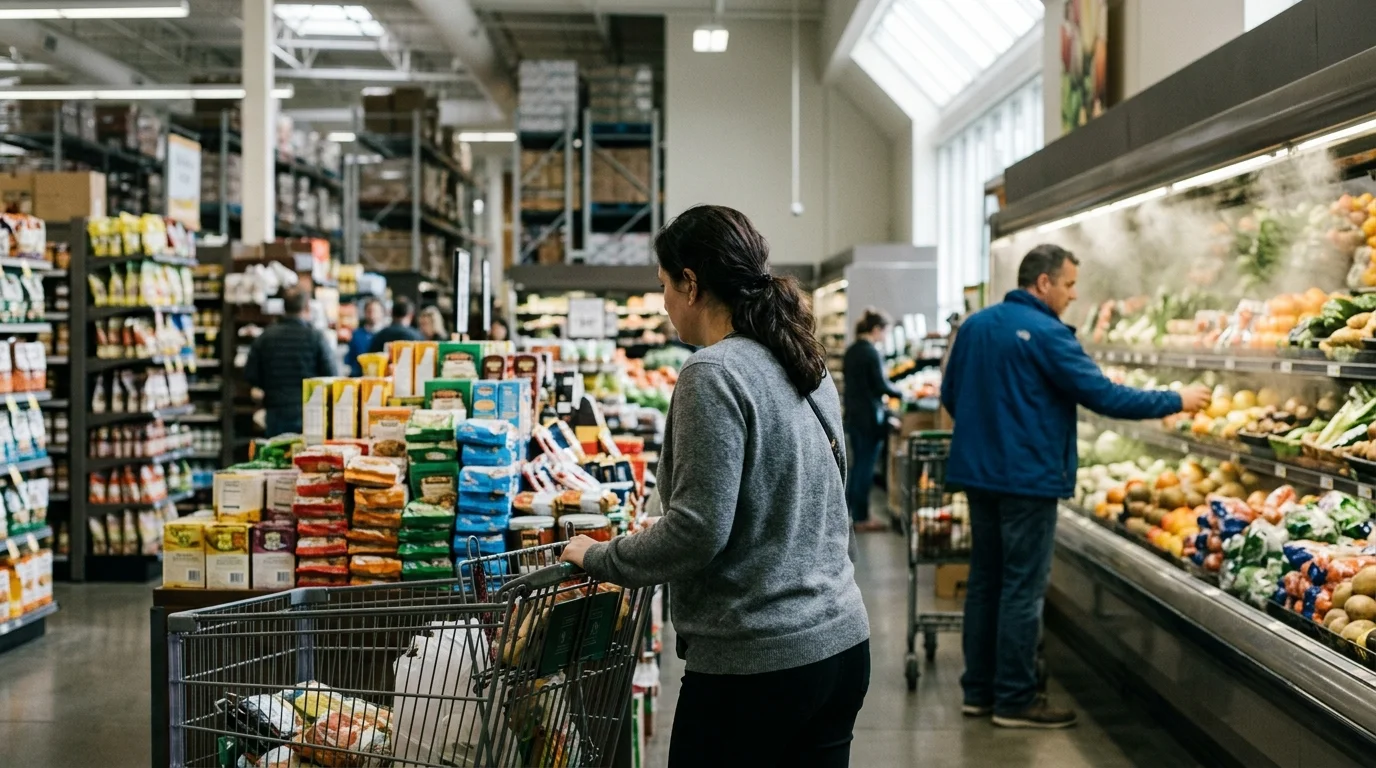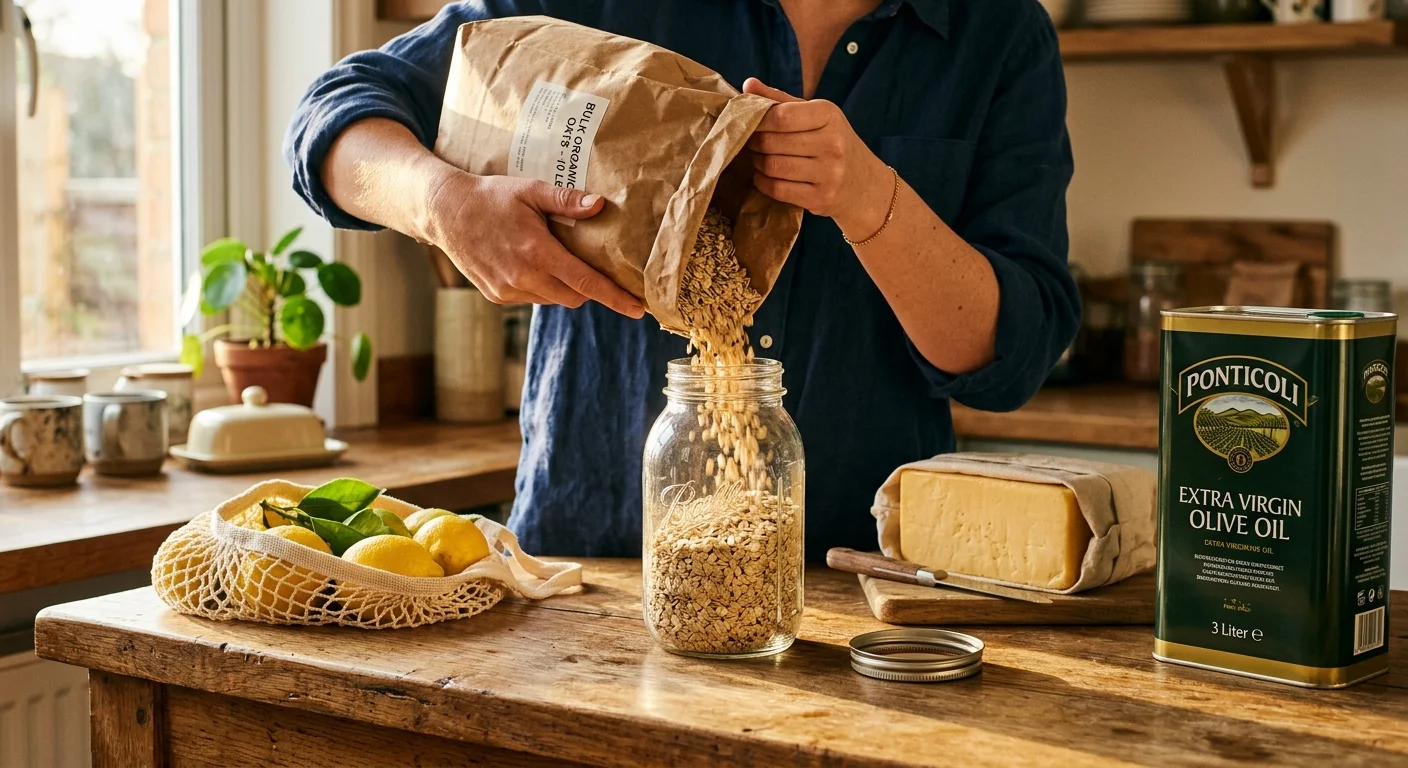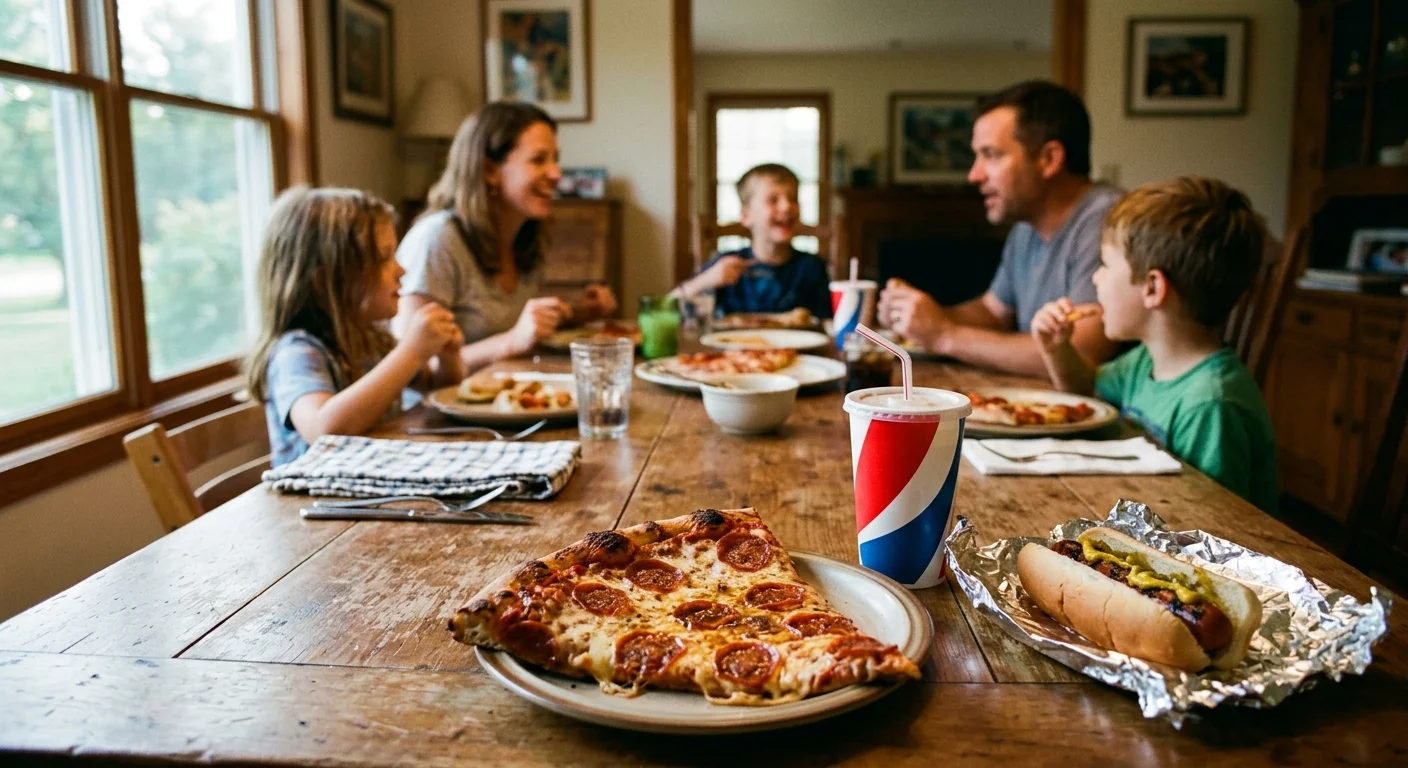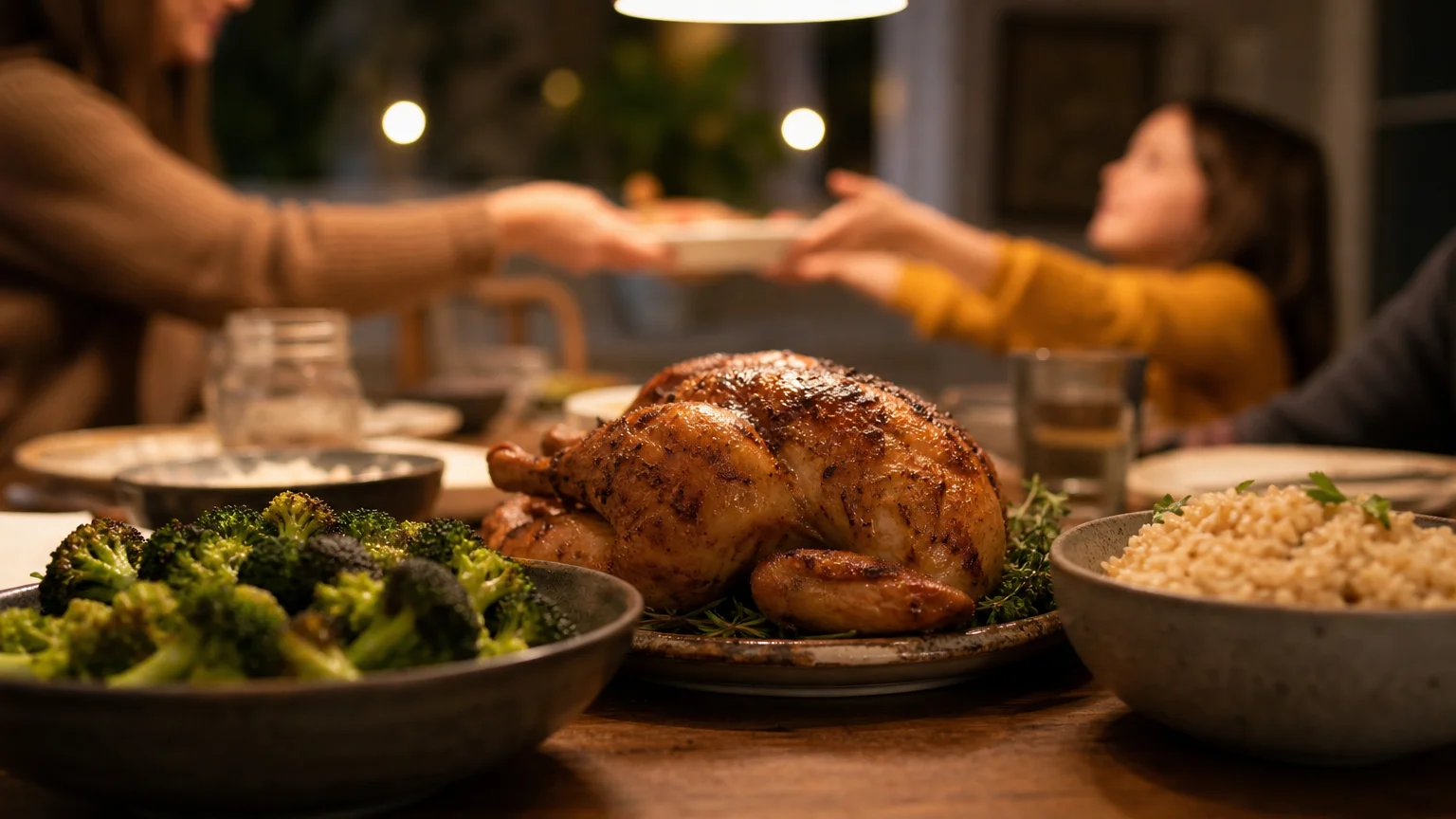
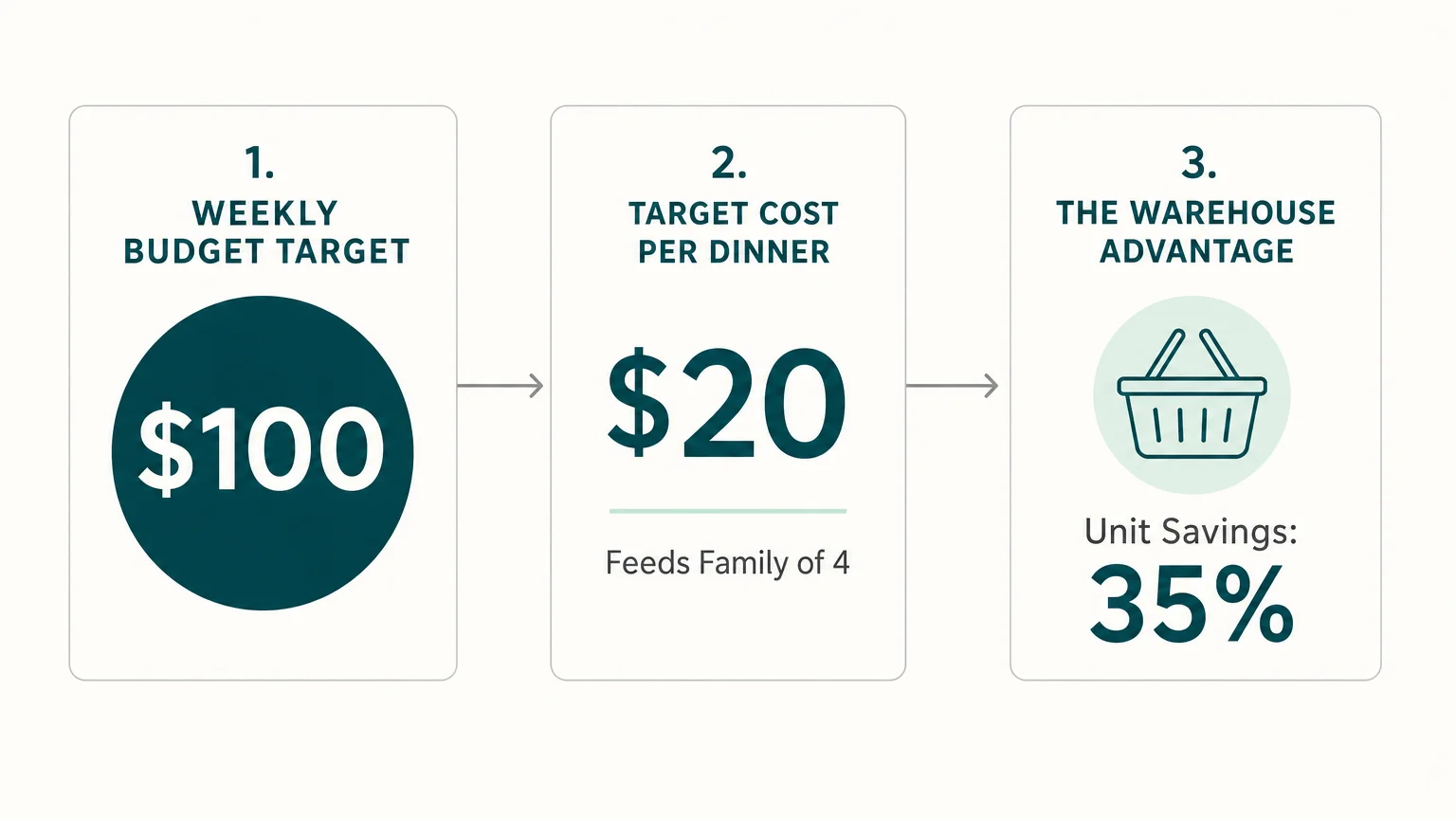
Stretching your grocery budget without feeding your family processed junk feels like solving a riddle, but leveraging bulk warehouse deals can bring your nightly dinner cost down to a fraction of a restaurant tab. You can regularly feed four people for under twenty dollars by picking the right ingredients and pre-made staples. Your weeknights run on tight schedules and even tighter budgets, yet you still want to serve hearty, satisfying meals. This guide walks you through exactly which items to drop into your oversized cart and how to turn those purchases into ten crowd-pleasing dinners that protect your bank account.
State of the Wallet: The Economic Squeeze on the Dinner Table
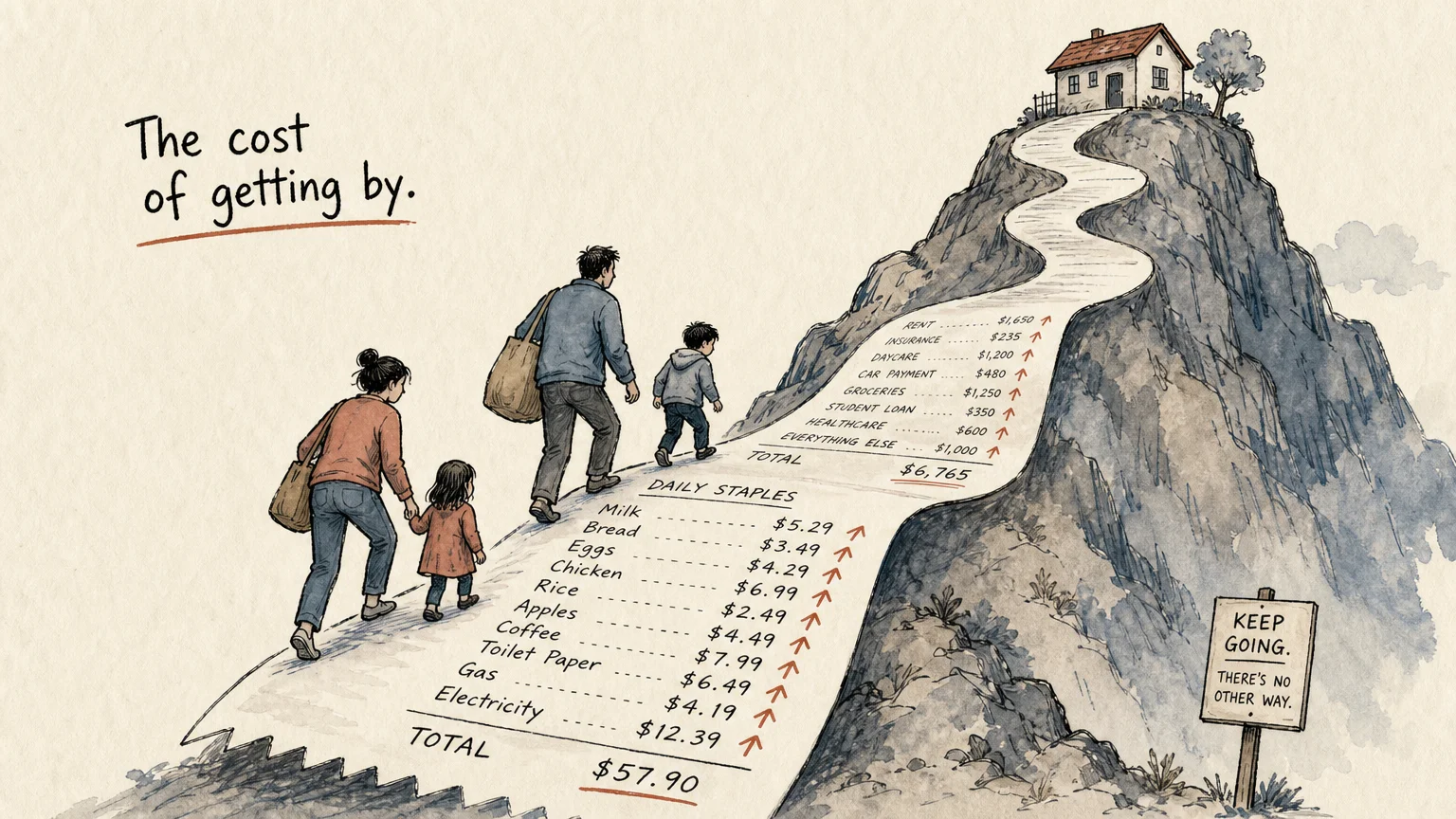
Middle-income households face unprecedented pressure when filling their grocery carts. You watch your paycheck evaporate at the checkout lane while the bags you carry home seem lighter every week. The latest Bureau of Labor Statistics tracking of food at home prices confirms what you already know; feeding a family takes a larger percentage of your take-home pay than it did just a few years ago. You need strategies that defend your bank account without forcing your family to eat bland, repetitive meals. Leveraging the purchasing power of a warehouse club offers a mathematical advantage against inflation. Bulk purchasing reduces the unit cost of premium ingredients, allowing you to serve high-quality proteins and fresh vegetables for less than the cost of a fast-food run. When you master warehouse shopping, you insulate your monthly budget from volatile grocery store pricing while keeping your pantry stocked with nutrient-dense options for everyday Costco family meals.
Strategy Pillar One: Building Around Pre-Made Proteins
Your most powerful weapon in the fight for affordable family dinners sits in the warehouse deli section. Pre-cooked proteins eliminate the time barrier that often pushes exhausted parents toward expensive takeout, serving as the cornerstone for incredible budget dinners.
Meal One: The Classic Rotisserie Chicken and Bulk Veggie Roast
The legendary warehouse rotisserie chicken remains the undeniable anchor of budget cooking. For five dollars, you secure roughly three pounds of fully cooked, seasoned poultry. Pair one carved chicken with a massive bag of fresh broccoli florets tossed in olive oil and roasted on a sheet pan. Add a side of bulk quinoa or brown rice, and you have a balanced, hearty meal. You easily feed four people with this combination, bringing your total cost well under fifteen dollars. The remaining meat provides a foundation for tomorrow’s lunch, maximizing every dollar spent.
Meal Two: Shredded Chicken Street Tacos
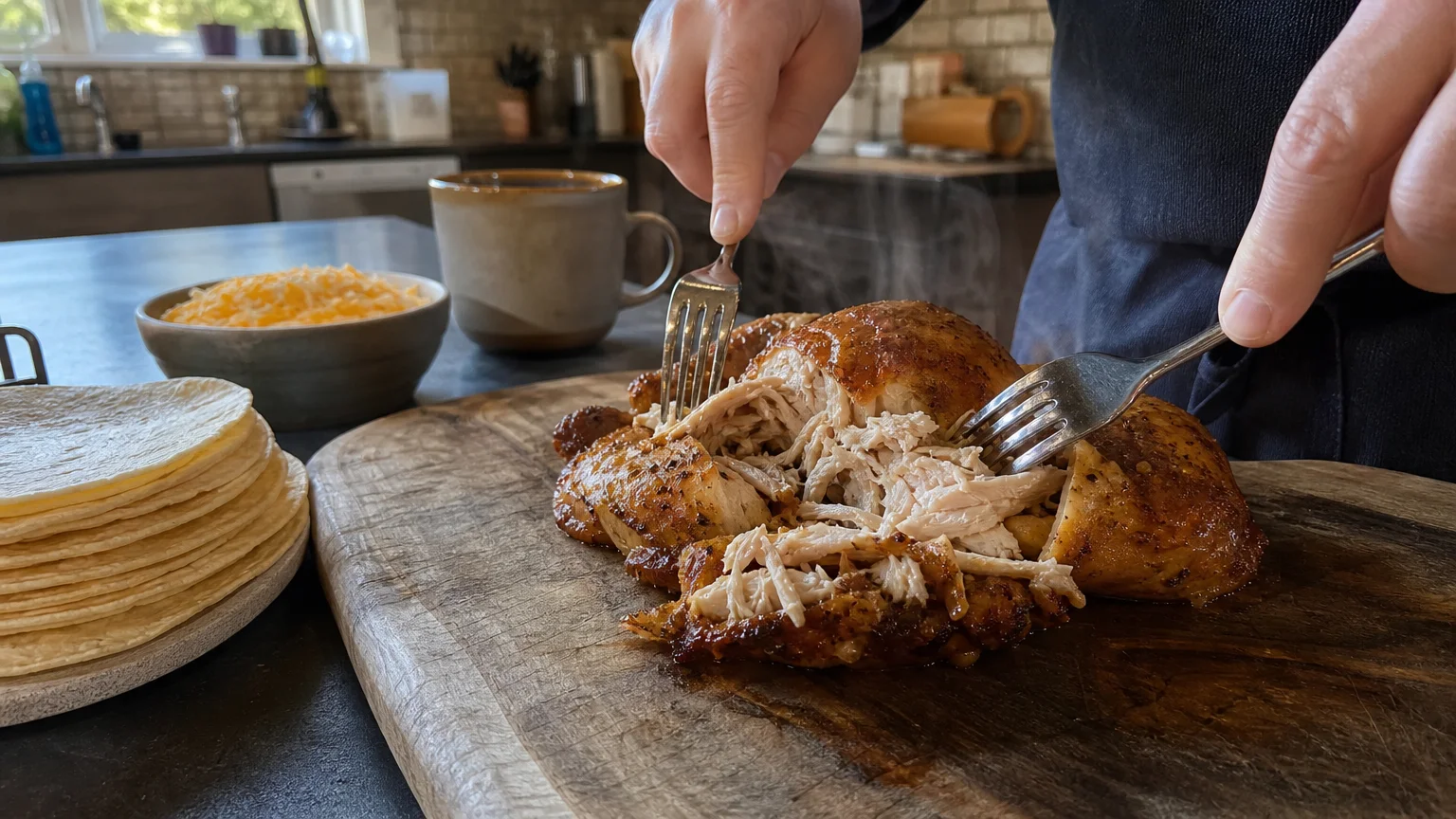
You can stretch a second rotisserie chicken into an entirely different flavor profile. Shred the breast meat and warm it in a skillet with a dusting of bulk taco seasoning. Serve this protein inside the warehouse brand of organic corn tortillas. Top the tacos with shredded Mexican-blend cheese, a dollop of sour cream, and fresh salsa purchased in large tubs. This interactive dinner feels like a restaurant treat but rings up at roughly twelve dollars for the entire family. You keep the prep time under fifteen minutes while protecting your wallet.
Meal Three: Creamy Pesto Rotisserie Pasta
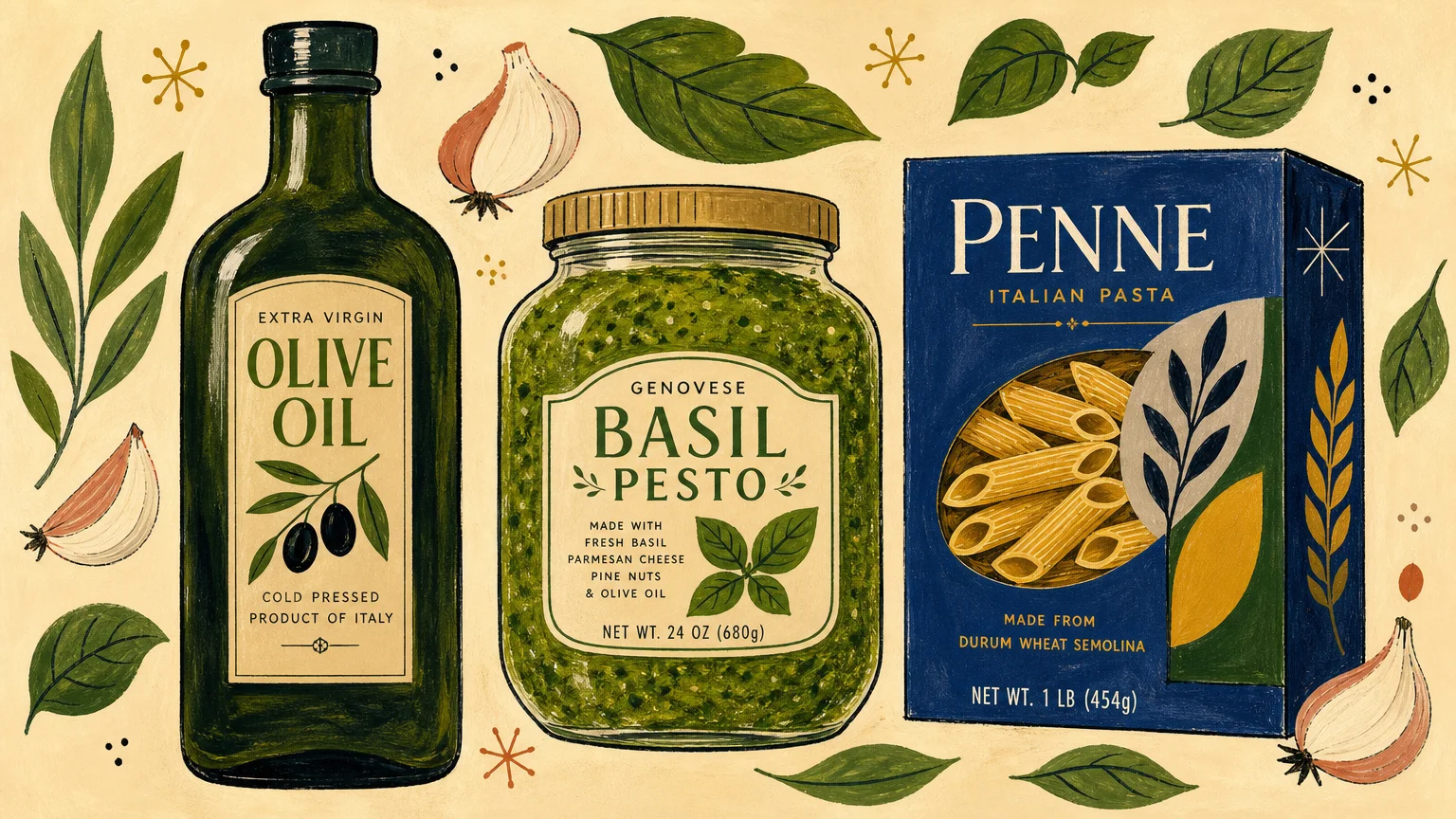
Combine shredded dark meat from your chicken with the warehouse-sized jar of imported basil pesto and a large bag of penne pasta. Boiling the pasta takes ten minutes, while stirring in the pesto and chicken requires only seconds. The rich, herbaceous sauce coats the noodles and chicken, delivering a premium Italian dinner experience right at your kitchen table. Because the pesto and pasta come in bulk sizes, the fractional cost of the ingredients used hovers around ten dollars. You bypass the delivery fee of a local Italian restaurant and serve a meal that tastes exceptionally fresh.
Strategy Pillar Two: Mastering Bulk Pantry and Deli Staples
Warehouse shopping thrives on the strategic procurement of dry goods and specialty deli items. You can stock up on premium components that serve as the centerpieces for lightning-fast weeknight dinners while capitalizing on the best Costco food deals available.
Meal Four: Five-Cheese Tortellini with Spinach
The refrigerated section offers massive twin-packs of cheese-stuffed tortellini that cook in just three minutes. Boil one package and fold in three handfuls of fresh organic spinach during the final thirty seconds of cooking. Drain the pot and toss the mixture with butter, a sprinkle of bulk parmesan cheese, and cracked black pepper. The residual heat wilts the spinach perfectly, creating an elegant, vegetable-forward dish. A single dinner portion from the twin-pack costs you less than eight dollars. You deliver comfort food to your family while preserving your cash flow for other financial priorities.
Meal Five: The Deconstructed Street Taco Kit
While the pre-made street taco kits cost slightly more than scratch-made alternatives, they still represent a massive savings over dining out. The kit includes seasoned chicken, cheese, lime wedges, salsa, cilantro sauce, and tortillas. You simply heat the meat and assemble the meal. A single kit comfortably feeds three to four people for about sixteen dollars. When you factor in the time saved on chopping and marinating, the return on investment skyrockets for your weeknight routine. You capture the exact experience of a trendy food truck without enduring the premium markup.
Meal Six: Warehouse Meatballs and Marinara
Keep a bag of fully cooked Italian-style meatballs in your freezer for emergency dinner nights. Simmer a dozen meatballs in a pot of organic marinara sauce while you boil a pound of spaghetti. The meatballs are dense, flavorful, and incredibly filling. Serving this classic dish costs approximately fourteen dollars for a family of four. You ensure your family receives a protein-heavy meal even on nights when your schedule falls completely apart, avoiding costly delivery fees entirely. The simplicity of this dinner prevents you from ordering an expensive pizza in a moment of desperation.
Meal Seven: Bulk Sausage and Stuffed Bell Peppers
Purchase the large packs of Italian sausage links and a flat of fresh, multi-colored bell peppers. Remove the sausage from its casing and brown it in a skillet with cooked rice and marinara sauce. Halve the peppers, hollow them out, and stuff them with your meat and rice mixture. Bake them until the peppers soften and blister. This visually stunning meal offers excellent nutritional value and costs roughly eighteen dollars to feed your entire household. You leverage bulk produce and high-yield proteins to create an upscale dining experience.
Strategy Pillar Three: Maximizing the Frozen Food Aisle
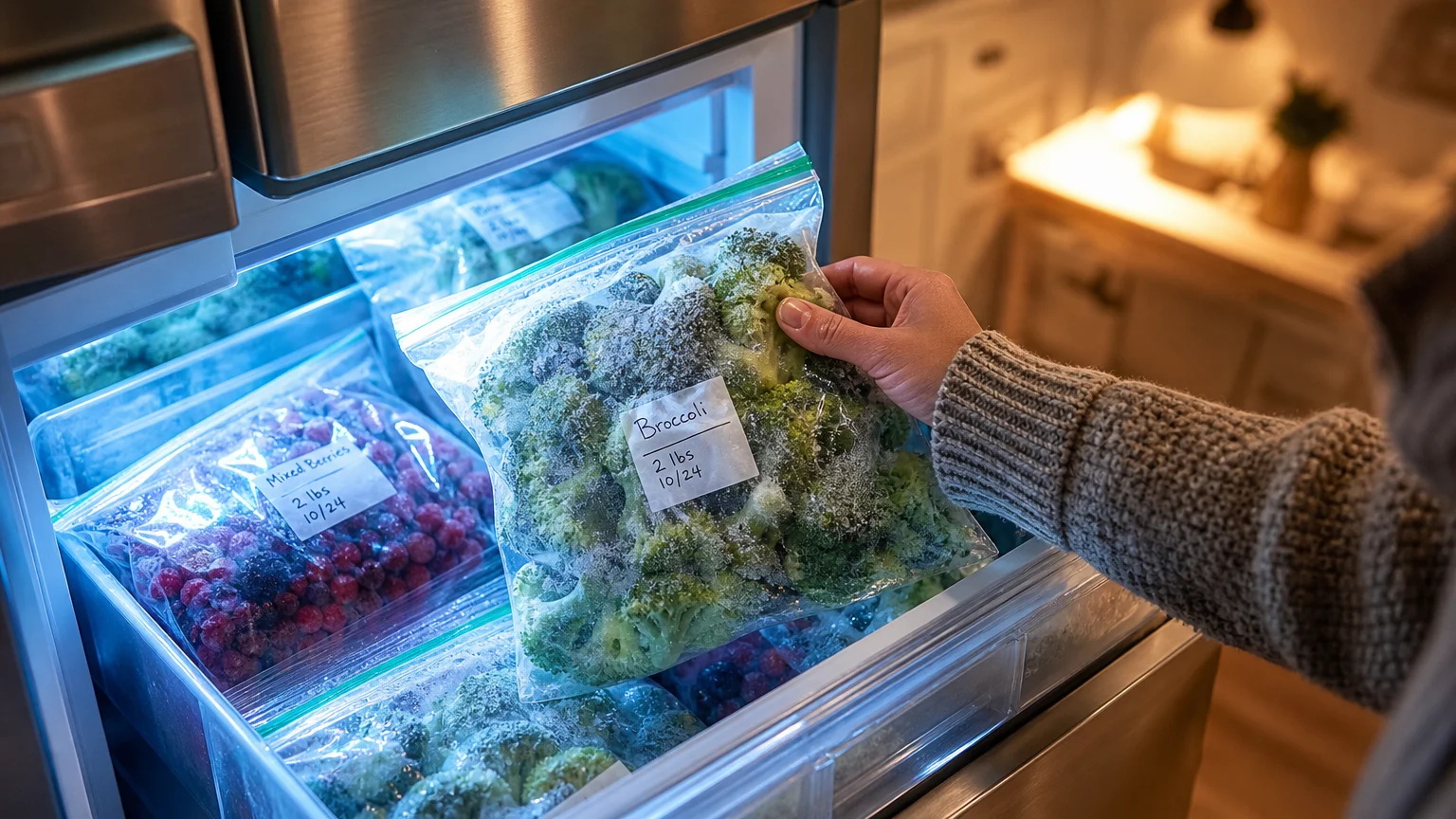
Do not overlook the immense value waiting in the freezer section. Flash-frozen ingredients lock in nutrients and provide the ultimate defense against food waste, a primary killer of grocery budgets. These options produce some of the most affordable family dinners.
Meal Eight: Mandarin Orange Chicken and Jasmine Rice
The frozen orange chicken sold in warehouse clubs has earned a cult following for a good reason. Bake the battered chicken pieces on a sheet pan until they reach a perfect crisp, then toss them in the included tangy sauce. Serve this over a bed of jasmine rice—bought in twenty-pound bags for maximum savings—and alongside steamed frozen green beans. You mimic the exact flavor profile of your favorite Asian takeout restaurant for about fifteen dollars. You satisfy your family’s cravings while firmly controlling your monthly food expenditures.
Meal Nine: Wild-Caught Salmon and Quinoa
Feeding your family high-quality seafood does not require a luxury budget. The warehouse freezer section offers individually vacuum-sealed portions of wild-caught salmon at highly competitive prices. Thaw four fillets, season them with bulk garlic powder and dill, and bake them for fifteen minutes. Pair the fish with a side of fluffy quinoa and a quick salad made from bulk spring mix. This dinner delivers massive doses of omega-three fatty acids and lean protein for roughly nineteen dollars. You elevate your family’s dietary profile without stressing your checking account.
Meal Ten: Cauliflower Crust Pizza Night
When Friday night arrives, the demand for pizza inevitably follows. Instead of spending forty dollars on delivery, pull a frozen cauliflower crust pizza from your warehouse stash. These pizzas come in multi-packs and bake to a surprisingly crispy finish. Toss a massive side salad using bulk greens, cherry tomatoes, and cucumbers to round out the meal. You spend roughly twelve dollars to feed the family a healthier, gluten-conscious alternative to traditional delivery. You win back your Friday night budget and eliminate the heavy feeling that accompanies greasy takeout boxes.
Real-World Voices: Rethinking Grocery Economics
Changing your dinner strategy requires more than just a list of ingredients; it requires a shift in your financial mindset. Behavioral economists note that minor, recurring expenses often inflict the most damage on middle-income wealth accumulation. When you casually spend fifty dollars on a mediocre Tuesday night dinner, you siphon capital away from your emergency fund or retirement accounts. According to the Consumer Financial Protection Bureau guidance on household spending, tracking where your money goes is the critical first step to regaining financial control. Savvy shoppers approach their warehouse runs with military precision. They build rigid meal plans around bulk staples and refuse to deviate when hunger strikes. By treating your kitchen like a small restaurant that requires strict inventory management, you eliminate the emotional spending that drives up grocery bills.
Action Lab: Auditing Your Grocery Cash Flow
You cannot improve what you do not measure. Tonight, pull out your last three grocery receipts and your credit card statements covering restaurant spending. Highlight every dollar spent on feeding your family after five o’clock. You will likely discover a terrifying pattern of frequent, high-cost convenience meals. Now, calculate the cost of a typical warehouse-sourced dinner. Take a bag of frozen chicken breasts costing twenty dollars. If the bag holds fifteen breasts, your unit cost is one dollar and thirty-three cents per piece. A massive bag of rice costs fifteen dollars for fifty servings, bringing the carbohydrate cost to thirty cents. Add a dollar for frozen vegetables, and your per-plate cost plummets to under three dollars. Reviewing Bank of America better money habits resources reinforces this exact principle; micro-level cost analysis reveals massive macro-level savings. You must physically write these numbers down. Seeing the math on paper transforms abstract advice into undeniable financial reality.
Guardrails and Pitfalls in Warehouse Shopping
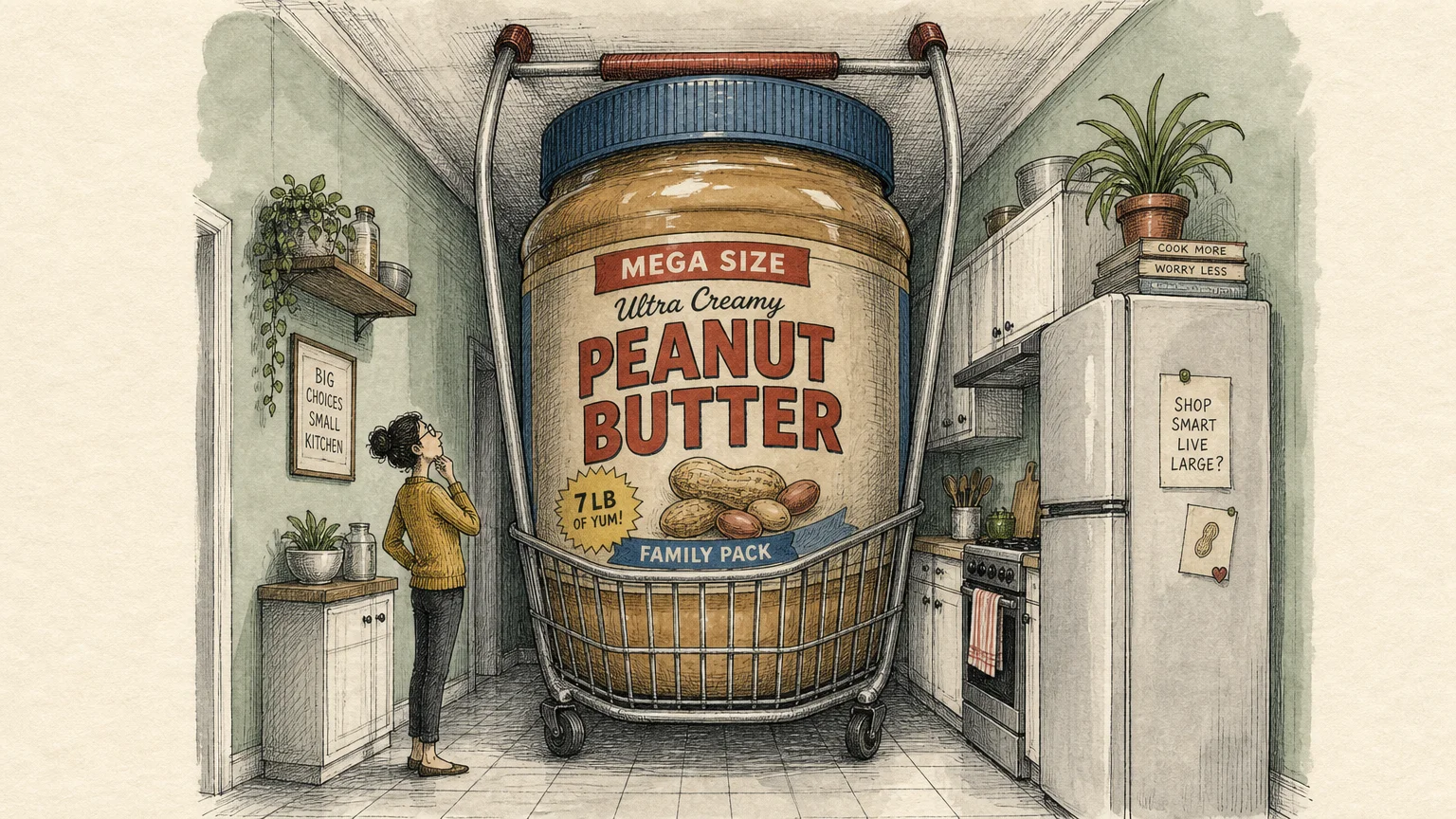
Warehouse shopping carries inherent risks if you enter the building without a fortified plan. The most severe threat to your new budget strategy is the temptation of impulse bulk buying. Purchasing three gallons of mayonnaise because the unit price is exceptionally low only saves you money if your family actually consumes it before the expiration date. Throwing away spoiled bulk food destroys the exact financial advantage you are trying to build. Furthermore, you must beware of the phenomenon where shoppers enter a store for milk and leave with a kayak and a new television. Navigate directly to the grocery section, secure your proteins, produce, and pantry staples, and bypass the electronics aisles entirely. Rely on Federal Reserve report on economic well-being data, which highlights that unexpected expenses often derail household stability; do not let an impulse buy become that destabilizing force. You are there to defend your paycheck, not surrender it.
Frequently Asked Questions About Affordable Family Dinners
Do I need a massive freezer to utilize these strategies?
No. While a chest freezer offers ultimate flexibility, you can execute all ten of these meals using a standard kitchen refrigerator and freezer. You simply need to buy dry goods that store in your pantry and cycle through your fresh proteins strategically throughout the week.
Are warehouse memberships actually worth the upfront cost?
The math heavily favors the membership if you feed a family of three or more. The savings generated from just a few rotisserie chickens, bulk rice, and frozen vegetables will easily offset the annual fee within the first two months of applying these Costco shopping tips.
How do I handle picky eaters who hate leftovers?
The key is repurposing ingredients rather than serving identical plates. You transform Monday’s roasted chicken into Tuesday’s shredded chicken tacos and Wednesday’s creamy pasta. The core ingredient remains the same, but the flavor profile shifts entirely.
Can I adapt these meals for food allergies?
Absolutely. Warehouse clubs now stock an impressive array of gluten-free pasta, dairy-free cheese alternatives, and grain-free tortillas. These specialized items still price out significantly lower per serving than standard grocery store equivalents.
Your Next Move for Budget Dinners
You possess all the tools necessary to halt the massive drain on your family’s food budget. The anxiety you feel when checking your bank balance before a grocery run can end this week. Take this blueprint, carve out an hour this weekend, and execute a surgical strike on your local warehouse club. Buy the staples, secure the pre-made proteins, and stock your freezer with reliable backups. You will face nights when you are exhausted from work, but knowing you have a fifteen-dollar meal ready in ten minutes will give you the strength to drive straight past the takeout window. You are taking control of your household cash flow one dinner at a time. The math is undeniably in your favor; the execution just requires your commitment. Claim your financial breathing room starting tonight.