Navigating the produce aisle shouldn’t feel like a high-stakes financial gamble between your health and your wallet. You can protect your family from harmful pesticides and keep your grocery budget intact by strategically choosing which organic items justify their premium prices. Deciding what ends up in your cart requires understanding both the agricultural practices behind your food and the economic realities of modern grocery shopping. Rather than blindly paying extra for the organic label on every single item, mastering a hybrid shopping strategy allows you to stretch your hard-earned dollars further. This careful balance of targeted spending and mindful saving empowers middle-income households to eat well while confidently working toward broader financial goals.

The State of the Wallet: Why Grocery Strategy Matters Now
Every trip to the supermarket feels noticeably more expensive than it did just a few years ago. You feel the squeeze of rising food costs every time you scan your items at the register, and this pressure forces many middle-income households to reconsider their dietary choices. According to recent data from the USDA Economic Research Service, food-at-home prices have experienced significant historical volatility, making consistent grocery budgeting an ongoing challenge for families trying to make ends meet.
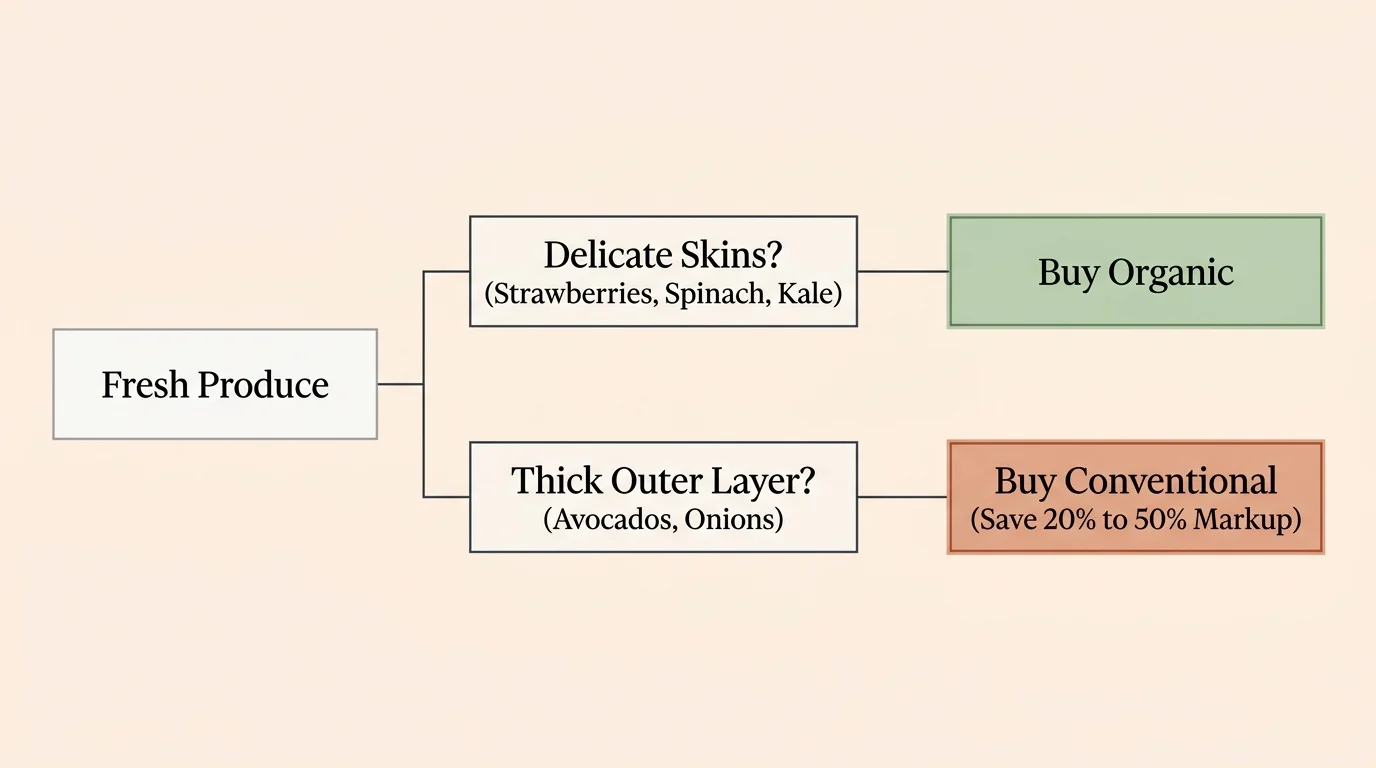
When basic staples demand a larger portion of your take-home pay, specialty items like organic produce naturally fall under intense scrutiny. Organic farming practices require more labor, yield smaller crops, and demand expensive certifications; consequently, retailers pass these substantial overhead costs directly to you. You will typically see a markup ranging from twenty to fifty percent on organic goods compared to their conventional counterparts. You do not have to abandon organic eating entirely just because your household operates on a strict budget. By adopting a highly selective approach to your weekly grocery haul, you can secure the health benefits of organic farming precisely where they matter most, leaving the unnecessary premiums behind on the shelf.
Strategy Pillar One: 10 Grocery Items Worth Buying Organic
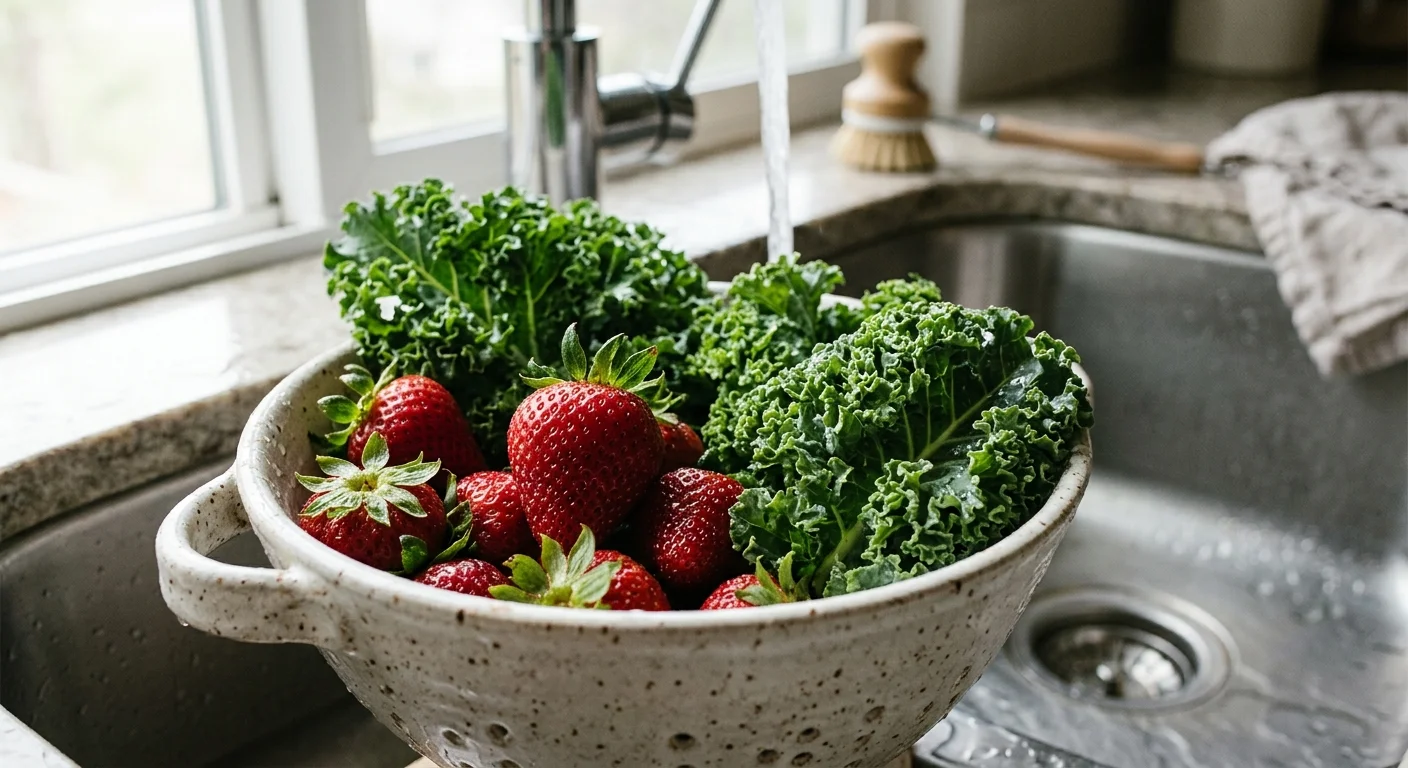
Certain fruits and vegetables act like sponges in the field, absorbing whatever chemicals farmers spray on them. When you purchase these specific items, paying the organic premium provides a tangible, measurable reduction in your daily pesticide exposure. The Environmental Working Group analyzes pesticide residue across thousands of produce samples each year, helping consumers identify which crops retain the highest chemical loads even after rigorous washing and peeling.
The Delicate Berries: Strawberries and Cherries
You should always prioritize buying organic strawberries and cherries. These delicate fruits grow close to the soil and require heavy chemical intervention to survive pests and fungi in conventional farming. Strawberries possess extremely thin skins covered in tiny seeds, creating a highly textured surface that traps agricultural sprays. Because you consume the entire fruit without peeling it, you directly ingest whatever chemicals the farm applied during the growing season. Cherries suffer from a similar vulnerability. Their thin, permeable skins offer almost zero barrier against synthetic pesticides, making the organic investment entirely worthwhile for your long-term health.
The Leafy Greens: Spinach and Kale
Spinach and kale represent nutritional powerhouses that you likely incorporate into salads, smoothies, and cooked dinners. Unfortunately, their complex physical structures make them prime candidates for the organic cart. The vast, textured surface area of kale leaves creates countless microscopic ridges where pesticide residues accumulate and harden. Spinach leaves, while smoother, grow dense to the earth and absorb soil-borne chemical treatments at an alarming rate. Upgrading these greens to organic ensures you receive pure vitamins and minerals without an unwanted side of synthetic farming residue.
The Orchard Fruits: Apples, Peaches, Nectarines, and Pears
Tree fruits face a constant barrage of insects, blights, and weather-related diseases, prompting conventional farmers to spray orchards repeatedly throughout the cultivation cycle. Apples, peaches, nectarines, and pears all make the absolute must-buy-organic list. You eat the skins of apples and pears to maximize your fiber intake, but those skins act as chemical catch-alls in conventional orchards. Peaches and nectarines feature incredibly porous, soft exteriors that allow pesticides to penetrate deep into the sweet flesh underneath. Rinsing a conventional peach under the kitchen faucet simply cannot extract the chemicals embedded inside the fruit, making the organic premium a necessary expenditure for your family.
The Permeable Picks: Grapes and Bell Peppers
Grapes and bell peppers round out the list of items you should always purchase organic. Conventional vineyards utilize intensive spraying regimens to combat mold and insects, and the thin skin of a grape absorbs those treatments directly. When you pack grapes into your children’s lunchboxes, you want to ensure they remain chemical-free. Bell peppers feature surprisingly permeable skins and often test positive for multiple different pesticide varieties in consumer safety trials. By securing organic bell peppers for your stir-fries and fajitas, you lock in the nutritional value while locking out harsh agricultural synthetics.

Strategy Pillar Two: Produce That Isn’t Worth the Extra Cost
You can instantly relieve the pressure on your grocery budget by recognizing which fruits and vegetables naturally defend themselves against pests. Nature equips certain crops with thick, inedible barriers that perfectly shield the edible portions from agricultural chemicals. Paying double for the organic label on these specific items simply wastes your hard-earned money.
The Armored Fruits: Avocados and Pineapples
Avocados and pineapples boast incredibly tough, defensive exteriors. Conventional farmers certainly spray these crops, but the pesticides rarely breach the thick, leathery rind of an avocado or the spiky armor of a pineapple. Since you discard the heavy outer layers entirely before consuming the flesh, the internal fruit remains remarkably clean. You can confidently drop conventional avocados and pineapples into your cart, secure in the knowledge that you are capturing tremendous savings without compromising your dietary purity.
The Hardy Staples: Sweet Corn, Onions, and Papayas
Sweet corn grows safely wrapped tightly in thick, multi-layered husks. The edible kernels sit protected deep inside this natural packaging, rendering conventional sweet corn practically identical to organic corn in terms of chemical residue. Onions produce powerful natural defense mechanisms—specifically their pungent sulfur compounds—that actively repel pests, meaning farmers rarely need to treat them with aggressive synthetic sprays. Finally, papayas feature a thick skin that you peel away entirely, much like an avocado. Whenever you shop for sweet corn, onions, or papayas, skip the premium organic section entirely and keep those extra dollars securely in your bank account.

Strategy Pillar Three: Cash-Flow Audits and Smarter Grocery Budgeting
Knowing what to buy represents only half the battle; managing the financial mechanics of your grocery shopping secures the ultimate victory. You must begin treating your monthly grocery budget with the same rigorous oversight you apply to your housing or transportation costs. A comprehensive cash-flow audit allows you to track exactly how much the organic premium impacts your bottom line.
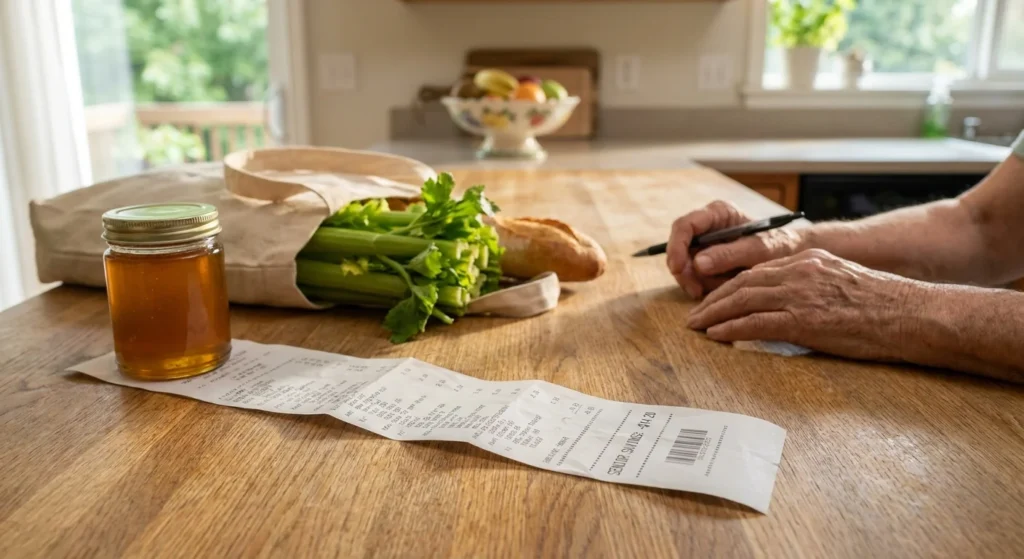
Start by collecting your grocery receipts for one entire month. Sit down at your kitchen table with a highlighter and identify every single organic purchase you made. Calculate the price difference between those organic items and their conventional alternatives. This exercise often reveals hidden financial leaks where you unconsciously pay premium prices for items that do not require an organic label. The Consumer Financial Protection Bureau offers robust frameworks for establishing tracking systems that help you monitor these granular spending categories over time. Once you visualize the raw data, you can seamlessly transition to a hybrid shopping model, intentionally routing your funds toward organic berries and greens while strictly purchasing conventional armored fruits.

Real-World Voices: Insights from the Experts
Financial planners routinely identify grocery spending as the most volatile and emotionally driven line item in a middle-income budget. Behavioral economists frequently warn consumers about the “health halo” effect, a psychological phenomenon where shoppers blindly assume anything boasting an organic label inherently provides superior health benefits. This cognitive bias tricks well-meaning parents into paying premium prices for organic processed foods, dramatically inflating their weekly expenses without delivering meaningful nutritional advantages.
Registered dietitians emphasize that eating conventional produce always heavily outweighs the decision to eat no produce at all. The Federal Reserve tracks household economic well-being and consistently notes that families struggling with inflationary pressures often make drastic, unhealthy cuts to their essential expenses. Nutrition experts urge families not to let the pursuit of organic perfection become the enemy of good dietary health. If buying organic apples strains your finances to the breaking point, purchasing conventional apples remains a vastly superior choice to buying heavily processed snacks.
Action Lab: A Concrete Budget Tweak
Let us examine the exact mathematics of a hybrid grocery strategy to understand how small adjustments generate massive annual savings. Imagine you currently spend two hundred dollars every week strictly buying organic produce for your household. You regularly purchase avocados, onions, pineapples, strawberries, and spinach.
You decide to implement the hybrid strategy this weekend. You continue purchasing organic strawberries and organic spinach, maintaining your defense against the highest pesticide loads. However, you switch your weekly purchase of five avocados, three onions, and one pineapple from organic to conventional. Organic avocados frequently cost a dollar more per unit than conventional ones. Organic pineapples can easily cost three dollars more than standard ones, and organic onions often carry a premium of roughly a dollar per pound.
By simply dropping the organic label from the thick-skinned items you peel and discard anyway, you immediately reduce your grocery bill by roughly twelve dollars per week. While twelve dollars might sound insignificant in isolation, consistency transforms this minor tweak into a major financial victory. Over the course of fifty-two weeks, that strategic pivot saves you six hundred and twenty-four dollars a year. You can directly channel that reclaimed cash into a high-yield savings account, apply it toward high-interest credit card debt, or use it to fund a much-needed family outing.
Guardrails and Pitfalls in the Grocery Aisle
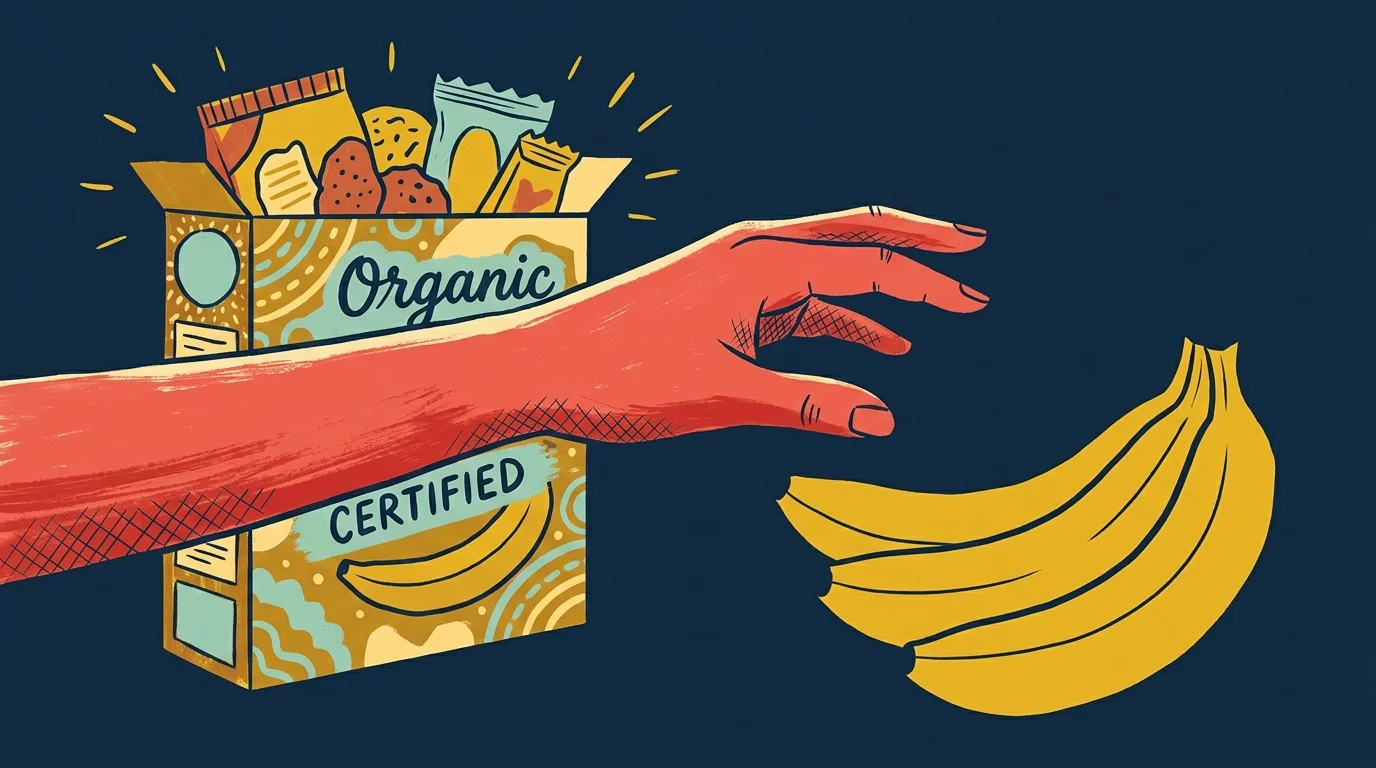
As you refine your shopping strategy, you must actively guard against pervasive marketing traps. Greenwashing represents a significant danger in the modern supermarket. Food manufacturers plaster words like “natural,” “earth-friendly,” and “wholesome” across their packaging to justify premium pricing, even though these terms carry zero regulatory weight regarding pesticide use. You must meticulously look for the official USDA Organic seal to verify you actually get what you pay for.
Furthermore, you must avoid the trap of organic junk food. Organic cane sugar behaves exactly like conventional white sugar inside your body. Buying organic cookies, organic potato chips, and organic sugary cereals drains your budget rapidly while providing absolutely no defensive health benefits. Finally, remember that true organic produce lacks the synthetic preservatives that dramatically extend the shelf life of conventional goods. Organic berries and greens spoil incredibly fast. You must aggressively plan your meals and consume your organic purchases quickly; otherwise, you risk throwing expensive, premium produce straight into the compost bin.
Frequently Asked Questions About Organic Groceries
Do I need to buy organic if I thoroughly wash my conventional produce?
Washing your produce remains a critical food safety step, but it cannot miraculously transform conventional items into organic ones. The Food and Drug Administration recommends thorough washing under running water to remove surface dirt and bacteria. However, washing only addresses the extreme exterior of the fruit or vegetable. Systemic pesticides absorb into the root system of the plant and grow directly into the flesh of the produce. You cannot wash or scrub away chemicals that exist inside the cellular structure of a strawberry or a peach, which is exactly why prioritizing organic purchases for thin-skinned items remains so vital.
Are local farmers market items considered organic even without the label?
You will frequently find exceptional, pesticide-free produce at your local farmers market that does not carry the official organic seal. The USDA organic certification process costs thousands of dollars and requires immense bureaucratic paperwork, creating a massive financial barrier for small, family-owned farms. Many local growers utilize strictly organic, sustainable farming methods but simply cannot afford the official certification. You should actively speak with the farmers at your local market; ask them directly about their pest management practices. You can often secure organically grown produce at conventional prices by building relationships directly with the people growing your food.
How much of my monthly budget should go toward groceries?
Most financial planners suggest allocating between ten and fifteen percent of your total take-home pay toward food, which includes both groceries and dining out. If you currently dedicate more than fifteen percent of your income to food, you likely need to perform a deep cash-flow audit. Implementing the hybrid organic shopping strategy—buying organic only for the high-risk items and conventional for the armored fruits—serves as an immediate, practical mechanism to pull an inflated grocery budget back down into a healthy, sustainable percentage.
Should I prioritize organic meat and dairy over produce?
Animal products introduce entirely different variables into your budget, including antibiotics and synthetic growth hormones. Conventional livestock often consume diets heavily reliant on pesticide-treated grains, and those chemicals can concentrate in animal fat and dairy products over time. If your budget allows for flexibility, transitioning to organic or pasture-raised dairy and poultry generally offers profound nutritional benefits that rival or exceed the benefits of organic produce. However, organic meat carries the steepest premium in the entire grocery store. You must weigh this heavily against your financial goals, perhaps choosing to eat conventional meat less frequently rather than absorbing the massive cost of an all-organic meat diet.
Fueling Your Financial and Physical Health
You possess total control over how your grocery dollars flow through your local supermarket. You no longer need to feel paralyzed by the overwhelming choice between fiscal responsibility and physical wellness. By memorizing the delicate items that demand an organic premium and confidently purchasing the hardy, armored fruits conventionally, you actively protect both your family and your savings account. Challenge yourself to audit your refrigerator and your receipts this weekend. Make a deliberate, strategic shopping list before you ever step foot inside the store. When you shop with intention and armed with the right data, you secure a healthier future for your body and a stronger foundation for your wallet.