Replacing failing household essentials before they break saves you hundreds of dollars in emergency repairs and utility markups. When money feels tight, delaying basic home maintenance looks like a clever way to stretch your paycheck, but pushing items past their lifespan practically guarantees a future financial disaster. You already feel the squeeze of rising grocery bills and utility costs; you do not need a sudden plumbing leak or an electrical short adding chaos to your budget. By swapping out five specific household items this year, you protect your family from hidden health hazards while lowering your monthly operating costs. A proactive approach transforms home upkeep from a stressful burden into a predictable, manageable line item.
The State of Your Wallet: Why Deferred Maintenance Costs More
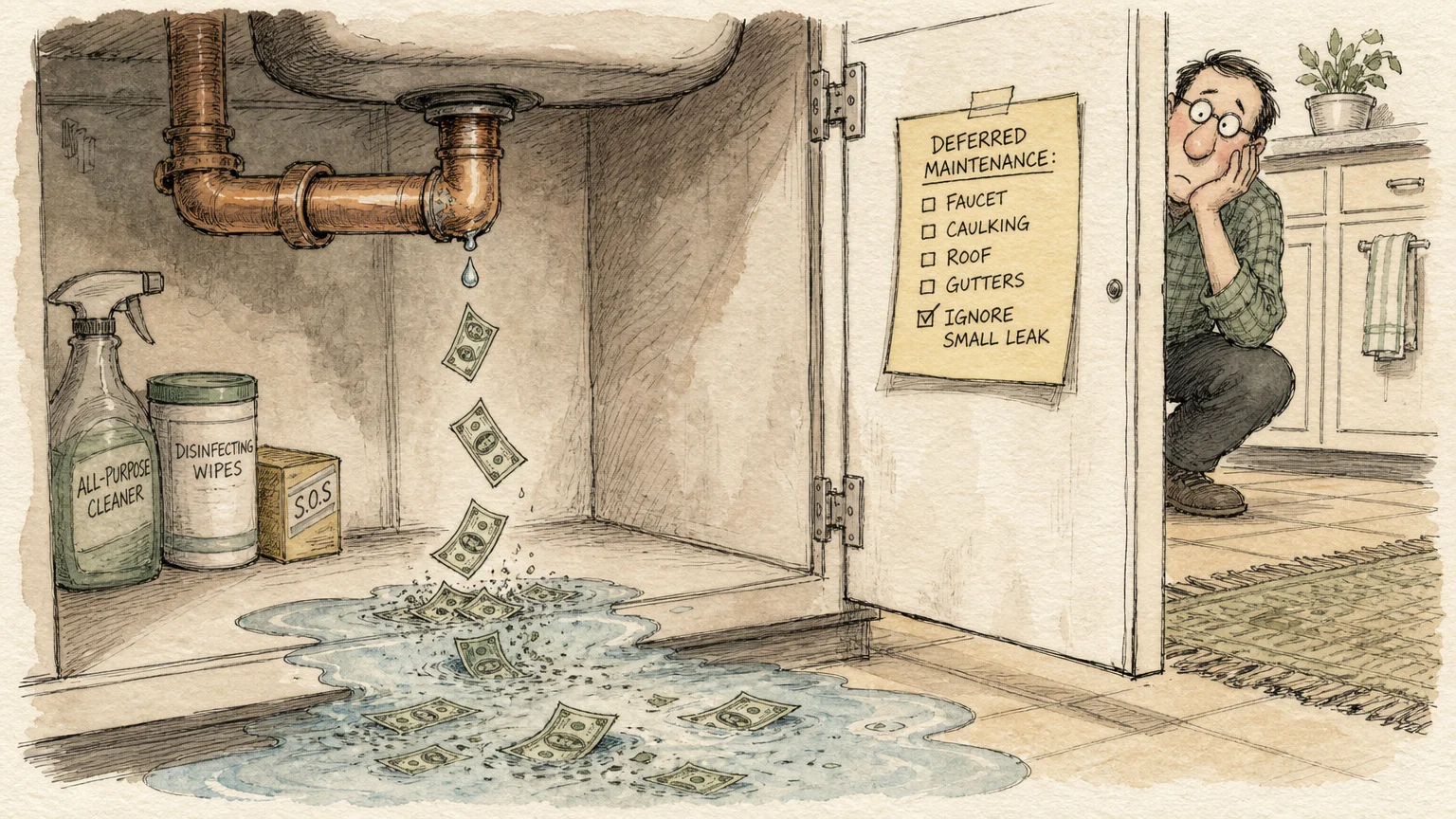
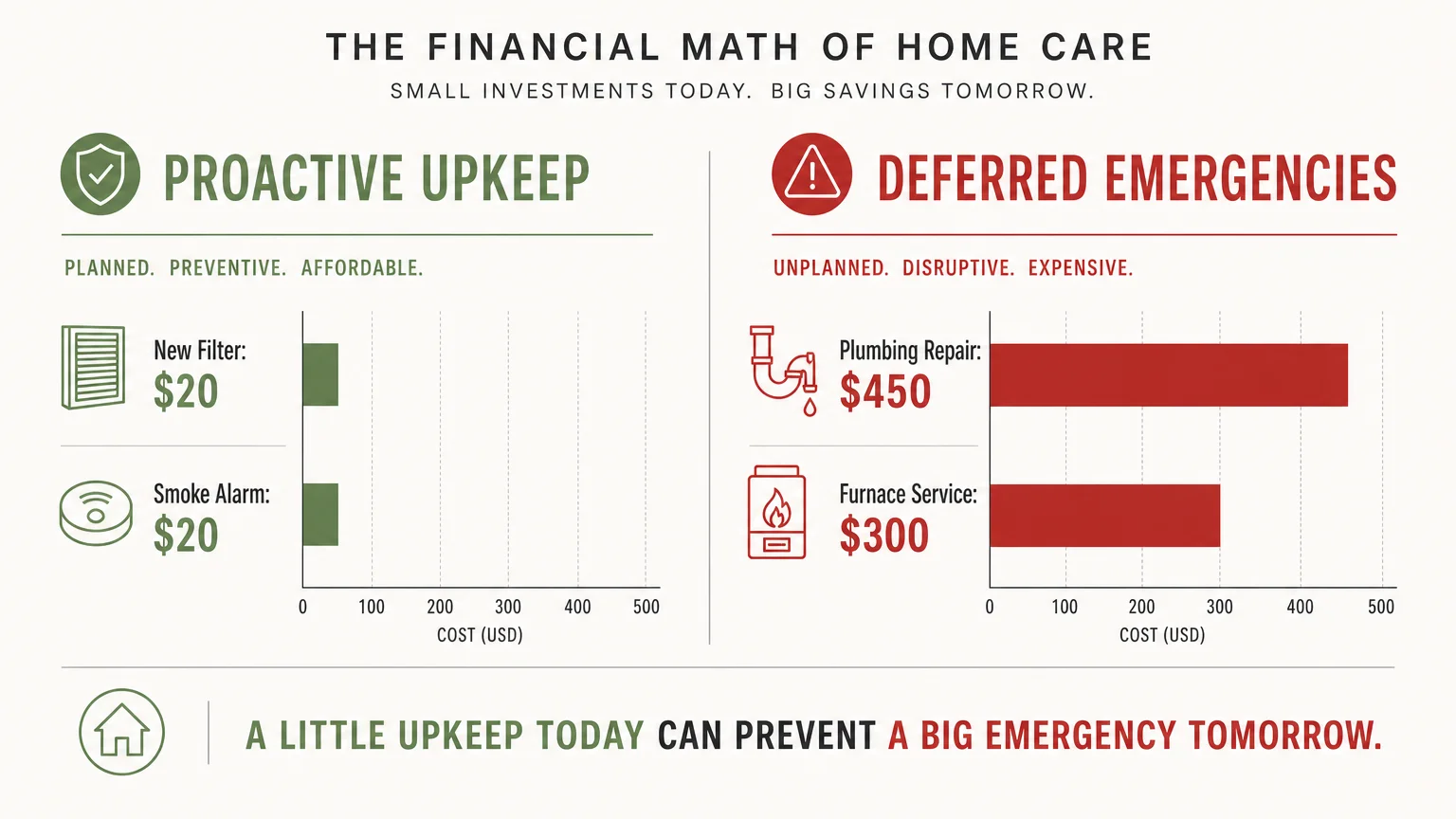
Your household budget absorbs hits from every direction, making the prospect of spending money on unglamorous household items feel completely counterintuitive. However, the true cost of deferred home maintenance frequently eclipses the price of proactive replacements. According to the Federal Reserve report on the economic well-being of households, many families struggle to cover unexpected emergency expenses, often relying on high-interest credit cards to bridge the gap. When a neglected twenty-dollar appliance component triggers a catastrophic failure, the resulting emergency repair bill directly attacks your financial stability.
Inflation has permanently altered the landscape of middle-income spending, forcing households to adopt a defensive posture regarding home upkeep. Consumer behavior trends indicate that families increasingly view home maintenance not as a chore, but as an essential asset protection strategy. Every time a major system in your home runs inefficiently because of a clogged filter or a degraded sensor, you leak cash directly to the utility companies. Correcting these minor deficiencies serves as an immediate cash-flow audit, keeping your hard-earned dollars inside your own bank account rather than subsidizing wasteful energy consumption. Let us examine the five household essentials you need to replace to safeguard both your home and your financial peace of mind.
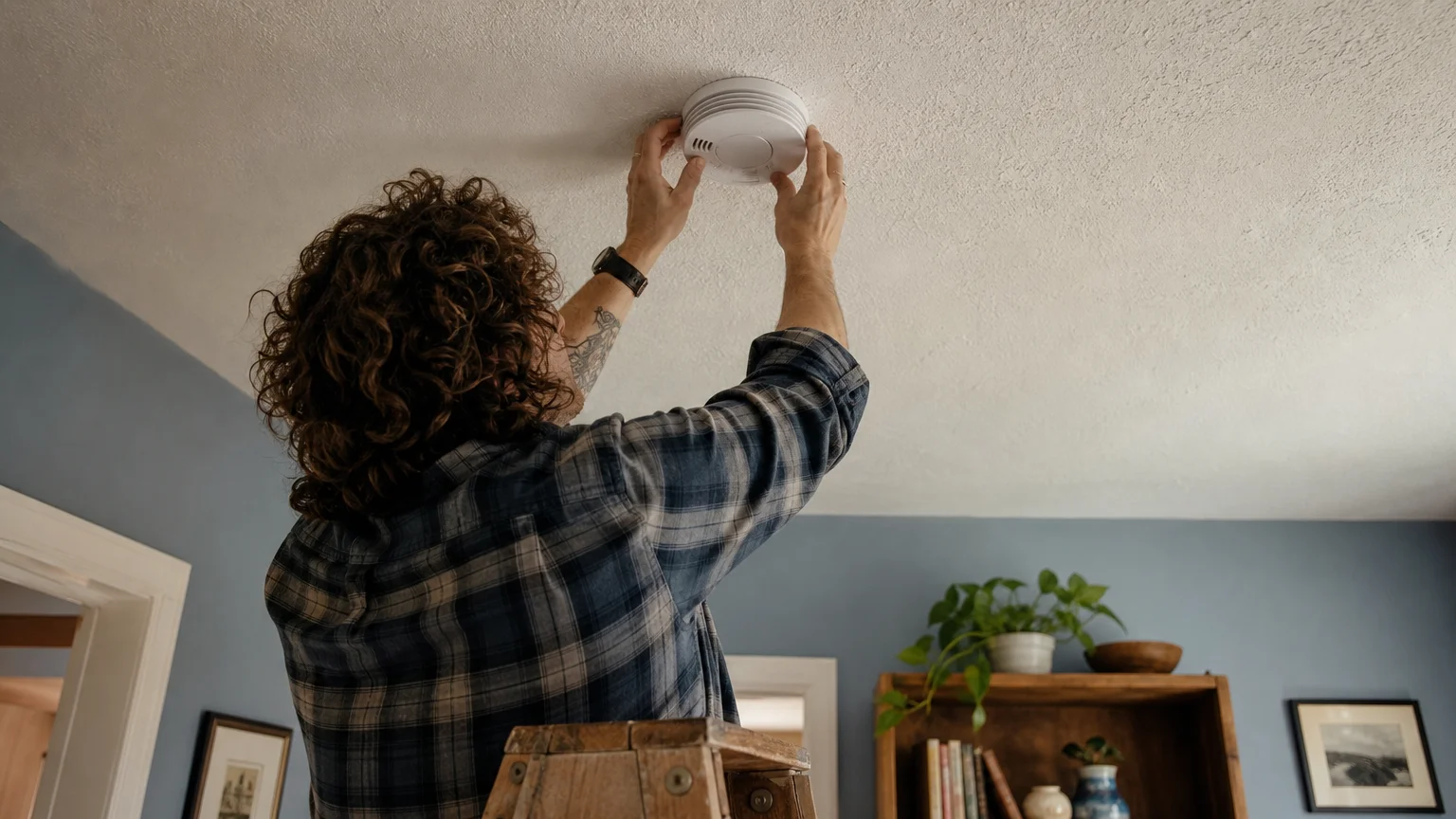
Item 1: Expired Smoke and Carbon Monoxide Detectors
You probably walk past the smoke detectors on your ceiling every single day without giving them a second thought, yet they stand as the absolute most critical household essentials you own. Most homeowners faithfully change the batteries when the device emits that annoying midnight chirp, but the actual sensors inside these units degrade over time. Manufacturers clearly state that smoke alarms lose their reliability after ten years, while carbon monoxide detectors often expire after just five to seven years. If your devices predate these timelines, you operate under a false sense of security.
Replacing these units represents a fundamental home safety tip that protects your ultimate investment. Beyond the unimaginable human cost of a house fire, the financial devastation of an uninsured or underinsured loss can permanently bankrupt a family. Modern detectors feature sealed lithium batteries that last a full decade, completely eliminating the recurring cost of replacing nine-volt batteries every six months. By upgrading your home safety infrastructure today, you practice excellent mindful spending; you pay a small premium upfront to secure a decade of uninterrupted protection and potential homeowners insurance discounts.
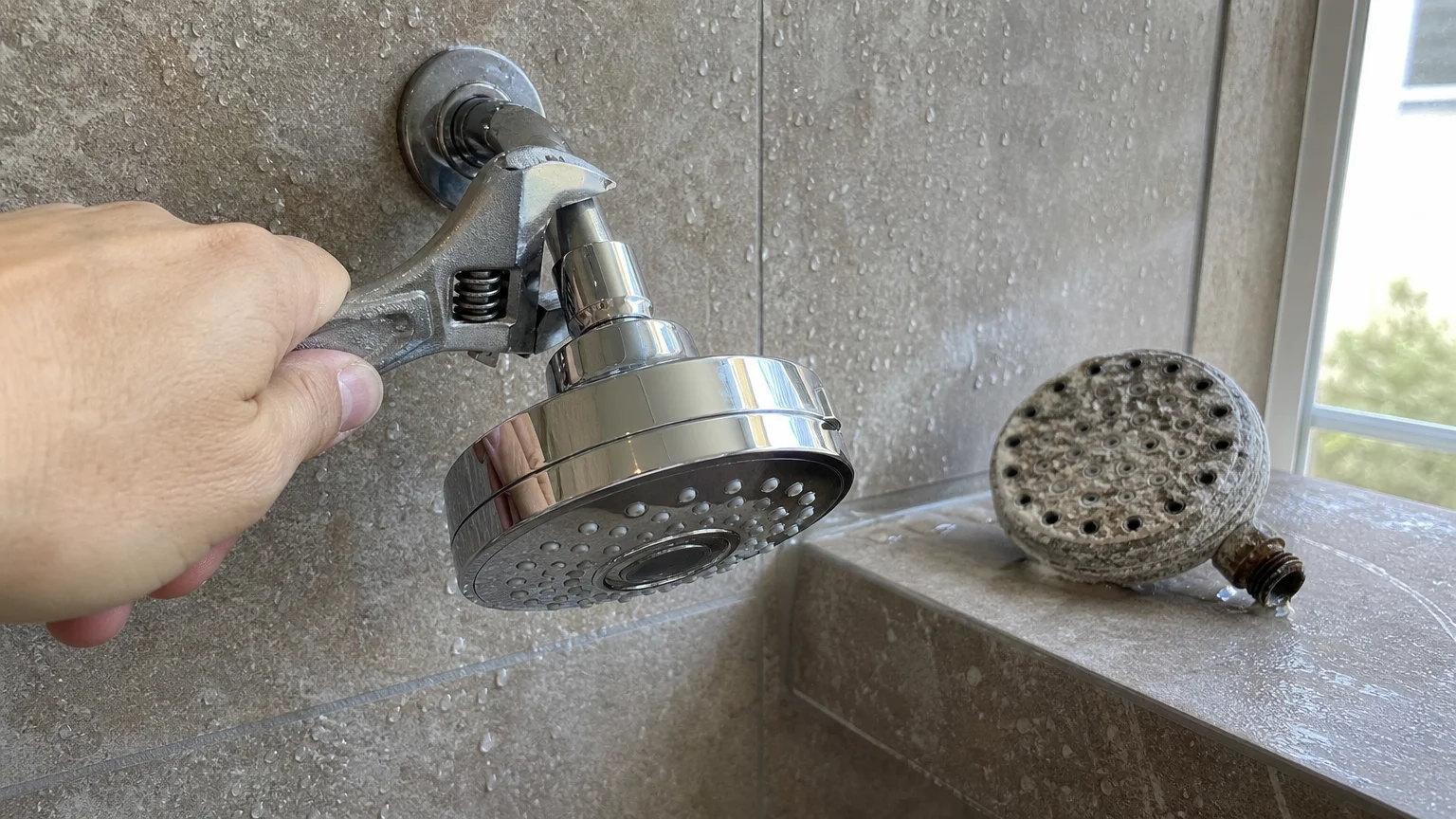
Item 2: Inefficient Showerheads and Faucet Aerators
Utility bills consistently drain a massive portion of the middle-income household budget, and water heating accounts for a shockingly large slice of that pie. Older showerheads and degraded faucet aerators push out gallons of excess water every minute, meaning you pay for water you do not need and the energy required to heat it. Over time, mineral deposits also clog the internal mechanisms, leading to poor pressure and further inefficiencies. Replacing these fixtures constitutes one of the fastest return-on-investment projects you can tackle this year.
When you transition to fixtures certified by the Environmental Protection Agency WaterSense program, you instantly automate your savings. These modern household items use advanced flow technology to deliver powerful water pressure while cutting actual water consumption by up to twenty percent. A family of four replacing an ancient showerhead with a high-efficiency model can save enough on utility bills to pay for the upgrade in less than three months. This strategic replacement acts as a continuous cash-flow optimizer, allowing you to stretch your paycheck without asking your family to take shorter showers.
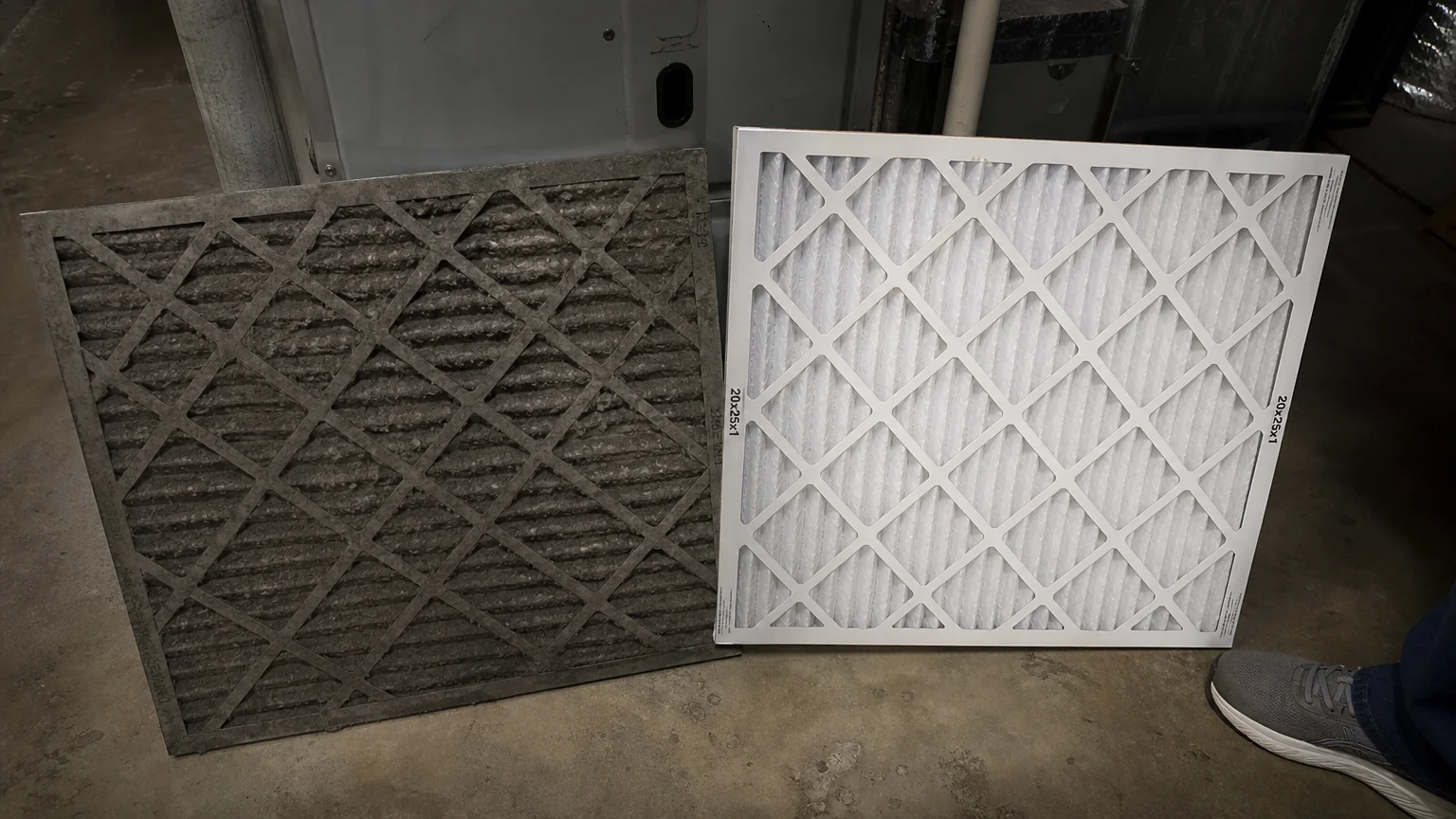
Item 3: Heavily Soiled HVAC Filters
Your heating, ventilation, and air conditioning system represents the most expensive mechanical component in your entire home. Despite this reality, countless homeowners force their HVAC systems to pull air through dense walls of dust, pet dander, and household debris. A severely clogged filter restricts airflow, forcing the blower motor to run longer and work much harder to reach the target temperature on your thermostat. This completely preventable strain drastically increases your monthly electricity and gas bills while pushing the expensive internal components toward premature failure.
Financial planners routinely advise clients to prioritize preventative maintenance because replacing a furnace or air conditioner can obliterate an emergency fund overnight. According to the Department of Energy, replacing a dirty filter can lower your air conditioner energy consumption by up to fifteen percent. You should replace standard fiberglass filters every thirty days, or pleated filters every three months, depending on your household environment. To make this habit foolproof, utilize smarter saving automations by subscribing to a filter delivery service. When the new filter arrives on your porch, it serves as an unmissable physical reminder to perform the swap. This simple home improvement task defends your savings account against five-figure HVAC replacement invoices and keeps your indoor air quality pristine.
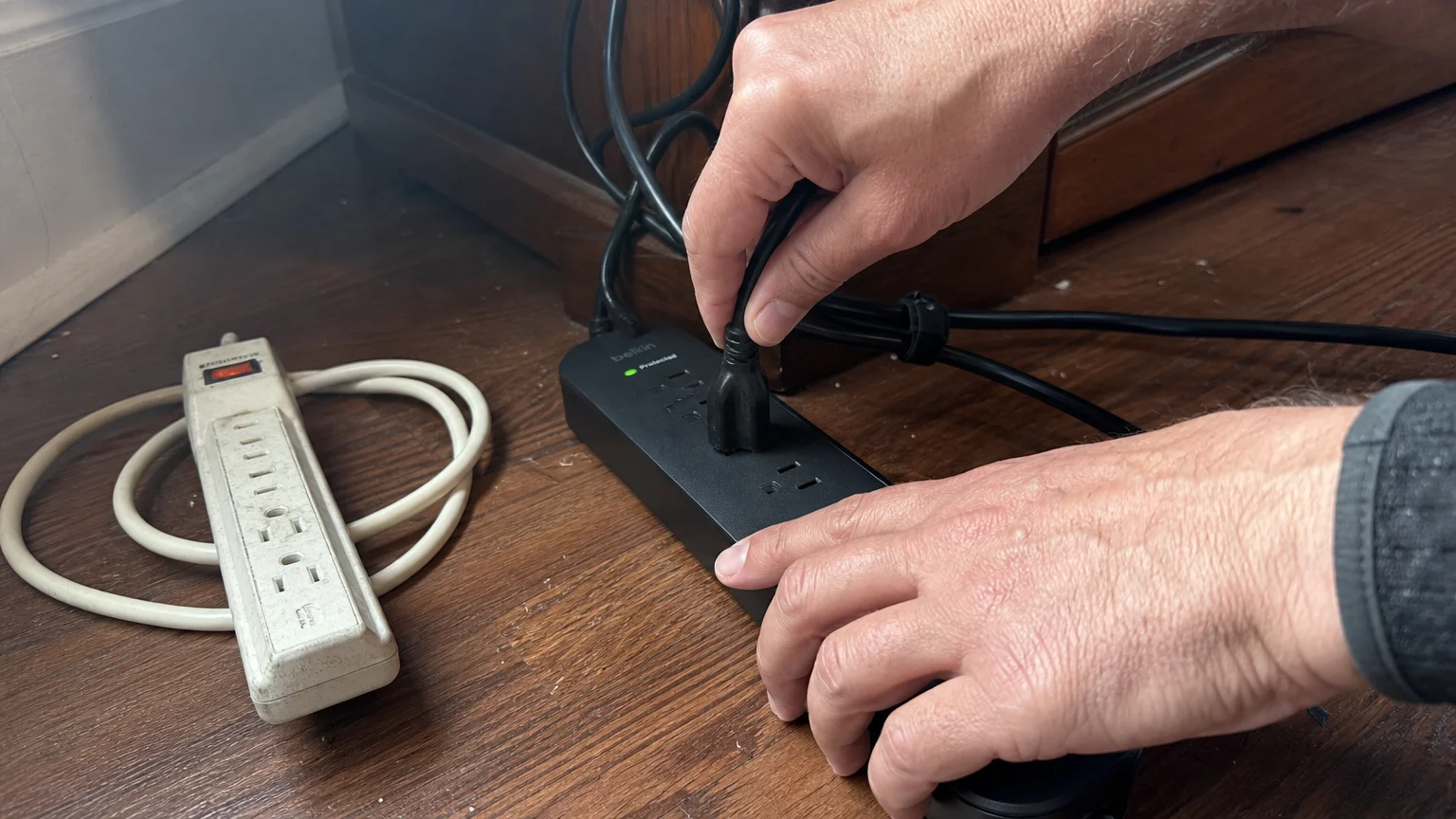
Item 4: Deteriorating Surge Protectors and Power Strips
Take a moment to look behind your television or under your home office desk. You will likely find a tangled mess of cords plugged into a power strip that you purchased a decade ago. While a power strip provides extra outlets, a surge protector defends your expensive electronics from dangerous voltage spikes. However, the protective components inside a surge protector degrade every time they absorb a power fluctuation. After a few years, or following a major electrical storm, your surge protector quietly becomes nothing more than a glorified extension cord.
Leaving a two-thousand-dollar television or a critical work laptop plugged into an exhausted surge protector invites financial disaster. Power grid irregularities happen constantly, and replacing fried electronics forces you to drain your discretionary income. Furthermore, older, physically damaged power strips present a severe fire risk. The Consumer Product Safety Commission continually highlights the dangers of overloaded and outdated electrical accessories in the home. Invest in modern surge protectors with built-in indicator lights that clearly show when the protection circuitry remains active. Spending thirty dollars today to shield thousands of dollars in electronics exemplifies peak financial defense.
Item 5: Depleted Refrigerator Water Filters
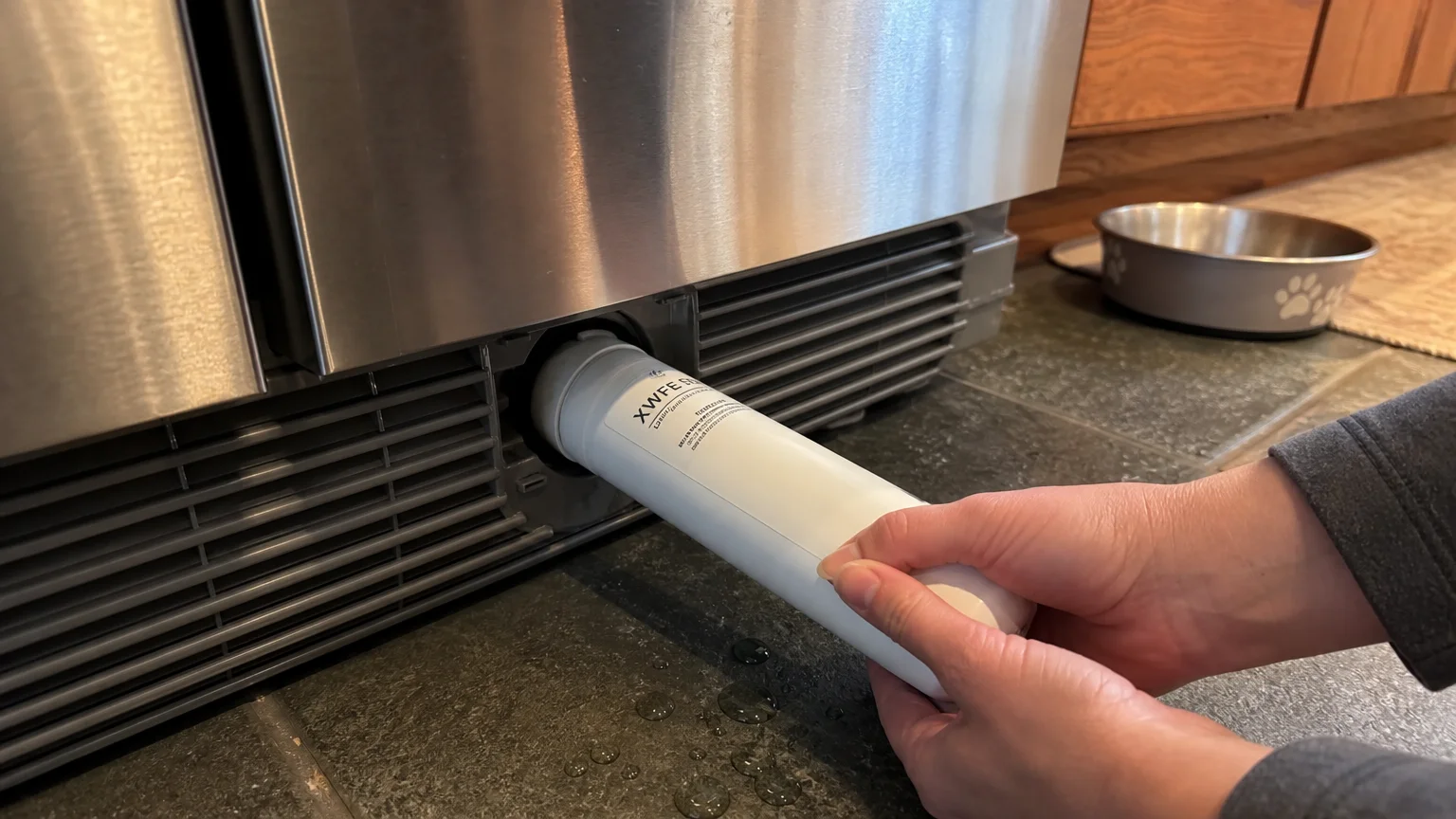
The indicator light on your refrigerator water dispenser has probably been glowing red for months, yet it remains incredibly easy to ignore. Homeowners frequently delay replacing appliance water filters because the manufacturer-branded replacements seem overly expensive. However, pushing a filter far past its designed capacity forces the appliance pump to work much harder to push water through the compacted carbon block. This unnecessary strain frequently leads to blown valves and cracked water lines hidden deep inside the appliance.
A hidden leak behind your refrigerator will destroy your flooring, rot your subfloor, and foster dangerous mold growth long before you notice the puddle. The cost to repair this extensive water damage drastically outweighs the price of a simple replacement filter. Additionally, a fresh filter eliminates the need to purchase wasteful and expensive bottled water, returning immediate value to your grocery budget. Treat the replacement of appliance filters as a mandatory household essential rather than an optional luxury. Protecting your major appliances ensures they live out their full intended lifespan, keeping replacement costs far away from your current financial radar.
Strategy Pillars: Building a Resilient Home Maintenance Budget
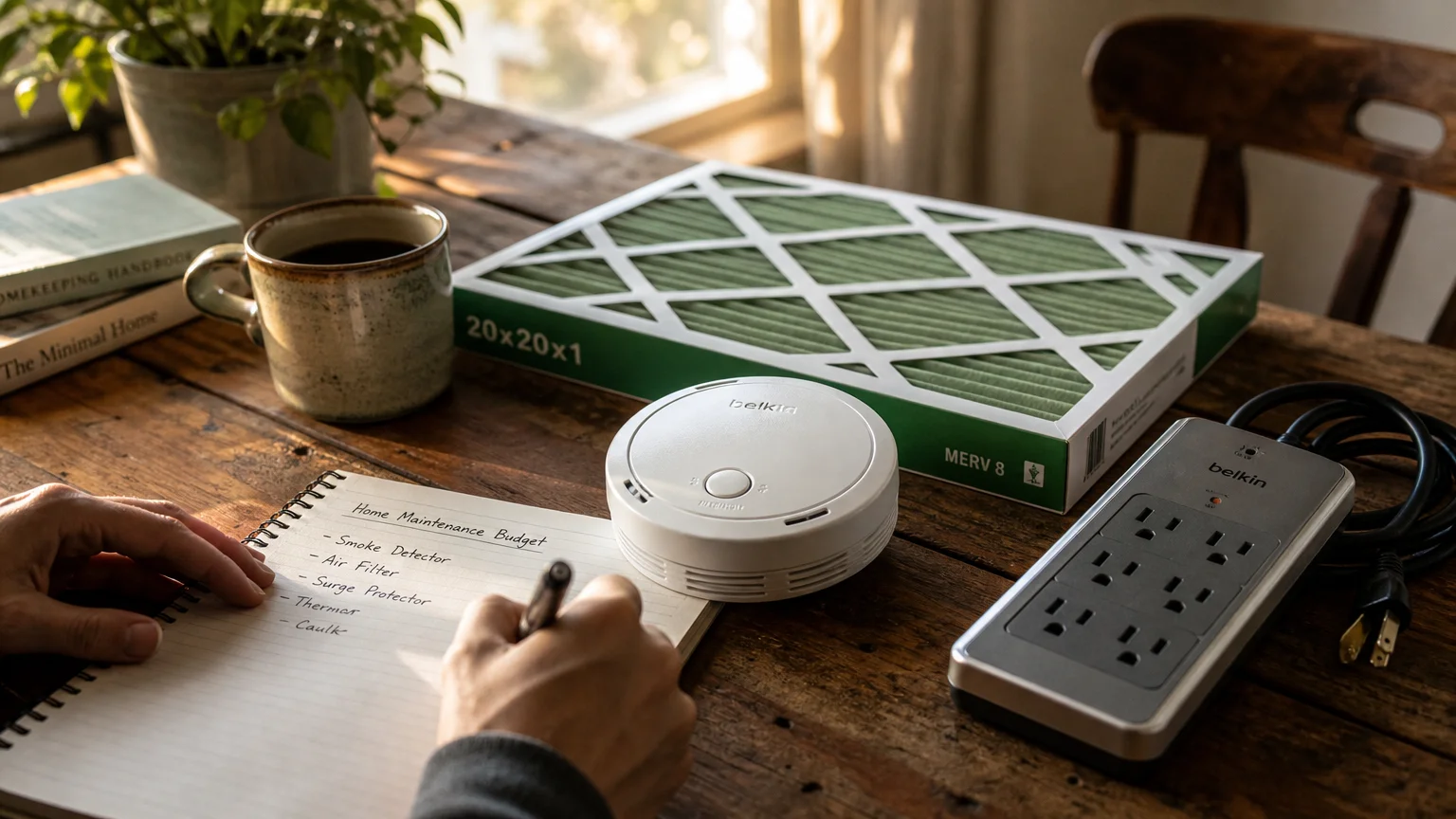
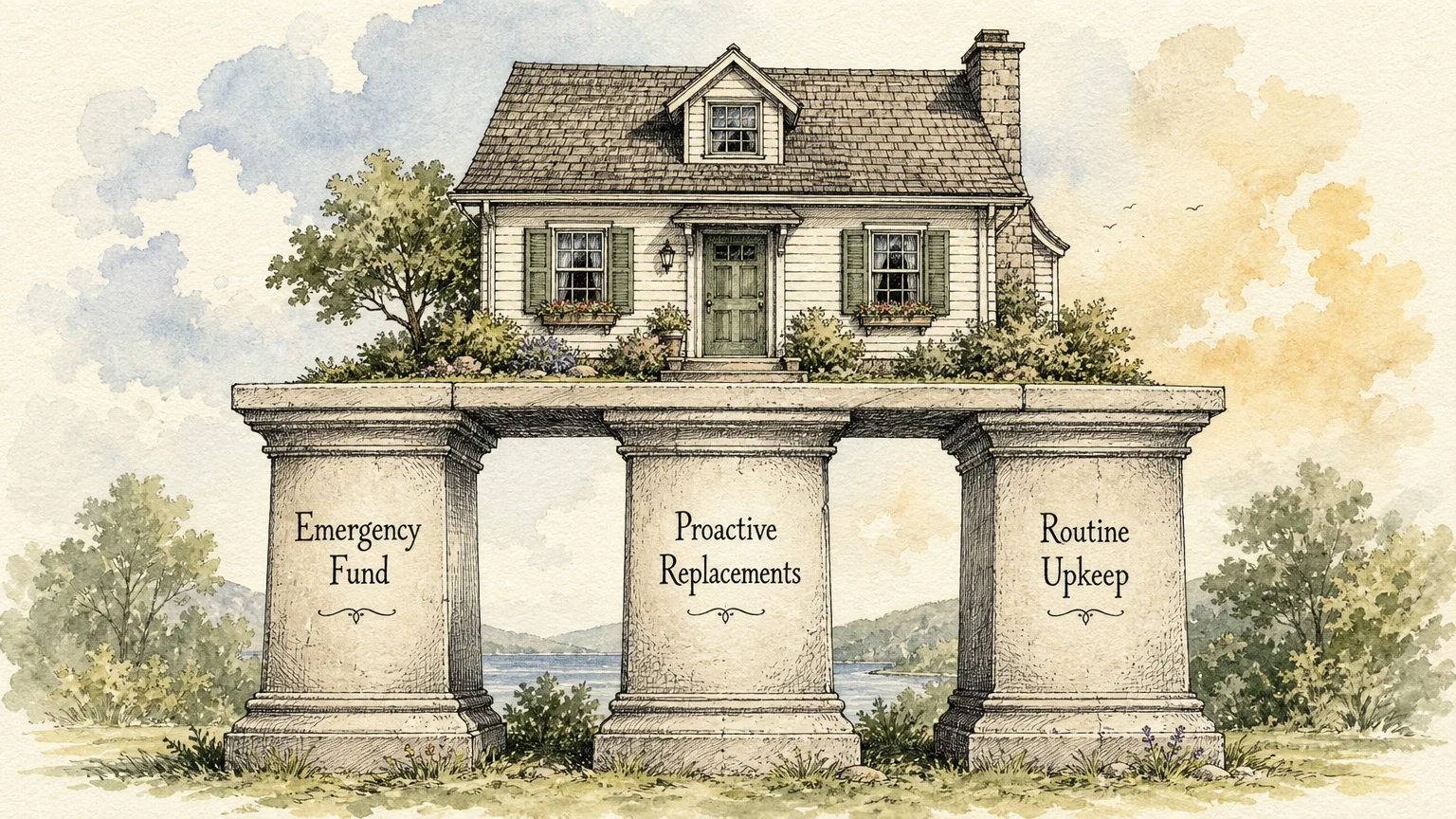
Understanding which household items to replace represents only the first step in protecting your finances; you must also develop a sustainable system to fund these upgrades. Implementing a structured approach to home maintenance transforms unpredictable expenses into manageable monthly goals. You can achieve this stability by integrating three specific strategy pillars into your broader financial plan.
Conducting Regular Cash-Flow Audits
You cannot manage what you do not measure. A thorough cash-flow audit involves scrutinizing your utility bills and maintenance expenses over the past twelve months. Look for seasonal spikes in energy consumption or unexplained increases in water usage. When you identify these financial leaks, you can trace them back to their physical source—perhaps an inefficient appliance or a degraded weather seal. By routinely auditing your outflow, you can reallocate the money previously wasted on inefficiencies toward high-quality replacement items. The Consumer Financial Protection Bureau offers excellent frameworks for tracking household expenses that you can easily adapt for maintenance tracking.
Leveraging Smarter Saving Automations
Human memory fails reliably, especially when balancing work, family, and financial obligations. Do not rely on your brain to remember when to replace a water filter or a smoke alarm. Instead, harness the power of automation. Set up recurring calendar alerts for all major household replacements. More importantly, automate the funding of your maintenance category. Direct your bank to automatically transfer a specific amount—even just twenty dollars a week—into a dedicated sinking fund specifically labeled for household essentials and repairs. When the time comes to purchase new surge protectors or high-efficiency showerheads, the money already sits there waiting for you.
Practicing Mindful Spending on Quality
When budgets tighten, the temptation to purchase the cheapest possible replacement parts becomes incredibly strong. However, mindful spending requires you to evaluate the total cost of ownership rather than just the initial price tag. A cheap furnace filter might save you five dollars today, but it could severely damage your blower motor tomorrow. A discount showerhead might crack under pressure, causing a costly leak. Train yourself to research the lifespan, warranty, and efficiency ratings of every item you bring into your home. Purchasing a high-quality component once is always cheaper than replacing a substandard component three times.
Expert Voices on Predictive Spending
Behavioral economists have long studied the psychological friction that prevents consumers from making logical preventative purchases. When money feels scarce, the human brain naturally defaults to present bias, prioritizing immediate cash preservation over long-term savings. However, financial planners working with middle-income families consistently observe that households practicing predictive spending experience far less financial anxiety. By actively deciding to replace aging components before they fail, you reclaim control over the timeline and the budget of the transaction. You secure the luxury of shopping around for sales, comparing reviews, and utilizing cashback programs, rather than desperately swiping a credit card at a home improvement store during a Sunday night emergency.
Action Lab: Recalculating Your Household Cash Flow
Let us walk through a practical example of how swapping out these household items directly impacts your monthly budget. Suppose you currently spend one hundred and fifty dollars a month on electricity and water. You decide to take action this weekend, investing eighty dollars to replace two ancient showerheads, one heavily soiled HVAC filter, and your expired refrigerator water filter.
By installing the high-efficiency showerheads, you reduce your hot water consumption, shaving ten dollars off your combined water and heating bills. The new HVAC filter allows your furnace to breathe easily, saving you another ten dollars in wasted electrical draw. Finally, the fresh refrigerator filter allows you to stop buying two cases of bottled water per month, putting an extra fifteen dollars back in your pocket. Your eighty-dollar investment yields thirty-five dollars in monthly savings. You achieve a full return on your investment in less than three months. For the rest of the year, that thirty-five dollars stays in your checking account, providing an annualized return that heavily outperforms any traditional savings account.
Guardrails and Common Pitfalls to Avoid
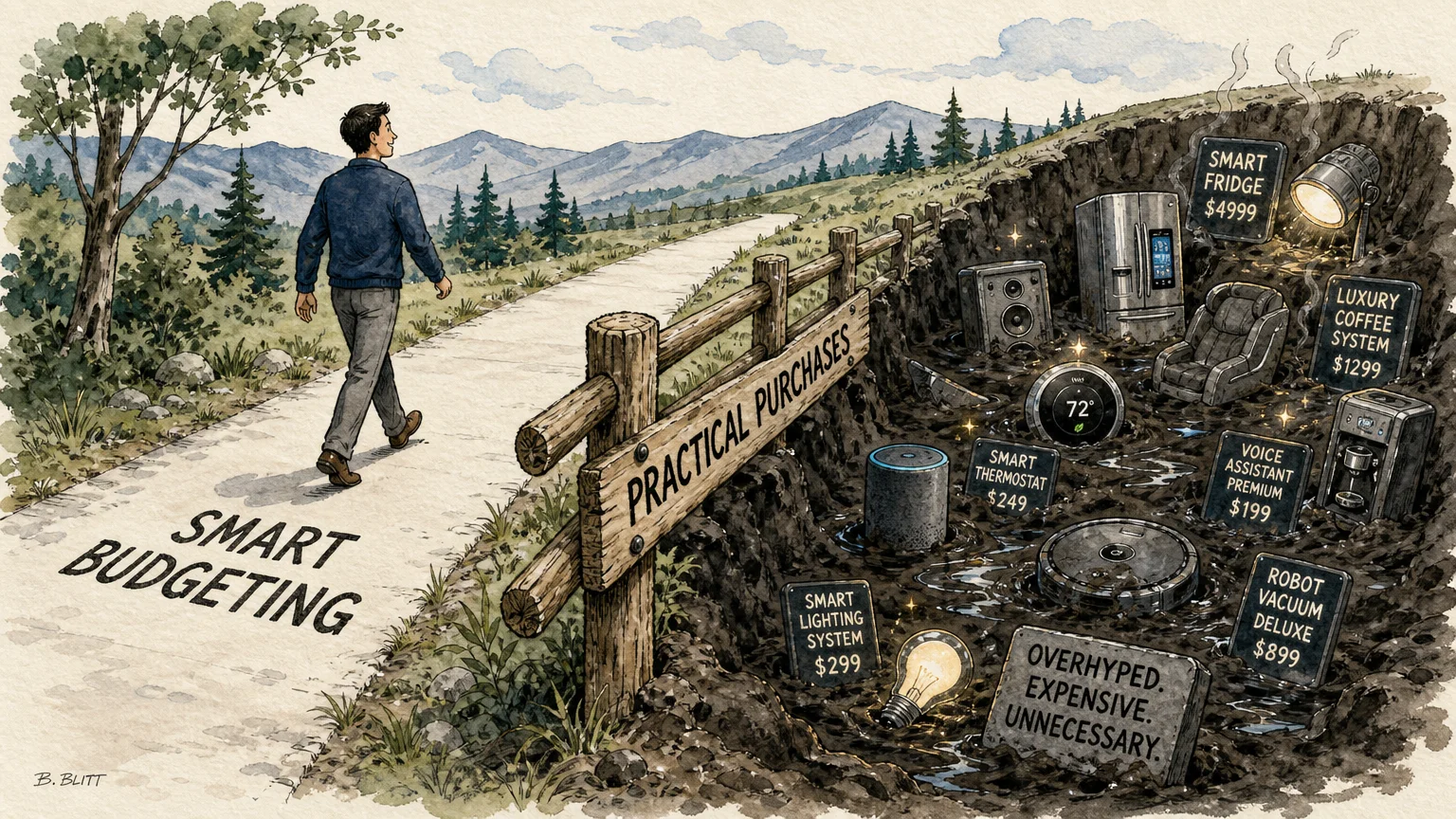
While taking initiative on home maintenance empowers your financial life, you must navigate a few common traps that can derail your progress. First, never blindly trust the marketing language on product packaging without verifying the specifications. Many products label themselves as energy-saving without holding any official certifications; always look for independent verification like the WaterSense or Energy Star labels. Second, avoid the pitfall of purchasing items in extreme bulk unless you possess a climate-controlled storage space. Buying a ten-year supply of HVAC filters might secure a slight discount, but humidity and dust can ruin the inventory before you ever install them.
Finally, know your own technical limitations. Replacing a showerhead or a surge protector requires zero specialized training. However, if a replacement task touches the complex electrical wiring inside your walls or the main plumbing lines of your house, do not attempt to learn via internet videos if you feel uncertain. Damaging your home infrastructure in an attempt to save fifty dollars on a service call defines false economy. Protect your budget by delegating dangerous or highly technical repairs to licensed professionals who carry proper insurance.
Frequently Asked Questions About Home Maintenance Spending
How do I know if my smoke detector is actually expired? You can find the manufacturing date stamped directly on the back of the alarm unit. You simply need to unmount the device from the ceiling bracket by giving it a gentle twist. If the date printed on the plastic casing is more than ten years in the past, or if the device lacks a printed date entirely, you must replace the entire unit immediately to ensure your safety.
Are expensive HVAC filters really better than the cheap fiberglass ones? While heavily pleated, high-MERV filters capture microscopic particles, they can also restrict airflow too much for older systems, potentially causing freezing or motor strain. The best approach involves checking your specific furnace manual for the recommended MERV rating. Generally, a mid-range pleated filter provides the perfect balance of trapping airborne debris without suffocating your vital HVAC equipment.
Can I just test my surge protector instead of buying a new one? Most modern surge protectors feature a small indicator light labeled protected or grounded. When that specific light goes out, the internal metal oxide varistors have completely sacrificed themselves to voltage spikes, meaning the device no longer offers protection. Because you cannot test the remaining capacity of the internal components, relying on the manufacturer lifespan recommendations and the indicator lights remains your safest strategy.
How much of my budget should I set aside for replacing household items? Financial experts generally recommend setting aside one to two percent of your home purchase price annually for total maintenance. However, for smaller consumable essentials like filters, detectors, and minor fixtures, budgeting roughly twenty to thirty dollars a month into a sinking fund will comfortably cover your recurring needs without disrupting your ability to pay for essential groceries or transportation.
A Challenge for Your Home and Budget
Tackling home maintenance does not require a massive bank account or a weekend completely sacrificed to grueling manual labor. The most effective financial defense begins with small, deliberate actions that accumulate massive value over time. You hold the power to dictate how efficiently your home operates and how securely your family lives. Take fifteen minutes tonight to walk through your home and check the dates on your smoke detectors, the airflow through your vents, and the state of your power strips. Choose just one of these vital household items to replace this week. As you experience the tangible benefits of that single upgrade, you will find the momentum to conquer the rest of the list. You work far too hard for your money to let it drain away through neglected maintenance; step up, replace the failing essentials, and watch your paycheck stretch further than ever before.