You can protect hundreds of dollars every shopping season by learning to spot deceptive promotional gimmicks before you swipe your card. Retail doorbusters often promise massive savings, but many advertised discounts simply disguise stripped-down merchandise, inflated baseline prices, or aggressive upsells designed to drain your wallet. When holiday sales ads fill your inbox with urgent countdown timers, separating genuine bargains from retail theater requires a disciplined strategy. You work hard for your income, and stretching your household budget means making sure every dollar spent delivers authentic value rather than manufactured hype. By mastering a few pricing inspection methods, you will permanently take control of your shopping decisions.
The Reality of Modern Retail Doorbuster Promotions
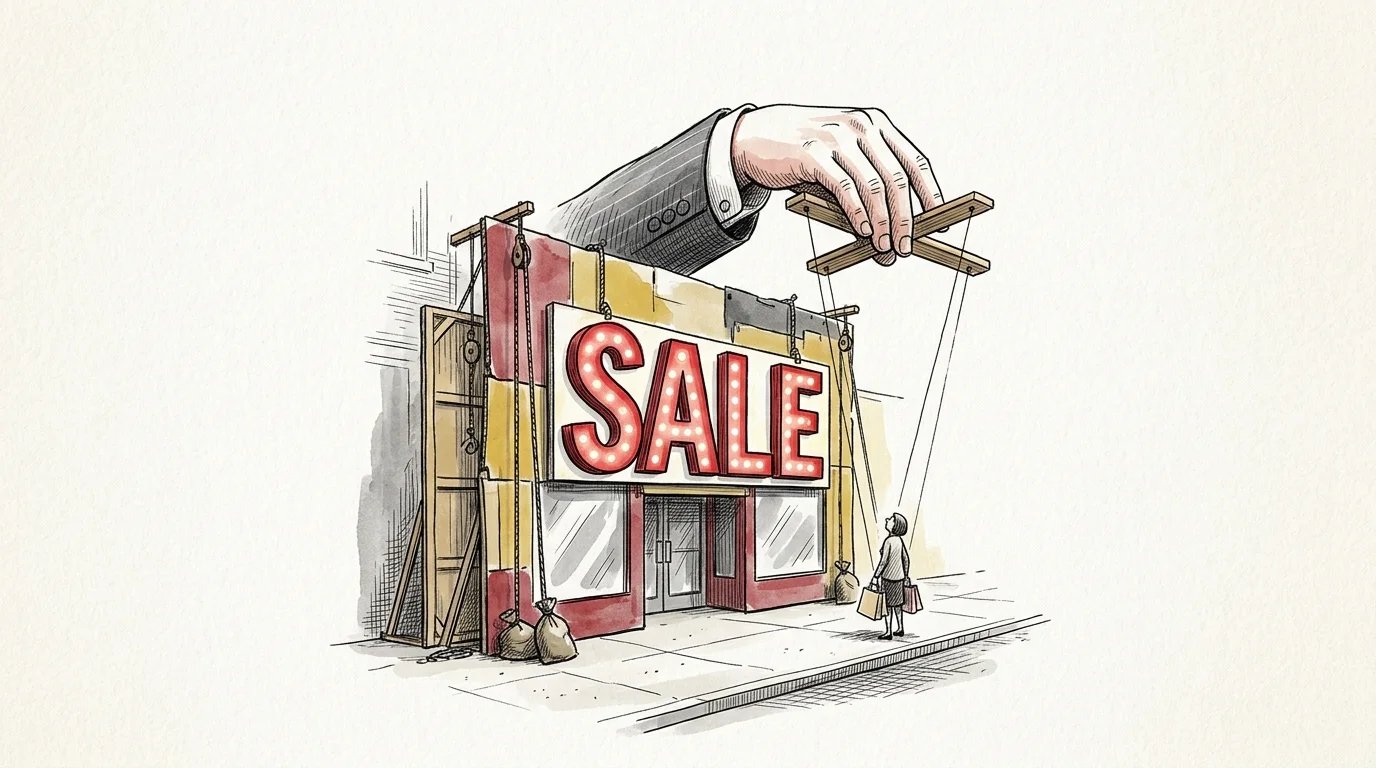
Middle-income households constantly balance essential living costs against discretionary purchases. When major sales events arrive, doorbuster promotions seem like a practical way to acquire big-ticket items without straining family finances. However, modern retail pricing functions as an engineered behavioral science. Retailers rarely slash prices out of generosity; they design promotional events to spark urgency, drive foot traffic, and maximize total transaction sizes. According to recent Federal Reserve economic reports on household balance sheets, managing non-essential retail spending remains vital for preserving family savings. Understanding how retailers manipulate value perceptions allows you to protect your cash flow.
9 Red Flags That Expose a Fake Doorbuster Deal
1. The Product Is a Stripped-Down Derivative Model
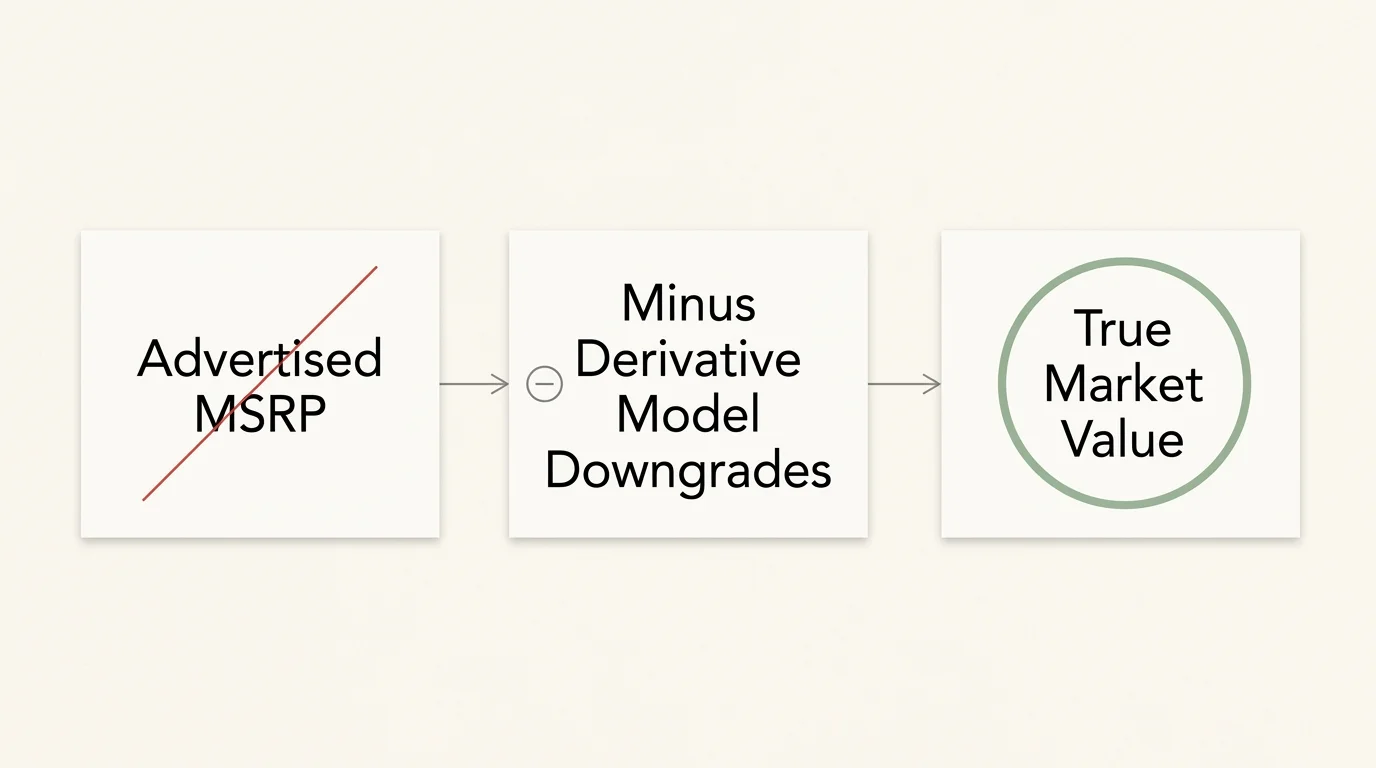
Electronics brands routinely assemble special derivative models specifically for high-volume sales events. These devices look identical to standard flagship units on the showroom floor, but manufacturers alter the model number by a single character to hide significant downgrades. Inside, these derivative units feature lower-grade display panels, 60Hz refresh rates instead of 120Hz, weaker speakers, and fewer HDMI ports. Because retailers assign these products unique model numbers, you cannot price-match them elsewhere. You might assume you secured a premium television or laptop at half price, but you simply paid standard retail value for an inferior, purpose-built promotional item.
2. The Baseline MSRP Was Artificially Inflated
An advertised discount loses its value when a store calculates savings against a fictional baseline price. Retailers routinely anchor percentage discounts against the manufacturer’s suggested retail price (MSRP) rather than the actual street price charged throughout the year. In categories like apparel, home goods, and small kitchen appliances, items rarely sell at full MSRP during regular operations. The Federal Trade Commission guides against deceptive pricing mandate that advertised reference prices must reflect regular, bona fide prices offered openly for a substantial period. When an advertisement boasts sixty percent off a price no consumer ever paid, the purported savings are fictitious.
3. Historical Pricing Shows Cheaper Rates in Prior Months
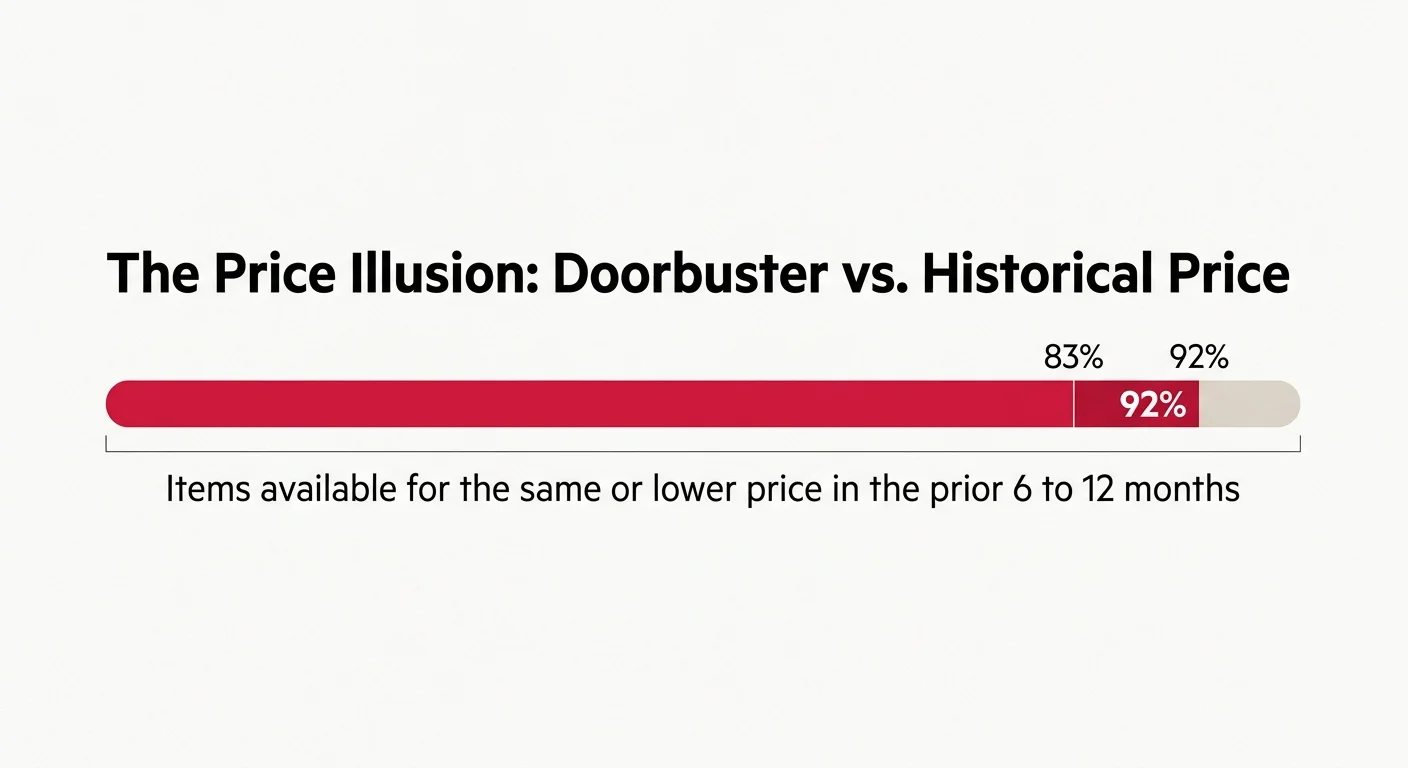
Retailers frequently rely on short consumer memories when promoting doorbusters as the lowest prices of the year. Independent consumer watchdog studies consistently disprove this claim. Comprehensive longitudinal price-tracking research from Which? reveals that between 83% and 92% of advertised holiday doorbuster items were available for the exact same price—or cheaper—at other points during the preceding six to twelve months. Retailers often gradually raise prices throughout early autumn, making standard seasonal markdowns look dramatic. If an item cost less in July than during a November doorbuster, you are viewing an orchestrated pricing cycle rather than a true bargain.
4. The Advertised Inventory Is Practically Nonexistent
When a retailer advertises a premier appliance or gaming console at a steep discount, inspect the fine print for inventory disclaimers. Stores routinely stock as few as two to ten promotional units per location, using them as bait to lure crowds. Under federal law, FTC bait advertising regulations prohibit companies from advertising deep discounts without sufficient stock to meet reasonably anticipated demand, unless they explicitly disclose strict inventory limits. Once shoppers arrive and find those few units sold out, store associates immediately guide them toward higher-priced, high-margin alternatives so they do not leave empty-handed.
5. Compulsory Accessories Carry Astronomical Markups
Retailers happily sacrifice profit margins on an advertised doorbuster item because they recover those profits through essential accessories. A store may sell a flat-screen television at cost, but they apply profit markups of 50% to 200% on accompanying HDMI cables, wall mounts, and extended warranties. If you save one hundred dollars on a television only to spend eighty dollars on a standard cable and ninety dollars on a basic mounting bracket, your savings evaporate completely. Retailers strategically position high-margin accessories near discounted hardware so you make hurried add-on purchases before calculating the true total cost.
6. Punitive Return Policies and Restocking Fees Apply
Authentic value requires fair consumer protections, yet promotional items often arrive with restrictive return terms. While standard purchases carry thirty-day to ninety-day return windows, doorbuster items frequently feature abbreviated fourteen-day limits or outright final-sale classifications. Furthermore, many retailers enforce electronic restocking fees ranging from 15% to 20% on returned merchandise. If you purchase an eight-hundred-dollar laptop and find its performance lacking, a twenty percent restocking fee costs you one hundred and sixty dollars simply to return the machine. Retailers implement these rigid policies specifically to lock in sales on compromised or lower-tier promotional stock.
7. Bundled Freebies Disguise Low-Quality Hardware
Package deals trigger a psychological sense of abundance, leading shoppers to assume that more items in a box equals superior value. Retailers exploit this tendency by packaging an average gadget with cheap, proprietary accessories like flimsy carrying cases, slow chargers, or low-fidelity headphones. The seller inflates the claimed retail value of these bundled add-ons to present an extraordinary total discount figure. In reality, the wholesale cost of those accessories is negligible, and poor manufacturing often forces you to replace them within months. Always evaluate the standalone value of the core product independently from bundled extras.
8. Manufactured Scarcity and Timers Force Rushed Decisions
Online marketplaces and physical stores use aggressive behavioral prompts to bypass your analytical thinking. Flashing digital countdown clocks, low-stock alerts, and limited-time purchase counters generate artificial panic. Behavioral economists emphasize that manufactured urgency triggers emotional responses, causing shoppers to treat purchasing like a competitive contest rather than a sensible financial decision. When you feel pressured to check out within minutes, you cannot verify price histories, compare technical specifications, or consult your household budget. When a merchant prevents you from assessing a purchase calmly, that urgency exists to protect the store’s revenue, not your wallet.
9. The Promotion Relies on Predatory Deferred-Interest Financing
Many doorbusters require opening a store credit card or agreeing to promotional financing to secure the advertised price. Promoted offers often highlight zero percent interest for twelve to twenty-four months, attracting households looking to preserve cash reserves. However, Consumer Financial Protection Bureau warnings on deferred interest explain that these agreements carry substantial hidden risks. If you leave even a small balance unpaid when the promotional window closes, the lender charges retroactive interest on the entire original purchase price at rates exceeding twenty-nine percent. A modest initial discount quickly turns into an expensive financial burden.
Strategic Solutions: Outsmarting Retail Marketing Tactics
Protecting your household budget requires replacing emotional reactions with objective data and disciplined spending routines. When you approach promotional sales with clear rules, you eliminate impulse purchases and maintain total control over your money.
Conducting Real-Time Price Audits
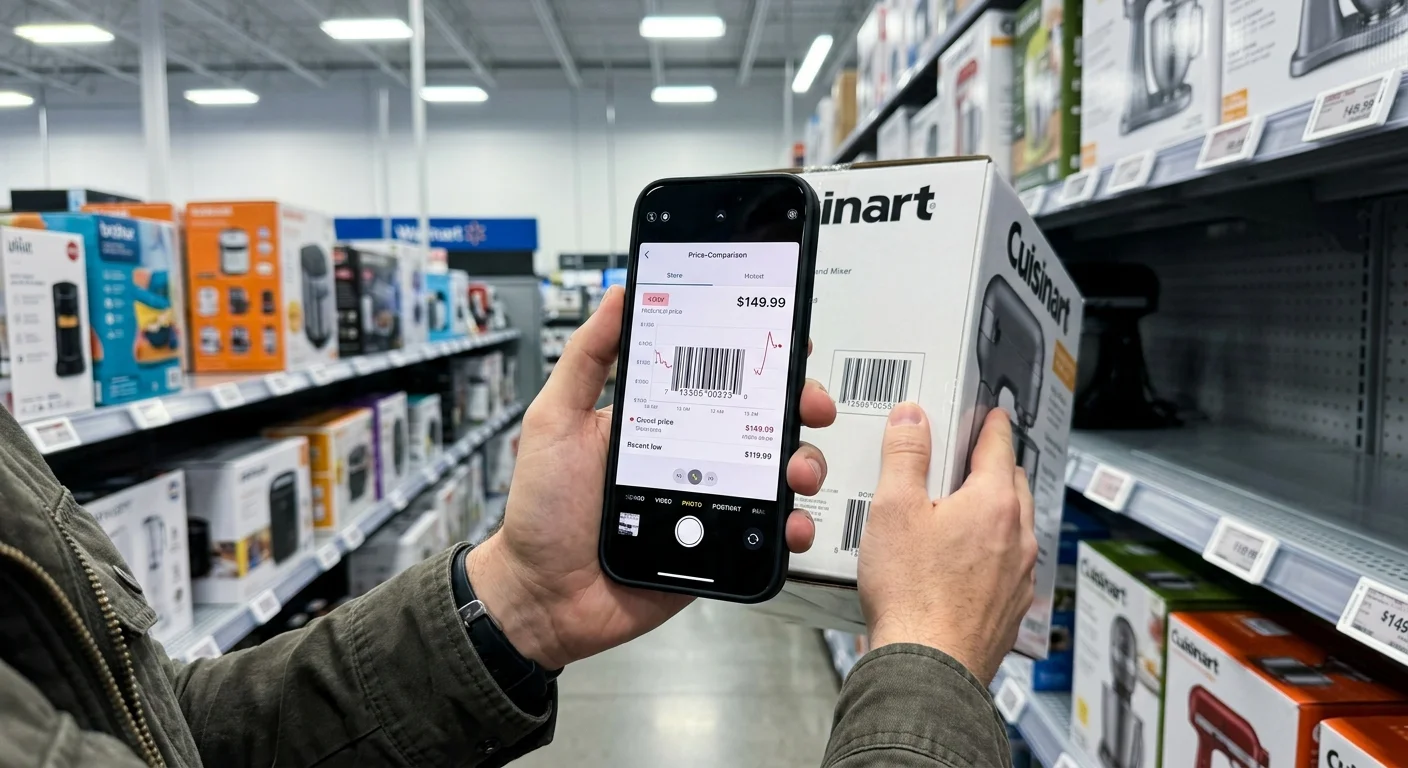
Never accept an advertised discount percentage at face value. Before making any significant purchase, use free browser extensions and price-tracking applications to review an item’s pricing trajectory over the preceding twelve months. These tools highlight the true street price, exposing whether a seller inflated baseline costs prior to a promotion. Furthermore, search the exact model number on independent consumer review forums to confirm whether a device is an authentic flagship product or a compromised derivative unit produced exclusively for promotional clearance.
Automating Sinking Funds to Neutralize Urgency
Impulse spending thrives when you lack dedicated funds for irregular household expenses. Set up automated sinking funds within a high-yield savings account, directing a set amount from each paycheck into specific categories for electronics, home upgrades, and holiday gifts. When you save for major purchases in advance, you operate from a position of financial strength. You can purchase items when legitimate discounts occur rather than relying on high-interest retail financing or accepting misleading doorbuster deals due to short-term budget constraints.
Action Lab: Calculating the True Cost of a Flash Deal
Let us analyze how an advertised promotional bargain can quietly drain your budget when factoring in hidden transaction costs. Suppose an advertisement features a 65-inch 4K television for $399, marked down from an alleged regular price of $799, promising an immediate savings of $400.
A closer look reveals several hidden expenses that erode those paper savings. The television uses a derivative SKU featuring an inferior 60Hz panel, low-contrast edge lighting, and only two HDMI ports. To connect your devices, the sales associate convinces you to buy an overpriced $45 HDMI cable and a $95 proprietary wall mount, items available online from reputable third parties for $35 combined.
Next, account for return risks and financing terms. If the display underperforms and you return it, the retailer’s 15% restocking fee deducts $59.85 from your refund. If you finance the $539 total purchase on a store card with deferred interest and miss the payoff deadline, retroactive interest at 29.99% APR adds another $161.64 to your ultimate expense. Your total cost reaches $700.64 for a low-tier model originally advertised at $399. Purchasing a well-reviewed standard model for $450 with affordable accessories delivers far better reliability, superior performance, and zero restocking penalties.

Guardrails: Common Shopping Pitfalls to Avoid
Disciplined consumers can still fall victim to retail marketing tricks if they fail to address behavioral blind spots. One common mistake is confusing spending with saving. Spending three hundred dollars on an unneeded appliance because it is marked down by two hundred dollars does not save you money; it removes three hundred dollars from your primary financial goals. Always remember that passing on an unnecessary purchase saves you one hundred percent.
Another pitfall is falling for the sunk cost fallacy during in-person retail sales events. If you arrive early, wait in line, and find the advertised doorbuster sold out, you may feel compelled to buy an alternative item to justify your invested time. Retailers design promotional events specifically to encourage this behavior. Recognize when a store lacks genuine value, and walk away with your wallet intact.
Frequently Asked Questions About Doorbuster Sales
How can you identify whether an electronics item is a derivative SKU?
Search the complete alphanumeric model number on the manufacturer’s official website and independent consumer tech databases. If the model number contains an unusual extra letter or digit, or lacks professional technical reviews, it is almost certainly a derivative model built with stripped-down components specifically for seasonal sales events.
What federal regulations protect consumers from deceptive pricing?
The Federal Trade Commission enforces strict regulations requiring retailers to base advertised discounts on genuine reference prices at which products openly sold for a reasonable period. While federal guidelines prohibit false discounts, consumers should always verify price histories independently using digital tracking tools.
Does purchasing a doorbuster deal ever make financial sense?
A doorbuster makes financial sense only when you planned the purchase in advance, verified through historical price tracking that the discount is authentic, confirmed that the product is a standard high-quality model, and possess the cash to pay immediately without using deferred-interest financing.
How does the twenty-four-hour rule protect your household budget?
The twenty-four-hour rule enforces a mandatory waiting period between discovering a promotional item and completing the purchase. This brief delay eliminates the artificial urgency and emotional excitement generated by retail marketing, allowing you to determine objectively whether the purchase fits your spending plan.
Reclaiming Control Over Your Spending Plan
Navigating seasonal retail promotions does not require avoiding sales altogether; it simply requires evaluating marketing claims with analytical discipline. By spotting derivative hardware, artificial reference prices, and high-margin upsells, you take control of your purchasing decisions away from retail marketers. Select an item on your upcoming shopping list today, check its twelve-month pricing history across independent tracking platforms, and verify whether the advertised deal offers genuine value. When you ground your purchasing habits in solid financial planning, you ensure that every dollar you spend actively strengthens your household security.