Mastering retail clearance cycles allows you to purchase premium household goods, appliances, and apparel for up to eighty percent below standard retail prices. When you align your major family purchases with predictable retail inventory turnovers, you protect your monthly cash flow without compromising on quality or durability. Retailers operate on rigid fiscal calendars dictated by warehouse holding costs and floor space requirements, meaning price cuts happen on reliable schedules rather than random chance. By learning exactly when stores liquidate prior-season merchandise, you transform unexpected emergency expenses into planned, deeply discounted investments that keep your household budget firmly in the black.
Why Retailers Discount on Predictable Schedules
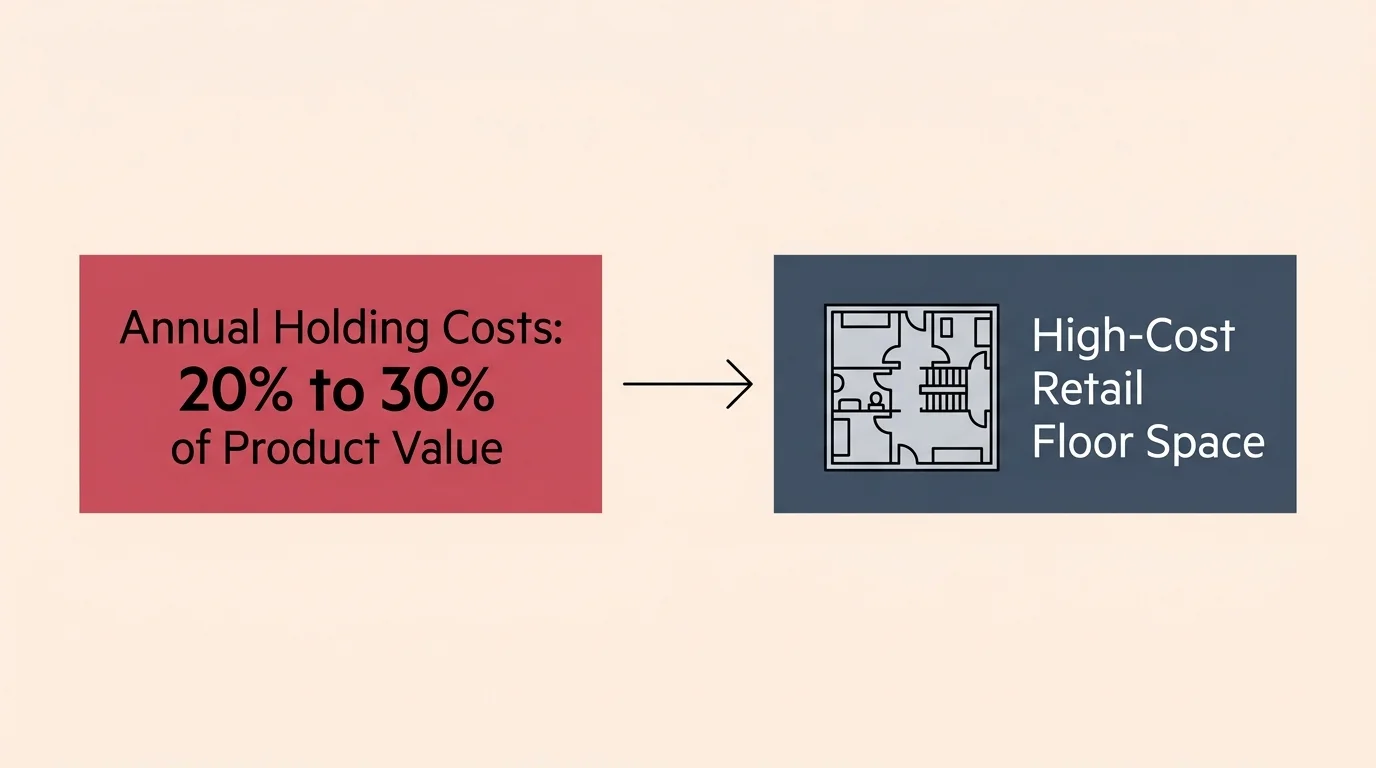
Retail floor space represents some of the most expensive commercial real estate in the modern economy. Holding unsold inventory costs retailers between twenty and thirty percent of the product’s value each year in storage, insurance, and depreciation. According to historical Consumer Price Index data from the Bureau of Labor Statistics, durable goods prices fluctuate significantly throughout the calendar year based on manufacturing pipelines and consumer demand shifts.
When buyer interest for a specific category cools, store managers cannot afford to let stagnant products occupy valuable display square footage. They must clear shelves quickly to make room for incoming seasonal merchandise that carries full profit margins. This economic reality creates a structural advantage for disciplined consumers; you can accurately predict when prices will hit rock bottom across almost every major retail category.

The 9 End-of-Season Markdown Cycles You Must Master
1. Winter Apparel and Cold-Weather Gear (January to February)
Department stores and apparel chains begin receiving spring fashion shipments as early as late December. To clear immediate rack space, retailers initiate heavy markdowns on heavy wool coats, insulated parkas, snow boots, and cashmere knitwear starting right after New Year’s Day. Discounts typically open at fifty percent off and accelerate to seventy percent off by mid-February. Buying outerwear one size up for growing children during these two months eliminates the stress of paying full price when the next cold season arrives.
2. Linens, Bedding, and Home Textiles (January White Sales)
Dating back to department store traditions established in 1878, the January “White Sale” remains the most reliable annual window for purchasing home textiles. Major department stores and specialty home retailers offer thirty to fifty percent price cuts on high-thread-count bedsheets, down duvets, comforters, and plush bath towels throughout the entire month. If your household linens show signs of wear, replacing them during January yields significant savings on premium fabrics that rarely see discounts during the autumn or spring.
3. Televisions and Major Electronics (January/February and March/April)
Consumer electronics experience two distinct markdown peaks each year. The first occurs between late January and early February, when retailers offer twenty to forty percent discounts on large-screen 4K televisions ahead of major championship sporting events. The second, often overlooked wave arrives during March and April. Japanese electronics manufacturers conclude their fiscal year on March 31, prompting retailers to liquidate previous-model inventories to clear warehouse space for new product lines debuting in early summer.
4. Major Home Appliances and the May Refrigerator Exception
Most major household appliances—including dishwashers, cooking ranges, and laundry machines—arrive from manufacturers with updated model years in the early autumn. Consequently, September and October deliver dependable twenty to thirty-five percent markdowns on current-year units as showroom floors transition. Refrigerators represent the single major exception to this rule; manufacturers introduce new refrigerator lines in early summer, making May the absolute best month to secure substantial clearance discounts on outgoing models.
5. Mattresses and Sleep Systems (Three-Day Holiday Weekends)
The mattress industry operates around extended federal holiday weekends, using Presidents’ Day in February, Memorial Day in May, and Labor Day in September to clear factory overstock. During these promotional periods, major brands slash prices by thirty to fifty percent or bundle purchases with valuable incentives such as complimentary adjustable bases, premium pillows, and mattress protectors. You should avoid purchasing sleep systems during mid-winter or mid-summer non-holiday periods when prices routinely return to full manufacturer suggested retail pricing.
6. Patio Furniture, Outdoor Grills, and Lawn Care (August to September)
Home improvement centers and big-box retailers face intense pressure to clear outdoor garden centers before autumn temperatures arrive. Aggressive clearance markdowns begin in early August and reach peak discounts of forty to seventy percent by Labor Day weekend. High-end aluminum dining sets, stainless steel propane grills, and cordless lawn equipment reach their lowest annual price points during this late-summer window, allowing you to secure premium outdoor gear just as the fall entertaining season begins.
7. Bicycles and Outdoor Recreational Equipment (September to October)
Bicycle manufacturers unveil their upcoming model-year lineups during late summer trade exhibitions, prompting independent bike shops and sporting goods retailers to slash prices on existing showroom stock. Throughout September and October, you can secure twenty to forty percent discounts on road bikes, mountain bikes, and outdoor camping gear. Retailers prefer selling these bulky units at wholesale cost rather than storing them through the slow winter months, providing exceptional leverage for knowledgeable shoppers.
8. Back-to-School and Dorm Essentials (Late August to Mid-September)
Once regional primary schools and universities commence their fall semesters, retailers rapidly discount leftover student supplies to make room for Halloween and harvest merchandise. Starting in late August and peaking by mid-September, prices on notebooks, writing instruments, backpacks, desk accessories, and compact dorm appliances drop by fifty to seventy-five percent. Savvy households stock their home office cabinets and secure compact microwaves or mini-fridges during this brief liquidation window.
9. Holiday Décor and Seasonal Accents (December 26 to Mid-January)
Post-holiday clearance follows a strict, time-sensitive markdown schedule that rewards patience and precise timing. Major retailers slash artificial trees, outdoor lighting, gift wrap, and specialty tableware by fifty percent starting on the morning of December 26. These price cuts increase to seventy or seventy-five percent during the first week of January, ultimately reaching eighty to ninety percent off by mid-month. Purchasing holiday staples twelve months in advance delivers immense savings and eliminates future seasonal financial strain.
The Behavioral Economics of Markdown Shopping
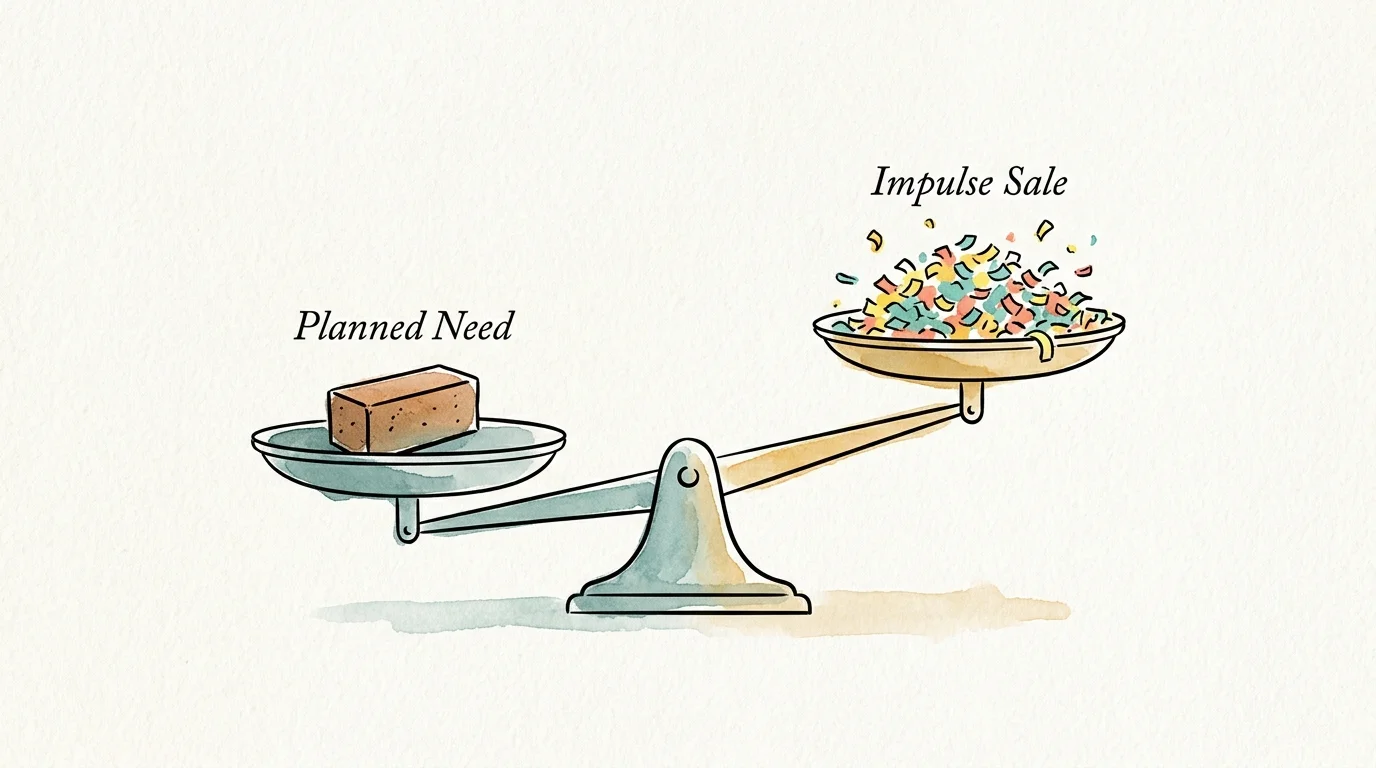
Understanding retail patterns is only half the battle; managing your psychological response to discounts determines your ultimate financial success. Behavioral economists often study “anchoring bias,” a psychological tendency where a high original retail price makes a discounted price feel like an automatic victory. Retail marketing teams exploit this cognitive pattern by prominently displaying inflated manufacturer suggestions next to red clearance tags, tricking your brain into treating spending as an act of saving.
To counteract this mental trap, you must separate price from utility. A designer winter coat marked down from four hundred dollars to one hundred twenty dollars still extracts one hundred twenty dollars from your bank account. The Consumer Financial Protection Bureau savings guidelines emphasize that true financial resilience comes from deliberate, intentional allocation rather than opportunistic purchasing. Clearance shopping only benefits your family when it fulfills a pre-existing need that was already accounted for in your monthly cash-flow plan.

Action Lab: Implementing a Seasonal Sinking Fund
The most effective method for leveraging end-of-season sales without risking credit card debt involves establishing dedicated sinking funds. A sinking fund is simply a targeted savings account where you set aside small, manageable amounts each month to cover predictable future purchases. By calculating your replacement timeline for major household goods, you can fund purchases comfortably in advance.
Consider a practical household example involving three routine upgrades: a new kitchen refrigerator, winter outerwear for two children, and a quality patio dining set. Purchased at standard manufacturer pricing during peak demand seasons, these items carry an estimated total cost of three thousand seven hundred dollars. By timing your purchases according to predictable retail markdown cycles, the financial picture changes dramatically.
Securing the refrigerator in May at a thirty percent discount reduces the price from two thousand two hundred dollars to one thousand five hundred forty dollars. Purchasing children’s winter coats in January at sixty-five percent off drops a six-hundred-dollar expense to two hundred ten dollars. Finally, buying the patio set in late August at a fifty-five percent clearance discount cuts a nine-hundred-dollar retail price down to four hundred five dollars. The total combined expenditure drops to two thousand one hundred fifty-five dollars, generating one thousand five hundred forty-five dollars in verified cash savings.
To execute this strategy smoothly, divide the projected two-thousand-one-hundred-fifty-five-dollar requirement across twelve months. Setting aside roughly one hundred eighty dollars per month into an automated high-yield savings account ensures you have liquid cash ready the moment clearance tags appear. You avoid high-interest credit card charges while purchasing durable, higher-tier goods for less than standard entry-level prices.
Clearance Guardrails: Avoiding the Discount Trap
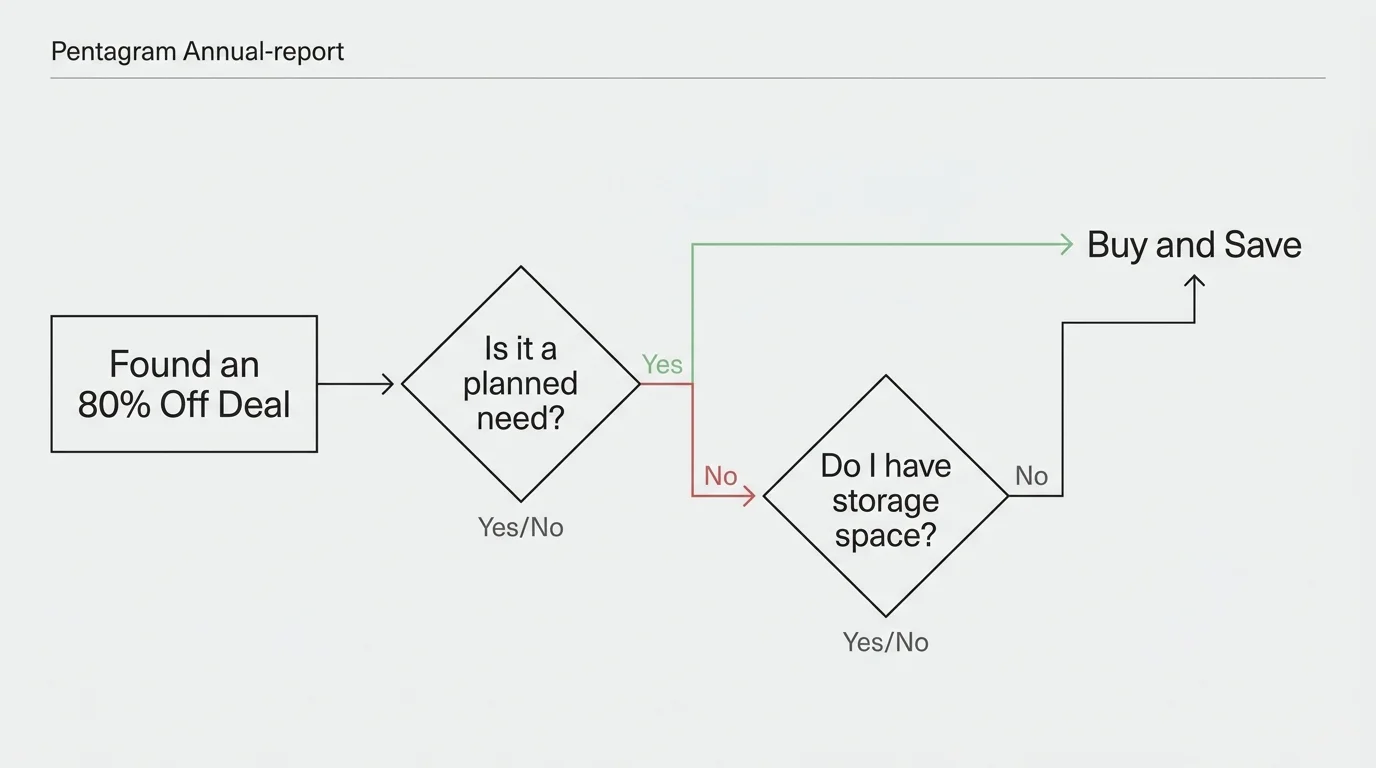
Maximizing clearance shopping requires strict financial guardrails to prevent your home from becoming an expensive storage unit for unneeded merchandise. According to National Retail Federation supply chain reports, stores use aggressive end-of-season marketing precisely because clearance inventory carries low consumer price sensitivity. Shoppers lower their guard when they believe they are getting a once-a-year bargain.
First, beware of deceptive base pricing practices. Some retailers inflate original prices shortly before marking them down to create the illusion of a massive percentage cut. The Federal Trade Commission pricing regulations prohibit misleading price comparisons, but subtle variations still occur. Use free price-tracking extensions and historical lookup tools to verify that a clearance tag represents an authentic markdown before committing your funds.
Second, inspect all clearance items meticulously prior to purchase, especially floor models and open-box electronics. End-of-season merchandise often sells under “final sale” terms with restricted return policies and shortened manufacturer warranties. Test zippers, examine upholstery seams, inspect electronic connection ports, and confirm that all essential hardware accessories remain sealed in the packaging before completing your transaction at the register.
Frequently Asked Questions About Seasonal Markdown Timing
How can I verify whether a clearance price represents a genuine discount?
You can verify authentic savings by cross-referencing model numbers across multiple retail databases and utilizing online price-history trackers. These independent tools display historical price charts over twelve-month intervals, showing whether the current clearance price is genuinely the lowest historical offering or merely a recurring promotional baseline.
When during a clearance cycle should you buy before inventory runs out?
The optimal window depends on size and specificity. For items with standardized sizing and high customization—such as common apparel sizes or popular grill configurations—purchase when discounts reach forty to fifty percent. For general commodity items like gift wrap, office supplies, or basic linens, waiting for seventy to eighty percent markdowns provides maximum value with minimal risk.
Can you negotiate additional discounts on floor models during end-of-season events?
Yes, retail store managers frequently possess discretionary authority to apply additional markdowns to floor displays, open-box merchandise, or units with minor cosmetic blemishes during end-of-season transitions. Politeness and directness work best; ask the department manager if they can offer an additional ten to fifteen percent discount to take the floor unit off their hands immediately.
How should you properly store seasonal items purchased months in advance?
Protect your off-season investments by storing them in climate-controlled environments away from direct sunlight, moisture, and pests. Keep apparel and linens in breathable fabric bins rather than airtight plastic containers to prevent fiber breakdown. Ensure outdoor equipment and appliances remain thoroughly cleaned, completely dry, and wrapped in protective covers inside a secure garage or storage shed.
Building Your Year-Round Purchasing Calendar
Transforming your household purchasing habits from reactive scrambling into a planned seasonal cadence puts you in complete control of your financial destiny. You no longer need to pay inflated prices when life demands a coat, a kitchen upgrade, or patio furniture. Review your household needs for the next twelve months, note the upcoming markdown windows on your personal calendar, and begin automating your dedicated sinking funds this week.