You can instantly protect your household budget by learning how to spot price match guarantee loopholes before you reach the checkout counter. Retailers advertise bold price promises to win your loyalty, yet hidden exclusions often render those pledges useless right when you try to save money on big-ticket essentials. Navigating these policies requires knowing the fine print traps that quietly disqualify competitive discounts, from derivative model numbers to strict marketplace bans. When you understand the specific signs that a retailer will deny a lower price, you stop wasting precious time and start capturing authentic savings that keep more cash in your checking account.

The Reality Behind Modern Retail Price Guarantees
Retail storefronts and e-commerce platforms frequently leverage price matching guarantees as psychological reassurance. When a company promises to match any lower advertised rate, you naturally assume you are securing the best available bargain. Recent Federal Reserve economic research on household spending highlights how middle-income families actively seek price relief amid persistent cost pressures on household goods, tools, and electronics. Retail marketers understand this pressure and design promotional slogans to capture your business before you compare prices elsewhere.
Behind the customer-service banners lies a sophisticated layer of legal conditions. Retailers craft extensive policy pages that quietly shift the burden of proof onto your shoulders while narrowing qualifying criteria. The Federal Trade Commission guidance on price advertising emphasizes that promotional claims must accurately reflect real purchasing conditions; however, retailers legally carve out dozens of exceptions under the banner of store policy. Understanding how these policies operate in practice prevents unpleasant surprises at the cash register and helps you allocate your hard-earned dollars with total confidence.
8 Clear Signs a Retailer’s Price Match Guarantee Has Loopholes
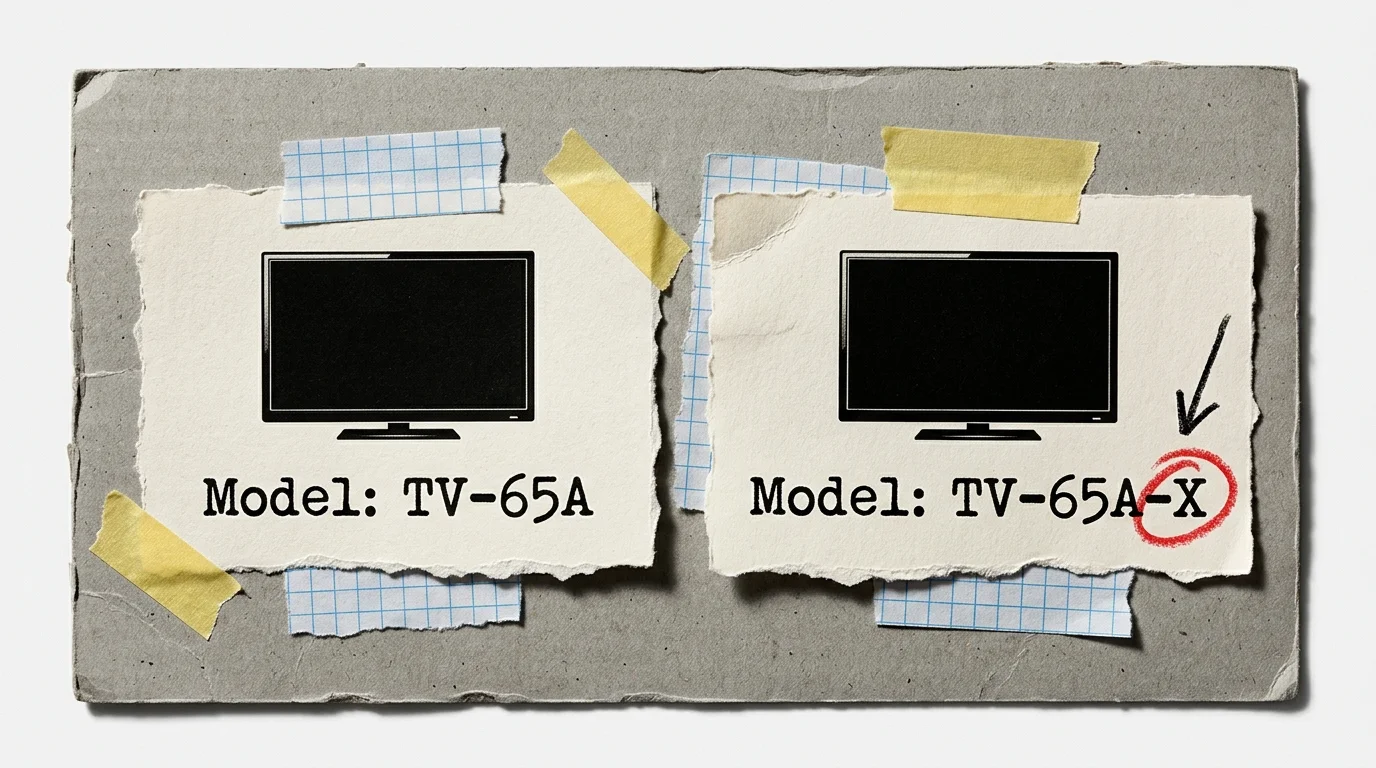
1. The Model Number Contains a Retailer-Specific Derivative SKU
Manufacturers frequently create derivative stock-keeping units (SKUs) specifically for individual retail chains. A 65-inch television sold at a warehouse club might share identical panel technology, internal processors, and chassis dimensions with a unit sold at a consumer electronics chain, yet carry a single different letter in its model number. Store policies strictly demand an exact alphanumeric match on brand, model year, and specifications. When a store clerk inspects the competitor’s listing and spots an altered character, they will instantly reject your price match request.
2. The Lower Price Originates from a Third-Party Marketplace Seller
Major online retailers host millions of independent merchants alongside their direct inventory. National retail chains like Best Buy, Walmart, and Target explicitly prohibit price matches against third-party sellers on platforms such as Amazon, eBay, or Walmart Marketplace. If the rival product page displays phrases such as “Sold by Direct Deals and Fulfilled by Amazon,” the guarantee dissolves. Retailers require that the competitor directly stocks, sells, and ships the qualifying item itself before they honor a lower price.
3. The Competitor Discount Requires a Paid Membership or Loyalty Log-In
Subscription retail programs represent a massive hurdle in modern price matching. Retail policies systematically exclude prices tied to paid memberships, including Costco, Sam’s Club, Amazon Prime exclusive rates, and Walmart+ member promotions. Best Buy, for instance, specifically denies matching discounts connected to non-warehouse membership programs and paid loyalty clubs. If a lower price requires any form of customer authentication or annual subscription fee, big-box retailers categorize it as a private promotional rate rather than a public retail price.
4. Blackout Dates Suspend Price Guarantees During Major Holiday Events
The deepest retail discounts of the year rarely qualify for competitor price matching due to planned calendar blackouts. Best Buy explicitly freezes all competitor price matching from the Thursday before Thanksgiving Day through Cyber Monday, alongside daily and hourly flash events. Retailers shield their tight holiday promotional margins by disallowing comparisons during peak shopping periods. When you plan holiday purchases, assuming a store will match a rival’s Thanksgiving doorbuster can leave your budget exposed to full retail prices.
5. Total Landed Cost Calculations Quietly Wipe Out the Savings
A lower sticker price at an online competitor does not automatically translate into a successful price match. Prominent retailers such as The Home Depot and Best Buy evaluate the total landed cost of the item, which combines the base product price with all mandatory shipping, handling, and delivery fees. If a competing website lists a power tool for twenty dollars less but charges twenty-five dollars for ground freight, customer service will deny your match request because the total landed expenditure exceeds their in-store price.
6. The Policy Has Silently Shifted to Internal-Only Price Adjustments
Several dominant retail chains have phased out direct competitor matching altogether in favor of internal price monitoring. Target discontinued matching prices from rivals like Amazon and Walmart, restricting its policy strictly to matches against Target.com or local Target stores within a fourteen-day window. Similarly, Walmart physical storefronts no longer match outside competitors, limiting in-store adjustments strictly to identical items sold directly by Walmart.com at the checkout register. If you walk into these stores expecting an external match, the register software will reject the transaction.
7. Restrictive Per-Customer Quantity Limits Restrain Bulk Savings
Families attempting to stretch their budgets by purchasing multiple household necessities at a matched price encounter strict transaction caps. Best Buy enforces a strict limit of one price-matched item per customer, preventing shoppers from buying back-to-back units for family members or home offices. Other retailers cap price-matched units at two per household per day. These restrictions prevent commercial resellers from draining local inventory, but they also restrict budget-conscious consumers who want to stock up on genuine bargains.
8. Narrow Post-Purchase Windows Exclude Bundles, Rebates, and Freebies
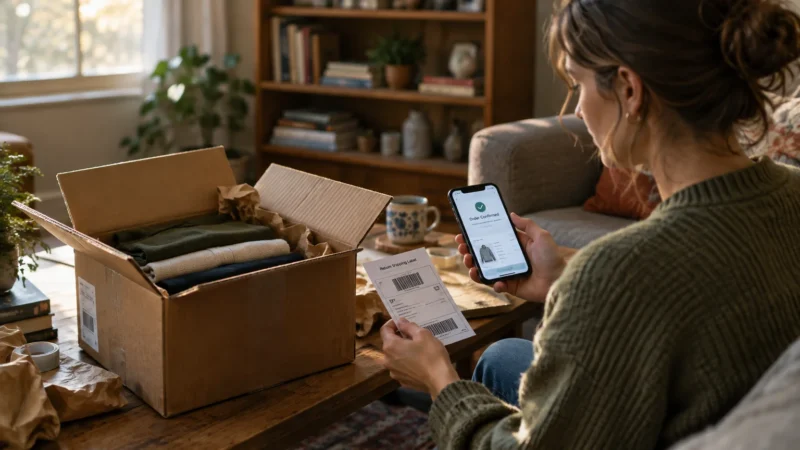
Securing a retroactive price adjustment requires flawless timing and straightforward retail structures. Target limits post-purchase price adjustments to a fourteen-day window from the original transaction date. Furthermore, retailers uniformly exclude complex promotional formats, including mail-in rebates, financing incentives, buy-one-get-one deals, gift-card-with-purchase offers, and bundled accessories. If a competitor packages a product with a twenty-dollar store card, your retailer will view that offer as an ineligible promotional package rather than an authentic base price reduction.
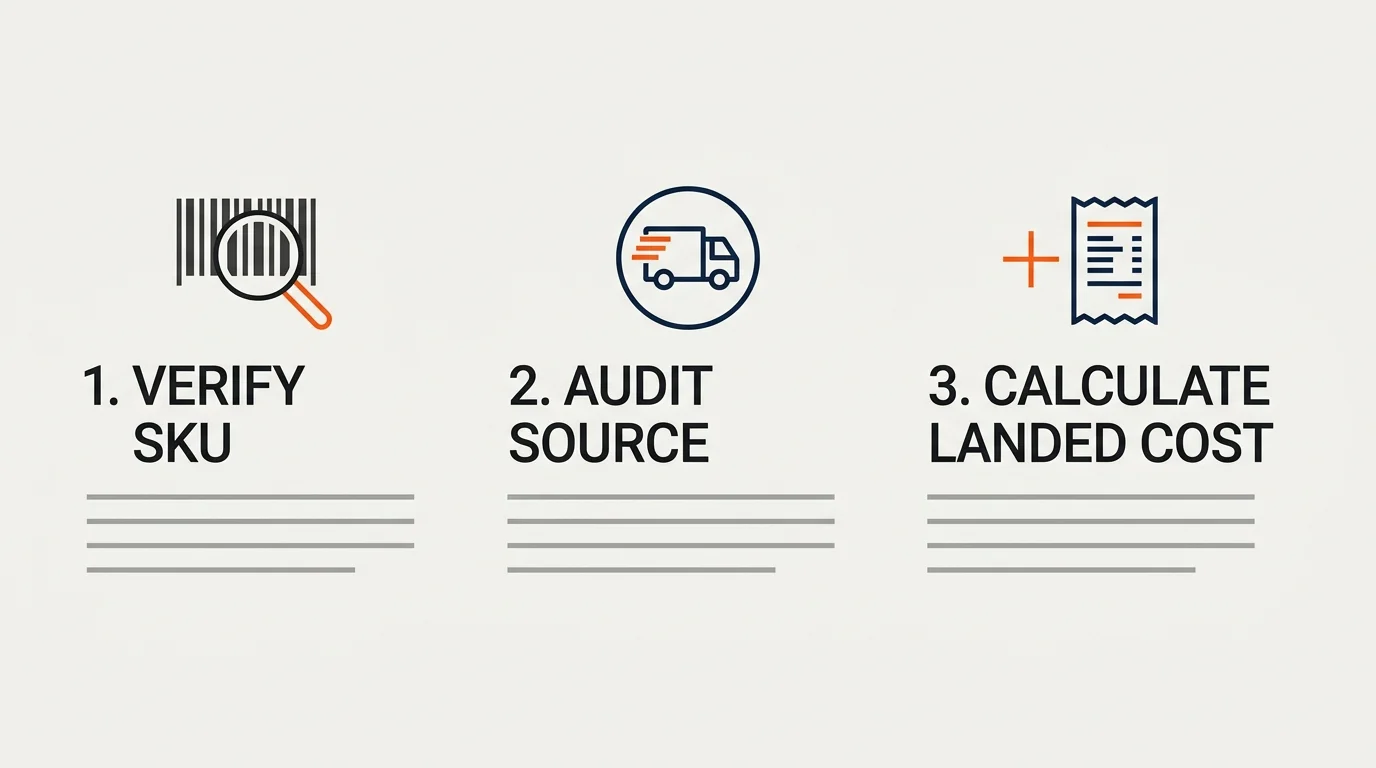
Three Strategic Pillars to Protect Your Hard-Earned Paycheck
Mastering retail price mechanics requires proactive habits that stretch beyond basic counter negotiations. You can build substantial financial breathing room by integrating three reliable shopping pillars into your monthly spending routine.
Automate Your Price Tracking Before You Shop
Relying on manual web browsing during a busy shopping trip creates unnecessary stress and missed opportunities. Leverage browser extensions and price-history tracking tools that monitor historical price movements across major merchant databases. Behavioral economists note that pre-shopping research reduces impulsive spending decisions by establishing a realistic baseline value for durable goods. When you know whether an item regularly drops in price every sixty days, you avoid overpaying during non-promotional retail cycles.
Conduct Systematic Cash-Flow Audits
Tracking historical retail trends works hand-in-hand with regular household spending reviews. Tracking metrics highlighted in Bureau of Labor Statistics consumer price data show how durable goods pricing fluctuates throughout quarterly inventory cycles. Scheduling a ten-minute cash-flow audit at the start of each month allows you to pinpoint upcoming appliance or technology replacements before an old unit breaks down completely. Proactive timing ensures you purchase items during standard promotional cycles rather than emergency periods when you have zero price leverage.
Execute Mindful Checkout Verification
Transform price matching into an intentional financial discipline rather than an afterthought. Financial planners emphasize that verifying retailer policy criteria at home saves you both money and dignity at the register. Before driving to a brick-and-mortar storefront, pull up the rival listing on your smartphone, confirm that the rival directly sells and ships the identical model number, and check the current shipping fee structure. Having clean, qualifying evidence on your screen ensures a swift, frictionless customer service interaction.
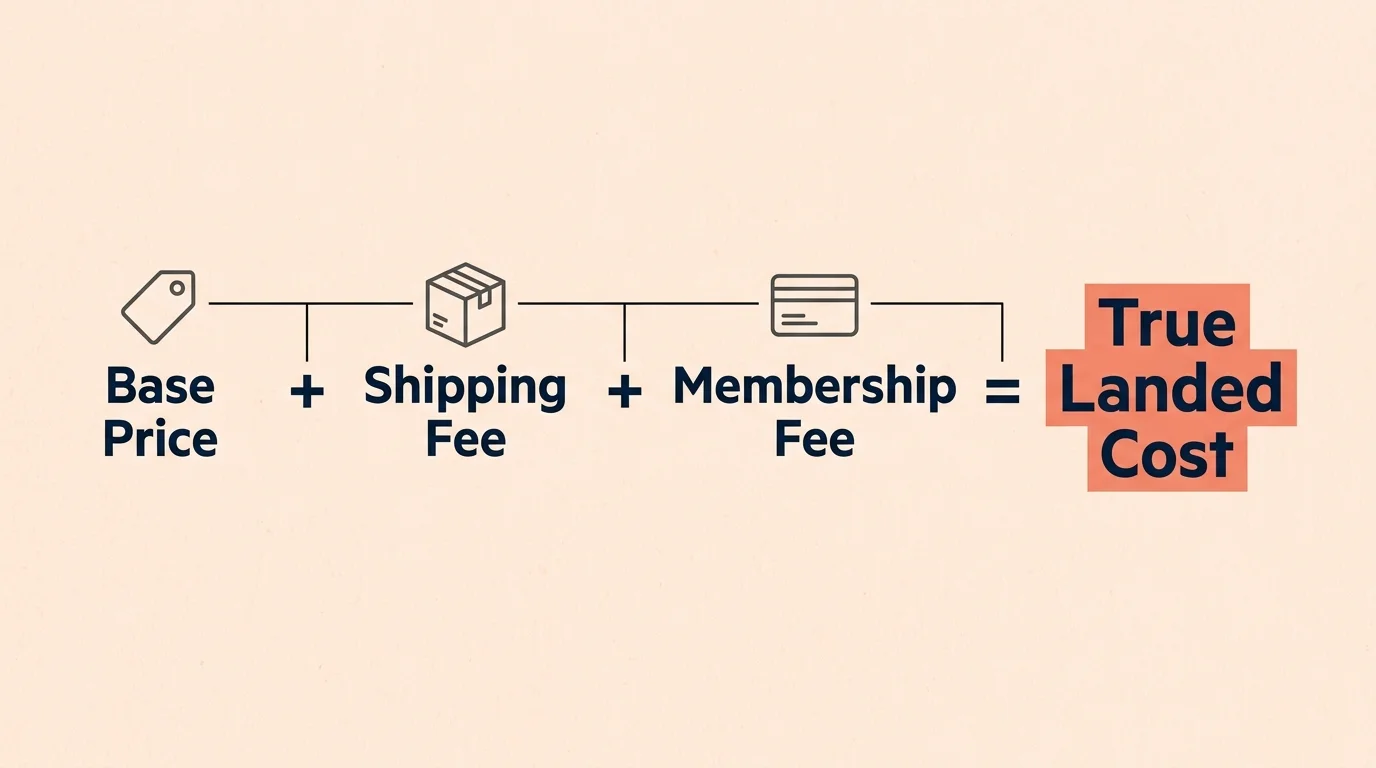
Action Lab: Calculating True Landed Cost and Price-Match Viability
To understand whether a price match will survive the customer service counter, run this straightforward calculation before you leave home. Suppose you want to purchase a kitchen appliance priced at $249 at your local department store. You locate an online competitor offering the identical appliance for $219, which appears to generate an instant $30 savings.
Next, add the competitor’s standard shipping and freight charges to their base price. If the competitor charges $18 for ground shipping and a $15 handling surcharge on heavy appliances, the true landed cost reaches $252. Because the competitor’s total delivered cost of $252 exceeds the department store’s shelf price of $249, the store will deny your price match request under their landed cost policy clause.
Now, compare that outcome against your alternative savings strategies. If the department store offers a 5% credit card loyalty discount or an unencumbered store coupon code for $20 off storewide, using those promotions reduces your in-store cost to $229. Skipping the invalid price match and applying verified store-level promotions saves you $20 cleanly without arguing over fine print. Applying this disciplined math across every major purchase keeps your cash flow balanced.

Guardrails: Costly Traps That Undermine Price Matching
Avoiding common transactional traps protects both your wallet and your time. The most frequent misstep involves purchasing an expensive item with the plan to request a competitor price adjustment later in the week. If that competitor’s item goes out of stock or turns out to be an ineligible third-party listing, you remain stuck paying full retail price or facing restocking fees if you return the opened box.
Another costly mistake involves overlooking local regional pricing rules. Many national chains only match brick-and-mortar competitors located within a specific driving radius, typically fifteen to twenty-five miles from their store location. Assuming a big-box store in Chicago will match a regional promotional circular from a retailer operating exclusively in Texas will lead to immediate rejection at the register. Always confirm geographic eligibility before counting on a localized discount.
Finally, never assume that retail sales associates understand the complete nuances of their own corporate policies. Inexperienced staff members may reject valid price matches out of caution or approve matches that corporate systems later flag. Maintaining calm politeness, bookmarking the retailer’s official corporate policy page on your phone, and presenting exact SKU matches gives you the authoritative evidence needed to secure your rightful savings.
Frequently Asked Questions About Retail Price Matches
Can I price match an item after I have already purchased it?
Most retailers allow post-purchase price adjustments if you present your original receipt within their designated matching window, which typically ranges from 14 to 30 days. However, the identical item must remain in stock at both the original retailer and the qualifying competitor at the exact moment you request the adjustment.
Why do retailers refuse to match warehouse club prices like Costco or Sam’s Club?
Retailers exclude warehouse clubs because those businesses fund their lower retail margins through annual customer membership fees. Traditional retail policies categorize membership-gated pricing as private club rates rather than open public pricing, making them ineligible for standard retail price guarantees.
Does a price match guarantee apply to refurbished or open-box merchandise?
Price match guarantees apply strictly to brand-new, factory-sealed products with matching packaging. Retailers universally exclude open-box items, factory refurbished units, floor display models, and clearance merchandise due to varying product conditions and missing original accessories.
What is the fastest way to verify if a competitor’s price qualifies at checkout?
Open the competitor’s live website on your smartphone and confirm three details: verify that the model number matches character for character, check that the item is listed as in-stock and sold directly by the primary retailer, and add the product to your online cart to verify the final price with standard shipping included.
Build Sustainable Savings on Every Major Purchase
Protecting your household budget requires looking past promotional headlines and recognizing the operational rules that govern modern commerce. When you inspect model numbers for derivative SKUs, calculate landed delivery costs, and understand retailer-specific matching boundaries, you take complete control of your shopping outcomes. Implementing these practical habits eliminates checkout frustration and ensures that every dollar you spend delivers maximum value. Challenge yourself on your next major purchase to review the fine print before you swipe your card; your diligence will translate into real, lasting financial peace of mind.