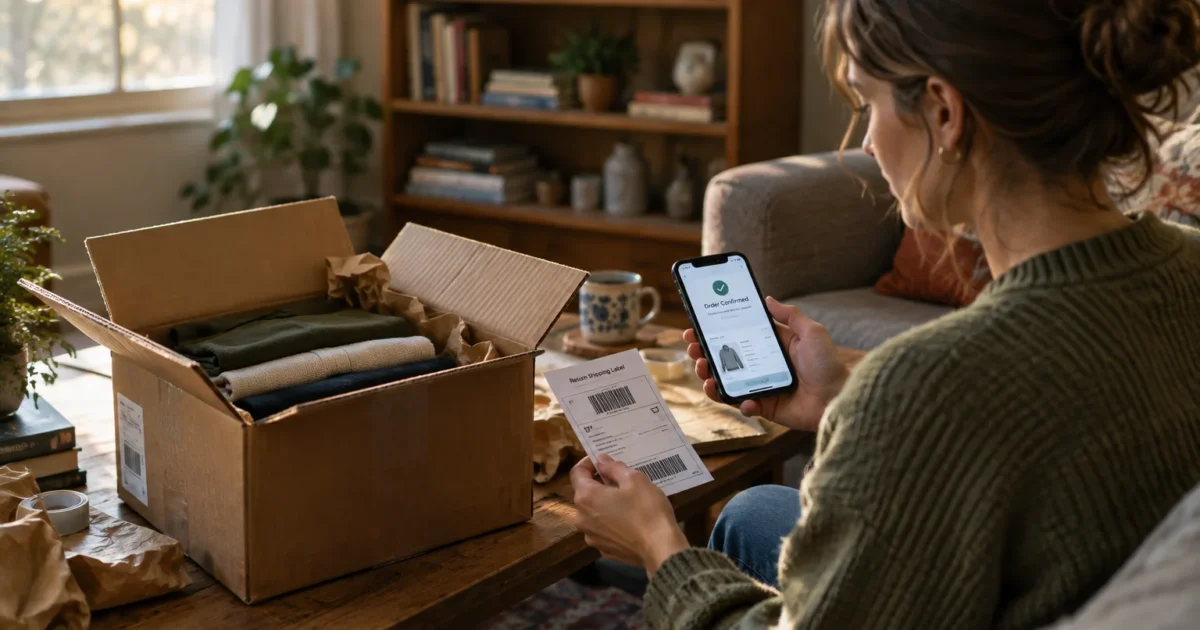
Retailers quietly overhauled their online return policies to protect profit margins at your expense. Knowing these hidden rules will save you hundreds of dollars on unwanted purchases every single year.
Free returns built the modern e-commerce boom, but corporate logistics costs forced brands to push shipping bills back to shoppers. Most consumers only discover these punitive policies after dropping packages off at shipping depots.
You do not have to absorb these stealth fees or get trapped with useless merchandise. Arm yourself with these essential store return rules for online orders before you click that purchase button.
Tip #1: Return Shipping Fees Are Erasing Your Refunds
Many major retailers no longer cover the cost of mailing back unwanted goods. Return shipping fees are now standard practice across major apparel and home goods brands.
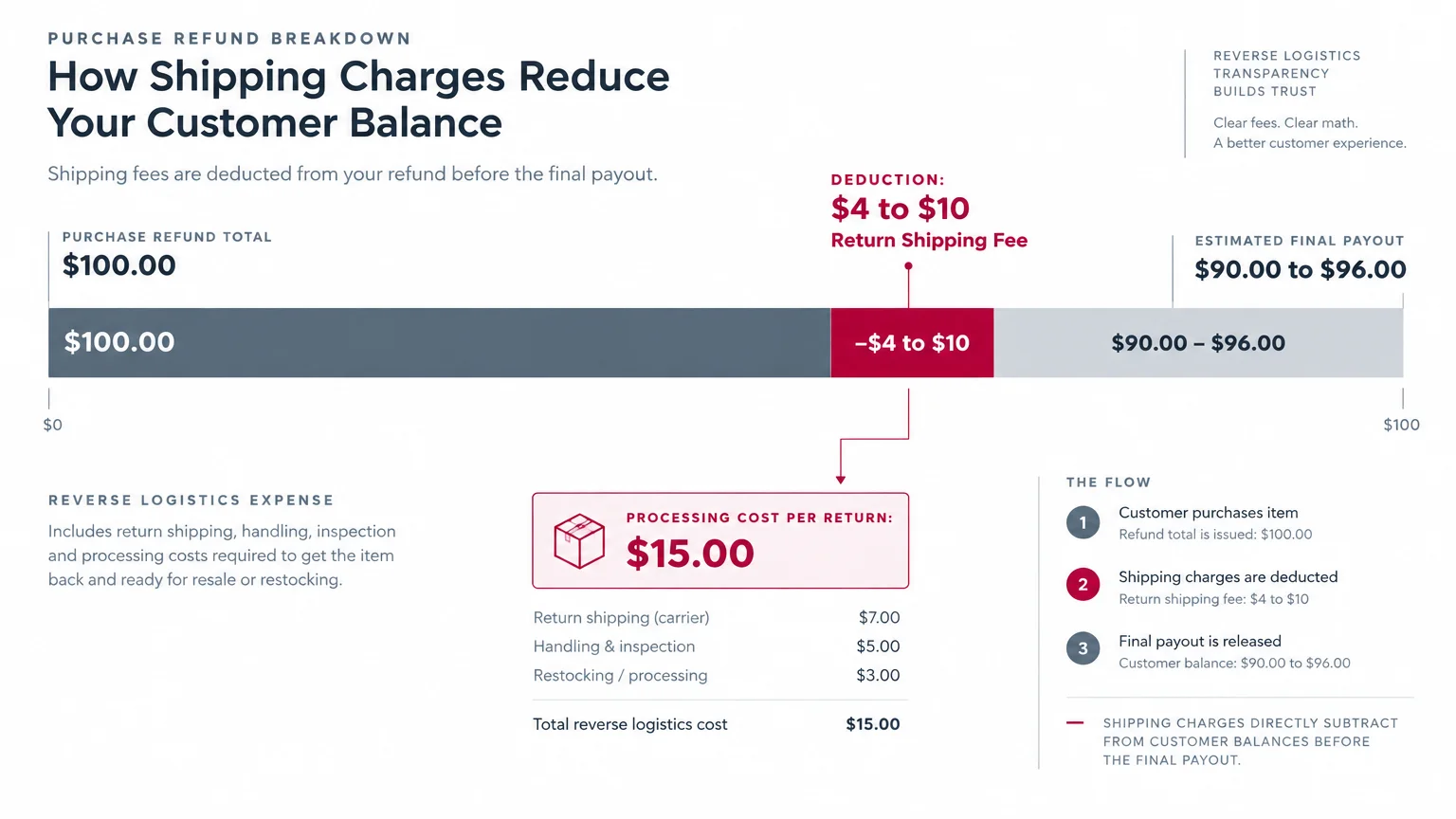
Fast-fashion giants like Zara and H&M quietly deduct anywhere from four to ten dollars straight from your refund total. You only discover this deduction once the final credit reaches your account balance.
Reverse logistics expenses climbed drastically across the retail industry over the past three years. Companies pay roughly fifteen dollars to process every single returned online package.
Passing that expense back to you is an intentional strategy to discourage impulse purchasing. Brands want to deter the habit of ordering multiple sizes just to try them on at home.
Amazon even instituted convenience fees for select drop-offs. If a Whole Foods or Kohl’s location is nearby, choosing a UPS drop-off can trigger an extra fee.
Always check the digital return portal before printing any prepaid mailing label. The confirmation screen must disclose all fee deductions before you commit to sending the package.
If a merchant tries to deduct return shipping for a damaged product, challenge it immediately. Federal regulations protect consumers from paying return costs on defective merchandise.
You can often sidestep these fees entirely by refusing the convenience of your mailbox. Physical stores remain your best weapon against sneaky shipping deductions.
Tip #2: Algorithms Determine If You Get Returnless Refunds
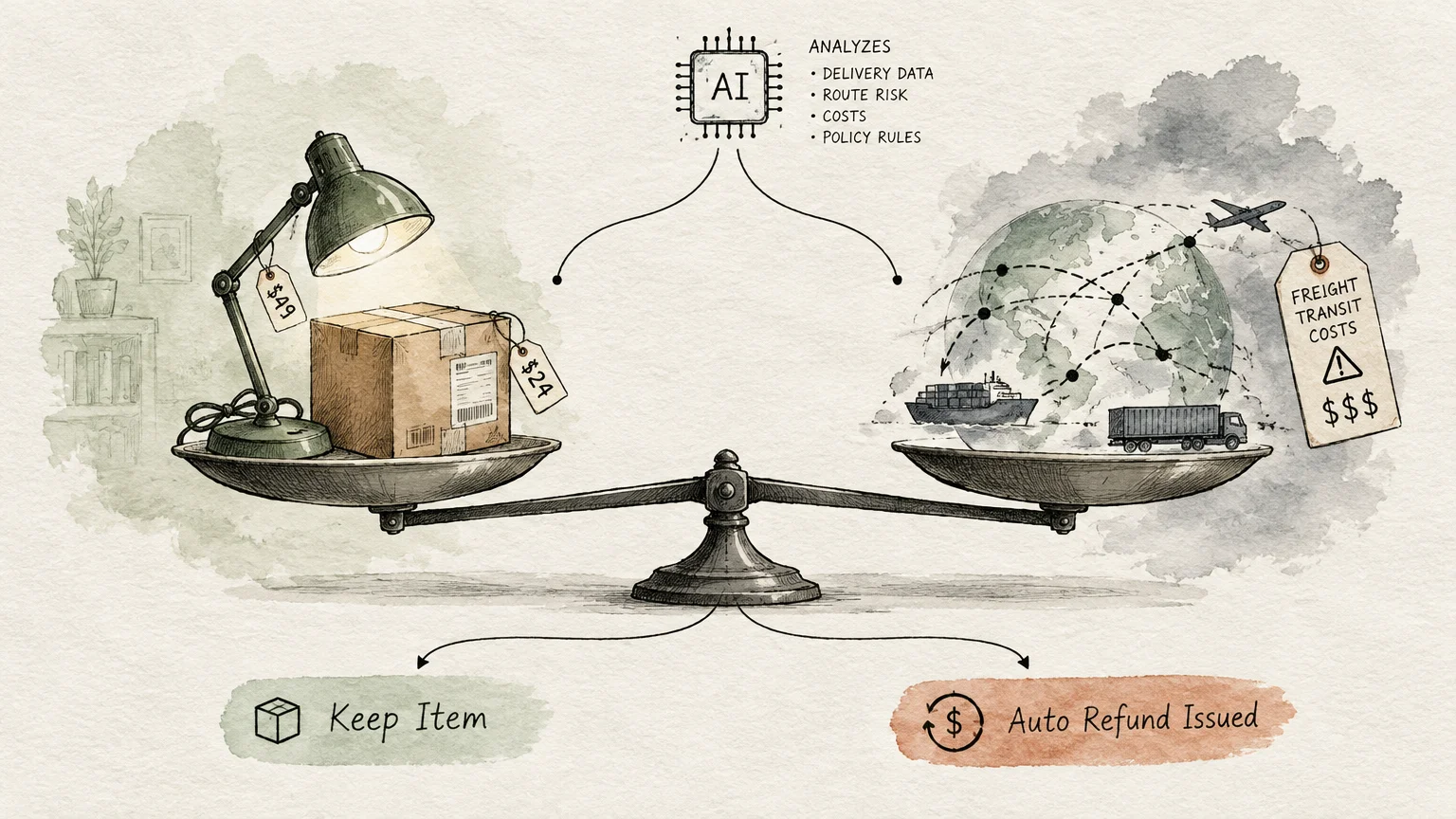
Returning an item often costs a merchant more than the item is actually worth. In these instances, retail algorithms grant what the industry calls a returnless refund.
You request a return, and the system instantly refunds your money while instructing you to keep the item. Target, Walmart, and Amazon employ this automated math on thousands of daily orders.
Shipping an inexpensive desk lamp back to a distribution center requires inspection, repackaging, and freight handling. Those labor steps can easily cost the retailer thirty dollars in transit expenses.
Liquidating or trashing bulky products is frequently cheaper than restocking them. Heavily discounted goods and heavy, low-margin products trigger this automated corporate calculus most often.
Never try to game this system by intentionally ordering items you hope to keep for free. Retail algorithms flag accounts with suspicious return patterns and will revoke your refund privileges.
If you receive a returnless refund, consider donating the unwanted item to a local charity. Giving goods a second life clears your personal space without cluttering municipal landfills.
Always check your bank balance to confirm that your credit actually posts. Technical glitches occasionally delay returnless credits when an automated system expects a warehouse scan.
E-commerce logistics prioritize corporate balance sheets over physical inventory. Understanding this financial calculation helps you navigate the modern refund landscape effectively.
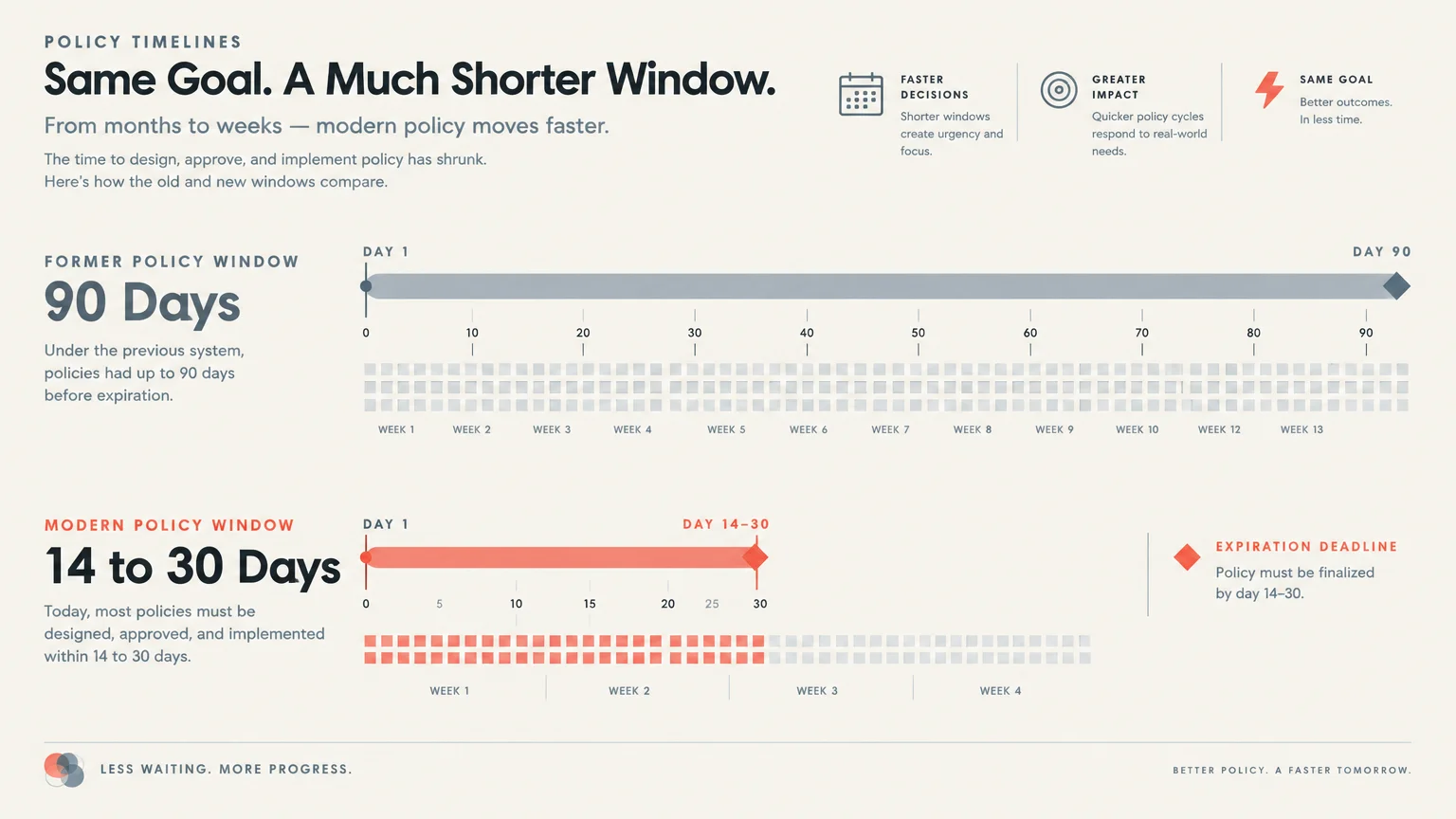
Tip #3: Return Window Deadlines Have Quietly Shrunk
The era of generous ninety-day return windows has officially ended. Retailers are actively slashing return window deadlines down to thirty, or even fourteen, consecutive calendar days.
Consumer electronics brands and fast-fashion outlets led this aggressive push toward shorter windows. Fast depreciation cycles mean returned tech loses substantial market value with every passing week.
Always verify when the countdown clock actually starts ticking on your order. Some merchants start the deadline on the original purchase date rather than the actual delivery date.
A package delayed during shipping could burn through half your return window before reaching your doorstep. File a customer support ticket immediately if transit delays cut into your return eligibility.
Extended holiday return periods also carry tighter restrictions than most shoppers realize. Retailers often demand that electronics purchased in November arrive back at warehouses before mid-January.
Mark your calendar with strict deadlines whenever an online parcel arrives at your home. Leaving a delivery box unopened for two weeks can permanently lock your hard-earned money away.
If you miss a deadline by a couple of days, ask customer support for store credit. Representatives frequently possess internal authorization to issue merchant credits when cash refunds are blocked.
Proactive calendar tracking is your strongest defense against shrinking store timelines. Never let retailer deadlines sneak up and drain your household budget.
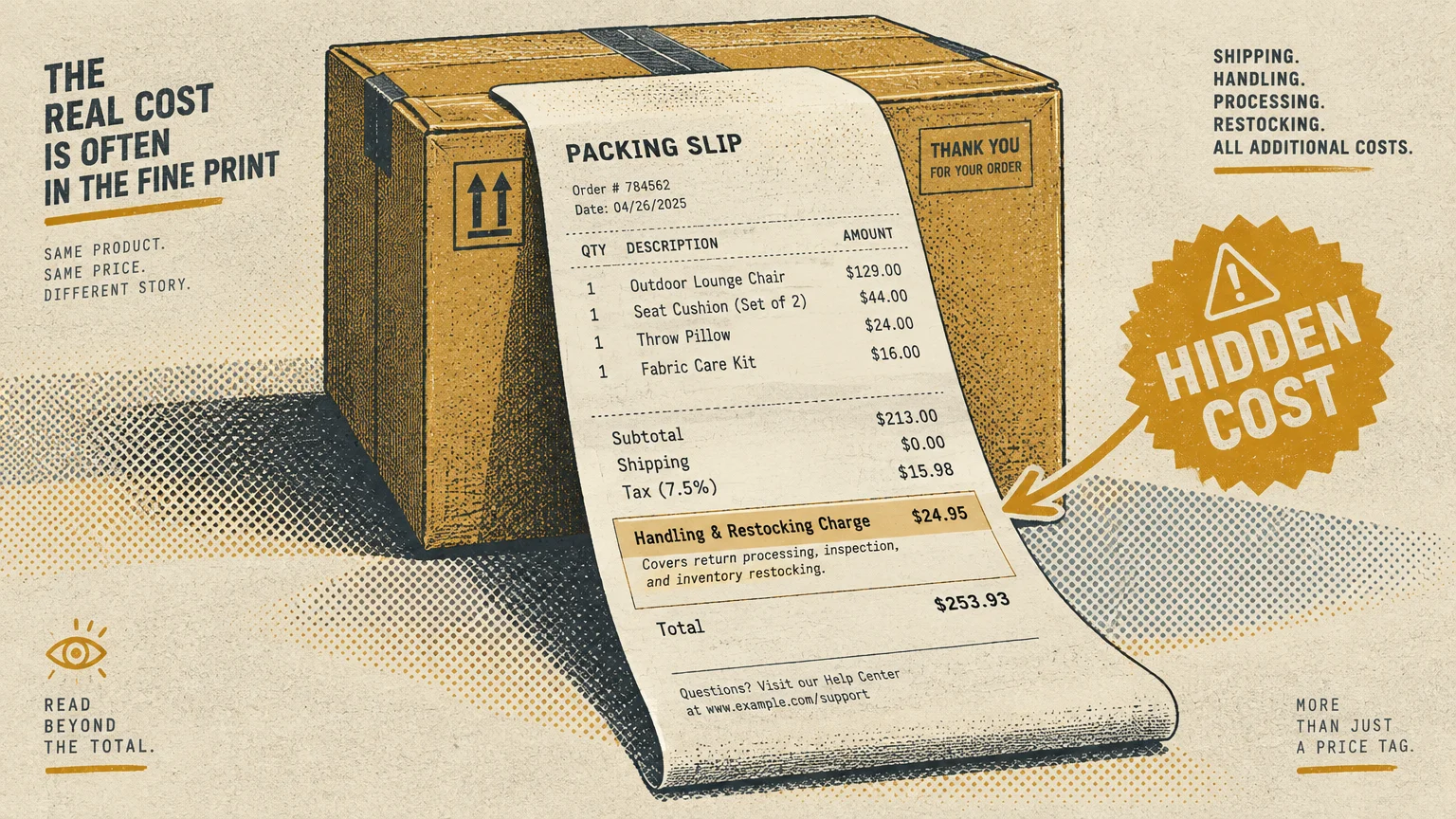
Tip #4: Restocking Fees Now Hide as Handling Charges
Restocking fees are no longer reserved strictly for luxury cars and specialized industrial machinery. Everyday consumer electronics, home furniture, and boxed mattresses now carry heavy restocking surcharges.
Tech retailers routinely deduct fifteen percent of an item’s price if you break the packaging seal. Returning an eight-hundred-dollar laptop could easily cost you one hundred and twenty dollars.
Companies justify these steep deductions by pointing to the cost of inspecting opened hardware. Once a factory seal breaks, the merchant cannot legally sell the product as brand new.
Retailers must discount open-box items to move them off store shelves. The restocking fee effectively forces the returning shopper to subsidize that retail markdown.
Carefully read the fine print on product pages before slicing through any plastic packaging tape. Look out for terms like open-box processing fees, repackaging costs, or restocking deductions.
If an item arrives broken, flawed, or misrepresented on the website, you should never pay a restocking fee. Take clear photographs of any cosmetic defects or shipping damage immediately.
Contact customer support and explicitly state that the product failed to match merchant claims. Holding sellers accountable for product accuracy is the fastest way to get restocking fees waived.
Inspect specs and dimensions thoroughly before opening factory boxes. Prevention remains far more profitable than negotiating return penalties after unboxing an unwanted item.
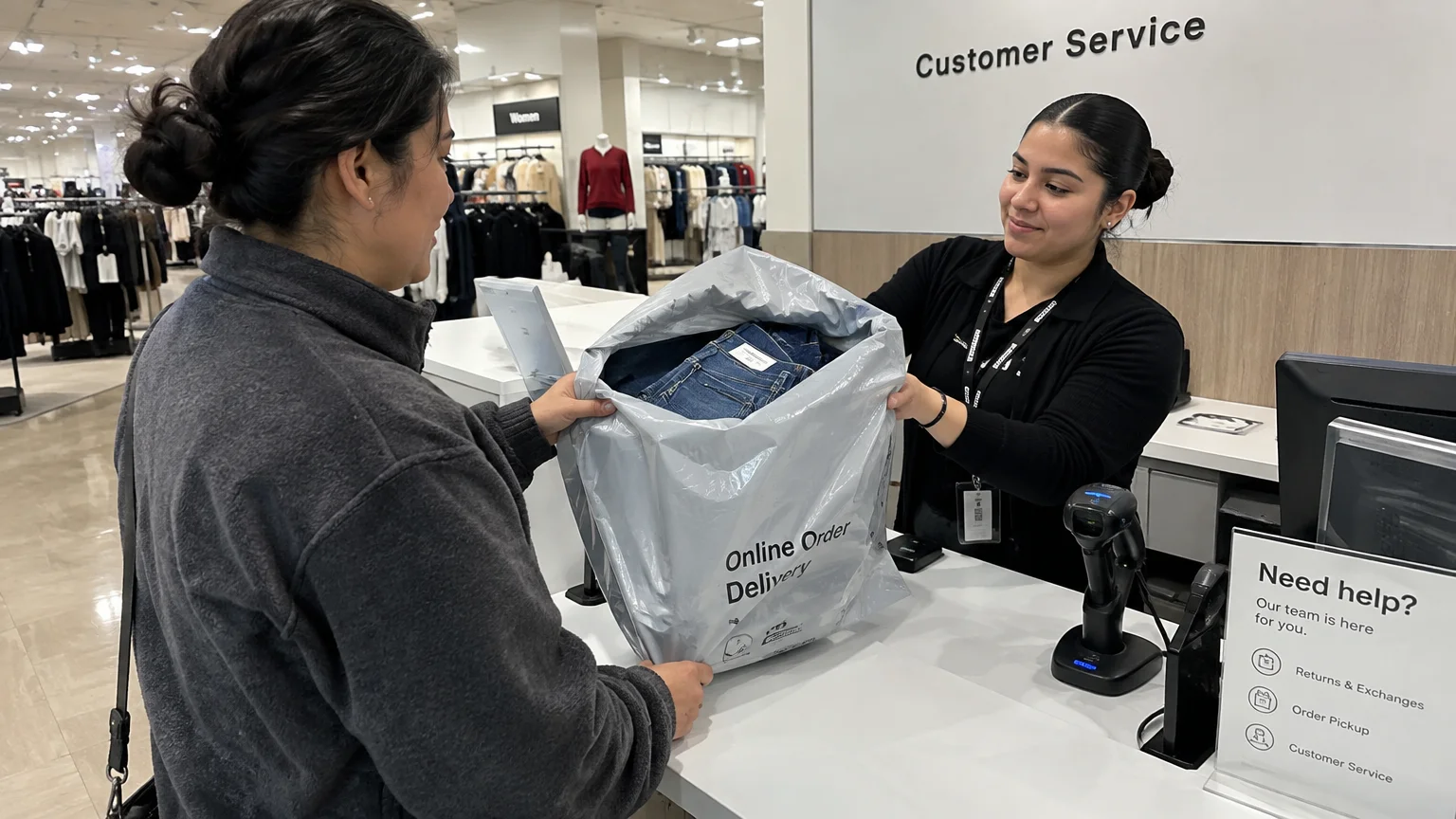
Tip #5: Physical Store Drop-Offs Eliminate Mail Surcharges
Buying online does not mean you must rely on the postal service to return merchandise. Taking online shopping returns directly to a physical store location almost always eliminates return shipping fees.
Major department stores and big-box retailers process online returns at their customer service desks for free. This single step can save you up to ten dollars on every single order.
In-store drop-offs provide an immediate physical receipt confirming that the retailer accepted the returned product. You avoid the anxious waiting period while tracking a parcel across national logistics networks.
Store clerks process refunds to your original payment method right on the spot. Most bank accounts reflect in-store return credits several days faster than mail-in processing centers.
Many digital brands without physical storefronts now partner with third-party logistics networks. Services like Happy Returns place physical drop-off counters inside shopping malls, pharmacies, and grocery stores.
These partner counters provide QR code scanning that eliminates the need to print shipping labels at home. You hand over the loose item, get an instant digital receipt, and walk away fee-free.
Check the merchant website for drop-off network partners before paying for automated shipping labels. A brief drive down the street keeps your refund amount completely intact.
Leveraging brick-and-mortar infrastructure is one of the easiest ways to beat online logistics charges. Make physical drop-offs your standard protocol for every eligible purchase.

Tip #6: Final Sale Labels Are Sneakily Expanding
The definition of what qualifies as an unreturnable final sale item is widening dramatically. Retailers increasingly slap final sale tags onto seasonal overstock, clearance apparel, and promotional flash bundles.
Once an item receives a final sale tag, customer service software blocks any refund processing. No mail-in labels, store credits, or manager overrides can reverse that automated corporate restriction.
Retailers often hide final sale notices in tiny font directly beneath checkout purchase buttons. A product might look like a standard discounted purchase until you inspect the final invoice receipt.
Deep clearance markdowns typically trigger these permanent purchase conditions. Merchants want dead inventory off their corporate balance sheets without the threat of items rebounding back into warehouses.
Personal hygiene goods, intimate apparel, swimwear, and customized goods almost universally carry final sale restrictions. Even unboxed items in these categories get rejected instantly due to state health codes.
Check your digital shopping cart line by line before completing any payment authorization. If you spot final sale or non-refundable tags on items you are unsure about, remove them immediately.
If a retailer ships you the wrong size or color on a final sale order, they still owe you a remedy. Contract law requires merchants to deliver the exact item you paid for regardless of sale tags.
Guard your wallet by treating every discounted purchase with healthy skepticism. Never buy unreturnable merchandise unless you are completely comfortable keeping it forever.

Tip #7: Third-Party Scores Can Secretly Blacklist You
Returning too many online purchases can quietly ruin your standing with major national merchants. Third-party risk assessment companies actively track your consumer behavior across dozens of different retail brands.
Companies like The Retail Equation assign shoppers a secret risk score based on transaction frequency, return velocity, and missing receipts. If your score crosses an internal threshold, stores will issue an outright return ban.
Retailers utilize these consumer tracking databases to combat organized retail crime and wardrobing fraud. Wardrobing involves buying expensive clothes, wearing them once for an event, and returning them for full refunds.
Innocent shoppers who frequently purchase multiple sizes to find the right fit often get caught in these automated fraud nets. An elevated return rate signals high risk to automated merchant algorithms.
When a cashier asks to scan your driver’s license during a return, they feed data into these tracking systems. Online returns link directly to your name, shipping address, and credit card number.
You have legal rights to inspect the data these background tracking agencies hold about you. You can request your personal activity report directly from The Retail Equation to dispute inaccurate entries.
Maintain a healthy ratio between kept purchases and returned orders to keep your consumer profile clean. Avoid treating online merchants like fitting rooms if you want to protect your shopping privileges.
Preserving your retail reputation ensures you maintain seamless access to legitimate refunds when you actually need them. Protect your consumer profile just like you protect your personal credit score.
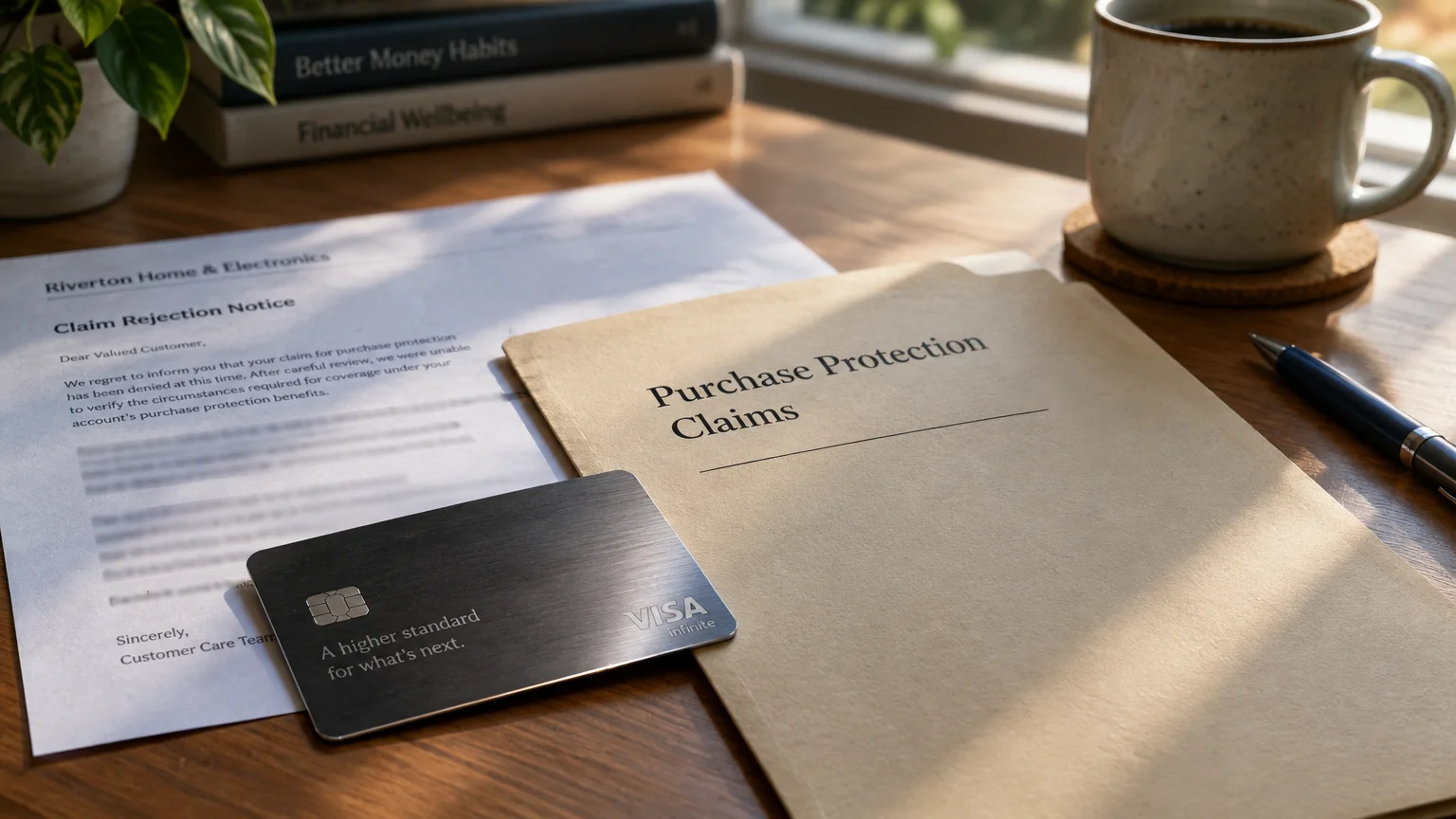
Tip #8: Credit Card Benefits Trump Merchant Denials
When a merchant flatly refuses to take back an item, your credit card issuer might step in to save you. Premium credit cards frequently come equipped with built-in return protection benefits that many cardholders overlook.
Return protection allows you to file a claim directly with your card company if a retailer rejects a return. If the merchant refuses a return within ninety days of purchase, the card company refunds you directly.
Benefits typically reimburse up to three hundred or five hundred dollars per eligible item. Most card issuers set annual return protection claim maximums around one thousand dollars per calendar year.
This coverage applies even to items marked final sale or products with expired store return window deadlines. You simply file your claim online, submit your item receipt, and provide proof of merchant denial.
Do not confuse return protection benefits with traditional credit card chargeback disputes. Chargebacks deal strictly with merchant fraud, billing errors, or nondelivery of goods.
Return protection is an insurance perk designed specifically for situations where you simply want to return an unwanted product. It bridges the gap between strict store policies and your desire to get your cash back.
Check the benefits guide on your favorite rewards credit card before shopping on strict retail sites. Charging purchases to a card with return protection gives you an automatic safety net on every transaction.
Knowledgeable consumers leverage financial tools to neutralize aggressive corporate policies. Let your credit card company enforce the flexibility that retail merchants refuse to give you.

The Bottom Line: What This Means for Your Wallet
Online shopping should simplify your life without draining your savings through hidden policy traps. The convenience of home delivery loses its value if returning an unwanted shirt costs half its retail price.
Retailers constantly refine their store return rules for online orders to protect corporate profits. Staying ahead of these policy shifts requires vigilance and tactical purchasing habits.
Never assume that the generous return policies of the past still apply to your favorite brands today. Always review the return shipping fees, deadlines, and restocking terms before you confirm an order.
Choose physical drop-offs whenever possible to eliminate shipping deductions and accelerate your cash refunds. Drop-off counters keep more money in your account while providing undeniable proof of your return.
Treat every purchase as a binding contract between your bank balance and the retail merchant. Being deliberate with your online spending prevents unwanted merchandise from stacking up in your closets.
Take command of your consumer rights and use every credit card benefit available to shield your budget. Smart shopping is not just about finding low prices; it is about keeping your money safe after the sale.
Frequently Asked Questions
Can a store refuse an online return if the item is unopened?
Yes, retailers hold legal authority to set their own store return rules for online orders as long as they disclose terms. If an item is labeled final sale, the merchant can deny the return even if the packaging remains unopened.
Always review store policies before purchasing non-refundable merchandise. State laws generally do not require merchants to accept returns unless an item is defective or deceptive.
Does the return window start when I order or when the package arrives?
Most retailers start return window deadlines on the date your package gets delivered to your shipping address. However, some merchants start the countdown clock the moment your order ships or when your payment processes.
Check the shipping confirmation email to determine the exact date calculation. Contact support immediately if shipping transit delays cut your return window dangerously short.
How do I know if a retailer tracks my return history?
Retailers that track consumer return patterns often state this policy inside their privacy disclosures or return terms. If an employee scans your government identification during an in-store return, your transaction data is getting logged.
Frequent online shoppers also get tracked via their registered account credentials, email addresses, and payment cards. You can request your consumer file directly from third-party tracking companies like The Retail Equation.
Will my original shipping fee ever be refunded?
Retailers rarely refund standard outbound shipping fees unless the return results from their own logistical error. If the merchant sent the wrong size, color, or a damaged item, they must refund outbound shipping charges.
For routine returns of unwanted goods, original shipping costs remain non-refundable. Factor non-refundable shipping charges into the true cost of an item before you complete checkout.
For consumer protection information, visit the Federal Trade Commission (FTC) and the Consumer Financial Protection Bureau (CFPB). For product safety and reviews, consult Consumer Reports.
Disclaimer: This article is for informational purposes only and does not constitute financial advice. The content reflects the author’s opinion and research at the time of writing; always do your own research before making financial decisions.