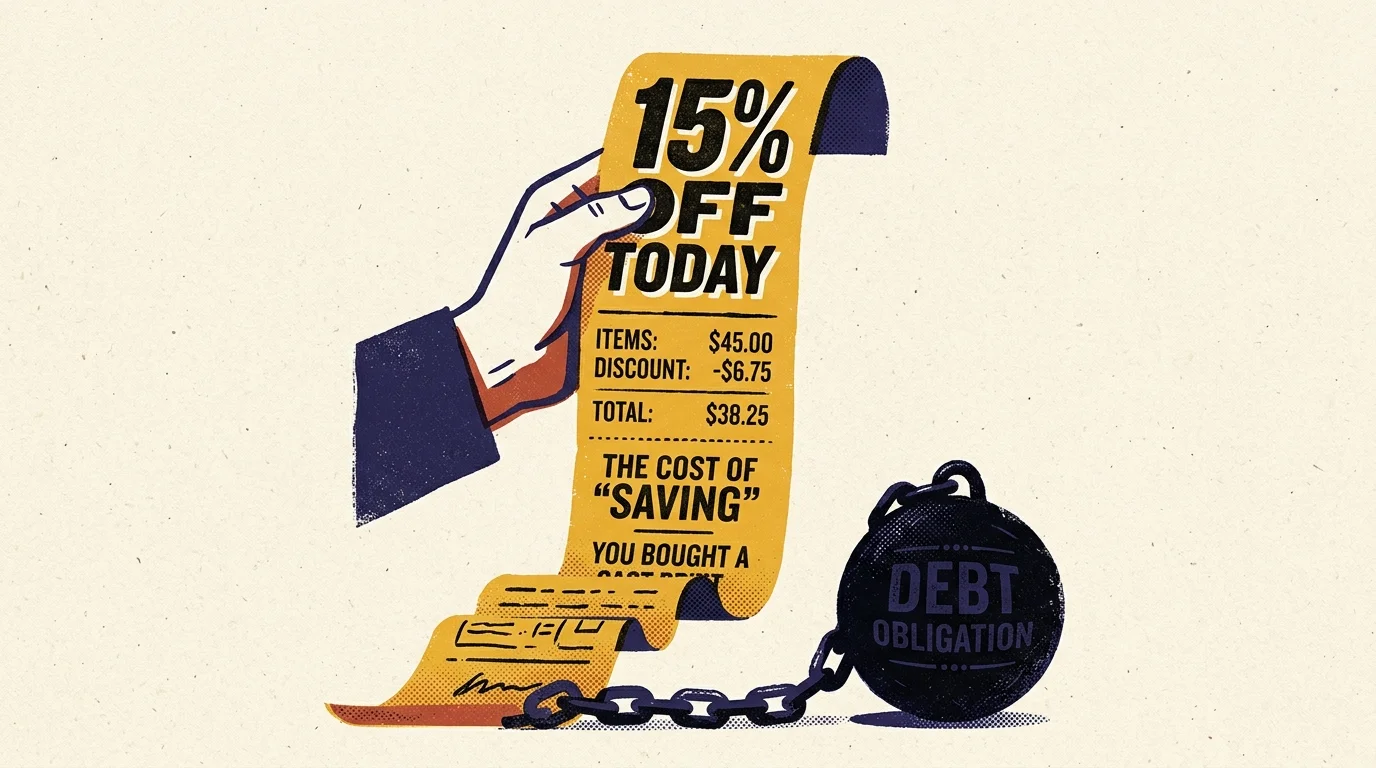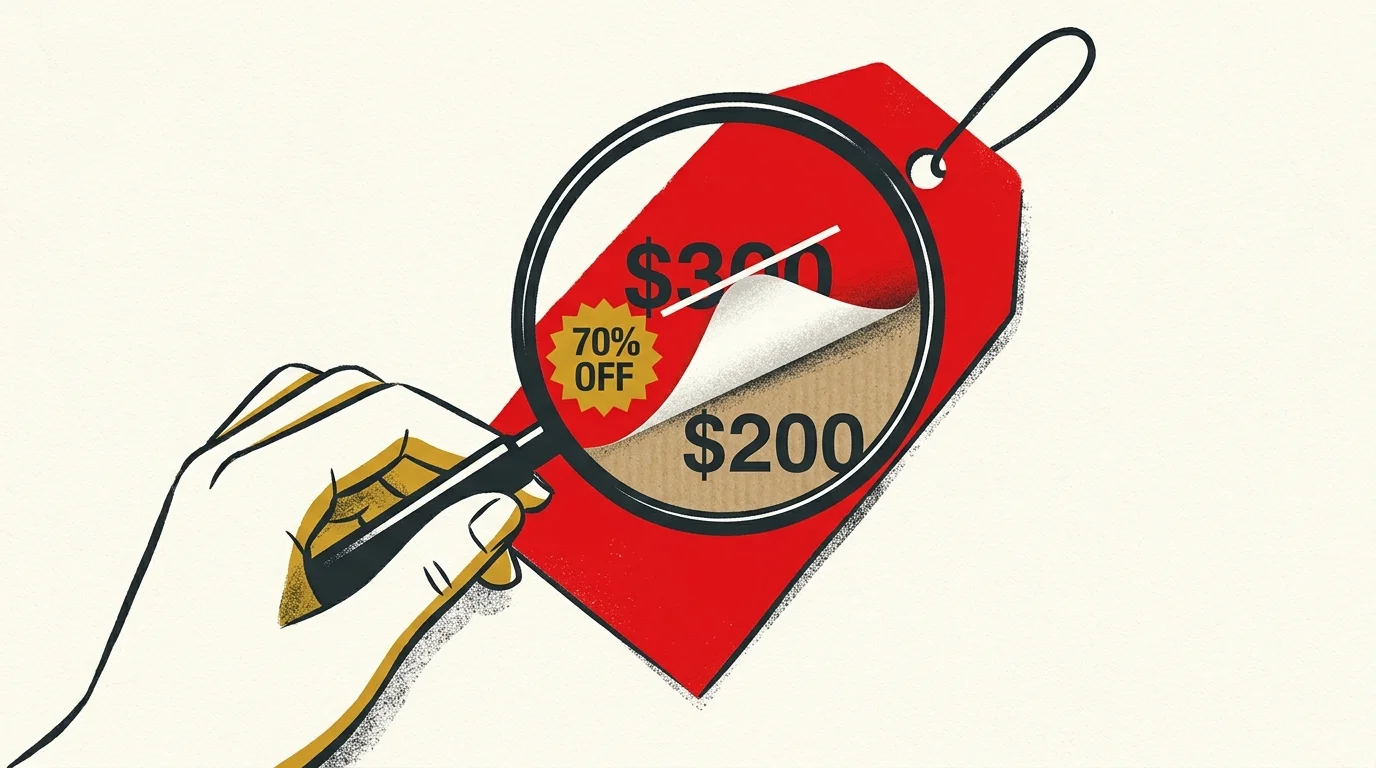
Cutting recurring monthly expenses provides the fastest relief for your household budget, and your subscription boxes are likely draining more cash than you realize. When that curated parcel of snacks, grooming supplies, or novelty goods arrives on your doorstep, it should deliver undeniable delight and genuine financial utility. If you instead feel a flicker of guilt or find unopened items piling up in your hallway closet, that monthly charge has transformed from a treat into a financial leak. Evaluating whether a recurring delivery still serves your lifestyle helps you reclaim hundreds of dollars each year. You can easily spot the red flags and redirect your hard-earned money toward your true priorities.
The Hidden Drain of Subscription Box Culture
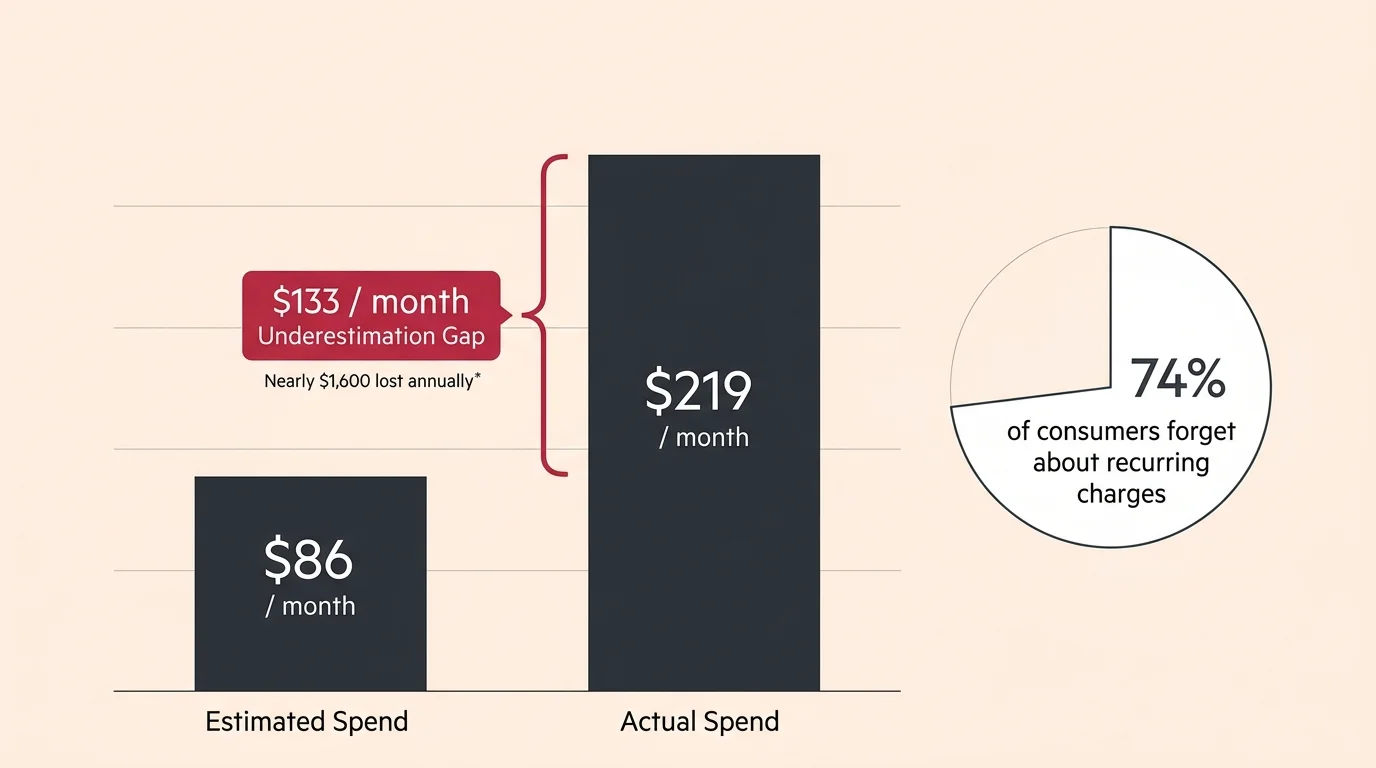
Modern subscription commerce thrives on psychological inertia. When you first signed up for that artisanal coffee, beauty sample, or meal kit delivery, you likely capitalized on an attractive introductory discount. Over time, recurring billing smoothly transitions from an intentional purchase into an unquestioned background expense. According to comprehensive consumer research on subscription habits by C+R Research, consumers estimated they spent an average of $86 per month on recurring subscriptions, yet their actual itemized spending totaled $219 per month. That massive underestimation gap of $133 each month means middle-income households quietly lose nearly $1,600 annually to automated services.
Furthermore, the study revealed that 74% of consumers admitted it is easy to forget about recurring charges, while 72% had placed all their subscriptions on auto-pay. Typical physical subscription boxes cost between $40 and $50 each month, creating an annual expense of $480 to $600 for a single service. A rigorous market analysis from McKinsey and Company found that 40% of consumers who enroll in e-commerce subscription boxes eventually cancel them, with more than one-third doing so within their first three months. Product fatigue and diminishing perceived value drive this rapid turnover, making regular cancellation audits essential for your household cash flow.
8 Critical Signs Your Subscription Box Has Lost Its Value
1. The Unboxing Joy Has Turned Into Clutter Guilt
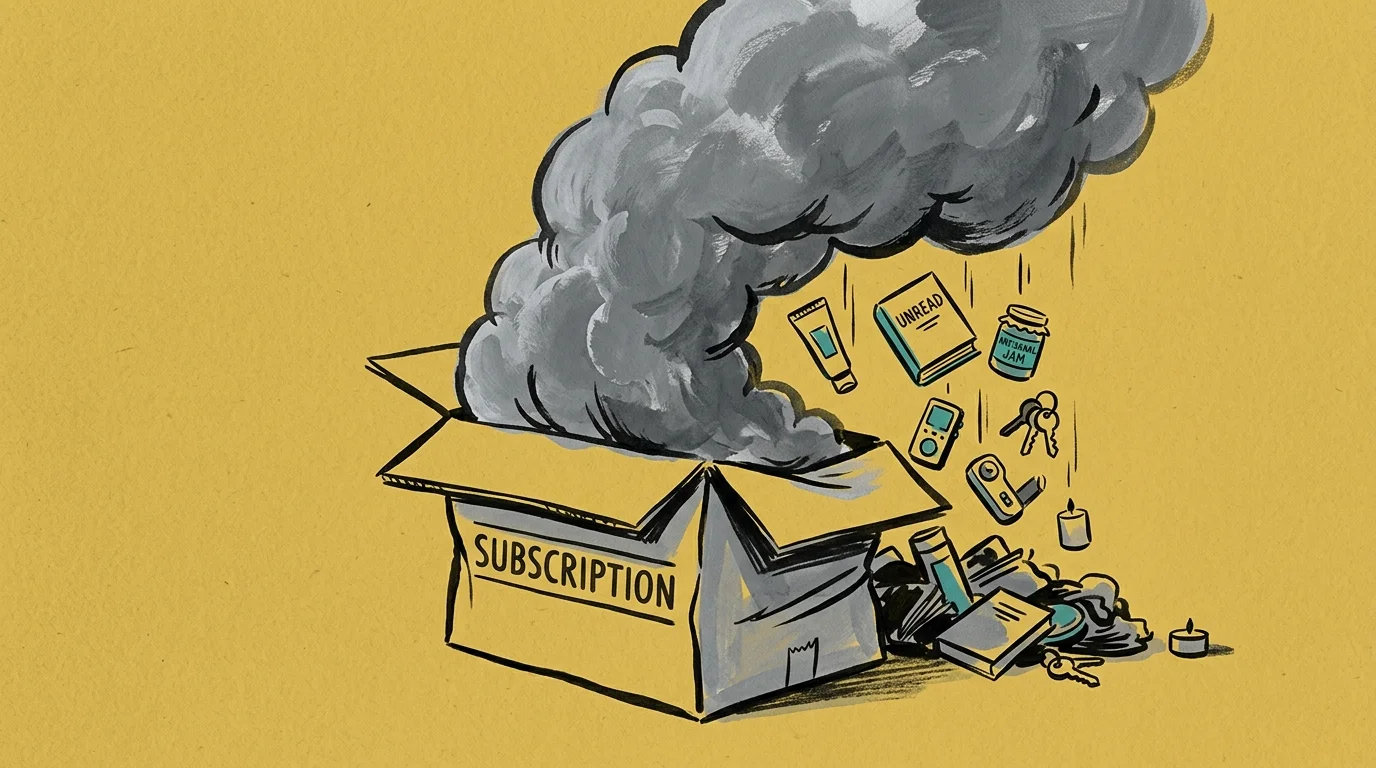
Remember the anticipation that accompanied your first delivery? The initial excitement of opening a mystery package often fades after a few billing cycles. If the sight of a branded cardboard box sitting on your porch now triggers a feeling of obligation rather than genuine delight, your relationship with the product has shifted. Novelty fades quickly, but the recurring invoice persists indefinitely. When unboxing feels like a chore that demands sorting or finding storage space for items you never requested, the subscription has lost its primary experiential value.
2. The Effective Cost Per Usable Item Exceeds Retail Prices
Subscription boxes market themselves on aggregate retail value, boasting that an assortment worth $150 costs you only $45. However, that promotional math collapses if you only use one or two items from the collection. If a $45 grooming box contains five products, but you discard the novelty items and only use the basic cleanser, you just paid $45 for a single bottle of soap that retails for $15 at your local store. Conducting a regular subscription box cost analysis requires calculating the effective price of the items you actually consume rather than accepting promotional marketing claims.
3. You Routinely Forget to Customize or Skip Months
Many contemporary curation services offer customization windows or allow you to skip shipments when you already possess ample inventory. If you consistently miss the cutoff deadline to select your preferred items, customize your weekly meal menu, or pause your delivery, you end up paying for random products selected by an algorithm. Relying on your memory to manually pause recurring shipments creates unnecessary cognitive friction. When a service requires constant calendar alerts simply to avoid unwanted charges, the subscription serves the vendor rather than your household convenience.
4. The Contents Shift From Premium Staples to Novelty Filler
To preserve profit margins against inflation, subscription companies frequently substitute high-end flagship products with cheaper private-label alternatives or sample-sized novelties. You might notice your favorite culinary box replacing artisan olive oils with generic spice packets, or your lifestyle crate including branded trinkets instead of durable goods. When the quality of the curated items noticeably deteriorates while the subscription price remains flat or increases, you are subsidizing the vendor’s declining margins at the expense of your personal budget.
5. Your Pantry, Closet, or Bathroom Shelves Are Overflowing
Physical inventory provides undeniable proof of an outdated financial habit. If you have three unopened bags of specialty coffee beans aging in your cupboard, multiple identical hot sauce bottles gathering dust, or a drawer overflowing with miniature moisturizers, your consumption rate lags behind the delivery schedule. Physical accumulation ties up your household funds in depreciating or perishable goods. Storing excess goods also clutters your living space, serving as a visible reminder of wasted capital.
6. Price Hikes Have Quietly Eroded the Original Math
Subscription providers regularly adjust their pricing structures, tack on new shipping fees, or quietly reduce package sizes. A box that originally justified its cost at $30 per month may now bill at $48 per month after incremental price adjustments. Many consumers overlook these gradual increases because the charge processes automatically every thirty days. Reviewing your historical bank statements often uncovers compounding price hikes that break the initial cost-benefit calculation that made the service attractive.
7. You Keep the Box Merely to Avoid an Awkward Cancellation Flow
Many companies intentionally design frustrating retention pathways, requiring subscribers to navigate complex multi-step surveys or call customer support during limited business hours. If you continue paying for a monthly shipment simply because canceling feels intimidating, you are falling prey to intentional friction. Under Federal Trade Commission guidance on recurring subscription renewals and the Restore Online Shoppers’ Confidence Act, regulators penalize deceptive cancellation barriers. Furthermore, robust state statutes like California automatic renewal laws mandate that any subscription bought online must offer an accessible online cancellation mechanism.
8. The Subscription Duplicates Everyday Shopping Trips
Meal kit services and grooming clubs often promise to eliminate grocery store visits and save you precious time. Yet, if you still find yourself wandering through grocery aisles buying dinner ingredients or restocking bathroom basics alongside your monthly delivery, the box creates redundancy rather than efficiency. When a service fails to eliminate errands and instead forces you to manage dual shopping channels, it inflates your total discretionary spending rather than streamlining your routine.
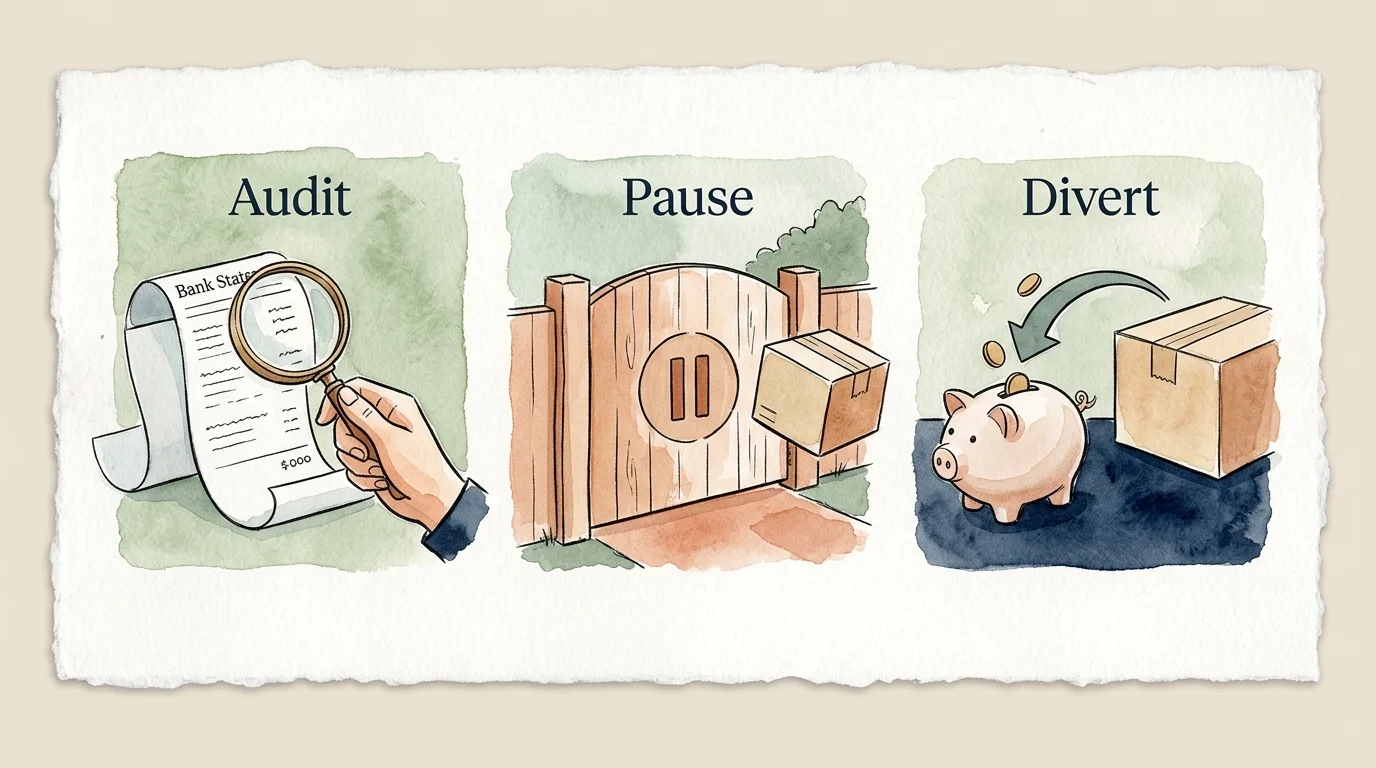
Three Practical Pillars for Smarter Subscription Management
Pillar 1: The Zero-Based Cash Flow Audit
Take ninety minutes this weekend to download your past three months of credit card and checking account statements. Highlight every recurring charge, regardless of how small the dollar figure appears. Group these charges by category, separating essential utilities from discretionary physical deliveries. Calculate the annual cost of each service by multiplying the monthly price by twelve. Seeing a $45 monthly box framed as a $540 annual line item shifts your perspective immediately, allowing you to ask whether that specific delivery brings $540 worth of tangible value to your life.
Pillar 2: Active Spending Friction and Smart Automations
Reversing subscription creep requires introducing intentional friction into your payment process. The Consumer Financial Protection Bureau resources on managing recurring automatic payments emphasize your legal right to stop automatic debits with your financial institution if a merchant refuses to cooperate. Move discretionary memberships off your primary debit card and onto a dedicated virtual payment card with strict monthly spending caps. When you must actively approve an invoice every thirty days, your brain naturally re-evaluates the true utility of the purchase before releasing your money.
Pillar 3: The 30-Day Product Fast and Value Recalibration
Before renewing your next box cycle, institute a mandatory thirty-day pause on all discretionary product deliveries. During this trial window, challenge yourself to use up every surplus item currently lingering in your pantry, medicine cabinet, or hobby bin. Track how many times you actually miss receiving the monthly box during those four weeks. Most households discover that the absence of the parcel creates relief rather than deprivation. If you finish the month without feeling any genuine void, you have conclusive proof that canceling the service permanently will improve your cash flow.

Action Lab: Calculating Your True Unit Economics
To determine whether a specific subscription deserves a place in your monthly budget, walk through a simple unit economic assessment using real numbers from your household. Suppose you pay $48 per month for an artisanal snack box containing six individual food items. On the surface, the pricing appears reasonable at $8 per item. However, look honestly at how your family consumes the contents over the course of the month.
If two of the snacks feature exotic flavor profiles that no one in your home enjoys, and one item goes stale before anyone opens it, your family actually consumes only three items. Divide the total $48 invoice by those three consumed snacks, and your effective cost skyrockets to $16 per snack. You could easily visit a local specialty grocer and hand-select three premium gourmet snacks of your exact preference for $6 each, spending $18 total while keeping $30 in your checking account. Applying this practical formula across all your recurring boxes reveals the true cost of convenience and exposes wasteful leakage.

Common Traps and Guardrails When Trimming Services
When you decide to cancel an unneeded subscription, watch out for several classic behavioral traps. The most widespread is the pause trap, where vendors offer a temporary ninety-day suspension accompanied by a small discount coupon. If you already know the product no longer serves your lifestyle, accepting a pause merely delays the inevitable while keeping your billing information active in their system. Select permanent cancellation instead of a temporary hold.
Another common misstep involves the sunk cost fallacy. Subscribers frequently convince themselves that canceling a quarterly box forfeits accumulated loyalty points, seasonal subscriber status, or grandfathered legacy pricing. Paying real money each month to protect artificial reward points or a discounted rate on items you do not need is fundamentally counterproductive. Protect your actual cash reserve first; loyalty points never pay the utility bill or build emergency savings.
Frequently Asked Questions
What should you do if a subscription box company makes it difficult to cancel online?
If a merchant conceals its cancellation link or forces you through endless customer service loops, check your state laws and review your initial terms of service. For residents in states like California, New York, and Colorado, online cancellation is legally protected. If the vendor refuses to process your request promptly, contact your card issuer to block future recurring authorizations from that specific merchant, and file a formal consumer complaint with the Federal Trade Commission.
How can you replace the curated experience of a subscription box on a budget?
You can easily recreate the novelty of a curated box by establishing a monthly self-care or discovery budget of $15 to $20 in cash. Visit a local farmers market, independent bookstore, or boutique grocer to personally select one unique item each month. This intentional ritual gives you the dopamine rush of discovering new products without locking you into recurring automated charges or accumulating unwanted filler items.
Is it ever worthwhile to sign up for a subscription box purely for introductory discounts?
Leveraging introductory promotions can make financial sense if you genuinely need the specific goods and execute the cancellation immediately after your first order ships. Set a calendar reminder the moment you place the initial order to ensure you cancel before the standard billing rate kicks in. If you frequently forget to follow up, avoid the temptation entirely, as introductory deals rely on customer forgetfulness to generate recurring profits.
How many subscription boxes can a healthy household budget comfortably support?
A healthy budget should limit total non-essential recurring subscriptions, including streaming media and physical boxes, to no more than 5% of your take-home pay. For a household taking home $4,000 monthly, that represents a maximum cap of $200 across all recurring discretionary entertainment and delivery services combined. If your subscriptions exceed that threshold, prioritize the single service that delivers the highest measurable utility and eliminate the rest.
Take Control of Your Recurring Expenses
Every dollar you eliminate from automated recurring expenses represents an immediate, permanent raise for your household budget. Reclaiming your financial independence does not require extreme deprivation; it simply demands active stewardship over where your money flows each month. Take twenty minutes today to review your recent statements, cancel the delivery boxes that no longer bring genuine value, and direct those recovered funds toward the savings goals that truly matter to your future.