You can slice hundreds of dollars off your annual grocery, fuel, and home maintenance bills by choosing the right retail credit cards and paying them off every single month. While most store cards lure shoppers with tiny one-time sign-up discounts before hitting them with brutal interest rates, a select few deliver ongoing, guaranteed returns that outperform standard cash-back cards. Navigating retail perks requires separating manipulative marketing from genuine household value, especially when inflation presses hard against your monthly budget. By targeting cards that offer non-expiring discounts on essentials like gas, bulk groceries, and everyday household hardware, you can instantly turn routine spending into actionable savings without altering your lifestyle.
The Dark Side of Retail Plastic: High APRs and the Interest Trap
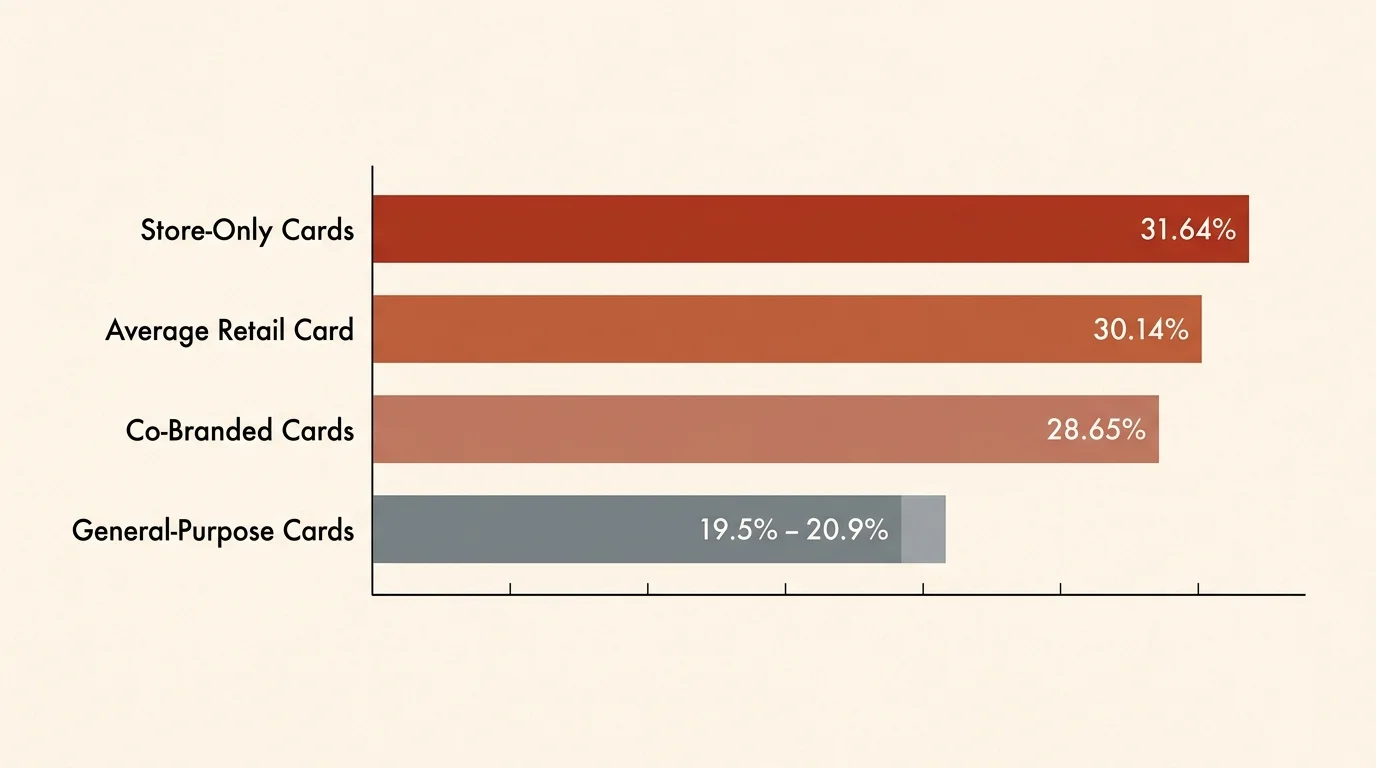
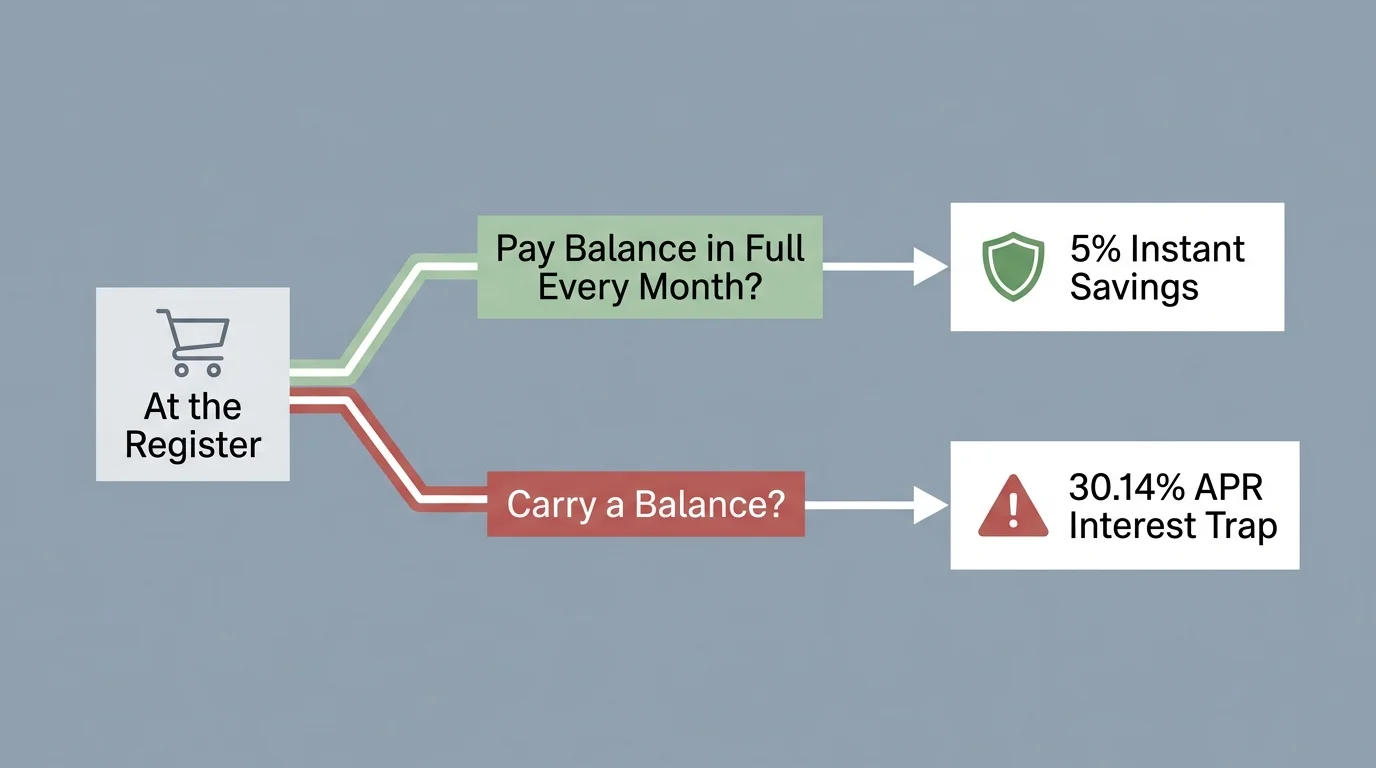
Standing at the register while a cashier offers an instant twenty percent discount creates a powerful psychological temptation. Retailers design these point-of-sale offers precisely when your impulse defenses are low. Accepting a card without evaluating its ongoing mechanics can easily derail your monthly budget. According to Bankrate’s annual Retail Credit Cards Survey, the average retail credit card interest rate stands at an astonishing 30.14 percent; store-only closed-loop cards average 31.64 percent, while co-branded cards average 28.65 percent. In comparison, general-purpose credit cards charge interest rates between 19.5 percent and 20.9 percent—making retail card interest roughly ten percentage points higher.
This massive gap explains why impulse applications backfire for consumers who carry balances. A recent Consumer Financial Protection Bureau report revealed that ninety percent of retail cards charge maximum annual rates exceeding thirty percent, contributing to a record one hundred sixty billion dollars in total interest paid by U.S. cardholders in 2024. Leaving even a modest balance on a store card from month to month immediately wipes out any register discount or reward points you earned.
Consumer habits are adjusting to these steep financial risks. A LendingTree store credit card report highlights that fifty-three percent of Americans now prefer Buy Now, Pay Later plans over store credit cards at checkout, representing a steady rise from forty-two percent the prior year. Yet, forty-three percent of shoppers still consider store cards during peak shopping periods. To win this game, you must filter out high-interest traps and focus exclusively on cards that reward daily spending while paying your balance in full every single cycle.
Everyday Discount Champions: Instant Savings at the Register
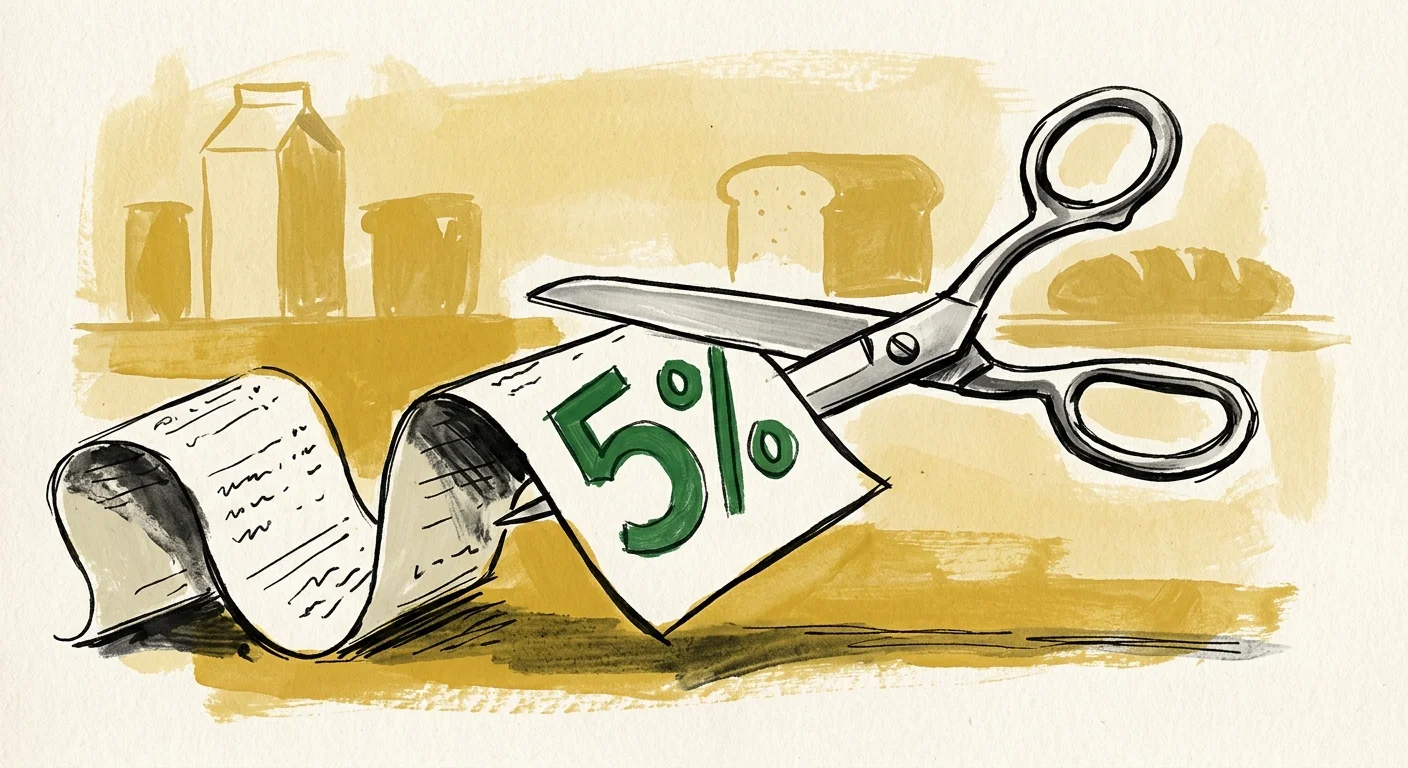
When evaluating store cards, immediate price reductions at the register beat point-based rewards programs every time. Points systems frequently suffer devaluation, impose high redemption minimums, or restrict how you spend your earnings. Instant discounts, by contrast, deliver guaranteed monetary returns on every purchase you make today.
The Target Circle Card stands out as a top instant-discount option for household management. Cardholders receive a direct five percent discount applied instantly to eligible purchases both in physical stores and online at Target.com. The card also provides free two-day shipping without minimum order thresholds and gives you an extended thirty-day return window. Because the card carries a zero-dollar annual fee, every dollar saved goes straight back into your family budget without extra tracking.
Similarly, the MyLowe’s Rewards Credit Card serves as an exceptional tool for home maintenance and renovation. It grants an everyday five percent discount on eligible in-store and online purchases, or structured financing options on larger home projects. Whether you purchase paint, lawn care supplies, or plumbing fixtures, saving five percent at checkout creates cumulative annual savings that standard cards cannot match—all with no annual fee.
Heavyweight Household Workhorses: Fuel, Food, and Online Delivery
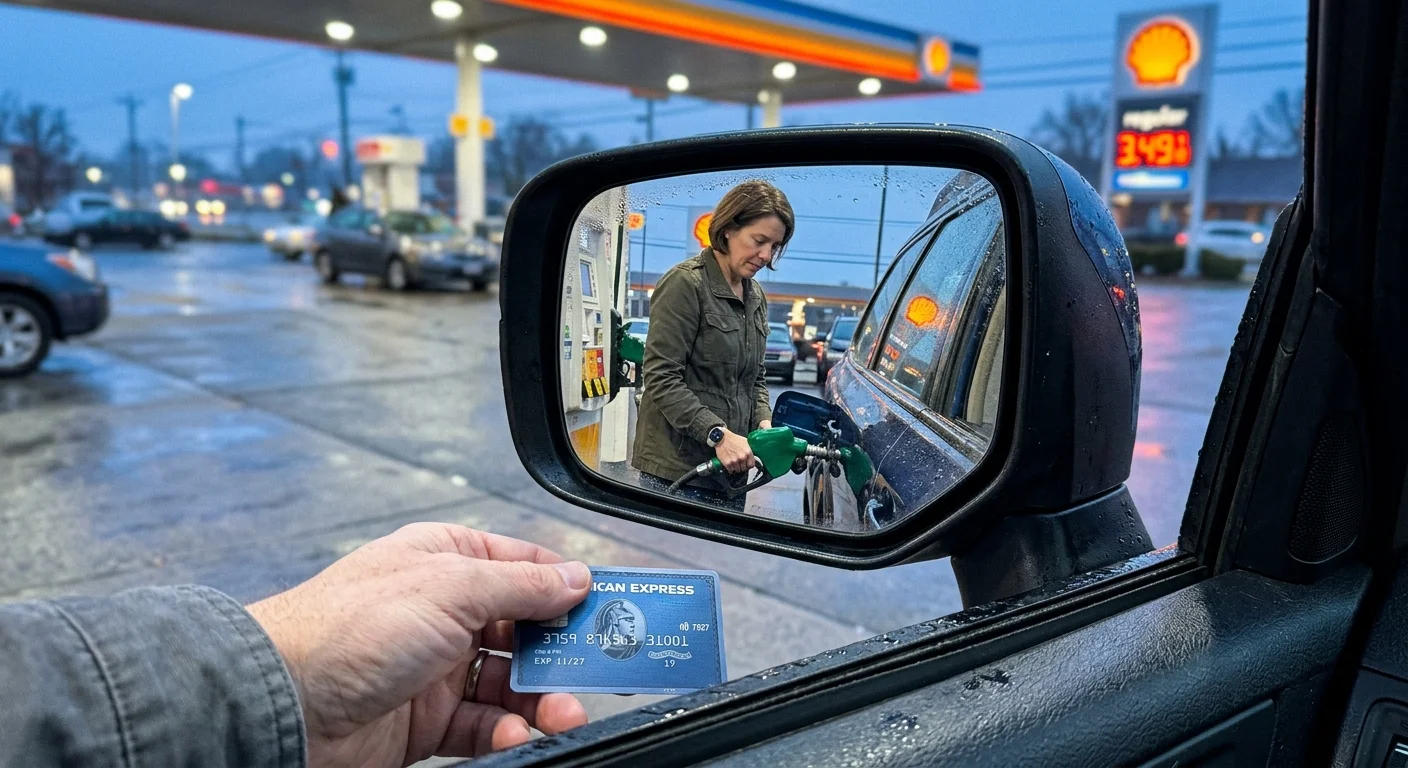
The most valuable credit cards in your wallet align directly with your highest recurring household expenses. Gasoline and weekly groceries absorb a significant portion of incoming paychecks. Leveraging store-branded cards that provide elevated cash-back tiers on these essential categories allows you to capture significant annual rebates.
The Costco Anywhere Visa Card by Citi functions as a powerhouse for drivers and families buying in bulk. It awards five percent cash back on gas purchases at Costco, four percent cash back on other eligible gas and electric vehicle charging up to seven thousand dollars per year, three percent back on dining and travel, and two percent on all Costco and Costco.com purchases. Paying zero annual fee beyond your paid Costco membership transforms regular commute costs into cash returns.
For Sam’s Club members, the Sam’s Club Mastercard delivers five percent back in Sam’s Cash on eligible gasoline purchases up to six thousand dollars spent per year, plus three percent back on dining spending. Pairing high fuel rebates with bulk grocery purchases keeps transportation costs manageable while building a cash-back reserve for future warehouse trips.
Online shoppers will find substantial value in the Prime Visa card. Eligible Prime members earn five percent cash back on Amazon.com and Whole Foods Market orders, two percent back at gas stations and restaurants, and one percent on all other purchases. Recent Federal Reserve consumer credit data confirms that managing household credit through targeted rebate cards helps consumers offset inflationary pressure on essential goods; applying five percent back on Whole Foods grocery runs or Amazon household goods provides continuous financial relief throughout the year.

Strategic Savings for Seniors: Stacking Store Perks with Loyalty Days
Older adults operating on fixed incomes must maximize every dollar spent on clothing, household supplies, and medical items. While seniors should approach store credit cards with healthy caution due to high interest rates, strategically combining card perks with dedicated senior discount programs creates an effective savings strategy.
Several national retailers offer specific discount days dedicated to older shoppers. Kohl’s provides a fifteen percent in-store discount every Wednesday for customers aged sixty and older. Stacking this age-based discount with earned Kohl’s Cash, promotional store coupons, and store credit card rewards can slice prices by thirty to forty percent on single transactions. The critical rule for seniors using this approach is paying for purchases immediately so interest charges never erode these stacked savings.
Furthermore, managing a low-limit store card provides older shoppers with exclusive promotional financing options for larger, unexpected purchases like winter coats or home linens. As long as you clear the invoice within the promotional period, you protect cash reserves without paying finance fees.
The Real-World Math Lab: Measuring True Card Value
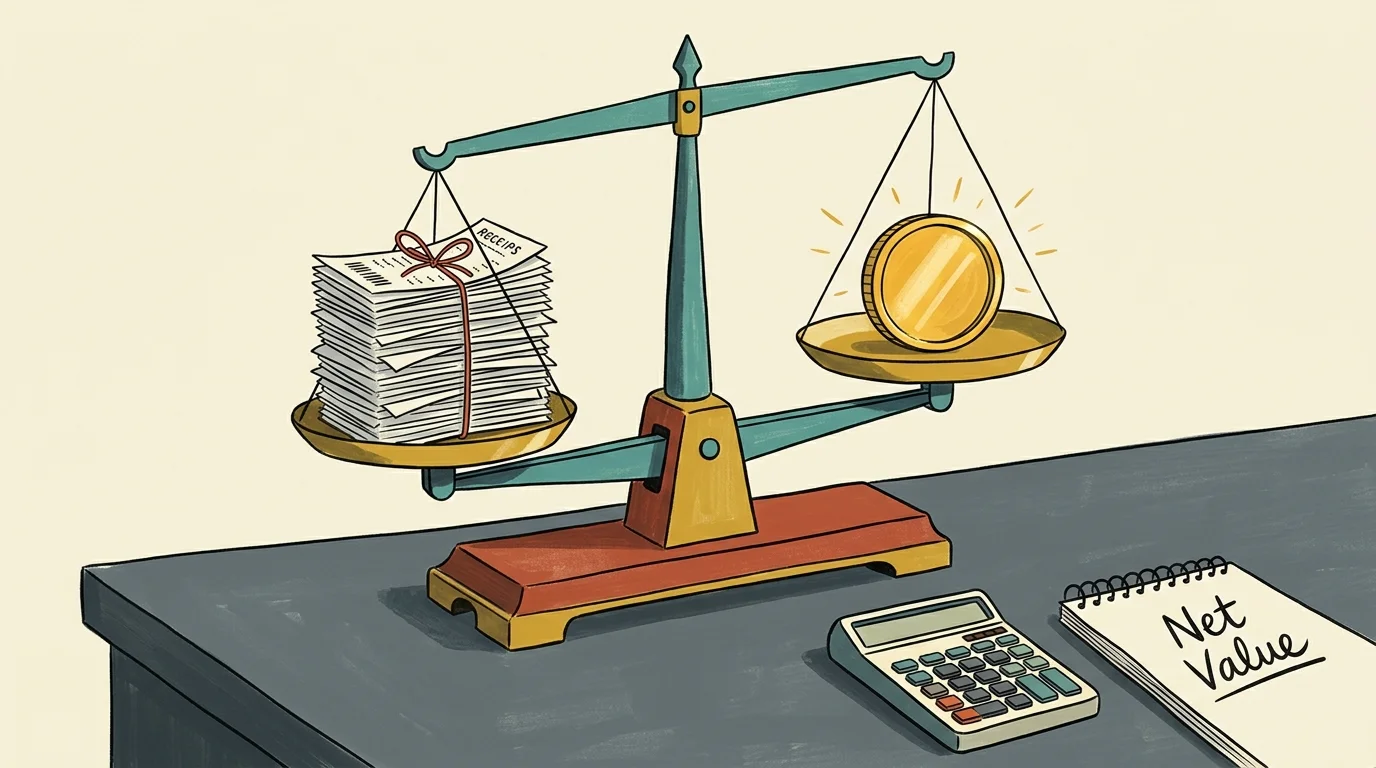
To determine if a store credit card belongs in your wallet, run the numbers against your actual spending habits. Consider a household spending two hundred fifty dollars per month on household essentials at Target. Over twelve months, spending totals three thousand dollars. Using the Target Circle Card for an instant five percent discount saves one hundred fifty dollars per year automatically without changing a single purchasing habit.
Next, examine fuel savings. A household spending two hundred dollars monthly on gasoline spends two thousand four hundred dollars annually. Utilizing the Costco Anywhere Visa Card or Sam’s Club Mastercard at five percent cash back returns one hundred twenty dollars directly to the family budget. Combining these card strategies yields two hundred seventy dollars in annual savings on routine spending you were going to do anyway.
However, the math flips rapidly if you carry a balance. Carrying a one thousand dollar balance on a retail card with an average interest rate of 30.14 percent costs over three hundred dollars in annual interest if you only pay the minimum balance. That single interest penalty completely wipes out the two hundred seventy dollars saved through cash-back perks and leaves you thirty dollars in debt. Store card rewards only work when you treat the card like cash and pay the balance to zero every month.
Guardrails and Pitfalls: Avoiding Retail Card Traps
Retail credit cards carry specific contractual features that can trap unwary cardholders. Understanding these mechanics prevents costly mistakes that damage your credit score and drain your savings.
The most dangerous trap is deferred interest promotions. Retailers often advertise zero percent interest for twelve months on large furniture or appliance purchases. Unlike true zero-percent APR credit cards, deferred interest clauses stipulate that if you fail to pay off the balance completely before the promotional window closes, the lender retroactively charges interest at thirty percent or higher on the entire original purchase amount back to day one. A single remaining dollar balance can trigger hundreds of dollars in retroactive interest.
Additionally, pay attention to the difference between store-only closed-loop cards and co-branded open-loop cards. Closed-loop cards only work inside that specific retailer’s store or website, while co-branded cards carry a Visa or Mastercard logo and work anywhere. Finally, retail cards often issue low initial credit limits, such as five hundred dollars. Charging four hundred dollars pushes your credit utilization ratio to eighty percent, which temporarily depresses your credit score until you pay the balance down.
Frequently Asked Questions About Retail Credit Cards
Does opening a store credit card hurt your credit score?
Applying for a store credit card triggers a hard inquiry on your credit report, which typically reduces your credit score by three to five points temporarily. Because store cards usually start with lower credit limits, charging high amounts on them can raise your credit utilization ratio. However, keeping your balance at zero and making on-time payments eventually helps improve your payment history and lowers your utilization over time.
What is the difference between a store-only card and a co-branded card?
A store-only closed-loop card can only be used at that specific retail chain or website. A co-branded card bears a payment network logo like Visa or Mastercard, allowing you to use it anywhere that network is accepted. Co-branded cards offer broader cash-back categories, while closed-loop cards restrict earnings exclusively to store purchases.
How do deferred interest promotions work on store cards?
Deferred interest promotions waive interest charges during a set promotional period. However, interest accrues quietly behind the scenes at the card’s standard rate. If you pay off the full balance before the deadline, no interest is charged. If any balance remains when the promotion expires, the lender retroactively charges all accrued interest from the original purchase date.
Can seniors stack store credit card discounts with senior savings days?
Yes, many retail chains allow customers to combine age-based discounts with store credit card benefits and promotional loyalty rewards. For example, older shoppers can combine a senior discount day percentage with cardholder reward earnings on the same transaction. Always confirm store policy at customer service to ensure maximum savings stacking on your purchases.
Your Actionable Next Steps
Take control of your retail spending tonight by auditing your bank statements from the last three months. Identify the top two retail stores where you spend the most money on groceries, hardware, and home essentials. If those retailers offer cards with guaranteed five percent cash back or instant register discounts, and you have the discipline to pay off the balance every week, applying can instantly unlock meaningful ongoing savings. Commit to setting up automatic full payments immediately so you capture every perk without ever paying high-APR interest.