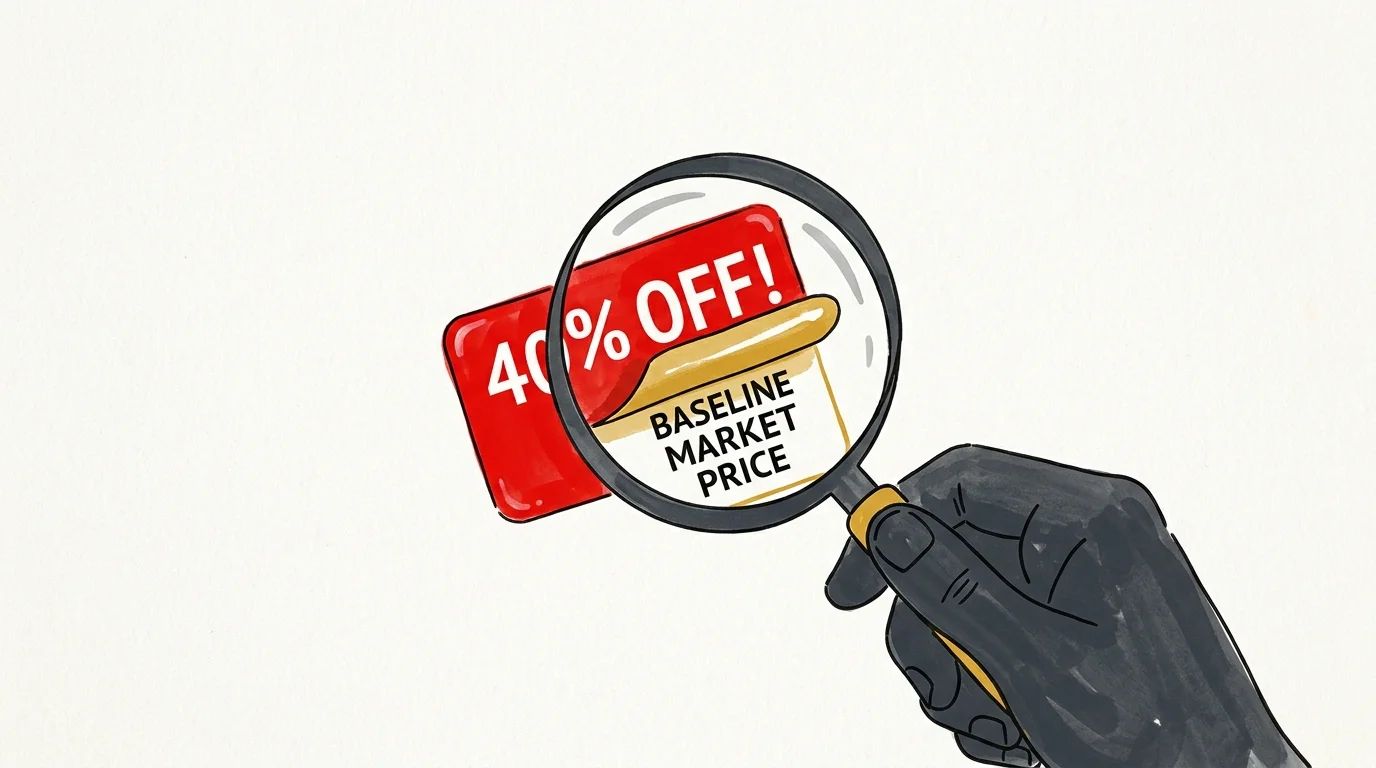
You can protect your hard-earned paychecks and dodge deceptively inflated retail price tags by mastering a few psychological and technical verification habits before clicking the checkout button. Retailers frequently manipulate original anchor prices to create a false urgency, convincing you that a dynamic 40 percent discount is a temporary steal when it actually represents the baseline market price. With consumer fraud losses exceeding $16 billion annually and online shopping scams ranking among the top reported financial traps, recognizing deceptive markup patterns gives you absolute control over your household wallet. Here is how you can systematically audit every promotional deal, verify historical pricing trends, and stop retail tricks from quietly eroding your monthly cash flow today.
The Hidden Economics of Artificial Price Drops
Middle-income households face continuous pressure to stretch every paycheck, making bargain hunting an essential survival strategy rather than a simple hobby. When you see a bold red badge proclaiming a massive price reduction, your brain releases dopamine, triggering an immediate impulse to secure the perceived savings before someone else claims them. However, behind that shiny digital banner lies a sophisticated ecosystem of dynamic pricing algorithms designed to exploit human psychology. Retailers understand that consumers rarely look past the slash-through list price, allowing companies to manipulate baseline costs without changing the actual value delivered to your doorstep.
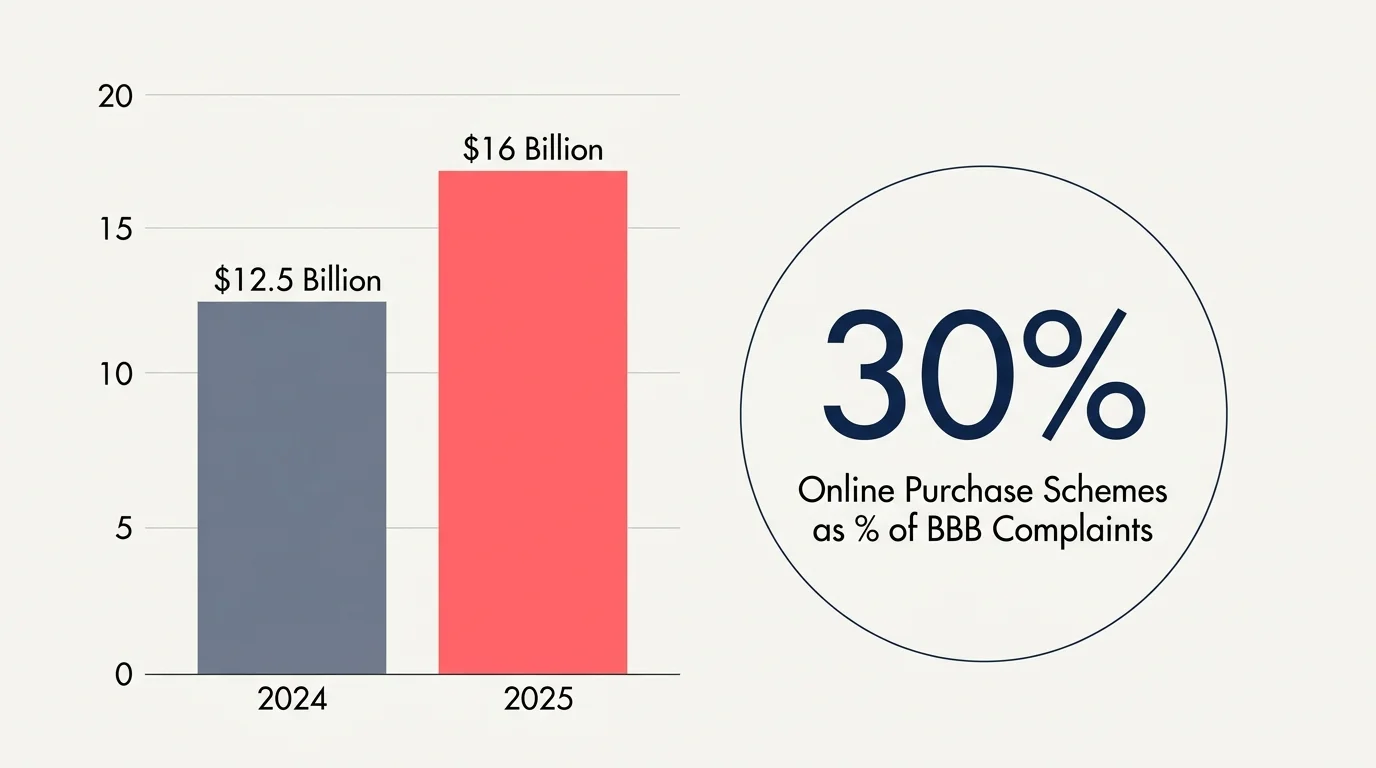
Recent economic updates highlight the growing scale of this marketplace problem. Annual data from government regulatory bodies indicates that total reported consumer fraud losses escalated from $12.5 billion in 2024 to $16 billion in 2025. Online shopping fraud consistently stands as the second most reported fraud category across the entire nation. Furthermore, statistical analysis of Better Business Bureau Scam Tracker reports reveals that online purchase schemes account for roughly 30 percent of all consumer complaints filed. When retailers trick you into believing an item is heavily discounted, you end up overspending on non-essential goods, draining cash that belonged in your emergency savings account or debt payoff fund.

7 Concrete Ways to Detect Fake Sale Price Tags
Protecting your budget requires transforming from a passive shopper into an active price auditor. By understanding how digital storefronts engineer fake bargains, you can quickly separate legitimate clearance events from predatory pricing tactics.
1. The Inflated Anchor Price Trick
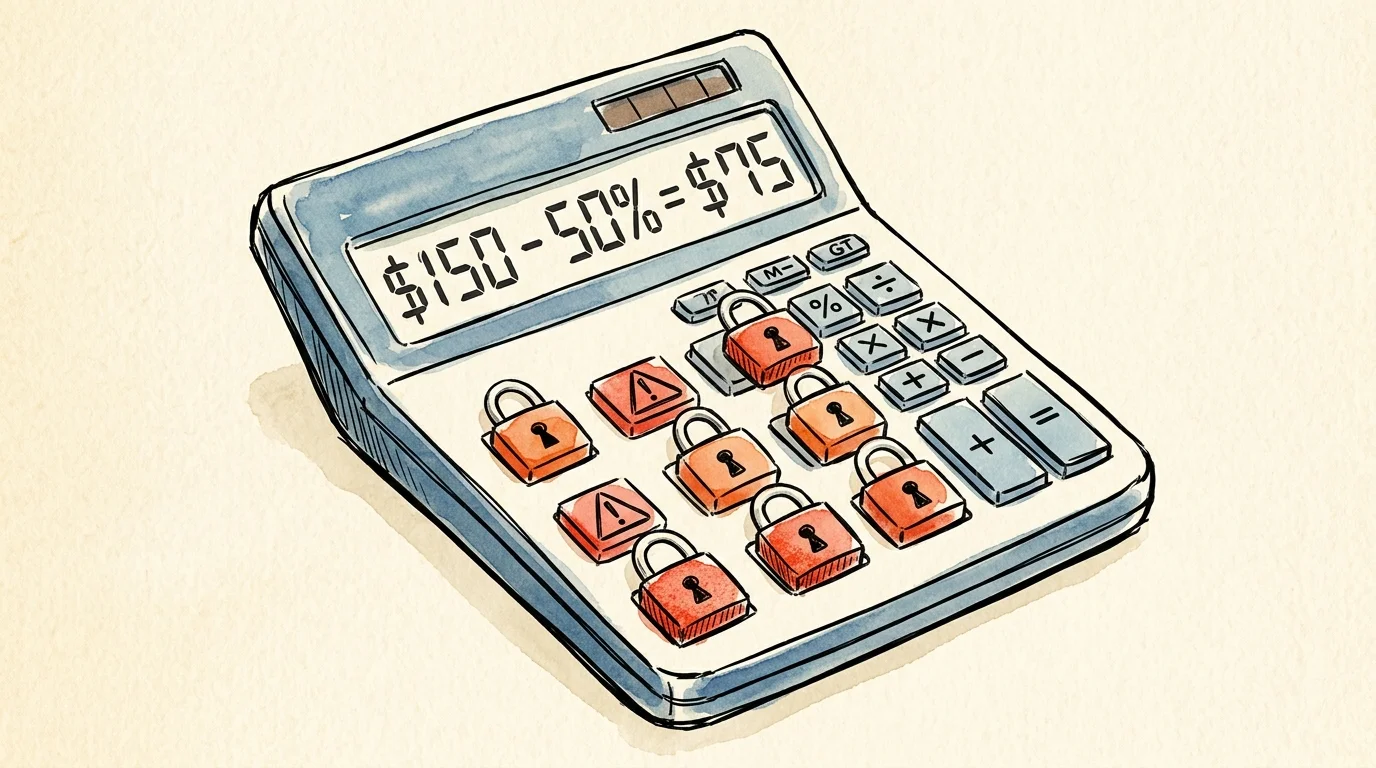
The most pervasive trick in digital commerce involves establishing an artificially high list price, commonly referred to as price anchoring. A merchant lists an everyday kitchen blender for $150, slashes that price with a dramatic red line, and advertises a special price of $75. While you might assume you are saving $75, the item may have never actually sold for $150 at any point in its product cycle. Under federal standards established by Federal Trade Commission guidelines on deceptive pricing (16 CFR Part 233), retailers are prohibited from citing fictitious former prices that do not represent genuine, regular market offerings. To spot this tactic, copy the exact model number and search across independent online merchants; if every competitor sells the product around $75 year-round, that original list price is entirely fabricated.
2. Suspicious Countertop Countdown Timers
If you visit a product page and encounter a prominent digital clock ticking down minutes and seconds, exercise immediate caution. Marketers build these dynamic countdown timers into storefront software to manufacture artificial scarcity and force impulse buying decisions. Behavioral economists refer to this phenomenon as the loss-aversion trigger; you become far more terrified of losing an illusory bargain than you are calculated about spending your hard-earned cash. You can test the authenticity of these timers simply by refreshing your browser in an incognito window or checking the page on a different device. In almost every deceptive instance, the timer instantly resets back to twenty minutes, proving the urgency was completely fake.
3. Unusually Low Prices on Social Media Advertisements
Scrolling through your favorite social media feeds often exposes you to targeted advertisements showcasing high-end electronics, branded apparel, or trending home goods at 80 percent discounts. According to long-term data gathered by consumer protection agencies, fully 40 percent of reported online shopping scams originate directly from social media advertisements, primarily on platforms like Facebook and Instagram. Fraudulent operators create temporary storefronts, purchase targeted ad placements, and upload stolen product photos to entice bargain hunters. When you click through, you often encounter clone websites that collect your credit card information while delivering knockoff goods or nothing at all. Always navigate directly to a brand’s verified website rather than purchasing through embedded social media browser windows.
4. Hidden Fees Added at Checkout
A discount is completely meaningless if the retailer recaptures their profit margins by padding the final invoice with unannounced processing charges, service surcharges, or inflated shipping costs. This bait-and-switch strategy hides the true price until the final payment screen, banking on the psychological commitment you made while filling out your shipping details. Fortunately, regulatory protections are expanding to combat this abuse; under Federal Trade Commission rules on mandatory price transparency (16 CFR Part 464), effective May 12, 2025, commercial vendors are legally banned from using hidden fees and must state total pricing upfront. If a digital cart suddenly adds mystery fees during the final step, cancel the transaction immediately; transparent businesses display total costs from the beginning.
5. Obscure Web Addresses and Copycat Branding
Cybercriminals routinely register domain names that closely mirror famous national retail brands, incorporating slight spelling variations, extra hyphens, or unusual domain extensions like .top or .shop instead of .com. These imposter storefronts duplicate official graphics, font styles, and promotional banners to make their fake 70 percent clearance events look authentic. Before entering sensitive financial information, closely inspect the browser address bar for subtle typographical errors. You can also verify domain registration dates using public WHOIS tools; if a supposed major discount outlet was registered just three weeks ago in an anonymous location, close the tab right away.
6. Missing or Fabricated Product Reviews
Legitimate product listings usually feature a wide distribution of verified customer reviews detailing both praise and minor flaws over an extended period. Fake discount sites, on the other hand, often present dozens of five-star reviews uploaded on the exact same date, written in repetitive, generic language that lacks specific detail. Alternatively, scam sites display hardcoded star ratings that are mere image files, meaning you cannot click on them to read actual feedback. Authentic customer experiences provide vital reality checks; if an item boasts a massive price cut but completely lacks candid consumer discussions, treat the deal as suspect.
7. Missing Benchmark Pricing Standards
Transparent market pricing requires clear baseline references so consumers can evaluate real value. In international markets, regulators have established strict structural protections; for example, under the European Union Price Indication Directive (Directive 2019/2161), retailers advertising a discount must explicitly display the lowest price charged for that item during the 30 days prior to the price reduction. While domestic U.S. stores operate under different mandates, you can apply this exact same 30-day evaluation rule yourself. If a store cannot demonstrate a consistent historical reference price, or if tracking tools show the item was priced lower last month, the advertised clearance sale is a complete illusion.
Real-World Case Study: The Action Lab Math Check
Let us examine how a simple mathematical audit can protect your household cash flow when evaluating online sales. Imagine you are browsing for a cordless vacuum cleaner that carries an advertised list price of $400, currently marked down by 50 percent to an enticing promotional price of $200. The banner boldly claims that you will save $200 if you purchase within the next three hours. Before pulling out your debit card, you spend two minutes conducting a historical price audit using basic web tools or historical pricing lookup sites.
Your audit reveals that over the past 90 days, the item actually sold for $210 during regular trading periods, $205 during a quiet mid-month promo, and was briefly listed at $400 for just two days before this clearance event was launched. Doing the math demonstrates that your true structural savings are not $200, but rather a modest $10 compared to the product’s real historical baseline. Furthermore, if you check competitor pricing, you find a higher-rated alternative brand selling for $180 every single day without promotional fanfare. By looking beyond the false 50 percent anchor tag, you prevent $200 from leaving your checking account for an impulse purchase, allowing you to redirect those funds toward high-interest debt payoff or monthly utility bills.

Common Pitfalls and Psychological Guardrails
Overcoming deceptive pricing requires managing your psychological reactions just as much as inspecting web code. The primary emotional trap that catches middle-income shoppers is the fear of missing out, often amplified by clever marketing cues like limited stock alerts or live purchase popups. To build effective guardrails against these triggers, implement a mandatory twenty-four-hour cooling period for any non-essential purchase exceeding fifty dollars. Taking a day to step away from the screen neutralizes the emotional impulse generated by fake timers and inflated anchors, giving your logical mind space to evaluate if the item fits your monthly budget.
Another critical pitfall is assuming that small unverified purchases on social media carry no risk because the dollar amount seems negligible. Buying three twenty-dollar impulse items a month based on misleading social media discount ads drains $720 from your household cash flow every single year. Instead of letting dynamic retail algorithms dictate your spending habits, set up automated transfer rules within your online bank account. According to Consumer Financial Protection Bureau financial planning resources, automating your savings removes personal daily friction, ensuring your discretionary income builds real net worth rather than funding retailer margin tricks.
Frequently Asked Questions About Online Discounts
How can I quickly check if an online sale price is genuine before buying?
You can quickly verify a discount by copying the exact product name or model number into an independent search engine to compare prices across multiple major retailers simultaneously. Utilizing free, reputable price-history tracking browser extensions or price comparison websites will instantly display a chart showing what the item cost over the previous three to twelve months, revealing whether the current deal is a genuine drop or an inflated markup.
Are browser extension price trackers safe for protecting my household data?
Most established price tracking extensions operating from official web browser store directories are safe, provided you choose extensions with millions of verified user reviews and transparent privacy policies. To maximize your online security, stick strictly to well-known price-monitoring tools, inspect the permissions required upon installation, and avoid downloading standalone browser extensions directly from unverified popup ads or unfamiliar shopping sites.
What legal rights do I have if a retailer changes the total price at checkout?
Federal standards prohibit retailers from engaging in deceptive pricing, bait-and-switch tactics, or adding mandatory hidden fees at the final payment screen. If a vendor suddenly inflates shipping charges, adds unexpected processing surcharges, or refuses to honor an advertised checkout price, you have the right to abandon the transaction and file an official consumer complaint with the Federal Trade Commission and your state attorney general’s office.
How do fake discounts hurt my household budget if I still got a good product?
Fake discounts harm your budget by inducing artificial purchase urgency, causing you to spend money on items you never originally intended or budgeted to buy. When an inflated anchor price tricks you into believing you are securing a rare deal, you reallocate cash flow away from critical financial priorities—such as emergency savings, retirement contributions, or debt reduction—for a product that carried zero actual net savings.
Taking Back Control of Your Monthly Cash Flow
Mastering the skill of spotting fake online discounts restores balance and intentionality to your household finances. Every time you cross-reference a slash-through price tag, pause before a ticking countdown clock, or bypass a flashy social media ad, you actively protect your hard-earned paycheck from predatory retail algorithms. Bargain hunting should empower your family budget, not deplete it through psychological traps and manipulated value propositions. Commit today to auditing your next three online purchases using historical price checks and cool-off periods; as you transform these audit steps into permanent shopping habits, you will watch your bank balance grow while enjoying total confidence in every true bargain you bring home.