
You can slash thousands of dollars from your annual household expenses simply by asking for lower prices on services you already use. Most consumers pay full sticker price because corporate billing systems rely on passive compliance.
The dirty secret of corporate pricing is that posted rates are opening offers, not permanent mandates. Behind every billing department sits a retention specialist trained to grant discounts to anyone who pushes back.
Learning how to negotiate bills turns routine phone calls into massive tax-free windfalls. Here are the most lucrative things you can negotiate right now to keep your hard-earned money where it belongs.

Tip #1: Credit Card Interest Rates
Credit card issuers want you to believe their annual percentage rates are etched in stone. You can save money by negotiating lower finance charges on accounts you already manage.
Data from LendingTree confirms that 76% to 83% of cardholders who asked for a lower interest rate received one. Lenders granted an average reduction between 6.3 and 6.7 percentage points.
With national credit card APRs hovering between 20% and 21.5%, that single adjustment can save you hundreds of dollars in finance charges. Call the customer service number on the back of your card and mention competitive balance transfer offers.
Tell the representative that you prefer staying with their bank, but another lender offered you a lower rate. Their retention software will instantly analyze your account and reveal the lowest rate the representative can approve.
Tip #2: Medical Bills and Hospital Charges
Medical pricing in America is notoriously arbitrary and opaque. You should never pay a hospital or provider balance without questioning the line items first.
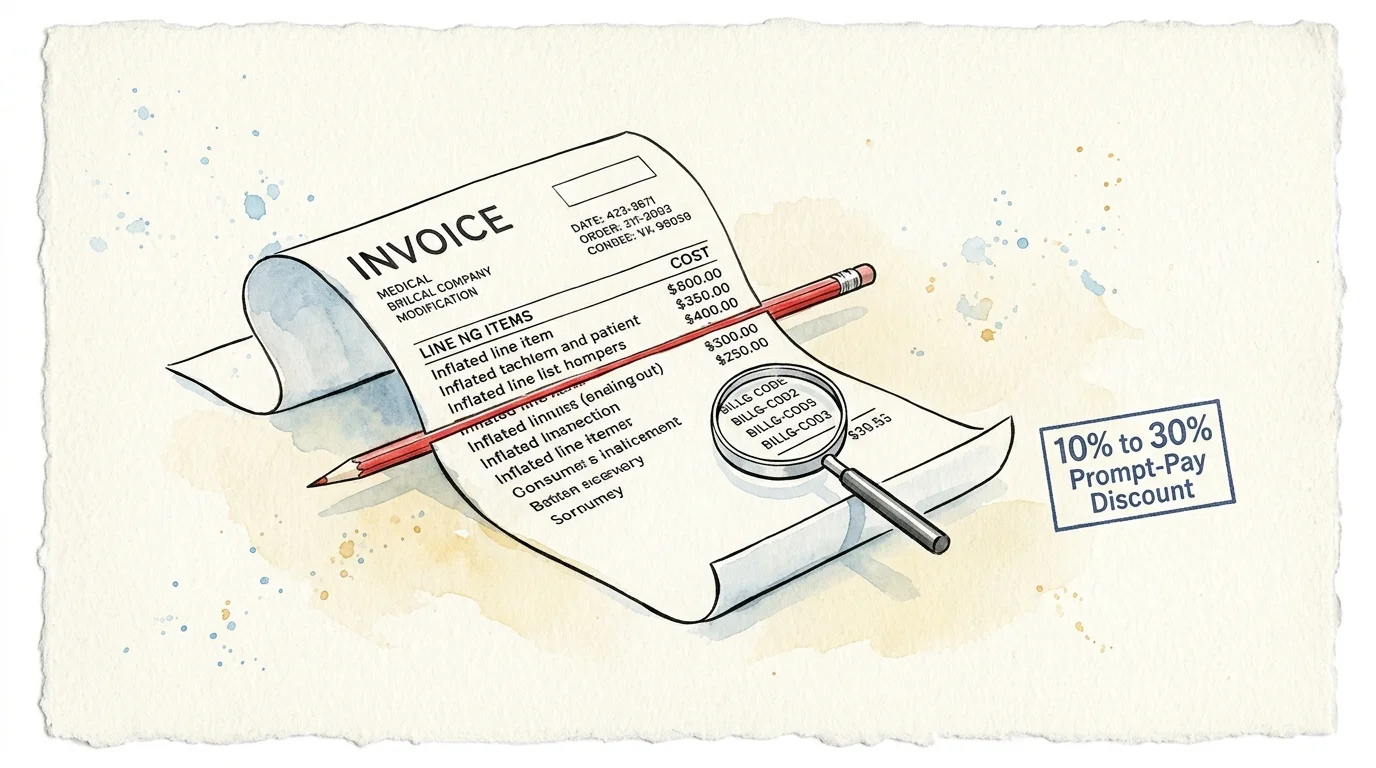
Billing audit analyses show that approximately 80% of U.S. medical bills contain errors. These mistakes include duplicate entries, incorrect diagnostic codes, and unbundled charges for services that should be billed together.
Always request an itemized billing statement that displays exact billing codes before you pay. Questioning unverified charges immediately forces the billing department to correct erroneous entries.
Once the bill is accurate, ask the hospital for a prompt-pay or self-pay cash discount. Settling the balance immediately with a single payment routinely yields an instant 10% to 30% reduction.
Tip #3: Broadband and Cable Bills
Telecom companies count on consumer inertia to raise prices gradually each year. Once your introductory contract expires, your monthly bill quietly jumps by double digits.
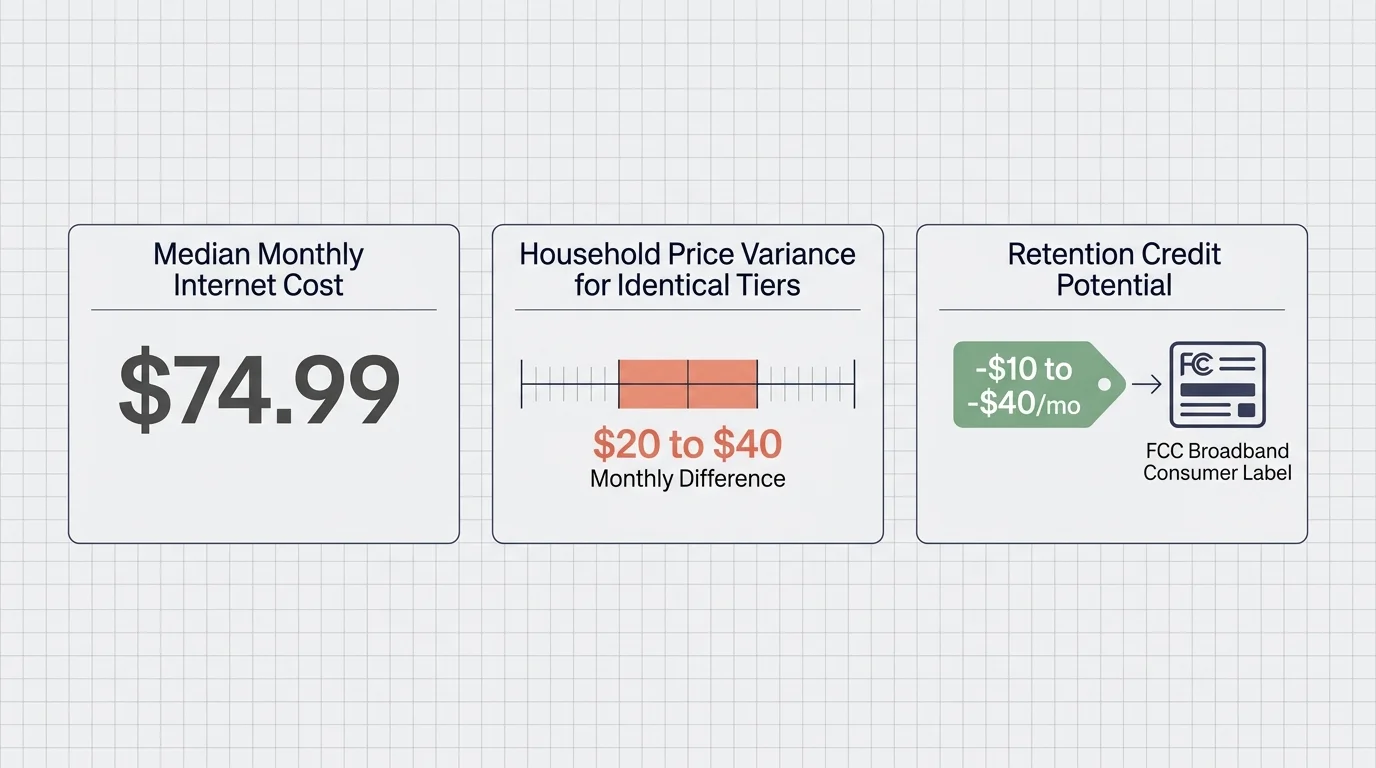
A Consumer Reports analysis of over 22,000 bills revealed a median internet cost of $74.99 per month. However, households with identical service tiers often paid differences of $20 to $40 every month.
Call your provider and ask to speak directly with the customer retention department. Mention competing local fiber or 5G home internet plans to establish leverage during the conversation.
Retention specialists have pre-authorized promotional credits designed to stop you from canceling. A quick, polite conversation routinely shaves $10 to $40 off your monthly bill.
Use the federally mandated FCC Broadband Consumer Labels to compare exact equipment fees and hidden surcharges. These standardized labels give you direct proof of competing offers when you negotiate.

Tip #4: Apartment Rent and Lease Terms
Most renters assume their lease agreement is a rigid, non-negotiable legal contract. Yet landlords face significant turnover costs whenever an apartment sits vacant between tenants.
Survey data from Apartments.com indicates that 47% of renters never even attempt to negotiate their lease terms. Those who do speak up achieve positive results roughly 32% of the time.
Successful renters secure lower monthly base rent, waived administrative or pet fees, or free parking spaces. You can also negotiate concessions like a free month of rent in exchange for signing an extended lease.
Research comparable rental listings within a two-mile radius before your renewal notice arrives. Present this localized data to your property manager to justify a frozen or reduced rental rate.
Tip #5: Credit Card Annual and Late Fees
Paying penalty fees or high annual costs on credit cards is often completely optional. Banks prioritize account retention over collecting an isolated penalty fee from a reliable customer.
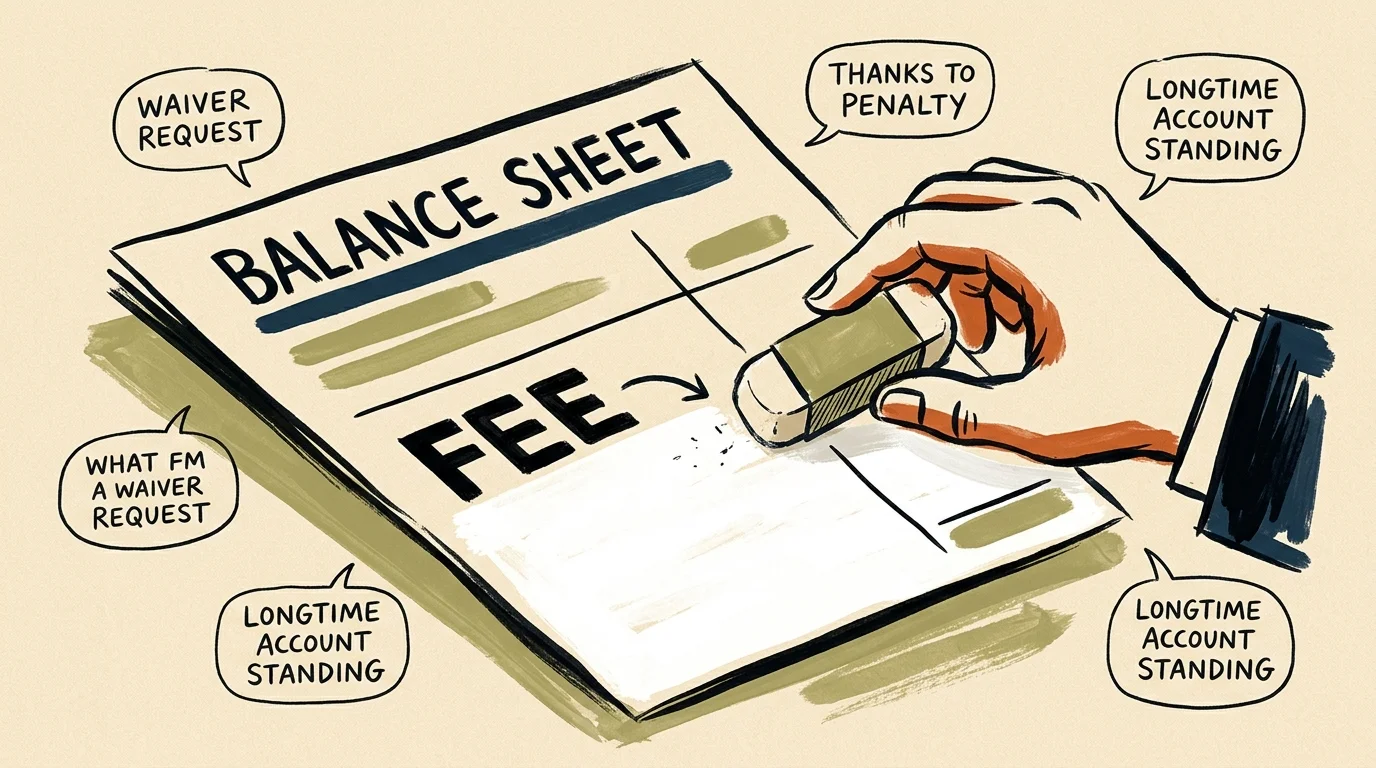
Industry studies reveal that 89% to 90% of cardholders who ask to waive a late payment fee succeed. Most major card issuers maintain internal courtesy waiver policies for cardholders who ask.
Annual credit card fees are equally flexible when renewal time approaches. Between 90% and 95% of cardholders who challenge an annual fee receive either a full waiver or a statement credit.
Call customer service and state clearly that the annual fee outweighs the value you receive from the card. The representative will frequently present a retention bonus or statement credit to offset the entire charge.
Tip #6: Retail Floor Models and Open-Box Goods
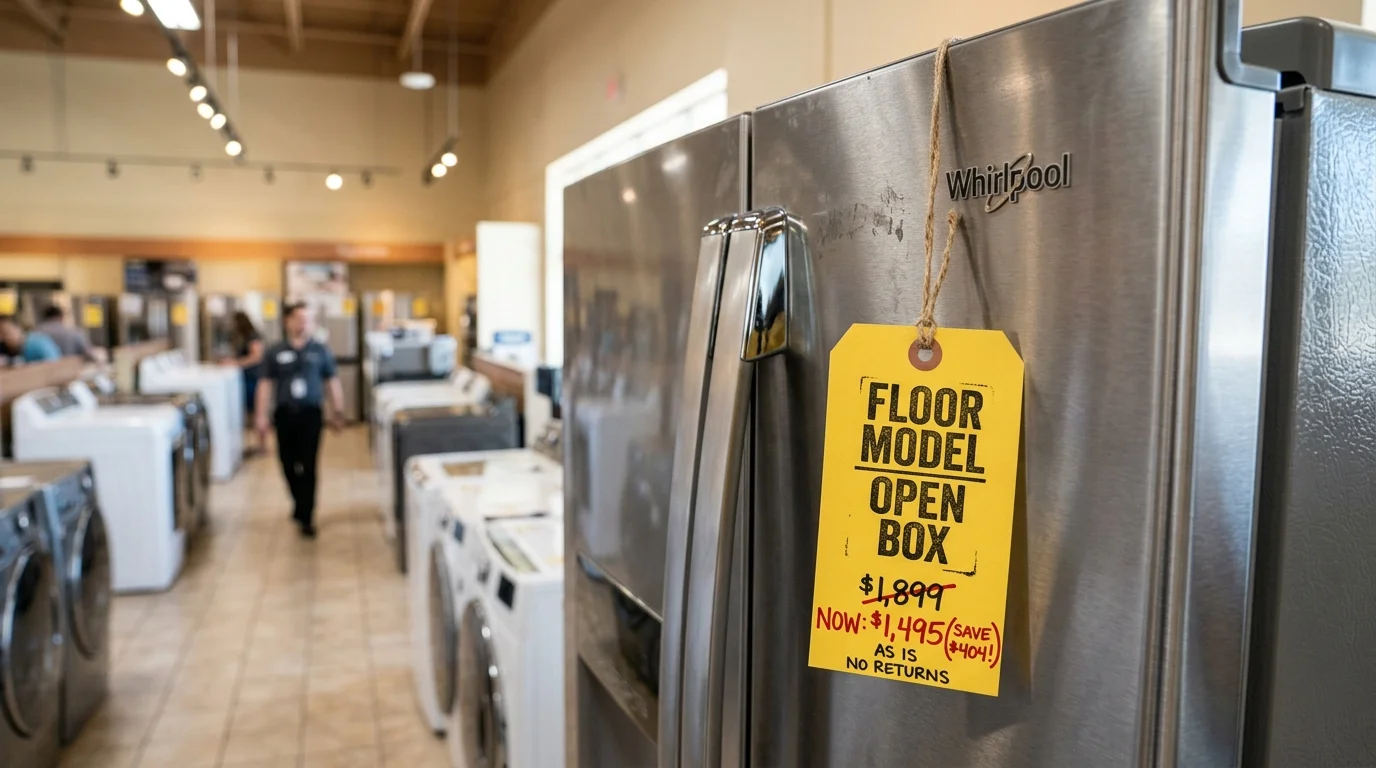
Major retail chains carry merchandise that cannot be sold at standard full retail prices. Display units, returned items, and slightly scuffed appliances consume valuable floor space that managers must clear.
Retailers like Best Buy, Home Depot, and Lowe’s give store managers discretionary pricing authority. Managers routinely discount floor displays, open-box merchandise, or cosmetically blemished inventory by 10% to 25% on request.
Inspect floor display appliances or television models for minor scratches, missing packaging, or shelf wear. Politely ask a department manager what discount they can offer to take the item off their hands today.
Offering to haul the item away immediately removes an inventory headache for the store manager. You walk away with fully functional merchandise at a massive clearance-level discount.
Tip #7: Gym Memberships and Sign-Up Fees
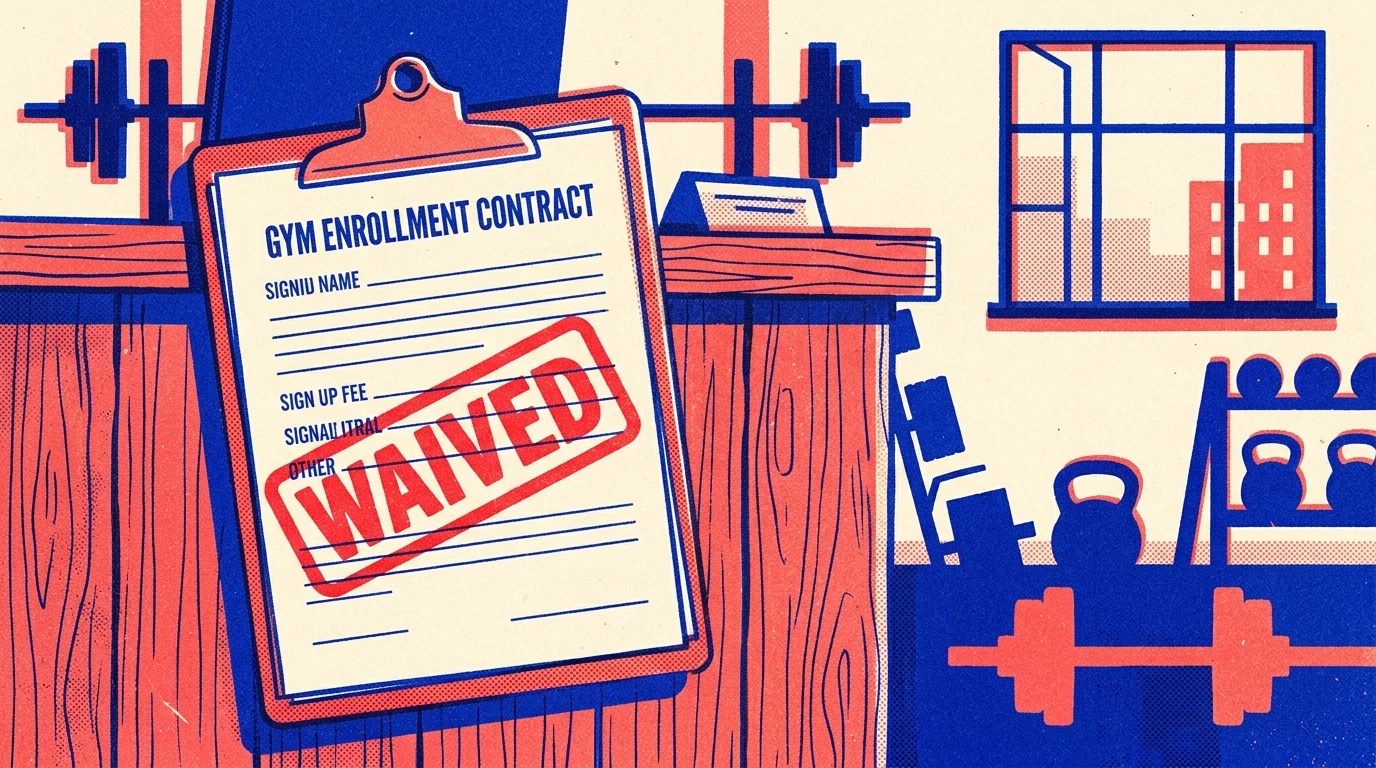
Fitness centers rely on high-pressure sales tactics and complex fee schedules to maximize revenue. The posted initiation fees and processing charges are virtually always negotiable.
Sales representatives at commercial gyms often work on monthly sign-up quotas. They possess broad leeway to waive initiation fees entirely if it means closing a membership agreement today.
Never pay upfront enrollment charges when joining a new gym. Tell the salesperson that you are ready to sign immediately, but only if they eliminate all administrative and registration fees.
You can also ask for complimentary months, guest passes, or discounted personal training sessions. If you pay an entire year in advance, push for a minimum 15% discount on the total package.
Tip #8: Auto Insurance Premiums
Auto insurance providers rarely reward long-term loyalty with automatic price cuts. Instead, insurers use complex algorithms that gradually raise rates on policyholders who never shop around.
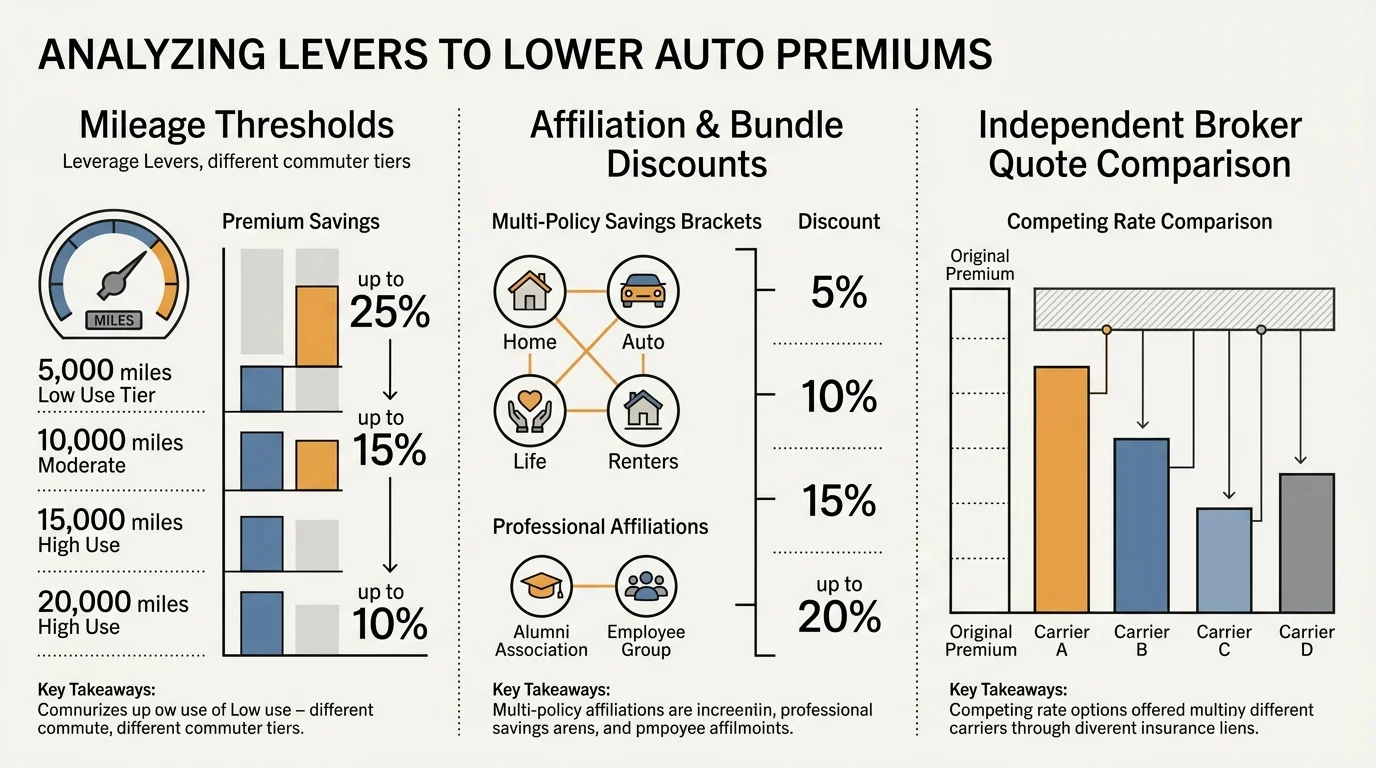
Call your insurance agent annually to review every line item on your declaration page. Ask about unapplied discounts for low annual mileage, remote work, safe driving apps, or defensive driving certifications.
Many drivers commute significantly fewer miles than their policies assume. Lowering your declared annual mileage tier can reduce your collision and comprehensive premiums immediately.
Gather two competing insurance quotes online before you place the call. Insurers will often adjust your risk tier or match lower competitor rates to keep your business on their books.

Tip #9: Home Contractor and Remodeling Quotes
Hiring contractors for home repairs or renovations often involves massive price variations. Standard contractor bids include generous profit margins, contingency buffers, and equipment markup.
Always request an itemized estimate that separates labor costs from materials charges. This transparency allows you to identify where the contractor padded their numbers.
Offer to purchase materials directly using your own credit card to avoid retail markups. You can also negotiate a cash discount or agree to flexible scheduling during the contractor’s slow winter season.
Contractors prefer predictable work schedules that fill gaps between larger projects. Offering flexible completion dates gives you powerful leverage to negotiate 10% to 20% off the total labor bid.
Tip #10: Veterinary Care and Pet Prescriptions
Pet owners routinely accept hefty veterinary bills without realizing how much pricing flexibility exists. Veterinary clinics markup pharmaceuticals significantly above standard retail pharmacy rates.
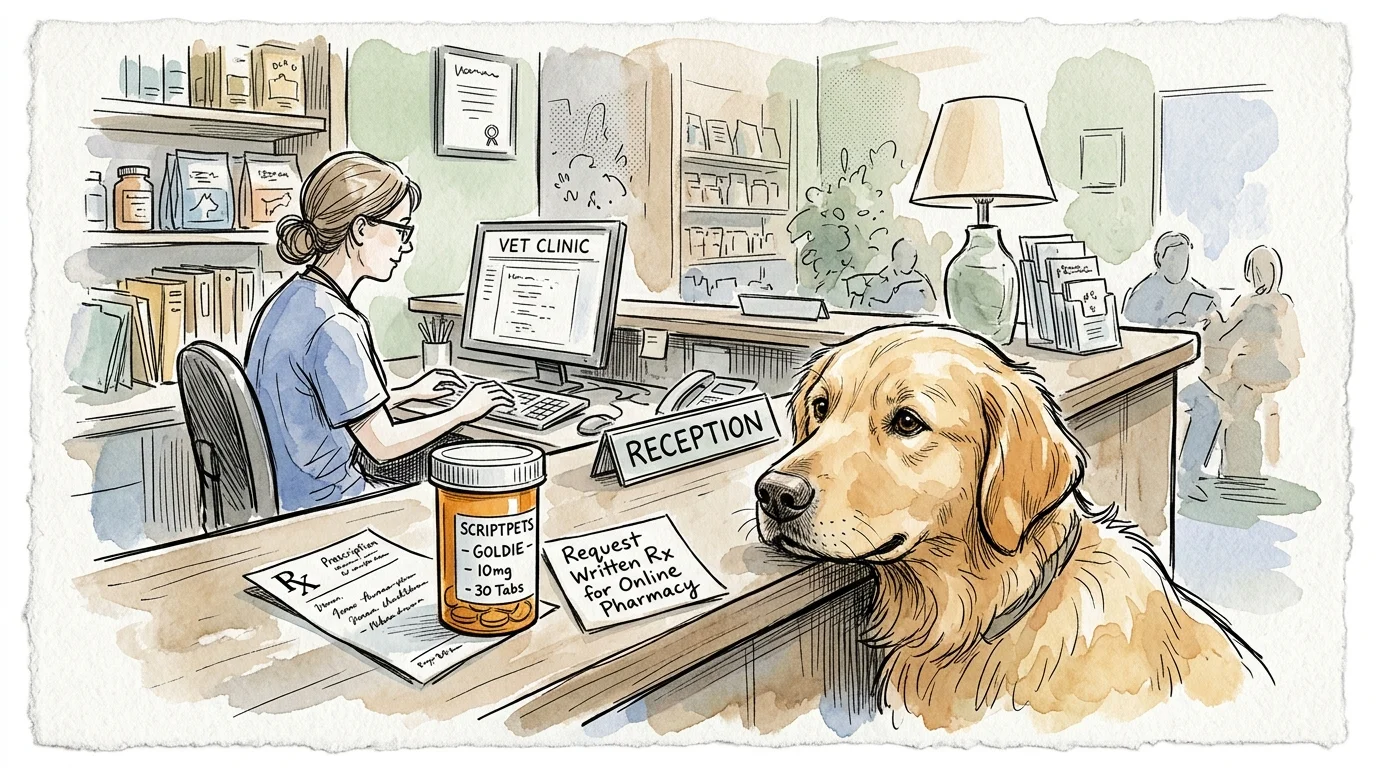
Many pet medications are identical to human drugs manufactured in the exact same dosages. Ask your veterinarian for a written prescription that you can fill at a regular human pharmacy or licensed online pet retailer.
Filling pet prescriptions through retail pharmacies can lower your medication expenses by 50% or more. Many grocery store pharmacies even include common pet antibiotics on their low-cost generic lists.
For dental cleanings or non-urgent elective procedures, inquire about package rates or upcoming promotional clinics. Many veterinary offices offer designated discount months for specific preventative care treatments.

Tip #11: Self-Storage Unit Rates
Self-storage fees are classic examples of things people don’t realize are negotiable until price hikes hit. After a few months, operators steadily hike monthly rates knowing most customers dread moving their possessions.
You do not have to accept these arbitrary price increases passively. Check the storage facility’s website to see the current introductory rate they offer to brand-new customers.
Call the facility manager and ask them to match that published promotional rate. Inform them that you are comparing nearby competing facilities and are prepared to rent a moving van.
Storage managers want to avoid empty units that produce zero revenue. They will frequently freeze your current rate or apply courtesy credits rather than lose an active paying renter.
Tip #12: Furniture and Mattress Showroom Tag Prices
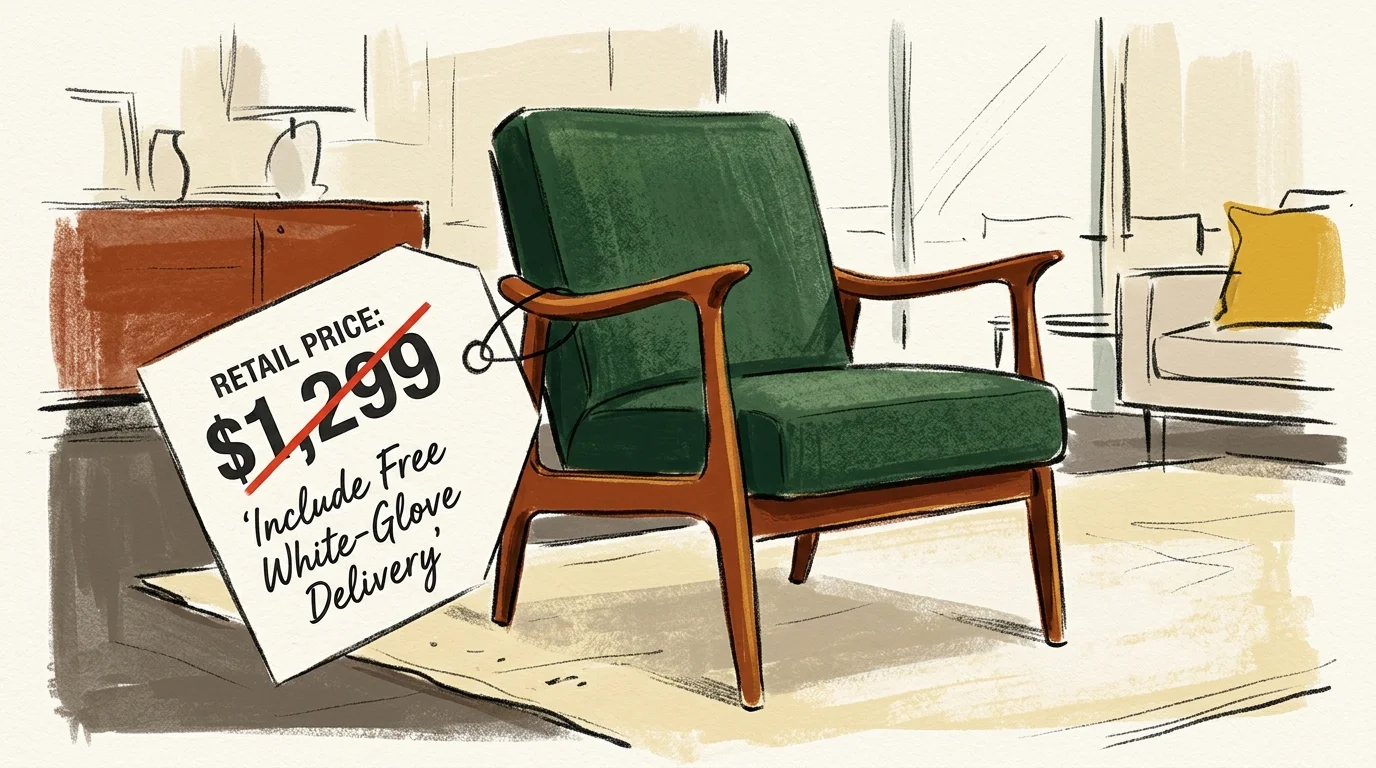
Furniture and mattress stores operate on some of the highest retail markups in the consumer economy. Tag prices on showroom floors regularly feature markups between 40% and 60% over wholesale costs.
Sales associates on showroom floors work almost exclusively on commission. Because their earnings depend on closing sales, they expect knowledgeable buyers to negotiate on major furniture purchases.
Never pay the posted retail price for a sofa, dining set, or mattress set. Start your negotiation by asking for a 20% discount off the tagged showroom price.
If the salesperson refuses to reduce the base price, negotiate high-margin add-ons instead. Demand free white-glove delivery, removal of your old mattress, or an extended protection warranty at no extra charge.
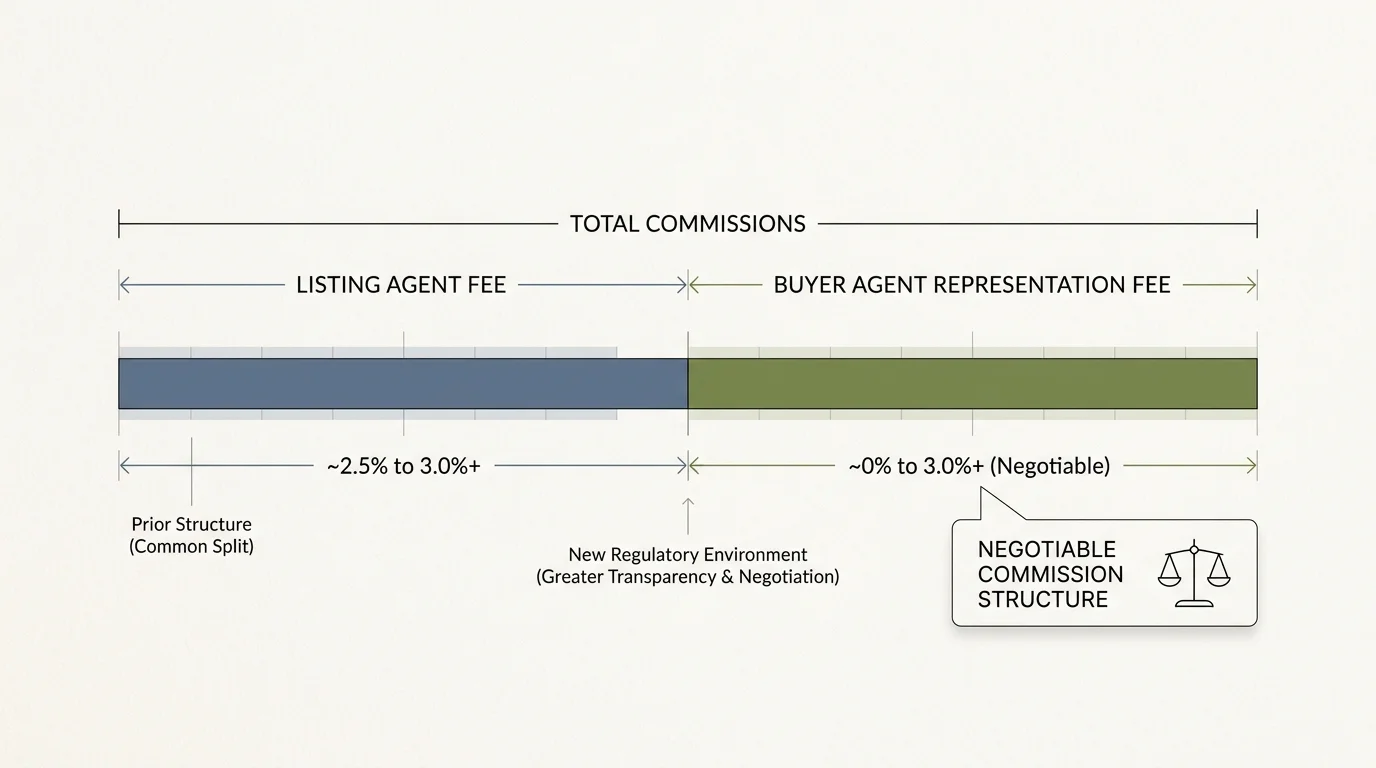
Tip #13: Real Estate Agent Commissions
Selling a home is one of the largest financial transactions you will ever execute. Accepting standard commission rates without negotiation can cost you tens of thousands of dollars in equity.
Recent legal settlements involving the National Association of Realtors have transformed real estate commission structures. Listing commissions and buyer-broker fees are completely negotiable under federal antitrust rules.
Interview at least three competing listing agents before signing a broker representation agreement. Challenge agents to lower their listing commission from the traditional 3% down to 1.5% or 2%.
In a competitive housing market, high-volume real estate agents gladly accept reduced commission percentages to secure premium listings. That single conversation preserves massive amounts of home equity in your pocket.

Tip #14: Eyeglasses and Prescription Frames
The optical hardware market is largely dominated by a few massive corporate conglomerates. This concentrated control leads to inflated markups on designer frames, scratch-resistant coatings, and high-index lenses.
Independent optometrists and chain optical stores maintain substantial profit margins on designer frames. Many optical shops will match lower online prices or offer discounts if you do not use vision insurance.
Always request a physical copy of your eyeglass prescription, including your pupillary distance measurement. Eye doctors are legally required by federal law to provide your prescription upon request without extra fees.
Armed with your complete prescription, you can buy identical quality glasses from certified online optical retailers. This simple move bypasses showroom retail markups and saves you hundreds of dollars per pair.
Tip #15: Bank Account Fees and Wire Charges
Commercial banks collect billions of dollars annually from nuisance fees levied against account holders. These expenses include monthly maintenance charges, out-of-network ATM fees, and domestic wire transfer costs.
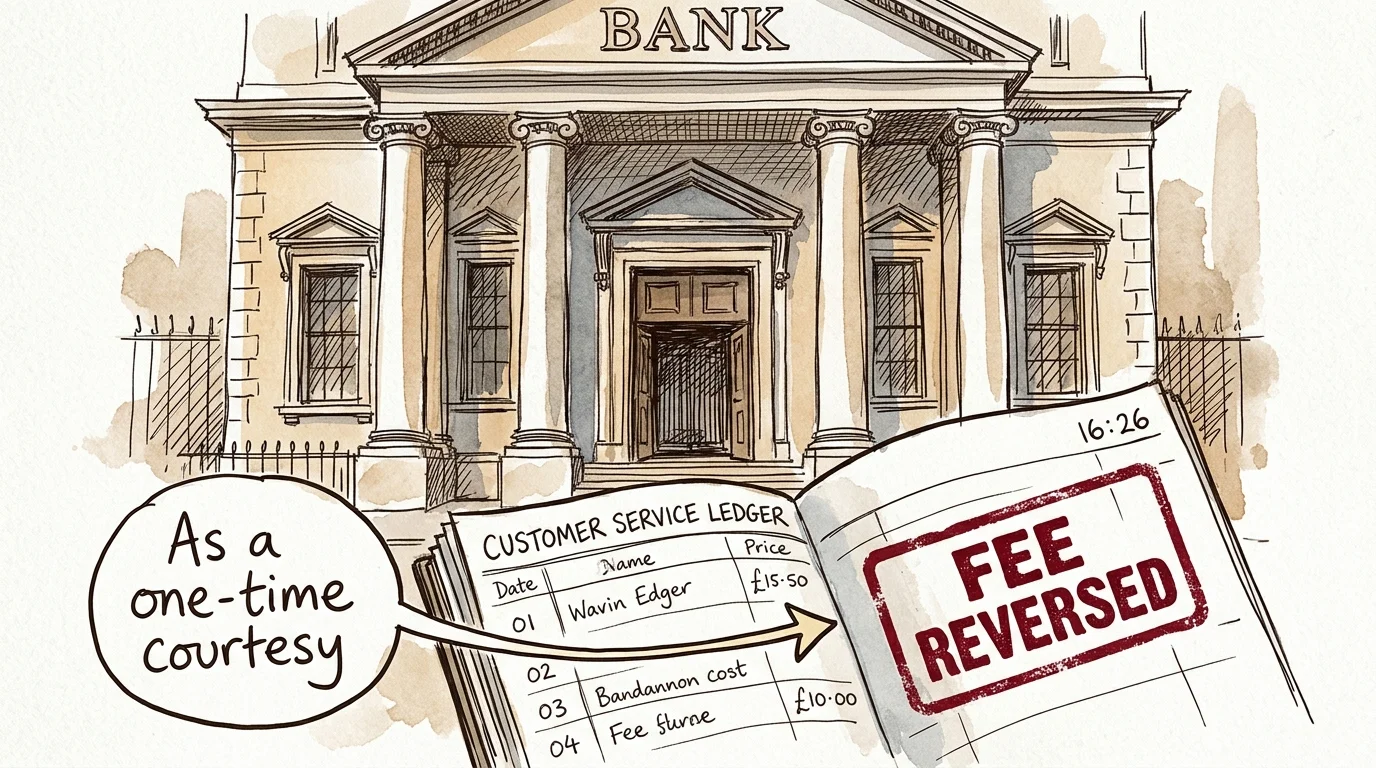
Retail banking branches are empowered to waive administrative fees to maintain positive customer relationships. If an unexpected service charge hits your statement, call customer support or visit your local branch immediately.
Ask the representative for a courtesy refund of the fee as an established, loyal customer. Representatives will almost always wipe the fee clean if you do not have a history of frequent violations.
If you regularly send wire transfers, ask your relationship manager to waive the outgoing transfer fees. Banks routinely grant fee-free wire transfers to retain clients with healthy depository relationships.

The Bottom Line: What This Means for Your Wallet
Corporate billing systems rely on consumer complacency to extract maximum profit from routine services. When you remain passive, you pay a heavy financial penalty that quietly drains your savings account.
Applying practical everyday negotiation tips does not require aggressive confrontation or awkward social arguments. Professional, polite persistence paired with competitive market data is all you need to command lower prices.
Treat every recurring bill and major purchase as an ongoing business partnership. Whenever a company senses that you know your options, their pricing flexibility expands dramatically.
Pick two bills from this list and make those phone calls this week. The cumulative financial savings will put thousands of dollars back into your personal budget every single year.
Frequently Asked Questions
Will asking for a lower price hurt my credit score or cancel my service?
No. Inquiring about lower rates or courtesy fee waivers never impacts your credit score.
Customer service representatives want to retain your business and will never cancel your account simply because you asked for a discount.
What should I do if the first customer service representative says no?
Politely thank the representative, end the call, and try calling back later to reach someone else.
Different customer support agents have varying levels of experience, empathy, and discretionary discount authority.
How often should I negotiate my recurring household bills?
Review and negotiate your recurring utility, telecom, and insurance bills at least once every twelve months.
This annual audit prevents promotional rates from expiring quietly into expensive default pricing tiers.
Do I need an exceptional credit score to negotiate my interest rates?
Not necessarily. While prime credit scores give you greater leverage, lenders regularly cut rates for cardholders with fair credit.
As long as you demonstrate consistent on-time payment records over the past year, representatives have room to negotiate.
For consumer protection information, visit the Federal Trade Commission (FTC) and the Consumer Financial Protection Bureau (CFPB). For product safety and reviews, consult Consumer Reports.
Disclaimer: This article is for informational purposes only and does not constitute financial advice. The content reflects the author’s opinion and research at the time of writing. Always do your own research before making financial decisions.