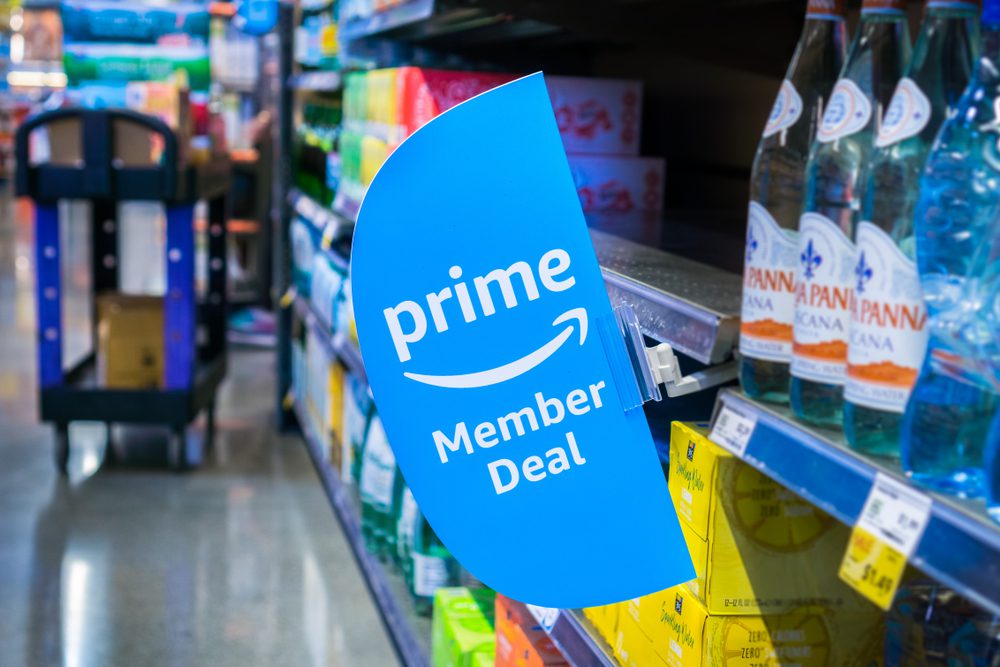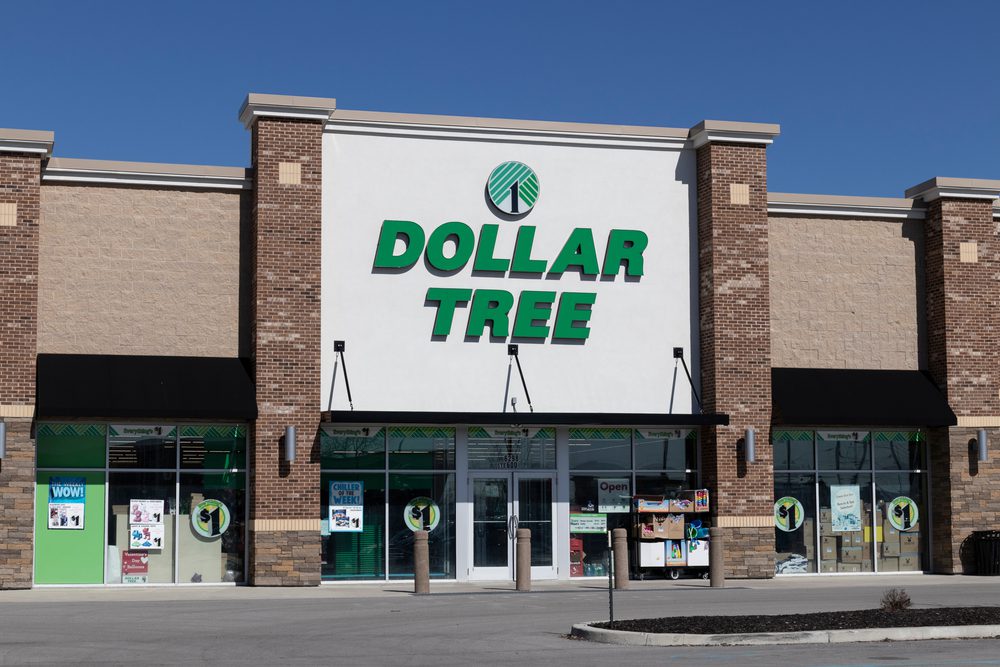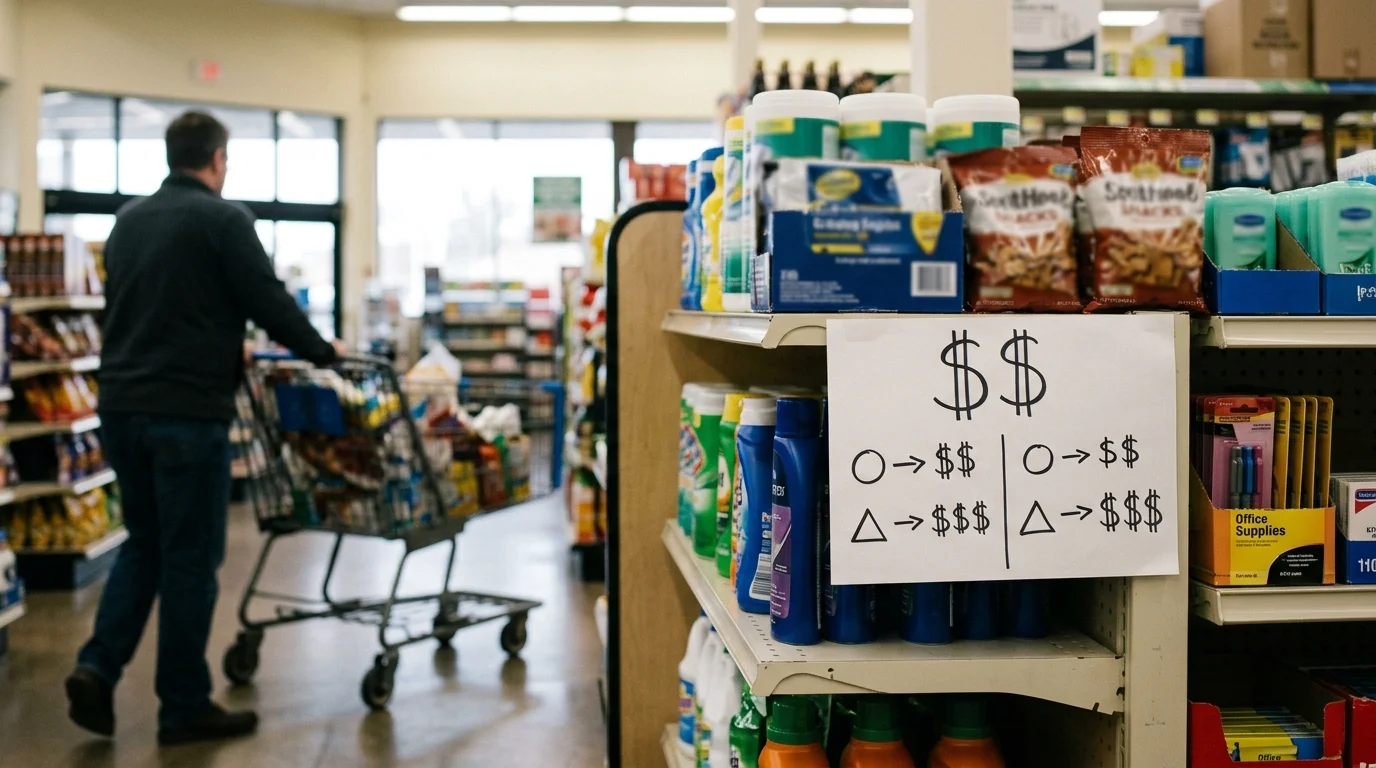
Stretching your household budget requires knowing exactly which store offers the best value for your everyday essentials. While massive supercenters dominate the retail landscape with promises of unbeatable prices, a strategic trip to the discount aisle yields significantly deeper savings. Inflation continues to erode purchasing power, making every dollar count more than ever. If you blindly toss basic staples into your massive blue shopping cart without comparing unit costs, you leave serious money on the table. Shifting a handful of specific purchases from giant retailers to neighborhood discount stores effortlessly injects extra cash into your monthly budget. By targeting eight specific items at the dollar store, you can consistently beat supercenter prices and keep more of your hard-earned paycheck.

The State of the Wallet: Why Store Hopping Matters Now
Managing a middle-income household today feels like walking a financial tightrope. Your paycheck arrives, but before you can even allocate funds toward your savings goals, the basic cost of living devours the bulk of it. Grocery and household supply bills represent some of the largest flexible expenses in your monthly budget, which means they also offer the greatest opportunity for immediate optimization. Retail giants capitalize on your fatigue; they know that once you park your car and walk through their sliding glass doors, you value convenience over absolute savings. You toss everything from groceries to greeting cards into one cart simply to save twenty minutes of driving.
That premium on convenience drains your wealth one subtle overcharge at a time. According to recent reports on the economic well-being of households, many consumers struggle to cover unexpected expenses because small, recurring leaks constantly drain their primary checking accounts. You cannot easily negotiate your mortgage or slash your car payment, but you exercise total control over where you purchase your household inventory. By breaking the habit of the single-stop shopping trip, you instantly reclaim a portion of your income. It requires a slight shift in your weekly logistics—perhaps adding one extra stop on your commute home—but the return on the time invested consistently outpaces the effort.

Strategy Pillar 1: Reevaluating Your Household Supply Run
The first step in executing a smarter shopping strategy involves auditing the items you purchase for special occasions and seasonal events. Retailers mark up paper goods and decorative items exponentially because they associate these products with emotional spending. When you buy a gift for a loved one, you naturally want the presentation to look impressive, which blinds you to the fact that you just spent an hour’s wage on cardboard and paper that will end up in a recycling bin. Discount stores excel in this specific category, offering identical functionality at a fraction of the price.
1. Greeting Cards for All Occasions
Purchasing greeting cards at a major supercenter often triggers unexpected sticker shock. You pull a beautifully designed birthday card off the rack, flip it over, and discover a price tag of four to six dollars. If you attend several weddings, birthdays, and baby showers throughout the year, this single expense quietly siphons hundreds of dollars from your budget. Dollar Tree dominates this category by offering an expansive selection of high-quality greeting cards—often produced by major manufacturers—for just fifty cents to a dollar each. You secure the same heartfelt sentiment, the same heavy cardstock, and the same elegant foil details, but you retain five dollars in your wallet every single time you celebrate a milestone.
2. Gift Bags and Wrapping Paper
Gift presentation creates a temporary visual impact that vanishes the moment the recipient tears the paper away. Spending five dollars on a branded gift bag and another three dollars on matching tissue paper at a supercenter constitutes a direct assault on your discretionary funds. Dollar Tree features aisles dedicated to varying sizes of durable, visually appealing gift bags, holographic wrapping paper rolls, and massive multipacks of tissue paper. The structural integrity of a discount store gift bag easily rivals the expensive alternatives, and you can outfit an entire holiday season of presents for the cost of wrapping just two gifts at a big-box retailer.

Strategy Pillar 2: Finding Surprising Savings on Entertaining and Essentials
Hosting family gatherings, weekend barbecues, or children’s birthday parties frequently causes your monthly grocery budget to spike. When you navigate the wide aisles of a massive supercenter, the appealing end-cap displays encourage you to buy premium disposable items. However, clever households understand that entertaining does not require overpaying for items engineered to be thrown away. You must compartmentalize your shopping list, buying your fresh ingredients at your preferred grocery store while securing the infrastructure for your party at the discount retailer.
3. Party Supplies and Helium Balloons
Walking into a party store or a supercenter to purchase helium balloons quickly turns a modest celebration into a significant financial commitment. Mylar balloons at larger retailers regularly cost between four and eight dollars each before you even factor in the cost of inflation. Dollar Tree consistently offers inflated, full-sized Mylar balloons for a fraction of that cost. Whether you need numbers for a milestone birthday or licensed characters for a child’s party, you can build a massive, impressive balloon bouquet at the dollar store for the cost of a single premium balloon elsewhere. Furthermore, their inventory of disposable tablecloths, colorful streamers, and themed paper plates perfectly matches the quality of supercenter brands.
4. Disposable Aluminum Roasting Pans
Preparing a holiday feast or a large neighborhood potluck involves enough stress without worrying about scrubbing baked-on grease from your expensive glass casseroles. Disposable aluminum pans offer incredible utility for home cooks, but supercenters often price a simple two-pack of roasting pans at five dollars or more. Dollar Tree stocks a vast array of foil bakeware—from deep turkey roasters to small brownie squares. Because these pans consist of the exact same lightweight aluminum used by the expensive brands, paying a premium at a larger retailer yields zero additional culinary benefit. You can stock your pantry with various shapes and sizes, ensuring you always have the right vessel for food delivery or messy meal preparation.
Strategy Pillar 3: Mastering the Personal Care and Cleaning Aisles
You naturally associate massive bulk stores and supercenters with the best deals on cleaning and personal care products. While buying a massive jug of laundry detergent usually offers a better per-ounce value at a warehouse club, certain specific categories flip this rule upside down. The discount store excels at providing smaller, frequently replaced tools and specialized personal items that larger stores mark up aggressively.
5. Basic Cleaning Sponges and Scrubbers
Sanitation experts strongly recommend replacing your kitchen sponge every week or two to prevent dangerous bacterial growth. When you pay three to four dollars for a pair of name-brand sponges at a supercenter, your financial instincts encourage you to use them long past their hygienic lifespan to justify the cost. Dollar Tree sells multi-packs of dual-sided scrub sponges that perform the exact same abrasive tasks for mere pennies per unit. By dramatically lowering your acquisition cost, you empower yourself to throw away old sponges without feeling a twinge of financial guilt, thereby keeping your kitchen cleaner and your family healthier.
6. Reading Glasses
Once you reach an age where small print becomes a daily challenge, reading glasses become an absolute necessity. Because they get dropped, sat on, and constantly misplaced, reading glasses function more like a disposable commodity than a permanent medical device. Supercenter pharmacies prominently display carousels of reading glasses priced anywhere from ten to twenty dollars. Dollar Tree sells the exact same magnification strengths with surprisingly durable frames for their standard discount price. Savvy shoppers purchase five or six pairs at the discount store—leaving one in the car, one on the nightstand, one at the office, and one in the living room—for less than the cost of a single pair at a major retailer.
7. Hair Accessories and Elastics
Anyone with long hair understands the mysterious phenomenon of disappearing hair ties and bobby pins. You buy a fresh pack, and within a month, they have vanished completely. Major retailers package basic hair elastics and plastic claw clips as premium beauty accessories, charging premium prices. Dollar Tree provides enormous quantities of snag-free elastics, colorful scrunchies, and sturdy bobby pins. Since these items inevitably stretch out, break, or disappear under the passenger seat of your car, investing heavy capital into supercenter brands represents a completely avoidable waste of your discretionary income.
8. Travel-Sized Toiletries
Preparing for a vacation involves navigating strict TSA liquid regulations, pushing many travelers straight to the miniature toiletry aisle at their local supercenter. Retailers know you are a captive audience preparing for a trip, so they price a two-ounce bottle of shampoo at three dollars—a massive markup per ounce. Dollar Tree features extensive bins of name-brand travel items, including toothpaste, deodorant, and styling products. If you travel frequently for work or enjoy weekend getaways, building a dedicated travel toiletry bag exclusively from the discount store guarantees you comply with airline regulations without sabotaging your travel budget.

Real-World Voices: What Savvy Shoppers and Economists Say
The mathematical logic behind strategic discount shopping aligns perfectly with foundational behavioral economics. Financial planners frequently observe that households struggle not because of one massive extravagant purchase, but due to hundreds of tiny, unoptimized micro-transactions. When you pay four extra dollars for a greeting card or three extra dollars for a roasting pan, your brain registers the amount as insignificant. However, multiplying those seemingly trivial overpayments across a year of normal household activity reveals a massive drain on your liquid cash.
Federal agencies focused on consumer protection continuously emphasize the importance of price comparison. Reviewing guidance on everyday consumer savings strategies illustrates that building wealth relies heavily on reducing the outflow of cash on depreciating or disposable goods. Pragmatic shoppers echo this sentiment daily. A family that successfully manages a tight budget does not view shopping at Dollar Tree as a sacrifice of quality; rather, they view it as a tactical maneuver. They refuse to fund the massive marketing budgets of premium brands for items that end up in the trash mere hours after their intended use.

Action Lab: Calculating Your Monthly Savings
Understanding the theory of budget shopping helps, but translating that theory into hard numbers provides the motivation necessary to change your habits. Let us walk through a very common, highly relatable scenario: preparing for a family birthday party. We will calculate the expense using typical supercenter pricing versus discount store pricing to reveal your actual cash retention.
Imagine your weekend shopping list includes three greeting cards for various family members, two large gift bags with tissue paper, a dozen helium balloons for the party, and three disposable aluminum pans for catering the event. At a major supercenter, your three greeting cards average twelve dollars total. The gift bags and tissue cost another ten dollars. A dozen helium balloons easily run forty-eight dollars. The three roasting pans add another eight dollars. Your total supercenter bill for these disposables hits seventy-eight dollars.
Now, execute that exact same shopping list at Dollar Tree. Your three premium greeting cards cost a maximum of three dollars. Two gift bags and a massive pack of tissue paper cost under four dollars. A dozen helium balloons cost fifteen dollars. Your three roasting pans cost under four dollars. Your total discount store bill equals twenty-six dollars. By simply moving this one specific errand across town, you instantly save fifty-two dollars. If you redirect that saved cash into a high-yield savings account or apply it toward a credit card balance, you actively accelerate your journey toward financial freedom.

Guardrails and Pitfalls: When Dollar Tree Deals Fall Short
While the discount aisle offers incredible advantages, you must approach store hopping with analytical precision. Dollar stores do not win every single price comparison, and assuming they do can accidentally cost you money. The primary trap consumers fall into involves package shrinkage. A discount retailer might sell a recognizable brand of dish soap for an attractive price, but the bottle often contains significantly fewer fluid ounces than the standard bottle sold at a supercenter.
To protect yourself from this pitfall, you must develop a habit of checking the unit price rather than just the retail price. Reliable consumer advocacy platforms offer excellent tools for understanding how to calculate and compare unit costs. If you look closely at the shelf tag at a supercenter, it displays the cost per ounce or per hundred count. You must do this quick division on your smartphone calculator when standing in the dollar store. Generally, you should avoid purchasing everyday groceries, bulk paper towels, and brand-name electronics at the dollar store, as the massive supercenters leverage their incredible supply chain power to offer better genuine values in those specific categories.
Frequently Asked Questions About Budget Shopping
Does visiting multiple stores waste too much money on gas? The profitability of store hopping depends entirely on your geographic layout and route planning. If you must drive ten miles out of your way to visit a discount store, the cost of fuel and vehicle wear will negate your savings on a small purchase. You solve this by batching your errands. Identify a discount store located along your normal commute or positioned in the same shopping plaza as your primary grocery store. Stop only when the logistics favor your wallet.
Are discount store cleaning products less effective than supercenter brands? The effectiveness of a cleaning product relies entirely on its active chemical ingredients, not the logo on the plastic bottle. When purchasing basic cleaners like bleach, ammonia, or glass cleaner, turn the bottles around and compare the ingredient lists. You will frequently find that the discount brand utilizes the exact same formulation and chemical concentrations as the premium brand. However, for specialized enzyme cleaners or heavy-duty degreasers, you might find the supercenter brands offer a more robust solution.
How do I ensure these small savings actually improve my finances? Savings only improve your net worth if you capture them. If you save twenty dollars on party supplies but immediately spend that twenty dollars on fast food on the drive home, your financial position remains stagnant. You need to implement strategies for managing everyday spending by actively transferring the money you saved into a separate account. When you review your receipt and see you saved thirty dollars, open your banking application and immediately move thirty dollars from checking to savings. This creates tangible, growing proof of your disciplined shopping habits.
Why are some familiar brands packaged differently at the discount store? Manufacturers specifically engineer smaller package sizes for discount retailers to meet their strict price points. This practice allows the store to maintain a uniform inventory price while still offering recognized brands. This is why you must rely on unit pricing for any liquid, gel, or consumable item. If a small tube of toothpaste at the dollar store costs more per ounce than the giant value twin-pack at the supercenter, leave it on the shelf unless you specifically require a travel size.
The Next Step in Your Financial Journey
Taking control of your monthly cash flow does not demand a punishing, restrictive lifestyle where you eliminate all joy and celebration. True financial discipline simply requires paying attention to the mechanics of your routine spending. By consciously deciding to purchase your disposable goods, party supplies, and basic household tools at Dollar Tree rather than blindly tossing them into a massive supercenter cart, you execute a highly effective wealth-retention strategy. Start this week. Identify three items on your current shopping list from the eight categories discussed above. Commit to purchasing them at a discount store, calculate your exact savings, and transfer that money directly toward your most important financial goal. You hold the power to outsmart retail pricing structures, and that proactive mindset will transform your relationship with your money.