Finding a nutritious snack that actually satisfies your hunger and fits your grocery budget requires more than just glancing at a wholesome-looking box. You need a clear strategy to identify which convenient treats deliver genuine energy and which ones are simply overpriced candy in disguise. Grocery store aisles are currently flooded with brightly packaged convenience foods boasting misleading health claims that drain your wallet while sabotaging your nutritional goals. When you learn to decode the confusing marketing jargon and hidden ingredient lists on these popular snacks, you protect both your family’s physical health and your monthly cash flow. Mastering this specific aisle saves you from impulse purchases and ensures your hard-earned paycheck buys actual nourishment.
The State of Your Wallet and the Snack Aisle
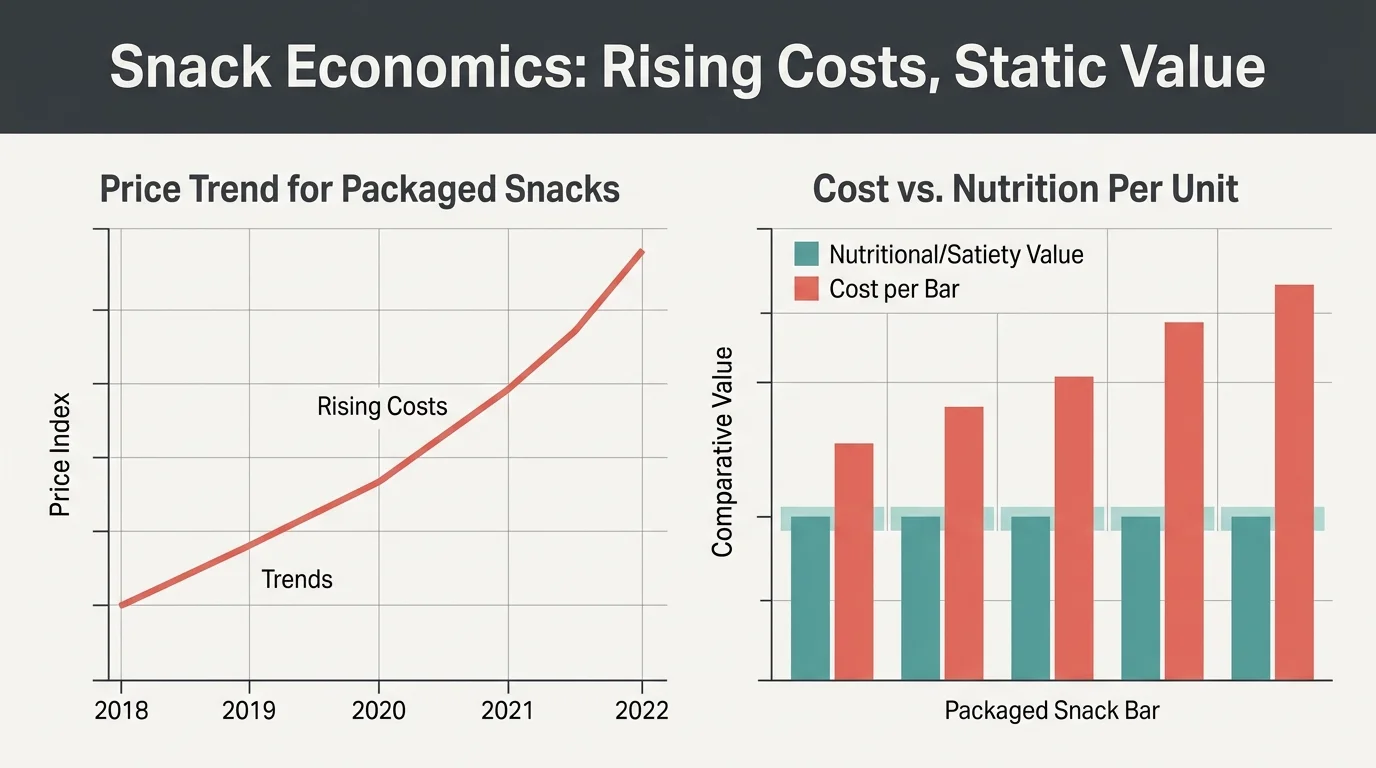
Every time you step into the supermarket, you face a meticulously engineered environment designed to maximize your spending. For middle-income households, the grocery budget represents one of the largest flexible expenses in the monthly cash flow, and recent economic pressures have forced families to scrutinize every single item they drop into their carts. According to USDA food price tracking data, the cost of packaged snacks and baked goods has surged significantly over the past few years, forcing everyday shoppers to absorb the shock of higher grocery bills without seeing any improvement in product quality. Granola bars often fall into an unquestioned category of household staples because they offer unparalleled convenience for school lunches, morning commutes, and pre-workout energy boosts.
However, that convenience frequently masks a tremendous financial leak. Families routinely spend upwards of forty dollars a month on assorted snack bars, assuming they are making a frugal and healthy choice compared to buying fast food or coffee shop pastries. The reality is far more complex; many of the most popular bars on the market provide very little nutritional value per dollar spent. When you spend your hard-earned money on snacks composed primarily of inexpensive syrups and airy fillers, you end up feeling hungry just an hour later. This lack of satiety triggers secondary spending—the mid-afternoon vending machine run or the extra drive-thru coffee—which quietly devastates your broader financial goals. Recognizing how snack food quality directly impacts your weekly budget is the first step toward reclaiming your purchasing power.

Strategy Pillar One: Decoding the Health Halo Effect
Manufacturers understand that consumers actively seek out healthy choices for their families, and they exploit this desire through a psychological marketing tactic known as the health halo effect. A health halo occurs when a brand uses natural-looking earth tones, pastoral imagery, and buzzwords like “wholesome,” “organic,” or “trail mix” to convince you that a heavily processed product is actually a pristine health food. By wrapping an ordinary, sugar-laden bar in a matte green wrapper, food conglomerates successfully persuade you to pay a premium price for what is essentially a dessert. Your budget suffers because you are paying for sophisticated marketing rather than high-quality ingredients.
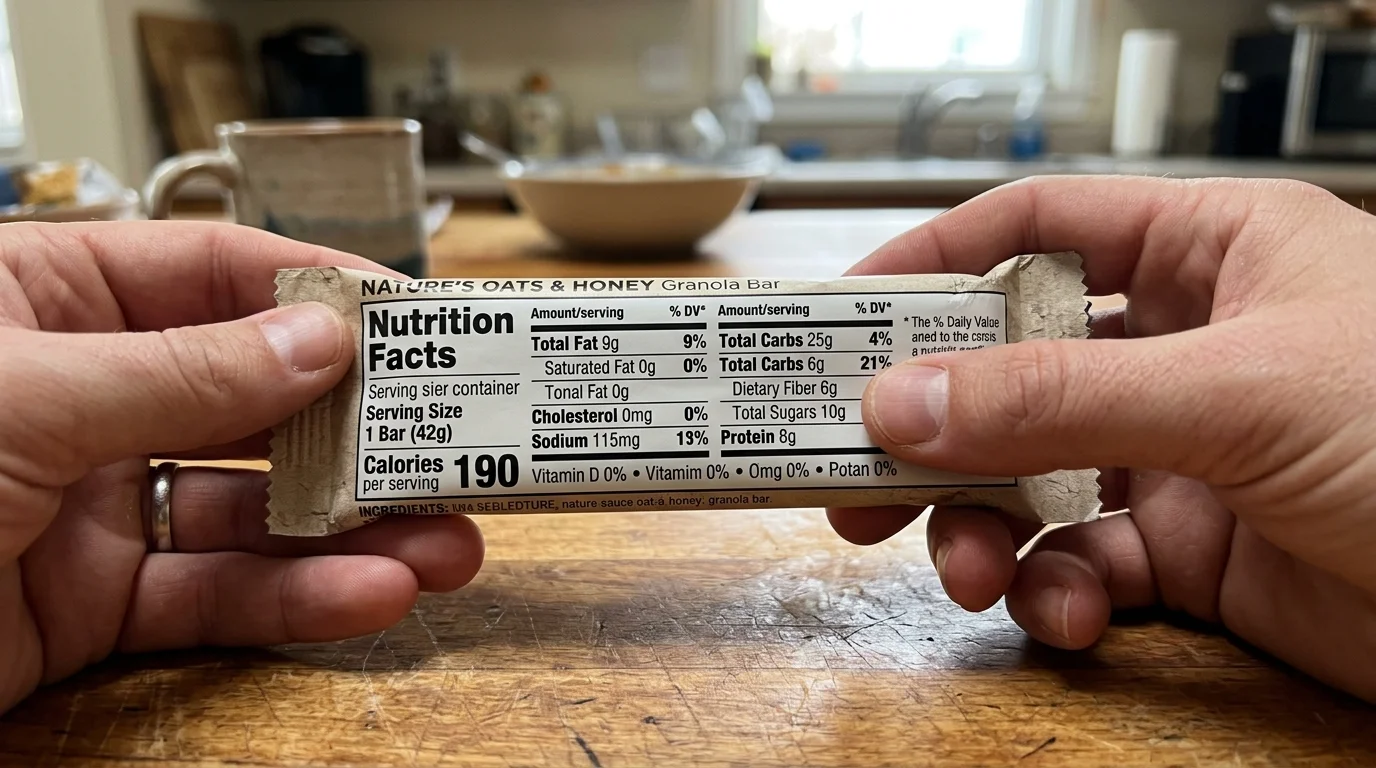
To break free from this expensive illusion, you must shift your focus entirely away from the front of the packaging and rely exclusively on the mandatory nutrition label and ingredient list on the back. A true value purchase requires scrutinizing the ratio of dietary fiber and protein to added sugars. Many widely trusted brands load their bars with multiple forms of cheap sweeteners—such as brown rice syrup, high fructose corn syrup, and agave nectar—to keep their manufacturing costs incredibly low while simultaneously inflating the retail price. Following guidelines from organizations like the American Heart Association regarding daily added sugar limits can help you identify these hidden traps. When you consciously bypass the health halo, you ensure your grocery dollars fund actual nutrition rather than corporate profit margins.
Strategy Pillar Two: Recognizing the Healthiest Granola Bars
When you evaluate the healthiest options on the market, you want to identify brands that prioritize whole food ingredients over inexpensive fillers. RXBAR stands out as a prime example of transparency; their packaging famously lists the exact core components right on the front—usually a simple combination of egg whites, dates, and nuts. Because they eliminate artificial binders and refined sugars, you know exactly what you are putting into your body. While you might encounter a slightly higher upfront price at the register for these protein-dense bars, their high satiation factor ensures you stay full for hours. Paying two dollars for a snack that successfully bridges the gap between lunch and dinner represents a far superior return on your financial investment than paying fifty cents for a snack that leaves you starving.
Similarly, KIND bars offer an excellent balance of heart-healthy fats and sustained energy by featuring whole almonds, peanuts, and cashews bound together with minimal sweeteners. Choosing the varieties specifically marked as having five grams of sugar or less ensures you secure maximum nutritional value without experiencing a blood sugar roller coaster. LÄRABAR is another excellent choice for budget-conscious health seekers; their bars typically contain fewer than six ingredients, relying entirely on the natural sweetness of dates rather than processed syrups. By reallocating your snack budget toward products made from recognizable, whole foods, you invest in dense calories that actively fuel your daily productivity and prevent supplementary food spending later in the day.
Strategy Pillar Three: Spotting the Unhealthiest Budget Drainers
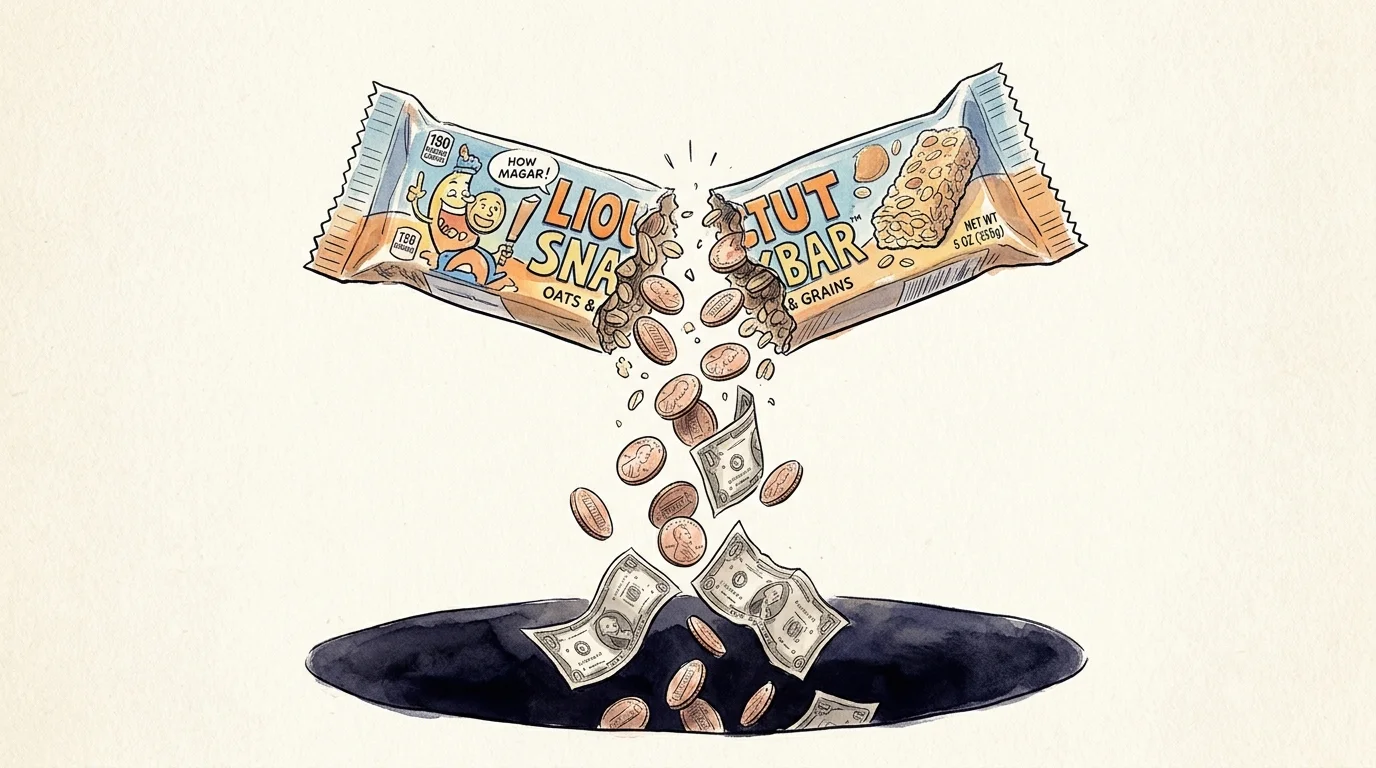
On the opposite end of the spectrum lie the products that actively drain your grocery budget while providing virtually zero nutritional benefit. Standard Quaker Chewy bars, despite their nostalgic appeal and aggressively low box prices, represent one of the worst values in the grocery store. A single bar weighs less than an ounce, contains barely a gram of protein, and relies heavily on cheap sugar and corn syrup to bind the puffed rice together. Even though a box might only cost a few dollars, the cost per ounce of actual food is surprisingly high. Furthermore, because these bars lack fiber and protein, a child or adult will often consume two or three in a single sitting just to feel slightly satisfied, instantly obliterating any perceived unit cost advantage.
Nature Valley Sweet and Salty Nut bars and Sunbelt Bakery chewy bars fall into a similar trap. They cloak themselves in wholesome terminology while utilizing highly processed palm kernel oil, massive amounts of added sugars, and artificial flavorings to mimic the taste of real food. Clif Bars, often marketed aggressively to athletes and active adults, frequently contain over twenty grams of added sugar per bar; unless you are genuinely in the middle of a strenuous mountain hike, eating one while sitting at your office desk is nutritionally identical to eating a standard candy bar. Spending your grocery money on these highly processed, sugar-heavy items guarantees an inevitable energy crash, which significantly lowers your workplace focus and inevitably leads to further impulse spending to secure a quick pick-me-up.

Real-World Voices on Snacking and Spending
Financial professionals consistently point out that small, recurring expenses represent the most common area where household budgets fall out of alignment. Routine grocery runs operate largely on autopilot, making the snack aisle a prime location for budget leakage. Behavioral economists have long noted that shoppers experience decision fatigue by the time they reach the inner aisles of the supermarket, prompting them to grab familiar, heavily marketed boxes without analyzing the cost-benefit ratio of the ingredients. Federal Reserve reports on household financial well-being indicate that families facing inflation tend to trade down in product quality to maintain volume, but experts argue this is exactly the wrong approach when it comes to nutrition.
Dietitians mirror this financial sentiment from a biological perspective. They emphasize that the body recognizes the difference between cheap, empty calories and nutrient-dense investments. A registered dietitian will tell you that spending an extra dollar on a snack containing healthy fats and complex carbohydrates pays immediate dividends in sustained blood sugar levels and improved cognitive function. When you combine the principles of wealth management with nutritional science, the consensus becomes clear: optimizing your grocery budget does not mean finding the absolute cheapest item per box; it means finding the highest quality fuel that prevents secondary spending and preserves your long-term health.

Action Lab: Conducting a Snack Value Audit
Transforming your approach to the grocery store requires practical application. The next time you find yourself standing before the sprawling wall of snack bars, you need to conduct a rapid snack value audit. This process involves simple math that completely reframes how you view the price tags hanging on the shelves.
Step One: Calculate the True Unit Price
Never look at the total price of the box to determine value. Instead, look at the net weight of the entire package and divide the retail price by the total ounces. You will frequently discover that a seemingly inexpensive box of sugary cereal bars actually costs more per ounce than a premium box of whole-food nut bars. Retailers often shrink the size of cheaper bars to maintain an artificially low price point—a practice known as shrinkflation. By calculating the true cost per ounce, you strip away the packaging manipulation and compare apples to apples.
Step Two: Measure the Satiety Factor
Once you understand the price by weight, you must evaluate the biological return on your investment. Turn the boxes over and locate the protein and dietary fiber lines on the nutrition facts panel. Add the grams of protein and the grams of fiber together to find the bar’s overall satiety score. If a bar costs one dollar but has a combined satiety score of two, you are paying fifty cents per gram of filling nutrients. If a premium bar costs two dollars but delivers a combined satiety score of sixteen, your cost plummets to roughly twelve cents per gram of filling nutrients. The more expensive bar is mathematically the superior financial choice because it delivers genuine, long-lasting energy that protects your wallet from later cravings.
Guardrails and Pitfalls in the Snack Aisle
As you implement these new shopping strategies, you must remain vigilant against several common pitfalls that can easily derail your progress. The most prominent danger is the bulk-buying trap. Warehouse clubs offer incredible unit pricing on premium, healthy granola bars, but buying a box of sixty bars in a single flavor is a tremendous financial risk if your family has not thoroughly tested the product. Flavor fatigue is real, and throwing away twenty expired protein bars effectively nullifies any savings you achieved by buying in bulk. Always purchase a single unit at a standard grocery store to verify taste and texture preferences before committing your capital to a massive warehouse club box.
Additionally, you must guard against the organic pricing trap. The word “organic” signifies a specific agricultural growing method; it does not inherently mean a product is healthy or worth a premium price. An organic sugar-laden granola bar will spike your insulin and drain your wallet just as rapidly as a conventionally grown sugar-laden bar. Rely strictly on the nutrition label and the ingredient quality rather than paying extra for agricultural buzzwords. Always prioritize a conventional bar made of whole nuts and seeds over an aggressively priced organic bar composed mostly of organic brown rice syrup and organic tapioca starch.
Frequently Asked Questions About Granola Bars and Grocery Budgets
Are homemade granola bars cheaper than store-bought options?
Making your own granola bars at home can significantly reduce your unit cost, provided you already stock basic baking ingredients like rolled oats, honey, and vanilla extract. By purchasing bulk nuts and seeds, you control both the nutritional profile and the exact amount of sweetener used, allowing you to create premium-tier snacks for pennies on the dollar. However, you must realistically account for the time required to prep, bake, and store these items; if a complex recipe causes you to abandon the effort and buy an expensive coffee shop pastry out of frustration, the theoretical savings vanish entirely.
Does high protein content justify a premium price tag?
High protein content generally justifies a slightly higher price point because protein satiates hunger more effectively than simple carbohydrates, meaning you consume less food overall throughout the day. However, you must inspect the source of that protein carefully. A bar utilizing whole egg whites, almonds, or high-quality whey isolate provides excellent biological value for your money. Conversely, if a manufacturer achieves a high protein count by using low-grade soy protein crisps glued together with artificial sweeteners, the premium price tag is merely a marketing cash grab rather than a genuine upgrade in food quality.
How can you identify hidden sugars on a nutrition label?
Identifying hidden sugars requires reading the ingredient list rather than just the bold numbers on the nutrition facts panel. Manufacturers frequently use multiple different terms for sugar to prevent it from appearing as the first ingredient on the list. You should constantly watch for words ending in “ose” like dextrose, fructose, and sucrose, as well as terms like barley malt, agave nectar, rice syrup, and fruit juice concentrate. If you see three or more of these sweetening agents listed in the ingredients, the product is an overpriced dessert masquerading as a wholesome morning snack.
Should you buy snacks in bulk at warehouse clubs to save money?
Purchasing snacks at warehouse clubs represents an excellent financial strategy only if you strictly adhere to a disciplined consumption model. Having an enormous volume of accessible food in the pantry often triggers a psychological phenomenon where family members consume the snacks at twice their normal rate simply because the supply appears infinite. If buying a cheaper bulk box causes your family to eat three bars a day instead of one, your overall monthly expenditure will increase. To maximize your savings, you must maintain the exact same daily consumption rate as you did when buying smaller, more expensive boxes from the standard grocery store.
The Granola Bar Challenge for Your Next Grocery Run
Armed with a clear understanding of unit pricing, health halos, and the true cost of hidden sugars, you are completely prepared to optimize your next trip to the supermarket. Your challenge for this upcoming week is simple: audit the granola bars currently sitting in your pantry using the mathematical strategies outlined above. Calculate the true cost per ounce, evaluate the satiety score, and honestly assess whether those snacks are actively fueling your day or quietly draining your budget. By choosing dense, whole-food options that prioritize genuine nourishment, you will immediately notice a reduction in midday cravings and a welcome decrease in your secondary food spending. Stretch your paycheck effectively by treating every grocery selection as a deliberate investment in your family’s health and financial stability.