
You can easily reclaim hundreds of dollars each month by eliminating recurring subscriptions that no longer match your retired routine. Cutting these phantom expenses gives your fixed income an immediate raise without degrading your day-to-day lifestyle.
Most American adults spend between $111 and $219 every month on automated recurring charges. In fact, consumers routinely underestimate their ongoing subscription tabs by over 200 percent while burning through hard-earned savings.
Stopping automated renewals is one of the quickest ways to cut monthly expenses. Here are the seven obsolete subscriptions to cancel in retirement right now to protect your nest egg.

Tip #1: Commercial Gym Memberships
Paying for a private fitness club is one of the most unnecessary subscriptions retirees continue to fund. Commercial gym contracts cost between $40 and $70 per month, quietly draining up to $840 annually.
You likely qualify for the exact same gym access at zero cost. Over 90 percent of Medicare Advantage plans offer complimentary fitness perks.
Programs like SilverSneakers grant access to more than 17,000 fitness locations nationwide. UnitedHealthcare’s Renew Active expands that network to over 25,000 participating facilities across the country.
These plans cover full equipment access, group fitness classes, and specialized wellness workshops. You receive the exact same weight rooms, pools, and tracks without paying a single monthly membership fee.
Contact your Medicare plan administrator before your next billing cycle clears. Switching to your built-in fitness benefit is an effortless way to cut monthly expenses.
Check your local community center or municipal recreation department as well. Many local facilities waive fees entirely for older adults, providing a top-tier workout space for free.
Even if you prefer working out at home, free alternatives abound online. Thousands of certified trainers publish complete, low-impact exercise routines on video platforms at no charge.
Do not let gym managers lock you into multi-year contracts during retirement. Terminate that commercial membership and let your Medicare plan cover your fitness expenses.
Tip #2: Professional Association and Trade Dues
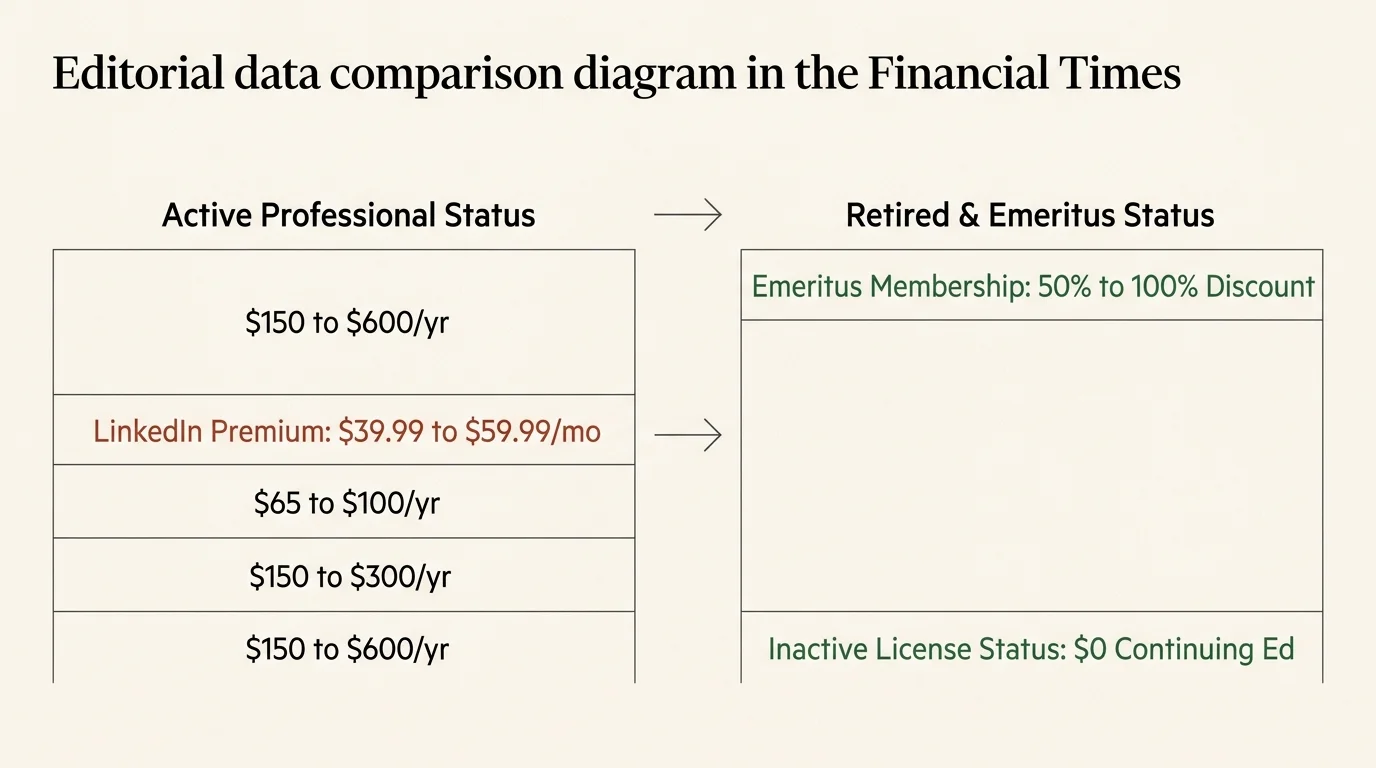
Career-focused platforms and professional societies exist to help you land promotions, source clients, and expand corporate networks. Once you step away from full-time work, these recurring professional fees lose their financial purpose.
Subscriptions like LinkedIn Premium run between $39.99 and $59.99 every month. Unless you actively hunt for corporate consulting contracts, premium networking tools offer virtually zero return on investment.
Industry memberships also inflict significant annual damage on your bank balance. Groups such as the American Medical Association, the AICPA, or state bar associations charge between $150 and $600 each year.
You do not need to fund active industry lobbying or corporate job boards in your golden years. Dropping these dues is one of the smartest retirement budget tips you can implement.
If you still want to read industry journals or attend conferences, ask for an emeritus membership. Most professional organizations offer retired designations with discounts ranging from 50 to 100 percent.
State licensing boards also provide inactive status options for licensed professionals. Placing your license on inactive status keeps your credentials recognized while eliminating expensive continuing education subscriptions.
Never pay full price for career status symbols after your career has concluded. Reclaim those corporate dues and direct the capital into your personal investment accounts instead.
Audit your email inbox for automatic renewal notices from industry publications and niche trade groups. Purging these lingering career overheads creates immediate breathing room in your cash flow.
Tip #3: Standalone Credit Monitoring and Identity Theft Services
Third-party companies frequently use fear-based marketing to sell recurring credit monitoring packages. Services like LifeLock or Identity Guard cost anywhere from $10 to $35 per month.
That recurring charge consumes $120 to $420 per year for protection you can easily manage yourself. The truth is that paid credit monitoring alerts you only after an incident occurs.
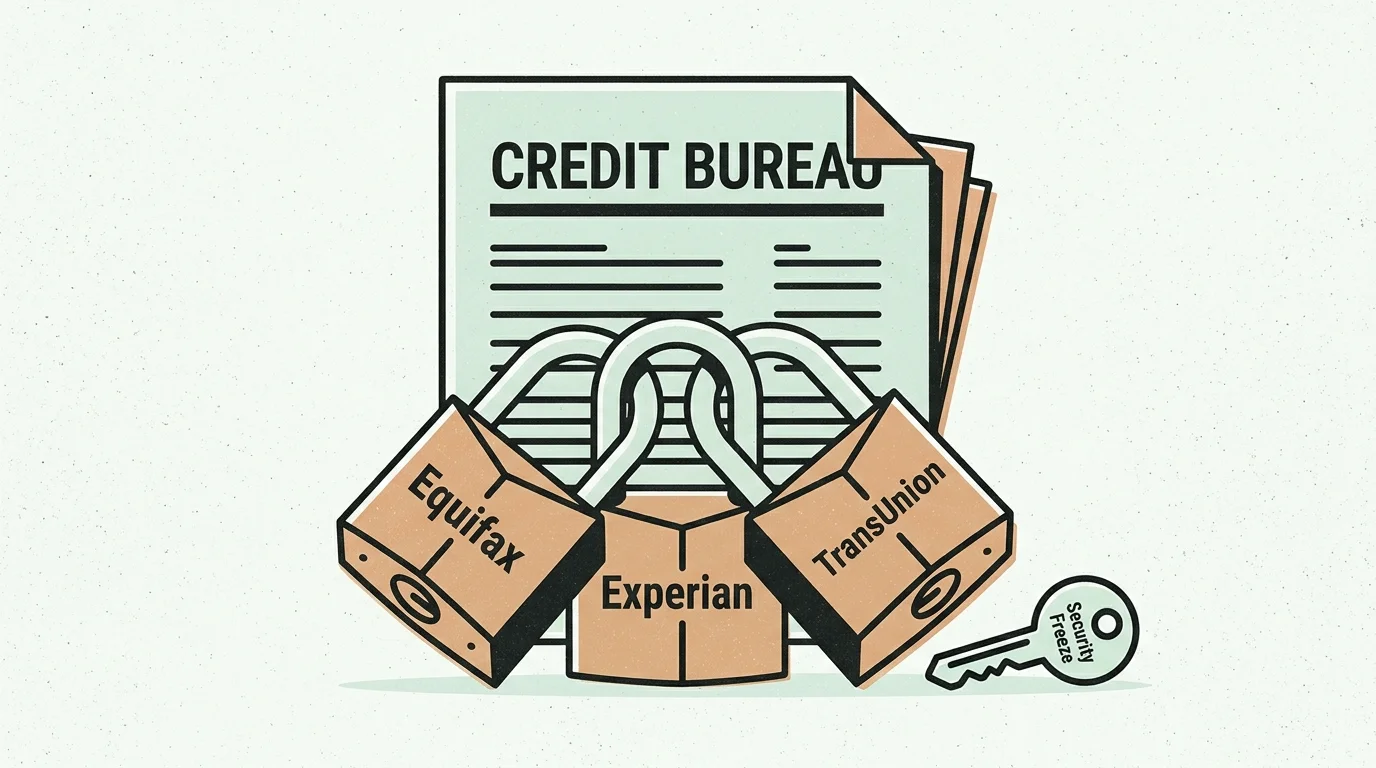
A total credit freeze delivers far superior security without costing you a single dime. Under the federal Economic Growth, Regulatory Relief, and Consumer Protection Act, credit freezes are legally free for all consumers.
You can lock down your credit files across Equifax, Experian, and TransUnion in less than fifteen minutes online. Freezing your files prevents unauthorized parties from opening fraudulent loans or lines of credit in your name.
When you need to apply for new credit, you can unfreeze your profile temporarily for free. Paying a private vendor to lock your profile is completely redundant in modern consumer finance.
Most major credit card issuers and banks also provide free credit score tracking directly inside their mobile apps. These built-in tools alert you to sudden balance changes or unauthorized inquiries at no charge.
Pair your free credit freeze with free annual credit reports to monitor your profile safely. This simple adjustment protects your identity while removing an unnecessary subscription from your bank statement.
Stop paying third-party companies to guard information that federal regulations allow you to lock down for free. Cancel your paid identity protection today and establish your own digital credit freezes.

Tip #4: Unlimited Mobile Phone Data Plans
Heavy corporate commuting demands continuous cellular data streaming for navigation, podcasts, and video conferences. In retirement, your daily pattern shifts toward stable, encrypted home Wi-Fi connections.
Major wireless carriers like Verizon and AT&T routinely charge $65 to $90 per month for unlimited single-line packages. Paying for endless gigabytes you rarely touch outside the house drains your monthly budget.
Auditing your actual monthly cellular consumption usually reveals surprising numbers. Most retirees use less than five gigabytes of cellular data per month when away from home.
Major carriers provide specialized 55-plus discounted tiers that slash recurring charges. For example, T-Mobile offers dedicated senior plans starting around $45 per month for two lines.
You can save even more money by switching to mobile virtual network operators. Companies like Mint Mobile and Consumer Cellular offer reliable nationwide service starting at $15 to $25 per month.
These budget-friendly carriers operate on the exact same cell towers as the telecom giants. Trimming your mobile bill is one of the most effective ways to save money retirement subscriptions.
Bringing your existing paid-off smartphone to a low-cost carrier takes only a few minutes. You retain your current phone number while cutting your cellular bill by more than half.
Do not let mobile providers convince you that unlimited data is a modern necessity. Adjust your cellular tier to match your actual lifestyle and pocket the difference every billing cycle.

Tip #5: Standalone Roadside Assistance Clubs
Automobile clubs like AAA have been household staples for generations of American drivers. Yet keeping a standalone roadside assistance membership often leads to wasteful duplicate coverage.
Standard auto club packages cost between $60 and $125 per driver annually. When you drive fewer highway commuter miles, the risk of unexpected mechanical breakdowns drops substantially.
Check your auto insurance policy before writing another renewal check to a motor club. Major insurers like GEICO, State Farm, and Progressive offer comprehensive roadside riders for $2 to $4 per month.
That switch drops your annual emergency coverage costs down to roughly $24 to $48 per year. The insurance company dispatches the exact same local tow trucks during a roadside incident.
Premium travel and cash-back credit cards also feature complimentary roadside dispatch services. They arrange flat-tire changes, fuel delivery, and towing assistance without demanding annual membership dues.
Unless you actively exploit travel discounts to offset the membership fee, standalone auto clubs represent unnecessary subscriptions. Cancel the dedicated membership and streamline your roadside coverage directly through your insurer.
Modern vehicles also feature extended warranty protections that bundle roadside dispatch into the purchase agreement. Review your vehicle documentation to ensure you are not paying two or three companies for the same service.
Trimming redundant motor club dues keeps more cash in your checking account without leaving you stranded. Replace your expensive motor club plan with low-cost insurance riders today.

Tip #6: Premium Fast-Shipping Retail Memberships
During your working years, paying for expedited parcel shipping offered convenient relief from frantic schedules. Amazon Prime now costs $139 per year, while Walmart+ commands $98 annually.
Retirement provides the luxury of schedule flexibility, which eliminates the urgent need for overnight delivery. Paying over a hundred dollars annually just to receive parcels twenty-four hours faster makes little financial sense.
You can easily secure free shipping without maintaining an active retail membership. Amazon continues to offer free standard shipping to all non-members on qualifying orders of $35 or more.
Practicing mindful purchasing allows you to batch smaller items together until you clear that spending threshold. This disciplined habit prevents impulsive buying while keeping annual membership fees in your wallet.
Free streaming alternatives also eliminate the entertainment justification for retail memberships. Your local public library card unlocks free digital audiobooks, movies, and e-books through apps like Libby and Hoopla.
Dropping retail perks forces intentional spending and trims recurring household overhead. When you cut unnecessary subscriptions, your discretionary income stays available for travel and leisure.
If you ever need a rushed delivery for an emergency, you can pay a one-time shipping charge. Paying an occasional fee remains far cheaper than handing over an automated yearly subscription.
Unsubscribe from rapid-delivery services and rediscover the financial power of patient shopping. Your savings account will grow while your home accumulates significantly less retail clutter.
Tip #7: Unlimited Monthly Commuter Transit Passes
Purchasing an unlimited monthly metro pass makes sense only when you commute through turnstiles twice every workday. Continuing that automatic transit deduction into retirement is an expensive, obsolete habit.
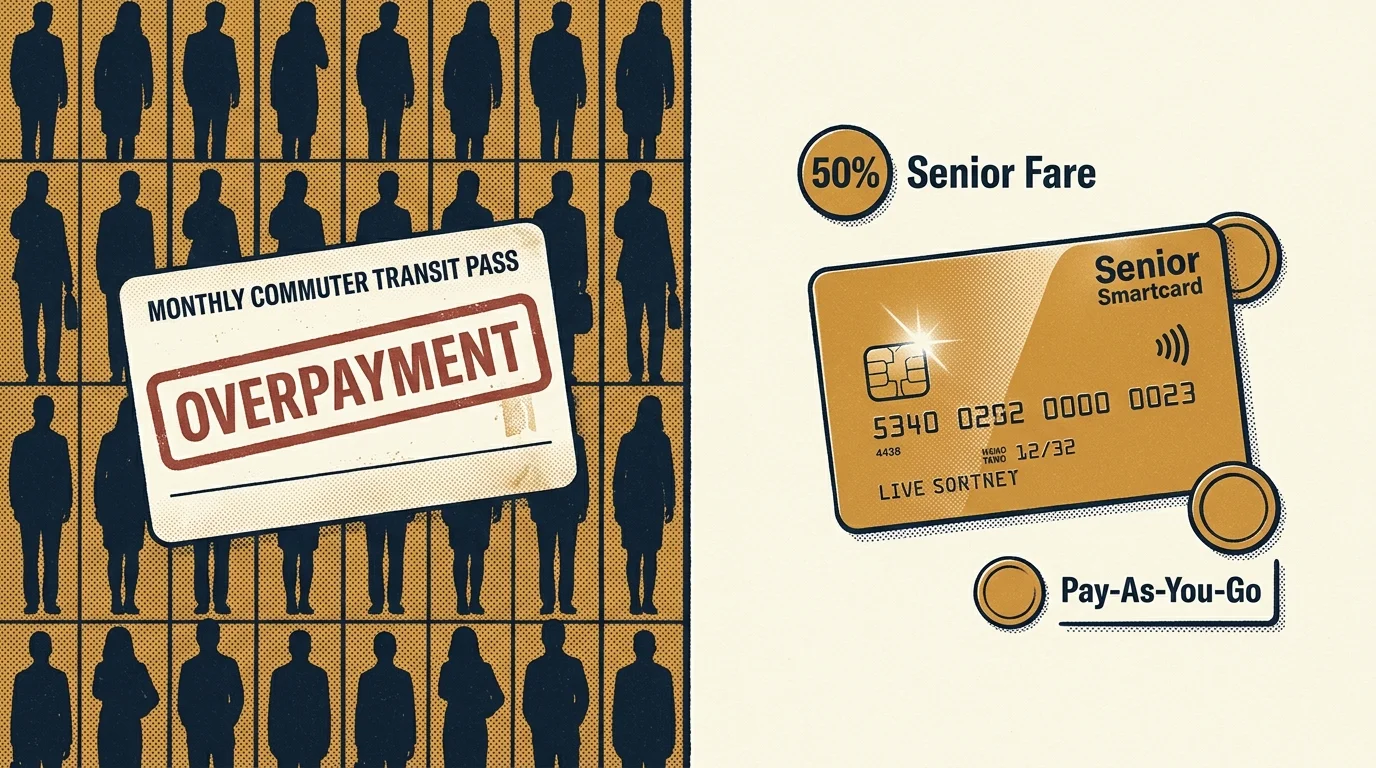
Urban transit agencies frequently charge between $100 and $130 per month for unlimited passes. If you ride trains or buses only two or three times weekly, your cost per ride skyrockets.
Federal Transit Administration regulations require federally funded transit systems to provide discounted fares to seniors. Riders aged 65 and older qualify for at least 50 percent off standard fares during off-peak hours.
Many major metropolitan areas apply this half-fare senior discount around the clock. By applying for a personalized senior transit card, your individual fares drop to half price instantly.
Paying individual discounted fares as you ride costs dramatically less than an unlimited monthly commitment. You avoid paying for transit days when you stay home or travel out of town.
Switching from an unlimited pass to pay-per-ride fares saves metropolitan retirees hundreds of dollars every year. Make sure you register your senior status with your local transit authority immediately.
Most municipal transit offices allow you to submit your senior fare application online or by mail. A simple copy of your driver’s license or birth certificate unlocks lifetime transit discounts.
Ditch the expensive monthly commuter pass and pay only for the transit trips you actually take. Your travel routine will become more flexible while your monthly transit expenses drop sharply.
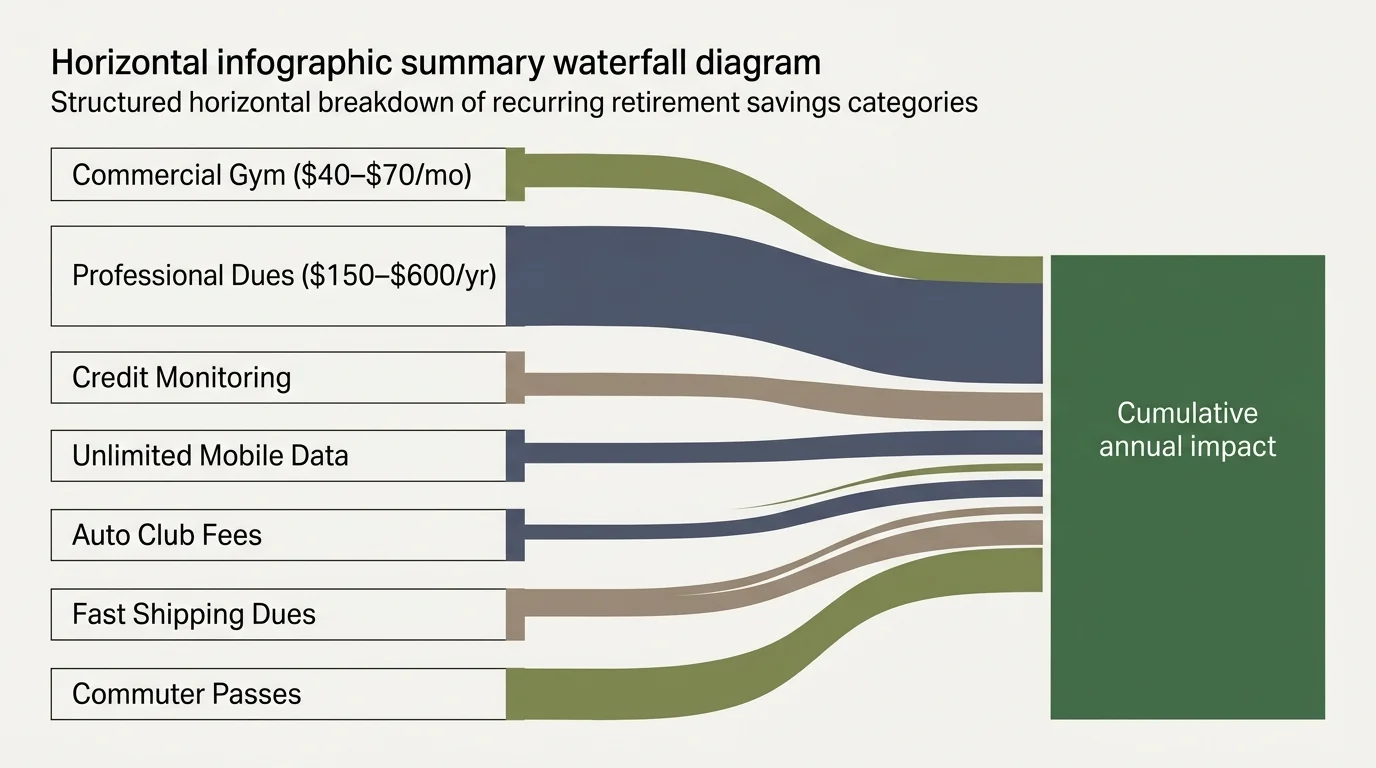
The Bottom Line: What This Means for Your Wallet
Automated billing models rely on consumer inertia to sustain corporate revenue. Companies count on you forgetting about small monthly debits while your personal financial priorities change.
Americans waste an average of $204 to $252 every year on services they rarely or never utilize. When you add up several neglected memberships, that total easily surpasses thousands of dollars over time.
Retirement marks the ideal moment to audit your checking accounts and credit card statements thoroughly. Reviewing your monthly recurring expenses ensures every dollar actively supports your current lifestyle.
Canceling these seven subscriptions returns immediate liquidity to your fixed income. You can redirect those freed resources into healthcare reserves, travel funds, or memorable experiences with family.
Taking time to renegotiate utility rates and cancel unused services builds long-term financial stability. Eliminating obsolete services provides an instant raise without requiring any sacrifice in your day-to-day comfort.
Protecting your retirement nest egg is not just about investment returns; it is about plugging cash leaks. Every recurring charge you eliminate today strengthens your financial independence for years to come.
Frequently Asked Questions
How do I identify all my active recurring subscriptions?
Print out your bank and credit card statements from the past twelve months. Highlight every recurring monthly and annual charge so you can see your total subscription overhead.
You can also check your smartphone app store settings under your account subscriptions tab. Many mobile recurring charges hide inside digital store accounts rather than standard paper bills.
Will canceling unused subscriptions damage my credit score?
Canceling regular service subscriptions like gyms, streaming services, or software tools has zero impact on your credit score. These utility and retail memberships do not report payment histories to credit bureaus.
Just make sure you pay off any lingering account balances before terminating the agreement. Leaving an unpaid balance could result in a collection notice that harms your credit rating.
Can I rejoin these subscription services if my lifestyle changes?
You can reactivate almost every subscription service instantly online whenever you need it. Companies make it effortless to restart memberships because they want your recurring revenue back.
Canceling now costs you nothing and preserves your liquidity while you assess your actual daily routine. If you truly miss a service after six months, you can simply subscribe again.
How much money can I realistically save each month?
Most retirees who eliminate these seven redundant services save between $150 and $300 every month. That recurring savings translates to $1,800 to $3,600 back in your pocket each year.
Redirecting those funds toward high-yield savings accounts or dividend investments accelerates your wealth accumulation during retirement. Small monthly cuts quickly compound into substantial financial safety nets.
For consumer protection information, visit the Federal Trade Commission (FTC) and the Consumer Financial Protection Bureau (CFPB). For product safety and reviews, consult Consumer Reports.
Disclaimer: This article is for informational purposes only and does not constitute financial advice. The content reflects the author’s opinion and research at the time of writing; always do your own research before making financial decisions.