Balancing a tight budget does not mean you must rely on cheap, highly processed dinners that leave you sluggish. Savvy grocery shopping today allows you to stock your freezer with nutrient-dense options costing a fraction of restaurant delivery fees. As food inflation pressures middle-income households, finding healthy frozen meals has become an essential strategy for stretching paychecks without sacrificing your quality of life. The frozen food aisle has quietly undergone a massive nutritional upgrade, swapping artificial preservatives and excessive sodium for whole grains, lean proteins, and vibrant vegetables. Knowing exactly what to look for and where to shop empowers you to reclaim your evenings and your grocery budget simultaneously.
The State of Your Grocery Wallet
You have undoubtedly felt the pressure at the checkout counter over the past few years. While headline inflation has shown signs of cooling, the base prices of groceries remain significantly higher than they were a half-decade ago. According to USDA food price outlook data, households are still allocating a massive percentage of their monthly income just to keep the pantry stocked. This financial strain creates a difficult dilemma for working families. After a long, exhausting day, the temptation to order takeout is incredibly strong—yet relying on delivery apps rapidly drains your disposable income and rarely supports your physical health.
Historically, the alternative to expensive takeout was the traditional TV dinner, a product notorious for soggy textures, dismal nutritional profiles, and staggering amounts of sodium. Consumers correctly viewed these options as a last resort. However, food scientists and consumer brands have dramatically shifted their approach. Responding to widespread demands for better ingredients and cleaner labels, manufacturers have overhauled their production lines. They now utilize flash-freezing technology that locks in vital nutrients at the peak of freshness, ensuring that the vegetables in your frozen bowl often contain more vitamins than the wilting produce sitting in the back of your crisper drawer.
Strategy Pillar 1: Understanding the Nutritional Pivot
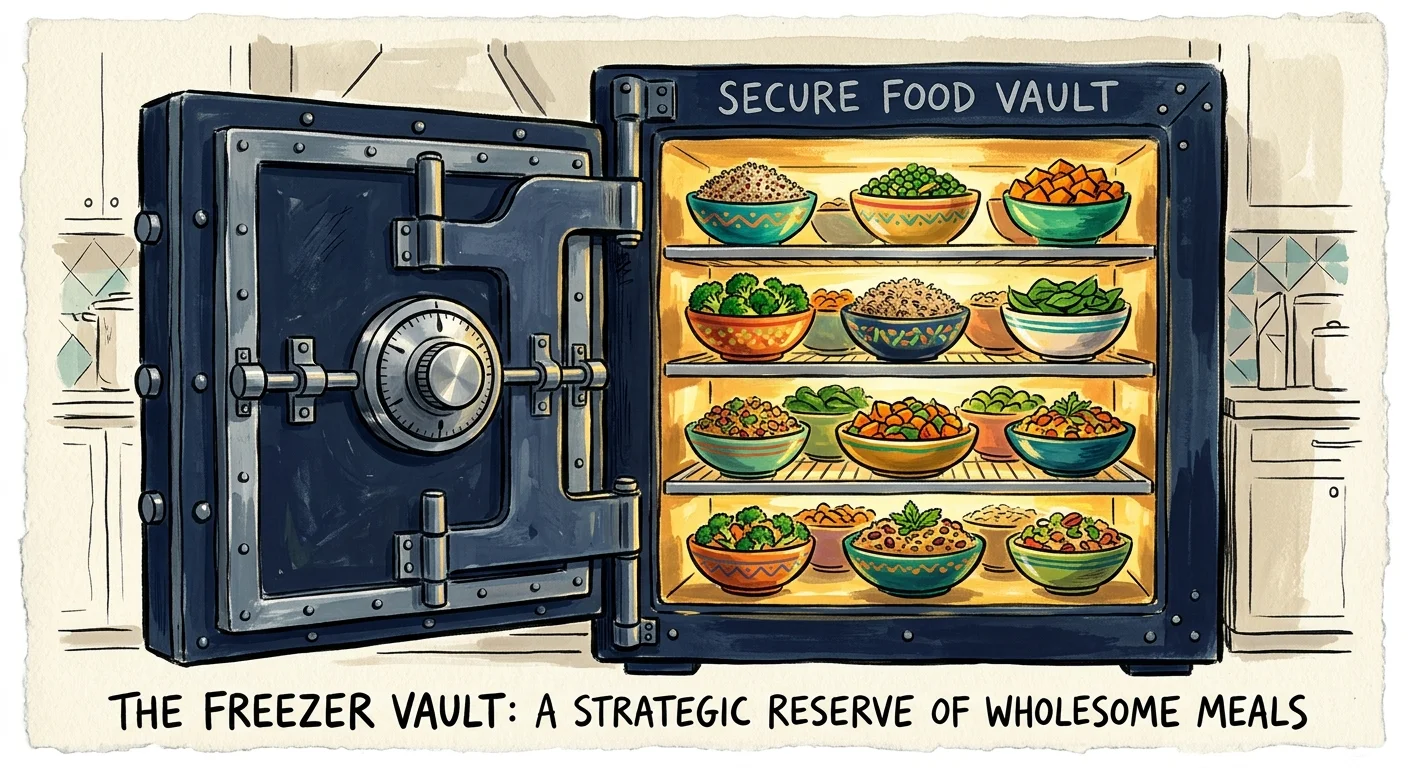
To stretch your paycheck efficiently, you must fundamentally change how you view the freezer aisle. Rather than a graveyard for cheap calories, treat your freezer as a strategic vault for high-quality, time-saving meals. The modern iteration of healthy frozen meals focuses heavily on plant-based proteins, complex carbohydrates, and distinct reductions in artificial preservatives. Brands are prioritizing whole grains like quinoa, farro, and brown rice over heavily refined white pasta.
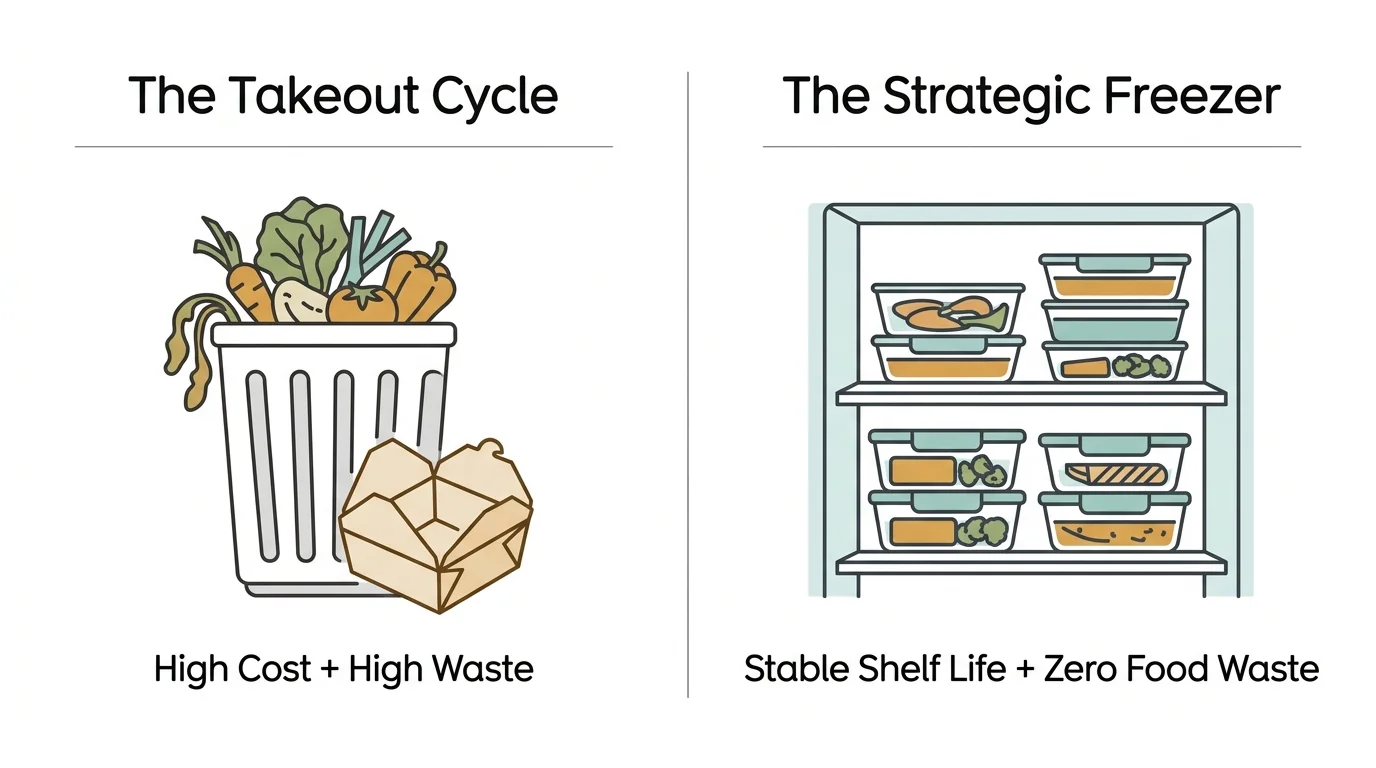
This nutritional pivot offers a brilliant opportunity to streamline your cash flow. By incorporating premium, health-conscious frozen meals into your weekly meal plan, you eliminate the vicious cycle of buying ambitious amounts of fresh produce on Sunday only to throw half of it away by Friday. Food waste is a silent budget killer; frozen meals eliminate this waste entirely by offering precise portion control and a stable shelf life.
7 Frozen Meals Leading the Nutritional Revolution
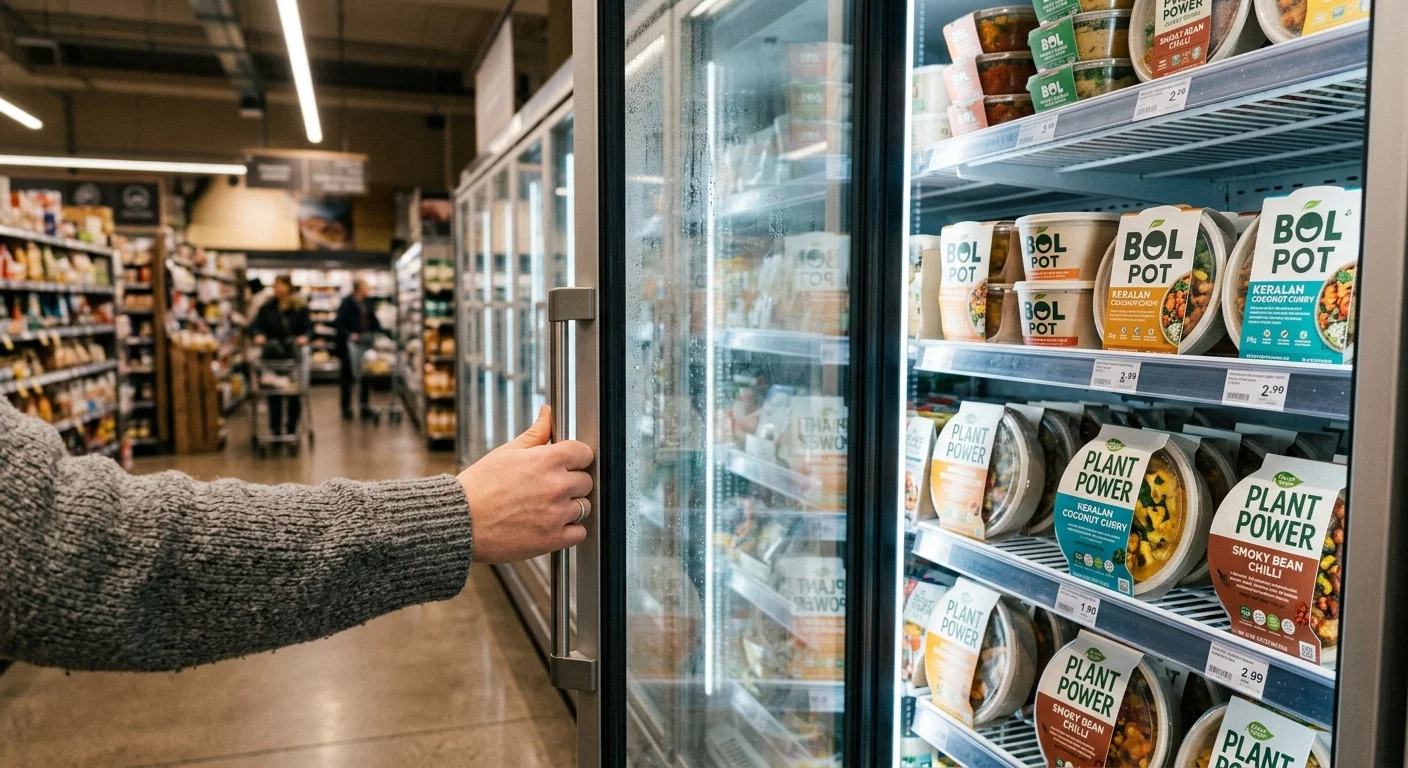
Navigating the glass doors of the freezer section requires a discerning eye. To save you time and money, here are seven distinct frozen meals that demonstrate massive nutritional improvements, along with guidance on exactly where to find them.
1. Healthy Choice Power Bowls
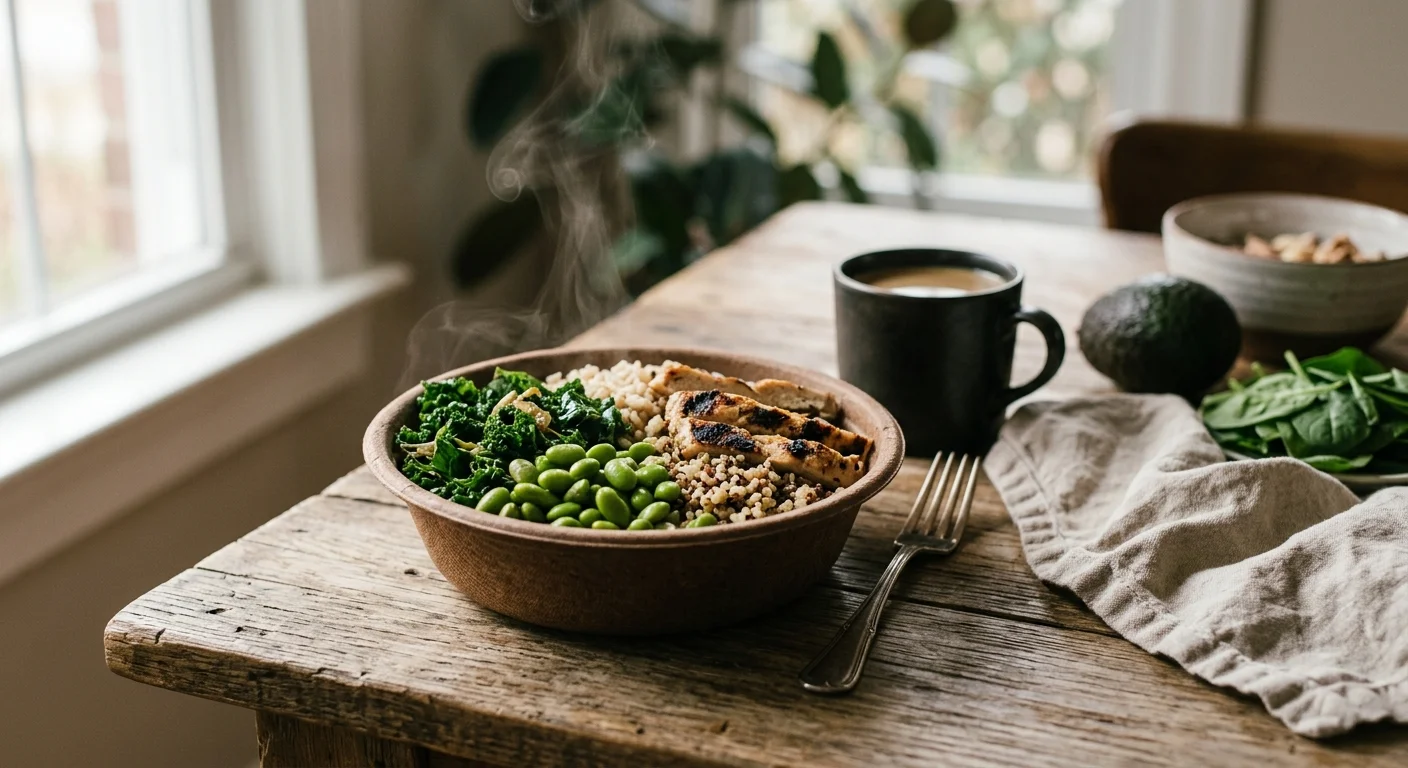
Healthy Choice completely reinvented their brand identity by introducing the Power Bowl line. Moving far away from their older, bland iterations, these bowls utilize an inventive serving container made from plant-based fiber that helps steam the ingredients evenly in the microwave. The nutritional profile shines through the inclusion of dark leafy greens, edamame, and lean cuts of antibiotic-free chicken. The Cuban-Inspired Pork Bowl, for instance, delivers a massive punch of protein and dietary fiber while keeping sodium levels remarkably manageable. You can reliably find the largest selection and the best pricing for these bowls at mass retailers like Walmart and Target.
2. Amy’s Kitchen Light and Lean Series
Amy’s Kitchen has long held a reputation for organic ingredients, but their traditional meals were occasionally criticized for high calorie and fat counts. The Light and Lean series directly addresses this feedback. By drastically cutting back on heavy cheeses and oils—and instead amplifying the flavor with robust spices and roasted vegetables—they created options like the Quinoa and Black Beans with Butternut Squash. This specific meal provides an exceptional balance of complex carbohydrates and essential amino acids. Shoppers consistently find the best sales on Amy’s products at regional grocers like Kroger or Publix, particularly during promotional events.
3. Evol Foods Truffle Parmesan Mac and Cheese
While macaroni and cheese might sound entirely counterintuitive to healthy eating, Evol Foods proves that comfort food can undergo a nutritional upgrade. Traditional frozen mac and cheese relies on artificial coloring and powdered dairy derivatives. Evol utilizes actual cheddar cheese, truffle oil, and pasta fortified with extra protein. By shifting the macronutrient profile, they transform a simple comfort dish into a meal that actually keeps you satiated, preventing late-night snacking that further hurts your budget. Target frequently stocks multiple varieties of Evol meals, often placing them on promotion through their digital coupon applications.
4. Sweet Earth Plant-Based Artisan Bowls
Sweet Earth targets the growing demographic of consumers looking to reduce their meat consumption without sacrificing flavor or protein. Their General Tso’s Tofu Bowl replaces heavily battered, deep-fried chicken with firm, nutrient-dense tofu and loads the dish with broccoli and brown rice. The improvement here lies in the radical reduction of saturated fats while maintaining the bold, umami flavors that usually drive people toward expensive restaurant takeout. Whole Foods and larger Target stores carry the most comprehensive lineup of Sweet Earth products.
5. Saffron Road Simmer Sauces and Meals
Saffron Road provides incredibly flavorful, globally inspired meals that adhere strictly to clean-label standards. Their Chicken Pad Thai and Chicken Tikka Masala feature meat sourced from animals raised without antibiotics, paired with traditional, aromatic spices rather than artificial flavor enhancers. What sets Saffron Road apart is their commitment to lowering sodium while relying on natural herbs, garlic, and ginger to carry the dish’s flavor profile. These meals serve as the perfect substitute for a Friday night delivery habit. You can track them down easily at Whole Foods, Sprouts, and most premium neighborhood supermarkets.
6. Trader Joe’s Chana Masala
Trader Joe’s commands a massive following for their frozen section, but the standout star for budget-conscious, health-focused shoppers is their Chana Masala. Authentic Indian spices elevate a simple base of chickpeas, tomatoes, and onions into a deeply satisfying, fiber-rich vegetarian dish. Chickpeas offer incredibly cheap, high-quality protein; by flash-freezing this curry, Trader Joe’s ensures the spices remain pungent and vibrant. Paired with a side of their frozen brown rice, you secure a complete, filling dinner for under five dollars. This item is exclusively available at Trader Joe’s locations.
7. Kashi Plant-Powered Bowls
Kashi leveraged their expertise in whole-grain cereals to engineer a line of incredibly hearty frozen bowls. The Black Bean Mango bowl perfectly balances savory and sweet, utilizing Kashi’s proprietary blend of seven whole grains and sesame. This meal aggressively tackles the fiber deficit common in the standard American diet, delivering enough dietary fiber to promote steady blood sugar levels throughout the evening. Maintaining stable blood sugar prevents the fatigue crashes that often derail evening productivity. Kashi bowls are widely distributed and frequently go on sale at major grocery chains like Safeway and Kroger.
Real-World Voices: The Expert Consensus
Registered dietitians and financial planners consistently emphasize that the intersection of health and wealth relies on sustainable habits. A rigid, punishing budget that forbids all convenience foods inevitably leads to burnout and a massive rebound in spending. Instead, utilizing high-quality frozen meals acts as a behavioral safeguard.
As households adjust to changing economic realities, tracking where your money flows becomes critical. Reports highlighting Federal Reserve household spending patterns routinely show that families who dynamically substitute expensive habits—like daily takeout—with premium grocery alternatives weather inflationary periods much better. You do not need to cook from scratch every single night to build wealth; you simply need to make the cost of convenience drastically cheaper.
Action Lab: Reallocating Your Takeout Budget
Practical financial progress requires moving away from vague intentions and performing concrete math. Let us audit your Friday night routine to demonstrate the immediate cash flow benefits of this frozen food strategy.
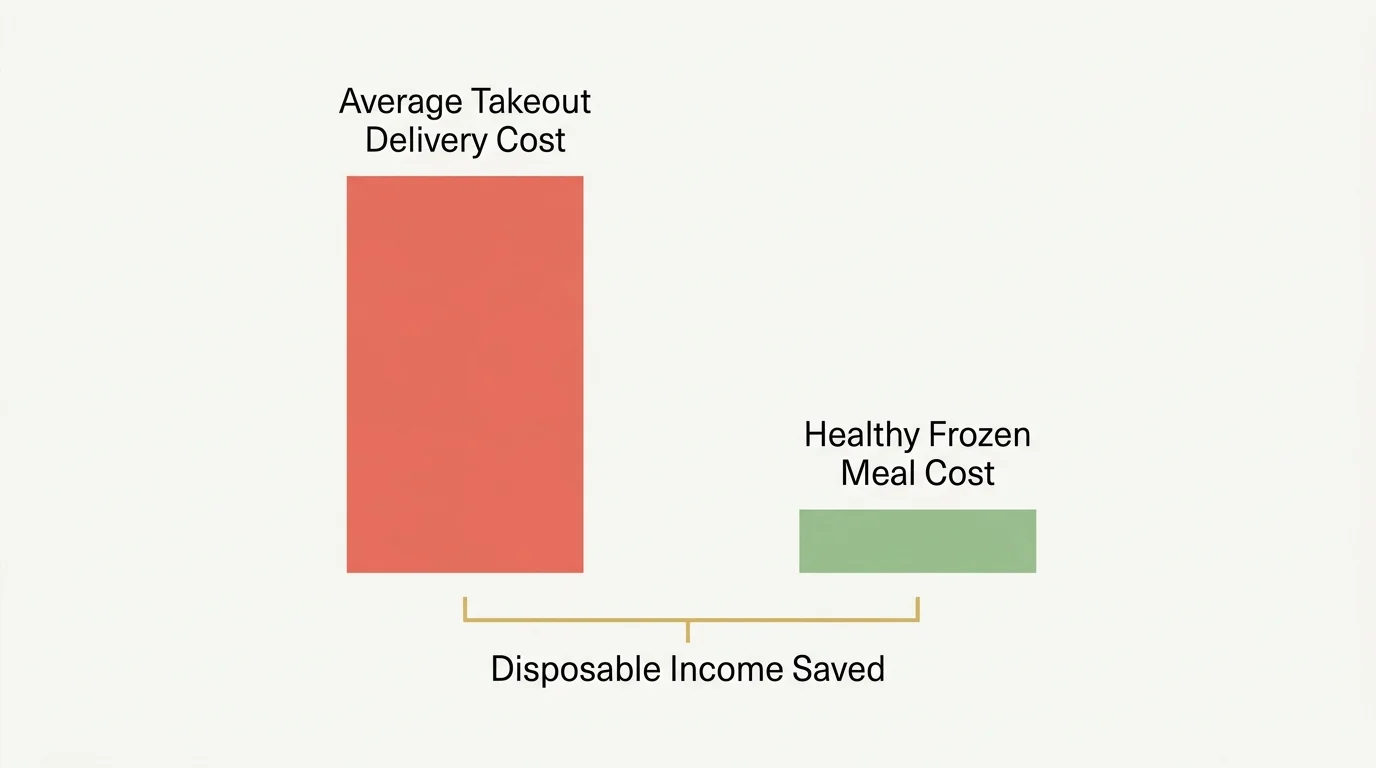
Assume you currently order delivery twice a week because you are too tired to cook. An average delivery order for one person—factoring in the meal, delivery fee, service fee, and tip—easily costs $25. Doing this twice a week drains $200 from your checking account every month. Now, imagine replacing those two takeout nights with premium, health-forward frozen meals. You purchase two high-quality bowls at $5 each. Your weekly cost drops to $10, reducing your monthly expense to just $40.
By making this single, frictionless substitution, you instantly recover $160 a month. You experience zero loss in convenience; the meal still requires zero prep and zero cleanup. Taking control of these hidden behavioral leaks is a foundational step in any solid financial plan. If you want to structure these recovered funds effectively, implementing budgeting frameworks outlined by the Consumer Financial Protection Bureau will help you automatically route that $160 toward high-interest credit card debt or a high-yield savings account.
Guardrails and Pitfalls: Navigating the Aisles Safely
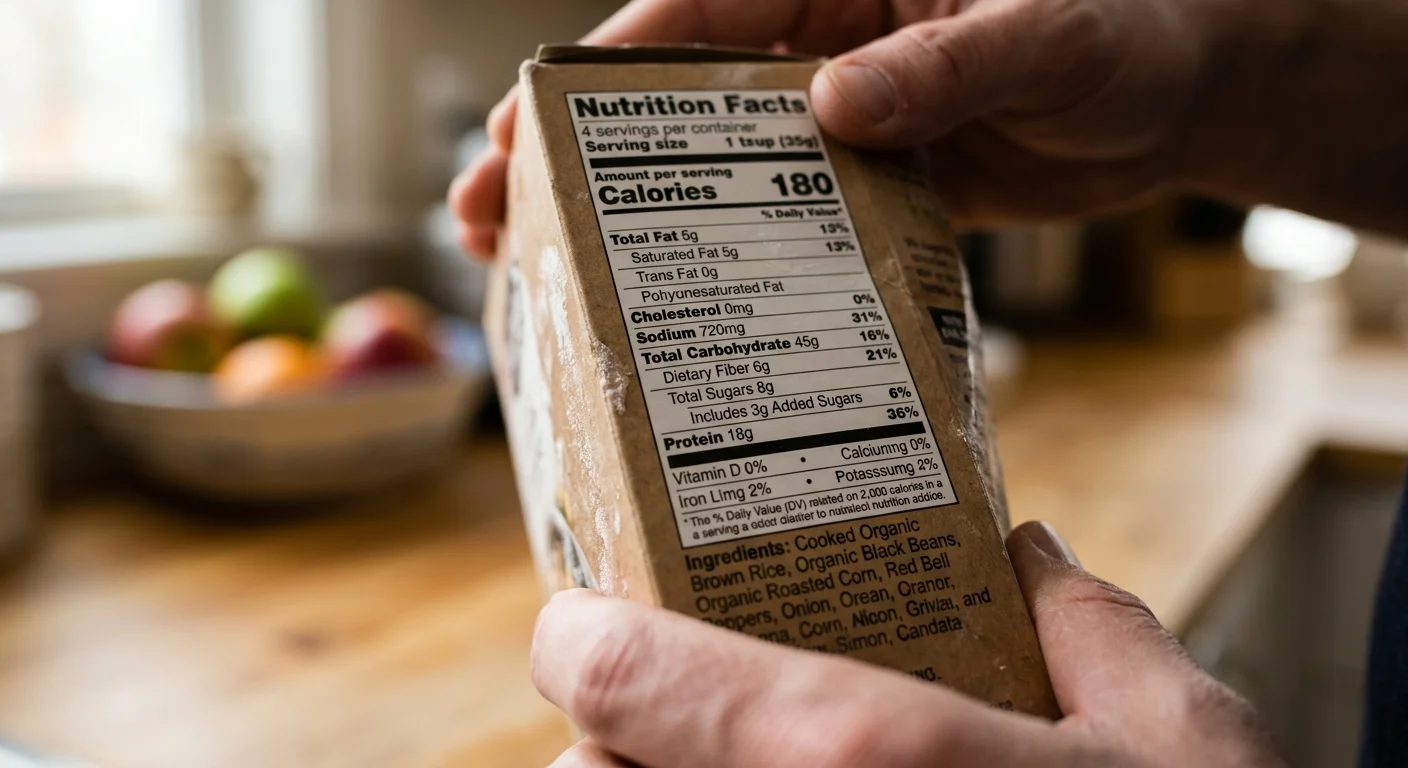
While the freezer aisle has improved dramatically, it still harbors plenty of nutritional traps. To protect both your health and your wallet, you must remain vigilant when reading labels. The most common pitfall consumers face is deceptive serving sizes. A manufacturer might price a meal attractively and boast a low calorie count on the front of the box, but a quick glance at the back reveals the container is actually meant to be two servings. If you eat the entire package, you instantly double your intake of calories, fat, and sodium.
Speaking of sodium, it remains the primary preservative used in lower-tier frozen foods. Excessive sodium intake contributes heavily to hypertension and cardiovascular stress. Always check the nutrition facts panel and aim for meals that contain less than 600 milligrams of sodium per serving, aligning with the American Heart Association sodium consumption guidelines. Furthermore, beware of meals draped in heavy cream sauces or those relying on heavily breaded, fried meats. These options negate the benefits of the vegetables they are packaged with. Turn the box around, look for recognizable ingredients, and prioritize meals boasting at least 15 grams of protein and 5 grams of fiber to ensure you actually feel full after eating.
Frequently Asked Questions
Are frozen vegetables genuinely as nutritious as fresh produce?
Yes, and in many scenarios, they actually offer better nutritional profiles. Fresh produce often spends days in transit and weeks on supermarket shelves, losing vital nutrients—especially vitamin C—every single hour. Conversely, frozen vegetables are picked at peak ripeness and flash-frozen within hours, locking their entire nutritional profile in place. You get maximum nutritional density without the anxiety of watching expensive produce rot in your refrigerator.
How do I identify a truly healthy frozen meal quickly?
Skip the marketing claims on the front of the box entirely and look directly at the nutrition facts panel on the back. You are looking for three specific metrics: sodium under 600 milligrams, a minimum of 15 grams of protein, and at least 5 grams of dietary fiber. If a meal hits these three benchmarks, it will keep your blood sugar stable, protect your heart health, and prevent you from rummaging through the pantry for a snack an hour later.
Will upgrading my frozen food choices actually save me money?
Absolutely, provided you use them strategically to replace your most expensive eating habits. While a $5 premium frozen bowl costs more than a 99-cent traditional TV dinner, it is vastly cheaper than a $25 restaurant delivery. Furthermore, because frozen meals have a shelf life of several months, you completely eliminate the financial drain of food waste. Every dollar you spend on a frozen meal is a dollar you will actually consume, making your grocery budget incredibly efficient.
Where are the best grocery stores to find these upgraded options?
Target and Walmart have aggressively expanded their premium freezer sections, making them excellent primary destinations for brands like Healthy Choice and Sweet Earth. Whole Foods remains the gold standard for organic and highly specialized diets, though you must watch for sales to keep costs down. Trader Joe’s offers the absolute best value for private-label global cuisine, blending extremely low price points with impressive ingredient standards.
Embrace Your New Grocery Strategy
Upgrading your approach to grocery shopping requires letting go of outdated assumptions. The modern freezer aisle is no longer a place of nutritional compromise; it is a vital tool for the financially savvy household. You do not have to endure the stress of elaborate meal prep every night just to hit your financial and physical goals. By leaning into the impressive advancements in frozen food technology, you grant yourself the gift of time, protect your hard-earned cash from the drain of takeout fees, and nourish your body with genuine, wholesome ingredients.
Your challenge for this week is simple and highly actionable. Audit your upcoming schedule, identify the two busiest nights where you are most likely to order delivery, and proactively purchase two of the premium frozen meals detailed above. Place them in your freezer. When that familiar wave of evening exhaustion hits, you will bypass the delivery apps completely, pull a healthy, cost-effective meal from your own kitchen, and take a tangible step toward mastering your monthly budget.