Walking into Dollar Tree feels like an easy win when your retirement budget needs to stretch further every month. Yet low sticker prices often hide steep per-use costs, shrinking package sizes, and serious safety risks.
Dollar Tree has moved well beyond its $1.25 base price into higher multi-price tiers, making bad bargains harder to spot. Learning which dollar tree items to avoid protects your fixed income and your home.
Use these practical retirees shopping tips to skip eight common store traps, dodge hidden markups, and keep more cash in your wallet.
Tip #1: Carbon-Zinc Heavy Duty Batteries
Why Carbon-Zinc Costs More Per Use
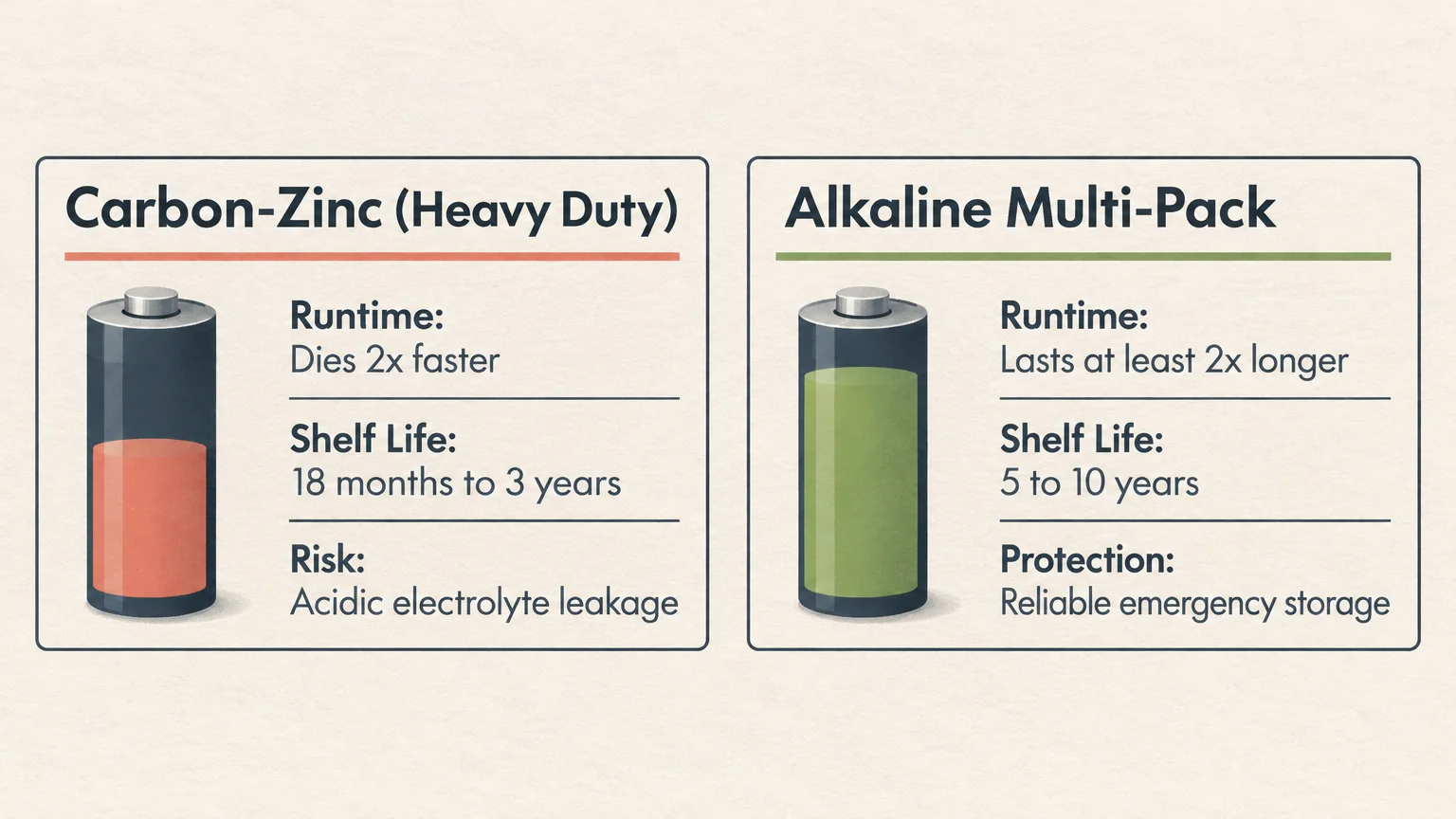
Check the back of those bargain battery packs before dropping them into your cart. Many low-cost packs sold on dollar-store racks are carbon-zinc cells, often labeled as heavy duty or regular batteries rather than alkaline.
Battery testing by the Consumer Council in Hong Kong and manufacturer data show that alkaline batteries last at least two times longer than carbon-zinc versions. Carbon-zinc cells also lose voltage rapidly, forcing you to swap batteries far more often.
Evaluating batteries by cost per hour of runtime exposes the illusion immediately. Paying $1.25 for a pack that dies twice as fast leaves you spending more over a year than buying bulk alkaline packs elsewhere.
The Leakage Risk Inside Everyday Devices
Short battery life is only half the problem when you rely on bargain power cells. Carbon-zinc batteries are significantly more prone to electrolyte leakage when left inside low-drain household items.
That acidic crust ruins television remotes, wall clocks, bedside flashlights, and blood pressure monitors. Replacing a damaged device costs far more than the few dollars you tried to save on batteries.
Shelf life creates another hidden catch for retirees who like keeping emergency supplies on hand. Carbon-zinc batteries expire within 18 months to 3 years, whereas alkaline batteries hold their charge for 5 to 10 years.
A Smarter Way to Stock Up on Power
Skip the battery pegboard at Dollar Tree unless you spot reputable alkaline cells and verify the expiration date stamped on the card. Even then, compare the price per battery against warehouse clubs or supermarket store brands.
Buying a large multi-pack of alkaline batteries at a warehouse club or discount grocer locks in a lower cost per cell. Those batteries stay fresh in your emergency drawer for up to a decade without leaking.
Tip #2: Uncertified Extension Cords and Multi-Plug Adapters
Fire Hazards Hidden Behind Thin Wiring
Older homes often lack convenient wall outlets near beds, recliners, and kitchen counters. Reaching for a cheap cord or multi-outlet tap seems harmless, yet electrical accessories top the list of dollar store mistakes.
The U.S. Consumer Product Safety Commission (CPSC) estimates that about 3,300 residential fires originate in extension cords every year. Those fires cause 50 deaths and roughly 270 injuries across the country.
Many bargain cords use thin wiring that overheats when powering lamps alongside fans, heaters, or medical equipment. Under UL standards cited by the CPSC, general-use extension cords must feature #16 gauge or larger wire rated for 13 amps or up to 1,560 watts.
The Counterfeit Certification Trap
A shiny safety sticker on a discount cord does not guarantee real protection inside the plastic casing. The CPSC has previously recalled Dollar Tree extension cords and adapter plugs carrying counterfeit UL labels due to severe shock and fire hazards.
Uninformed shoppers assume every cord on a national chain shelf meets federal electrical safety rules. In reality, counterfeit certification marks slip through supply chains when manufacturers cut corners to hit ultra-low wholesale targets.
Properly built cords also include integral fuses or safety closures to prevent accidental shocks and overloads. Lightweight bargain plugs frequently omit those safeguards entirely.
How to Inspect Cords Before You Buy
Leave household extension cords, power strips, and outlet splitters off your dollar-store list permanently. Buy electrical gear from hardware chains or home improvement stores that source directly from vetted manufacturers.
Always verify the wire gauge printed along the jacket and confirm the UL mark matches genuine listing details. Never plug space heaters or high-wattage kitchen appliances into any lightweight extension cord.
Tip #3: Off-Brand OTC Medications and Discount Supplements
Recall Delays and Storage Risks
Pain relievers, antacids, and allergy pills attract fixed-income shoppers looking to cut pharmacy bills. However, federal enforcement records show troubling gaps in how discount chains manage recalled consumables and drug-aisle safety.
On June 11, 2024, the FDA issued a warning letter to Dollar Tree after recall audits revealed stores kept selling WanaBana Apple Cinnamon Fruit Puree pouches containing high lead levels well after the October 29, 2023 recall.
Dollar Tree’s own recall notices have also covered Vi-Jon Magnesium Citrate Saline Laxative for microbial contamination and Ranitidine OTC tablets. On May 18, 2026, the FDA closed corrective actions on a 2022 warning letter tied to rodent contamination at a Family Dollar warehouse.
Why Small Bottles Destroy Your Cost Per Dose
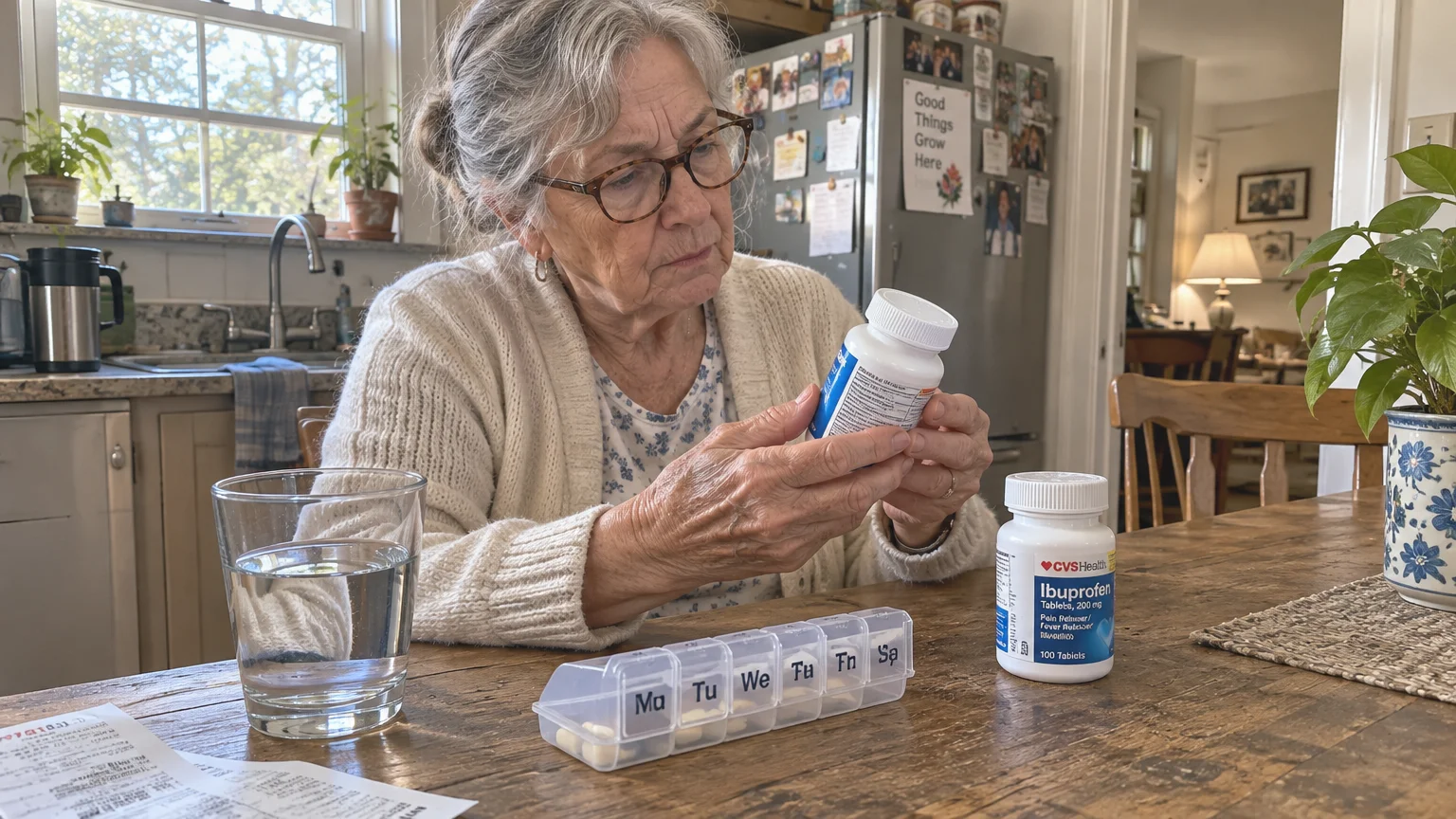
Safety recalls aside, small $1.25 medicine bottles rarely beat standard grocery or pharmacy unit prices. Manufacturers shrink pill counts down to tiny travel sizes just to hit a single low price point.
Always divide the shelf price by the exact pill count and milligram strength before buying any pain reliever or vitamin. You will often discover you are paying more per effective dose than at a warehouse club.
According to a 2026 Consumer Reports price comparison, supermarket store brands cost half as much or less than national name brands. Buying a standard bottle of store-brand ibuprofen or acetaminophen delivers far better value than tiny dollar-store tubes.
Where Retirees Should Buy Everyday Remedies
Stick to pharmacies, warehouse clubs, or major supermarkets with strict temperature-controlled distribution and automated register blocks on recalled lots. When a dangerous batch triggers a recall, major pharmacy registers immediately refuse to scan the barcode.
Check expiration dates closely before leaving any store, and avoid buying supplements with vague manufacturer addresses. Your daily health routine deserves verified potency and reliable recall tracking.
Tip #4: Expiring or Outdated Sunscreen and Personal Care Lotions
Expired UV Protection and Banned Ingredients
Sun protection becomes even more critical as skin thins with age, yet bargain sunscreen aisles hide serious pitfalls. Under FDA regulations, every over-the-counter sunscreen must display an expiration date unless stability testing proves it remains effective for at least 3 years.
Any sunscreen without a printed expiration date must be treated as expired 3 years after purchase and thrown away. Discount liquidators and dollar stores frequently receive closeout stock that sat in warm warehouses for months before reaching the shelf.
Ingredient safety rules have also shifted recently to protect consumers. On September 10, 2026, the FDA issued a final administrative order removing PABA and trolamine salicylate from the OTC sunscreen monograph because their safety risks outweigh their benefits.
Chemical Risks in Discount Skin Care
Everyday lotions, shampoos, and soaps on dollar-store shelves also carry troubling chemical baggage. In May 2025, the Campaign for Healthier Solutions and the Ecology Center published testing of discount-chain products using Clearya Insights.
Researchers scanned 130 items across Dollar Tree, Family Dollar, and Dollar General in beauty, personal care, baby, and cleaning aisles. Exactly 46 items—or 35% of the products tested—contained chemicals of concern.
Worse still, 10 items held ingredients restricted or banned in Europe or Canada, including a formaldehyde-releasing preservative in baby lotion and a banned chemical in daily moisturizer. Dollar Tree earned a grade of D on the 2024 Mind the Store Retailer Report Card.
Smart Label Checks for Safer Skin
Skip mystery-brand lotions, closeout sunscreens, and strongly scented creams at Dollar Tree altogether. Use free ingredient-scanning apps on your phone to flag hidden preservatives before applying any new lotion to sensitive skin.
Buy broad-spectrum sunscreen from high-turnover retailers where fresh seasonal inventory sells out every summer. Check the back tube for a clear expiration date at least two years into the future.
Tip #5: Multi-Price Pantry Staples Without Checking Unit Prices
The Multi-Price Illusion at Checkout
The days when every item inside Dollar Tree cost one flat price are officially gone. According to Dollar Tree’s Form 10-K for the fiscal year ended January 31, 2026, the foundational opening price sits at $1.25.
While 85% of products in the average store are priced at $2.00 or less, Dollar Tree has rolled out multi-price tiers across most locations. Shelves now mix $1.50, $1.75, $3.00, $5.00, and $7.00 items—with media reports noting prices climbing up to $10.
That pricing shift preys on muscle memory from years of flat-rate shopping. Shoppers toss snacks, frozen meals, and pantry jars into baskets assuming every tag matches the $1.25 sign at the door.
Register Overcharges Eat Your Grocery Budget
Keeping track of mixed price tags gets even harder when the register disagrees with the shelf. A December 2025 investigation by The Guardian documented widespread shelf-versus-checkout pricing discrepancies across dollar-store chains.
The report highlighted a North Carolina weights-and-measures inspection of a Family Dollar store where 69 of 300 items—a 23% error rate—rang up higher at the register than the posted shelf price. Even though Dollar Tree completed the sale of Family Dollar on July 5, 2025, pricing accuracy remains a major risk anywhere staff shortages leave outdated shelf tags standing.
For retirees watching every dollar, silent checkout markups quickly erase perceived savings. According to the Bureau of Labor Statistics (BLS) Consumer Expenditure Survey, households headed by someone 65 or older spent an average of $5,251 per year—about $438 per month—on food at home in 2024.
How Unit Pricing Beats Dollar-Store Shrinkflation
Food inflation keeps squeezing household budgets across the country. On November 6, 2026, the BLS reported that total annual household spending rose 4.3% to $81,905 in 2025, while food spending jumped 4.6%.
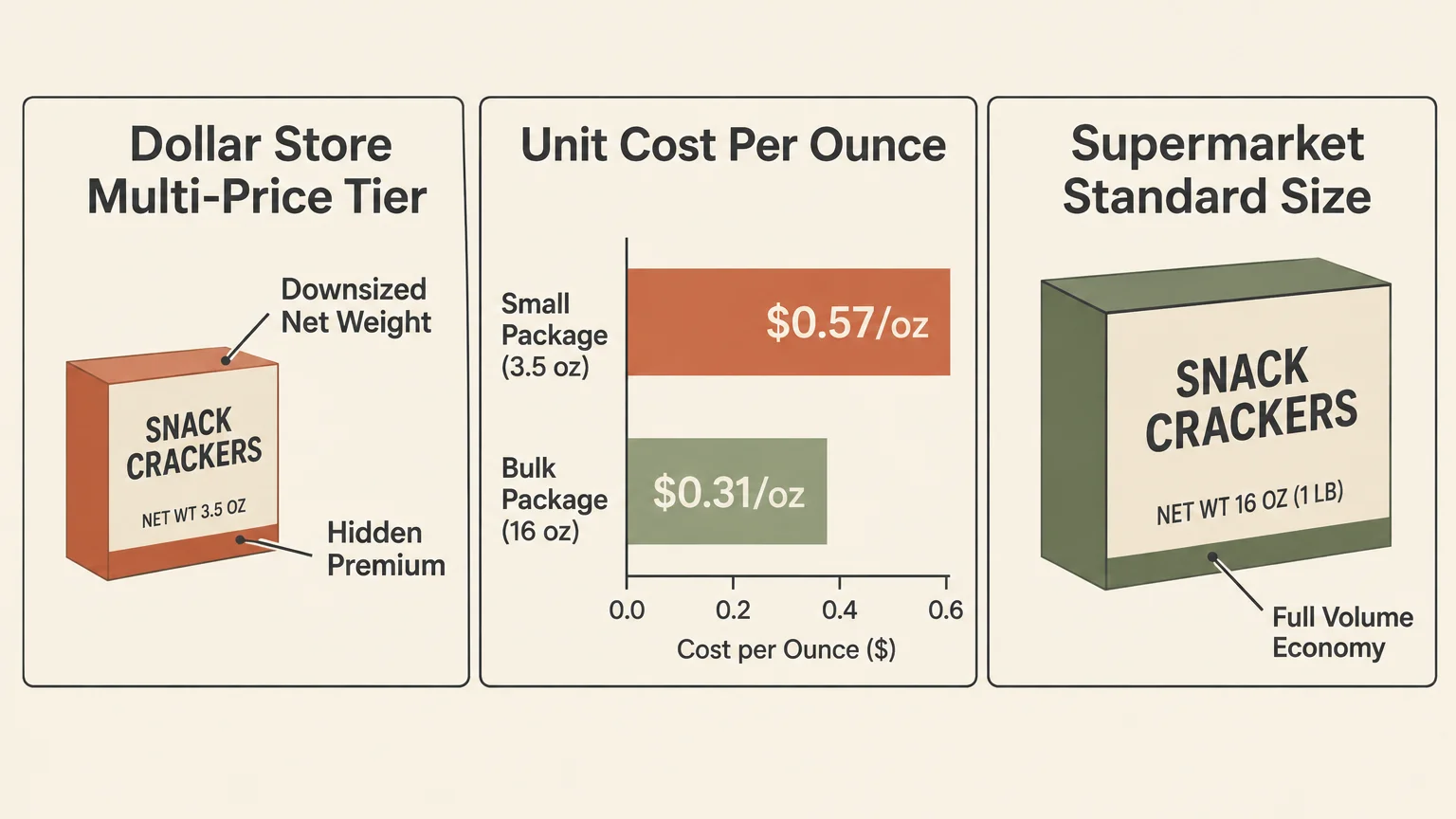
To fight back, follow Consumer Reports advice and evaluate every grocery item strictly by unit price—the cost per ounce, pound, or count. Their 2026 price comparison showed identical grocery baskets vary in price by over 33% across retailers.
Costco, BJ’s, Aldi, and Lidl ranked among the lowest-cost grocers, beating even Walmart on identical baskets. Doing your staple grocery runs at deep-discount supermarkets lets you read clear unit-price shelf tags and avoid dollar-store shrinkflation completely.
Tip #6: Imported Bargain Cookware and Spices With Lead Risks
Lead Warnings in Budget Pots and Spices
Replacing worn kitchen gear or refilling spice racks at Dollar Tree looks tempting when grocery bills climb. Yet both categories have triggered urgent federal safety warnings over toxic heavy-metal contamination.
Between August and December 2025, the FDA issued safety alerts warning consumers to discard specific unbranded and small-brand imported cookware made of aluminum, brass, or Hindalium and Indalium alloys. Testing proved those pans can leach lead directly into food while cooking.
The FDA reiterated that there is no known safe level of lead exposure for anyone at any age. Dollar Tree’s own recall list also includes 2.25-ounce jars of Supreme Tradition Ground Cinnamon due to potential elevated lead levels.
The True Cost of Flimsy Kitchen Gear
Even when bargain cookware avoids contamination, ultra-thin metal pans fail the basic durability test. Thin aluminum warps on stove burners within months, creating hot spots that scorch meals and ruin delicate sauces.
Cheap nonstick coatings scratch and peel rapidly, forcing you to buy replacements over and over again. That cycle turns a single low sticker price into a steep long-term cost per use.
Dollar-store spices also sit on shelves longer than high-turnover grocery stock, losing aroma and flavor quickly. Weak spices tempt home cooks to shake extra pinches into recipes, burning through small jars faster.
Clearance Strategies for Durable Cookware
Put kitchen pots, pans, and imported spices high on your list of dollar tree items to avoid. Instead, watch post-holiday and seasonal clearance aisles at department stores or home-goods chains for heavy-gauge stainless steel or cast iron.
One sturdy skillet bought at a 50% clearance markdown will outlast ten flimsy discount pans. For spices, buy whole or bulk refill bags from high-turnover ethnic markets or discount grocers like Aldi and Lidl.

Tip #7: Cut-Rate Home Safety Gear and Seasonal Electric Tools
Why Alarm Expiration Dates and Certifications Matter
Functional smoke and carbon monoxide alarms save lives, especially for older adults who may sleep deeply or move slowly during emergencies. Never compromise on home safety sensors just to shave a few dollars off a hardware trip.
Under National Fire Protection Association (NFPA) Standard 72, every smoke alarm—including 10-year sealed-battery and hardwired units—must be replaced every 10 years. Standard carbon monoxide alarms use electrochemical sensors that typically expire after 7 years, though many post-2013 models last 10 years.
The CPSC advises buying only carbon monoxide alarms certified to UL 2034 and smoke alarms certified to UL 217, which was updated in 2021 for better sensor stability and fewer nuisance false alarms. Bargain bins rarely carry fresh-dated, properly certified long-life units, costing you precious years of sensor protection.
Recalled Hobby Tools and Burn Hazards
Craft tools, glue guns, and novelty electric gadgets fill seasonal dollar-store endcaps year-round. Many retirees pick up inexpensive tools for grandkid projects, holiday decorating, or quick household repairs.
Unfortunately, plug-in dollar-store tools have a troubling safety track record. Dollar Tree’s official recall notices include electric balloon pumps recalled for burn hazards and more than 1 million hot glue guns recalled due to fire and burn hazards.
Cheap plastic housings crack easily under heat, exposing hot metal elements or frayed internal cords. One faulty glue gun sitting on a dining table can scar wood furniture or spark a house fire in seconds.
Where to Source Reliable Safety Equipment
Purchase smoke alarms, carbon monoxide detectors, and plug-in craft tools exclusively from established hardware retailers or vetted brand storefronts. Always inspect the manufacture date stamped on the back of any alarm box before paying.
Many local fire departments even provide free or low-cost UL-certified smoke alarms and installation help for seniors. Calling your town fire marshal can save you money without sacrificing certified protection.
Tip #8: Cheap Plastic Novelties and Fragranced Household Cleaners
Hidden Toxins in Grandkid Gifts and Seasonal Decor
Grandparents love surprising grandchildren with holiday trinkets, glowing party favors, and seasonal candy buckets. Those colorful aisles make dollar stores feel magical, yet independent testing reveals why plastic novelties are classic dollar store mistakes.
In the May 2025 Product Testing for the People investigation by the Campaign for Healthier Solutions and the Ecology Center, lab tests detected lead in light-up bracelets, plastic roses, and mini candy pails. Researchers also found PVC in children’s items.
Children frequently chew on toys, wear plastic jewelry against bare skin, or eat treats straight out of novelty pails. Giving up those $1.25 impulse gifts keeps toxic metals and plastics away from the kids you love.
Diluted Cleaners and Receipt Chemicals
Fragranced sprays, dish soaps, and surface cleaners look like easy wins for budget shopping seniors. Yet discount cleaning bottles often pack extra water and harsh chemical additives rather than concentrated cleaning power.
In that same May 2025 screening, 35% of scanned personal care, baby, and cleaning items contained chemicals of concern. While microwave popcorn bags tested PFAS-free in 2025—improving on 2021 testing when 60% of 67 Dollar Tree items held chemicals of high concern including BPA in canned food linings—cash register receipts still tested positive for BPS.
Using watered-down sprays forces you to pump twice as much solution onto counters and floors. You end up walking back to the store twice as often while paying more per fluid ounce of active cleaner.
Safer Ways to Buy Gifts and Cleaning Supplies
Swap plastic party trinkets for practical treats like coloring books, wooden puzzles, or sidewalk chalk bought during end-of-season clearance sales. Better yet, spend those few dollars on fresh fruit or baking ingredients for a fun afternoon together.
For household cleaning, buy concentrated multi-purpose cleaners or bulk white vinegar and baking soda at a warehouse club or supermarket. Diluting concentrated bottles yourself cuts plastic waste, eliminates unnecessary fragrances, and drops your cost per ounce dramatically.
The Bottom Line: What This Means for Your Wallet
Smart dollar tree shopping tips come down to separating genuine convenience buys from expensive illusions. Knowing which dollar tree items to avoid protects both your fixed retirement income and your physical safety.
Every dollar counts when living expenses rise faster than annual benefit adjustments. According to the Social Security Administration (SSA), the 2026 cost-of-living adjustment was 2.8%—adding about $56 per month—bringing the average retired worker check to $2,092.17 in June 2026 and roughly $2,095 later in the year.
On October 14, 2026, the SSA announced a 3.6% adjustment for 2027, lifting the average retired worker benefit by roughly $75 per month to about $2,170. Yet healthcare costs keep biting back, with the Medicare inpatient hospital deductible climbing from $1,736 in 2026 to $1,776 in 2027.
Dollar Tree remains enormously convenient, operating 9,282 stores across 48 states, Washington, D.C., and Canada as of January 31, 2026, with plans to add roughly 400 stores and close about 75 underperforming locations in 2026. Keep using those aisles for greeting cards or paper party plates, and take your food, medicine, safety gear, and battery budgets to retailers with verified quality and transparent unit pricing.
For consumer protection information, visit the Federal Trade Commission (FTC) and the Consumer Financial Protection Bureau (CFPB). For product safety and reviews, consult Consumer Reports.
Disclaimer: This article is for informational purposes only and does not constitute financial advice. The content reflects the author’s opinion and research at the time of writing. Always do your own research before making financial decisions.
Frequently Asked Questions
Are all Dollar Tree items a bad deal for retirees?
No, plenty of low-risk staples remain smart buys when you stick to single-use paper goods, greeting cards, or basic gift bags. Those items carry minimal safety risk and often beat traditional card-shop markups by a wide margin.
The real trap hits when shoppers buy electronics, medicines, multi-price groceries, or personal care liquids without comparing unit prices and safety certifications. Treating the store selectively saves cash without inviting junk or hazards into your home.
How do I spot a bad unit price at Dollar Tree?
Always pull out your phone calculator and divide the shelf price—whether $1.25 or a $3.00 to $7.00 multi-price tier—by total ounces, pill count, or sheet count. Compare that number directly against store-brand tags at Aldi, Lidl, or your regular supermarket.
Because Dollar Tree packages are frequently shrunken to hit lower price points, unit prices often run higher than full-size grocery packs. Checking the math takes ten seconds and reveals the truth immediately.
How can seniors protect themselves from register overcharges?
Pay close attention to the customer display screen as each item scans, especially on mixed-price aisles where tags change frequently. Snap quick phone photos of shelf labels for any higher-priced items before walking up to the register.
Review your total before paying, and ask the cashier to void anything that rings up higher than posted. Because testing detected BPS on thermal paper receipts, wash your hands after handling receipts or opt out when you do not need a record.
Where can I check if a Dollar Tree product has been recalled?
Bookmark the official recall search portals maintained by the FDA for food, spices, cosmetics, and medications, and the CPSC for electrical cords, tools, and toys. Dollar Tree also posts official product recall notices online.
Check your pantry and utility drawers twice a year against recent recall alerts, especially if you already bought ground spices, OTC liquids, or seasonal plug-in craft tools.