To protect your grocery budget this year, you need to know exactly which frozen staples are driving up your checkout total so you can pivot your meal planning accordingly. As inflation continues to reshape the freezer aisle, relying on formerly cheap convenience meals will silently drain your bank account. You likely reach for frozen pizzas, vegetables, and pre-cooked proteins to save time after a long workday, assuming these icy backups remain budget-friendly. However, supply chain bottlenecks and rising energy costs for cold storage have dramatically inflated the prices of specific frozen categories. Recognizing these shifting costs allows you to adjust your shopping habits, swap out overpriced items, and keep your household finances firmly intact.
The Reality of Cold Storage Inflation
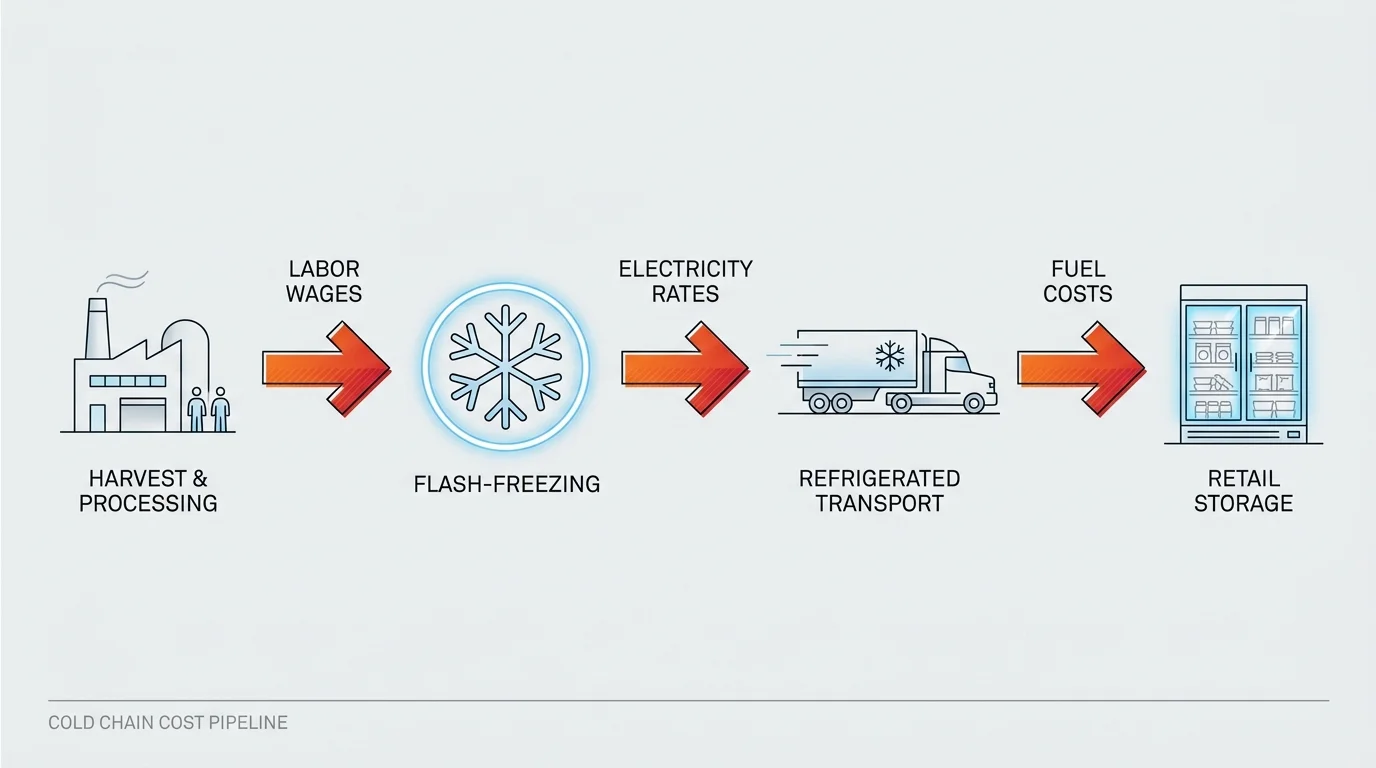
Walking down the freezer aisle no longer guarantees a budget-friendly shopping trip. For decades, consumers utilized frozen foods as a financial shock absorber against fluctuating fresh produce prices and unpredictable meat markets. Manufacturers achieved economy of scale, passing the savings down to you. That dynamic shifted permanently over the last few years. The complex logistics required to harvest, process, flash-freeze, and transport food in specialized refrigerated trucks demands immense energy. As fuel and electricity rates climb, every step of the cold chain grows costlier.
Macroeconomic pressures compound these logistical hurdles. Labor shortages at processing plants force companies to increase wages, which directly translates to higher shelf prices. According to recent USDA Economic Research Service reports, consumer food prices continue to face upward pressure from lingering supply chain vulnerabilities and elevated agricultural inputs. Tracking these broad economic shifts reveals exactly why your grocery receipt feels heavier. Knowing where the inflation hits hardest empowers you to defend your household cash flow against silent margin increases.
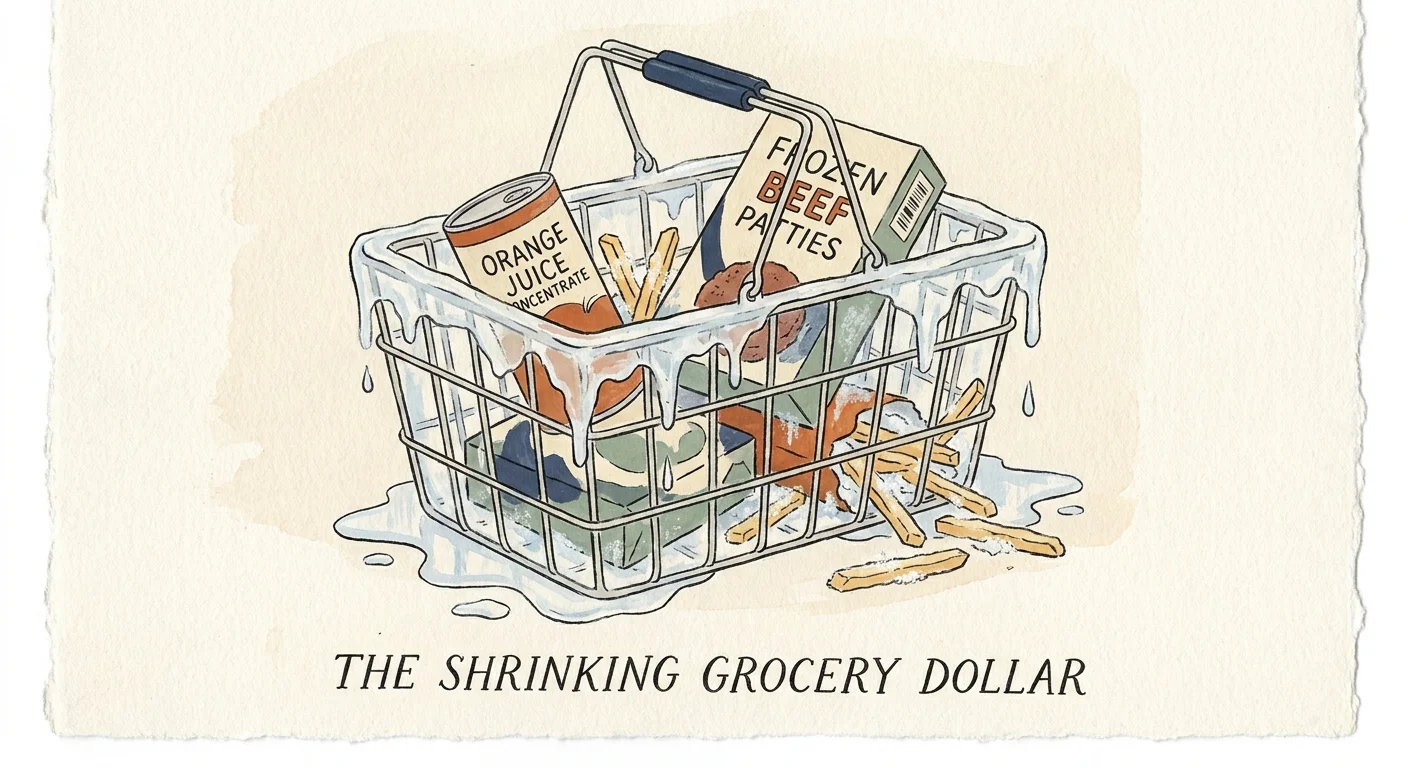
8 Frozen Staples Draining Your Grocery Budget
1. Frozen Beef Patties and Pre-Cooked Meatballs
The cattle industry faces a historic contraction, driving beef prices to alarming highs across the board. Extended droughts in major cattle-producing states forced ranchers to reduce their herd sizes to multi-decade lows. Because rebuilding a cattle herd takes years, the constrained supply will keep beef prices elevated for the foreseeable future. Frozen beef patties and prepared meatballs absorb these raw material costs immediately. Furthermore, the processing required to shape, season, and flash-freeze these meats adds a layer of manufacturing expense that companies pass directly to you. If you regularly rely on frozen burgers for quick weeknight dinners, you will notice a steep premium compared to just twelve months ago.
2. Frozen Concentrated Orange Juice
Once a staple of the frugal breakfast table, frozen concentrated orange juice now carries a luxury price tag. Citrus greening disease decimated Florida orange groves, drastically reducing crop yields. Successive severe weather events further battered the remaining agricultural infrastructure. As manufacturers scramble to source oranges from international markets like Brazil, transportation costs skyrocket. The resulting scarcity means you pay significantly more for that humble cardboard cylinder of juice concentrate. This price spike forces many households to reevaluate their morning routines entirely, switching to alternative beverages or strictly limiting citrus consumption to special occasions.
3. Frozen Potato Products and French Fries
You might think of potatoes as the ultimate cheap crop, yet the frozen french fry sector tells a different story. Unpredictable weather patterns heavily impacted potato yields in the Pacific Northwest, leading to smaller harvests of the specific potato varieties favored for freezing. Manufacturers also face intense expenses regarding the cooking oils required to par-fry the potatoes before they hit the blast freezers. Edible oil prices soared due to global market constraints, adding significant cost to every bag of tater tots and crinkle-cut fries. Consequently, you spend more money to achieve that convenient, oven-baked crispness at home.
4. Frozen Prepared Pizzas
Frozen pizzas—once the ultimate cheap dinner—now rival the cost of calling your local delivery spot. Creating a frozen pizza involves multiple commodities that all experienced simultaneous inflation. Wheat prices dictate the cost of the crust; dairy market volatility impacts the cheese; and meat shortages drive up the price of pepperoni and sausage. Beyond the ingredients, frozen pizzas require extensive, bulky packaging to prevent damage and freezer burn. The sheer physical footprint of a pizza box means fewer units fit on a delivery truck, making the transportation cost per item remarkably high. You ultimately pay for all these compounded logistical challenges when you scan that barcode.
5. Frozen Berries and Smoothie Blends
Health-conscious consumers heavily rely on frozen strawberries, blueberries, and mixed fruit blends for daily smoothies. Unfortunately, harvesting delicate berries remains an incredibly labor-intensive process. As agricultural wages increase, the initial cost of the fruit rises accordingly. Furthermore, berry crops remain highly susceptible to extreme heat and unseasonal frosts. When yields drop, processing facilities must aggressively outbid fresh-market buyers to secure enough fruit for their frozen lines. The energy required to wash, sort, and individually quick-freeze delicate berries also adds substantial overhead. Your daily nutritional boost now requires a much larger portion of your weekly grocery budget.
6. Breaded Fish Fillets and Frozen Seafood
The global seafood supply chain operates under immense financial strain, directly impacting the cost of fish sticks, breaded fillets, and frozen shrimp. Diesel fuel powers the massive commercial fishing fleets; when marine fuel prices jump, the cost of catching wild seafood surges. For farm-raised options, the price of commercial fish feed continues to climb. Once caught or harvested, the seafood embarks on a lengthy, temperature-controlled journey across oceans. The additional breading and pre-frying steps introduce wheat and oil costs to the equation. Families trying to incorporate cheap seafood into their diets find the frozen marine aisle increasingly hostile to their wallets.
7. Frozen Chicken Nuggets and Tenders
Poultry historically offered a budget-friendly alternative to beef and pork, but frozen chicken products face severe headwinds. Avian influenza outbreaks periodically sweep through commercial flocks, forcing producers to cull millions of birds. This volatile supply dynamic sends shockwaves through the poultry market. Manufacturers of chicken nuggets also utilize complex breading formulations and industrial fryers, exposing the product to the same wheat and cooking oil inflation affecting other categories. Because families view chicken nuggets as a non-negotiable staple for picky eaters, manufacturers realize they can raise prices without immediately losing demand. You end up absorbing these price hikes out of necessity.
8. Multi-Component Ready-to-Eat Dinners
Frozen TV dinners and skillet meal kits present the ultimate convenience, bringing together proteins, starches, vegetables, and sauces in a single package. However, managing the supply chain for a multi-component meal is remarkably expensive. If the cost of just one ingredient—such as the dairy-based sauce or the diced chicken—spikes, the entire product becomes more costly to produce. Assembling these meals requires sophisticated, energy-intensive robotic manufacturing lines. When you purchase a complete frozen skillet meal, you pay a massive premium for the proprietary assembly and specialized compartmentalized packaging. This category currently represents one of the steepest convenience taxes in the modern supermarket.

Strategies to Defend Your Grocery Budget
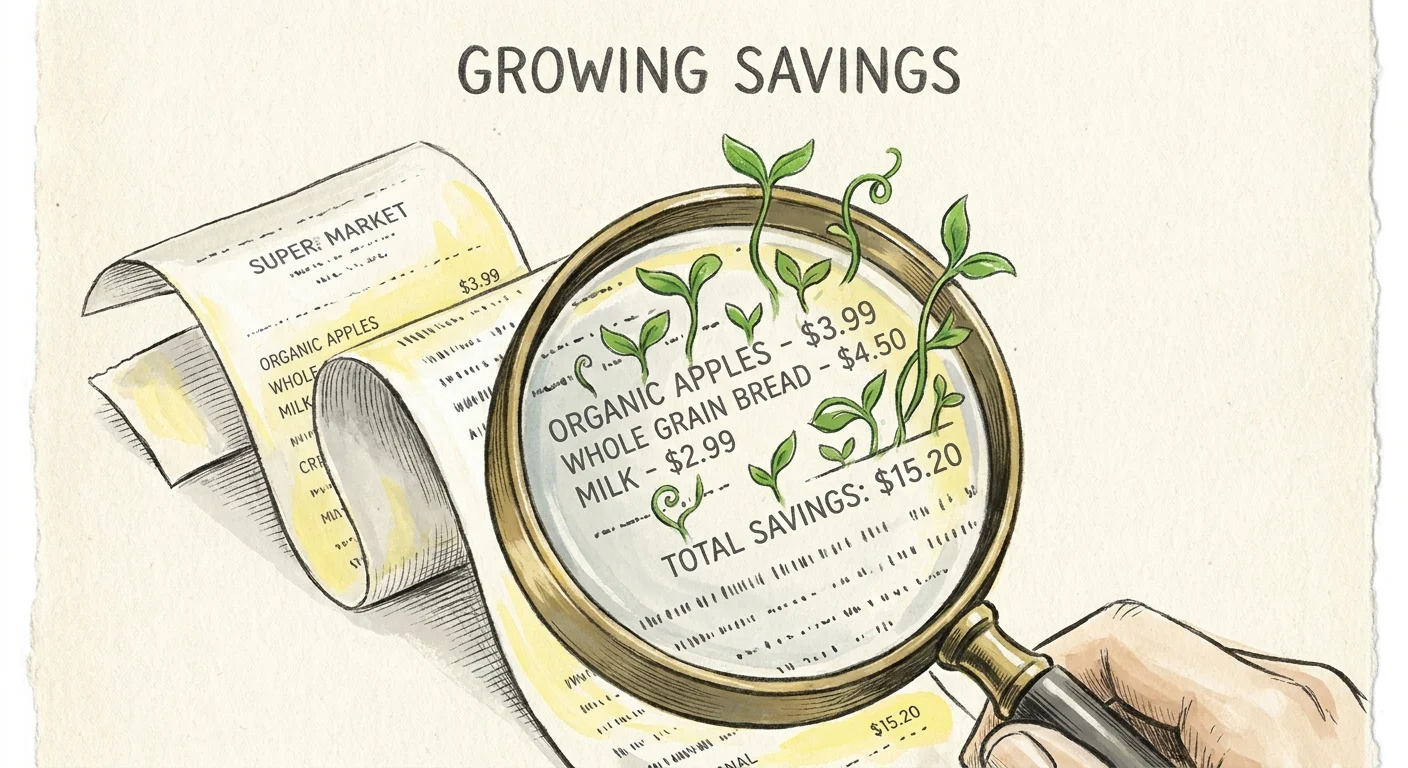
Facing these rising costs requires a proactive approach rather than passive frustration. The first strategy involves conducting a rigorous cash-flow audit of your grocery receipts. For the next three weeks, keep every receipt and highlight every frozen food purchase. Calculate exactly what percentage of your food budget goes toward the freezer aisle. Identifying the specific financial drain allows you to make targeted, effective changes. Relying on accurate data rather than vague feelings of financial stress puts you back in the driver’s seat. Utilize the financial management resources provided by the Consumer Financial Protection Bureau to build a framework for assessing your household spending patterns objectively.
Your second pillar of defense relies on smarter saving automations. Instead of allowing grocery spending to fluctuate wildly based on convenience needs, establish a firm weekly limit and transfer the exact amount into a dedicated spending account. When you separate your food budget from your primary checking account, you force yourself to prioritize purchases. If you know you only have a set amount remaining, you naturally scrutinize the $12 frozen pizza and opt for a $3 bag of flour and yeast instead. Automating boundaries protects your broader financial goals from being slowly eroded by food inflation.
The third strategy demands mindful spending through unit price analysis. Supermarkets intentionally design packaging to obscure price increases through shrinkflation. A bag of frozen vegetables might cost the same as last year, but the weight dropped from sixteen ounces to twelve. You must train yourself to look strictly at the price per ounce displayed on the shelf tag. Comparing the unit price of fresh seasonal produce against the frozen equivalent frequently reveals that fresh items offer superior value during specific harvest windows. Adapting your meal plan to the seasons circumvents the cold storage premium entirely.
Insights from Financial Planners and Consumer Experts
Consumer behavior experts recognize that inflation forces households into difficult psychological trade-offs. Financial planners frequently refer to the heavy reliance on frozen prepared meals as a “convenience tax.” When you work a demanding job, your cognitive load is depleted by the evening. You happily pay a premium for a bag of frozen skillet pasta because it saves you thirty minutes of chopping and cleaning. Acknowledging this psychological dynamic is the first step toward changing it. The Federal Reserve research on household well-being highlights how inflationary periods disproportionately impact families heavily reliant on processed conveniences. Experts advise treating convenience foods as occasional emergency backups rather than default daily solutions. By shifting your perspective, you break the expensive cycle of relying on the commercial freezer aisle to solve your weeknight fatigue.
Action Lab: Restructuring Your Freezer Spending
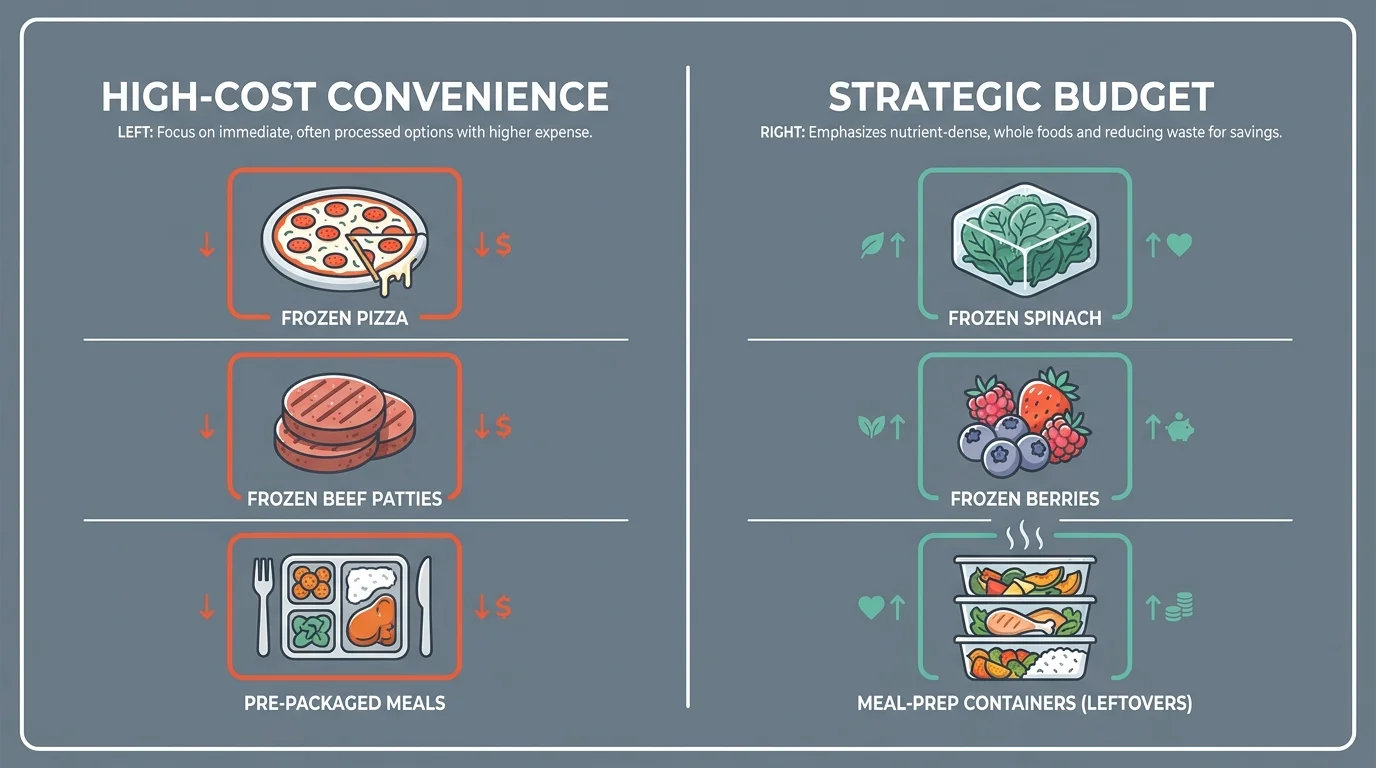
Let us translate these concepts into a practical mathematical exercise you can apply tonight. Assume your household operates on a $200 weekly grocery budget. Currently, you spend $45 of that budget on frozen convenience foods: two premium frozen pizzas ($18), a large bag of frozen breaded chicken strips ($14), and three multi-component frozen skillet dinners ($13). That represents over twenty percent of your entire food allowance allocated to just a few heavily processed meals.
You can dramatically restructure this spending by pivoting to basic ingredients. Swap the frozen pizzas for homemade dough, canned crushed tomatoes, and block mozzarella, dropping the cost to roughly $6. Replace the frozen chicken strips with a bulk pack of fresh chicken breasts you slice and bake yourself, costing approximately $7. Swap the frozen skillet dinners for a large batch of homemade chili portioned into reusable containers, costing around $8 to produce. Your total drops from $45 to $21. You just reclaimed $24 a week, which translates to nearly $1,250 a year in permanent savings. Redirecting that recovered cash flow toward high-yield savings or debt reduction transforms a minor grocery tweak into serious financial momentum.
Common Mistakes to Avoid at the Supermarket
When you aggressively try to cut grocery costs, you risk falling into several behavioral traps. One major pitfall involves assuming all bulk purchases automatically yield savings. Buying a massive, ten-pound bag of frozen broccoli only saves money if your family actually consumes it before freezer burn destroys the texture. Food waste completely negates any upfront unit price advantage. You must align your bulk purchases with your realistic consumption habits. Keep a sharp eye on expiration dates and rotate your home freezer inventory regularly.
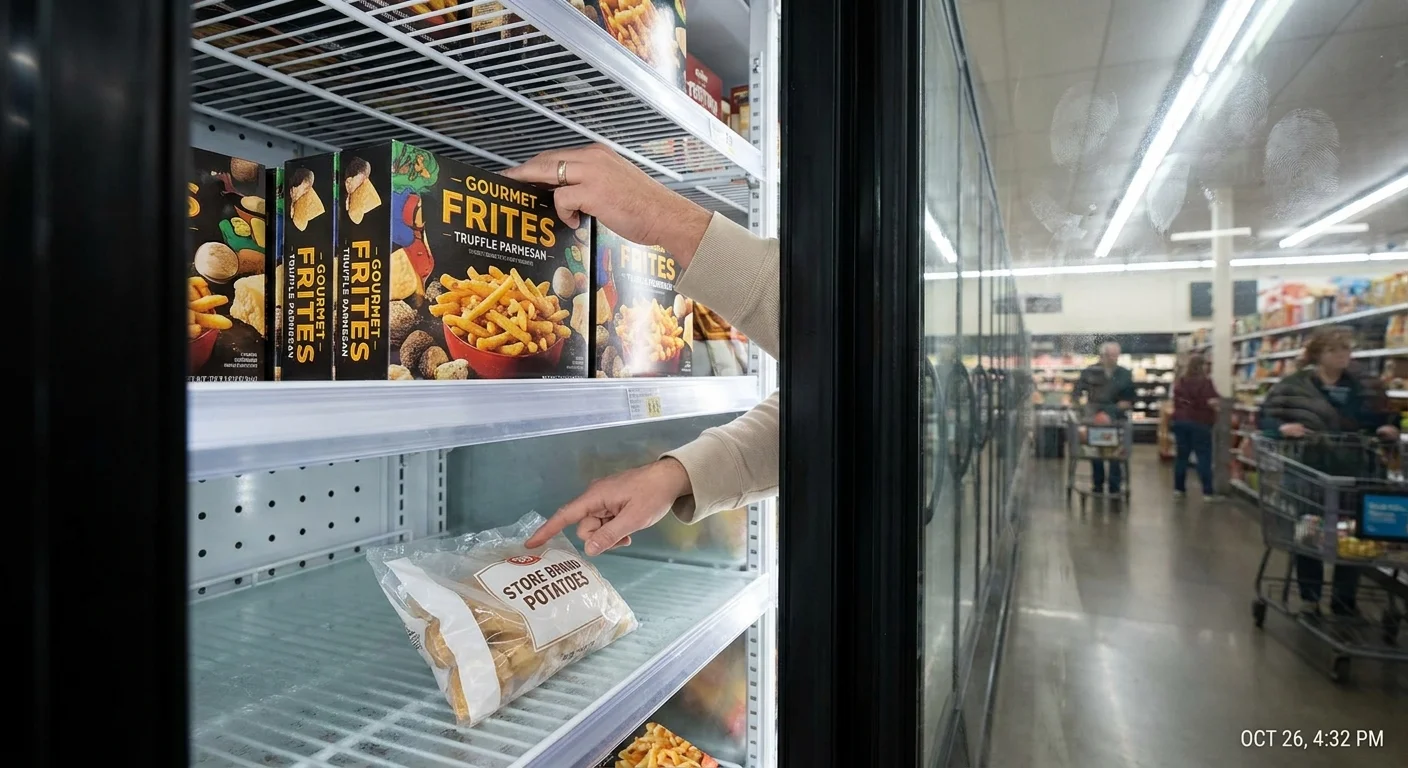
Another frequent error is maintaining fierce brand loyalty in the face of skyrocketing prices. Many shoppers habitually reach for the specific brand of frozen waffles or vegetables they ate growing up, ignoring the store-brand equivalent sitting inches away. Supermarket private labels often roll off the exact same manufacturing lines as the premium brands, utilizing identical ingredients. Refusing to test generic alternatives forces you to pay a heavy marketing premium. According to Bank of America Institute consumer spending reports, households that embrace brand-switching demonstrate significantly more resilience against localized inflation. Let the numbers, not nostalgia, dictate your purchasing decisions.
Frequently Asked Questions About Grocery Inflation
Are fresh foods now cheaper than frozen equivalents?
The answer depends entirely on the season and the item in question. During peak summer harvest, fresh berries and tomatoes typically plummet in price, making them far cheaper than their frozen counterparts. However, in the dead of winter, importing fresh strawberries from across the hemisphere will cost more than a bag of domestically frozen fruit. You must monitor seasonal agricultural trends and adjust your buying strategy month to month to ensure you always capture the lowest price.
How often do grocery stores rotate their freezer sales?
Supermarkets generally operate on a six-to-eight-week promotional cycle. If your preferred brand of frozen vegetables or lean proteins goes on a steep discount, it likely will not reach that low price again for nearly two months. When you identify a genuine loss-leader sale on a staple your family consumes rapidly, buying enough to bridge the gap until the next promotional cycle represents a highly effective hedge against inflation.
Can investing in a standalone chest freezer actually save money?
Purchasing a secondary freezer requires careful mathematical consideration. A chest freezer allows you to capitalize on bulk meat sales, seasonal produce gluts, and clearance items. Over time, the savings from buying whole cuts of meat or bulk vegetables easily outpaces the initial purchase price of the appliance. You must, however, factor in the ongoing electricity costs and commit to actively managing the inventory; a freezer full of forgotten, iced-over food represents a massive financial loss.
What is the best way to track food inflation at my local store?
Relying on national averages from the Consumer Price Index data provides broad context, but local pricing varies wildly. The most effective tracking method requires building a simple, personal price book. Record the standard shelf price of the ten staples you buy most frequently. Update this ledger once a month. This localized data quickly highlights stealth price hikes and confirms whether a heavily advertised store promotion actually represents a genuine discount or just clever marketing.
Reclaiming Control Over Your Grocery Spending
Navigating the aisles of your local supermarket does not have to feel like a losing battle against macroeconomic forces. While you cannot control global supply chains, agricultural yields, or commercial energy rates, you wield absolute authority over what goes into your shopping cart. Identifying the specific frozen items experiencing extreme price inflation allows you to step off the conveyor belt of thoughtless consumption. Challenge yourself this week to audit your freezer, calculate the unit prices of your favorite convenience meals, and execute at least one strategic ingredient swap. Every dollar you successfully defend at the checkout register is a dollar you command toward securing your family’s financial future. Stay vigilant, stay adaptable, and watch your monthly cash flow improve.