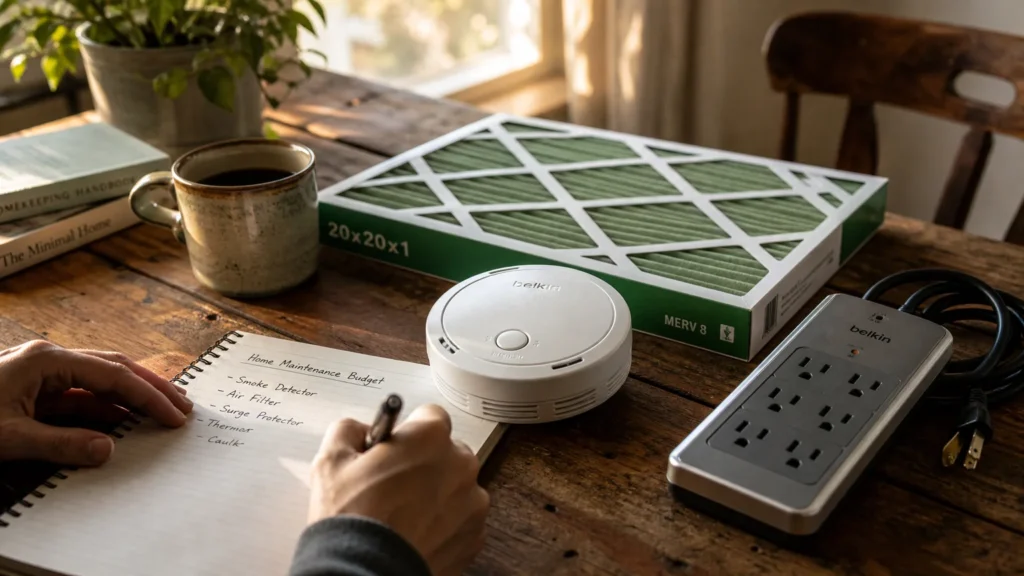
Every trip down the grocery store aisle steadily drains your monthly budget through items designed to be thrown away minutes after you open them. By swapping disposable household staples for durable alternatives, you can immediately reclaim hundreds of dollars a year without sacrificing your quality of life. The persistent pinch of inflation leaves middle-income households searching for painless ways to stretch their paychecks further. Rather than slashing your entertainment budget or canceling necessary services, you should target the expensive illusion of convenience sold in the paper goods and plastic aisles. Reevaluating these recurring expenses provides an instant cash-flow boost that compounds significantly, letting you redirect those funds toward debt payoff or a family vacation.
The True Cost of Disposable Convenience
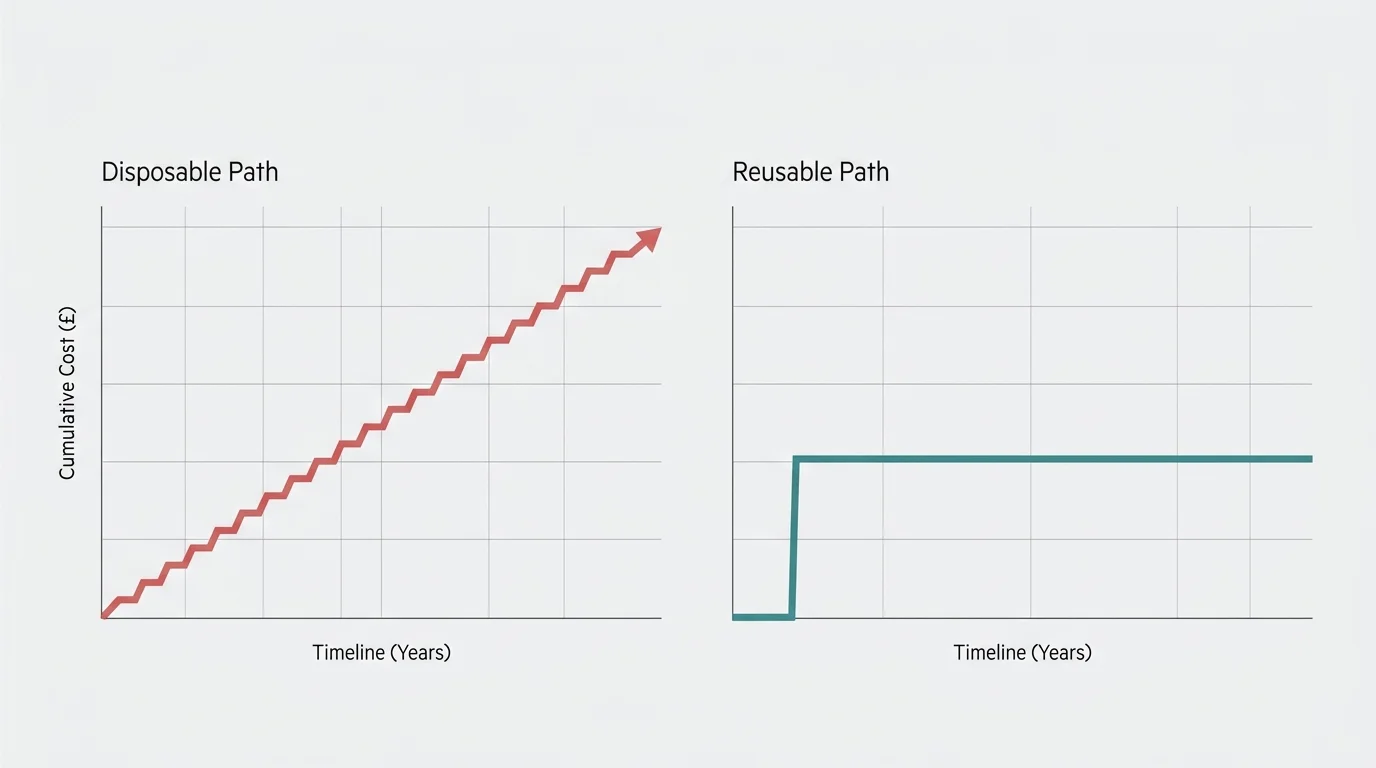
The modern retail environment engineers your shopping habits to prioritize short-term convenience over long-term financial health. When you buy a product designed for a single use, you pay for the manufacturing, packaging, and shipping of an item destined for the trash can within hours. This cycle forces you back to the store repeatedly, creating a perpetual leak in your household cash flow. According to recent household financial well-being reports issued by the Federal Reserve, families feel the squeeze of rising prices most acutely in the grocery checkout line. Because single-use items often cost just a few dollars per box, they easily slip past your budgetary defenses. However, those small purchases aggregate into a massive annual expense that compromises your purchasing power.
You can fight back by viewing your household supplies as capital investments rather than ongoing operational costs. When you shift your mindset from buying consumables to acquiring durables, you effectively lock in today prices for tomorrow needs. Financial planners frequently advocate for auditing your recurring expenses; yet, many people stop at streaming subscriptions and gym memberships. Real wealth retention begins by auditing your physical trash can. If you frequently throw away items you constantly have to repurchase, you have identified a prime opportunity to keep more money in your checking account. Replacing the following twelve items with their permanent counterparts will drastically reduce your weekly grocery bill and simplify your household management.
Strategy Pillar: Auditing Your Kitchen Cash Flow
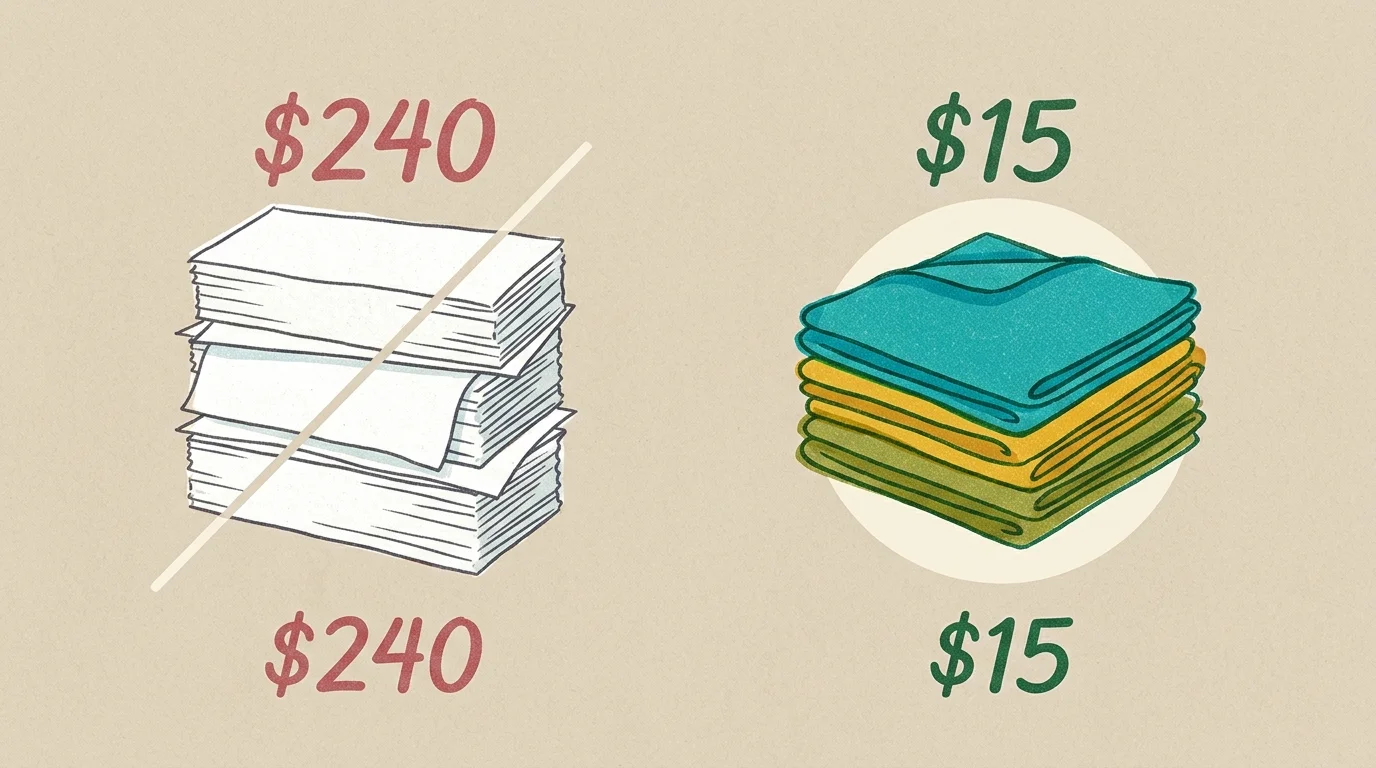
The kitchen serves as ground zero for single-use spending. Companies heavily market disposable kitchen products as vital time-savers, but the actual time saved rarely justifies the financial premium. First on the chopping block should be paper towels. A typical middle-income family can easily burn through a premium twenty-dollar bulk pack of paper towels every month, totaling roughly two hundred and forty dollars annually. By replacing them with a dedicated stack of microfiber cloths and cheap cotton rags, you eliminate this line item entirely. You simply toss the soiled cloths into your regular laundry cycle. The initial investment of fifteen dollars for a massive pack of microfiber towels pays for itself in less than thirty days.
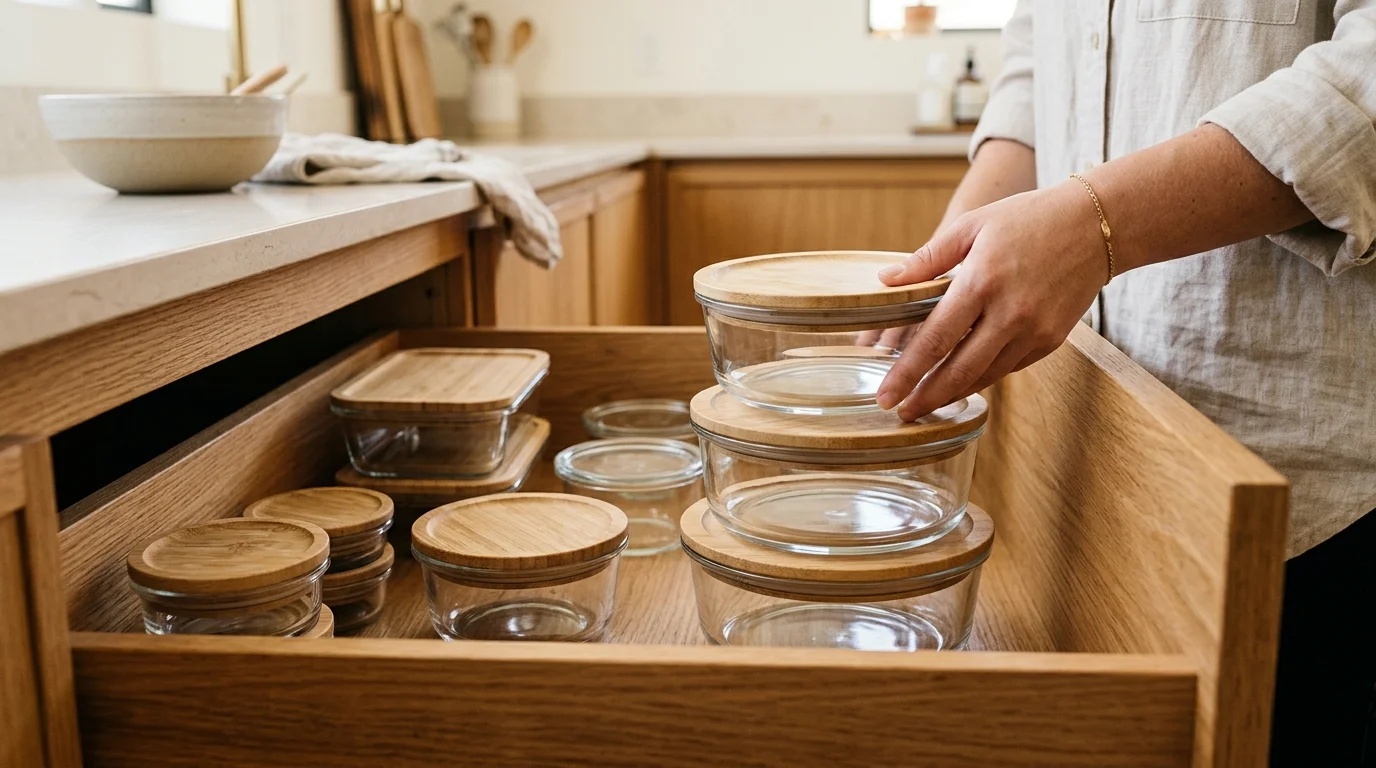
Next, you must address the financial sinkhole of plastic sandwich bags. Whether you pack school lunches or store leftover produce, these flimsy plastics represent a recurring tax on your food budget. Transitioning to silicone storage bags or relying on the durable glass food storage containers you already own eliminates the need for disposable baggies. While high-quality silicone bags require an upfront purchase, they withstand boiling, freezing, and microwaving for years. Similarly, you should eliminate plastic cling wrap from your pantry. Instead of stretching single-use plastic over half an onion or a bowl of chili, utilize reusable beeswax wraps or simply place a plate over the bowl. Beeswax wraps mold to any shape using the warmth of your hands, wash easily with cold water, and last for a year before needing a touch-up.
Finally, examine your morning routine and eliminate single-use coffee pods. The convenience of drop-in brewing comes at an astronomical markup. When you calculate the price per pound of coffee hidden inside those tiny plastic cups, you often pay premium coffeehouse prices for mediocre grounds. Purchasing a reusable, stainless-steel pod filter allows you to buy traditional bags of ground coffee. This single swap drops the cost of your morning cup from roughly eighty cents down to fifteen cents. Over a year of drinking two cups a day, that transition retains nearly five hundred dollars in your wallet.
Strategy Pillar: Smarter Savings in the Bathroom and Laundry Room
Personal care and cleaning routines harbor their own stealthy expenses. The beauty and hygiene industry thrives on planned obsolescence, requiring you to constantly replenish your supplies. You should immediately halt the purchase of disposable razor cartridges. Multi-blade cartridges cost upward of four dollars each, creating a massive recurring expense for a mediocre shave. Transitioning to a traditional safety razor dramatically alters this equation. A heavy, metal safety razor handle costs around thirty dollars, but the double-edged replacement blades cost literally pennies. You achieve a closer shave while saving well over a hundred dollars a year on grooming supplies.
Your skincare routine likely features another financial trap: makeup remover wipes. These chemically soaked disposables drain your wallet and often irritate your skin. A single package costs between six and ten dollars, disappearing entirely by the end of the month. Swap these for washable bamboo or cotton makeup remover pads. You apply your preferred liquid cleanser or micellar water to the reusable pad, wipe your face, and drop the pad into a small mesh laundry bag. You wash them alongside your towels, completely erasing a persistent monthly expense.
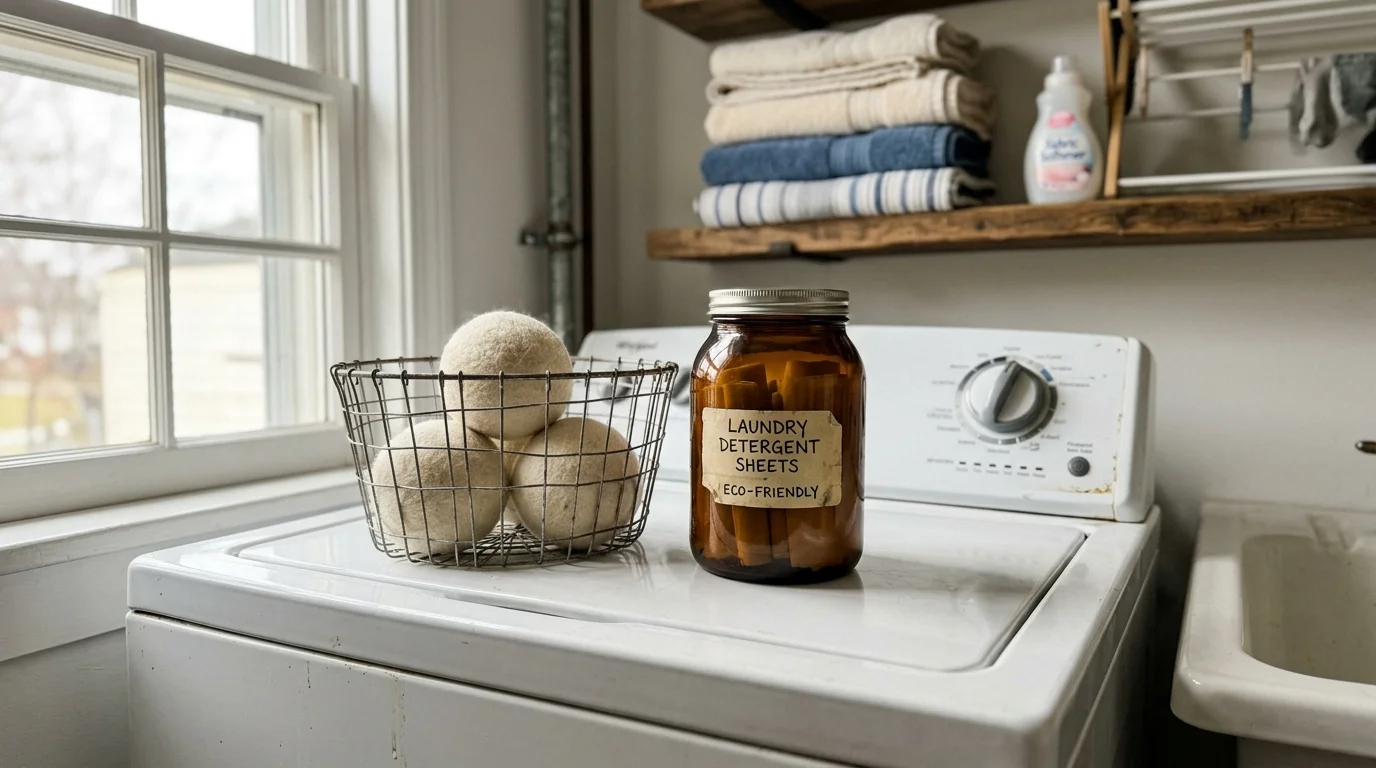
Moving into the laundry room, you can confidently stop buying dryer sheets. Manufacturers sell dryer sheets as a necessity for soft, static-free clothing, but they actually coat your fabrics in a waxy residue that degrades moisture-wicking materials and damages your dryer lint screen over time. By tossing three to six wool dryer balls into the machine, you naturally soften fabrics and reduce drying time by up to twenty-five percent. Shorter drying times translate directly to lower electricity bills. When tackling the floors, refuse to pay for single-use mop pads. Popular name-brand floor sweepers require you to constantly buy wet and dry replacement pads. You can easily purchase washable microfiber pads designed to securely fit your existing sweeper handle. You spray your own diluted cleaning solution onto the floor and mop normally, dodging the recurring proprietary refill tax.
Strategy Pillar: Mindful Spending for Your On-the-Go Lifestyle
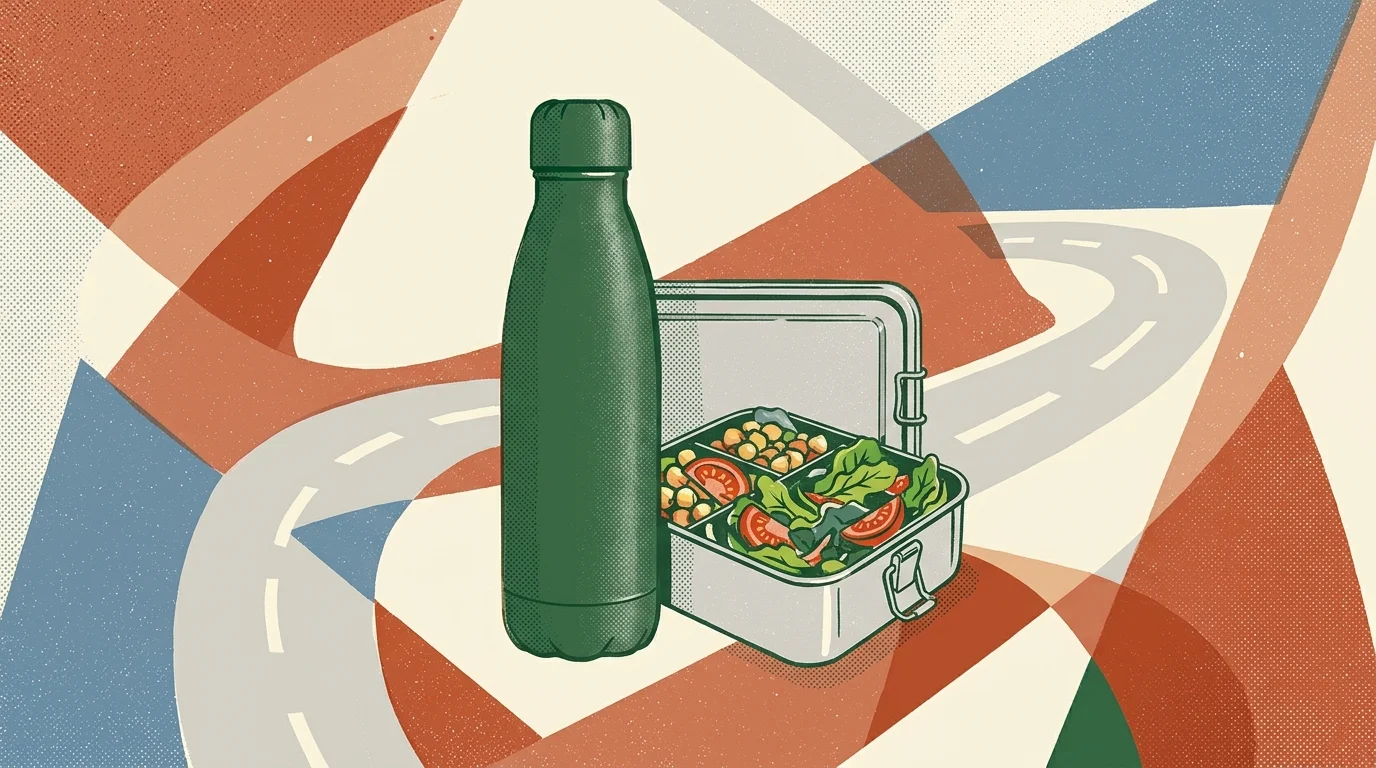
The fast-paced nature of modern life encourages rapid, thoughtless spending on convenience items when you leave the house. Market researchers tracking shifting consumer packaged goods note a significant markup on portable disposables. You must aggressively protect your budget against the premium charged for hydration by refusing to buy bottled water. Buying water packaged in single-use plastic equates to paying a thousand-fold markup on a free resource. Investing in an insulated stainless-steel water bottle keeps your beverages cold for twenty-four hours and prevents you from spending three dollars at the gas station every time you feel thirsty.
Your daily commute offers another opportunity to plug a leak: the disposable coffee cup. While stopping at a local cafe feels like a necessary luxury, the disposable cups themselves factor into the high price of the beverage. Many coffee shops now offer a discount ranging from ten to fifty cents if you hand the barista your own insulated travel mug. Even if you brew at home, bringing a high-quality travel mug ensures you do not cave to the temptation of a mid-morning coffee run simply because your home-brewed cup went cold.
When running errands, refuse the stealth charge of store-bought plastic shopping bags. Many municipalities and retailers now charge a ten-cent or twenty-cent fee per bag at the checkout register. While ten cents sounds trivial, relying on store bags for a weekly grocery haul of ten bags strips fifty dollars from your wallet annually. Keep a stash of durable, foldable canvas totes in your car trunk or near your front door so you never pay for the privilege of carrying your own groceries. Finally, rethink your dinner table by ditching paper dinner napkins. Buying bulk paper napkins feels cheap, but cloth napkins elevate your dining experience while completely removing a paper product from your grocery list. You simply throw them in with your regular laundry; they require zero extra washing effort and can last for a decade.
Real-World Insights and Your Personal Action Lab
Behavioral economists point out that human beings naturally struggle with present bias—the tendency to overvalue immediate convenience while ignoring long-term costs. When you toss a four-dollar box of trash bags or a five-dollar box of single-use mop pads into your cart, the immediate financial pain feels negligible. Experts focused on tracking everyday spending from the Consumer Financial Protection Bureau emphasize that capturing back these micro-expenses is the most painless way to combat inflation. You do not feel deprived when you use a cloth napkin instead of a paper one, yet your bank account registers the difference.
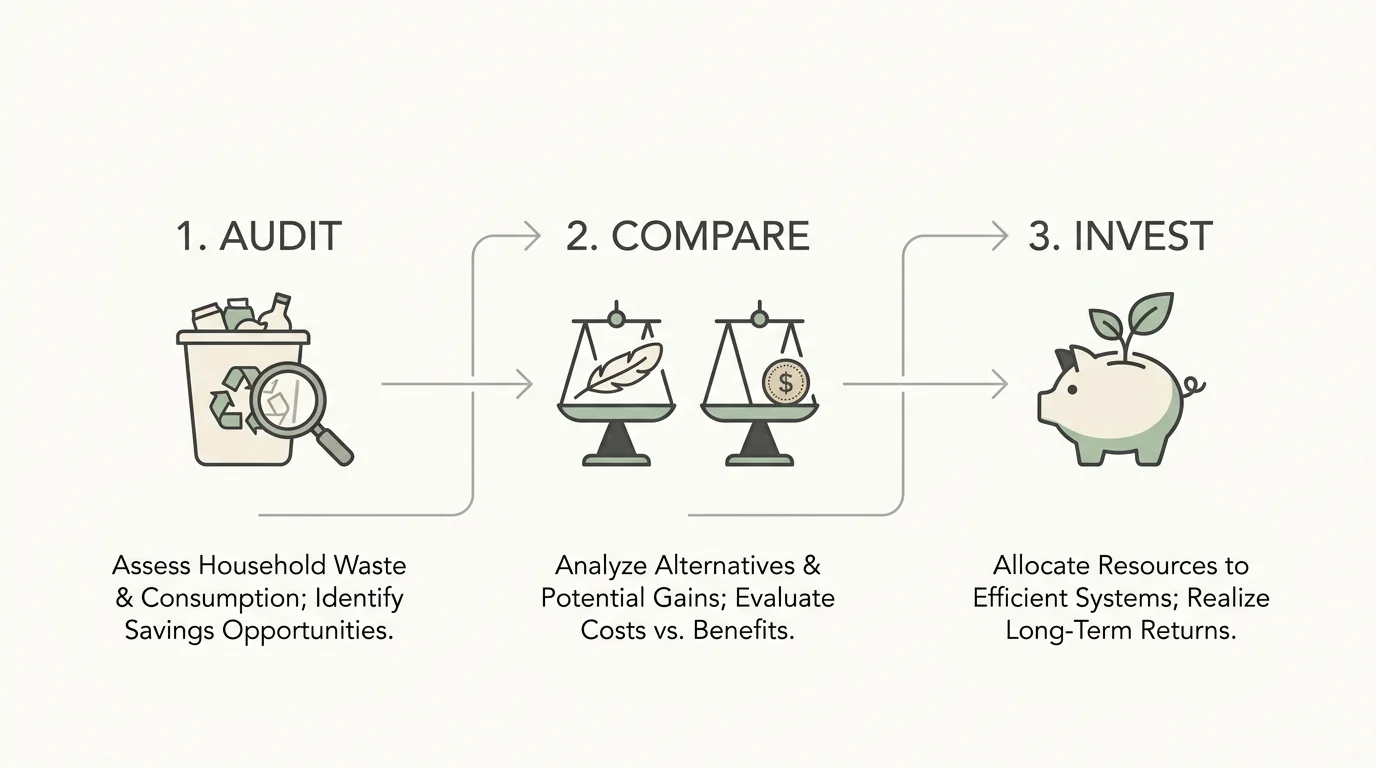
You can execute a cash-flow audit on your own household this evening. Take your last three grocery store receipts and lay them out on your kitchen table. Grab a highlighter and mark every item designed to be thrown away after one use. Next to each highlighted item, write down the price. Multiply that price by the number of times you buy it in a year. If you buy an eight-dollar box of sandwich bags every month, write down ninety-six dollars. Once you total the annualized cost of your highlighted items, you will likely stare at a number between four hundred and eight hundred dollars. Take just ten percent of that annualized total and use it to purchase the durable equivalents online or at a local home goods store tonight. Your return on investment will begin the moment the durable goods arrive at your doorstep.
Guardrails to Prevent Reusable Regret
While transitioning to durables provides a massive financial advantage, you must navigate a few common pitfalls to ensure you actually save money. First, avoid the aesthetic consumerism trap. Social media influencers frequently promote perfectly matching, highly aesthetic eco-friendly products that cost a fortune. You do not need to buy forty-dollar bespoke glass jars to store your rice; a thoroughly washed pasta sauce jar performs the exact same function for free. The goal is to retain cash, not to build a photogenic pantry.
Second, you must commit to using up your current inventory of disposable goods before making a swap. Throwing away half a roll of paper towels just because you bought microfiber cloths wastes the money you already spent. Transition gradually. When you notice your disposable razors running low, that is the exact moment you order the safety razor. Finally, institutionalize the new habits by placing the reusables exactly where the disposables used to live. If your family is accustomed to grabbing a paper towel from a holder on the counter, put a decorative basket of clean microfiber cloths in that exact spot. By keeping the physical action identical, you reduce household friction and ensure everyone adopts the money-saving behavior.
Frequently Asked Questions About Ditching Single-Use Items
Do reusable items actually save money when you factor in the cost of water and laundry detergent?
Yes, the financial math heavily favors reusables. Modern washing machines are incredibly water and energy efficient. Tossing a handful of cloth napkins and microfiber towels into a load of laundry you were already going to run adds virtually zero marginal cost to your water or electricity bill. The few cents of detergent and water required pale in comparison to spending twenty dollars a month on paper products. Organizations like the FDIC routinely publish guidance on protecting your purchasing power by cutting recurring physical expenses, confirming that the micro-costs of washing never outpace the macro-costs of repurchasing.
How do I convince a reluctant family to stop relying on paper towels?
You succeed through strategic placement and incremental changes. Do not ban paper towels overnight if your household relies on them heavily. Instead, relocate the paper towel roll to a less convenient spot—like under the sink—and place the clean microfiber cloths directly on the counter. Human nature dictates that your family will reach for whatever is closest and most accessible. Once they realize the cloth actually cleans up spills better and faster than flimsy paper, the transition happens naturally.
Which of the twelve items provides the highest immediate financial impact?
If you must choose only one area to target first, eliminate single-use coffee pods and disposable razor cartridges. These two items represent the highest markup over their raw materials. Swapping to a reusable coffee pod and a classic safety razor can easily put three to four hundred dollars back into your annual budget depending on your usage rates. They require very little behavioral change while delivering maximum financial return.
Are eco-friendly, biodegradable disposable alternatives a smart financial compromise?
From a purely financial perspective, biodegradable disposables are actually worse for your budget than standard disposables. Companies charge a massive premium for bamboo paper towels or compostable trash bags. While they offer environmental benefits over plastics, they still violate the core rule of household wealth retention: you are paying a premium price for something you will throw away. To truly protect your budget, you must exit the cycle of repurchasing entirely by choosing permanent durables.
Transforming Your Household Savings Tonight
Achieving financial breathing room does not always require asking for a raise or securing a second job. Often, the easiest money you will ever make is the money you stop needlessly spending. By systematically identifying and eliminating these twelve single-use items, you build a resilient household budget capable of withstanding economic turbulence. Major banks constantly advise their clients on incremental savings strategies because small, permanent changes outlast short bursts of extreme frugality. Take the challenge this weekend: pick just two disposable items from your kitchen or bathroom and replace them with permanent durables. As you watch your grocery bill shrink month after month, you will find the momentum to reclaim even more of your hard-earned paycheck.