Monday, July 6

12 Things You Should Never Order at a Restaurant, According to Chefs

Dining out represents a major line item in your monthly budget, so every dollar you spend at a restaurant needs to deliver genuine value and exceptional taste. You work too hard to waste your paycheck on overpriced dishes, questionable ingredients, or meals you could easily cook at home for a fraction of the cost. When you understand the hidden economics of a commercial kitchen, you can navigate any menu like a seasoned insider. Avoiding specific culinary traps protects your wallet and guarantees a better dining experience. By learning the secrets chefs use to maximize profits, you will keep more money in your pocket while still enjoying a memorable night out with your family.
Editorial photograph illustrating: The State of Your Dining Budget
An elderly person carefully reviews their budget notebook next to a diner menu and some receipts.

The State of Your Dining Budget

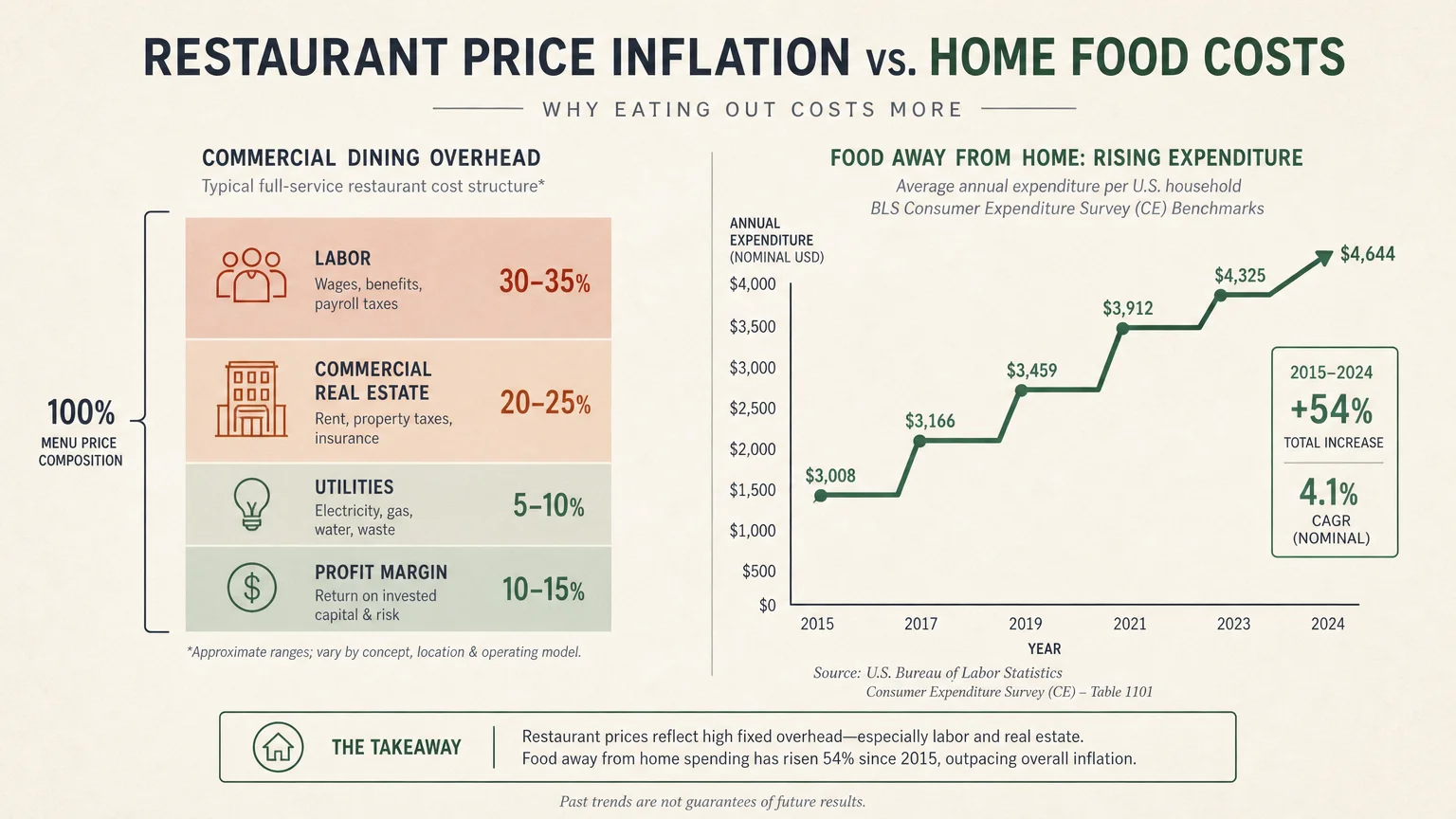
The cost of convenience has never been higher. Families across the country feel the squeeze as menu prices outpace general inflation, turning what used to be a casual Friday night tradition into a significant financial commitment. According to Bureau of Labor Statistics expenditure reports, food away from home consumes an increasingly massive chunk of the average household income. You are paying for labor, commercial real estate, insurance, and utilities every time you sit down at a table. You deserve to get your money’s worth.

A restaurant is a business designed to maximize profit margins. Chefs and restaurateurs strategically design menus to direct your eyes toward high-margin items that cost pennies to produce. By identifying these profit-padding traps, you reclaim control over your spending. You can still enjoy the luxury of dining out without subsidizing the kitchen’s bottom line. The goal is to spend your dining dollars on dishes that require specialized equipment, unique ingredients, and complex techniques you cannot replicate in your own kitchen.


A risograph illustration of a magnifying glass over a menu, revealing the chemical name of synthetic truffle oil beneath the words.
A magnifying glass reveals the chemical truth behind truffle oil fries on a restaurant menu.

Mindful Menu Navigation: 12 Culinary Traps to Avoid

1. The Truffle Oil Trap

Truffle oil rarely contains actual truffles. Commercial truffle oil is almost always synthetically engineered using a chemical called 2,4-dithiapentane to mimic the earthy aroma of the real fungus. Restaurants drizzle a few drops of this synthetic liquid over standard french fries or macaroni and cheese, then inflate the price by ten or fifteen dollars. You are paying a premium for a cheap chemical illusion. When you spot truffle oil on a menu, recognize it as a massive margin-booster and opt for a side dish that features genuine, whole ingredients.

2. Sunday Hollandaise Sauce

Culinary professionals have long warned against ordering dishes covered in hollandaise sauce during a busy Sunday brunch service. Hollandaise is an emulsion of raw egg yolks and warm butter. To maintain its consistency, kitchens must hold the sauce at a lukewarm temperature—the exact temperature zone where bacteria thrive. Furthermore, many kitchens repurpose leftover ingredients from the Friday and Saturday dinner rushes for Sunday brunch. Sticking to freshly prepared, high-heat items ensures you avoid foodborne illness and get a meal made from fresh inventory. Rely on Federal Drug Administration food handling recommendations to guide your choices regarding raw or tepid egg dishes.

3. The Second-Cheapest Wine

Beverage directors know exactly how you think. You want to save money, but you do not want to look cheap in front of your dinner companions, so you scan past the least expensive bottle and order the second-cheapest wine on the list. Restaurants anticipate this psychological behavior and place their highest markup on that exact bottle. The second-cheapest wine is often a low-quality wholesale purchase disguised with a premium price tag. You get far better value by ordering the cheapest bottle, which is usually a solid, drinkable workhorse wine, or by asking the sommelier for a high-value recommendation in your specific price range.

4. Monday Fish Specials

Commercial seafood delivery schedules generally operate on a Monday through Friday basis, with the freshest catches arriving directly before the weekend dinner rush. By the time Monday rolls around, the fish sitting in the kitchen refrigerator is likely three or four days old. While modern refrigeration makes it safe to eat, the quality and flavor will have degraded significantly. You are paying top dollar for an aging product. Unless you are dining at a specialized seafood restaurant located directly on the coast with daily deliveries, choose terrestrial proteins or vegetarian options on a Monday.

5. Standard Chicken Breast Entrees

A plain, roasted chicken breast offers the worst value-to-cost ratio on a dinner menu. Chicken is incredibly cheap at the grocery store and remarkably easy to prepare at home. Restaurants rely on safe, unadventurous chicken dishes to subsidize the more expensive ingredients on their menus. When you order the chicken, you are funding the profit margins for the entire kitchen. Spend your restaurant budget on labor-intensive dishes like slow-braised short ribs, handmade pastas, or complex curries that require hours of preparation and a pantry full of specialty spices.

6. Fake Kobe Beef Sliders

True Kobe beef comes from a specific strain of Wagyu cattle raised under strict regulations in the Hyogo Prefecture of Japan. It is extraordinarily rare and expensive. Many American menus feature “Kobe-style” burgers or sliders, which is a deceptive marketing tactic to justify a massive price hike. Grounding up premium, highly marbled beef into a hamburger patty destroys the very texture you are paying for anyway. Furthermore, most of this meat is just standard domestic beef crossbred with Wagyu. Skip the overpriced buzzwords and order a standard ground chuck burger—it will taste just as good and save you twenty dollars.

7. Paid Bread Baskets

The era of complimentary bread service is slowly disappearing. Many establishments now charge five to ten dollars for a basic basket of rolls and butter. This practice serves as a direct cash grab that inflates your final bill before your appetizers even arrive. Bread fills your stomach, reducing your appetite for the main courses you actually came to enjoy. Save your money and your caloric budget for the culinary creations the chef spent time developing, rather than subsidizing the restaurant’s flour inventory.

8. Well-Done Steaks

Ordering a premium cut of beef well-done is a culinary and financial mistake. Cooking a steak past medium-rare drains the meat of its natural juices, rendering a fifty-dollar ribeye indistinguishable from a cheap sirloin. Furthermore, chefs openly admit that they reserve the finest, most perfectly marbled cuts for rare and medium-rare orders. If a steak has a slight imperfection or is nearing the end of its shelf life, the kitchen will often designate it for a well-done order, knowing the extended cooking time will mask any flaws. If you prefer well-done meat, save your money and order a braised dish that is designed to be cooked thoroughly.

9. Out-of-Season Oysters

Consuming raw shellfish requires impeccable handling and seasonal timing. Ordering raw oysters during warmer months or out of their local harvesting season drastically increases your risk of encountering dangerous vibrio bacteria. Additionally, out-of-season oysters must be shipped from distant locations, meaning the restaurant factors high freight costs into the price. You end up paying double for an inferior, potentially unsafe product. Always ask your server where the oysters originated and stick to eating them during the colder months when they are plump, local, and reasonably priced.

10. The Catch-All House Special

When a menu features a “house special” stew, casserole, or pasta toss, view it with a healthy dose of skepticism. Kitchens abhor food waste. To prevent throwing away ingredients that are about to turn, chefs will chop up various vegetables, meats, and starches, cover them in a heavy, flavorful sauce, and market the dish as a unique chef’s creation. You are essentially paying retail price for the kitchen’s leftovers. Instead, order dishes with a clear, concise list of fresh focal ingredients.

11. Over-Garnished Bloody Marys

The modern brunch scene has transformed the classic Bloody Mary into an absurd spectacle. Restaurants top these cocktails with entire slices of pizza, sliders, bacon strips, and fried chicken wings, charging exorbitant prices for the novelty. You are paying a premium for a gimmick designed to look good on social media. The actual cocktail beneath the mountain of garnishes is usually made with bottom-shelf vodka and a cheap, high-sodium tomato mix. Order a standard, expertly mixed cocktail and purchase your appetizers separately to control your spending and your sodium intake.

12. Exotic Seafood in Landlocked States

If you live a thousand miles from the nearest ocean, ordering Chilean sea bass or Hawaiian ahi tuna is a massive drain on your wallet. The logistical cost of flying fresh seafood across the country requires the restaurant to double or triple the menu price. By the time it reaches your plate, the fish has spent days in transit. You will always find better value and superior flavor by ordering proteins that are raised or grown regionally. Save your exotic seafood budget for a beach vacation.

A candid photograph of a chef in an apron and a woman in a sweater discussing a handwritten meal planner at a rustic kitchen counter.
A smiling couple reviews kitchen notes, blending culinary passion with smart restaurant financial planning.

Real-World Voices: Blending Finance and Culinary Arts

Financial planners continually emphasize that small, recurring expenses derail long-term wealth building faster than massive, one-time purchases. When you overpay for mediocre food, you deplete the disposable income you could have channeled toward an emergency fund or a high-yield savings account. Following Consumer Financial Protection Bureau guidelines on mindful spending, you must scrutinize your restaurant transactions. It is not about eliminating joy from your life; it is about optimizing the capital you deploy for entertainment.

Culinary consultants echo this sentiment from the opposite side of the pass. They design menus specifically to manipulate consumer behavior. They use descriptive adjectives, strategic price anchoring, and decoy dishes to gently push your wallet open. By stepping into a restaurant with a clear understanding of these tactics, you level the playing field. You transition from a passive consumer to an active participant who extracts maximum enjoyment for a fair price. This dual approach of financial literacy and culinary awareness forms a bulletproof shield for your paycheck.

A clean, horizontal flowchart detailing smart menu decisions: skipping truffle oil, avoiding Sunday hollandaise, and dodging cheap wine.
This flowchart maps out smart menu decisions to help you restructure your restaurant spend.

Action Lab: Restructuring Your Restaurant Spend

Implementing this knowledge requires a deliberate cash-flow audit of your dining habits. Begin by reviewing your credit card statements from the past ninety days. Add up every transaction at sit-down restaurants, takeout counters, and coffee shops. Most households severely underestimate this number. Once you have a hard baseline, establish a firm monthly dining allowance that aligns with your broader financial goals.

Assume your household allocates three hundred dollars a month for dining out. Instead of spreading that money across six mediocre meals where you fall victim to paid bread baskets and overpriced chicken breasts, consolidate your funds. Plan three intentional, high-quality dinners. Review the menus online before you leave the house. Look for dishes that feature slow-braised meats, complex reductions, or handmade pastas. Decide your orders away from the high-pressure environment of the dining room and the suggestive selling tactics of the waitstaff. By treating your dining budget as an investment in your quality of life, you guarantee an excellent return. You can further reinforce your saving habits by reviewing Federal Deposit Insurance Corporation savings strategies to automatically redirect the cash you save into a dedicated account.

A gouache illustration of a hand guiding a gold coin through a menu-shaped maze, dodging a bottle of truffle oil and a pot of hollandaise.
Hands navigate a maze of menu traps, dodging synthetic truffle oil and Sunday hollandaise.

Guardrails and Pitfalls to Dodge

The most common pitfall in restaurant budgeting is succumbing to menu creep. You sit down intending to order a simple entree, but the server offers a round of cocktails, followed by a shared appetizer, and suddenly your forty-dollar meal balloons into a hundred-dollar expense. Establish clear boundaries before you walk through the door. If you want a drink, skip the appetizer. If you want dessert, skip the alcohol. You maintain absolute control over the final bill by deciding your trade-offs in advance.

Another dangerous guardrail to watch for involves third-party delivery applications. The prices listed on delivery apps are often marked up by twenty to thirty percent compared to the physical restaurant menu, even before you factor in service fees, delivery charges, and driver tips. When you order a low-value item like a chicken breast through a delivery app, you are magnifying your financial loss. If you want restaurant food, drive to the establishment and pick it up yourself to protect your hard-earned money.

Frequently Asked Questions

How much of my income should go toward dining out?

Most financial experts recommend following the 50/30/20 budget model, where fifty percent of your income covers needs, twenty percent goes to savings, and thirty percent is allocated for wants. Dining out falls squarely into the wants category. You should adjust your restaurant budget based on your other discretionary expenses. If you carry high-interest consumer debt, your dining out budget should be scaled back aggressively until those balances are cleared. Federal Reserve studies on household economic well-being indicate that reducing discretionary food spending is the fastest way to free up emergency cash.

Are lunch menus actually a better value than dinner menus?

Lunch menus provide a substantially better financial value than dinner menus. Kitchens frequently serve the exact same proteins and sauces during the afternoon service, but charge twenty to thirty percent less. The portion sizes might be slightly smaller, but they are usually more appropriately sized for a healthy diet anyway. If you want to experience a high-end, expensive restaurant without wrecking your monthly budget, booking a lunch reservation is a brilliant strategy.

Does skipping alcohol make a noticeable difference in my budget?

Skipping alcohol makes an immediate and massive difference in your restaurant bill. Alcoholic beverages carry the highest profit margins in the entire hospitality industry, often marked up by three hundred to four hundred percent. A mixed drink that costs the restaurant two dollars to pour will cost you fifteen dollars. By choosing water or a simple iced tea, you can easily shave thirty to forty dollars off a dinner for two, keeping your budget intact.

How do I handle splitting the check fairly without looking cheap?

Splitting the check evenly is a mathematical trap if you ordered an inexpensive meal while your friends ordered multiple rounds of drinks and premium steaks. To handle this gracefully, communicate with the server immediately when you sit down. Quietly ask for a separate check for your portion before any orders are placed. This proactive approach eliminates the awkward, end-of-meal negotiation and ensures you only pay for the value you actually consumed.

Protecting Your Wallet One Menu at a Time

Transforming your dining habits does not mean you have to abandon the joy of eating out. It simply requires you to approach every menu with a critical eye and a protective grip on your finances. You possess the knowledge to spot synthetic ingredients, avoid aging seafood, and dodge margin-padding beverages. Every time you bypass an overpriced trap and select a dish of genuine culinary value, you score a victory for your household budget. Keep your standards high, demand excellence for your money, and watch your savings grow while you continue to enjoy fantastic food.

Leave a Comment

Your email address will not be published. Required fields are marked *

Related Posts